













Application Scope
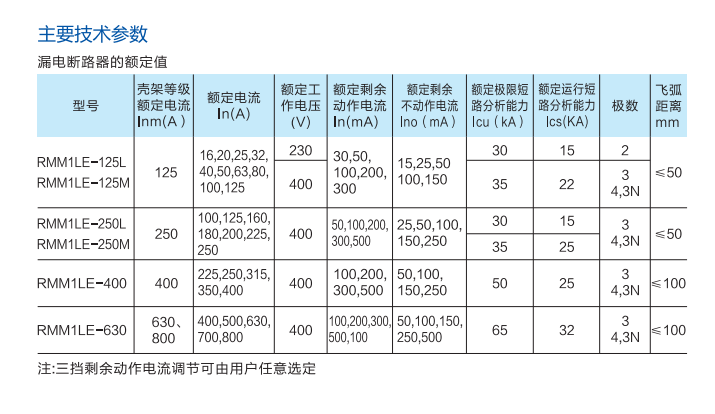
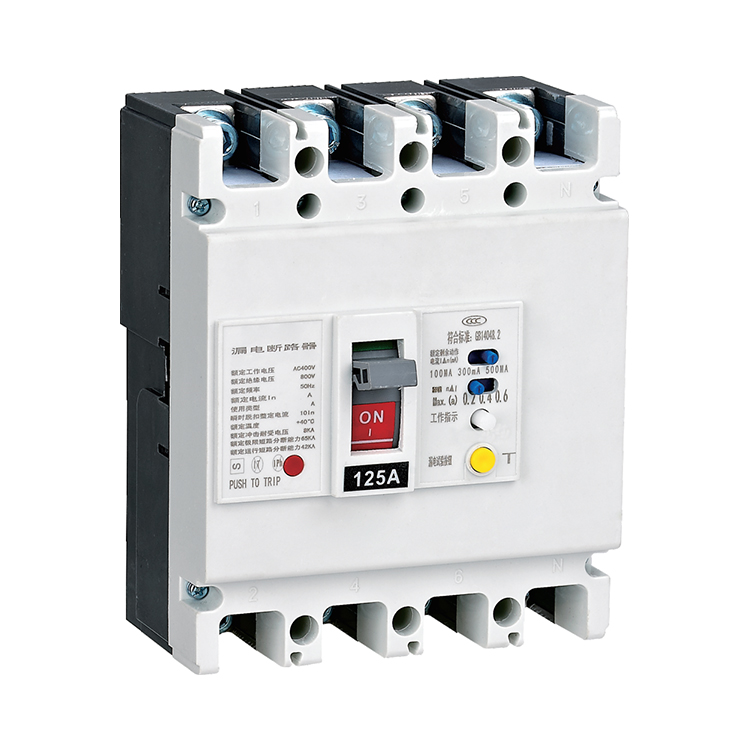
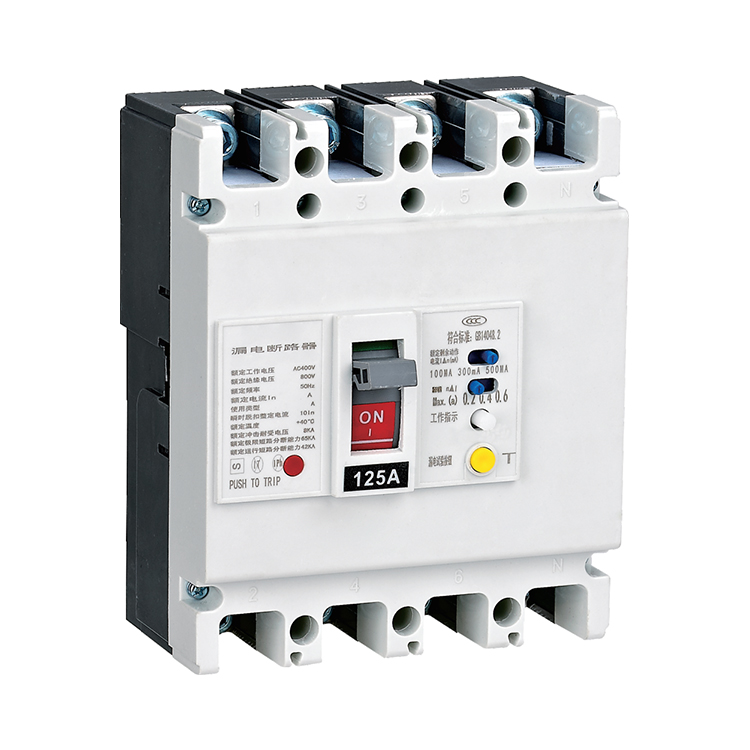
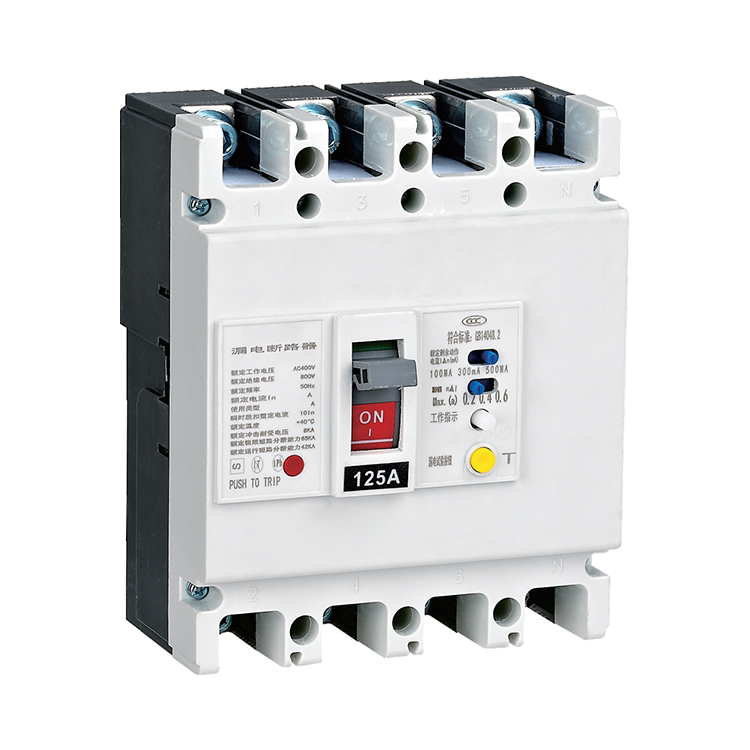
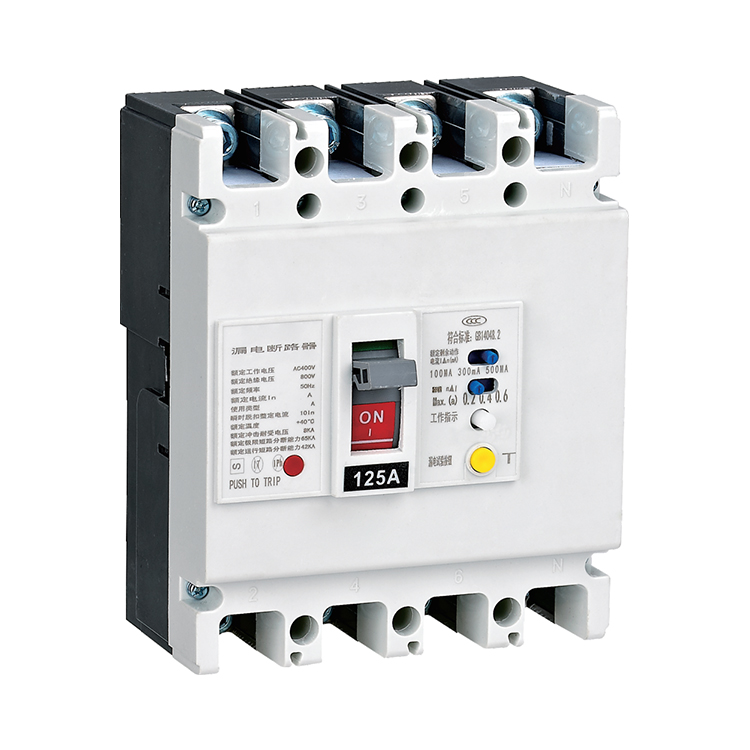
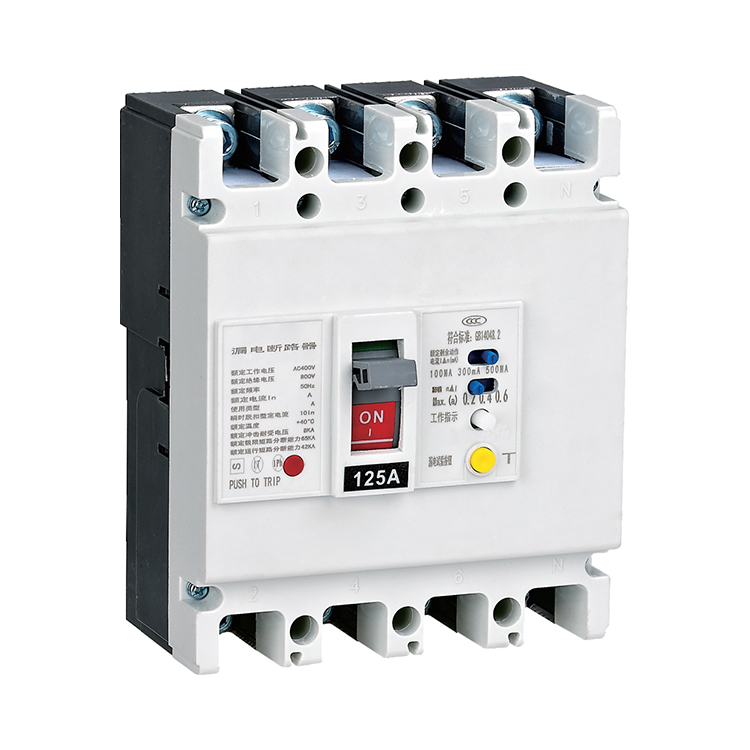
RMM1LE Series Leaking Current Circuit Breakers (hereinafter referred to as circuit breakers) are suitable for AC 50/60Hz power systems with a rated working voltage up to 400V and a rated working current from 16A to 630A. They are used for leakage protection in systems where the neutral point is directly grounded. They also prevent fire hazards caused by grounding fault currents due to equipment insulation failure. Additionally, they can distribute electrical energy and protect the circuit and power equipment from damage caused by overloads, short circuits, and other faults. They can also serve as infrequent start protection and over-load/short-circuit protection for motors.
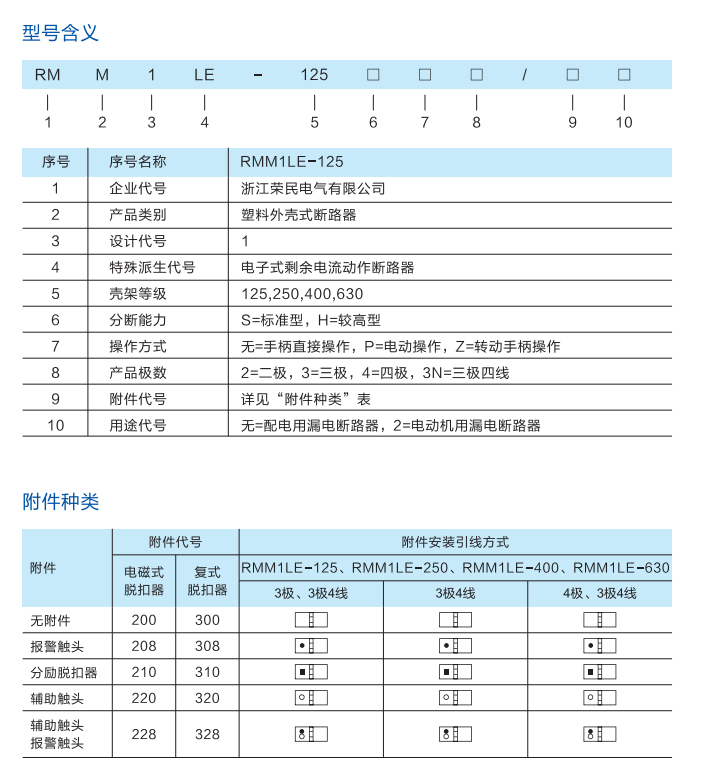
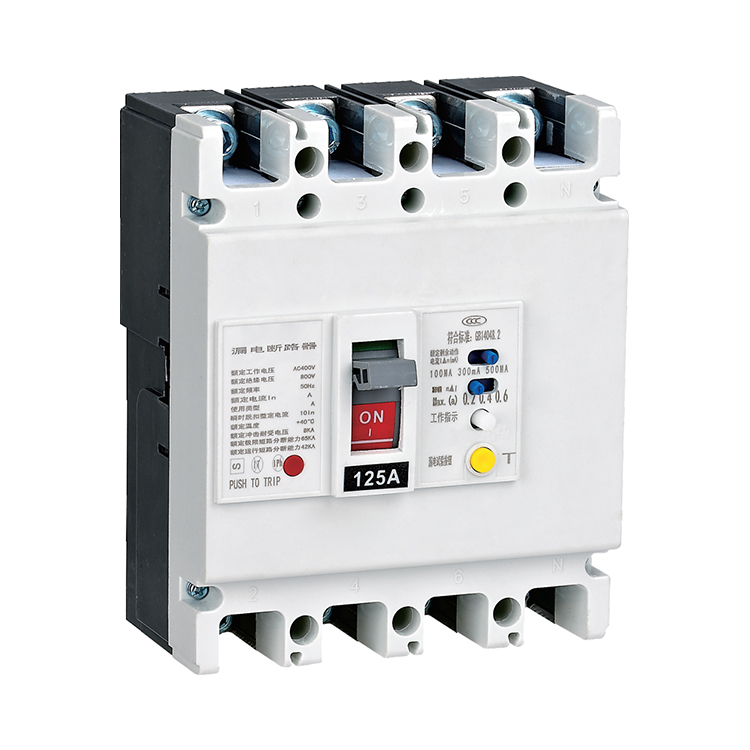
This residual current circuit breaker features a compact size (equal to that of a corresponding plastic case circuit breaker), high breaking capacity, short arc, and adjustable residual trip current. Additionally, it can be equipped with accessories such as alarm contacts, auxiliary contacts, and trip coils, making it an ideal product for user applications. The RCD can be installed vertically (i.e., upright) or horizontally (i.e., sideways).
This product complies with GB14048.2 and IEC60947-2 standards.
Structure and Working Principle
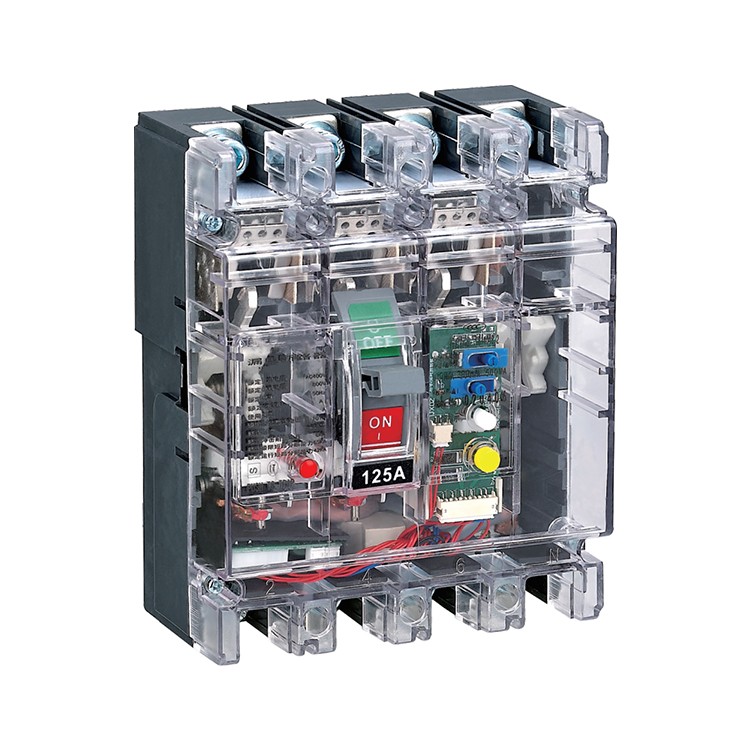
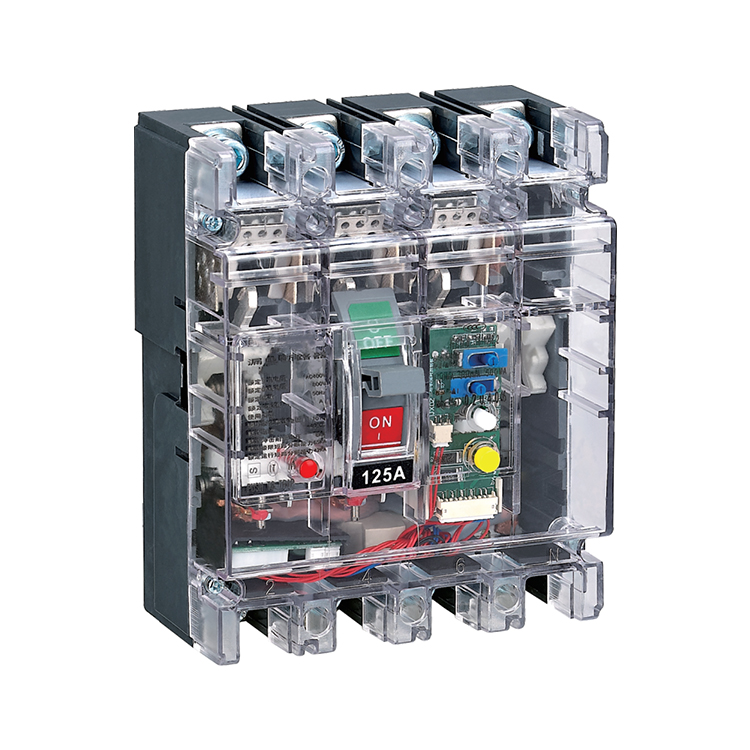
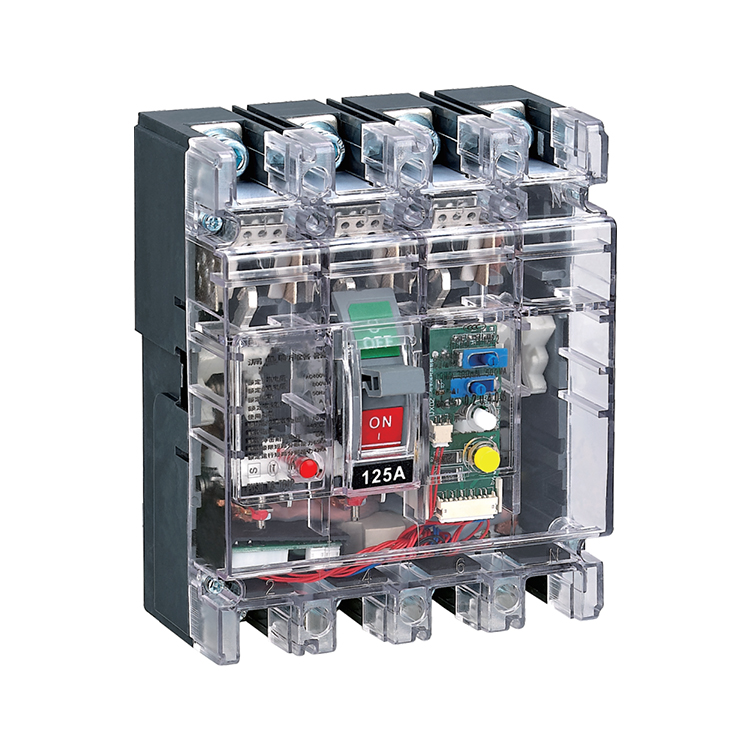
·This series of residual current circuit breakers is an electronic type, primarily composed of a zero-sequence transformer, an electronic control trip unit, and a circuit breaker with overload and short-circuit protection. All components are housed within a plastic casing.
·When there's a leakage or electric shock in the protected circuit, once the residual current reaches the set trip current value, the output signal of the zero-sequence transformer's secondary winding triggers the SCR to conduct, and the leakage circuit breaker operates through the leakage release, thereby cutting off the power and providing protection against leakage and electric shock.
·Upon overload or short-circuit of the protected circuit, the dual release mechanism performs a time-delayed or instantaneous disconnection action, causing the leakage circuit breaker to operate and thereby cutting off power to provide overload or short-circuit protection.