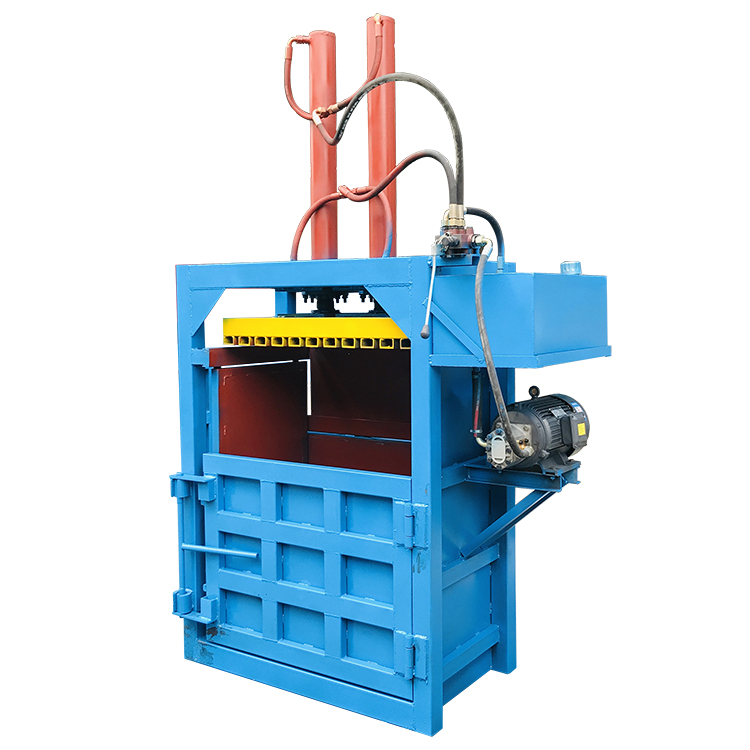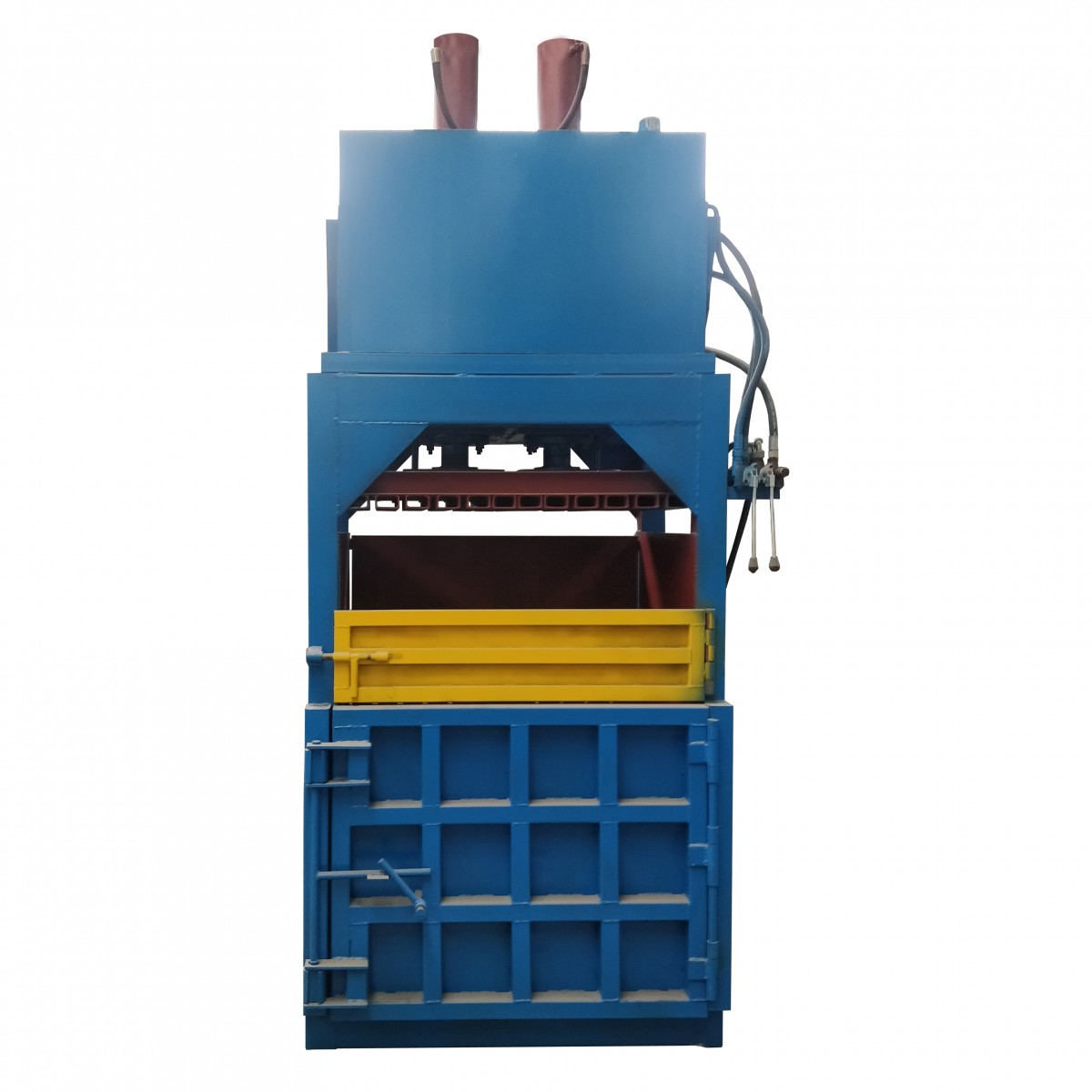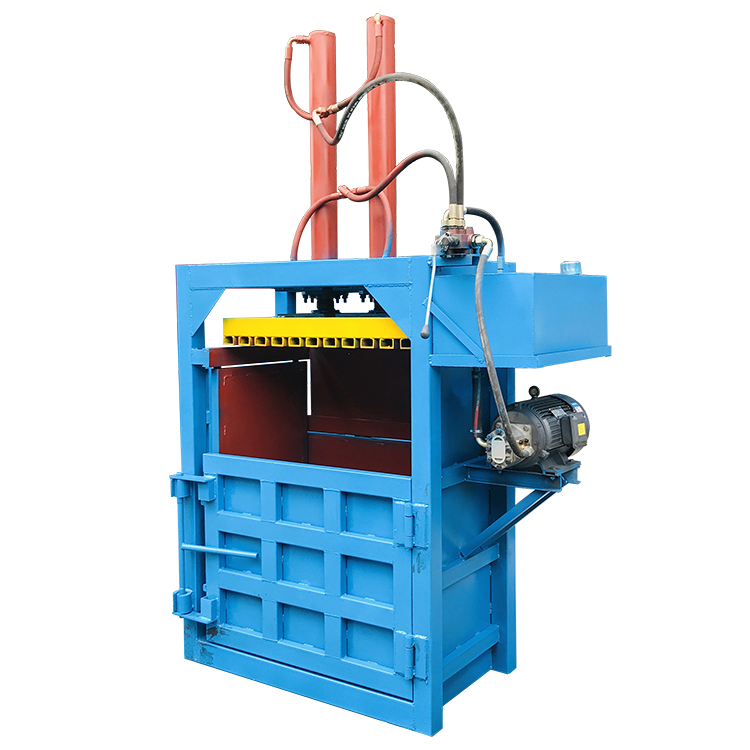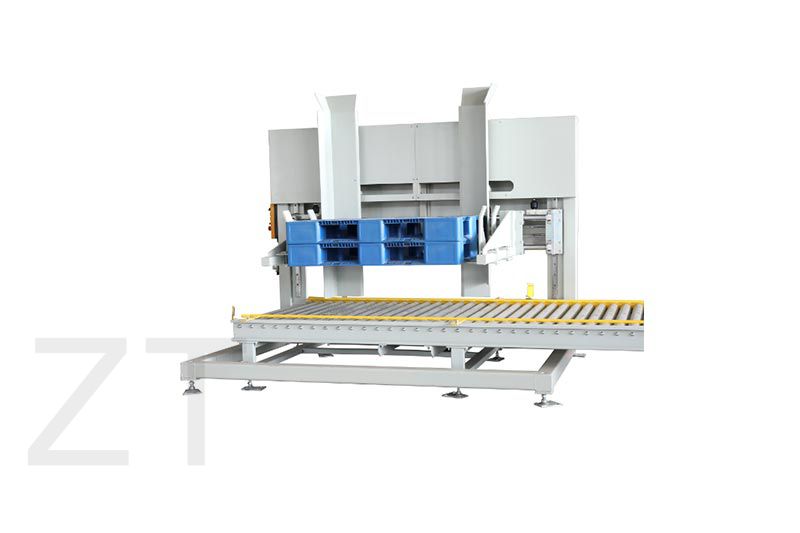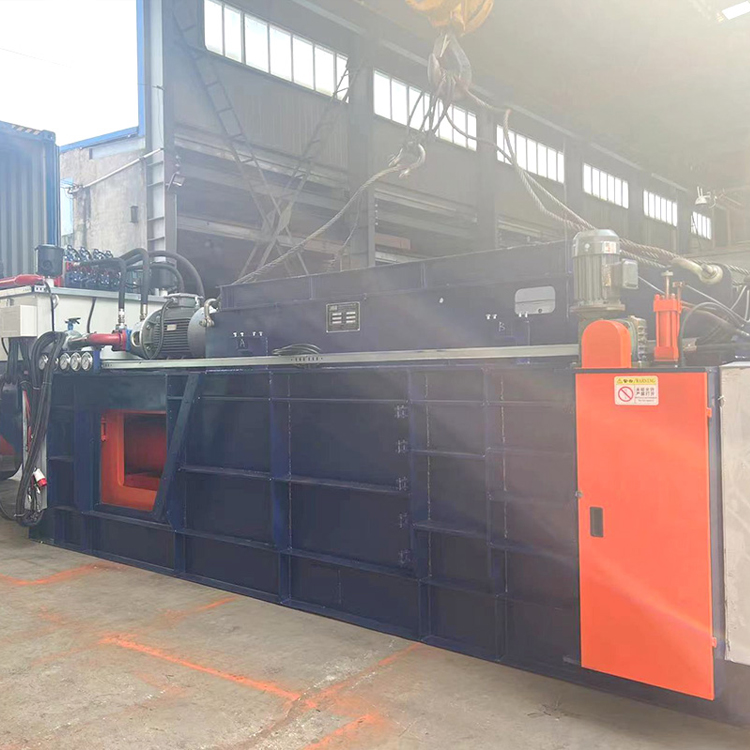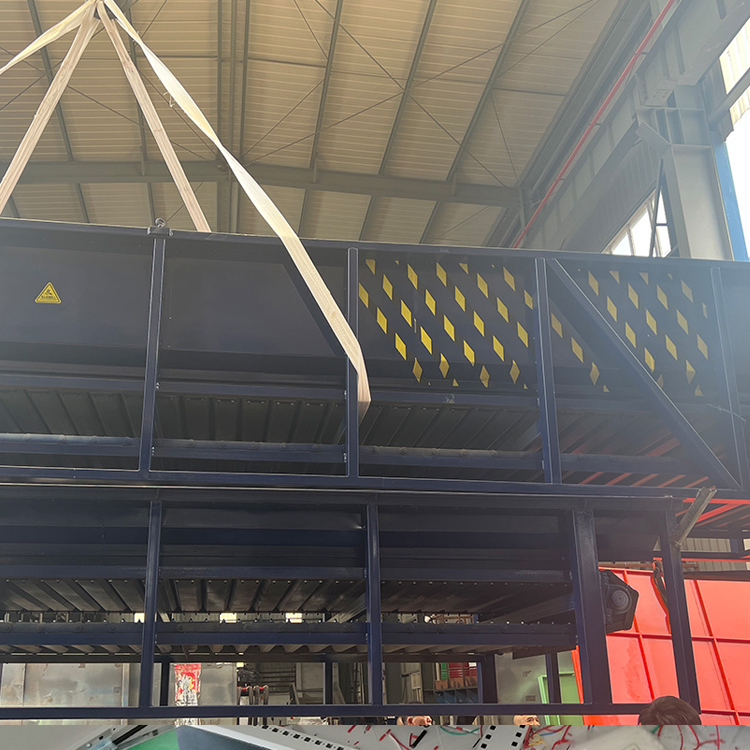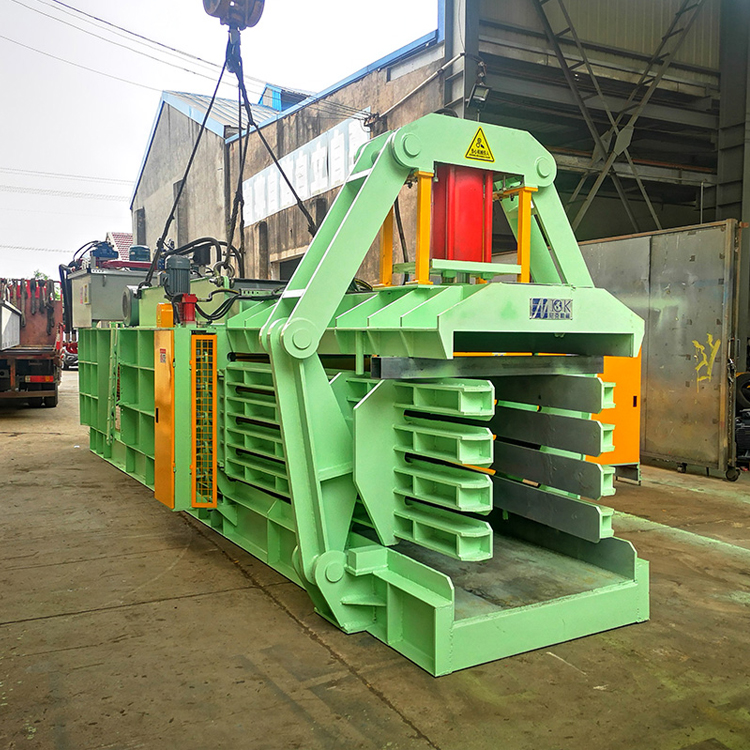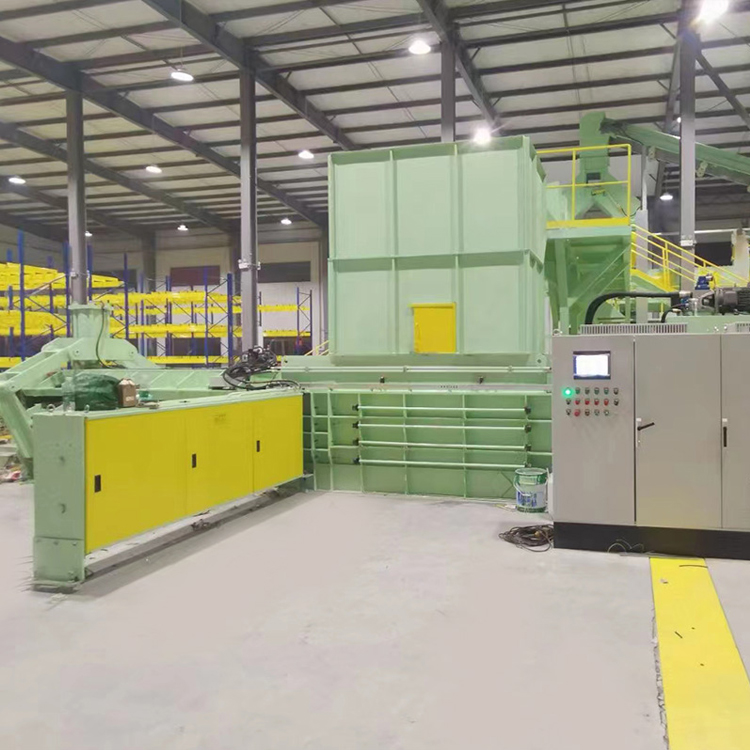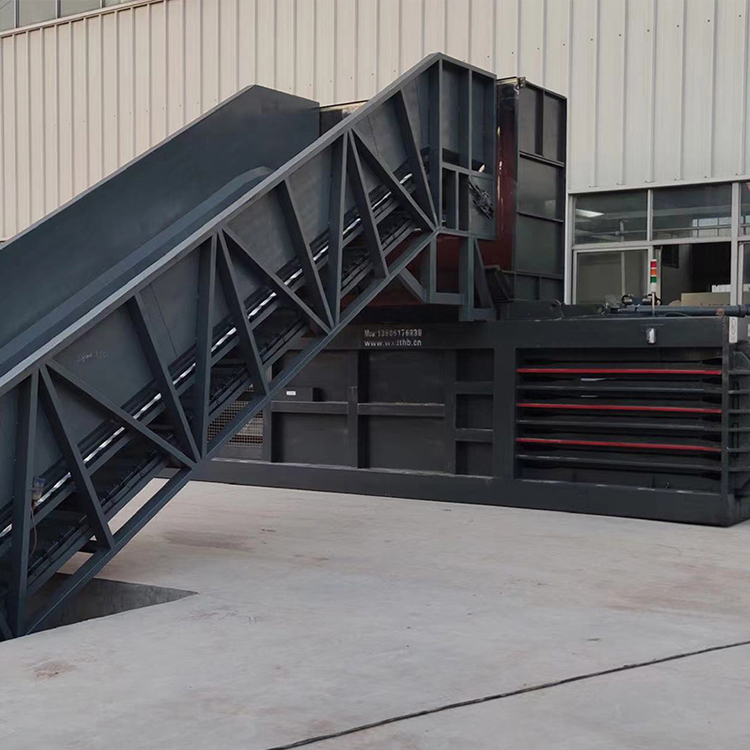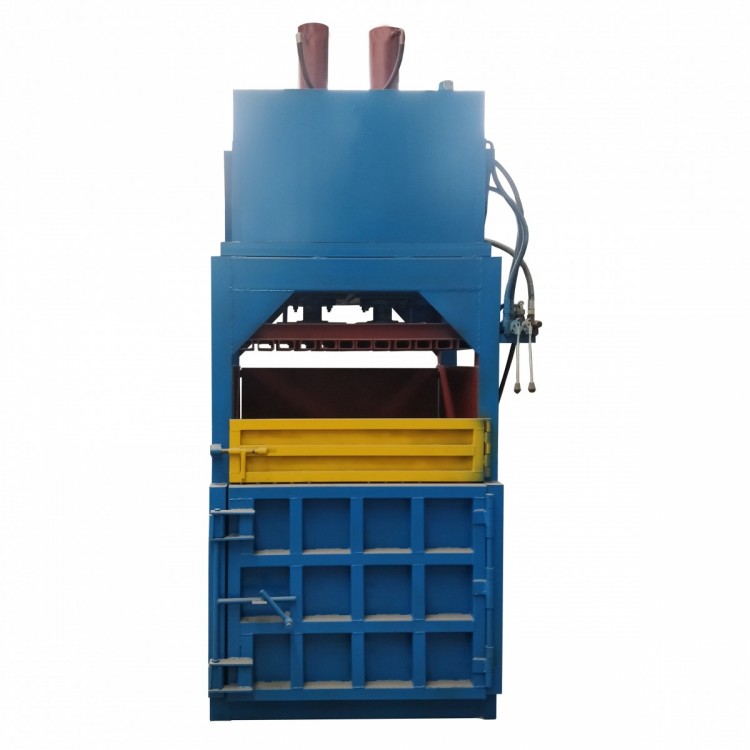

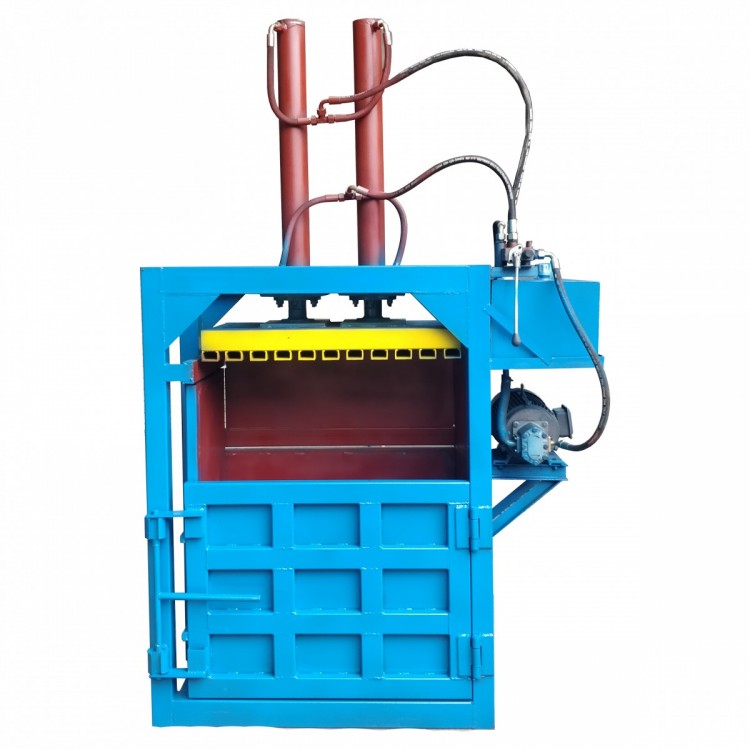
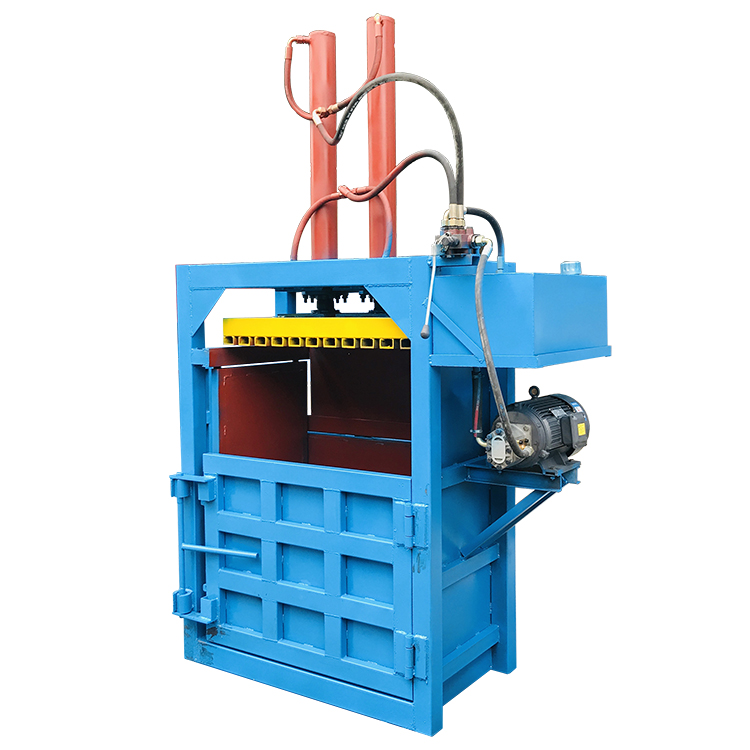


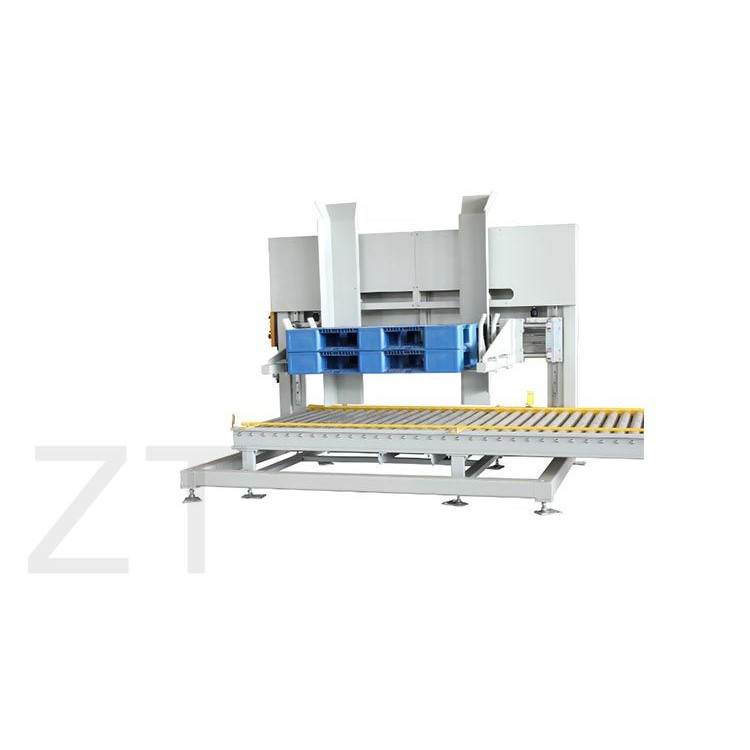
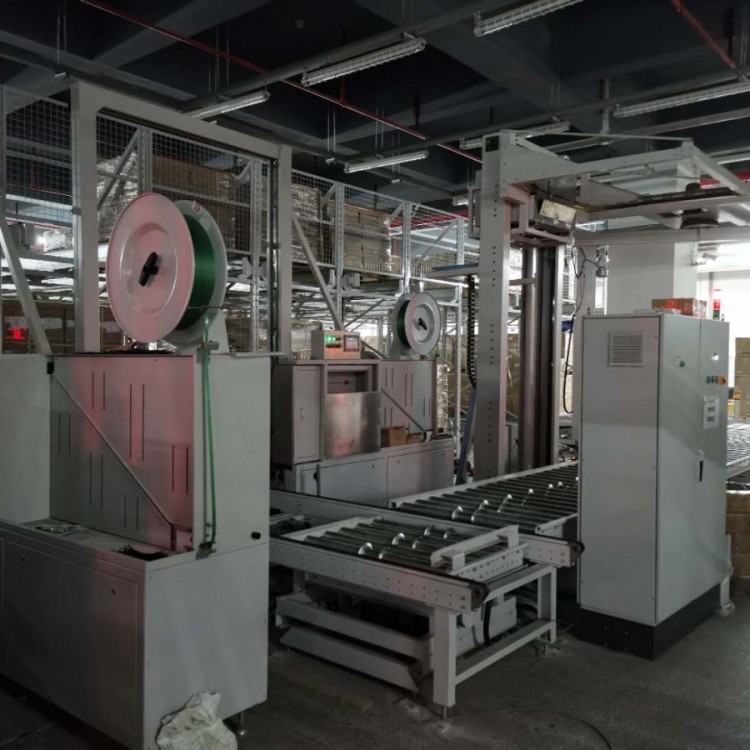
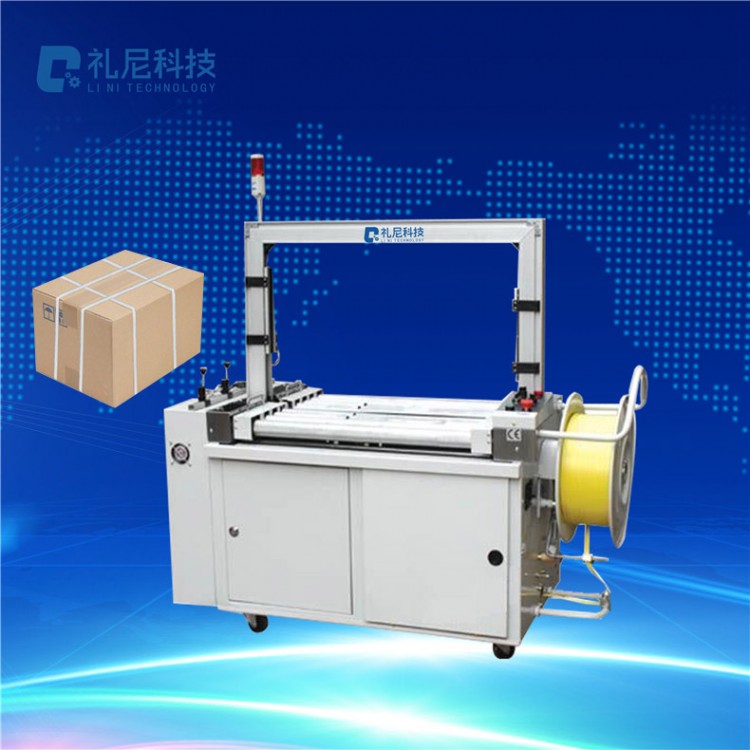





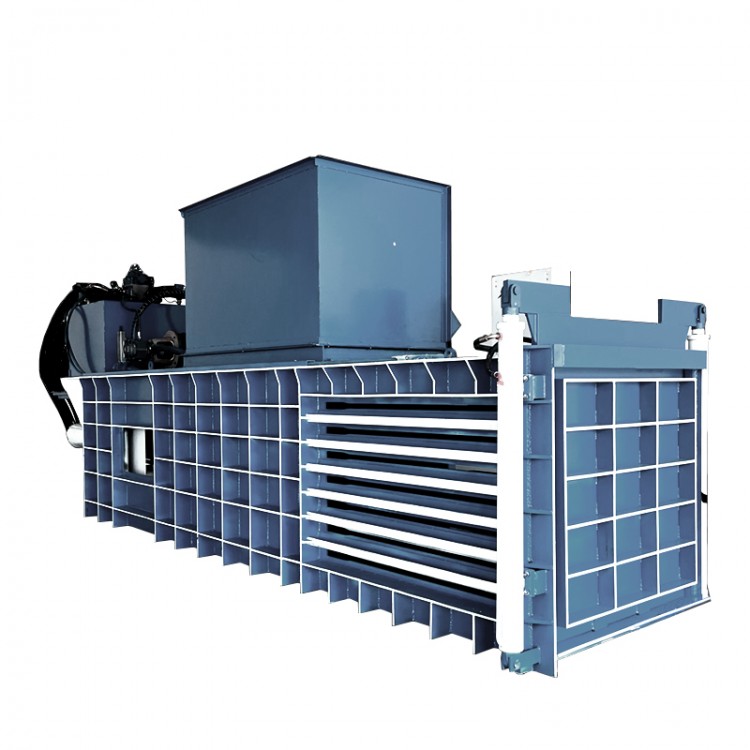
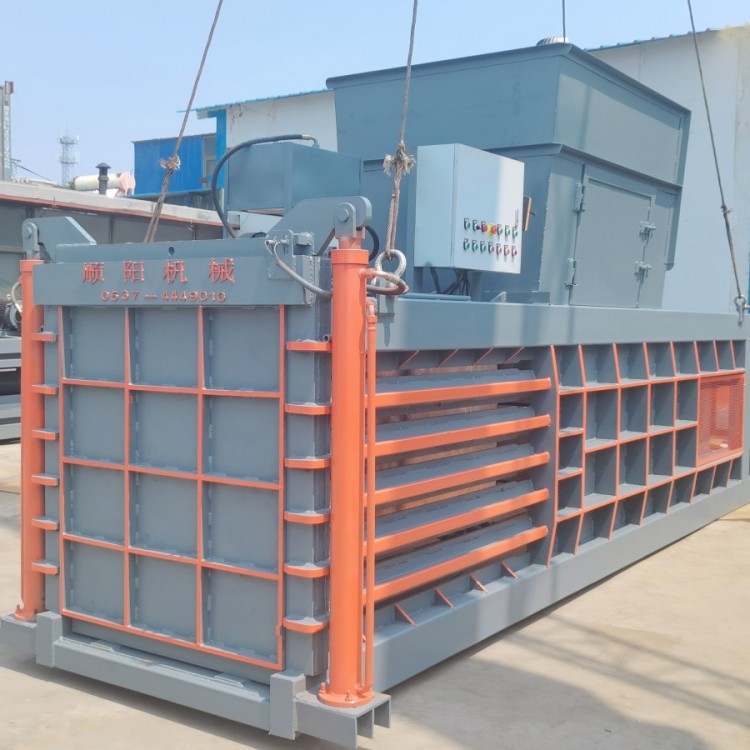
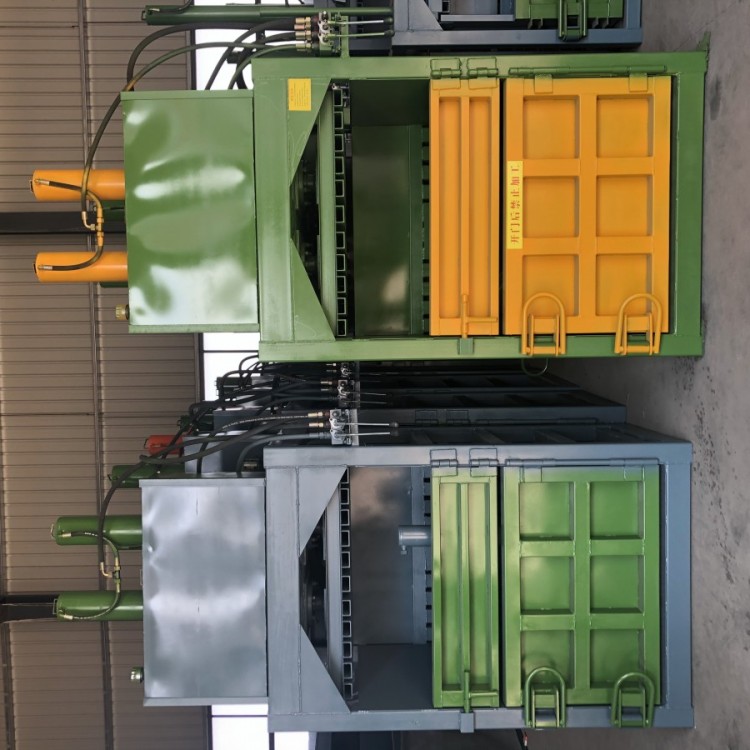
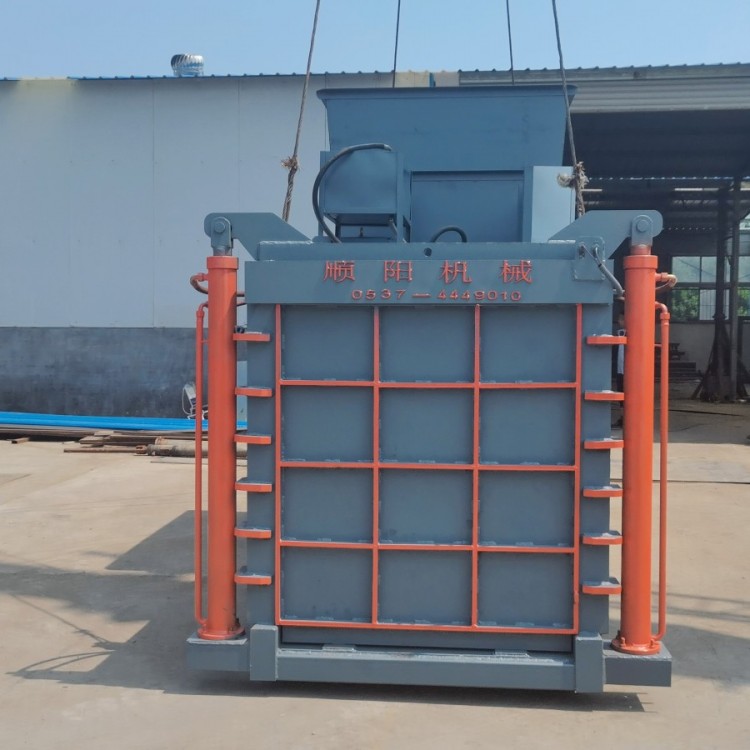
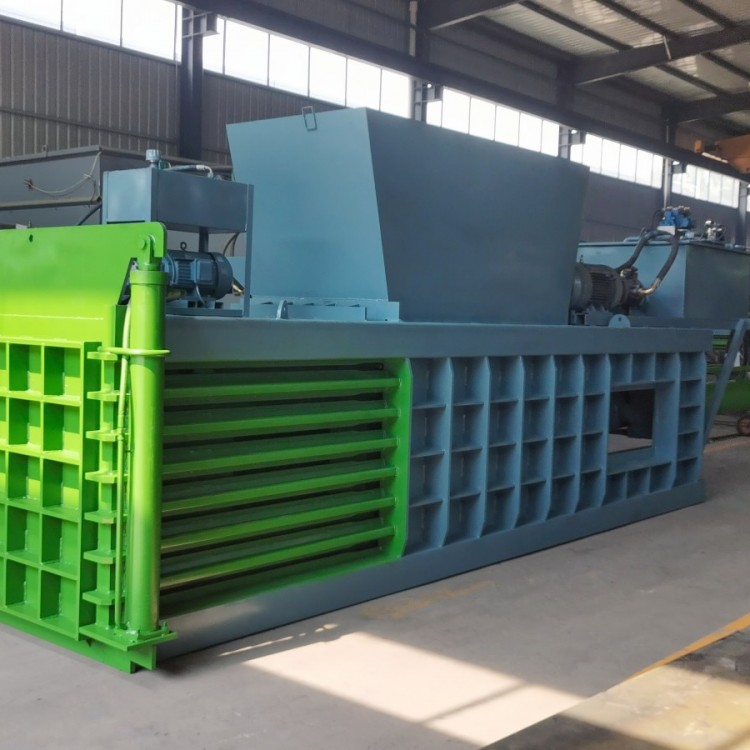
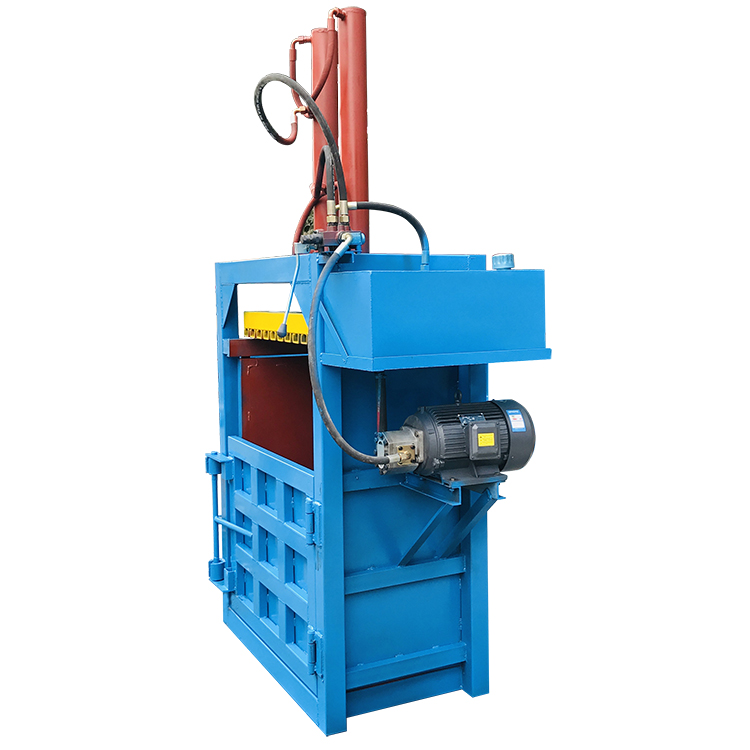
Waste Paper Hydropack Machine, also known as a hydraulic press or baling machine
Primarily used for baling waste plastics, metals, shavings, straw, and waste paper products, with a wide application range and strong practicality.
This machine is divided into 10T, 15T, 20T, 30T, 60T, and 80T models based on different tonnage. It features a four-column single-cylinder structure, which is simple, stable in pressuring, easy to operate, and cost-effective.
Equipped with a four-door structure for easy operation; features imported hydraulic cylinders with high tonnage pressure and excellent packing effect, forming in one go without the need for multiple packings; includes a knife switch for immediate start and stop, ensuring safety; customizable as per requirements.
Hydraulic baling machines are suitable for straw, forage, waste paper baling, cotton baling, garment baling, straw baling, and plastic baling.
Wool packaging, recyclable waste bundling, also applicable to cotton, wool, waste cardboard boxes, waste cardboard, yarn, tobacco leaves, plastic,
Textiles, woven bags, knitted plush, linen, sackcloth, wool slivers, wool balls, cocoon, silk, hops, waste plastic bags, etc.
Compressed and packed for soft materials like light, loose, and fluffy substances, resulting in a compact and tidy package with an aesthetically pleasing appearance, significantly reducing transportation costs.
Cost is a necessity for cotton-producing regions, textile companies, garment factories, waste material recycling stations, and various light industrial enterprises.
Manufacturing tools.
Our company produces a variety of packing machines, hydraulic packing machines, straw packing machines, cotton packing machines, rice straw packing machines, metal packing machines, waste paper packing machines, straw baling machines, wool packing machines, towel packing machines, and fabric packing machines.
The hydraulic packing machine includes a bracket with a base plate and front and rear side plates. A jack is mounted on the bracket, equipped with a piston rod. The right end of the piston rod is connected to a vertical pusher plate, the right side of which is connected to a pusher strip. The gap between adjacent pusher strips serves as the rope passage on the plate. The upper right part of the bracket features a pressure plate, with an inlet opening on the bracket above the left side of the pressure plate. The brackets on the right sides of the front and rear side plates are fixedly connected with front and rear side strips, respectively, with the gaps between adjacent side strips serving as the rope passage. The right end of the bracket has an outlet opening, where the right end of the bracket is hinged to a door panel, the left side of which is connected to door strips. The gaps between adjacent door strips are the rope passage on the door. The cavity enclosed by the front and rear side plates, pusher plate, and base plate is the feeding cavity, and the cavity enclosed by the front and rear side strips, pressure plate, door panel, and base plate is the extrusion cavity. The door panel and the right end of the bracket are fixedly connected with a locking device. The size of the packing can be adjusted within a certain range as needed.