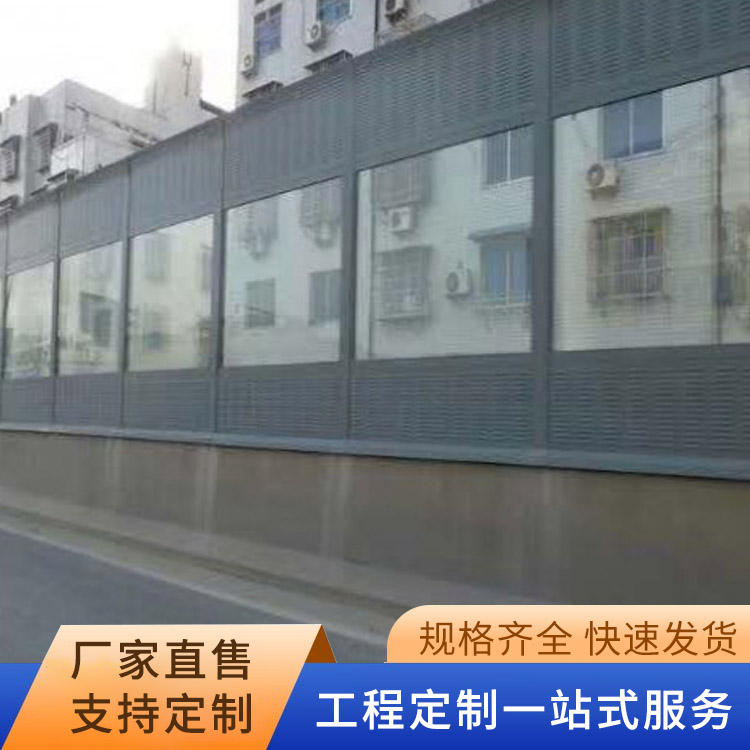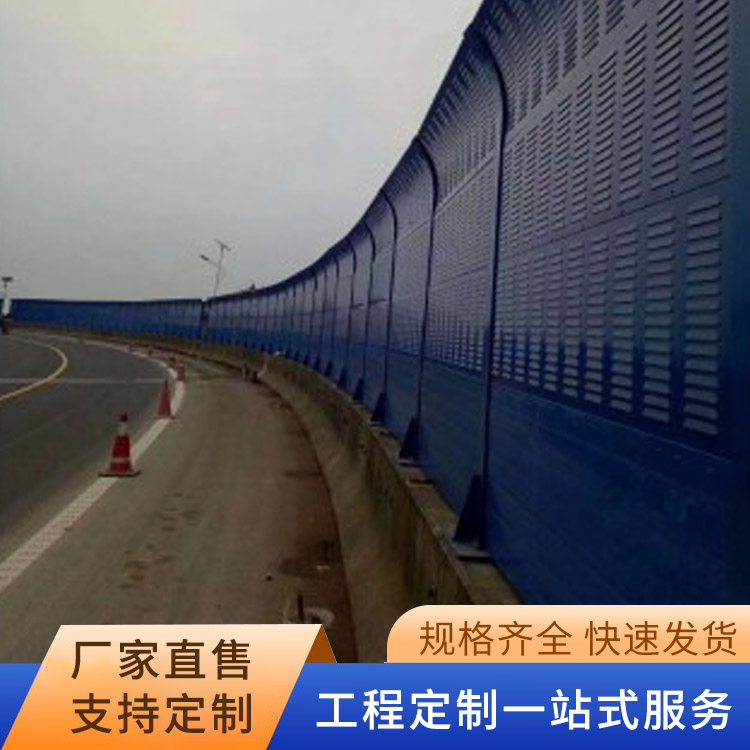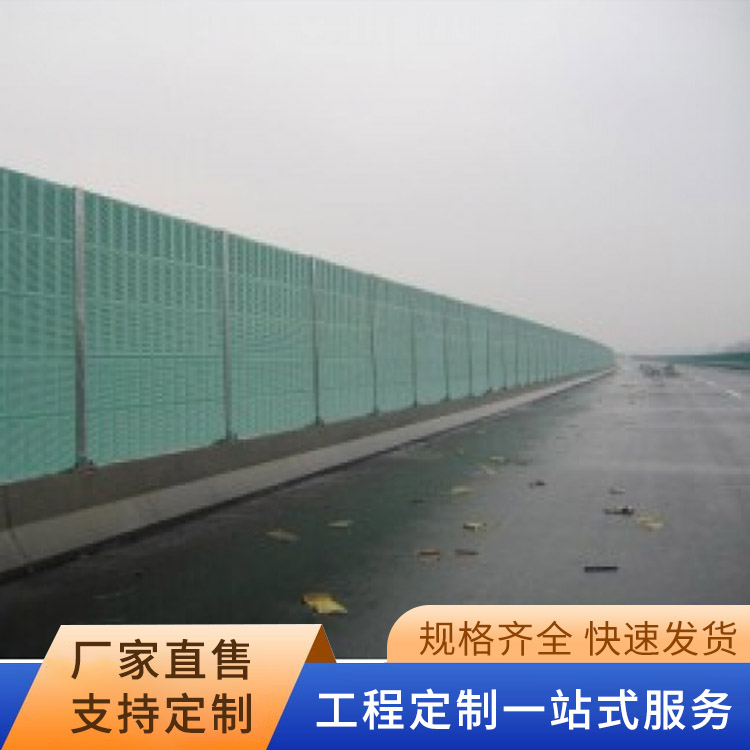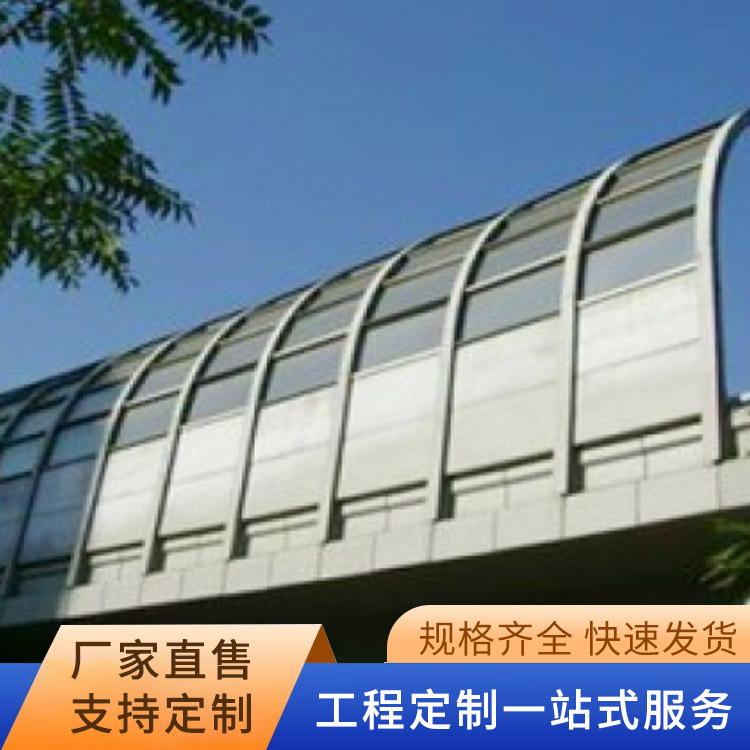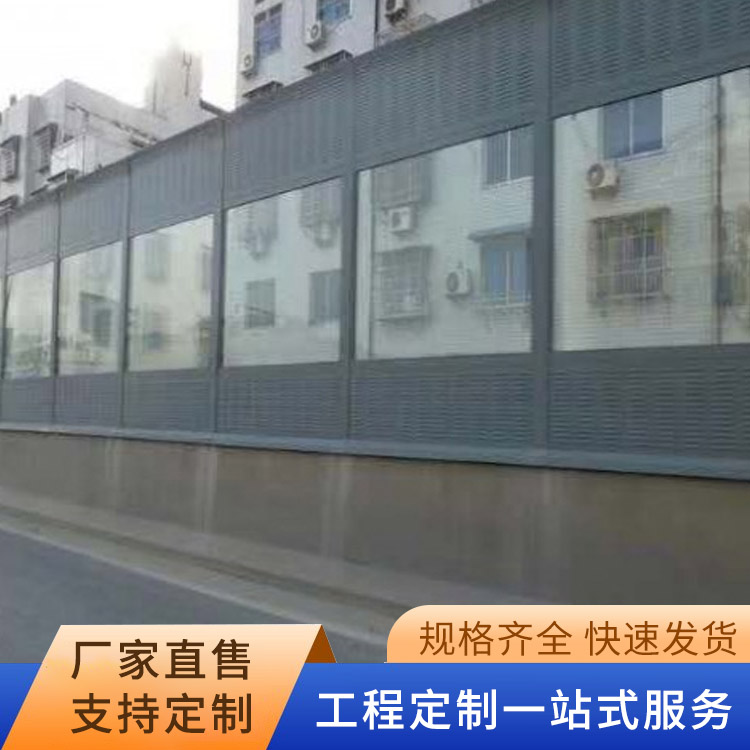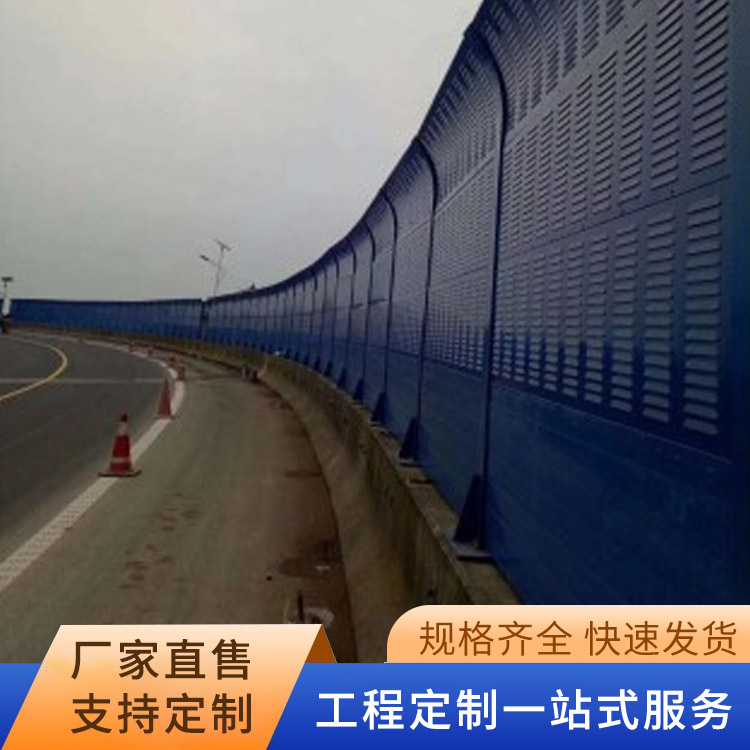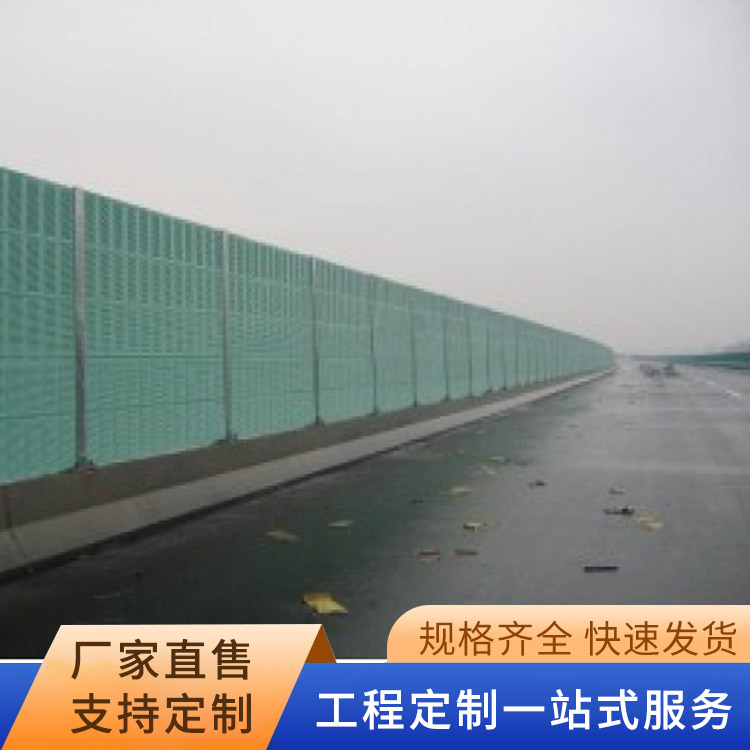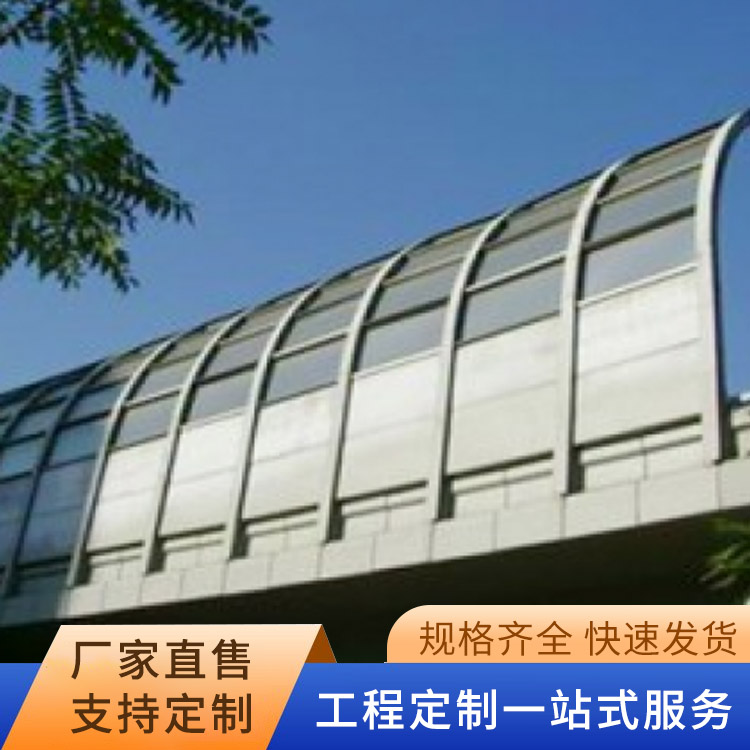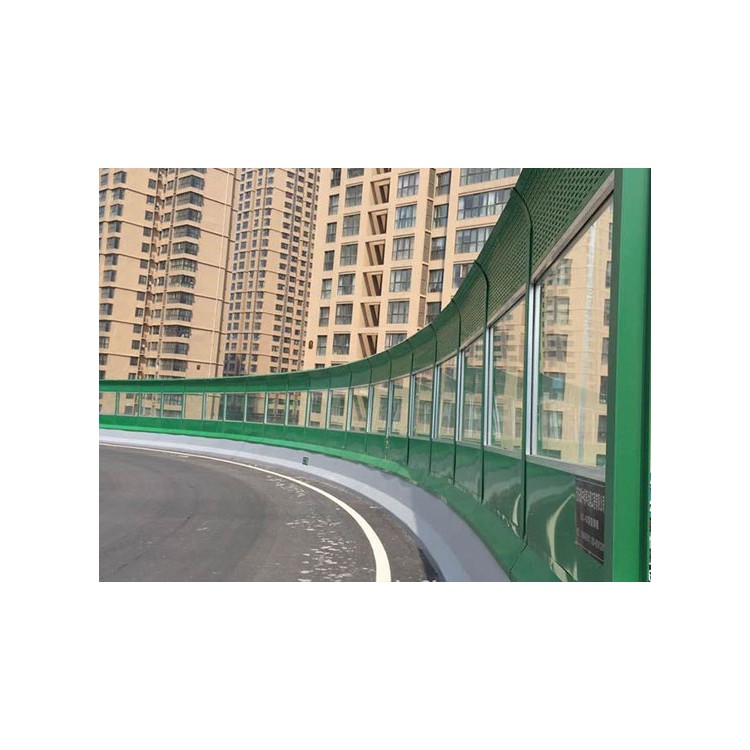


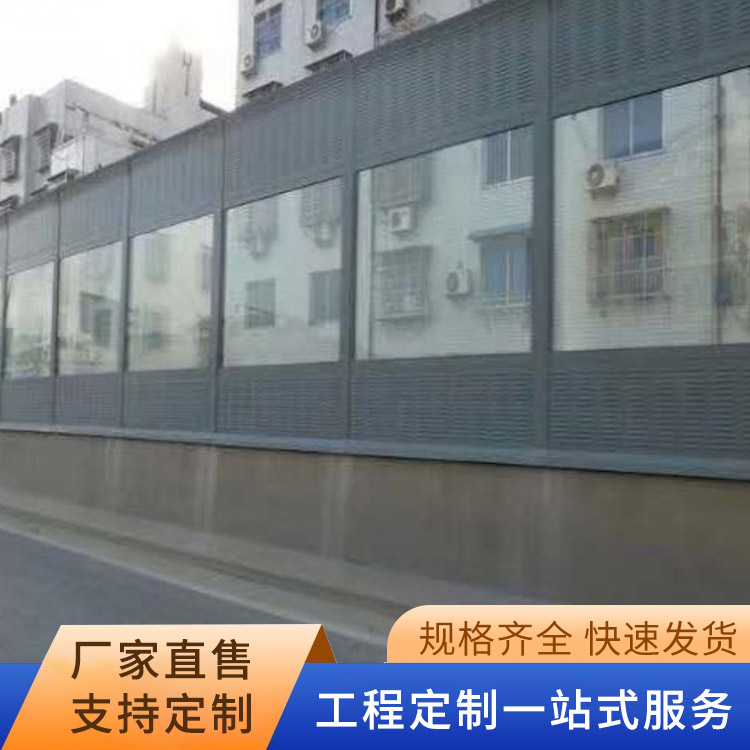
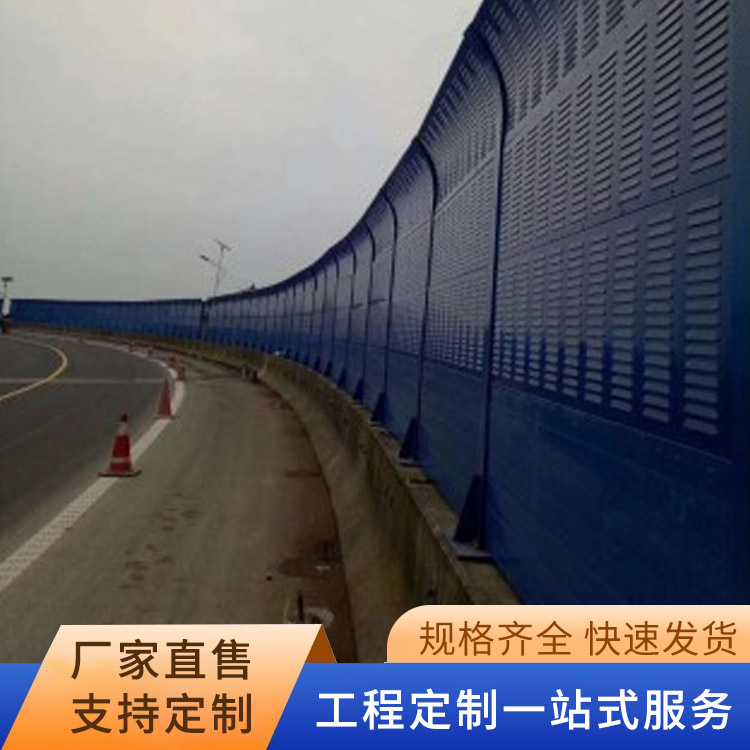
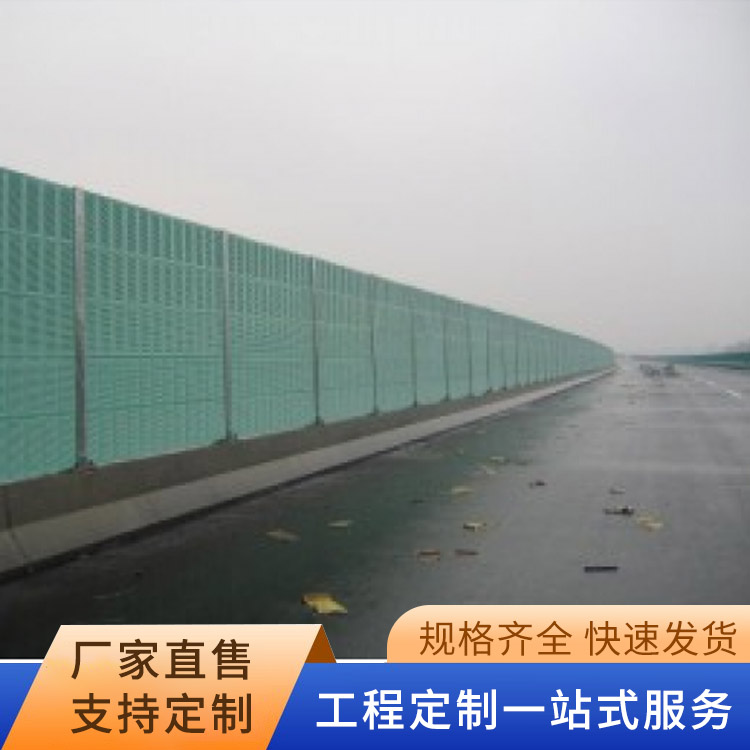
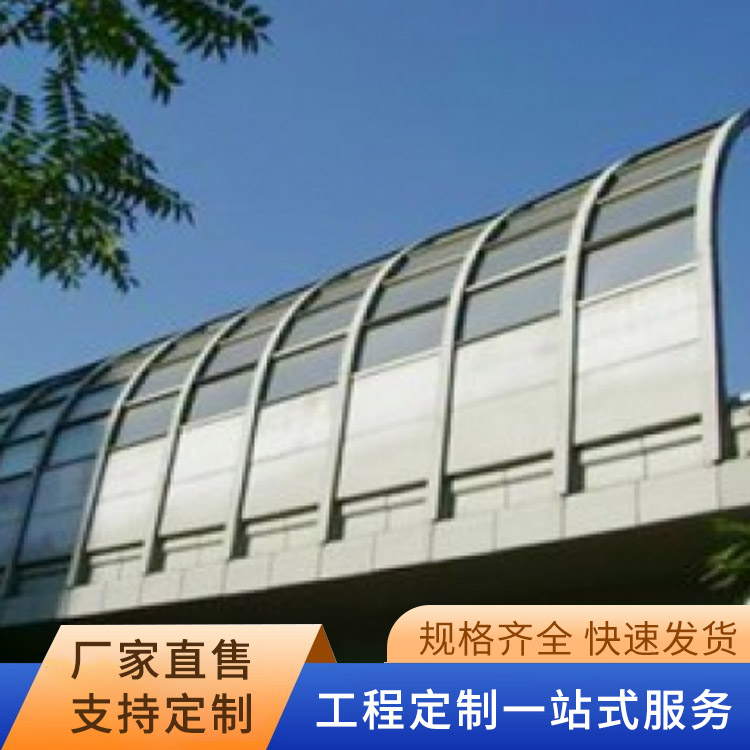








Soundproof wall is a type of wall structure designed for noise isolation. It typically consists of multiple layers, including soundproof materials, boards, and films. The design of the soundproof wall aims to reduce the transmission and reflection of sound, thereby minimizing the impact of noise.
Soundproof walls can be used in locations such as residential areas, offices, factories, theaters, etc. They effectively block out noise from external environments and also reduce internal noise interference to the surrounding area.
The soundproofing effect of soundproof walls depends on the choice of materials and the structural design of the wall. Common soundproofing materials include soundproof gypsum board, soundproof glass, and soundproof bricks. Additionally, air layers and soundproof cotton can also be used to enhance the soundproofing effect.
The construction of soundproof walls requires detailed design and execution to ensure the desired soundproofing effect. Additionally, proper maintenance and care are crucial; regular inspections and repairs of damaged soundproof materials can maintain the effectiveness of the soundproof walls.
In summary, soundproof walls are an essential architectural structure that effectively isolate noise, providing a quiet and comfortable environment.
Hole-punched sound-absorbing panels are materials used for acoustic treatment, which absorb sound waves by creating a series of small holes on the surface. These holes alter the path of sound waves, allowing for more effective absorption and dispersion. Typically made from sound-absorbing materials (such as polyester fibers), the size and arrangement of the holes on the surface can be designed and adjusted as needed. These panels are widely used in audio rooms, recording studios, theaters, conference rooms, and other locations requiring noise control and acoustic environment improvement.

Composite soundproof wall is a structural soundproofing wall composed of various materials. It usually consists of an outer wall, an inner wall, a soundproofing layer, and an air layer.
The exterior wall is the protective layer of the composite sound-insulating wall, which can be constructed using materials such as brick walls, concrete walls, etc., serving the functions of sound insulation and thermal insulation.
The interior wall is the internal structure of a composite sound-insulating wall, typically constructed with materials such as brick walls or gypsum board walls, serving the purpose of soundproofing and heat insulation.
The soundproofing layer is the core component of composite soundproofing walls, commonly constructed with absorbent materials like rock wool, glass wool, and polyester fiber, effectively absorbing sound and preventing the transmission of noise.
The air layer is an essential component of composite soundproofing walls, situated between the soundproofing layer and the interior wall, serving as a buffer and sound absorption. The thickness and density of the air layer affect the soundproofing performance.
The advantages of composite soundproof walls include excellent noise insulation, effectively blocking noise transmission to provide a quiet living environment. Additionally, these walls offer features like thermal insulation, fire resistance, and durability, enhancing the overall performance of buildings.
In summary, composite soundproofing walls are a type of wall structure with multiple soundproofing functions, suitable for buildings requiring sound insulation, such as residential, office, and hotel buildings.

Composite soundproof screens are a type of partition used for noise reduction, composed of multiple layers. Their primary function is to block out external noise, providing a relatively quiet environment. These screens typically consist of an outer and inner layer, filled with soundproofing materials such as soundproof cotton or foam. The outer layer is usually made of metal or plastic, while the inner layer is made of soft materials like fabric or rubber. This partition can be used in offices, conference rooms, recording studios, factories, and other settings to enhance the working environment and quality of life.

Hole-punched sound barriers are building materials used for noise insulation, featuring perforated design to effectively reduce the propagation and reflection of sound waves. Typically made of metal, these barriers have numerous small holes on their surface, which block the transmission of sound waves, thereby reducing the noise transmission effect.
Porous sound barriers feature the following characteristics:
1. Excellent soundproofing: The aperture and spacing of the perforations on the sound barrier can be adjusted as needed to achieve varying degrees of soundproofing effect.
2. Excellent breathability: The perforations in the acoustic barrier allow for air circulation, affecting the ventilation and breathability within the building.
3. Durable: Perforated sound barriers are typically made from corrosion-resistant metals, offering a longer service life.
4. Aesthetically pleasing: The surface of the perforated sound barrier can be treated in various ways, such as painting or galvanizing, to enhance its aesthetic appeal.
Hole-punched acoustic barriers are widely used in construction, transportation, and industrial sectors for sound insulation and noise reduction. They can be applied in places like highways, railways, airports, and factories, effectively reducing the impact of noise on the surrounding environment and people.
Acoustic Screen Poles are devices designed for noise reduction and isolation, commonly used in public spaces, offices, conference rooms, and other areas requiring a good acoustic environment. Made from materials with noise-blocking properties, they effectively block the transmission and reflection of sound, thereby reducing the impact of noise.
Acoustic screen posts generally feature the following characteristics:
1. Excellent sound insulation: Made of high-density soundproofing materials, it effectively absorbs sound and blocks the transmission of sound waves, reducing noise transmission.
2. Aesthetically pleasing and practical: The stylish and minimalist design complements interior decor, offering both sound insulation and enhancing the overall aesthetic of the space.
3. Easy Installation: Acoustic screen posts are typically modular in design, allowing for quick and convenient assembly according to actual needs.
4. Durable: Made of high-quality materials, it boasts excellent durability and anti-aging properties, ensuring long-lasting superior soundproofing performance.
Acoustic screen posts are widely applicable, suitable for offices, conference rooms, concert halls, recording studios, film and television studios, and other locations requiring a good sound environment. They not only isolate external noise interference, providing a quiet working or living space, but also prevent sound leakage, ensuring privacy.