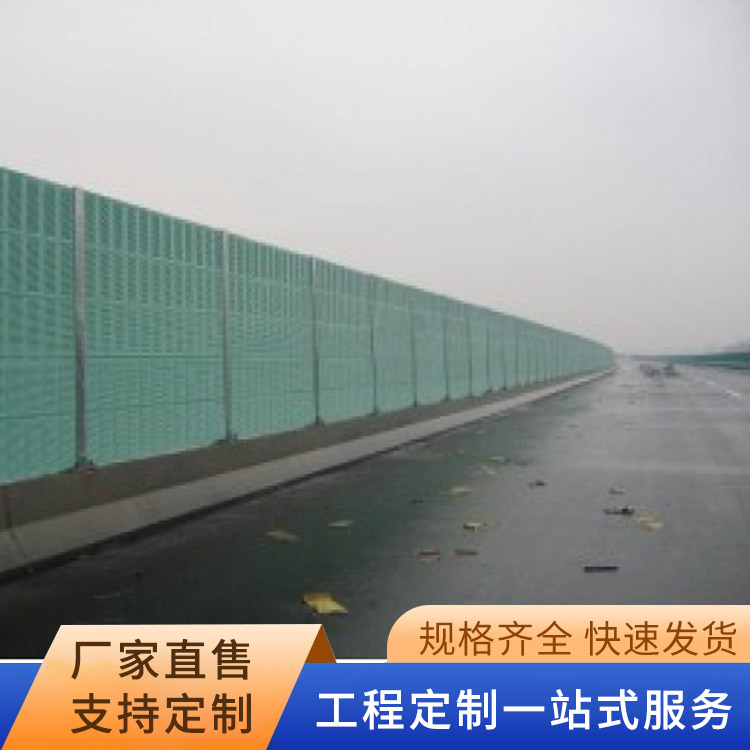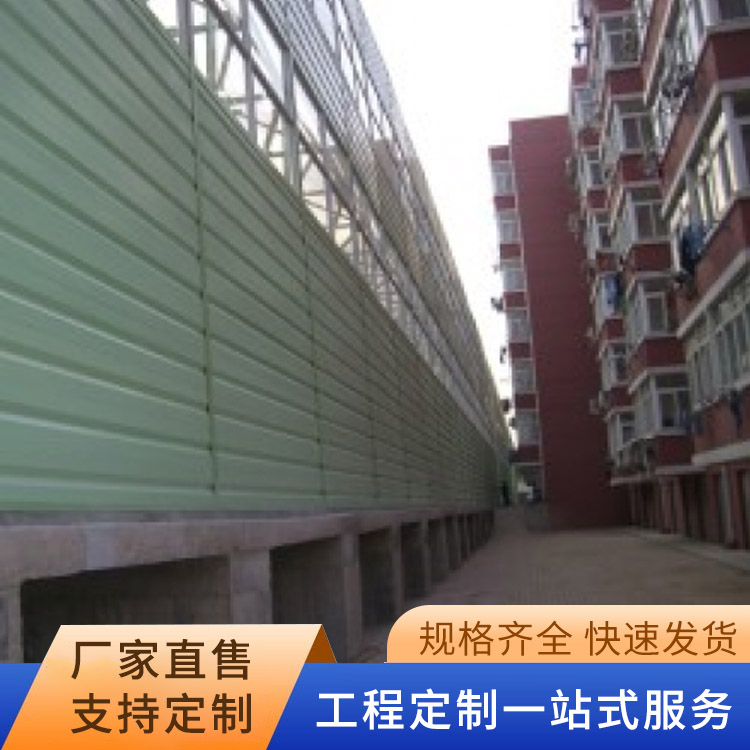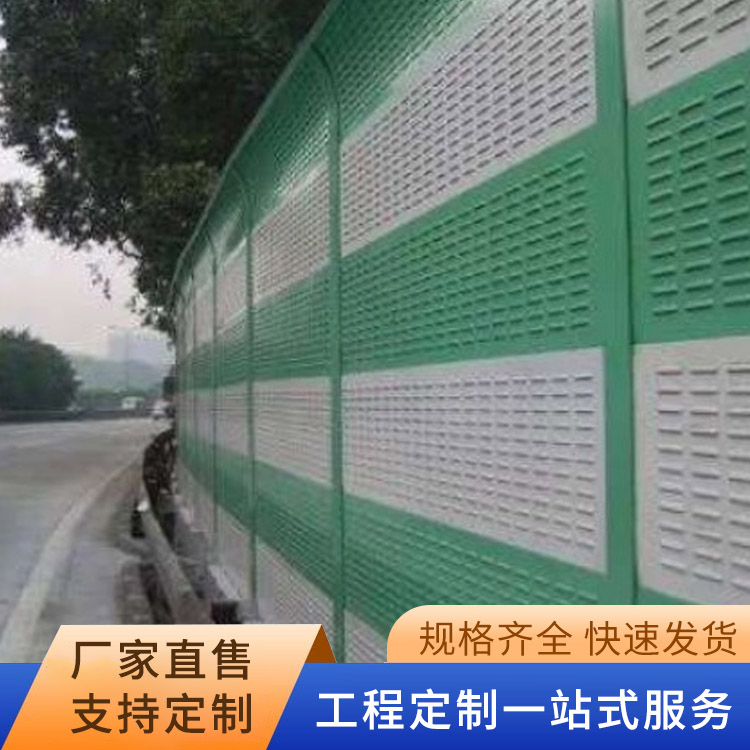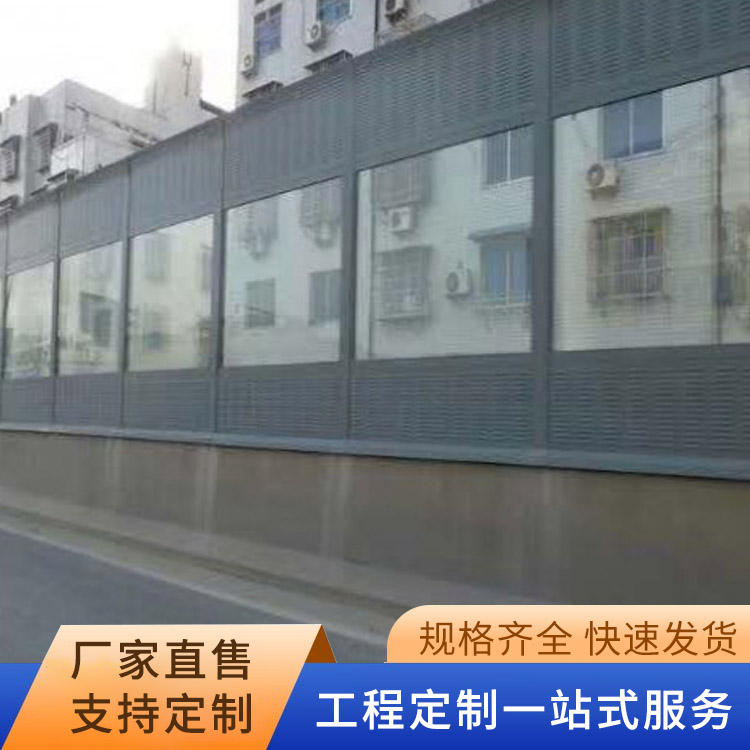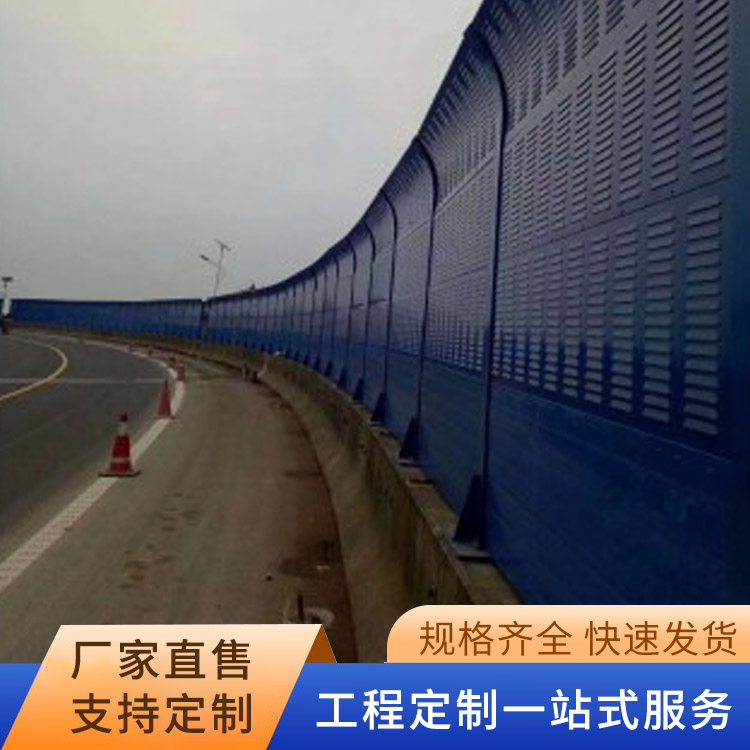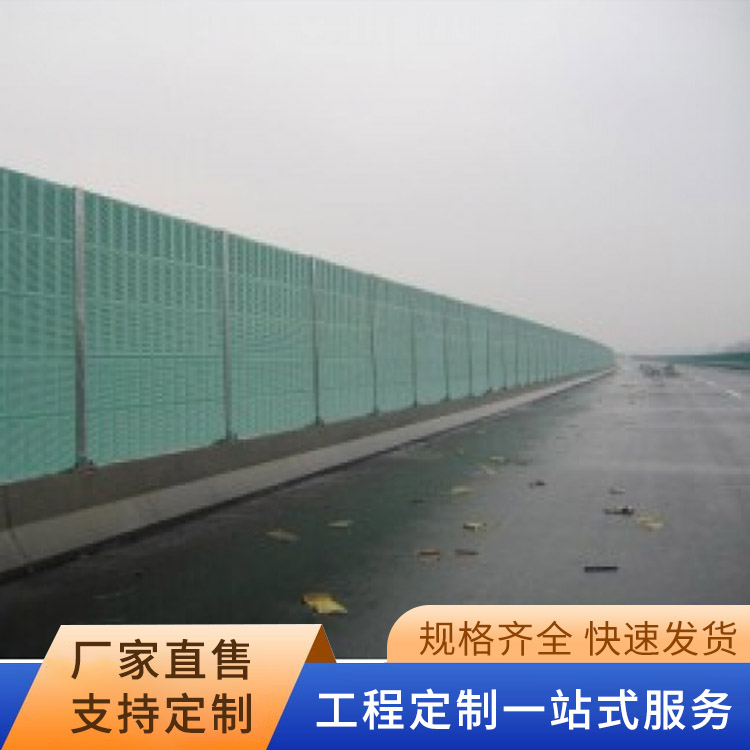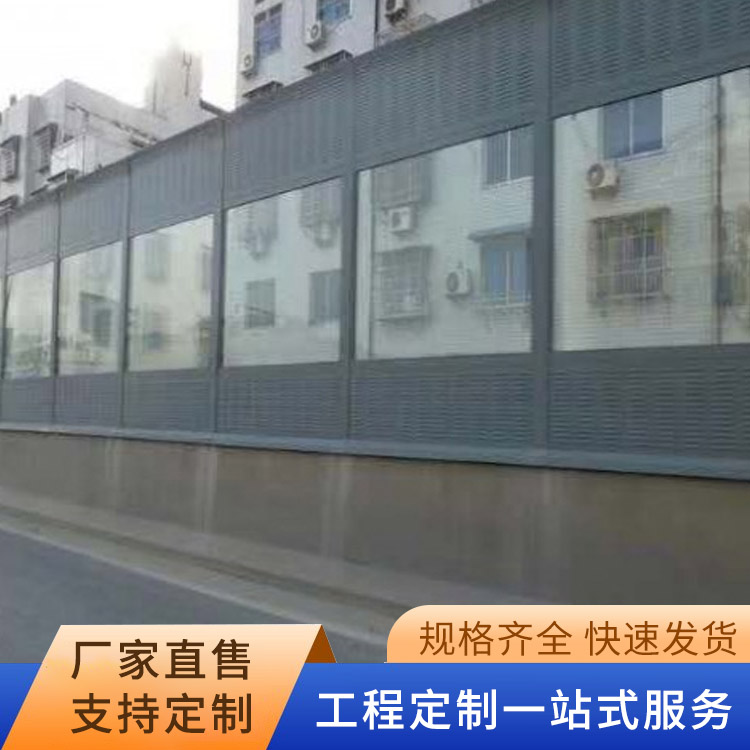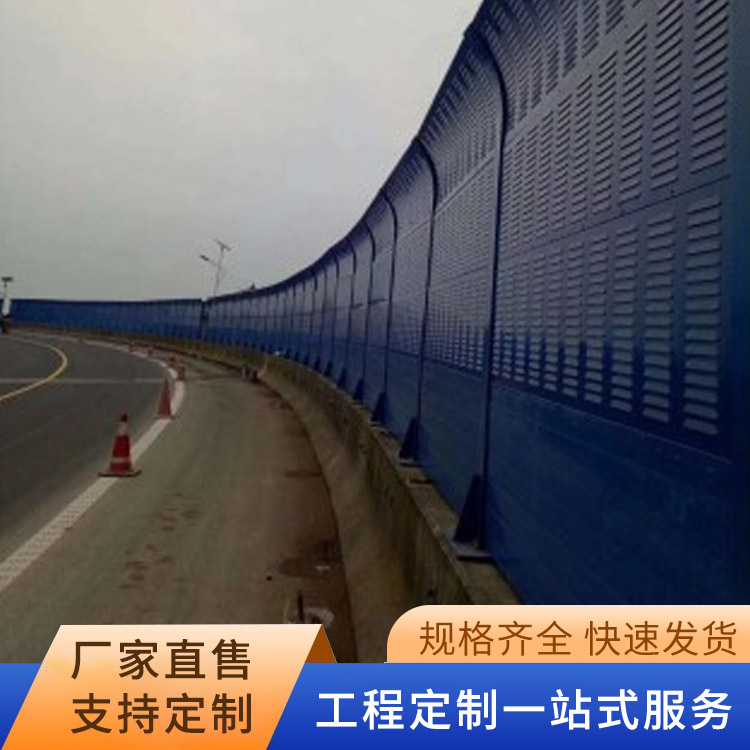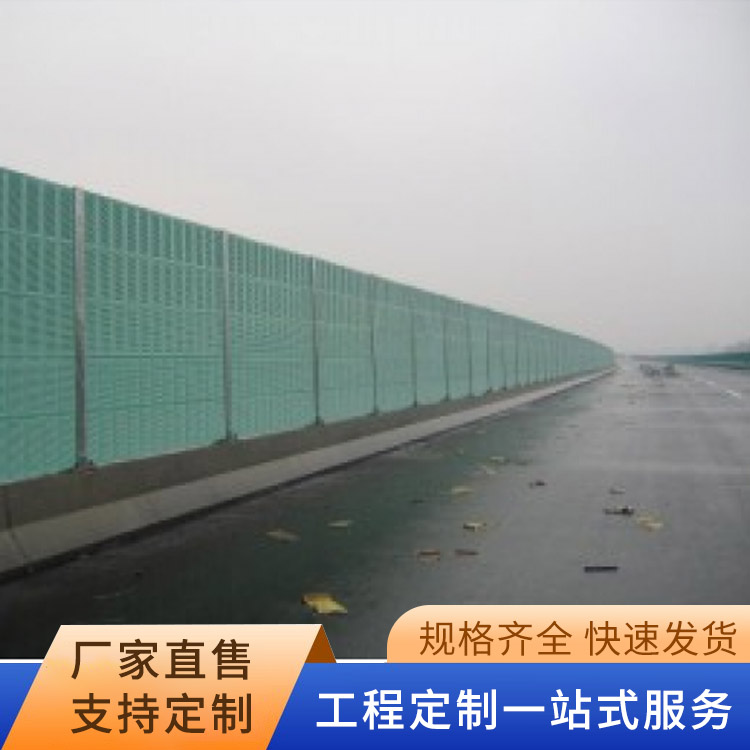
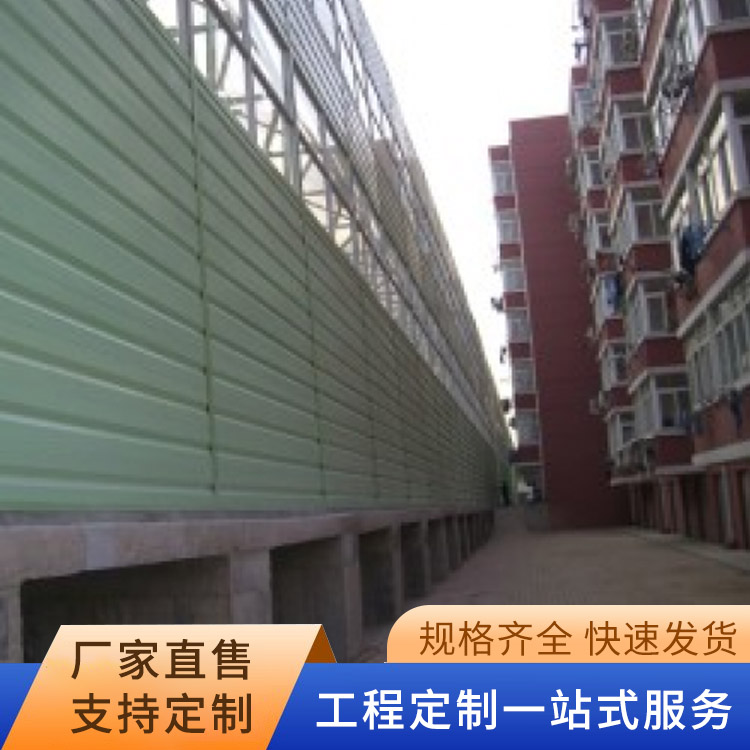


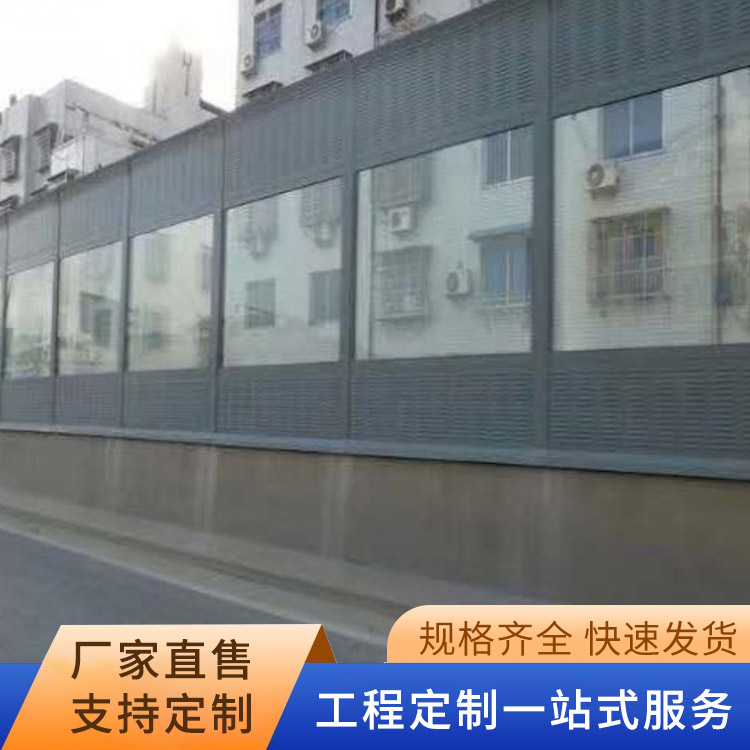
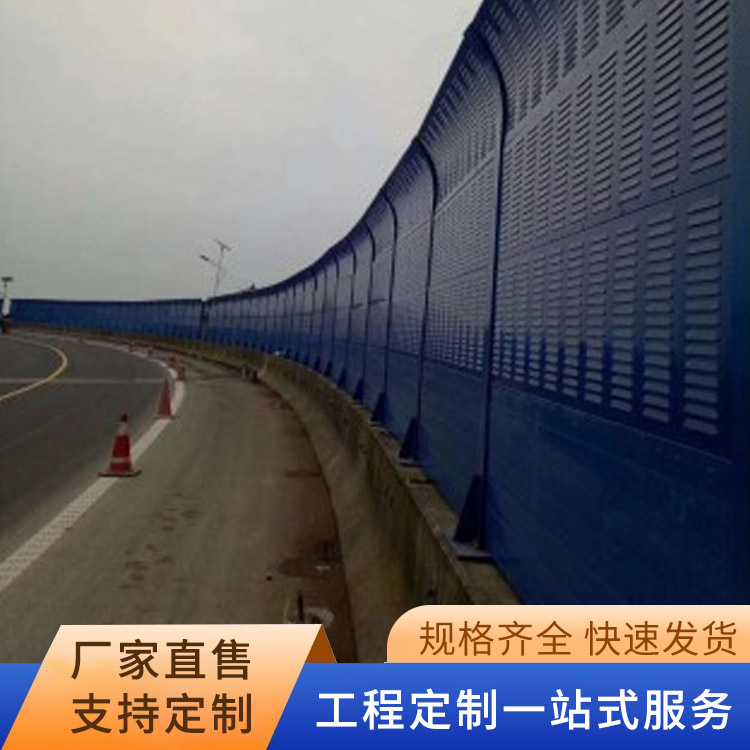
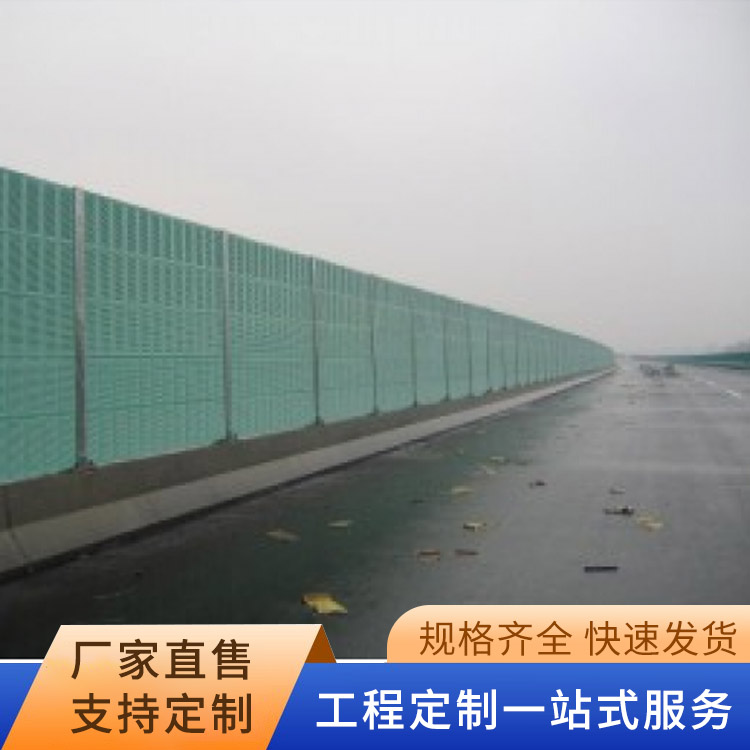









Sound barriers, primarily used for noise reduction and sound insulation in highways, expressways, elevated composite roads, and other noise sources. They are categorized into reflective sound barriers, which are purely sound-insulating, and composite sound barriers that combine sound absorption and insulation, the latter being a more effective sound-insulating method. Refers to wall-like structures installed alongside railways and highways to mitigate the impact of vehicle noise on nearby residents. Sound-insulating walls are also known as sound barriers. A facility inserted between the sound source and the receiver to significantly increase the additional attenuation of sound wave propagation, thereby reducing the noise impact in a certain area where the receiver is located, such facility is called a sound barrier. They are divided into traffic sound-insulating barriers, equipment noise attenuation sound-insulating barriers, industrial boundary sound-insulating barriers, and places where various types of sound barriers are commonly used on highways and expressways.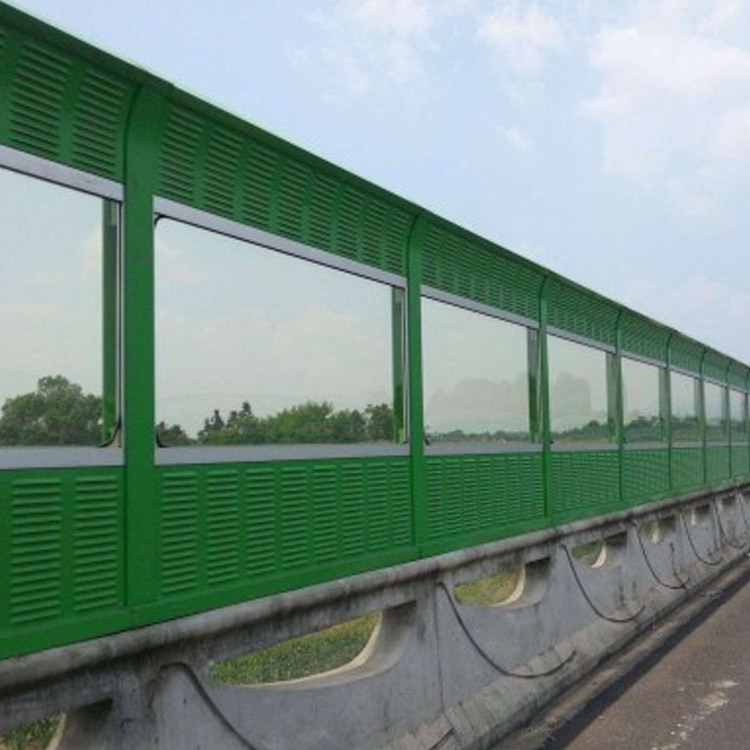
WeChat Official Account

Scan to follow Official Account