






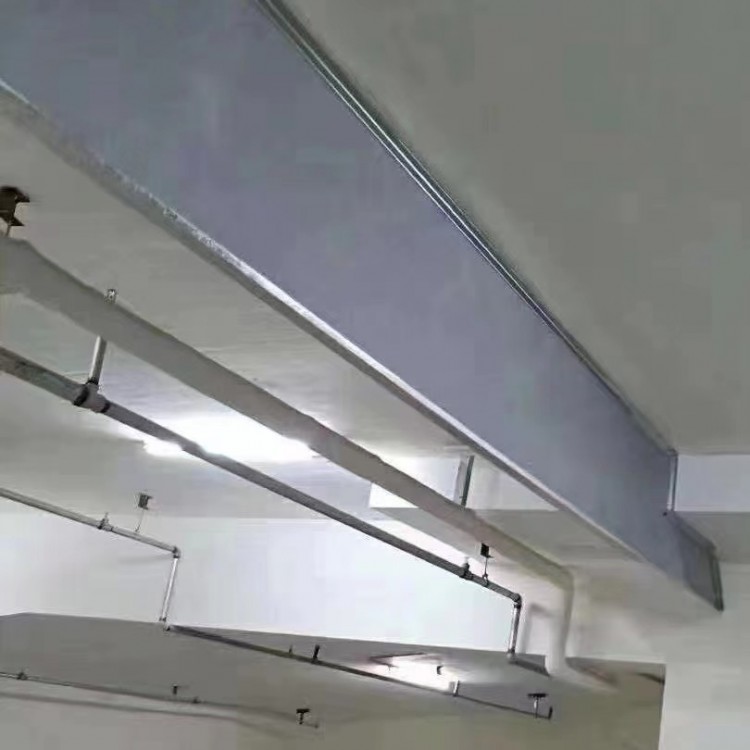
In recent years, several major fire accidents have occurred domestically, resulting in significant losses and hazards. As people's awareness of fire prevention increases, fire-resistant glass has been widely adopted. Fire-resistant glass offers advantages such as slowing the spread of fire, heat insulation, and smoke control, creating favorable conditions for the rescue of personnel, property, and buildings during fires, and minimizing losses.
Hebei Fuwei's 513nm silicon composite fire-resistant glass is a new type of fire-resistant glass made by combining a high-transparent, hard nano-silicon fire-resistant adhesive with glass. The nano-silicon fire-resistant adhesive is a hard inorganic transparent fire-resistant crystal. Each glass panel is produced after undergoing 30 processes and taking 500 hours. It is a new type of weather-resistant, highly stable, high-quality fire-resistant glass, specifically designed for fire-resistant curtain walls. It is a fire-resistant glass for exterior fire-resistant windows with excellent sun resistance, and it is an A-class fire-resistant glass that remains highly transparent, uncolored, and non-delaminated. The nano-silicon fire-resistant glass developed and produced by the company boasts very reliable fire resistance and thermal insulation properties. It is composed of two or more layers of glass sheets bonded with one or more layers of inorganic expandable nano-silicon fire-resistant adhesive, offering perfect light transmission. It is the most widely used fire-resistant product in the world.
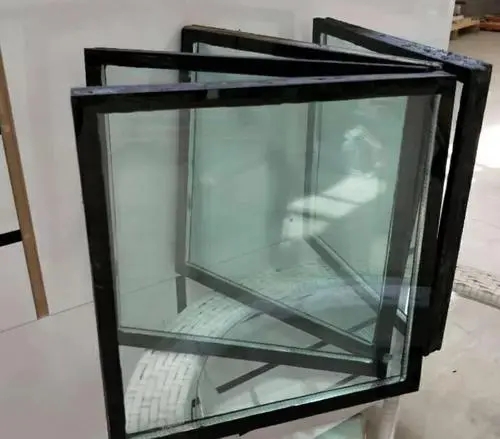
Its main functions include:
1. Prevent the spread and diffusion of flames, smoke, and heat.
2. Meets A(EI) fire rating requirements for continuous fire resistance and insulating integrity for 0.5h, 1.00h, 1.50h, 2.00h, and 3.00h.
3. Unmatched transparency compared to ordinary glass.
4. Soundproofing capabilities
513nm silicon fire-resistant glass is primarily used for manufacturing fire-resistant doors and windows, fire-resistant walls, and fire-resistant partitions. It boasts the advantage of a low thermal expansion rate, allowing the glass to maintain its integrity and not soften or shatter under high temperatures for a period of time. This helps to block the flames and toxic gases on the exposed side by preserving the glass's structural integrity.