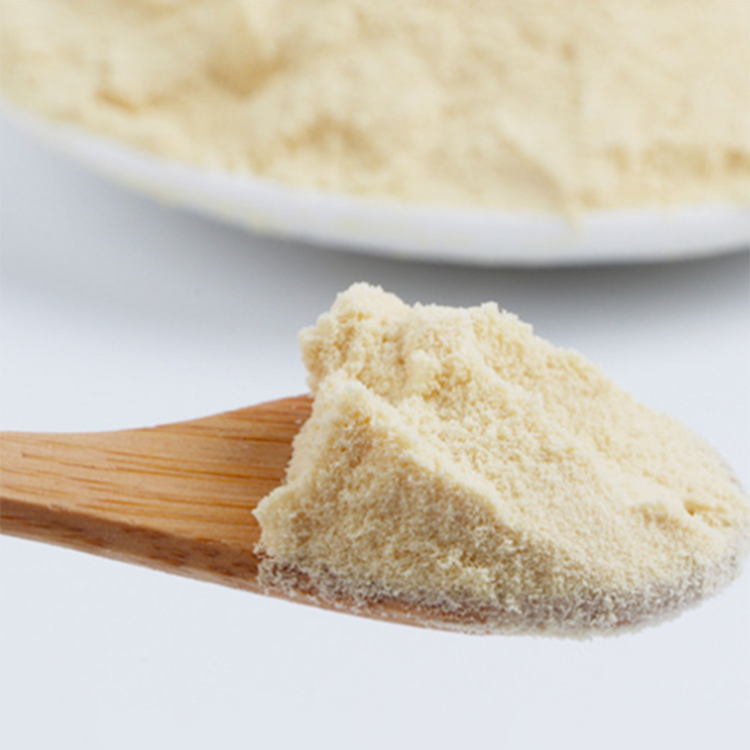













Guar gum, extracted from the leguminous plant, Guar bean, which is grown in the Indian subcontinent, is a type of plant gum. Chemically, it is a polymer of galactomannan. Its unique molecular structure and physical-chemical properties make it a promising new environmentally friendly papermaking additive. The primary characteristic of guar gum is its water-insolubility due to the plant's growth in a hot, arid, and water-scarce environment. It can hydrate and dissolve in cold water, offering a significant advantage over starch-based additives that require gelatinization before use.

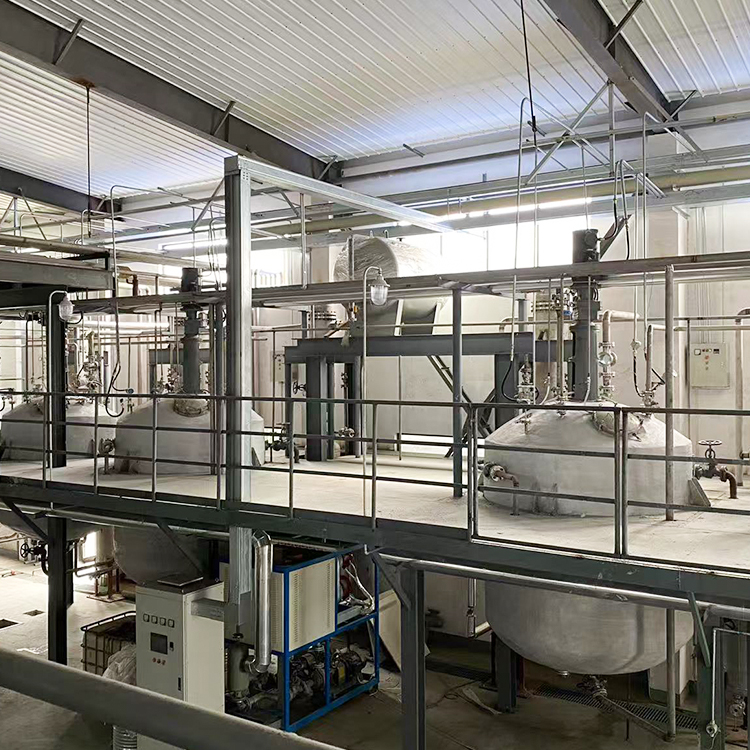
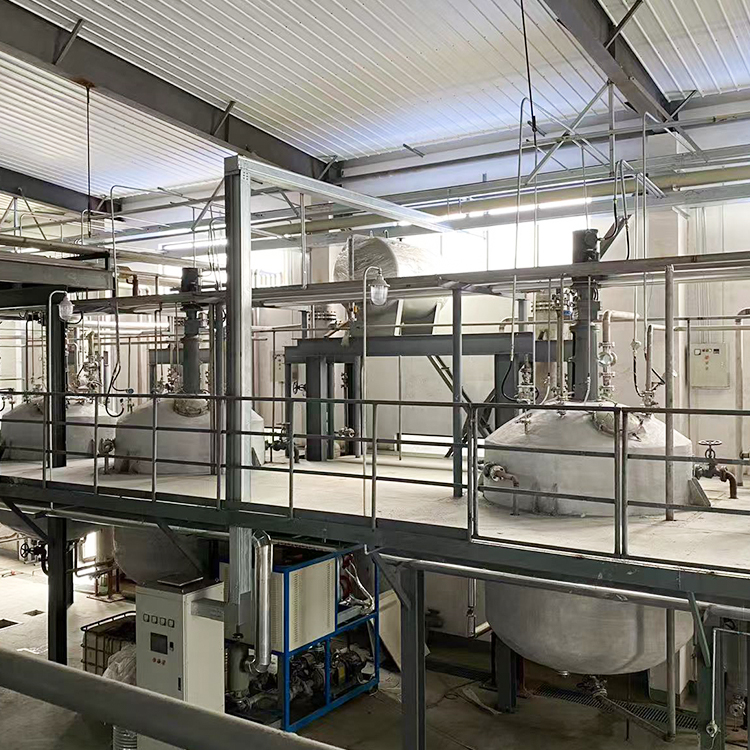
Kunshan Jingkun Oilfield Chemical Technology Co., Ltd. specializes in the research, development, and manufacturing of natural plant gum, while also engaging in diversified operations such as liquefied gas and property leasing. Since the "Tenth Five-Year Plan," the company has rapidly enhanced its scale, technical strength, and product competitiveness in its main business areas through vigorous implementation of technological innovation and talent empowerment strategies. It has now established a relatively complete and domestically competitive research and development platform for plant gum technology and production facilities, with a total production capacity of 25,000 tons. It has become a renowned domestic manufacturer of guar gum and its series of derivatives.
Guar gum, also known as Guar, is derived from the endosperm of the dehulled and de-germinated seeds of the leguminous plant Guar. After drying and grinding, it is mixed with water and subjected to pressure hydrolysis. The resulting mixture is then precipitated with 20% ethanol, centrifuged, and finally dried and ground to obtain the finished product.
Industrial-grade guar gum applications
1. Application in the tobacco industry. Adding guar gum during the production of large sheets of tobacco薄片 from tobacco dust can reduce irritability, enhance flexibility and extensibility, and improve active printing paste.
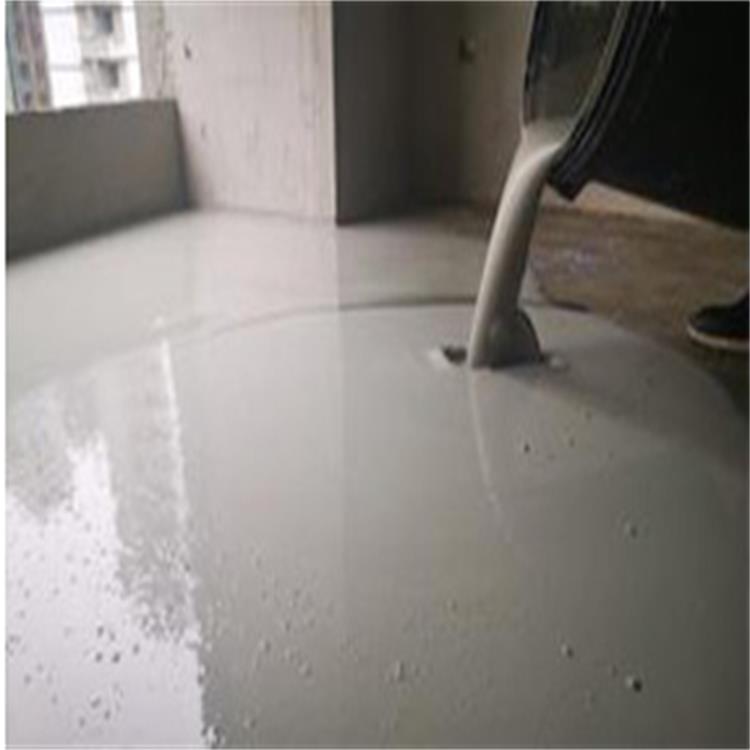
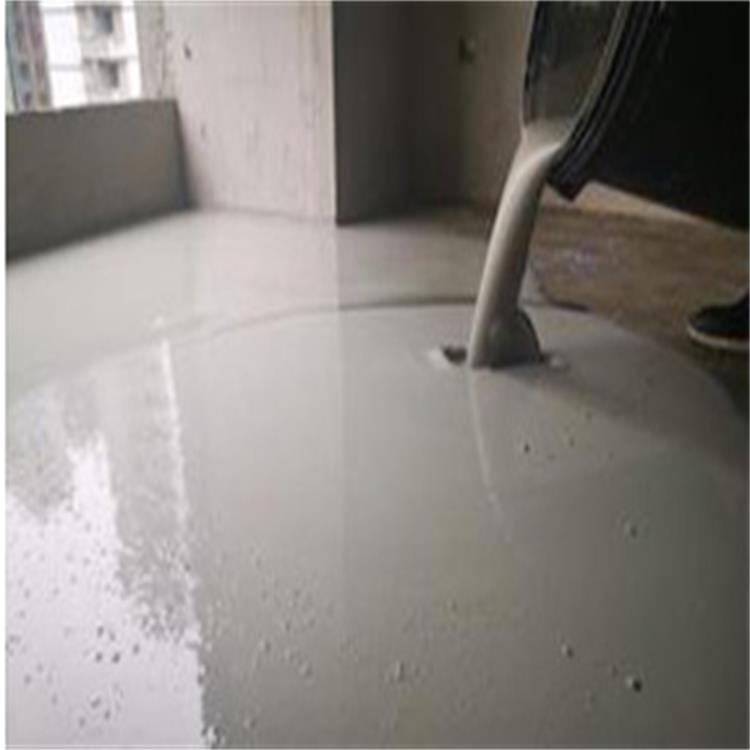
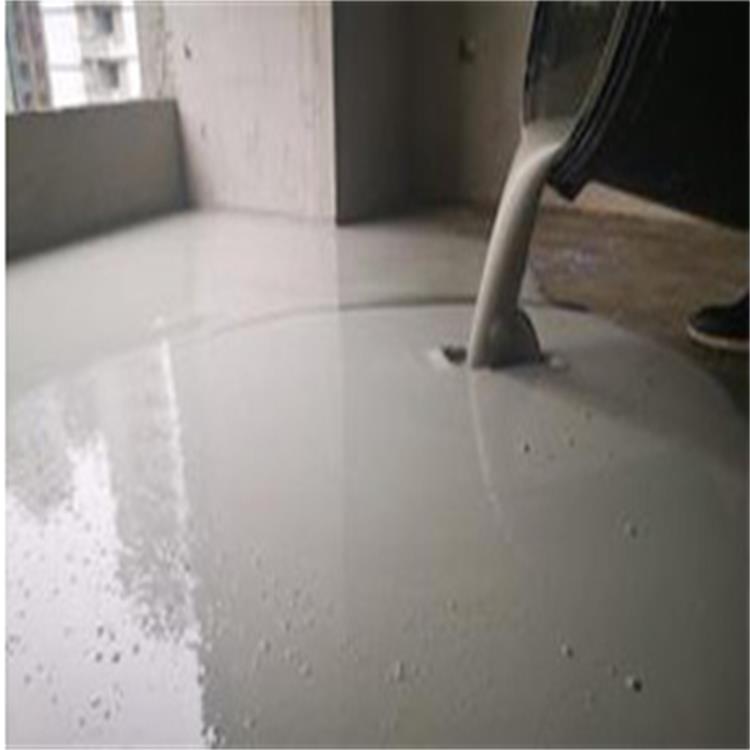
2. Applications in Cement Mortar Industry. Guar gum improves the plasticity and water retention of mortar, enhances adhesive strength to prevent powdering, and strengthens cement.
Starch is a natural polysaccharide carbohydrate with a structure of polyhydroxy aldehyde or polyhydroxy ketone, found in the seeds, fruits, or tubers of certain plants. Manufacturers of paste materials, such as wheat and corn crops, can provide large amounts of starch. During the printing process, starch and its modified versions offer excellent paste rheology, low and stable viscosity, good plasticity, and form a transparent and relatively tough film, making them widely used in printing applications. However, due to the presence of a large number of hydroxyl groups, starch has a structure similar to cellulose and is prone to reacting with reactive dyes. In the printing process of cellulose fiber fabrics with reactive dyes, the starch paste reacts with the dye, resulting in a reduction of dye transferred to the fabric, ultimately affecting the printing outcome. Therefore, modified starch is often used in the printing of reactive dyes on cellulose fiber fabrics.
Kunshan Jingkun Oilfield 3 (Illustration) - Active Printing Paste - Dongying Paste provided by Kunshan Jingkun Oilfield Chemical Technology Co., Ltd. Kunshan Jingkun Oilfield Chemical Technology Co., Ltd. is a company specializing in "polysaccharide plant gum, guar gum, modified guar gum, hydroxypropyl, hydroxypropyl guar gum." Since its establishment, we have adhered to the principle of "honesty as the foundation, stable operation," actively participating in the positive market competition, and helping the "Jingkun Chemical" brand gain a good reputation. We uphold the principle of "customer service first, users first," enabling Jingkun Chemical to earn customers' trust and establish a favorable corporate image. Special Note: The pictures and materials in this information are for reference only. Please contact us for accurate information. Thank you!