








Product Introduction / INTRODUCE
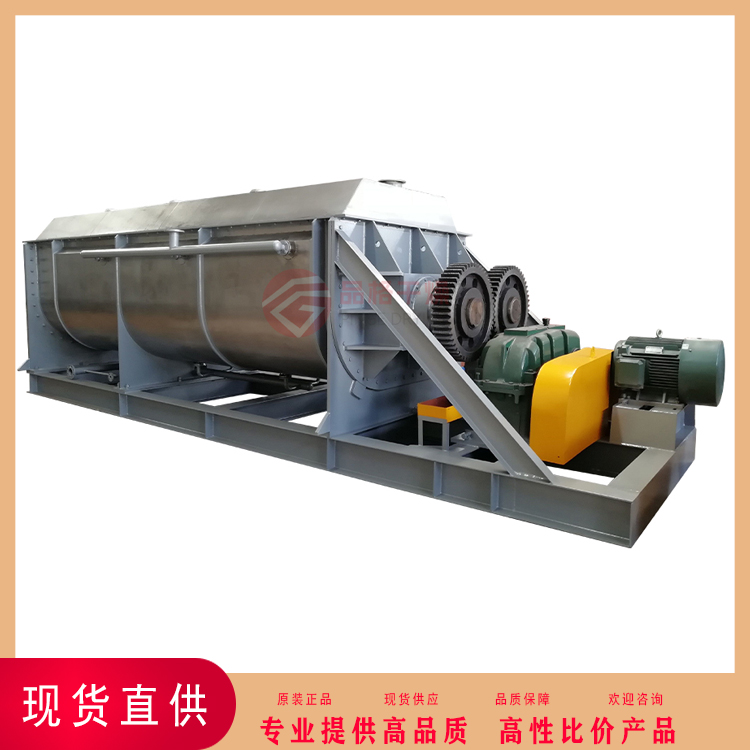
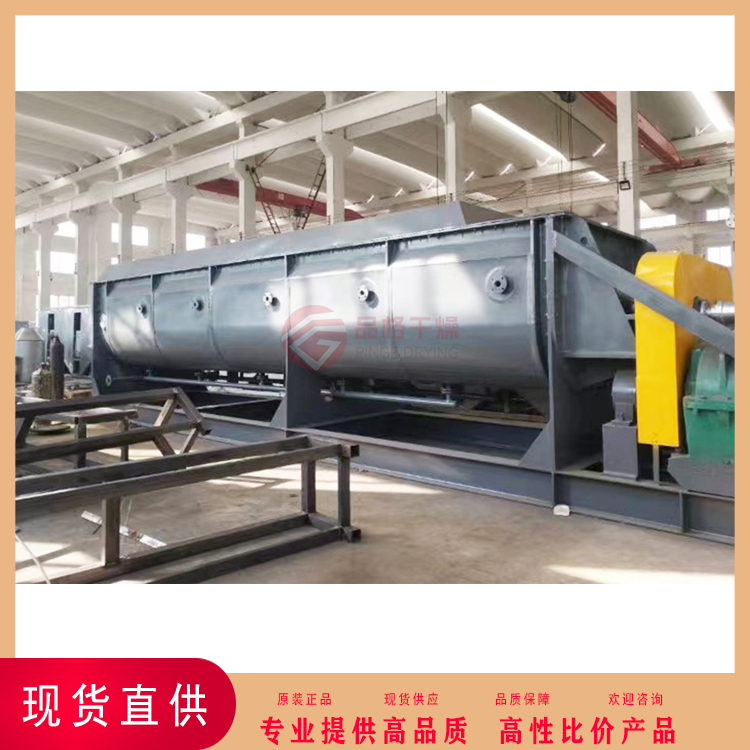
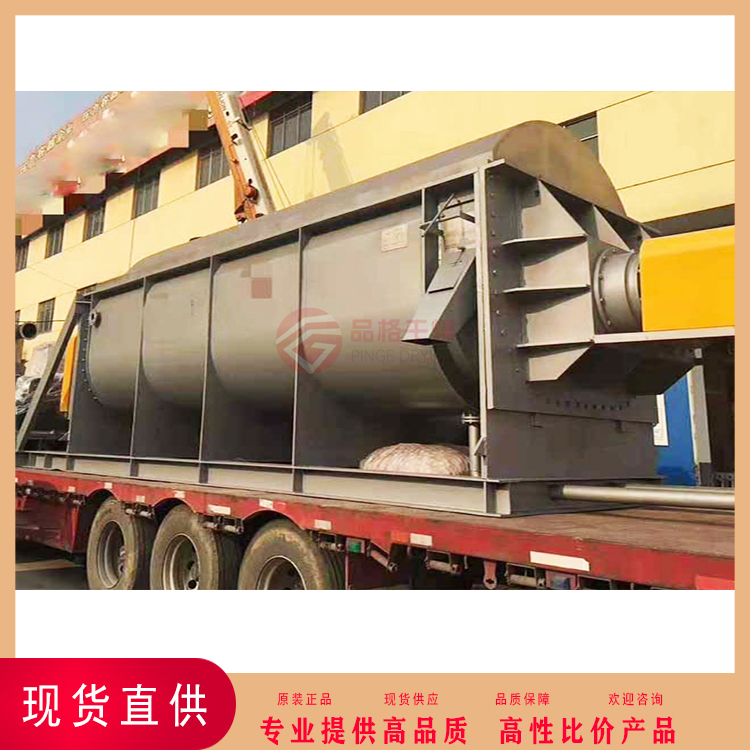
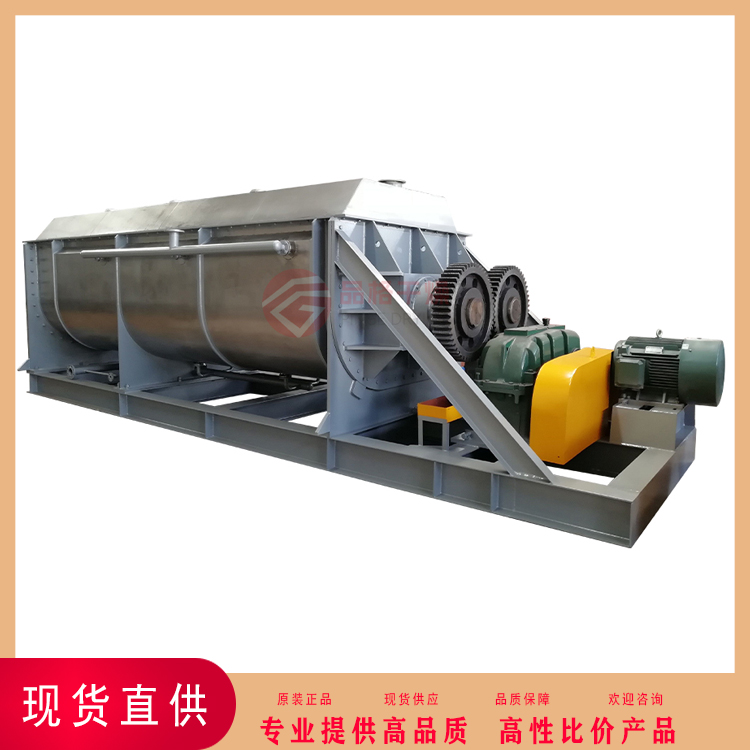
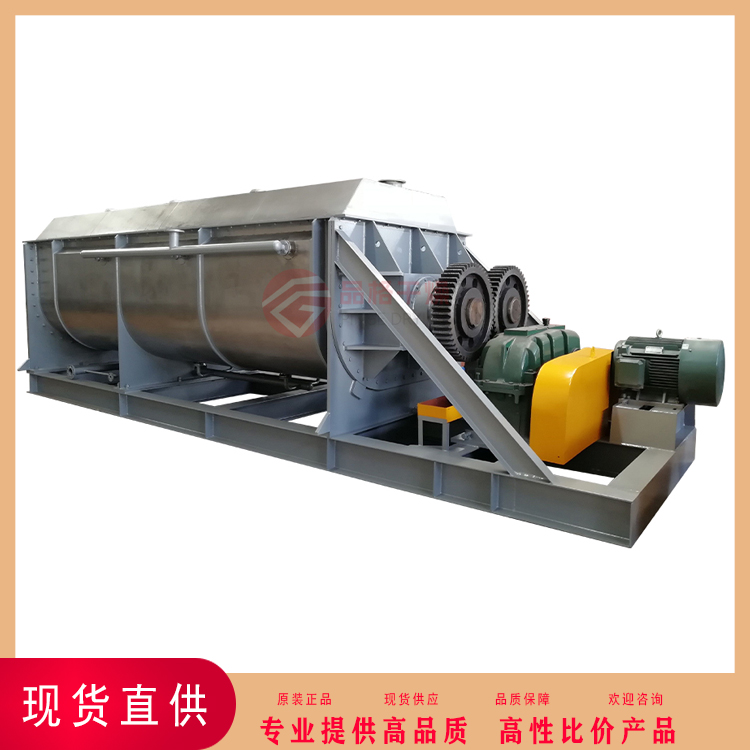
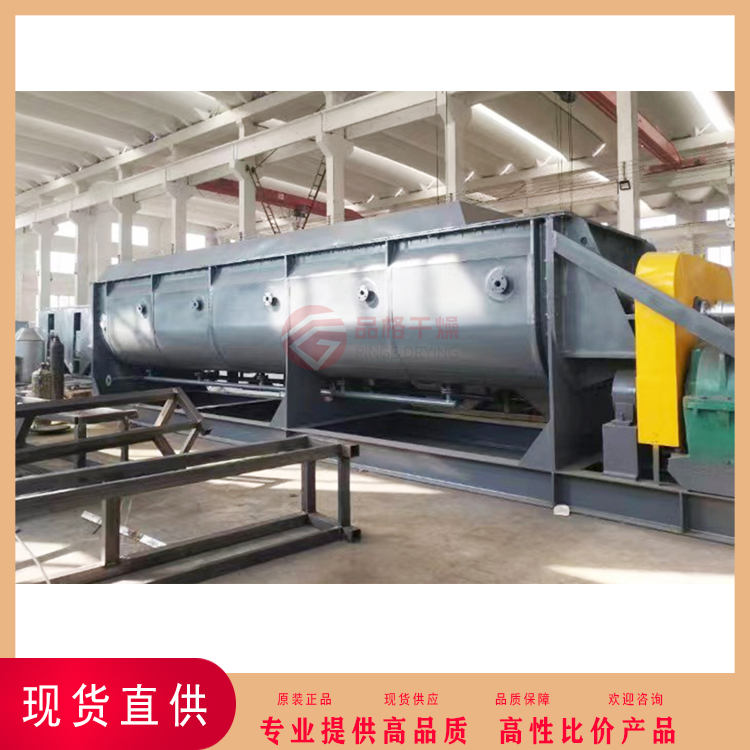
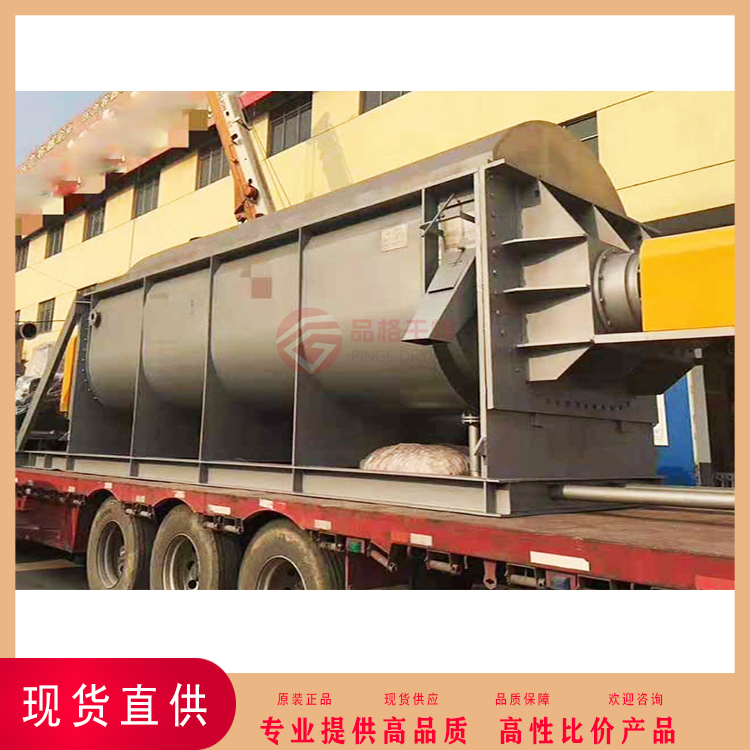
A hollow paddle dryer is a horizontal agitated dryer primarily based on heat conduction. Due to the hollow paddle blades inside resembling oars, it is named as a hollow paddle dryer.
Propeller dryers have been developed abroad for many years. This type of model has already been developed into a series of products with dual-axis and four-axis structures and various specifications overseas.
The device relies on indirect heat transfer for drying, requiring only a small amount of gas to remove moisture during the drying process. This minimizes heat loss from the gas, enhancing heat utilization. It is suitable for drying granular and powdered materials, and can also effectively dry paste-like substances.
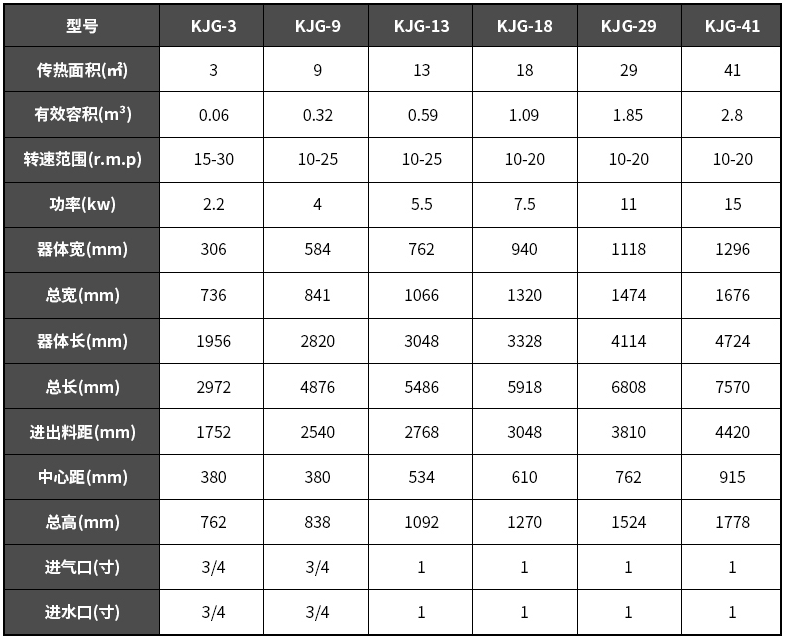
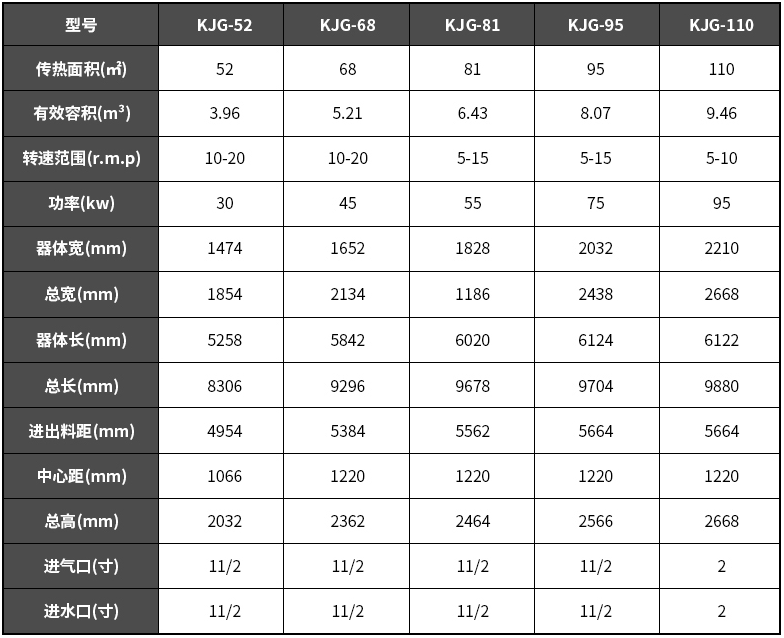
Product Specifications / Parameter
PRINCIPLE
A paddle dryer is a horizontal agitated dryer primarily utilizing conduction. The main structure consists of a W-shaped shell with a jacket, housing a pair of hollow slow-speed rotating shafts. These shafts are fitted with several paddle blades and hollow mixing blades, all of which are heated by a heat carrier. Both heating surfaces heat the material simultaneously. The heat carrier is typically introduced into the middle of the dryer, passing through the surface of the agitated material layer, and exiting from the other side.
The hollow shaft is densely arranged with trapezoidal hollow propellers, where the heat medium flows through the propellers via the hollow shaft.
The heat transfer area per unit volume is large, with the temperature of the heat medium ranging from -40 to 320°C, which can be steam or liquid types such as hot water and thermal oil. Indirect conduction heating is used, with no air carrying away heat, ensuring that all heat is used to heat the material. Heat loss is only due to the heat conducted through the insulation layer to the environment. The wedge-shaped paddle blades have an automatic self-cleaning function. The relative motion between the material particles and the wedge-shaped surface creates a scrubbing action, which can remove the adhered material from the wedge-shaped surface, maintaining a clean heat transfer surface during operation.
Product Features / CHARACTERISTICS
● Compact Structure: The main heat transfer component of the dryer is the blade-like paddle, which is densely arranged and crosses at specified intervals along a fixed rotating shaft. This results in a high heat transfer rate per unit volume. Consequently, the structure of this equipment is very compact and occupies less floor space.
High thermal efficiency: Due to the excellent continuous mixing and stirring of raw materials, the uniform heat transfer of all surfaces in contact with the product is ensured by the relative rotation of the shovel-shaped paddle blades, the inclined paddle surface, and the heating and cooling of the body.
● Self-cleaning Performance: Due to the relative rotation of the blades, they continuously self-clean the nearby inner surfaces. Products that are adhered and accumulated on the blades can be removed and reintroduced into the production process.
● Simple Control: The drying process and dwell time can be easily checked, controlled, and adjusted. They can be individually set and adjusted based on the physical properties of the product being dried, including the number of shafts or blades, rotation speed, temperature of the heat transfer medium, and drying time.
● Minimal dust and odor generated: Due to the low gas flow used during the drying process, the amount of dust and odor produced is minimal. Consequently, the vacuum cleaner or deodorizer required for use with it is small, or may not be needed at all.
● Suitable for drying products with high humidity: Utilizing paddle-type drying elements and continuous mixing, it can effectively dry materials with high viscosity and moisture content. Its structural design minimizes product accumulation in dead corners and prevents overheating or spoilage due to accumulation.
● Virtually no wear and material loss: The paddle blade rotates at a low speed of only 10~40 RPM, which reduces erosion and the rapid wear of machine tools caused by erosion.
Product Application/USE
Inorganic Chemical Industry: Calcium nitrate, calcium sulfate, papermaking calcium, calcium carbonate, magnesium hydroxide, carbon black, iron black, iron red, soda ash, etc.
● Organic Chemical Industry: Dyes, industrial plastics, polypropylene, high and low density polyethylene, etc.
● Metallurgical Industry: Nickel Concentrate, Sulfur Concentrate, Tar Dephenol, etc.
● Food: Starch, salt, protein, etc.
● Other: Sludge, waste residue, chicken feed, distiller's grains, etc.