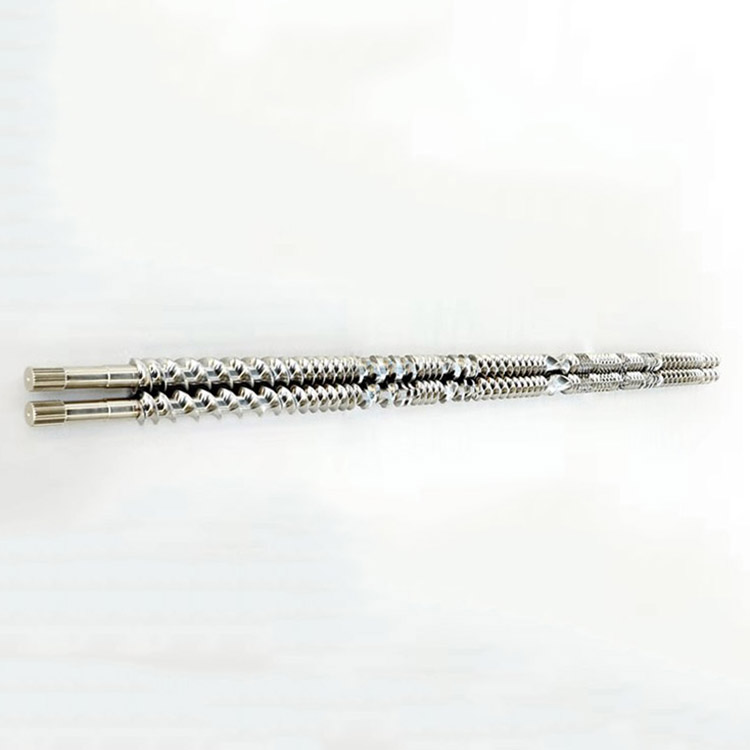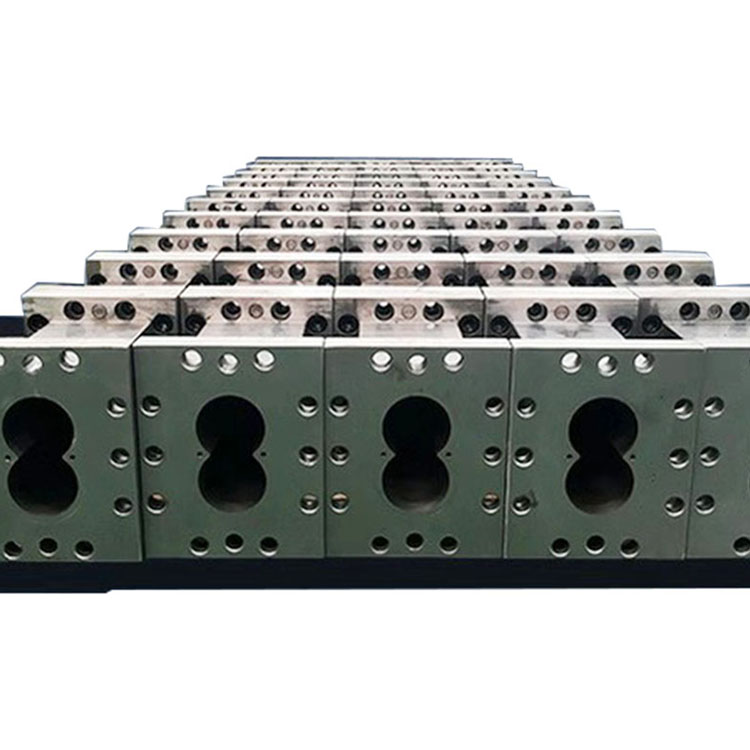

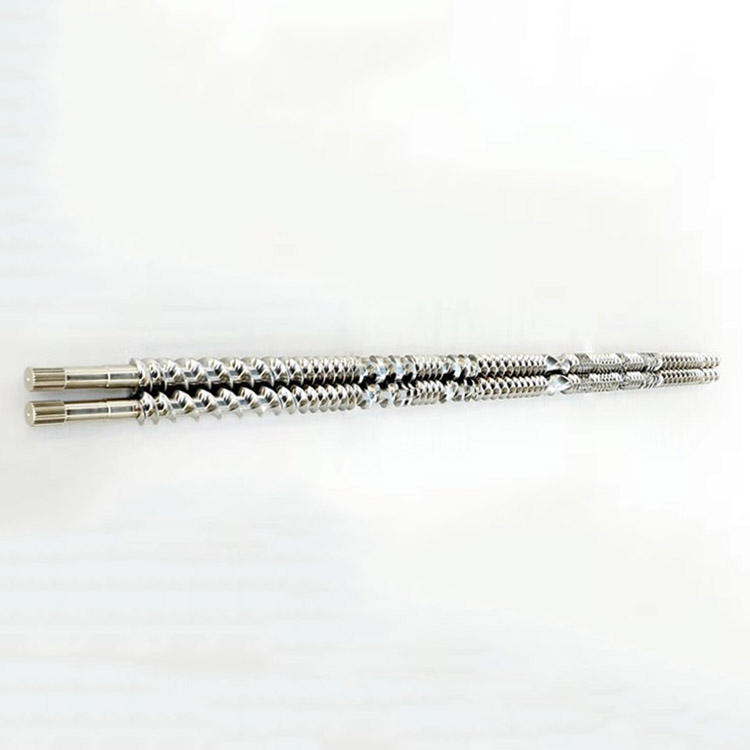

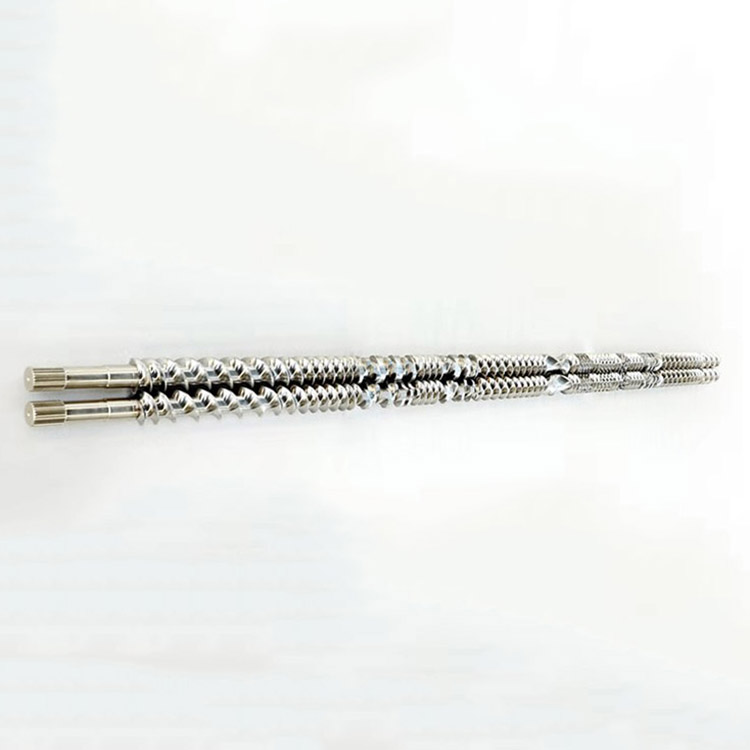
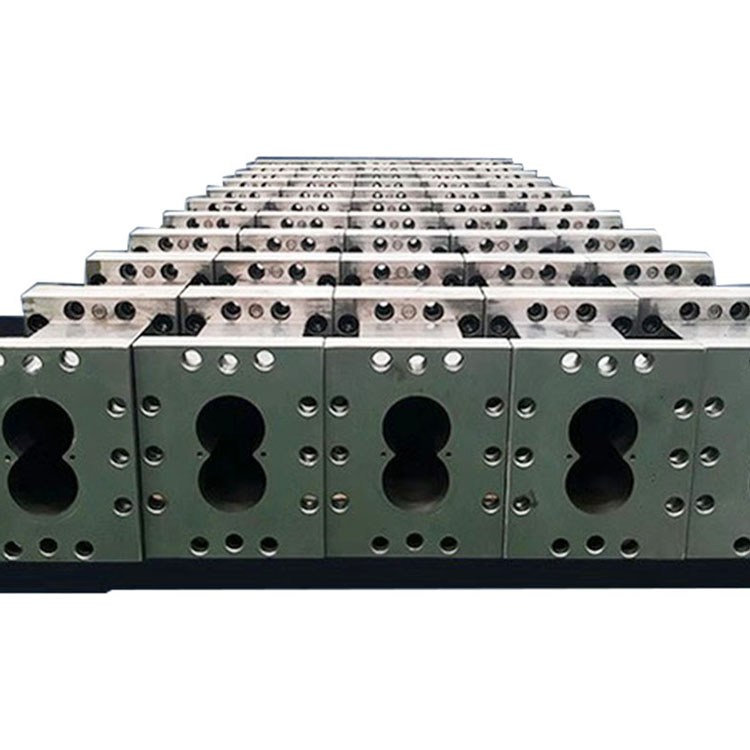


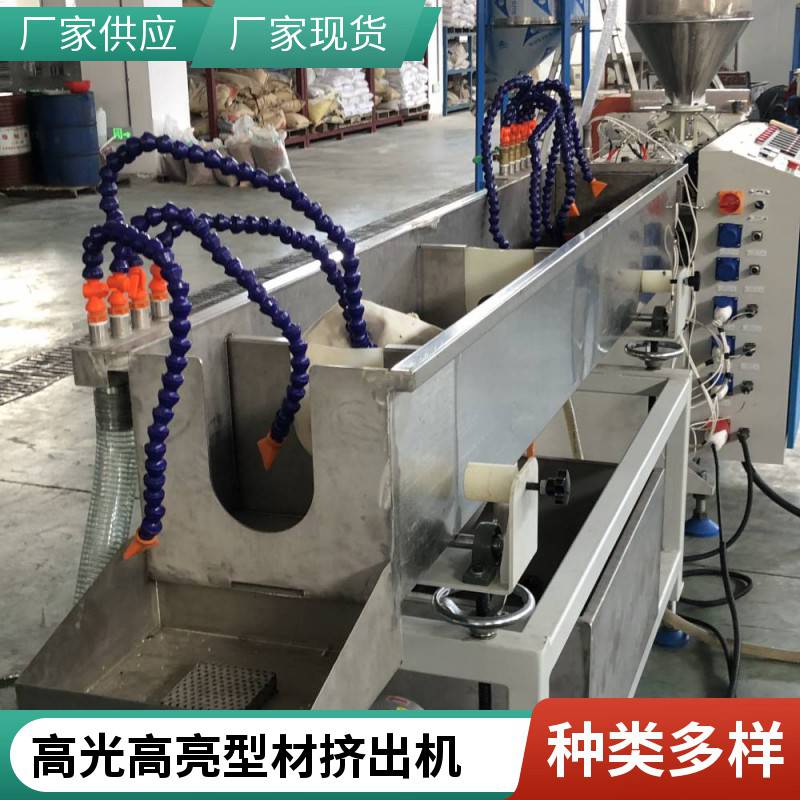
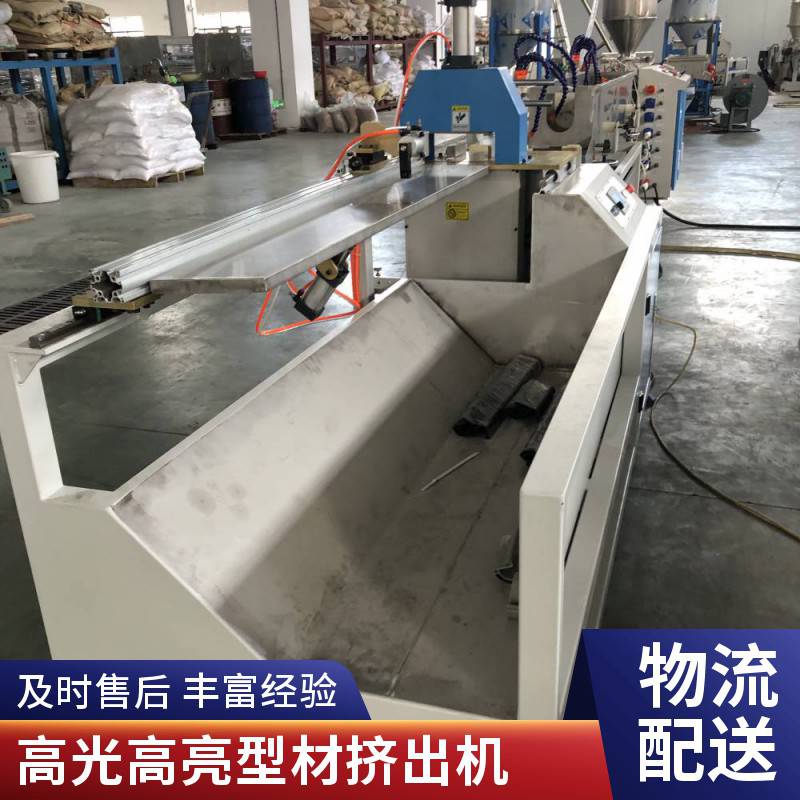





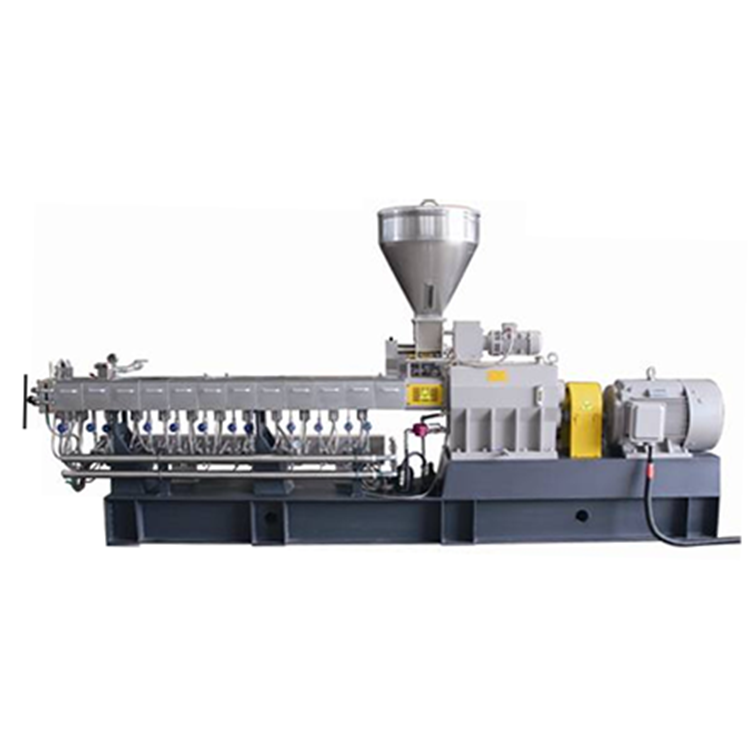
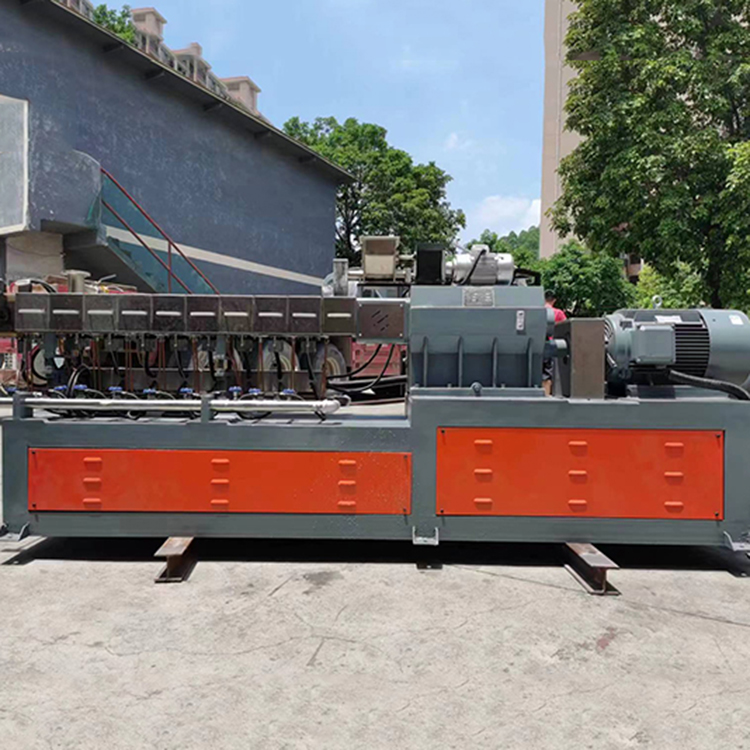
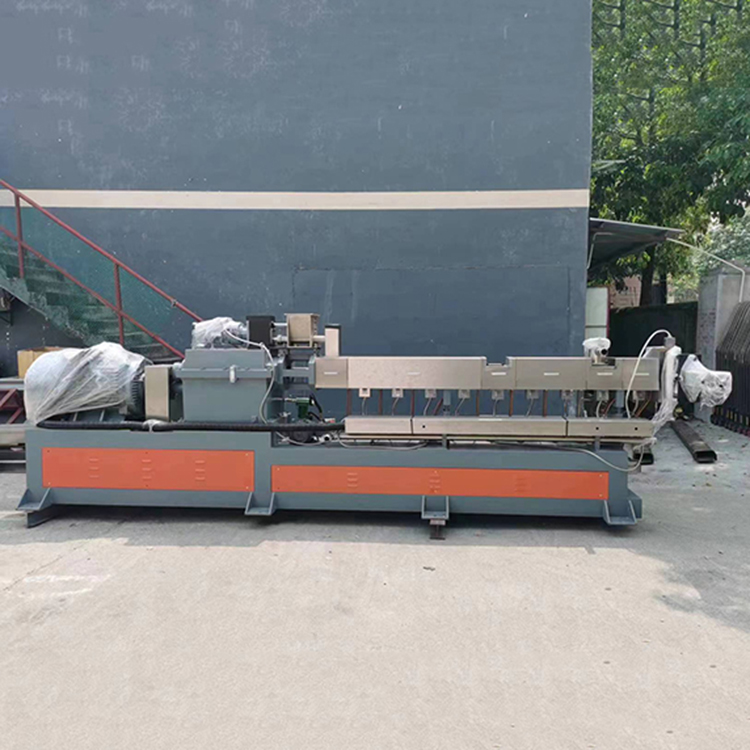
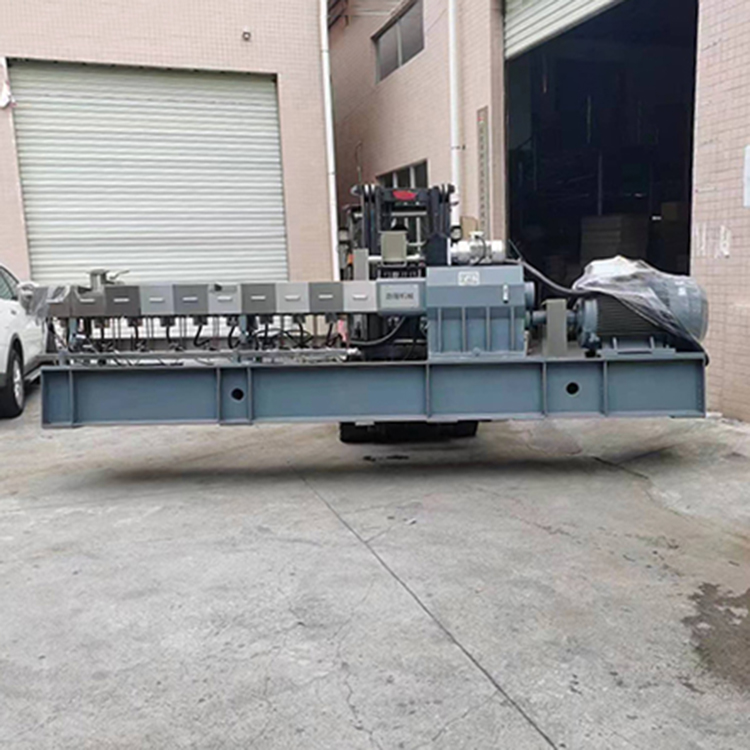
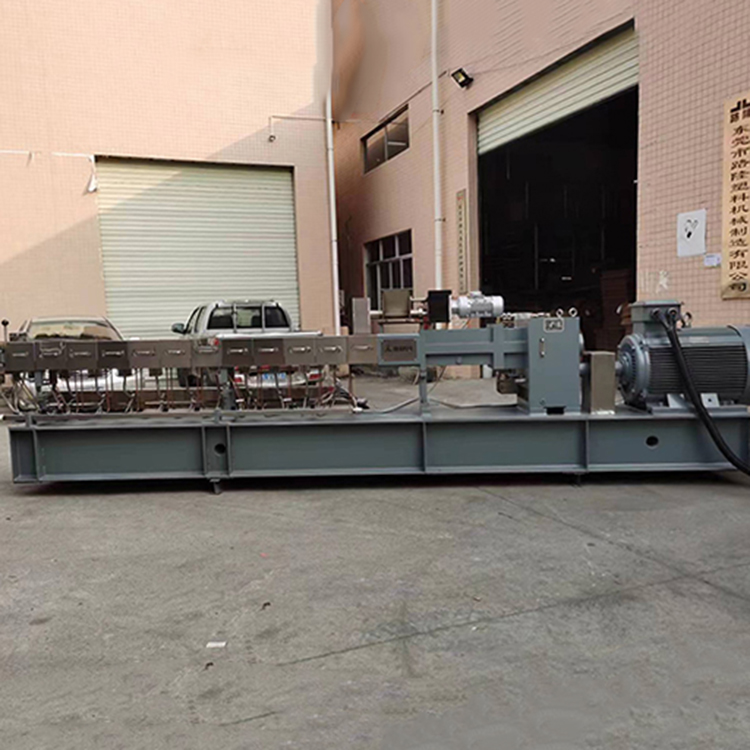
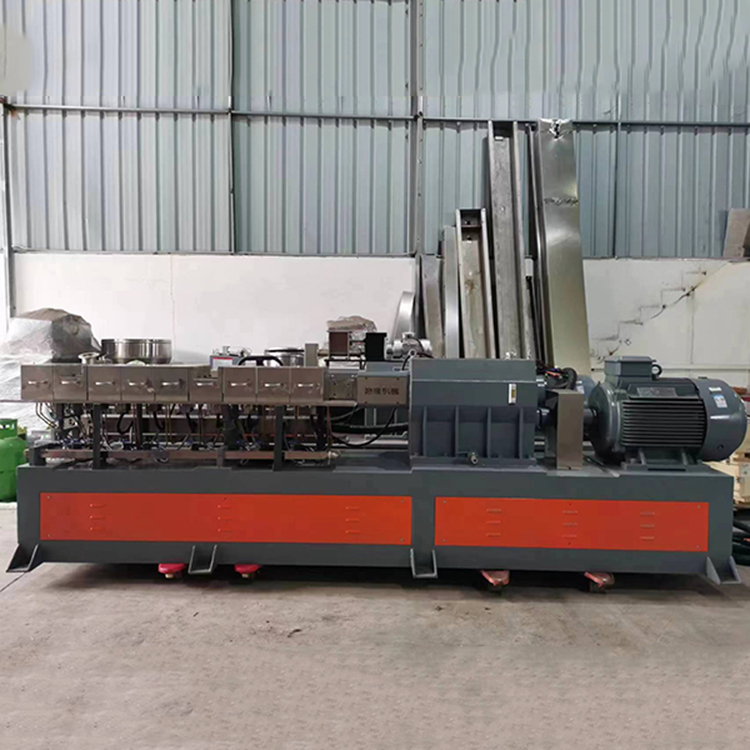
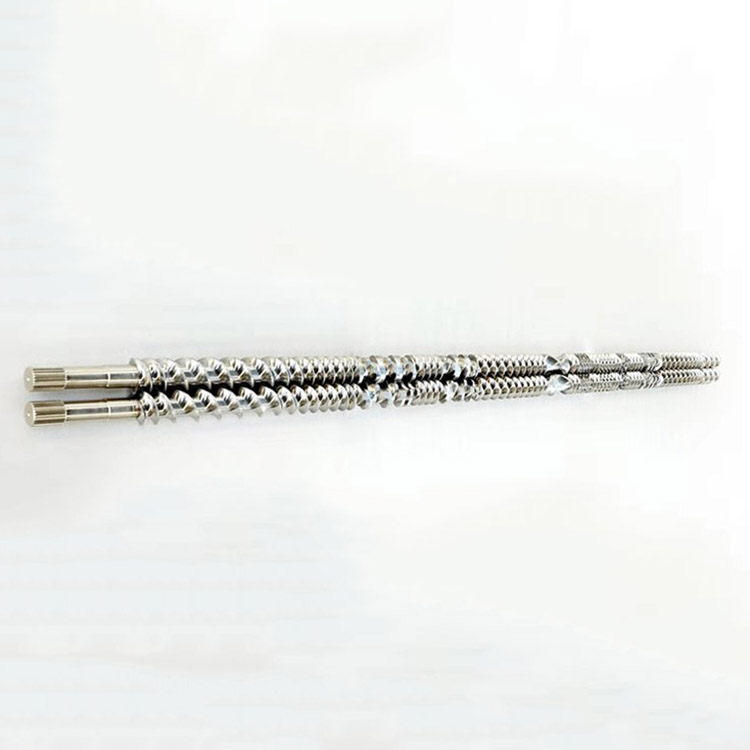
The plastic extruder screw is a critical component in a plastic extruder, essential for compressing plastic. It is vital for the mixing and pressure application that facilitate the extrusion process. The extruder screw achieves compression by gradually reducing the volume of the screw channel through equal spacing with unequal depth, equal depth with unequal spacing, and unequal depth with unequal spacing.
Screw Type:
Gradient
The groove depth decreases gradually from the feeding section to the screw head. Such screws are easy to manufacture, but the rational design of the feeding section should be equal spacing and depth. Therefore, the tapered screw has gradually been phased out.
2. Measuring Type
Equipped with a metering section of uniform depth and spacing ranging from 4-60. This type of screw has a stable head pressure and material flow, resulting in high-quality extruded products. The feeding section of this screw features uniform depth and spacing, with the screw groove depth gradually decreasing in the compression section.
3. Mutant Type
The compression section is very short, only 1-2D. Both the feeding section and the metering section are evenly spaced and of equal depth, with the metering section being longer. The transition zone is expanded to about 5D for processing plastics with a wide range of melting temperatures.
Torpedo-shaped head
Fish torpedoes are installed at the beginning of the measuring section. Occasionally, fish torpedoes can be directly mounted in front of the compressed section instead of the measuring section. Smooth fish torpedoes are used less frequently, with most being replaced by reinforced fish torpedoes, which have greater screw shearing force and better plasticization effect. Due to the high frictional heat in the torpedo head, a cooling device should be installed.