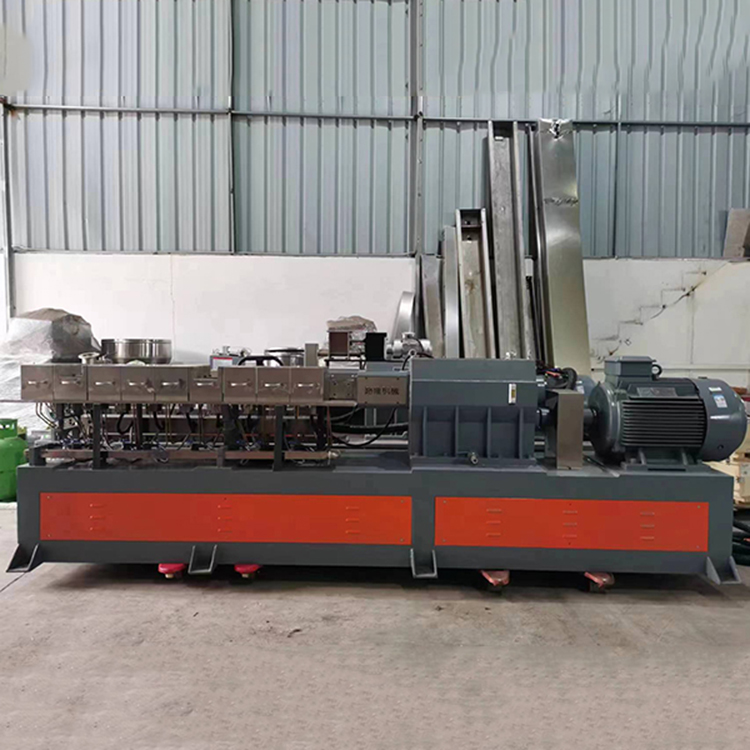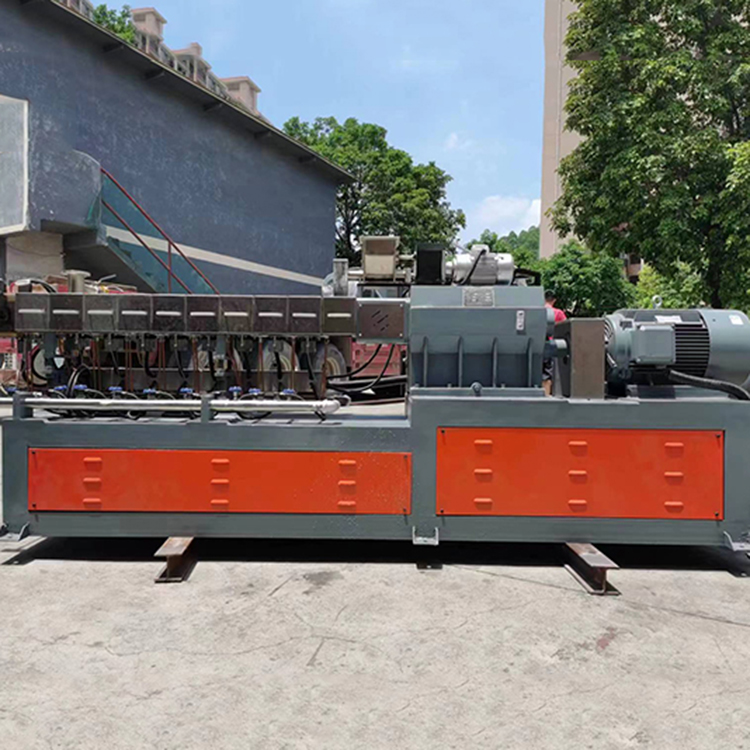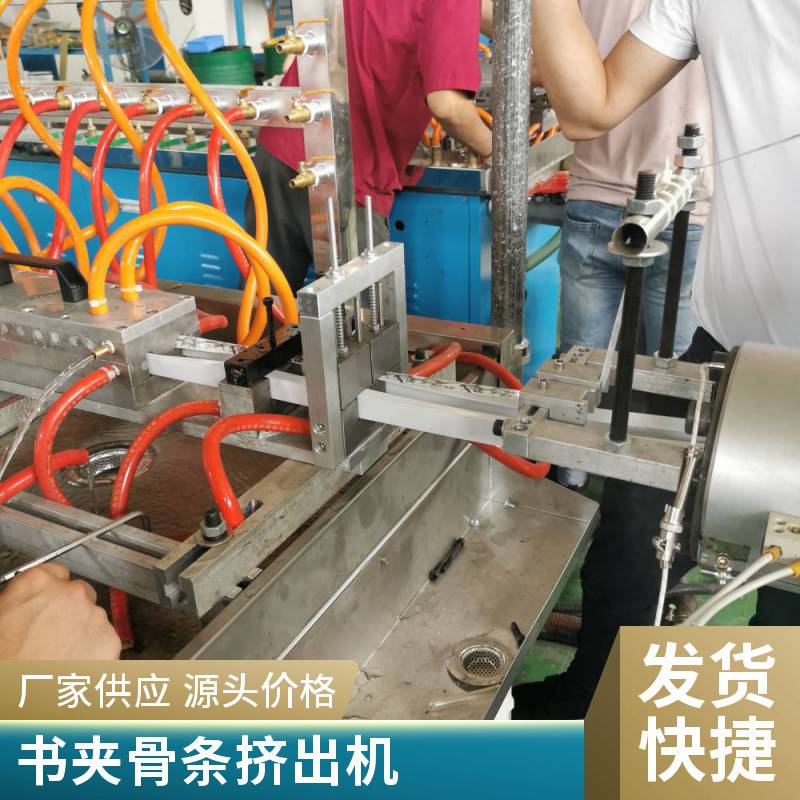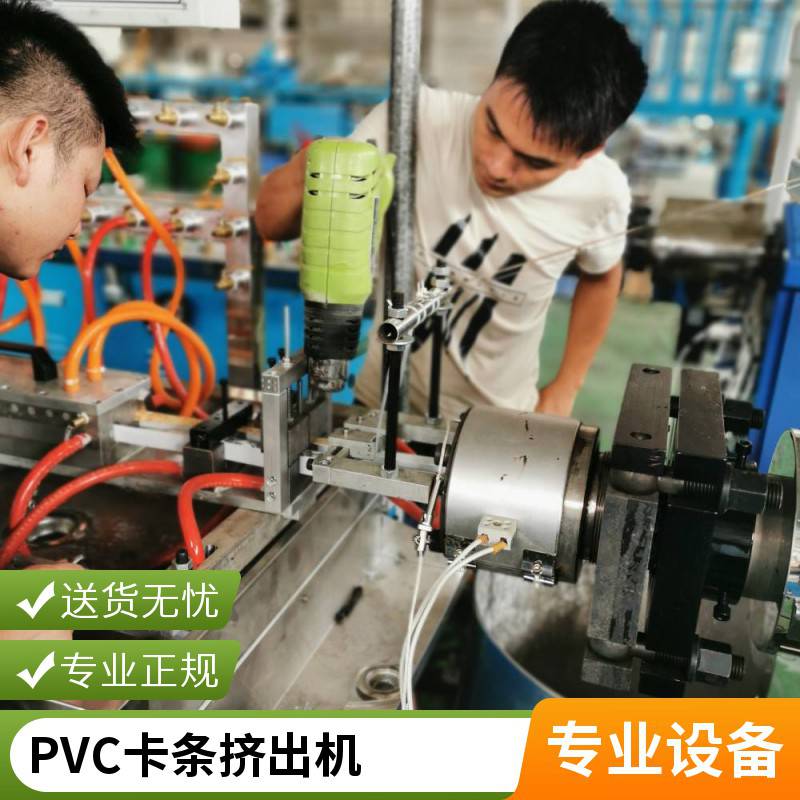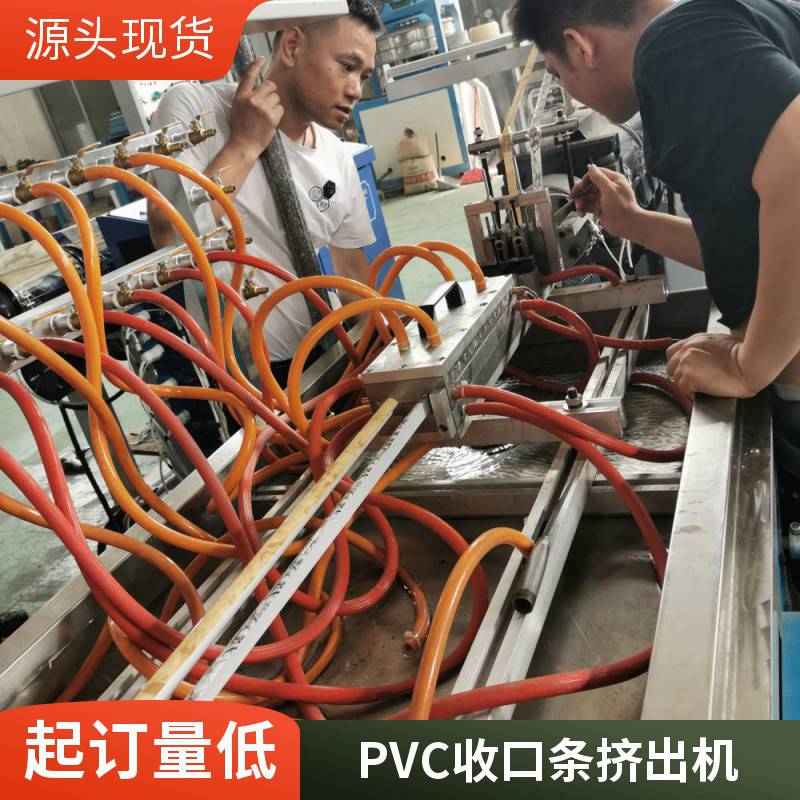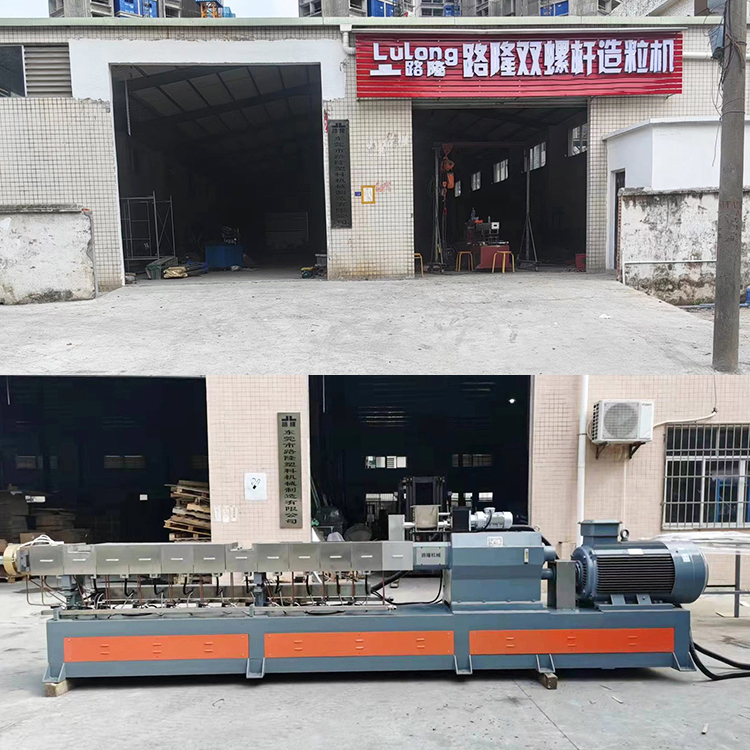

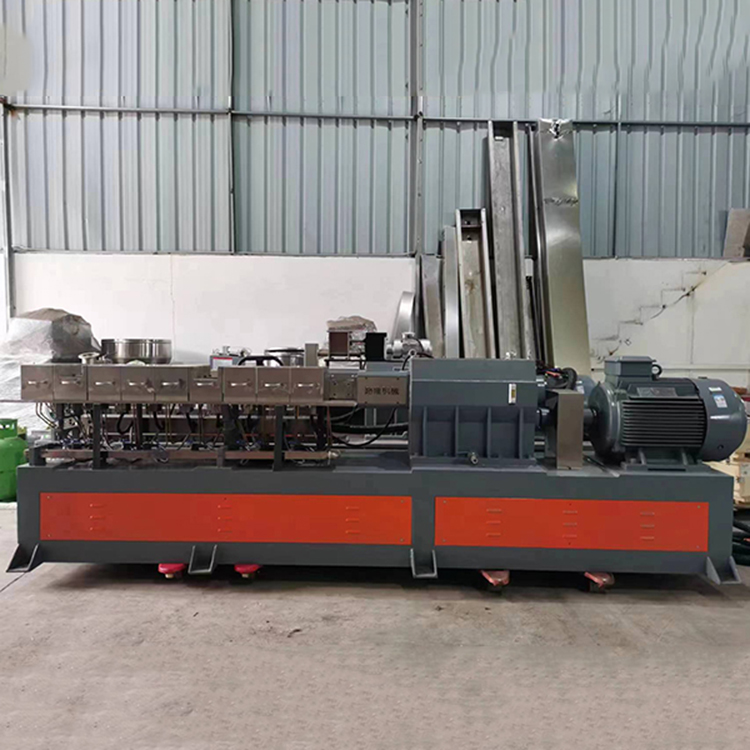

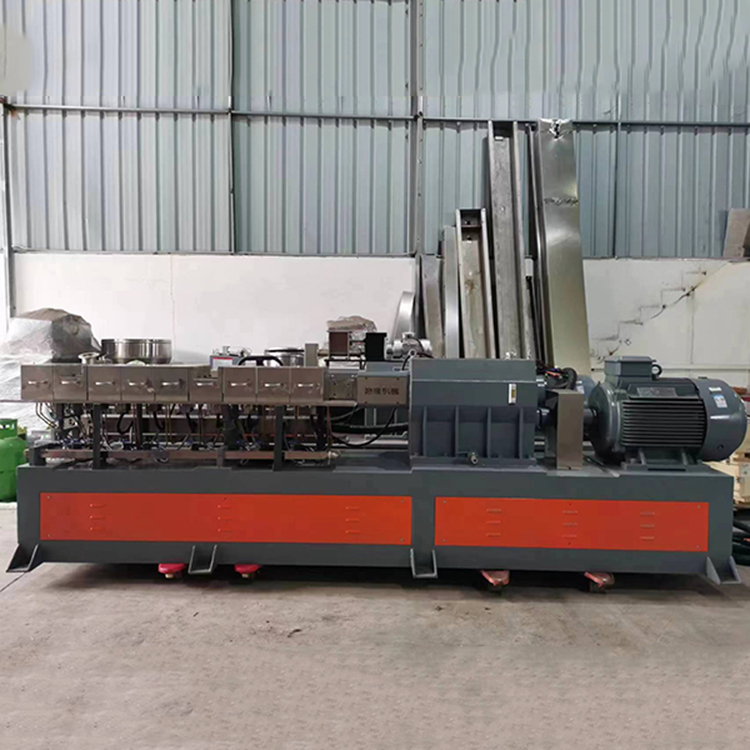
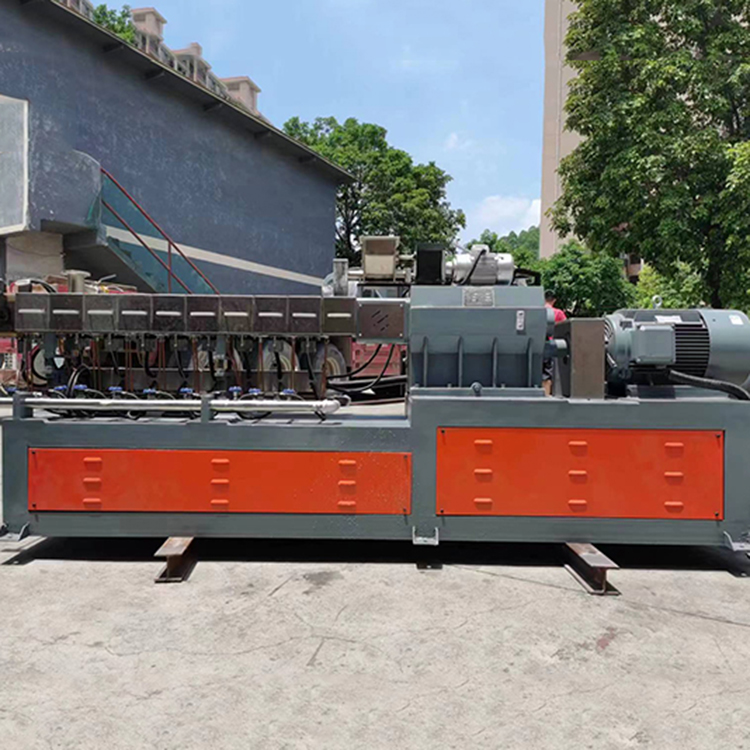
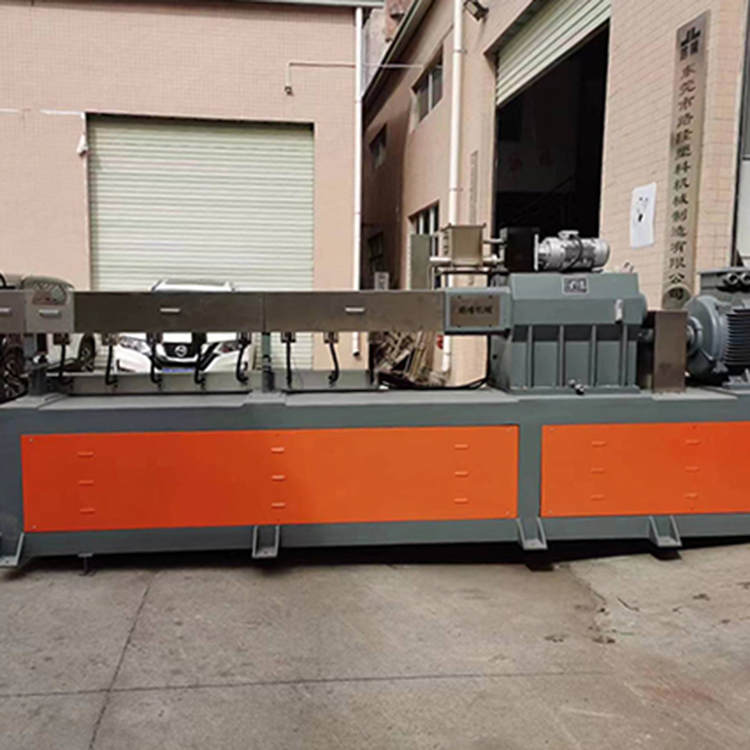







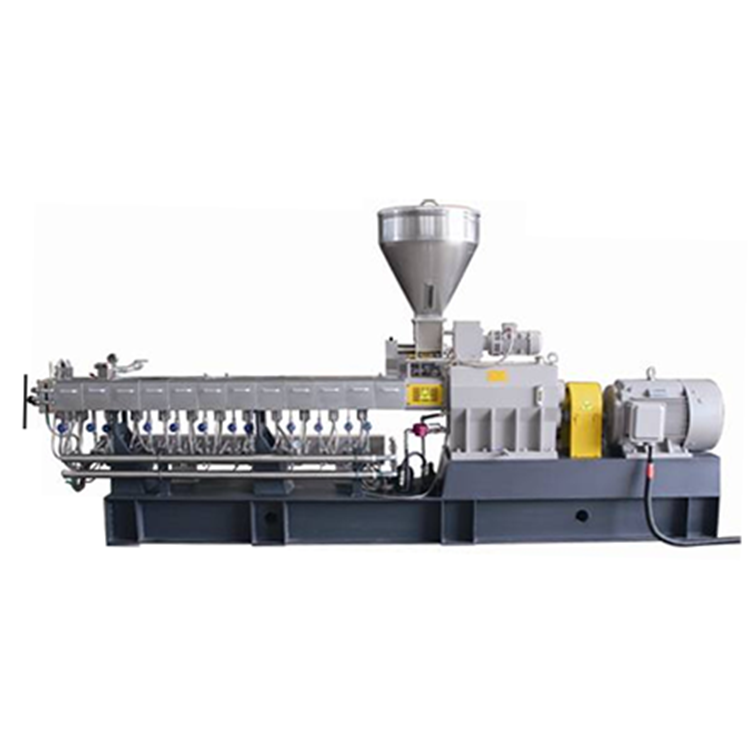
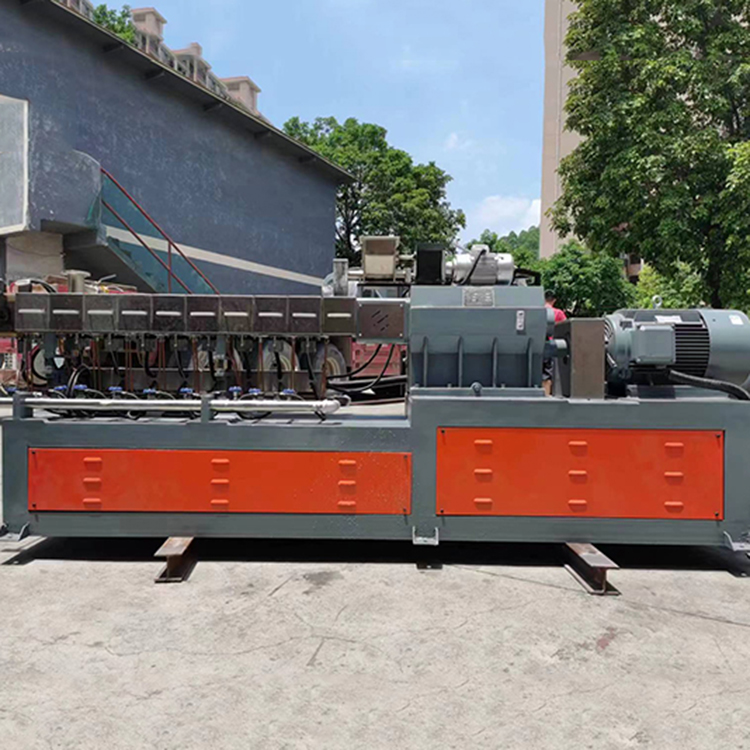
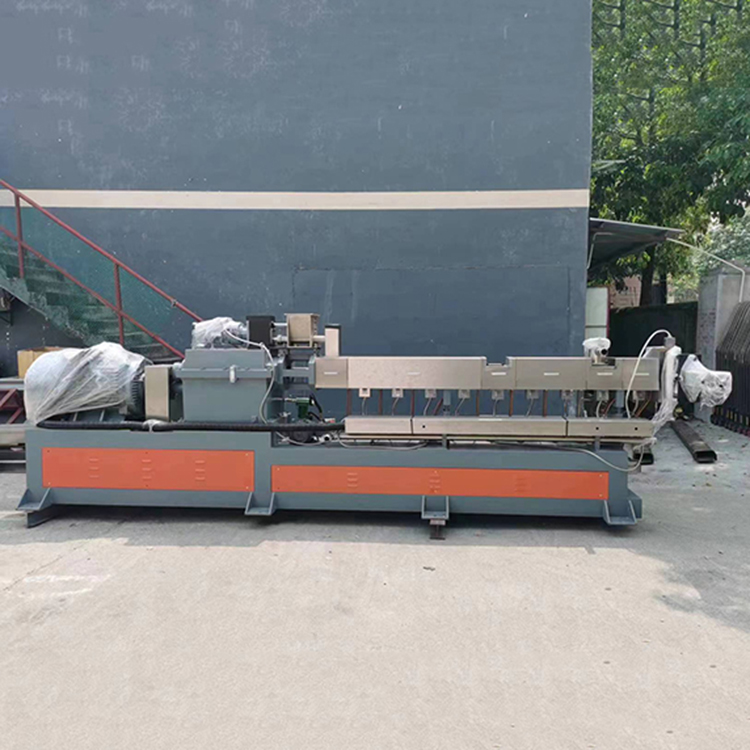
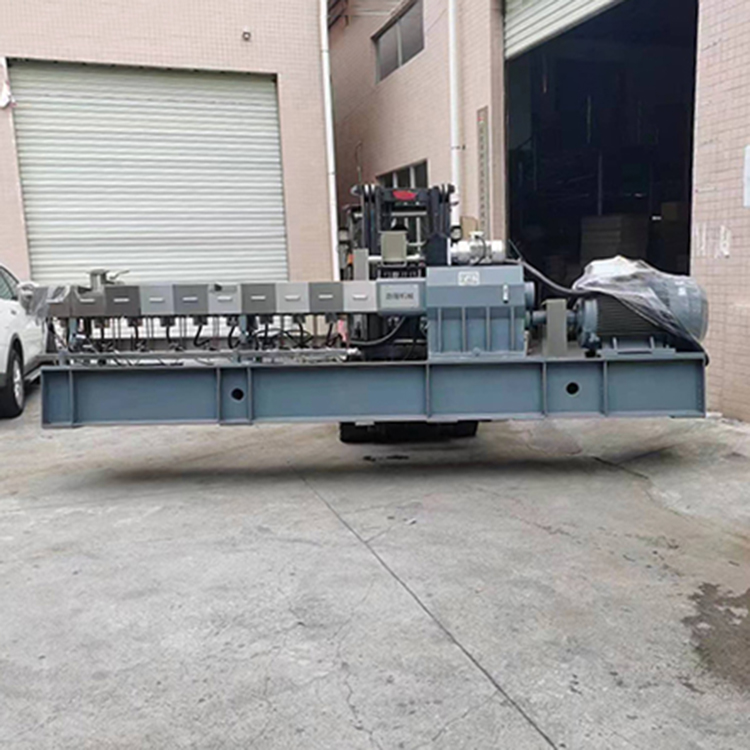
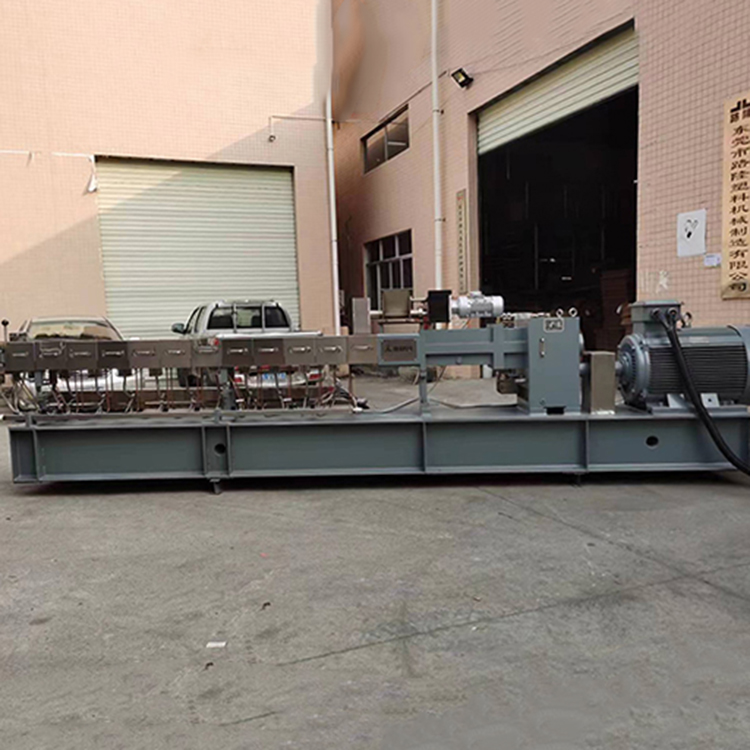
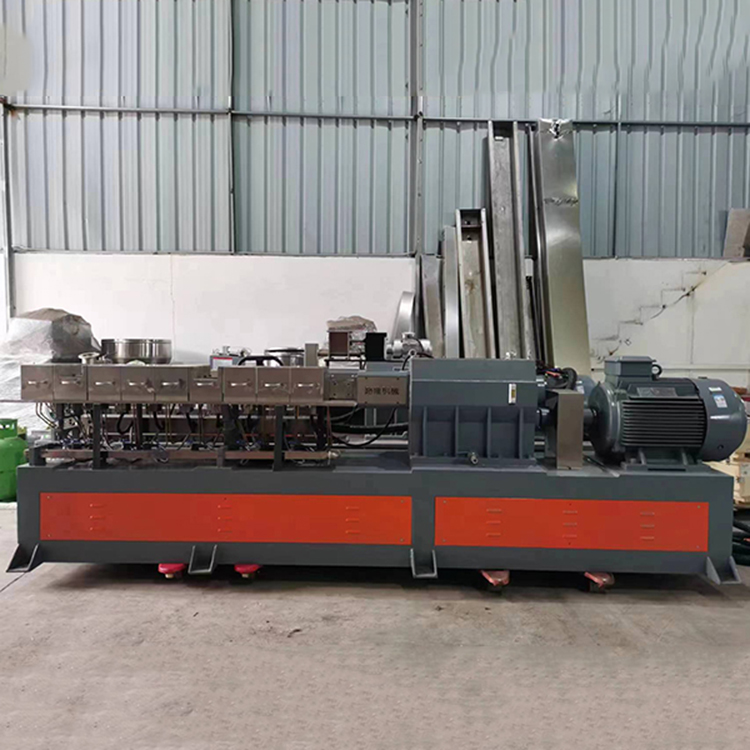
Extruders are a type of plastic machinery commonly used in the modified plastic industry, widely applied in polymer processing and other production and processing fields. They can be categorized into single-screw and twin-screw extruders. These have different working principles and application domains, each with its own advantages and disadvantages. Twin-screw plastic extruders are an evolution from single-screw models, and due to their good feeding, mixing, plasticizing, venting, and extrusion stability characteristics, they are extensively used in the shaping and processing of extruded products. Currently, the flow velocity distribution of materials within single-screw extruders is well described, but the flow velocity distribution in twin-screw extruders is quite complex and difficult to describe. Many researchers analyze the flow velocity field without considering the material flow in the meshing zone, but these results significantly deviate from reality. This is because the mixing characteristics and overall behavior of twin-screw extruders mainly depend on the leakage flow occurring in the meshing zone, which is quite complex. The complex flow patterns in twin-screw extruders exhibit macroscopic advantages that single-screw extruders cannot match, such as thorough mixing, good heat transfer, high melting capacity, strong venting capabilities, and excellent control over material temperature.