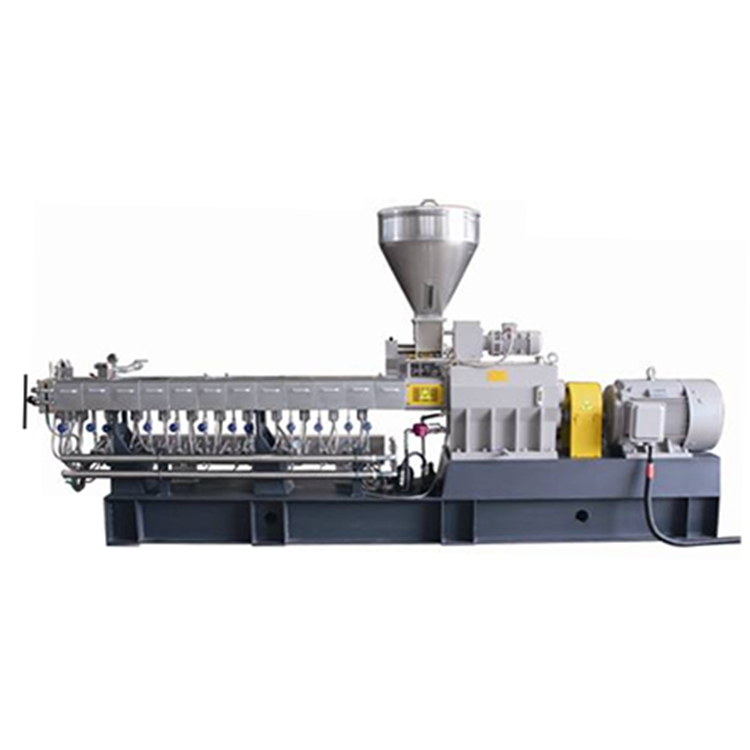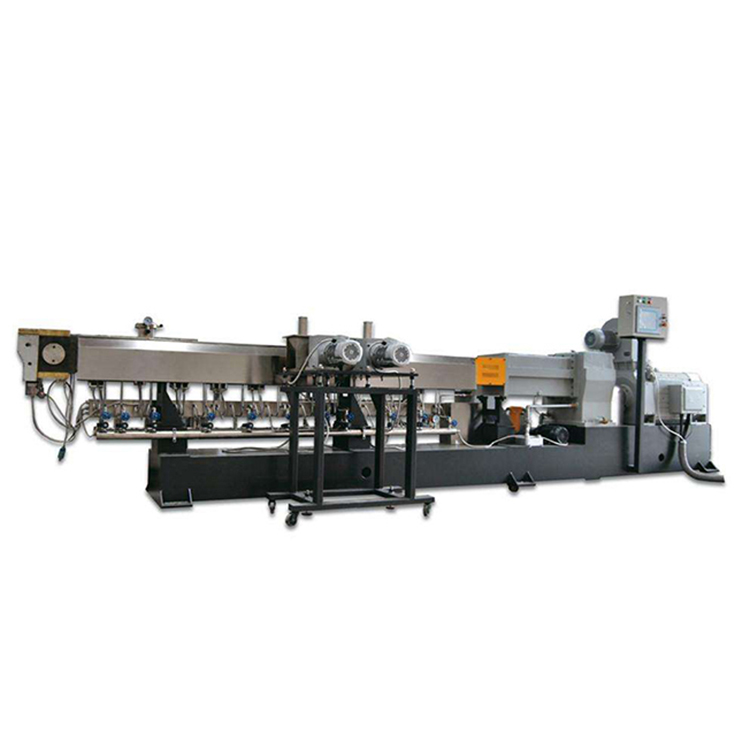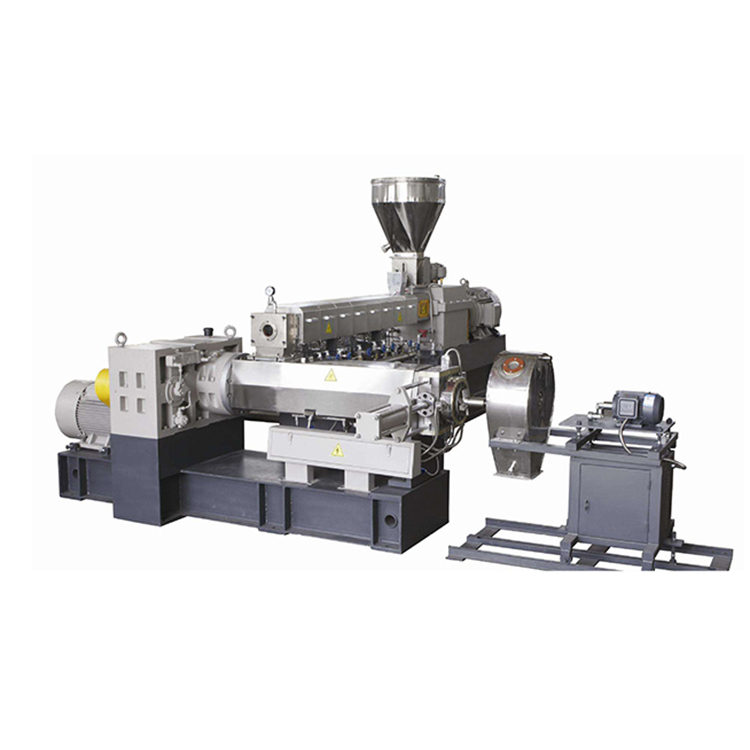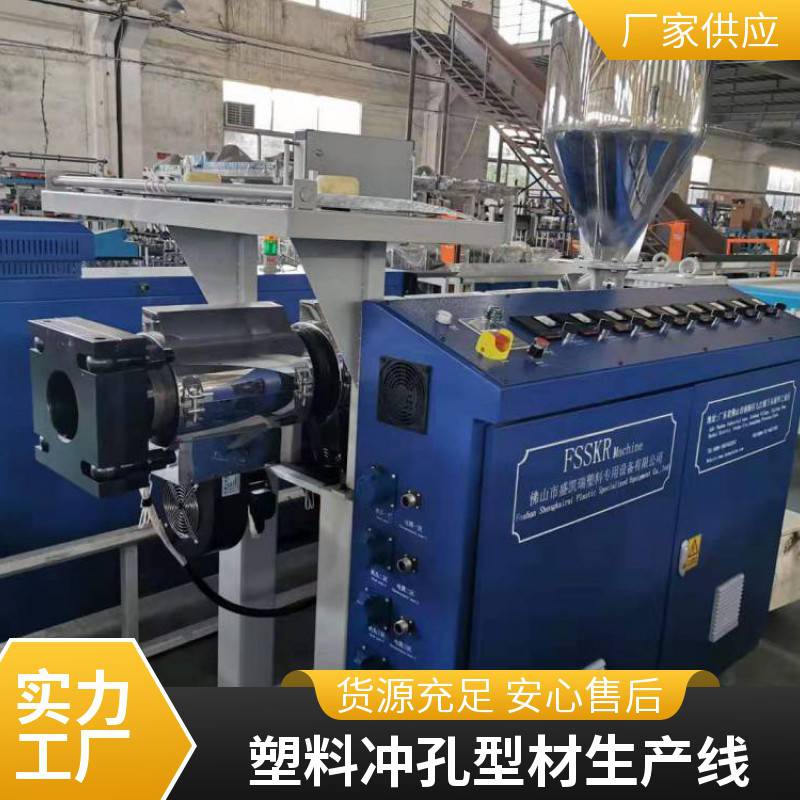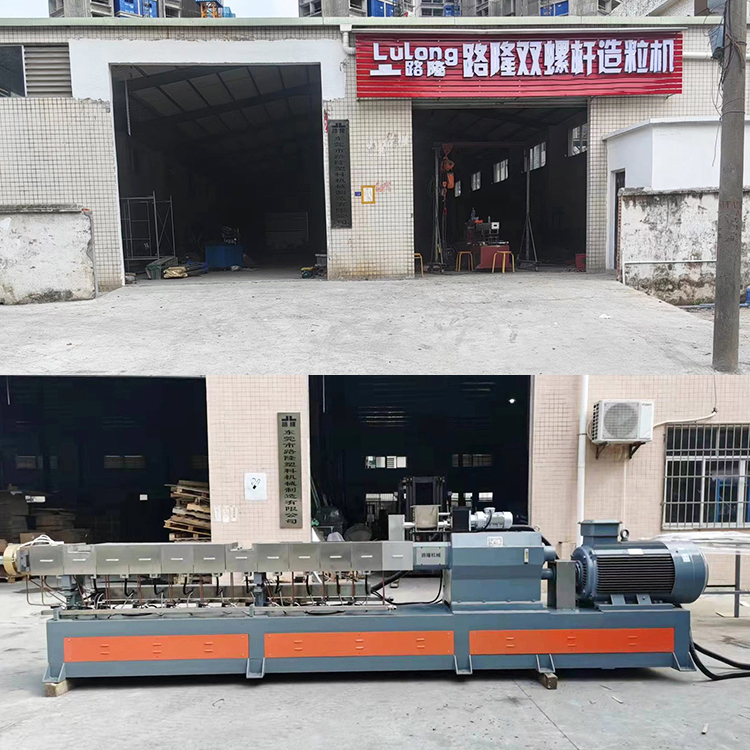

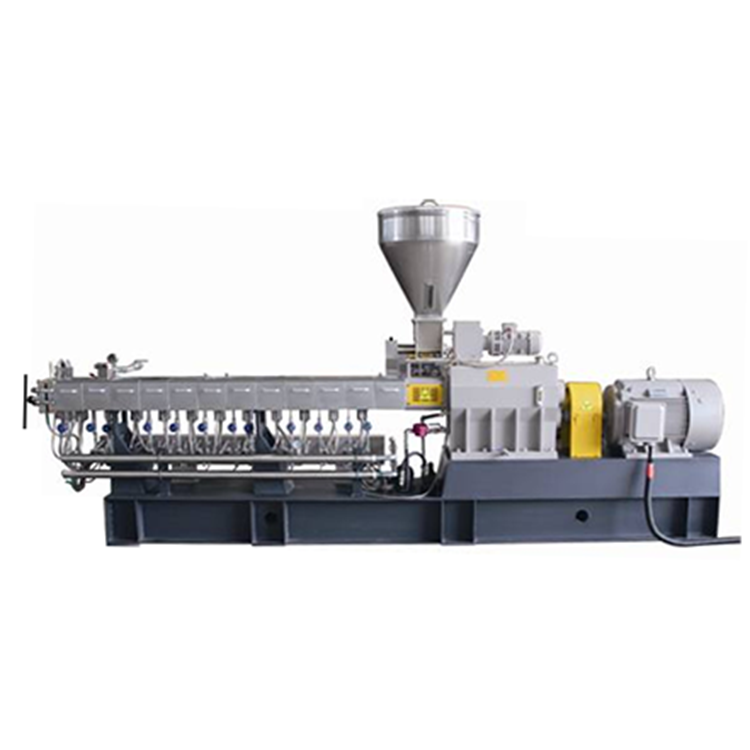

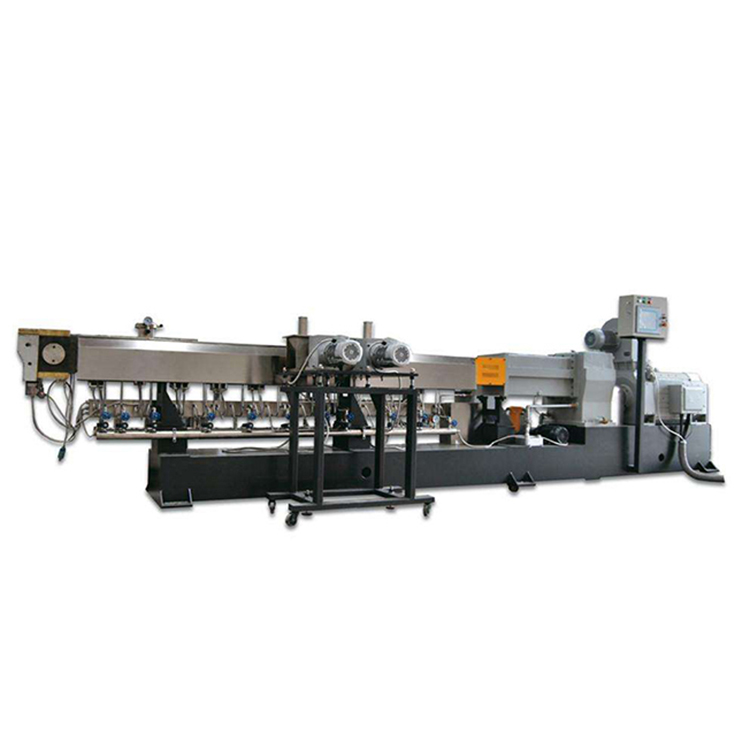
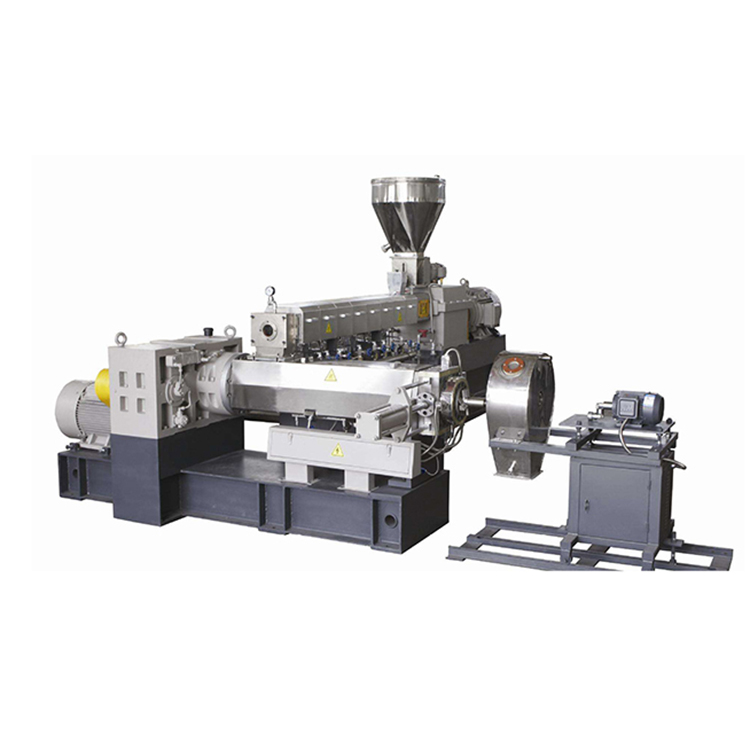







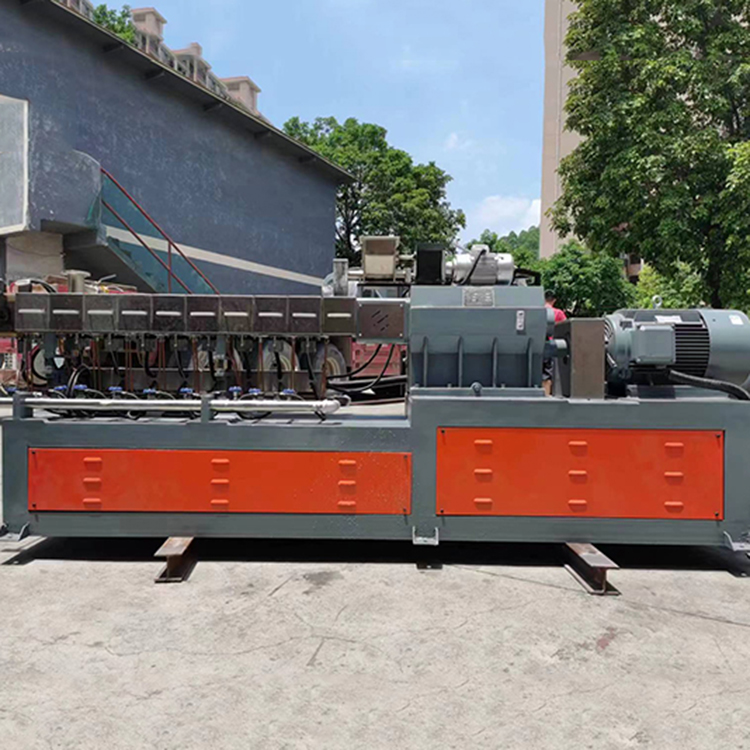
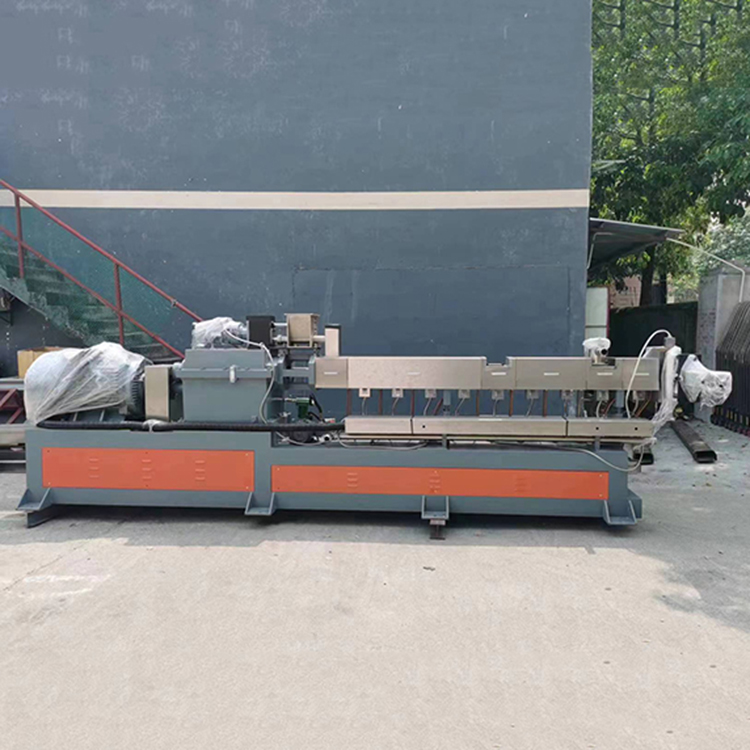
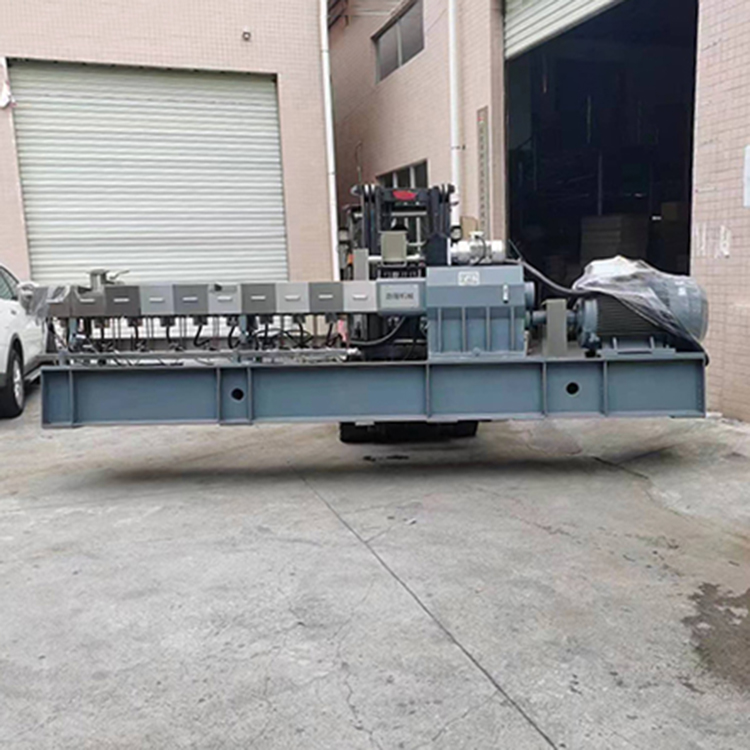
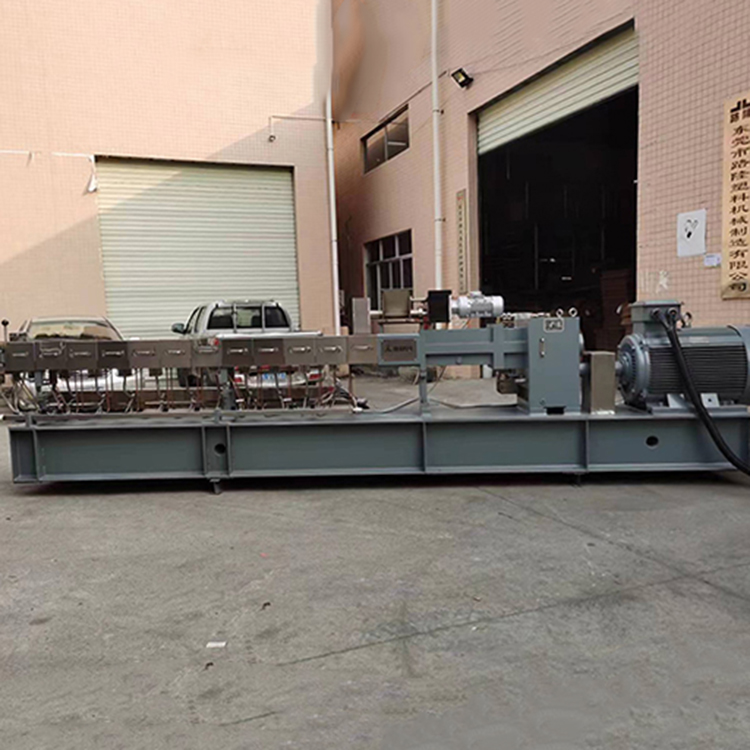
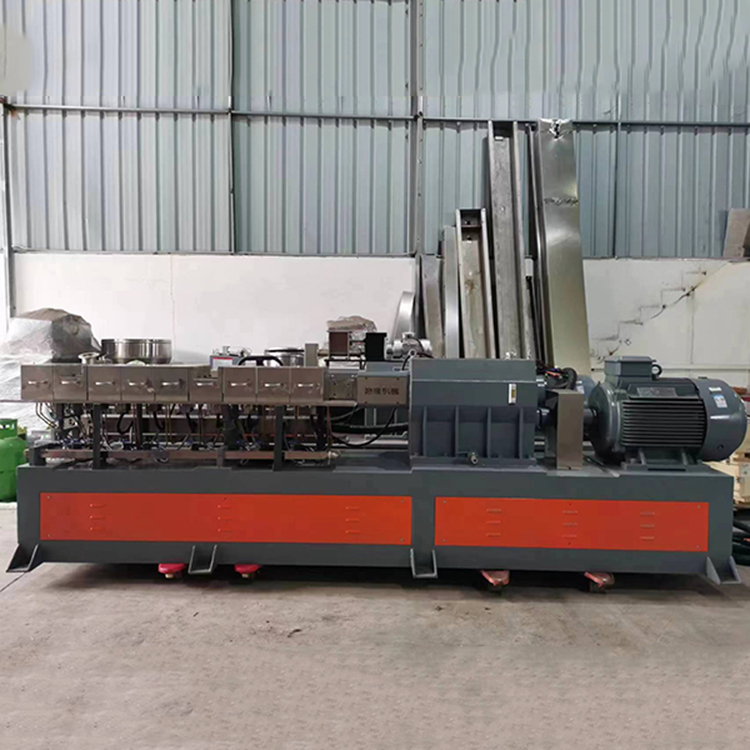
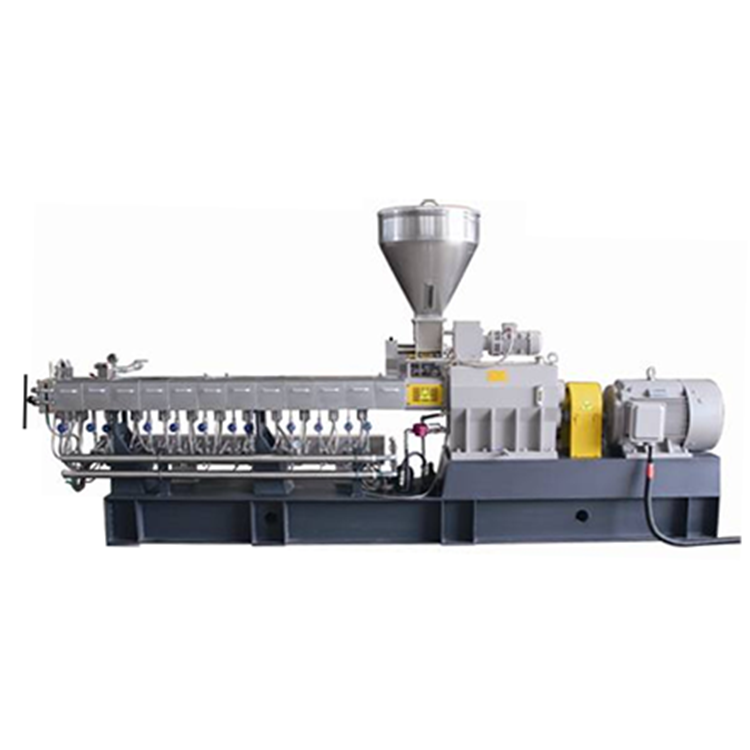
In single-screw extruders, the solid conveying section is characterized by frictional drag, while the melt conveying section is by viscous drag. The frictional properties of the solid material and the viscosity of the molten material determine the conveying behavior. If certain materials have poor frictional properties, it can be challenging to feed them into a single-screw extruder without resolving the feeding issue. In twin-screw plastic extruders, particularly intermeshing twin-screw extruders, the material transfer is to some extent a positive displacement transfer, with the degree of positive displacement depending on the proximity of the screw flanks to the relative screw grooves of the other screw. The screw geometry of tightly intermeshed, oppositely rotating extruders can achieve highly positive displacement conveying characteristics.
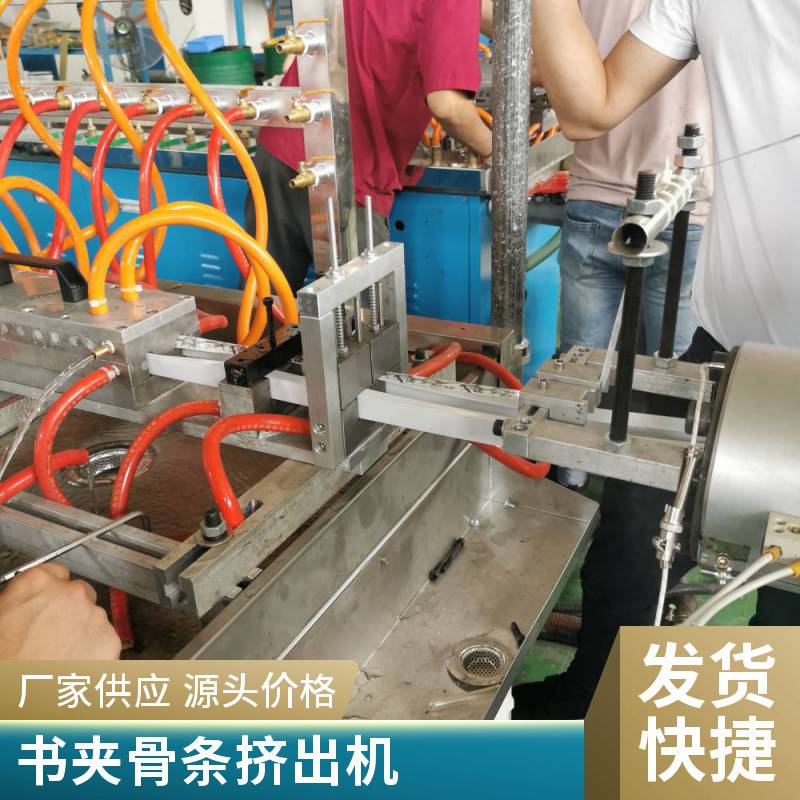
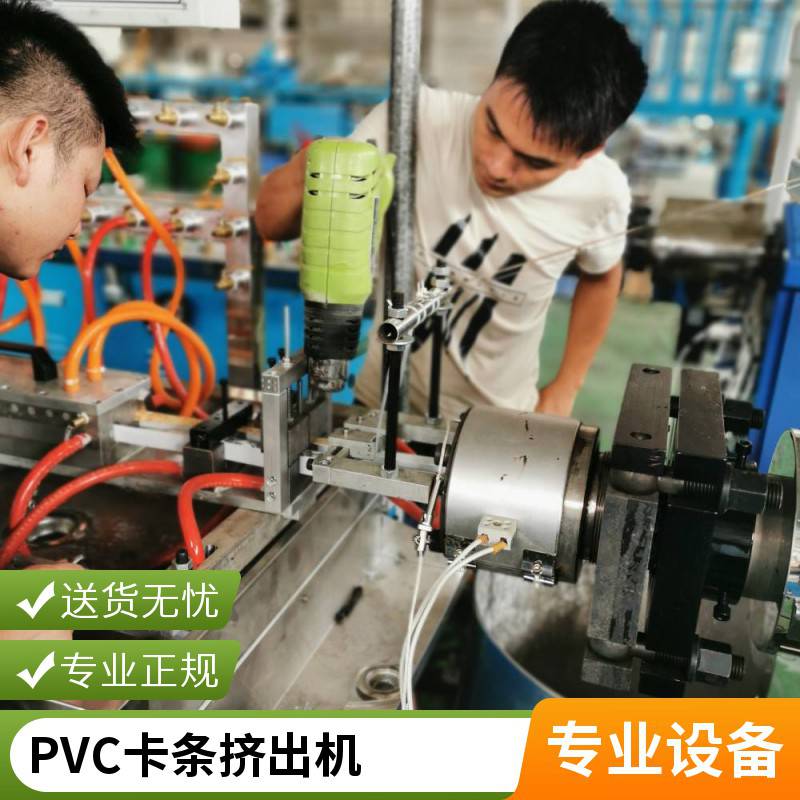
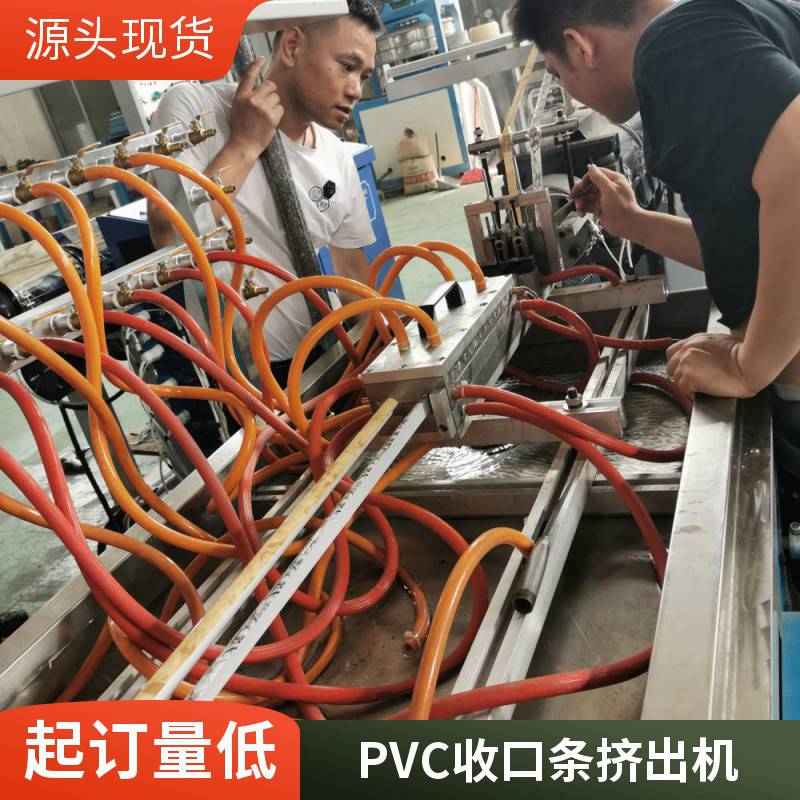
The cooling water pipes of the twin-screw plastic extruder are prone to scaling on the inner wall and rusting on the exterior. A thorough inspection should be conducted during maintenance. Excessive scaling can block the pipes, preventing effective cooling. Severe rust can lead to leaks. Anti-scaling and anti-corrosion measures must be taken during routine maintenance. After a period of production use, a comprehensive check of the twin-screw extruder is required, including the tightness of all screws and keeping a record of the inspection. Secure loose threaded parts immediately to prevent malfunctions during the production operation of the twin-screw plastic extruder.