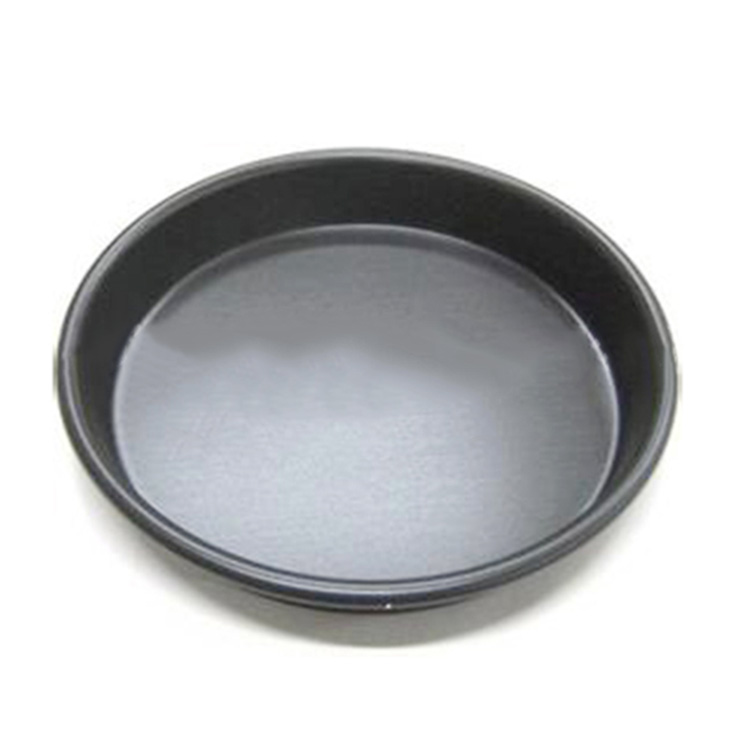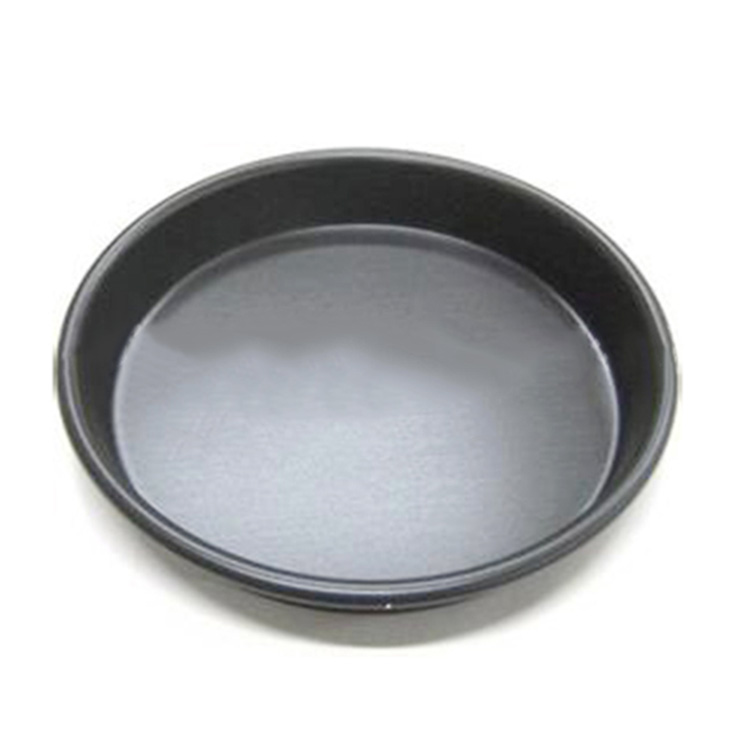















PTFE, commonly known as "the Plastic King" or "Halar," is branded as Teflon. In China, due to pronunciation reasons, the brand "Teflon" is also called "Teflon," "Teflone," "Teflurone," "Tefurone," "Teflun," etc., all being phonetic translations of "Teflon."
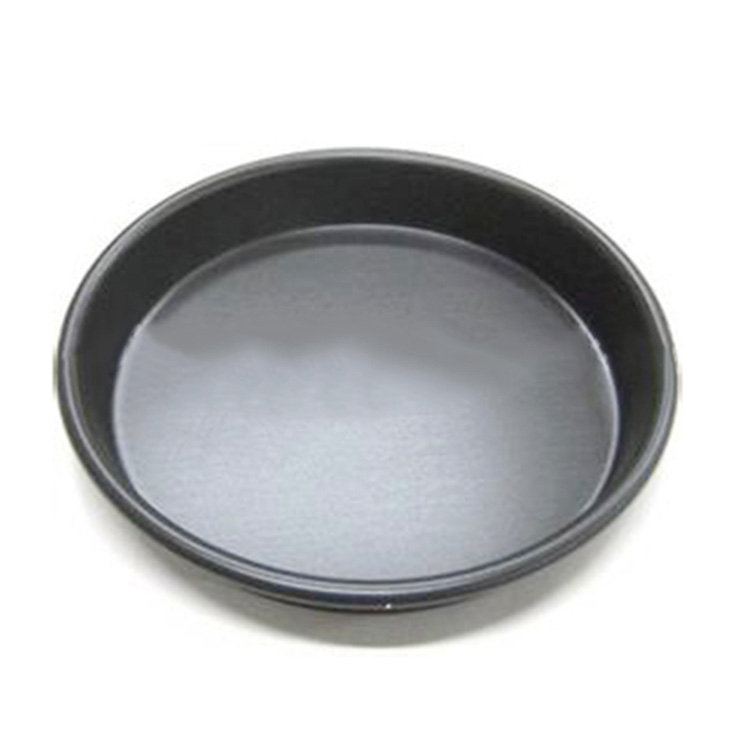
Products made from this material are generally referred to as "non-stick coatings"; it is a man-made high polymer material that uses fluorine to replace all the hydrogen atoms in polyethylene. This material boasts resistance to acids and alkalis, as well as various organic solvents, and is almost insoluble in all solvents. Additionally, PTFE has the characteristic of high-temperature resistance, with a low coefficient of friction, making it not only suitable for lubrication but also an ideal coating for non-stick pans and the inner layer of water pipes.
Teflon characteristics:
1. Non-stick: Virtually all materials do not adhere to PTFE coatings. Even very thin films exhibit excellent non-stick properties.
2. Heat Resistance: PTFE coated film boasts excellent heat and cold resistance properties. It can withstand high temperatures up to 300℃ for short periods, and can be continuously used between 240℃ and 260℃. It exhibits remarkable thermal stability, working at freezing temperatures without becoming brittle and remaining solid at high temperatures.
3. Sliding Coefficient: PTFE coatings offer a low friction coefficient. The coefficient of friction changes during load sliding, but the value remains between 0.05-0.15.
4. Moisture Resistance: PTFE coated surface is non-stick to water and oils, and also resists solution during production operations. Any minor dirt can be easily wiped off. Short downtime, saves labor hours, and improves work efficiency.
5. Abrasion Resistance: Offers excellent wear resistance under high loads. Under certain loads, it boasts dual advantages of wear resistance and non-stickiness.
6. Corrosion Resistance: PTFE is virtually unaffected by most chemicals, withstanding the action of all strong acids (including aqua regia), strong oxidizing agents, reducers, and various organic solvents, except for molten alkali metals, fluorinated media, and sodium hydroxide above 300°C. It can protect parts from any form of chemical corrosion.
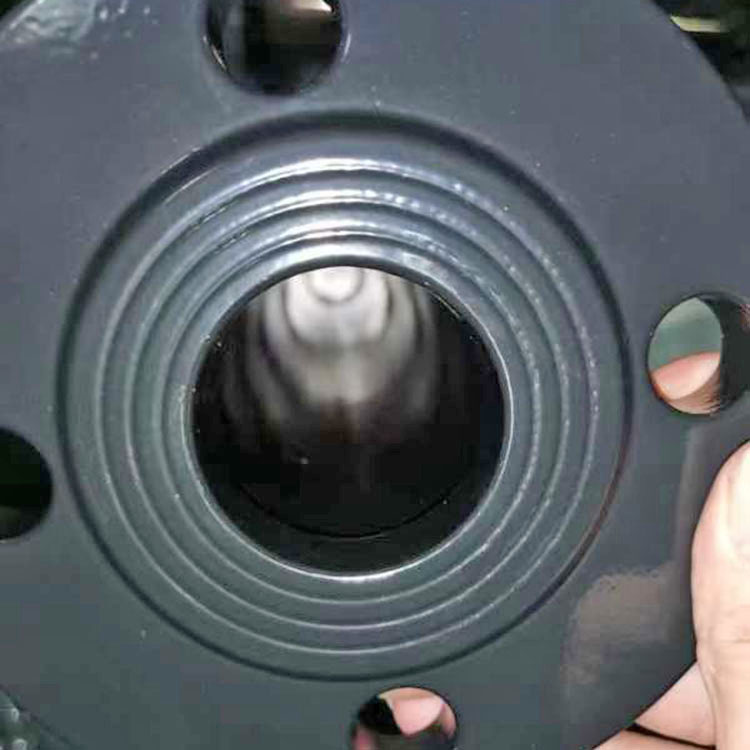
Teflon Applications: Food industry, mold industry, chemical industry, machinery industry, sandblasting industry, textile dyeing industry. Teflon is generally used in high-performance, corrosion-resistant pipes, containers, pumps, valves, and in the manufacturing of radar, high-frequency communication equipment, radio equipment, antenna covers, etc. Adding any filler that can withstand the PTFE sintering temperature to PTFE greatly improves its mechanical properties while maintaining the other excellent properties of PTFE. The types of fillers include glass fiber, metal, metalized oxides, graphite, carbon fiber, polyimide, EKONOL, etc., which can improve wear resistance and the ultimate PV value by 1000 times.