
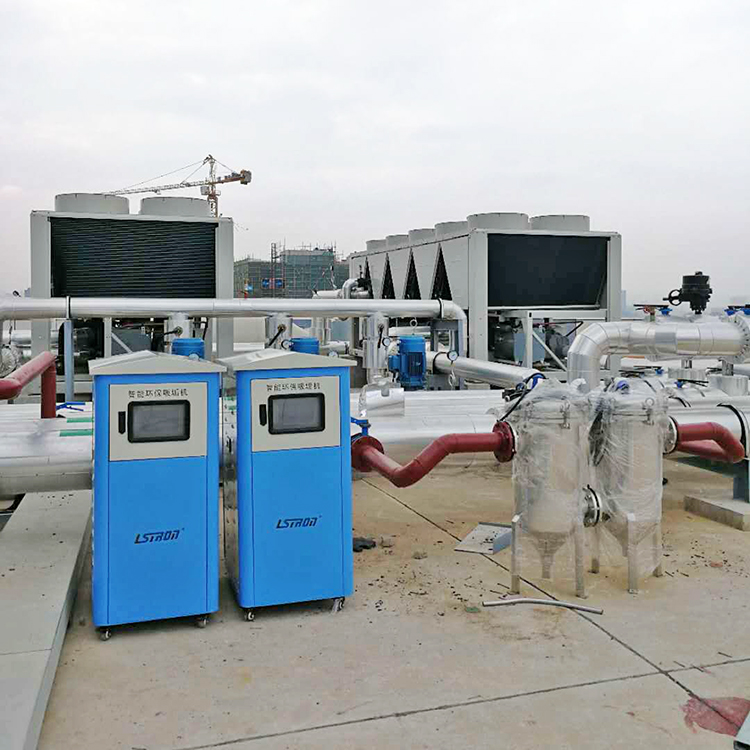

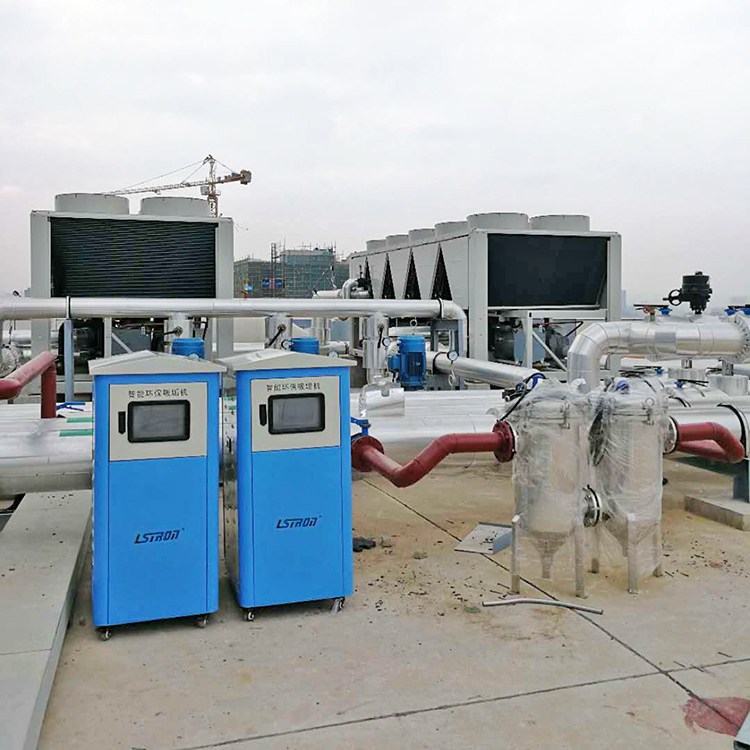


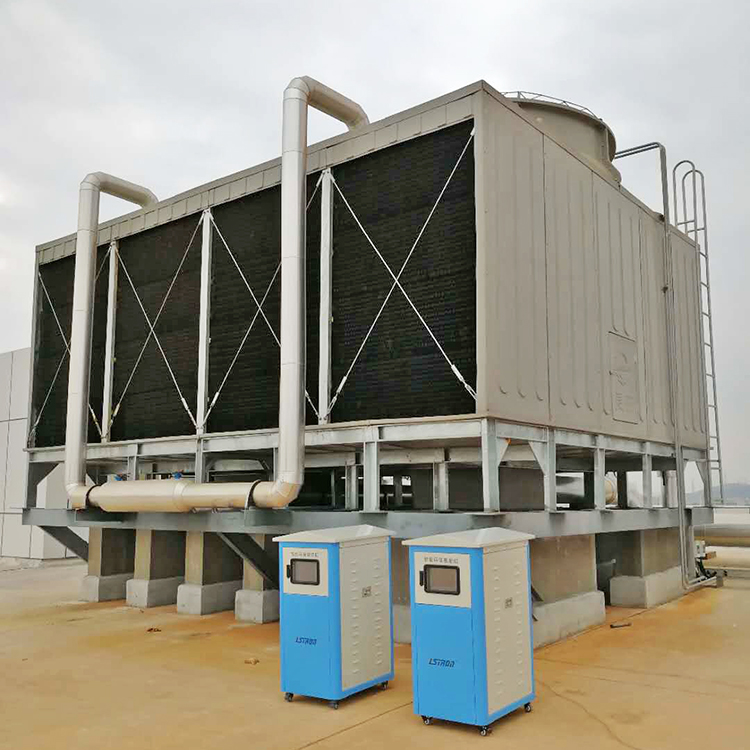





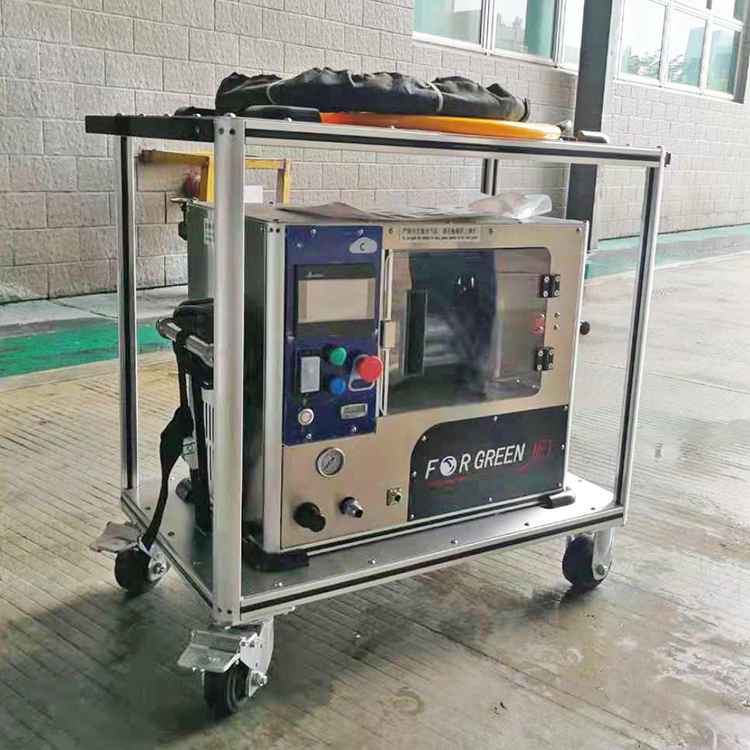
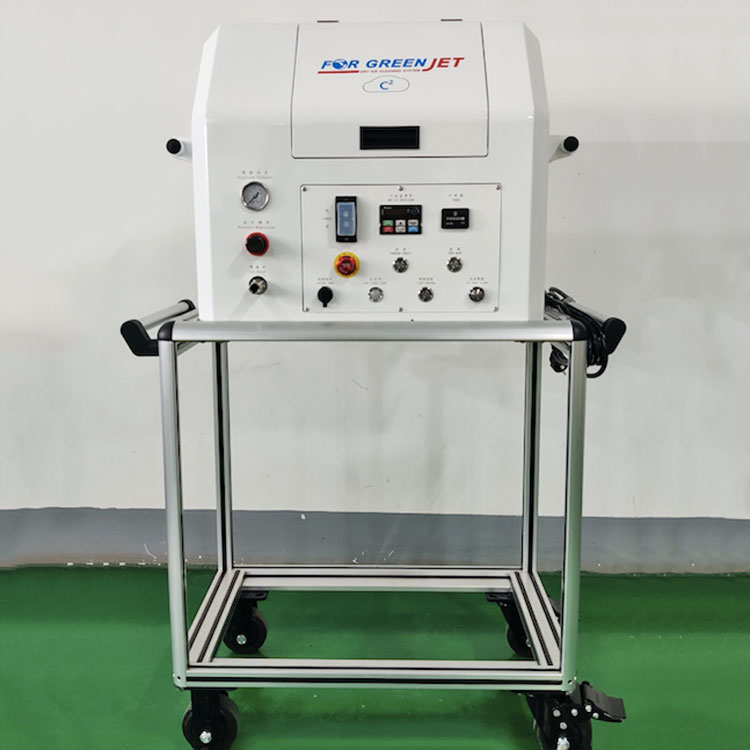
Product Principle Introduction
Current Analysis of Cooling Water Circuit System
Current issues with the cooling water system may include:
1. Long-term scaling in heat exchangers (condensers) leads to reduced heat exchange efficiency, resulting in high-temperature alarms, carbonization of lubricating oil, reduced lifespan, and increased susceptibility to damage in oil pumps.
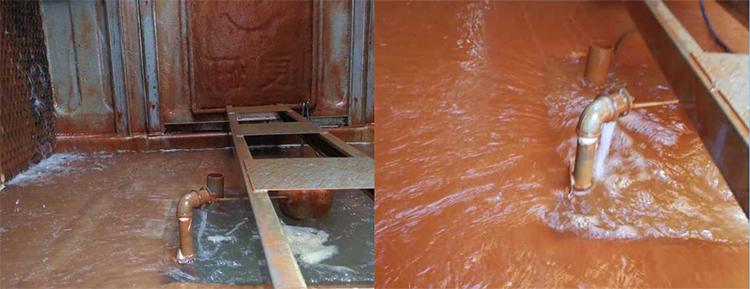
2. Long-term scaling and rusting of piping can lead to corrosion and perforation of the pipes, as well as cause the water quality in the entire circulation system to turn yellow.
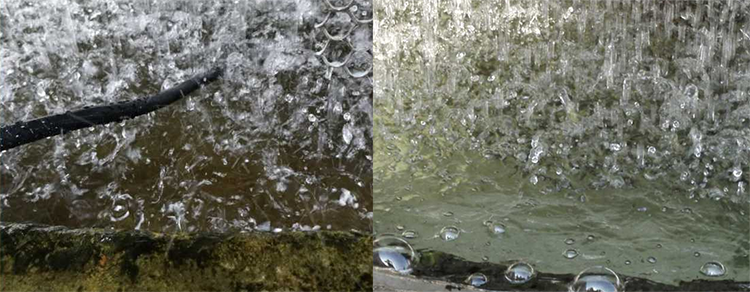
3. Cooling towers or water pools may experience scaling, algae, and sedimentation, necessitating shutdown for cleaning and replacement of recirculating water.
These phenomena directly impact the production efficiency and lifespan of production equipment, indirectly increasing the production costs for the enterprise.
Limescale impact on production
Molding cycle extended
· Impact on product cooling efficiency
· Deform rubber sealing parts
· Accelerating the oxidation and deterioration of lubricating oils
· Component performance quality deterioration
Product Principle Description
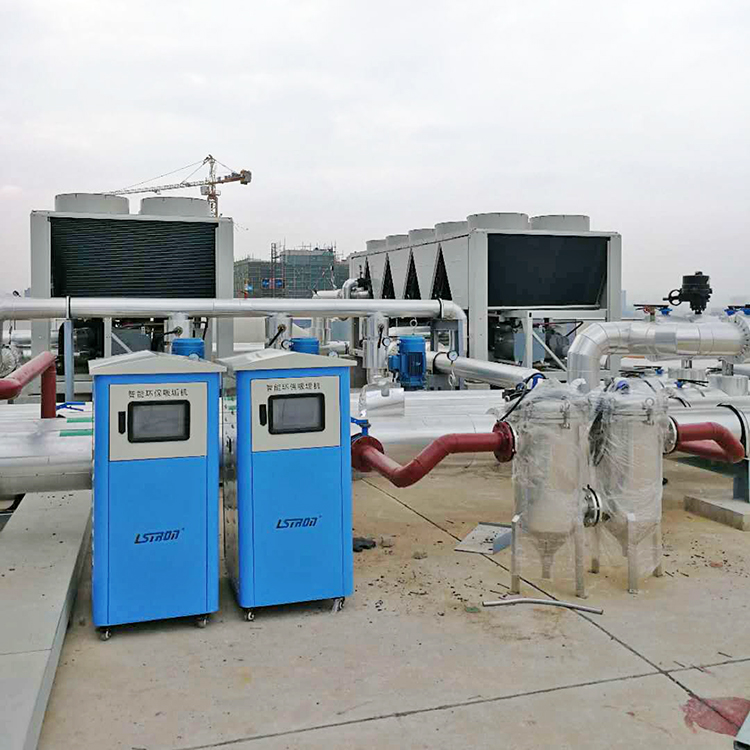
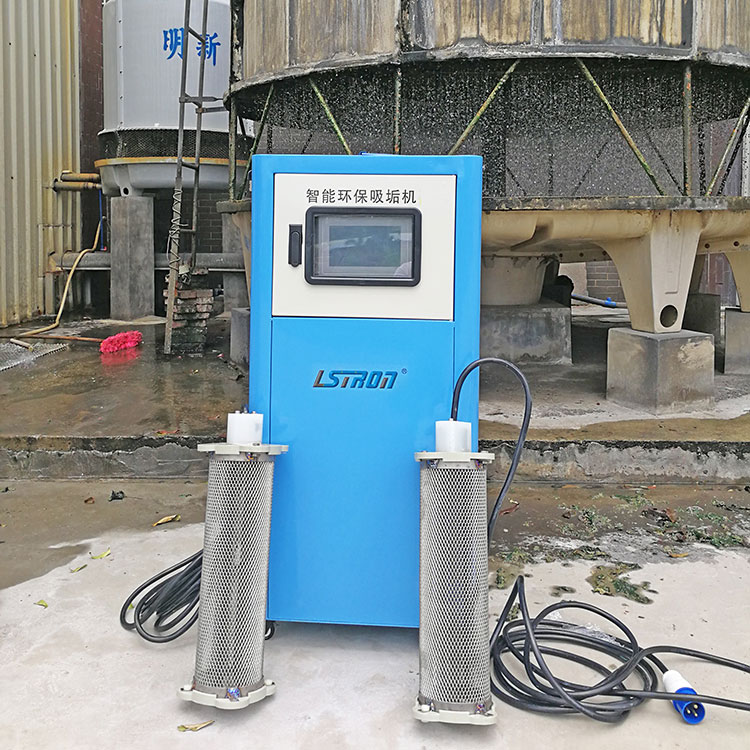
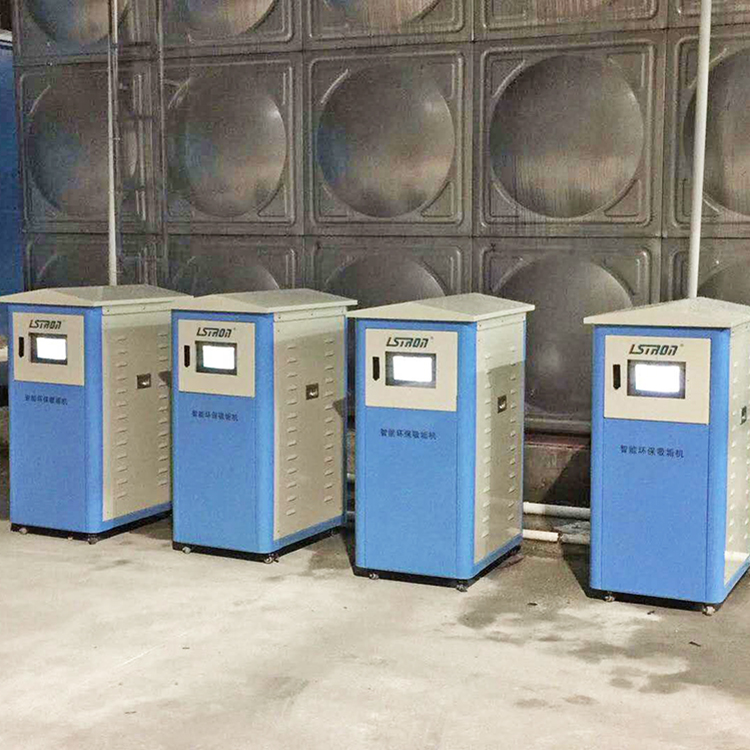
Utilizes physical methods; no disassembly or alteration of the existing system is required. No water replacement needed, saving water costs. Continuously operates 24/7 to resolve issues like rust and scale in the cooling water circuit for users.
High-frequency Variable Frequency Electrolysis
Pioneering high-frequency, variable-frequency water electrolysis technology, which converts regular water into reduced water. Reduced water, known for its strong penetration and solubility. The intelligent descaling machine utilizes high-frequency, variable-frequency principles to disperse and refine water molecules into neutral, small-molecule reduced water. The refined water has strong solubility and penetration, capable of penetrating into the scale and rust layers in pipes and equipment, gradually loosening and detaching them, and eventually dissolving them back into the water.
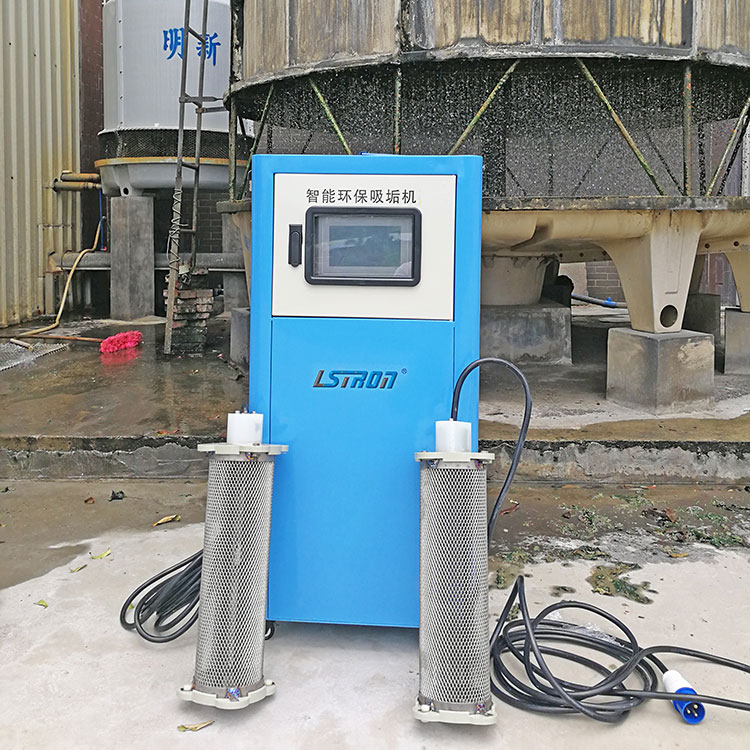
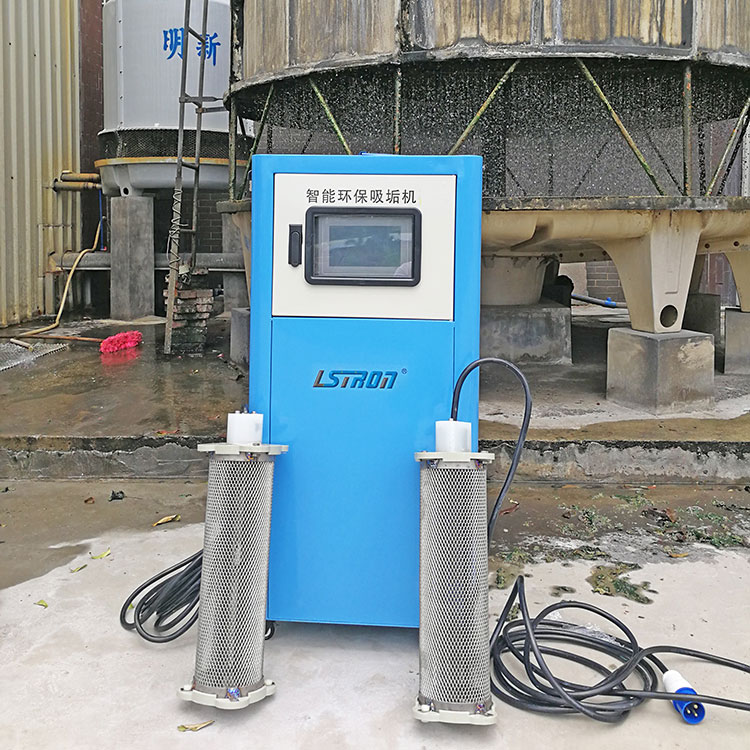
Electrode Scale Remover
Scale and rust are dissolved, and the positively charged ions (Ca2+, Mg2+) in the system are carried out with the circulating water and adsorbed outside the electrode network (cathode), forming crystalline compounds of calcium and magnesium. This removes the main scaling factors (Ca2+, Mg2+) from the system, reducing water hardness, and thereby cleaning the system more effectively. Moreover, the adsorption capacity of the吸附装置 is significantly greater than the scale formation capability within the pipes, fundamentally resolving the scale issue in the circulating water system.
Cooling System Maintenance Analysis
Project Handling Method | Discontinued | Washing Method | Change water | Maintain | Number of staff | Total Time Spent |
Labor and chemical processing | Production equipment needs to be stopped. | Descaling agent (using industrial strong acids and bases for corrosion) 2. Brush and metal rods for condenser flushing 3. Add rust inhibitors, algae removers, etc. | After dosing with chemicals, the system should circulate for a period, then drain all the water and refill with fresh water. | Monthly shutdown required for water replacement and staff dispatch | 2-3 people | 6 to 48 hours |
Smart Scale Remover | The generating equipment does not require production to be halted. | High-frequency Variable Frequency Electrolytic Physical Method 2. Electrode Scale Absorber | No water change required; removes scaling ions (Ca2+, Mg2+) from recirculating water, reducing hardness. | Perform scale cleaning on the electrode external network every two weeks or once a month. | 1 person | 10-20 minutes Minute |
Stable production and life analysis of heat exchange equipment
During the hot season, the cooling circulating water system experiences severe evaporation and concentration, which accelerates scaling within the system. Heat exchangers in production equipment, being high-temperature areas, are more prone to scaling. Without proper and professional treatment, this can lead to equipment high-temperature alarms and shutdowns.
Continual decline in heat exchange efficiency significantly reduces the lifespan of the equipment and fails to adequately ensure production stability.
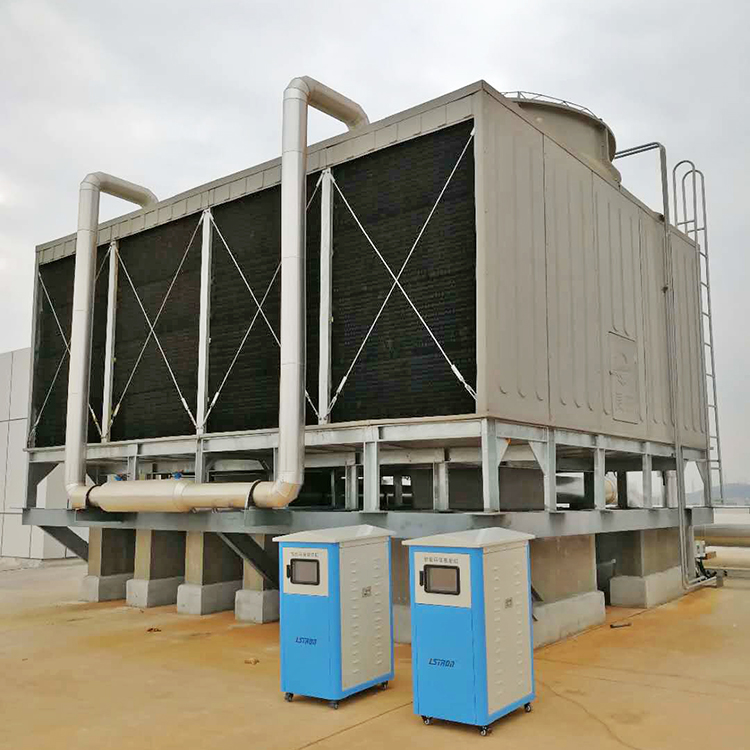
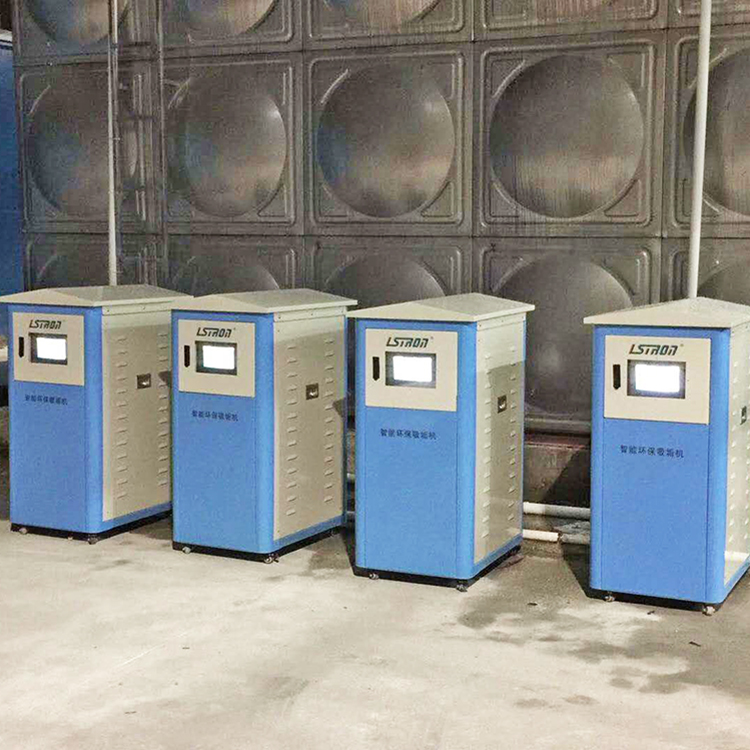
Utilizing an intelligent descaling machine can effectively remove scale and rust from the cooling water system, enhancing cooling efficiency, ensuring production stability, and extending the lifespan of the equipment.
Customer Use Cases
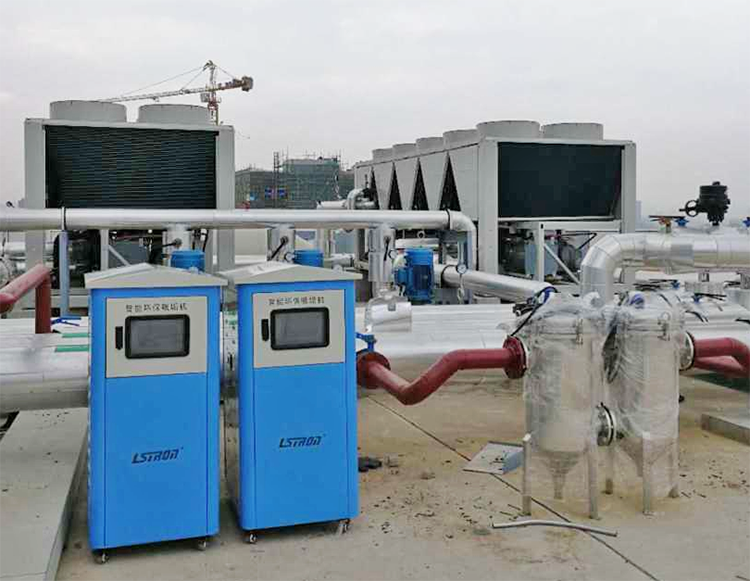
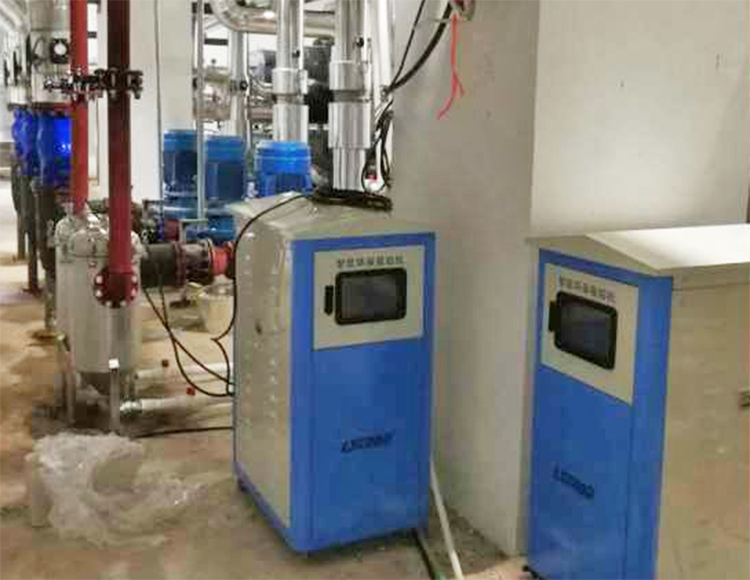

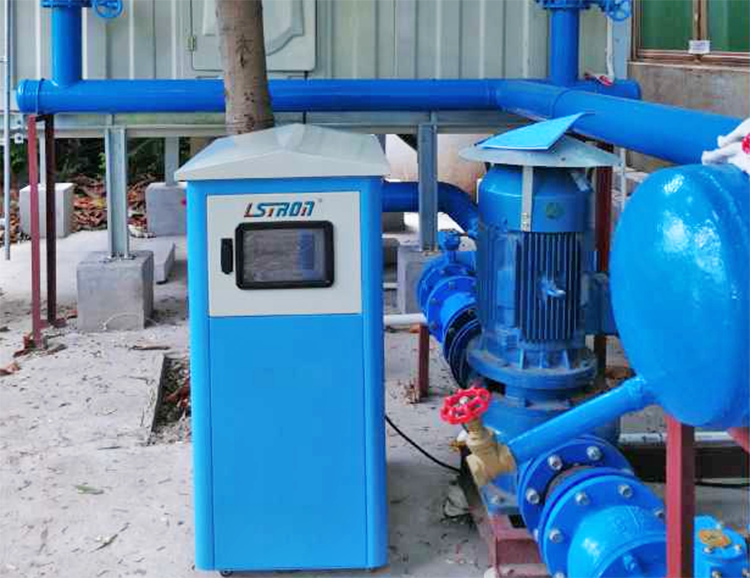
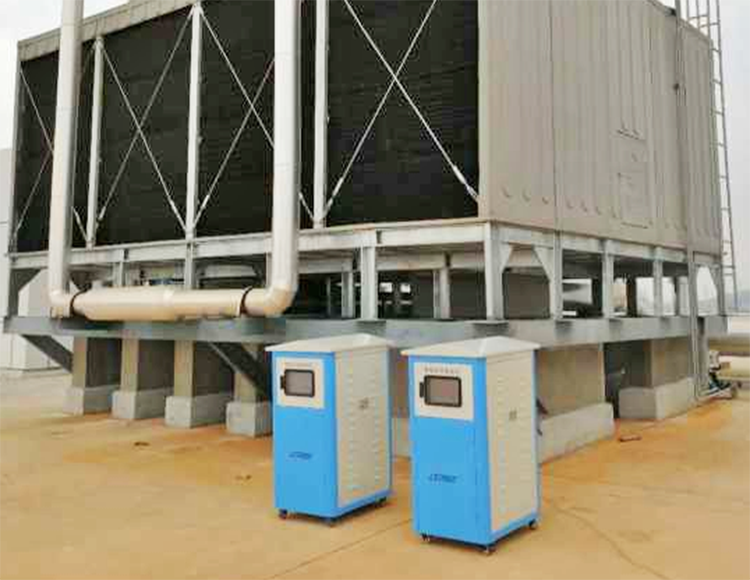
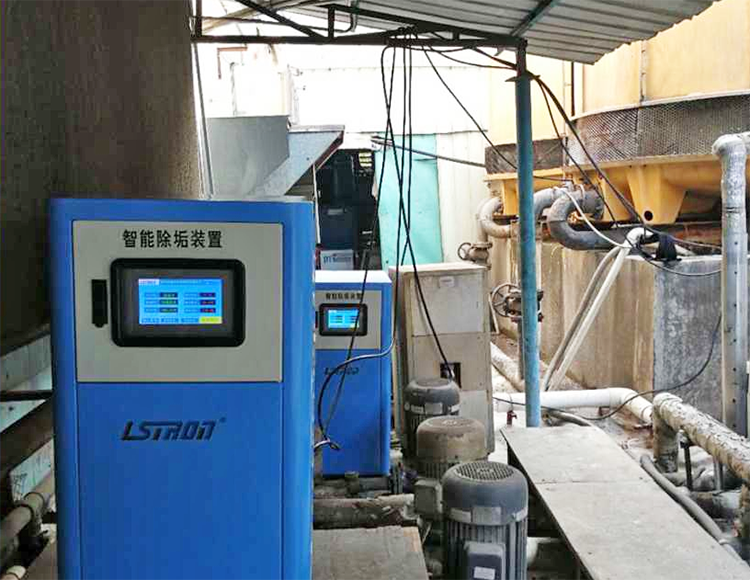
Before and After Comparison
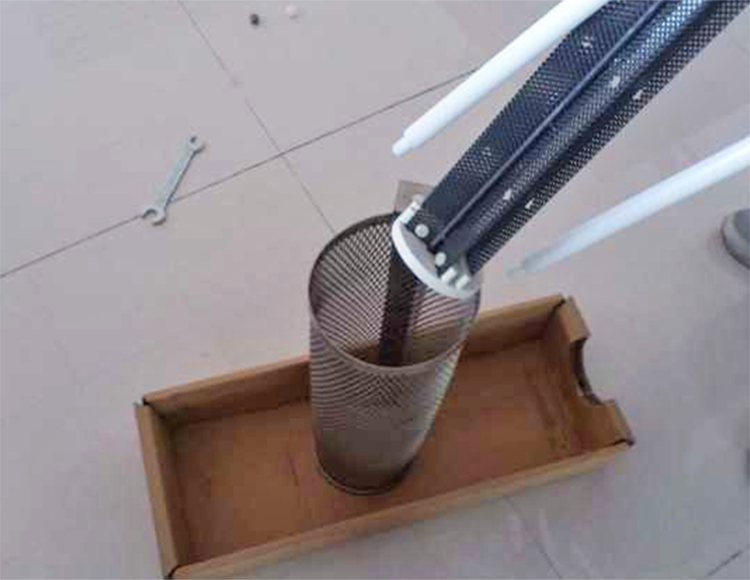
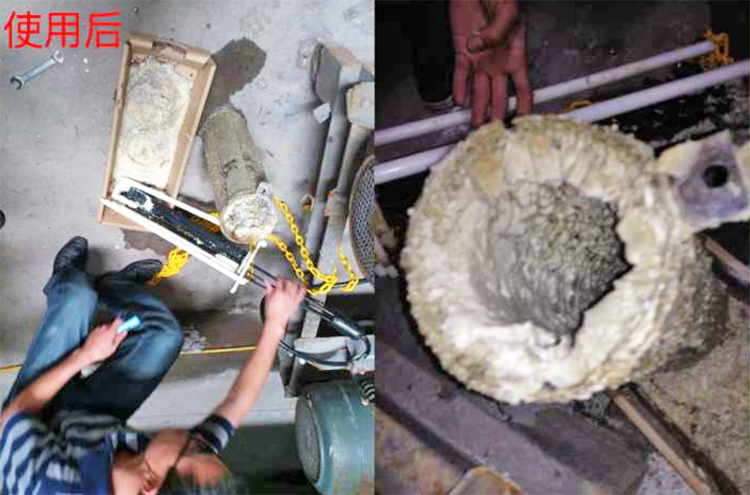
After 34 days of using the smart descaling machine, comparative images of the condenser before and after:
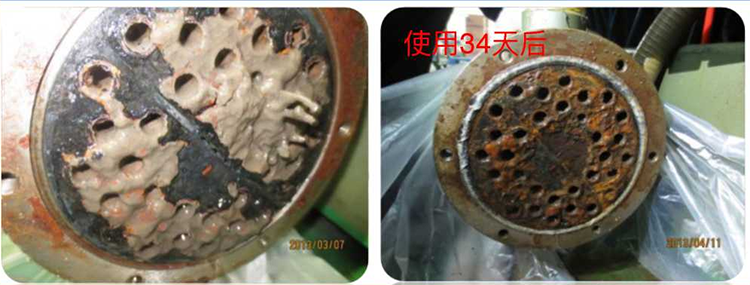
Injection Molding Machine Cooler Copper Tube Comparison: Before and After Same Position
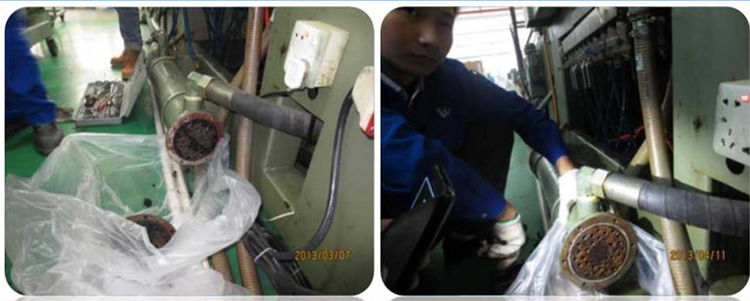
Water quality changes at the same location: