










Tread plate
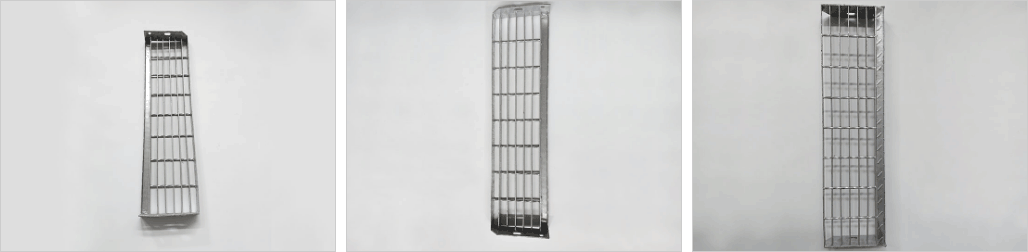
1. Step Board Introduction
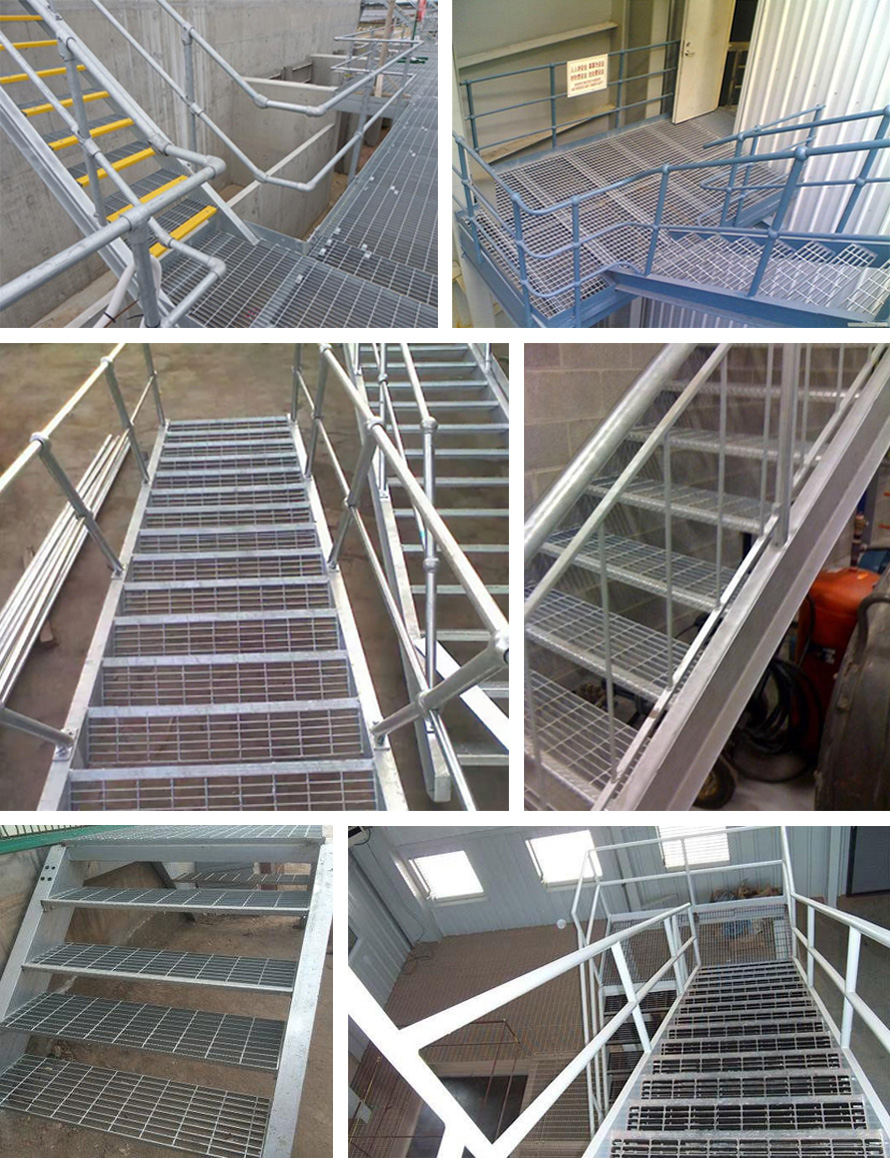
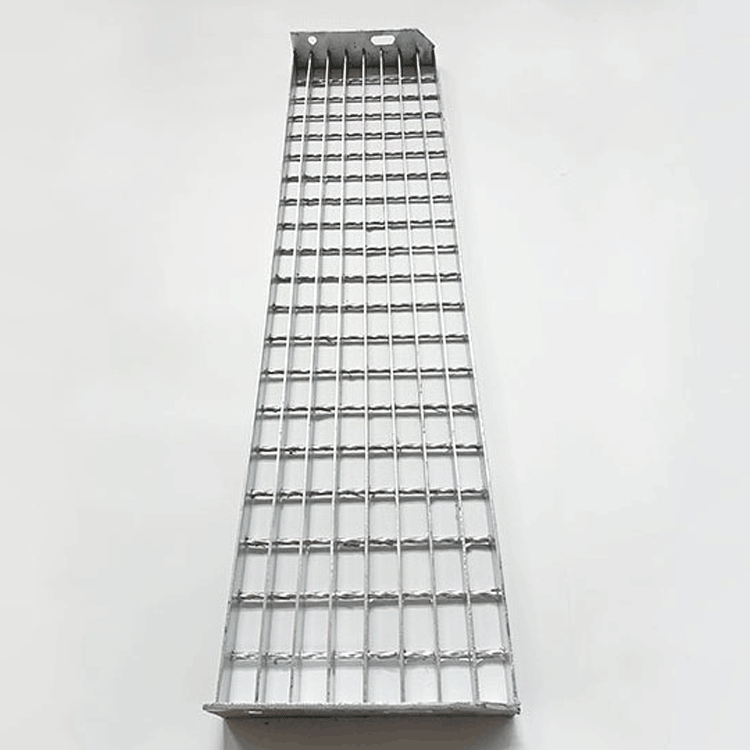
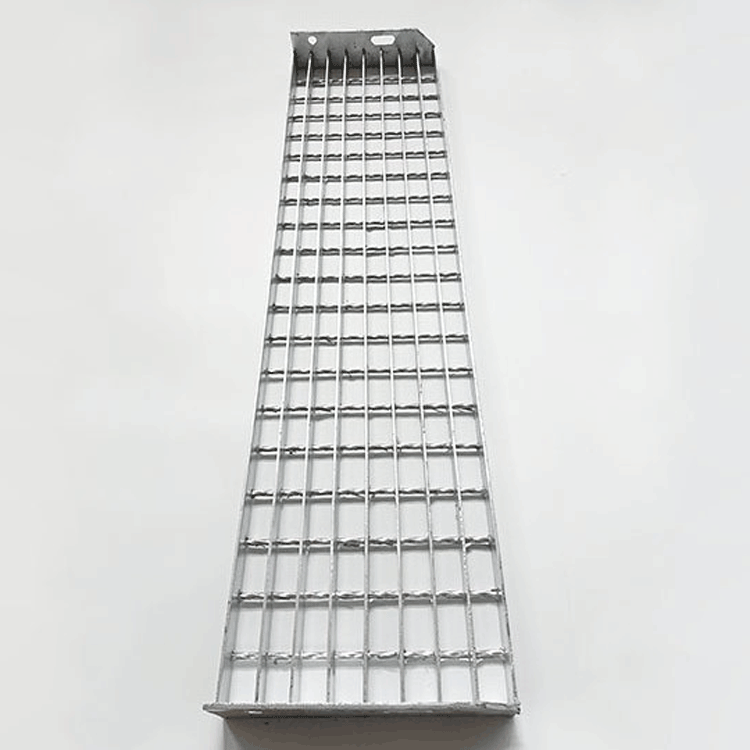
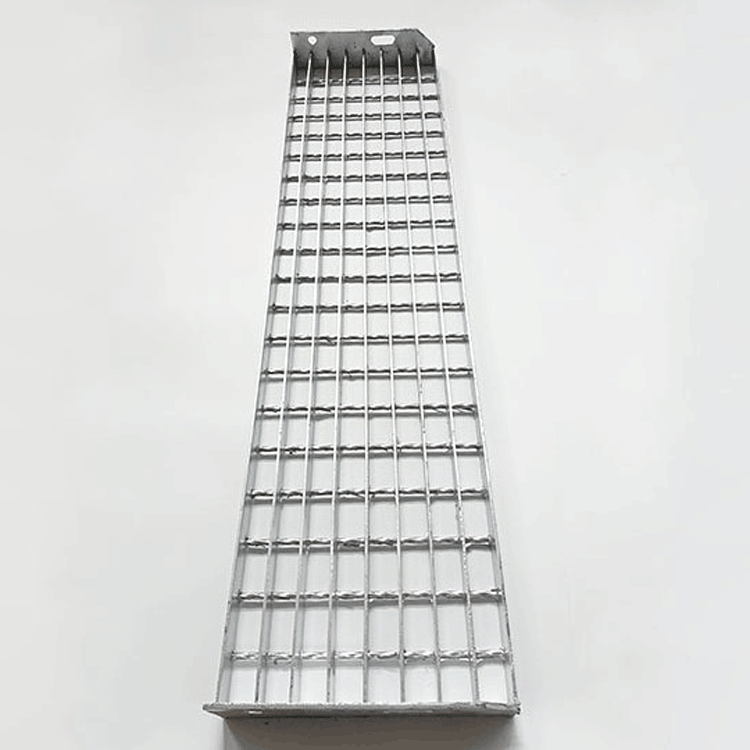
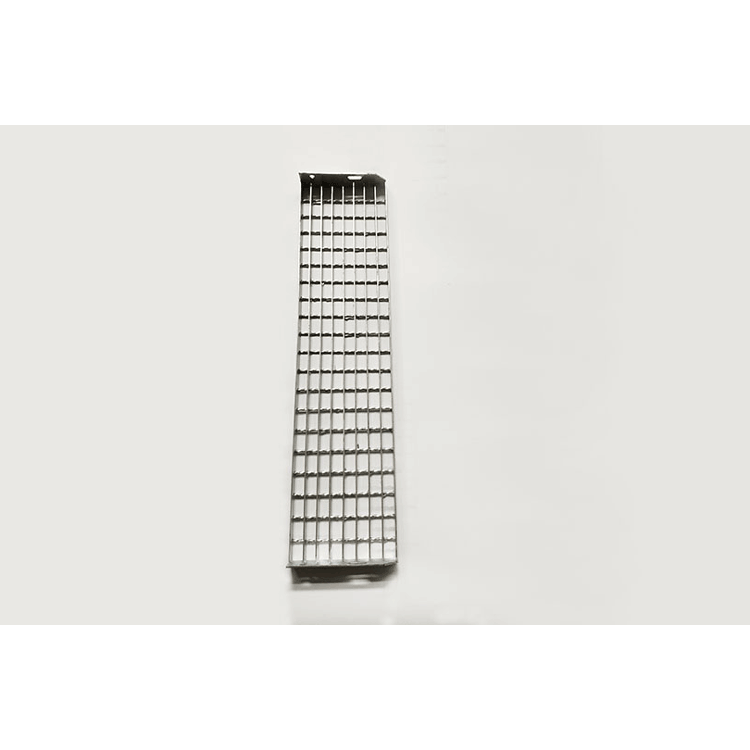
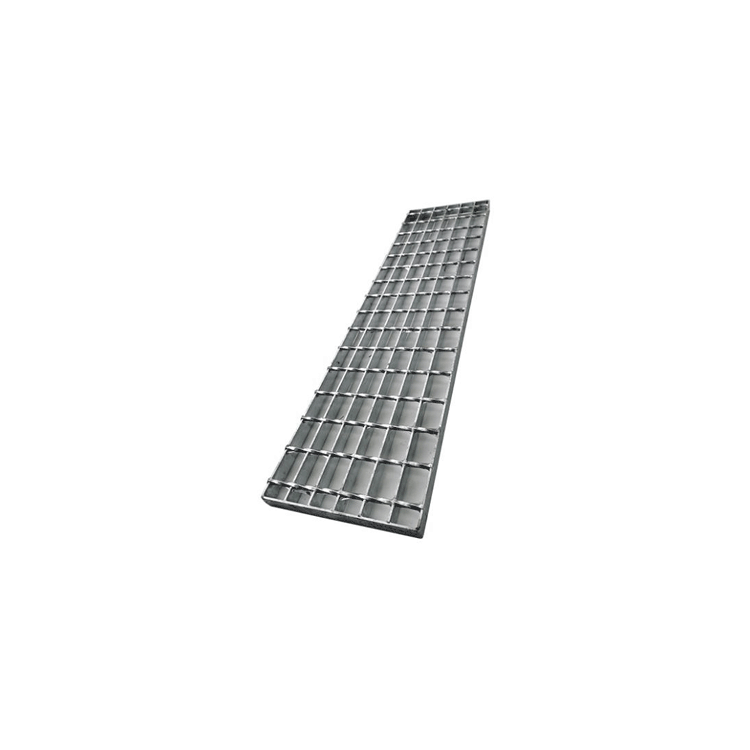
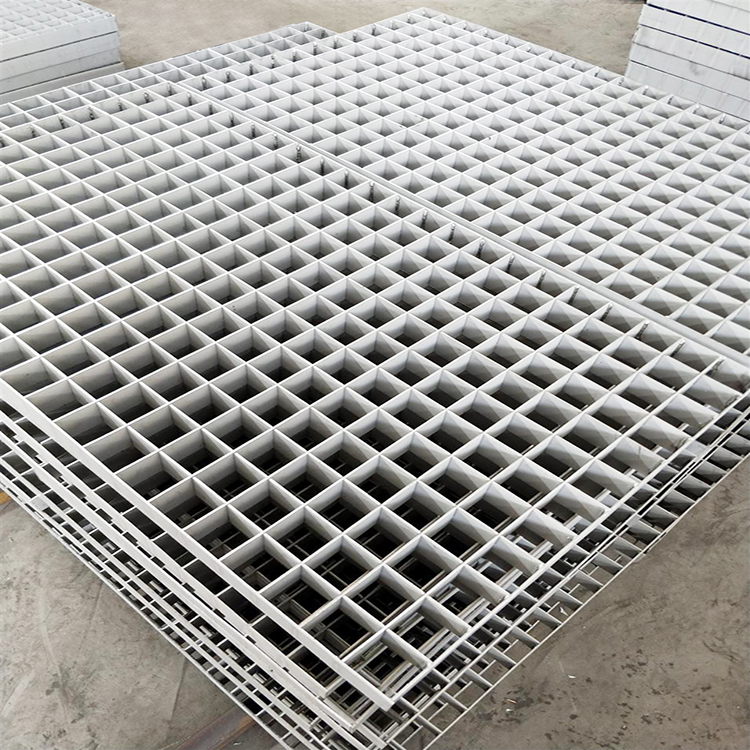
Tread plates, also known as stair tread plates, steel stair tread plates, or simply tread plates, are a type of stairboard used for platforms. They come in two installation methods: welded joints and bolted joints. Tread plates that are welded in place can be directly welded onto the stair beam.
Step Plate Type

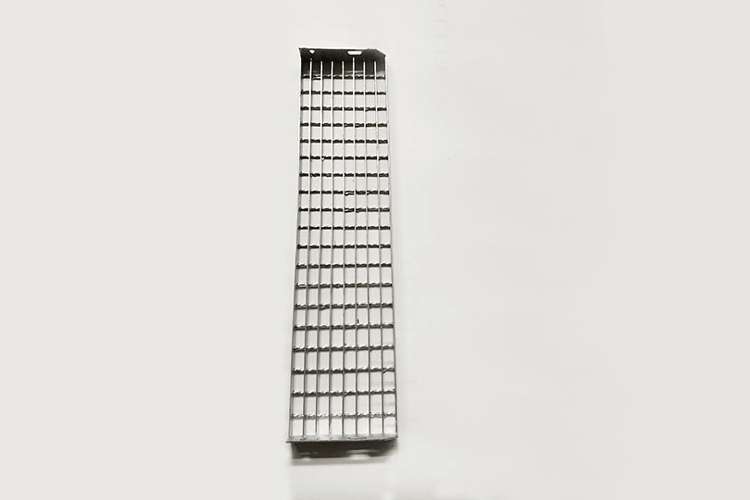
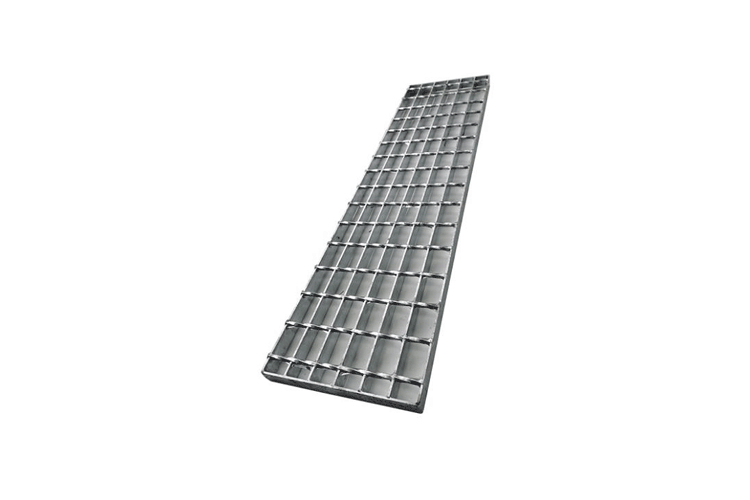
T1 Step Plate T2 Step Plate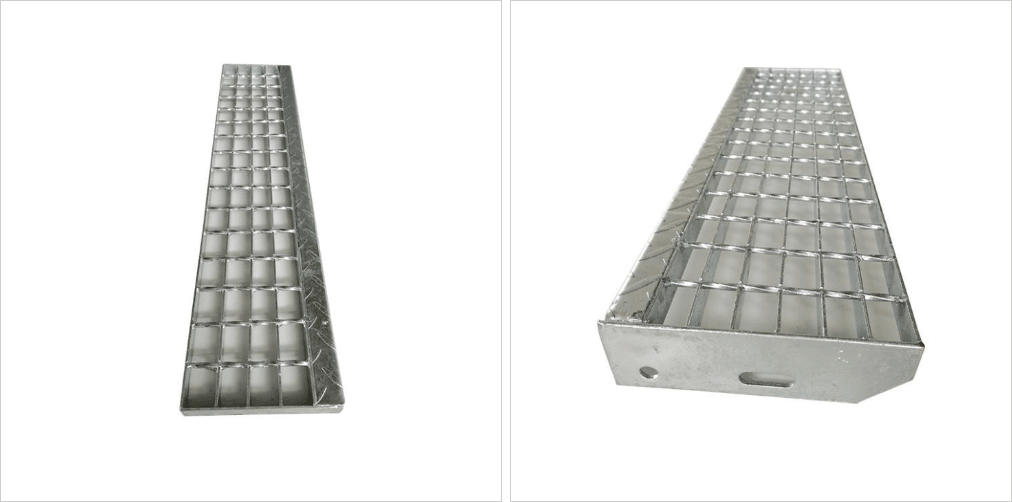
T3 Step Plate T4 Step Plate
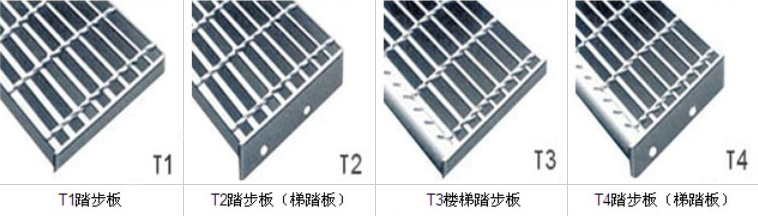
3. Step Platform Supplemental Illustration
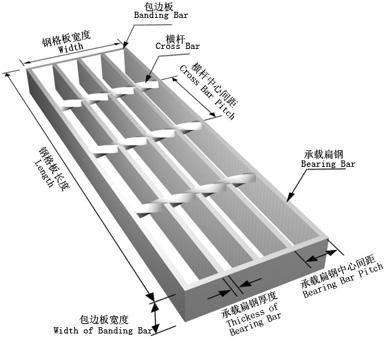
4. Step tread design

The front skid plate can be made of patterned steel, striped steel, or other anti-slip materials as per the buyer's requirements.
5. Stepboard Model Explanation
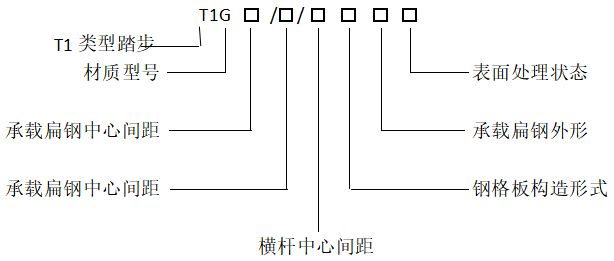
Material Type: G for Carbon Steel
BG - stainless steel
Bar Spacing: 100mm (Center to Center)
50mm (center spacing)
Bar Size: Standard 6×6 Twisted Square Steel
Small-scale steel grating is made of 5×5 twisted square steel.
Stainless steel φ5mm round bar commonly used
Flat Steel Dimensions: Standard sizes ranging from 20×3mm to 75×6mm and more
Flange Spacing: Series 1 - 30mm (Center to Center)
Series 2 - 40mm (Center Distance)
Series 3, 60mm (Center Distance)
Flat Steel Type: P for Plain Surface Type (can be abbreviated)
S for enhanced anti-slip tooth design
Surface Treatment: G for Hot-Dip Galvanized
U for unprocessed surface (can be abbreviated)
For example, the specifications above T1G253/30/100PG utilize 25×3 flat steel strips, with a strip spacing of 30mm and a crossbar spacing of 100mm, and are hot-dipped galvanized T1`tread plates.
6. Standard Tread Plate Dimensions and Description
(1) Standard stair widths are 700mm, 800mm, and 900mm; widths should not exceed 1200mm.
(2) For staircases accessed by individuals, the width between the two diagonal beams or railings should be no less than 600mm.
(3) When stairs are frequently used by several people crossing over simultaneously or as an evacuation route for personnel, the width of the stairs should be increased to 1200mm.
(4) The step board is made of steel grating, and the model of the steel grating can be selected according to Appendix E.
(5) The step overhang should bear a load of 1.5 KN, with the load acting on a 100mm x 100mm area when the width is not greater than 1200mm. When the width exceeds 1200mm, an additional load of 1.5 KN should be applied at every symmetric 600mm interval. The deflection of the stair tread should not exceed 1/500 of the span.
Step treads and landing platforms should have good anti-slip properties.
(7) The vertical overlap of the adjacent upper and lower steps should not be less than 10mm.
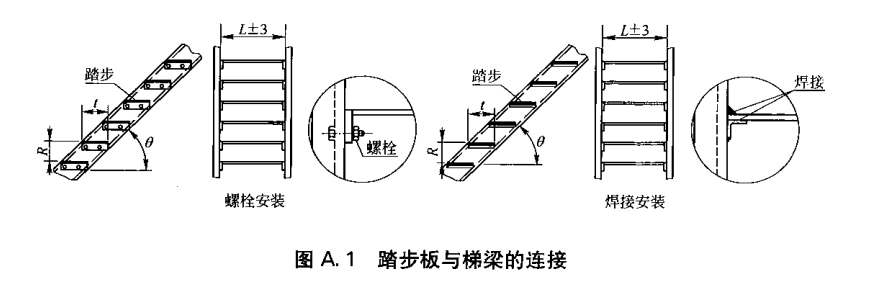
Step plates are connected to the stairs via welding or bolt fastening; see Figure A.1. When using bolt fastening, the bolt size must not be smaller than M10.
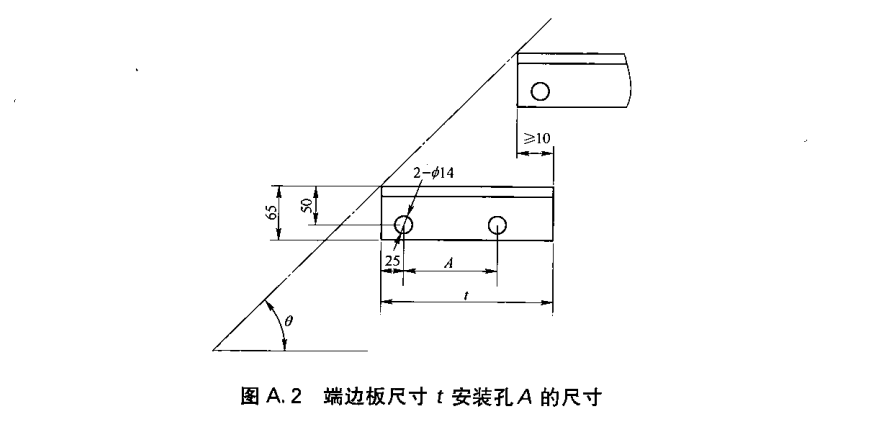
(9) The end plate with bolted connection for the tread board has dimension t for the installation hole A, as shown in Figure A.2 and Table A.1.
Note: Long oval holes with dimensions of 25×14 can also be chosen for installation.
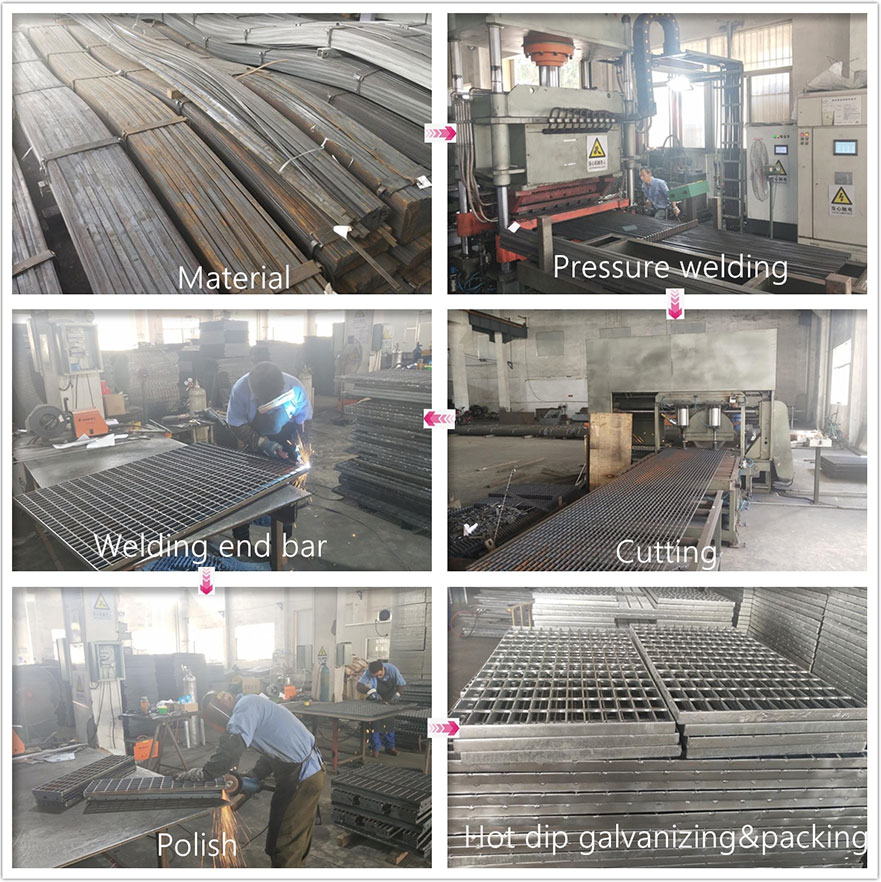
7. Production Process
8. Application Scenarios
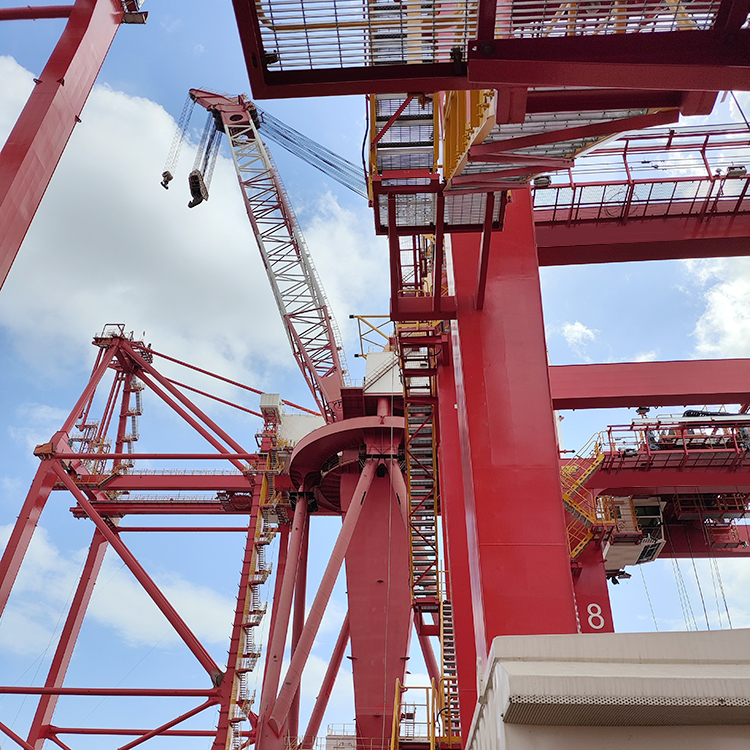
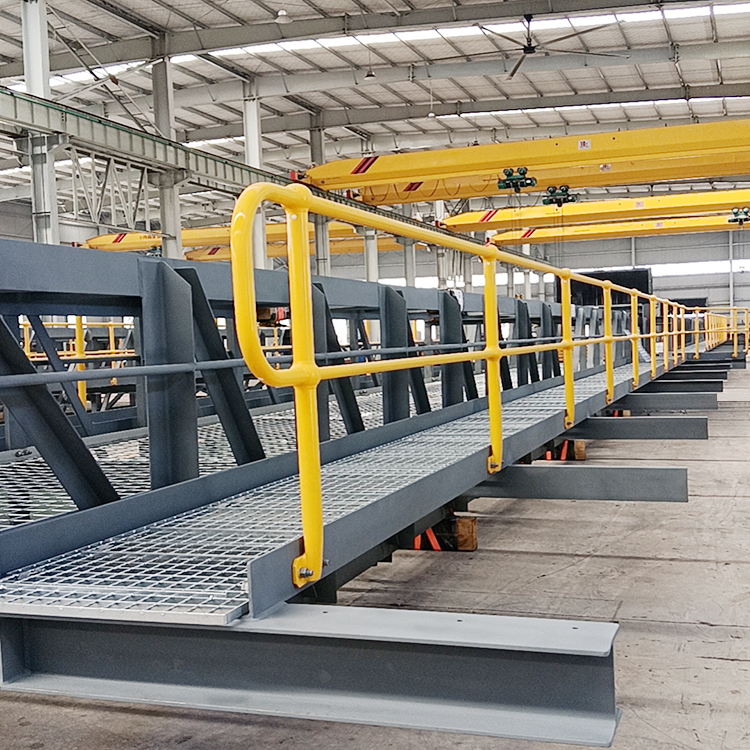
Tread plates are widely used in various applications, including platforms and walkways in power plants, waterworks, and factories, as well as in municipal and environmental protection projects. They are also commonly found on ground platforms in large venues such as cinemas, visitor platforms, and parking lots.