










Laboratory Wastewater Treatment EquipmentFeatures:
1. Installed below ground level, the surface above the equipment can be used for landscaping or other purposes, without the need for construction or heating/insulation.
2. The secondary biological contact oxidation process employs plug flow biological contact oxidation, offering superior treatment efficiency compared to complete mixing or two-stage serial complete mixing biological contact oxidation ponds. It requires a smaller volume than the activated sludge pond, has strong adaptability to water quality, excellent shock load resistance, and stable effluent water quality without sludge bulking. The pond utilizes new elastic three-dimensional packing material, which has a larger specific surface area, allowing for easy biofilm formation and removal. Under the same organic load, it achieves a high removal rate of organic matter and enhances the solubility of oxygen in water.
3. The biochemical pond utilizes the biological contact oxidation method, with a relatively low volume load of the filling material. Microorganisms are in their own oxidation stage, resulting in minimal sludge production. Sludge is only required to be discharged once every 90 days or more (over three months), either by pumping out with a manure truck or by dewatering into sludge bricks for external transport.
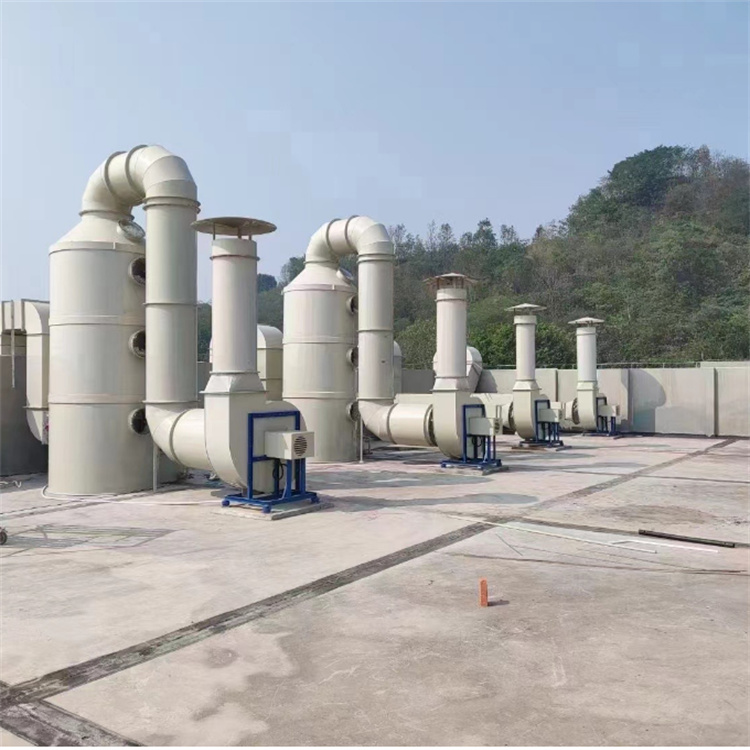
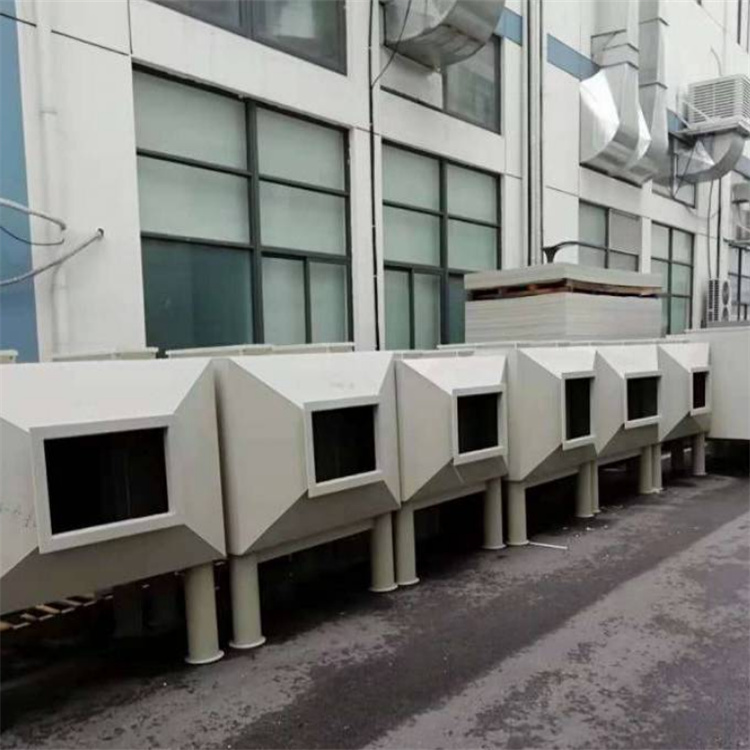
4. Buried residential pipelineWastewater Treatment EquipmentOur deodorization method not only employs conventional high-altitude exhaust, but also includes soil deodorization measures.
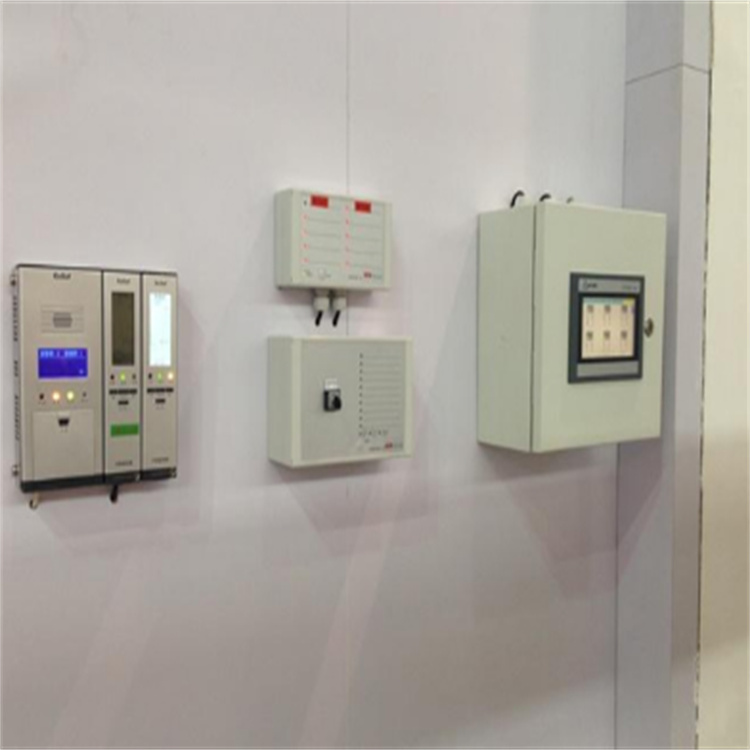
5. The entire equipment processing system is equipped with an automatic electrical control system and a device fault alarm system, ensuring safe and reliable operation. Generally, no dedicated personnel management is required, just timely maintenance and care for the equipment.