











Composition:

Weight Measurement Instrument
Instrumental Comprehensive Error: <0.02%
2. Sensor Input Ports: Compatible with 6 x 350 Ohm sensors; sensor sensitivity must be 1.5 mv/v or higher.
3. Weighing Instruments: Utilizing a 32-bit ARM CPU for high reliability and fast operation.
4. Wide power design: 85V-260V, 50Hz
5. 24-bit ADC sampling block, 240 samples per second, with English and Chinese menu display, 6 digital inputs, 2 analog inputs, 2 analog outputs, and large screen liquid crystal display. Standard RS485 interface (Modbus protocol) allows for full networking with DC S.
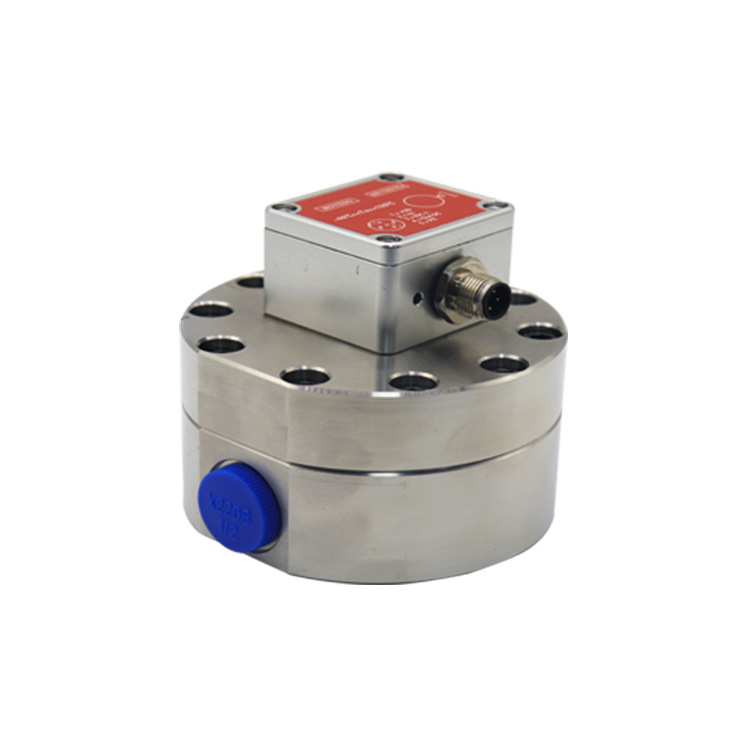
Section 2: Weight Sensor
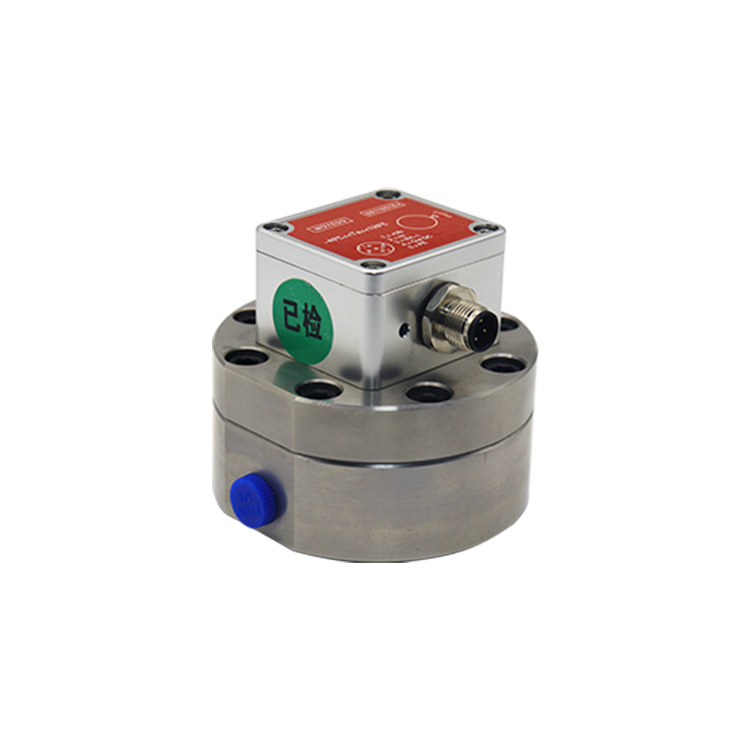
Utilizing high-sensitivity 2mv+ weighing sensors with temperature compensation, suitable for environments ranging from -30°C to 60°C.
No drift, stable operation, high accuracy.
III. Performance Advantages
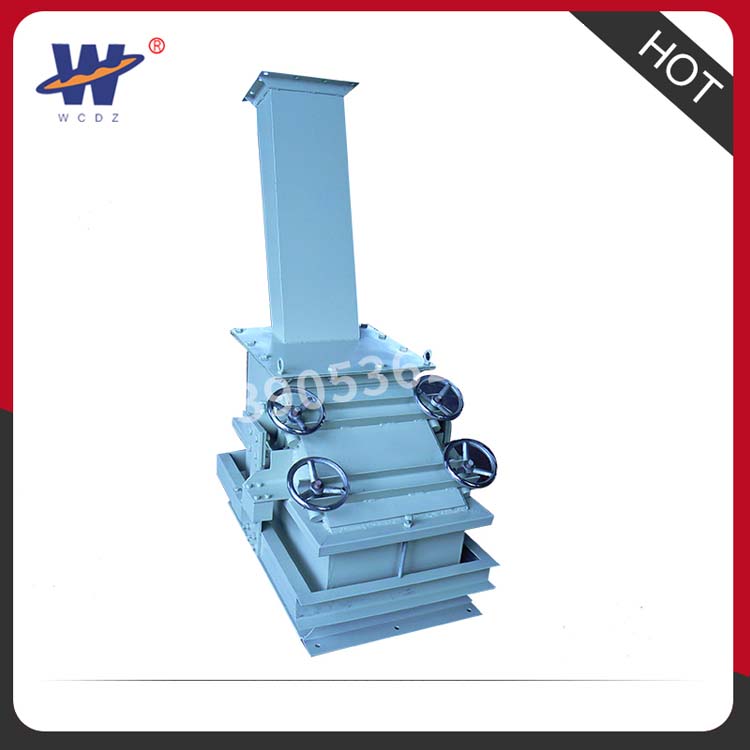
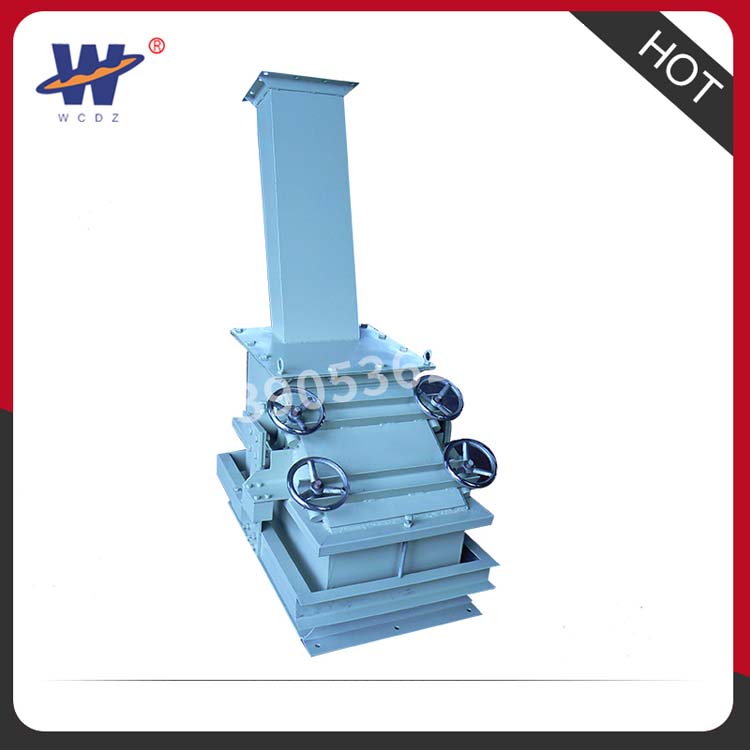
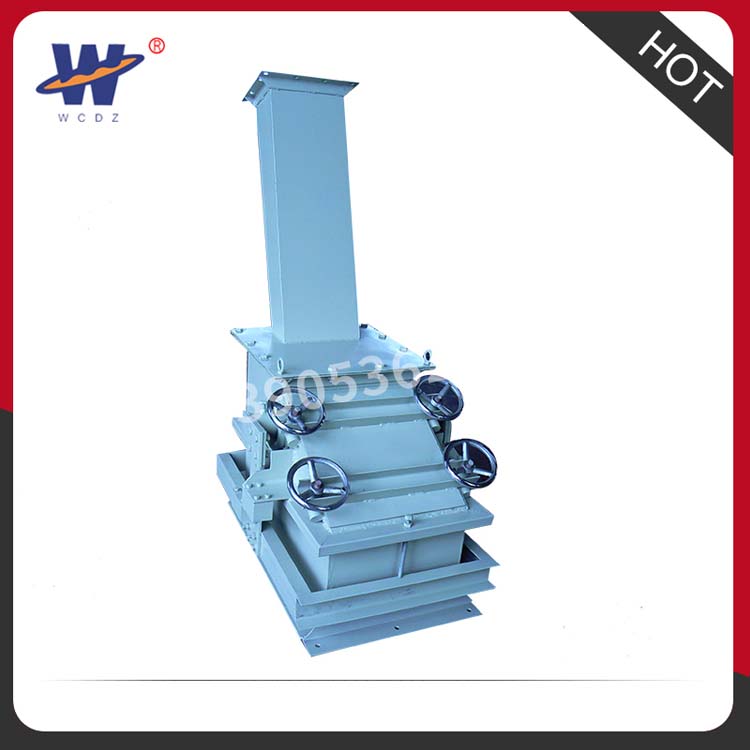
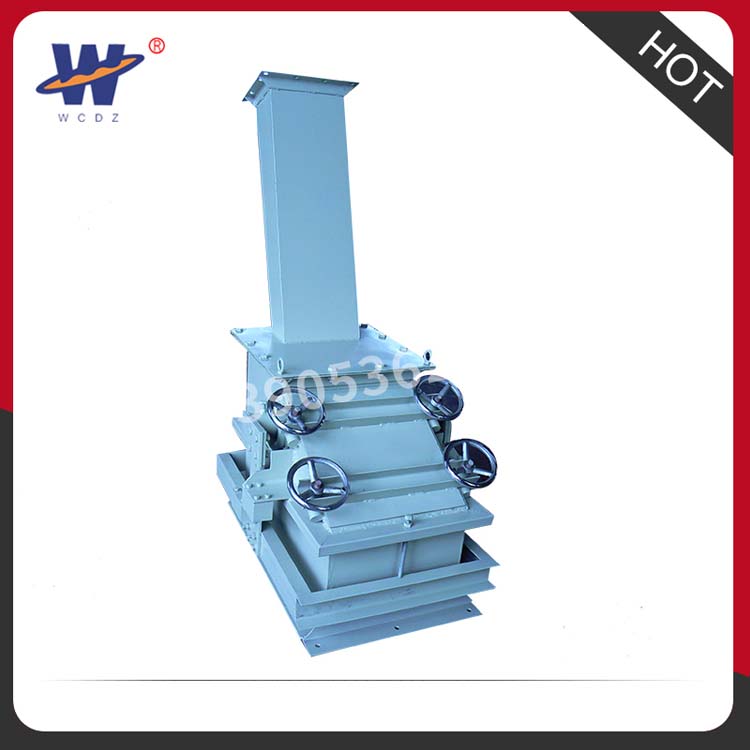
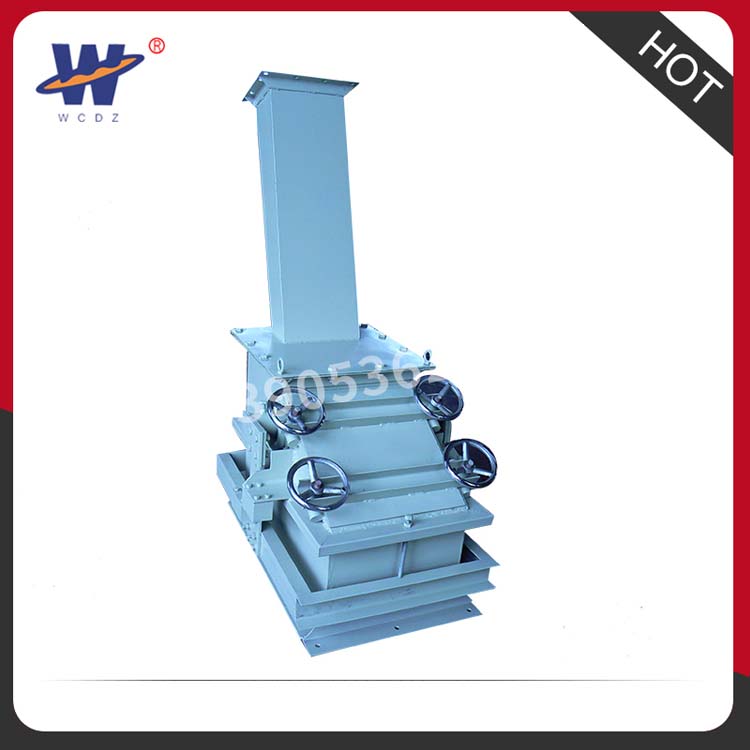
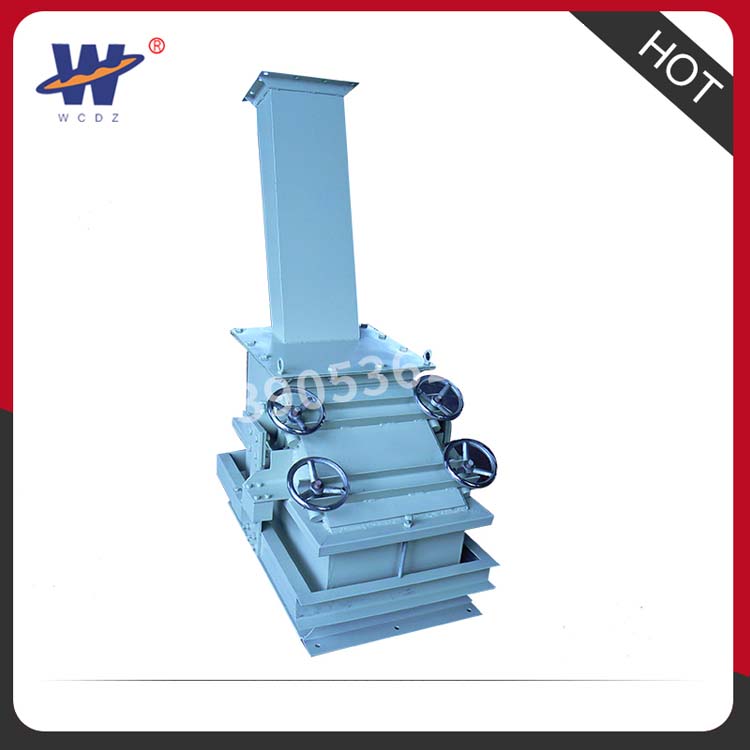
The gauge is designed based on the principle of impact weight and kinetic energy. When bulk materials pass through the "rectifier" or act directly on the impact plate, the materials are forced to change their flow direction and speed. This results in an applied force on the flow weight detection mechanism, and by measuring the magnitude of this force, the flow weight of the material can be calculated. The signal from the sensor within the primary gauge is transformed and transmitted through signal lines to the secondary gauge. The secondary gauge employs a 24-bit microcomputer controller, which, upon receiving the primary gauge signal, calculates the instantaneous and cumulative flow weights. It can also automatically adjust the feeding speed of the feeding equipment based on the set flow weight values. Impact plate flowmeter - main technical features and functions
Even with substantial material residue on the plate, there is no zero-point drift.
Measurable granular materials, powdered materials, powder-grain mixtures, small block materials, high viscosity materials, and high-temperature materials.
Secondary instruments (microcomputer controllers) can be placed alongside primary instruments or installed at a distance, facilitating centralized display and management of multiple instruments.
The secondary instrument employs a 16-bit computer controller, featuring standard input/output interfaces and DCS interfaces, facilitating easy network management in factories. It offers ample space for functional expansion, meeting the diverse specific requirements of users in production and management.
Online traffic settings and modifications, for user process adjustments
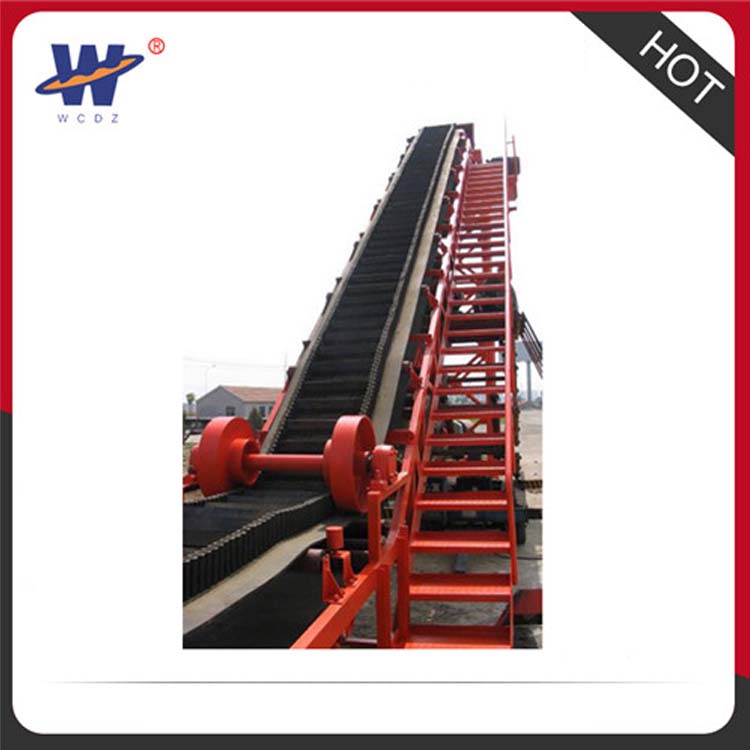
Can be used in conjunction with conveyors, winches, vibratory unloaders, impellers, bucket elevators, and gate hoppers, etc., to achieve automatic P adjustment of material flow and material ratio.
High reliability and low maintenance operations, simple structure, fewer friction areas, minimizing breakdowns.
Real-time and continuous measurement of material flow with good dynamic characteristics.
Once sealed, this gauge features a double-layered height, suitable for any environment except for liquids.
Product Real Photos:
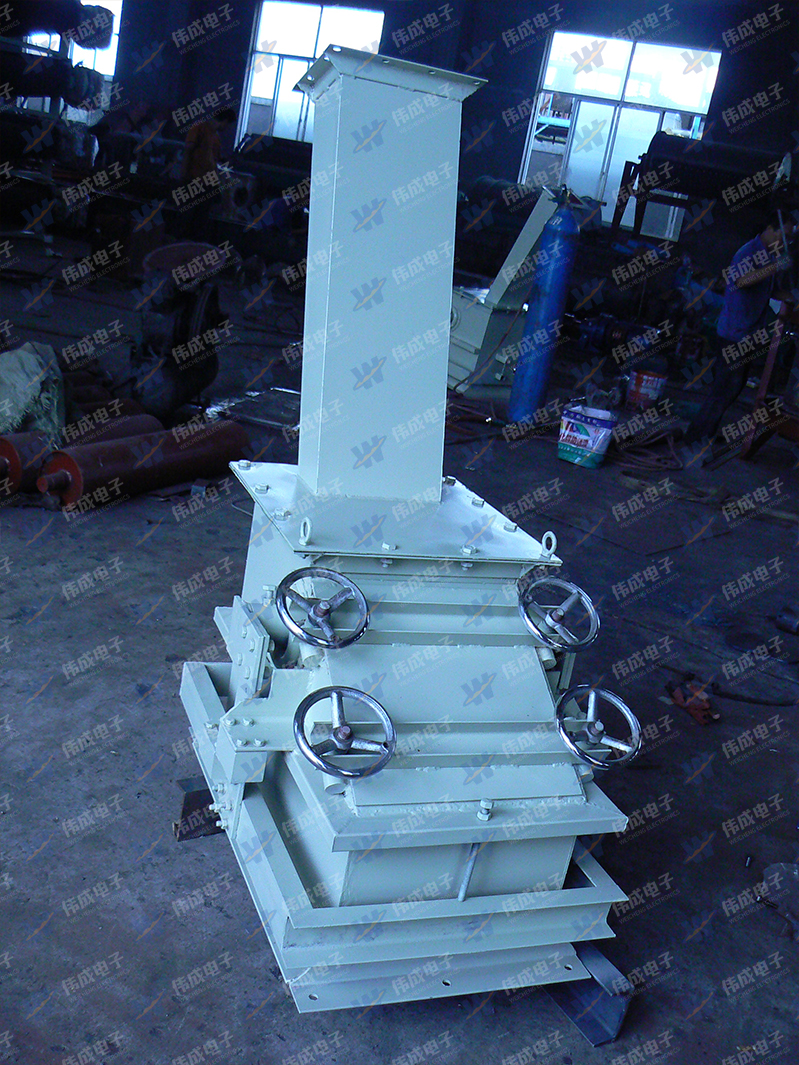
Technical Specifications: (Customizable as Required)