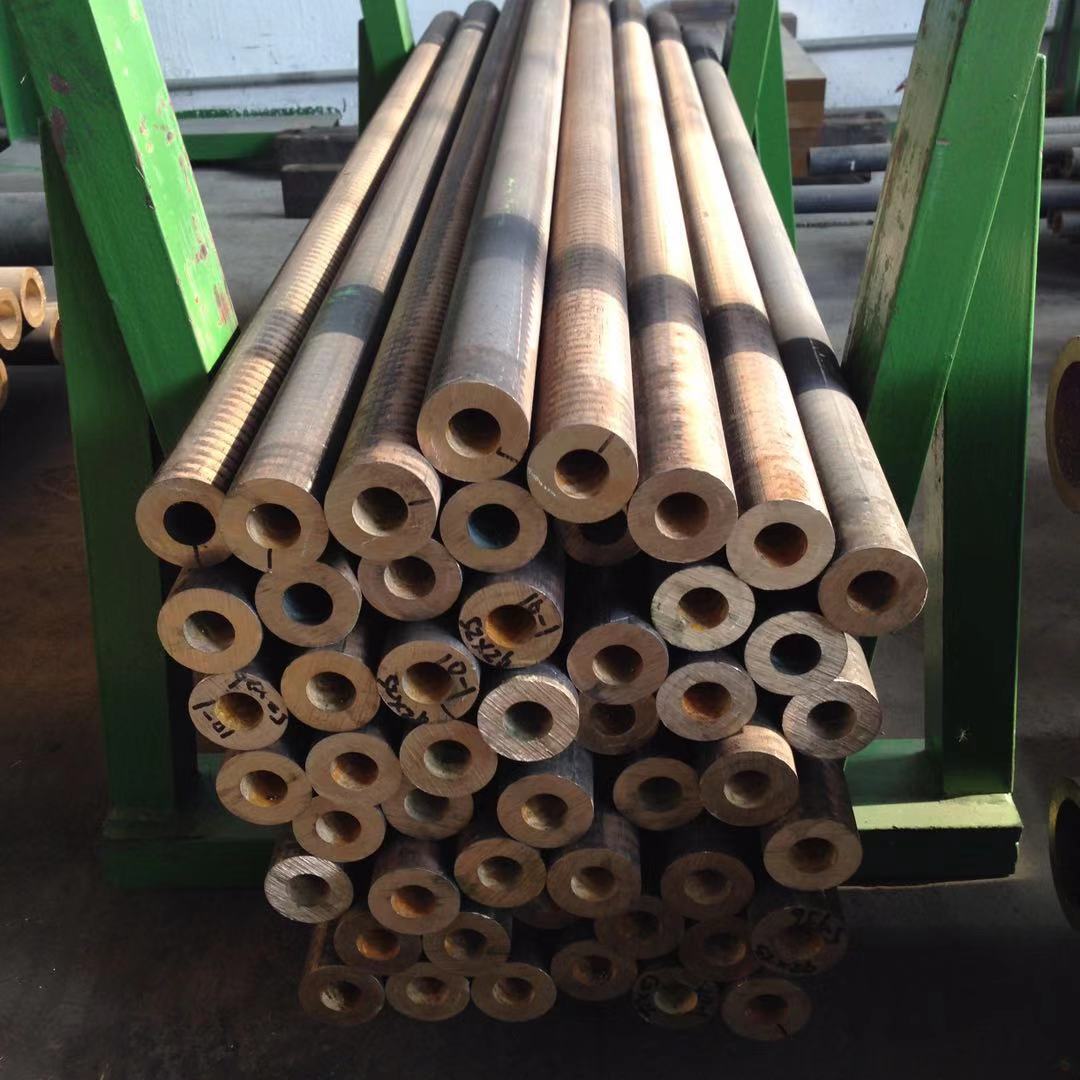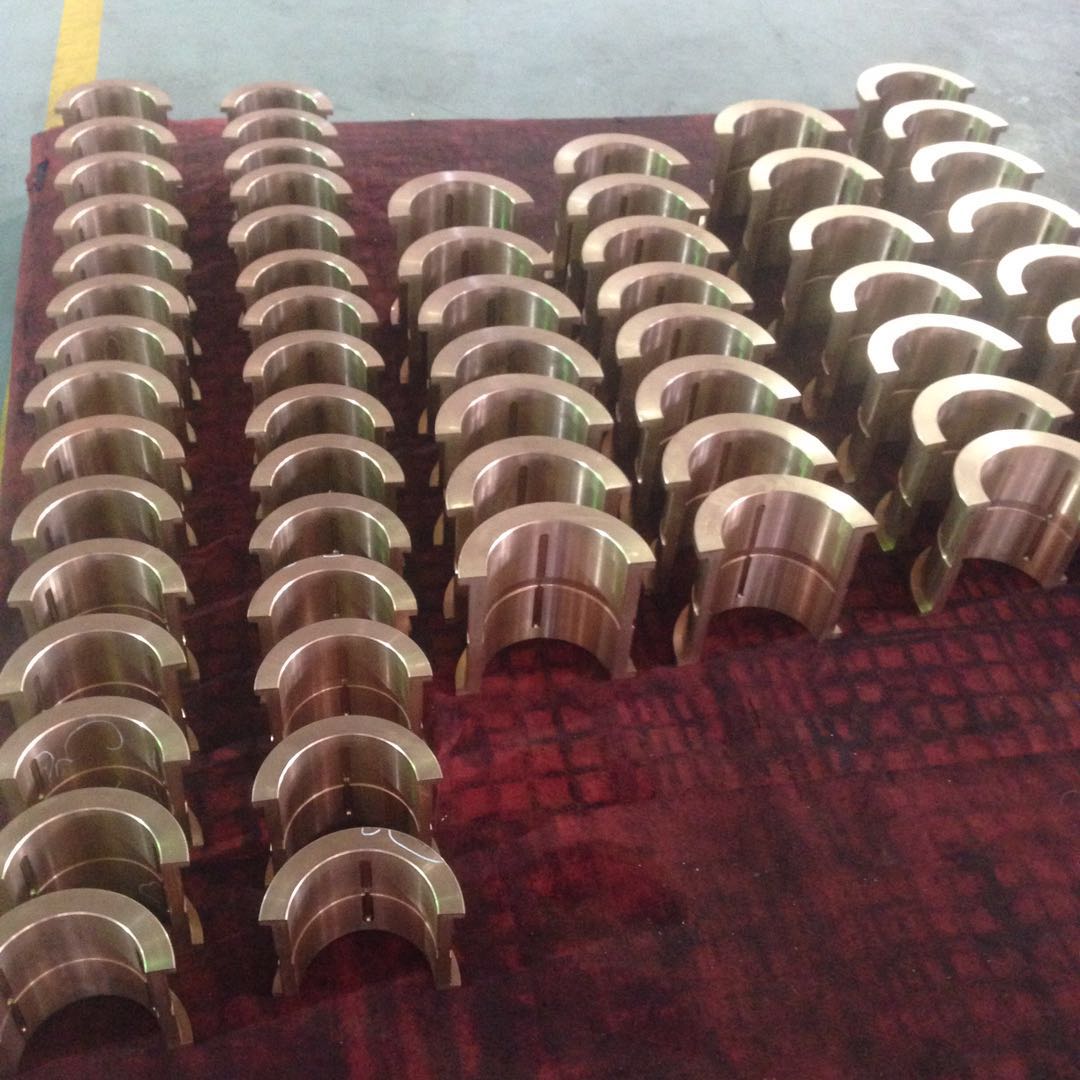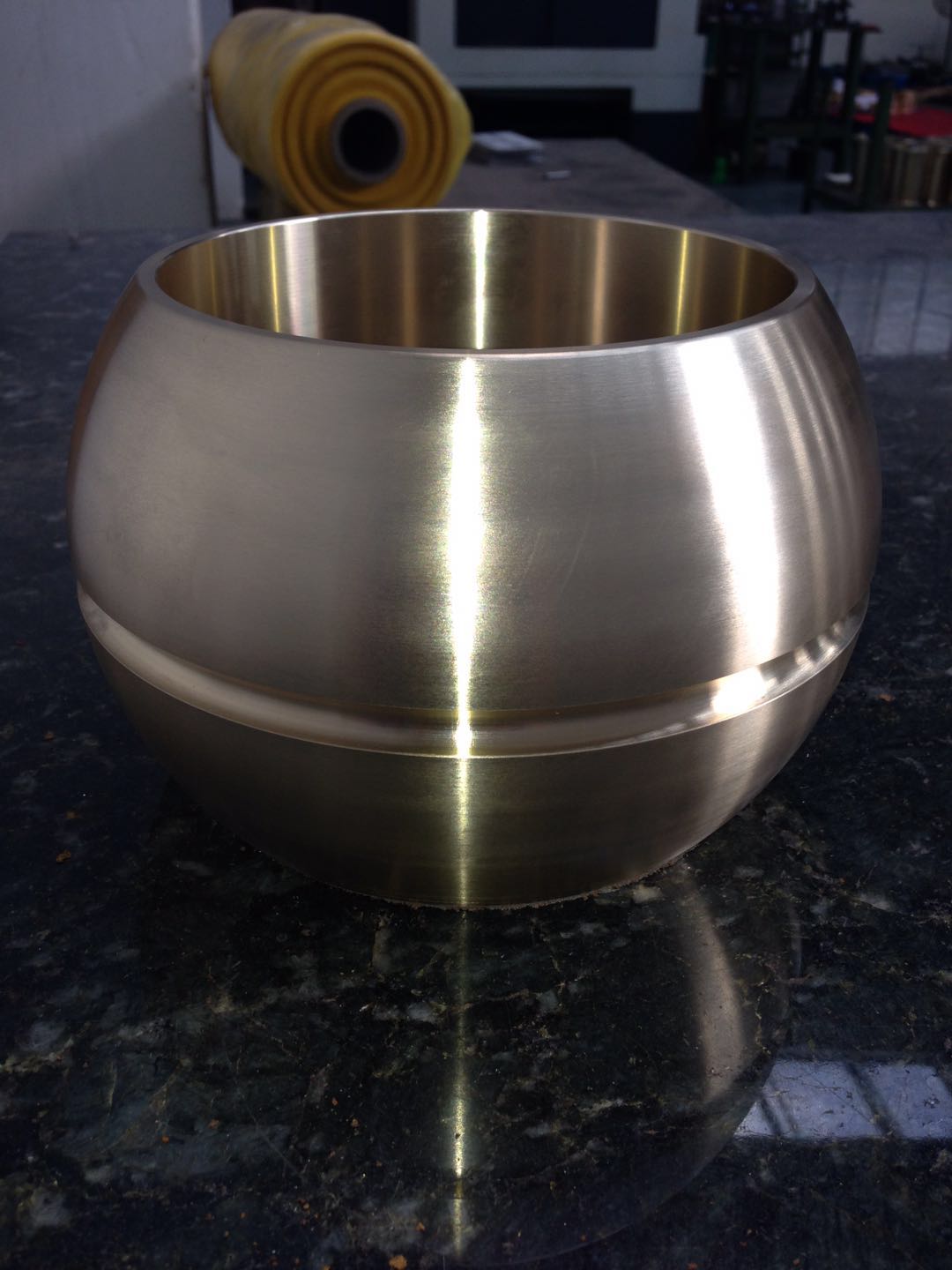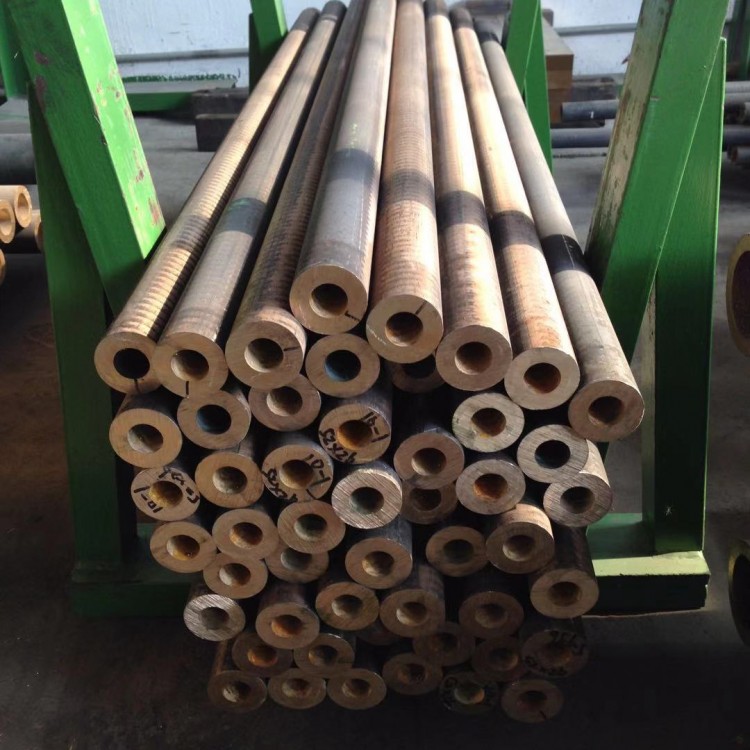











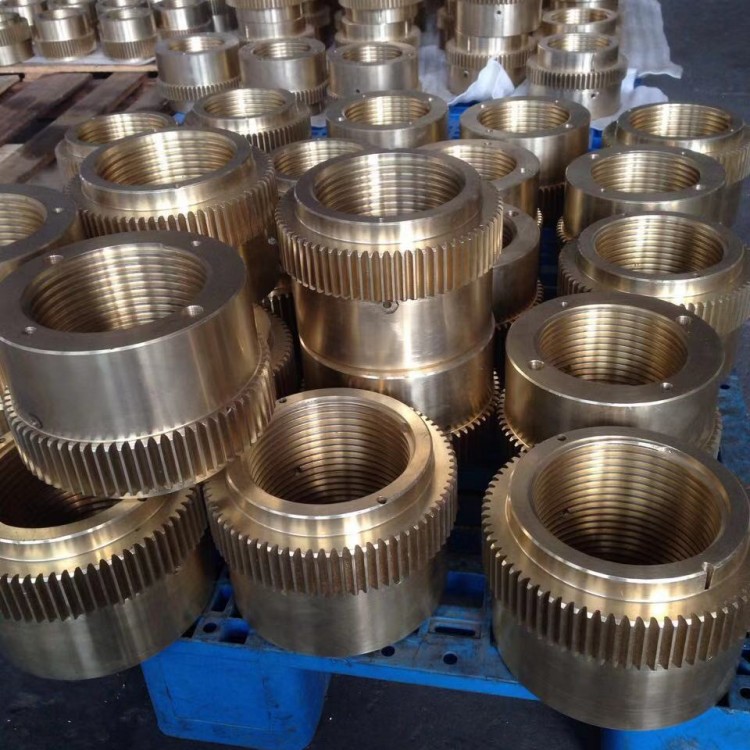
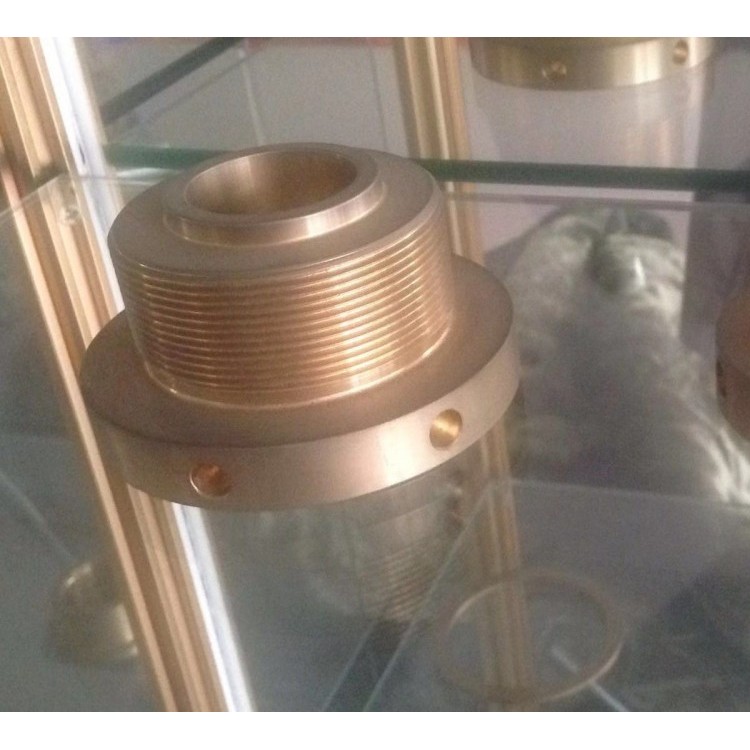
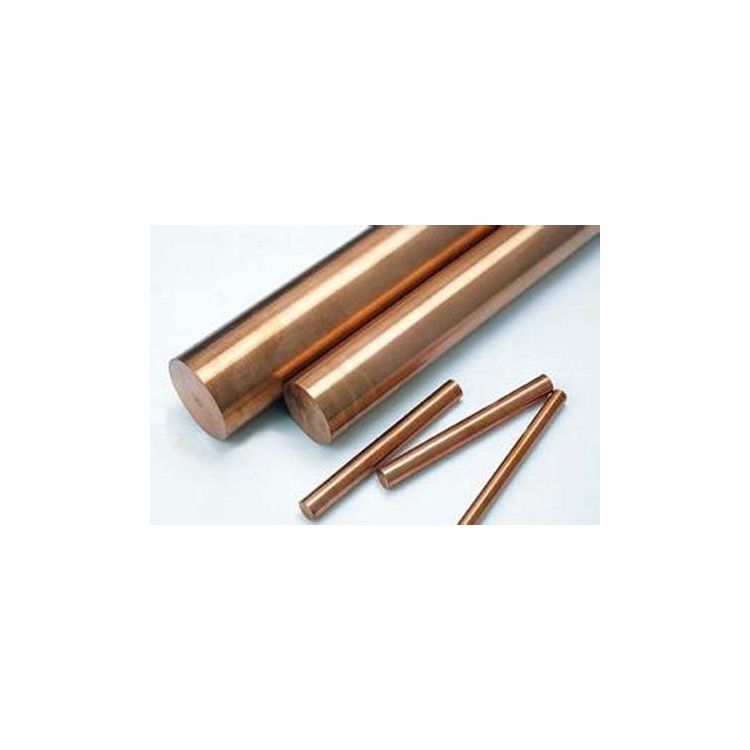
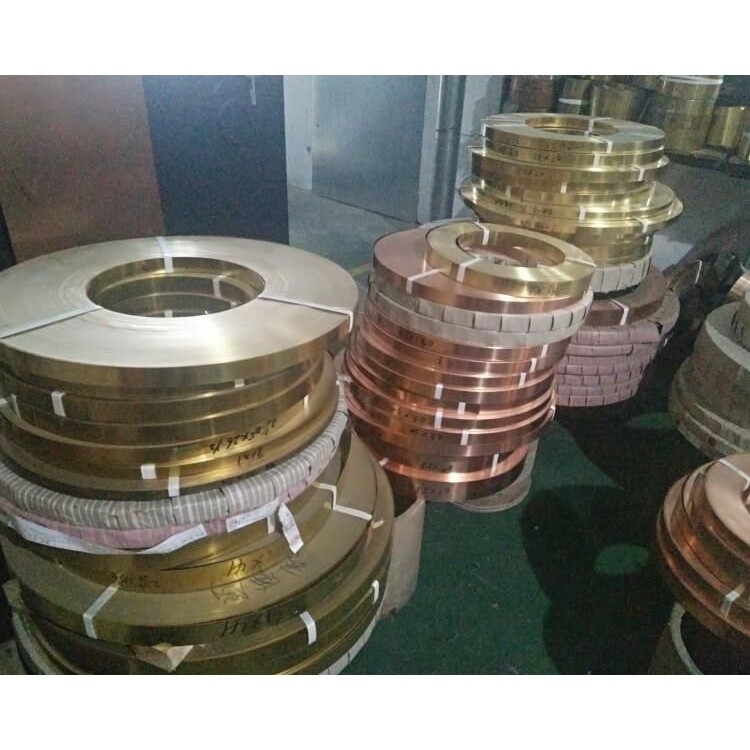
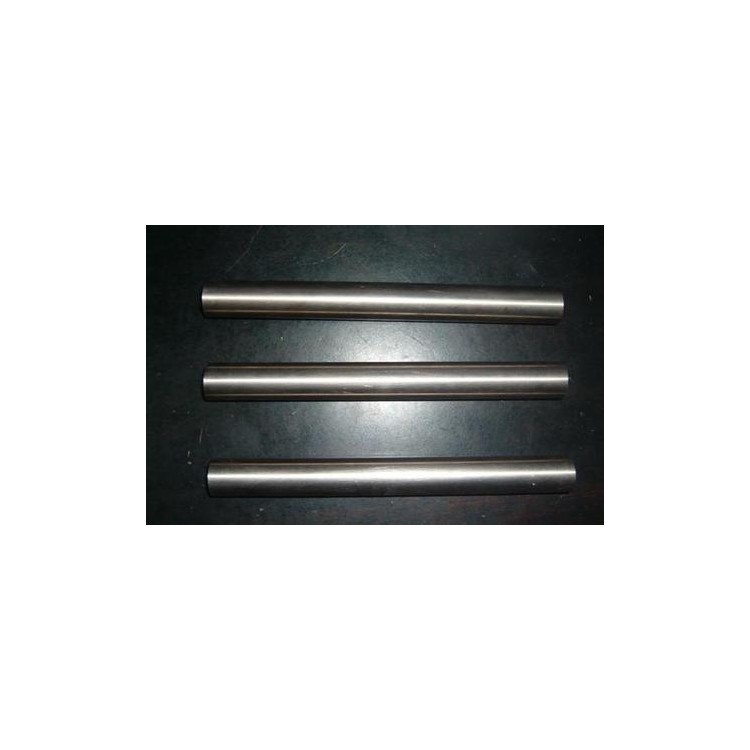
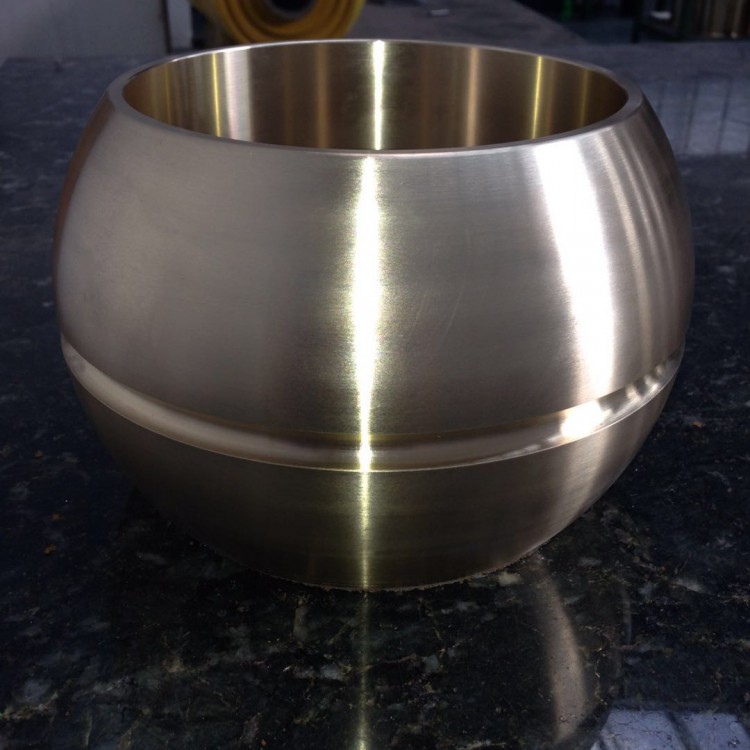

Tin bronze is a non-ferrous alloy with low shrinkage during casting, suitable for producing castings with complex shapes, clear contours, and moderate gas-tightness requirements. It is highly resistant to corrosion in atmospheric, seawater, freshwater, and steam environments, and is widely used in steam boilers and marine parts. Phosphorus-containing tin bronze boasts excellent mechanical properties and is often used as wear-resistant and elastic components in high-precision machine tools. Lead-containing tin bronze is commonly used as wear-resistant parts and sliding bearings. Zinc-containing tin bronze can be used for high-sealability castings.
Tin bronze is widely used and highly consumed in the electrical and electronic industries, accounting for over half of the total consumption. It is used in various cables and wires, motors and transformers, switches, and printed circuit boards. In the manufacturing of machinery and transport vehicles, it is used to produce industrial valves and accessories, instruments, sliding bearings, molds, heat exchangers, and pumps. In the chemical industry, it is extensively applied in the production of vacuum apparatus, distillation pots, brewing kettles, etc. In the industrial sector, it is used to manufacture bullets, shells, gun parts, etc., where producing 3 million bullets requires 130-140 tons of copper. In the construction industry, it is used for various pipelines, pipeline fittings, decorative components, and more.