









Evaporative Condenser
Introduction
An evaporative condenser is a device that cools refrigerant from a gaseous state to a liquid state by absorbing heat from high-temperature gaseous refrigerant inside the tubes through the evaporation of spray water outside the tubes.
Composition
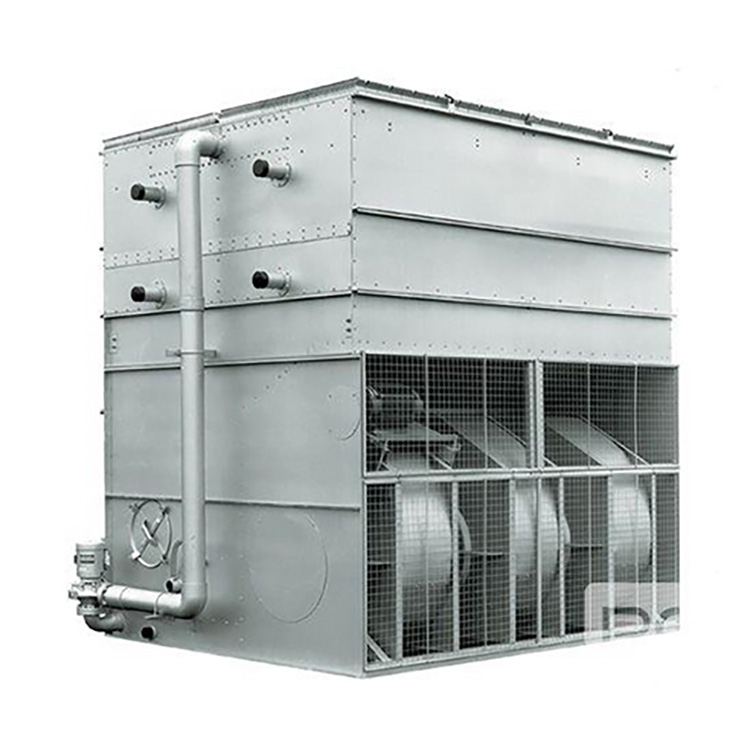
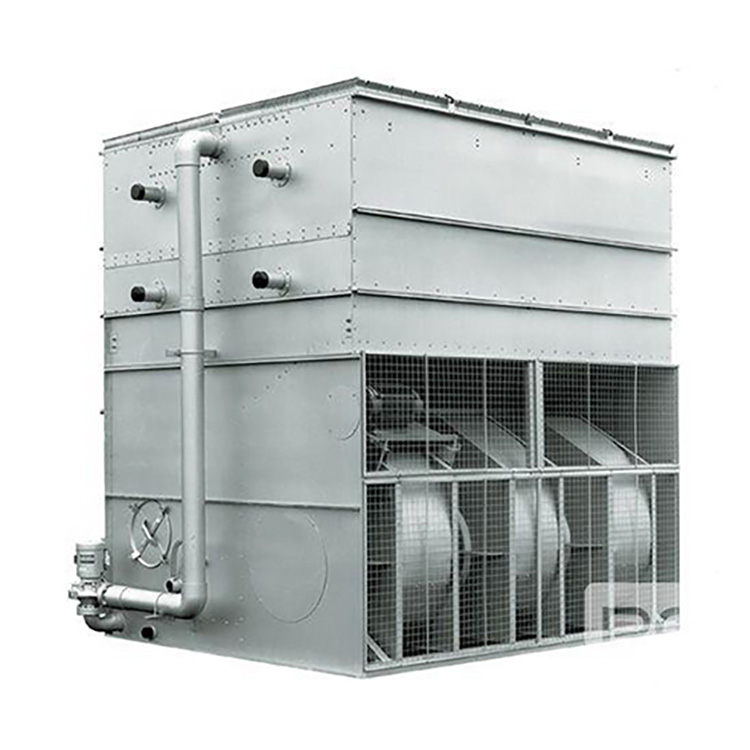
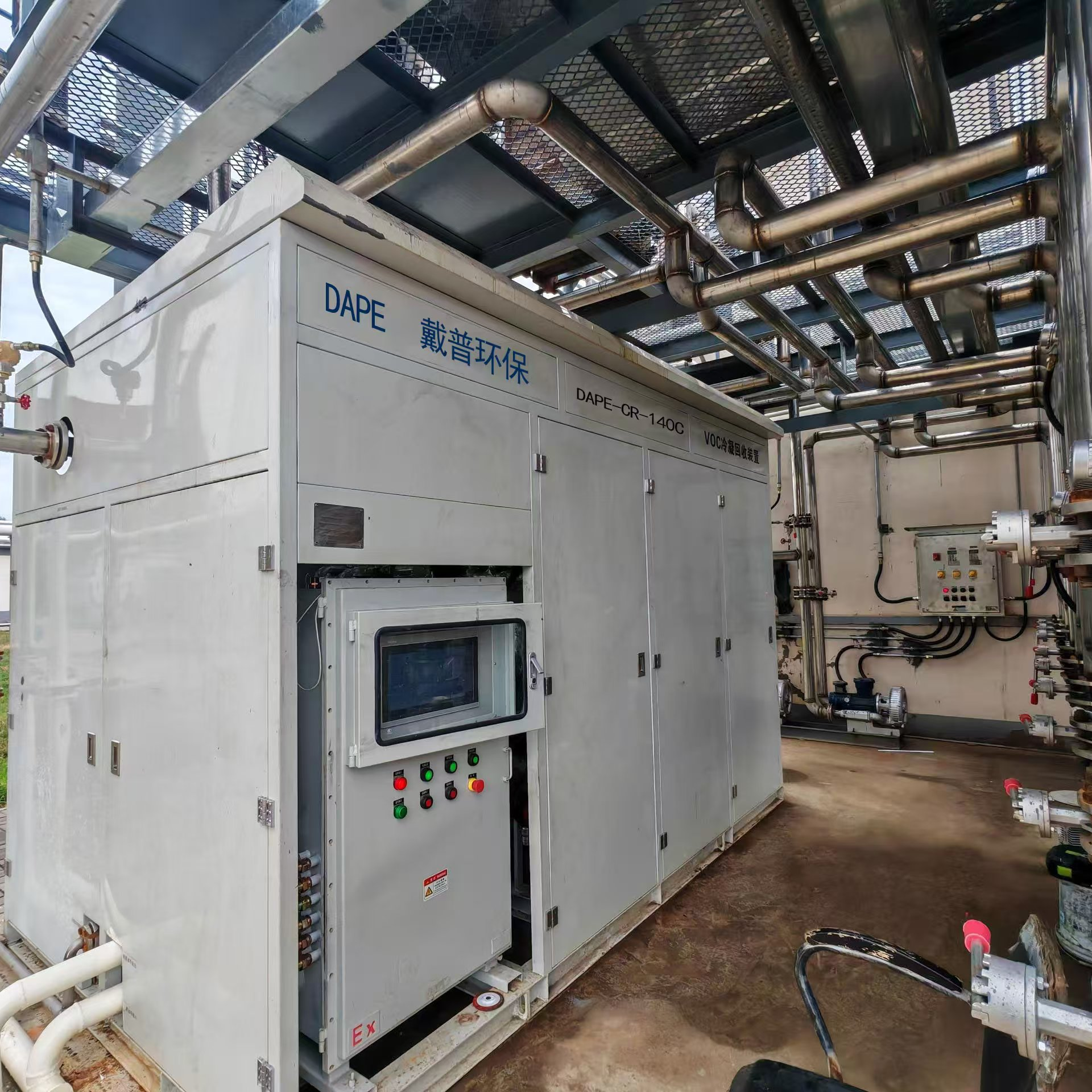
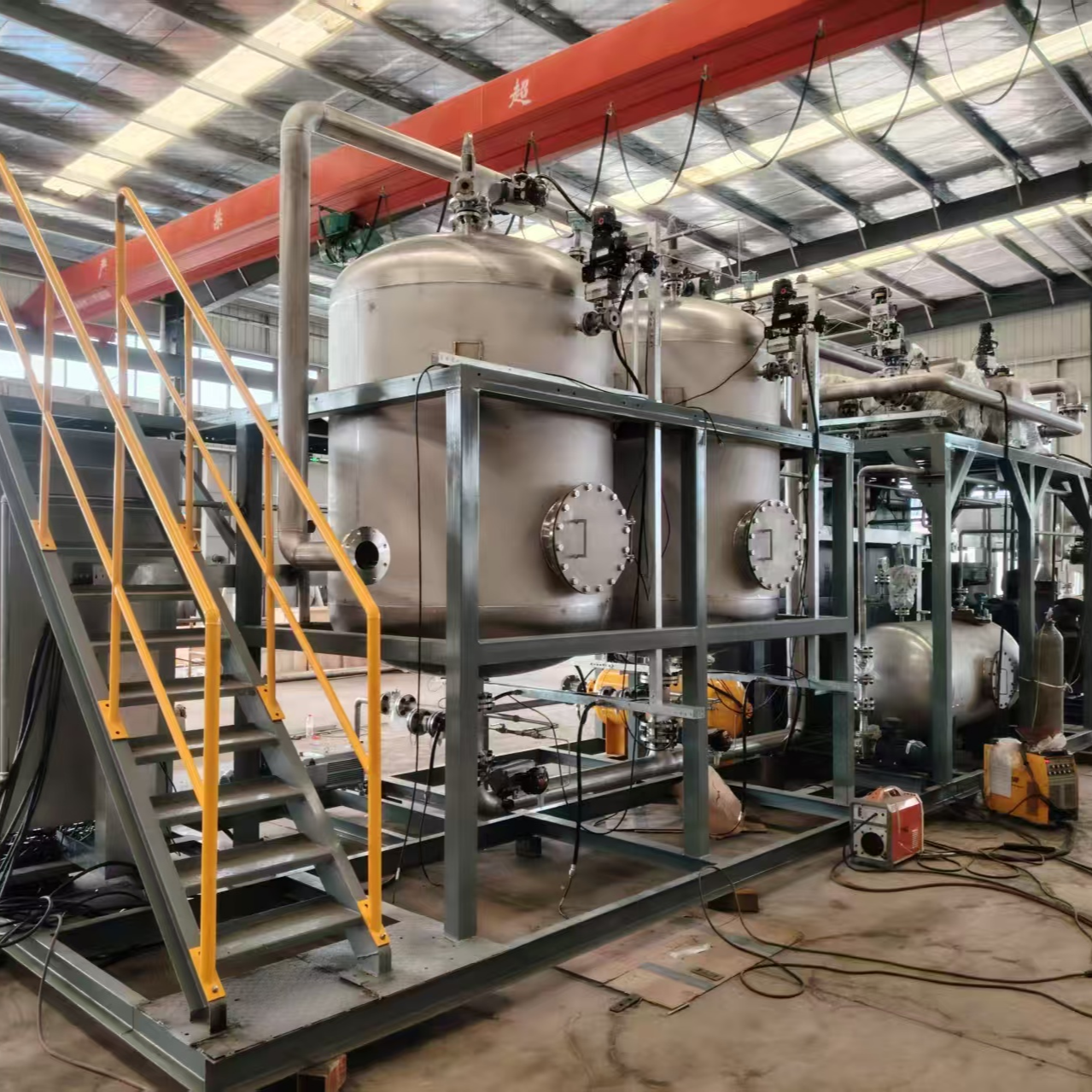
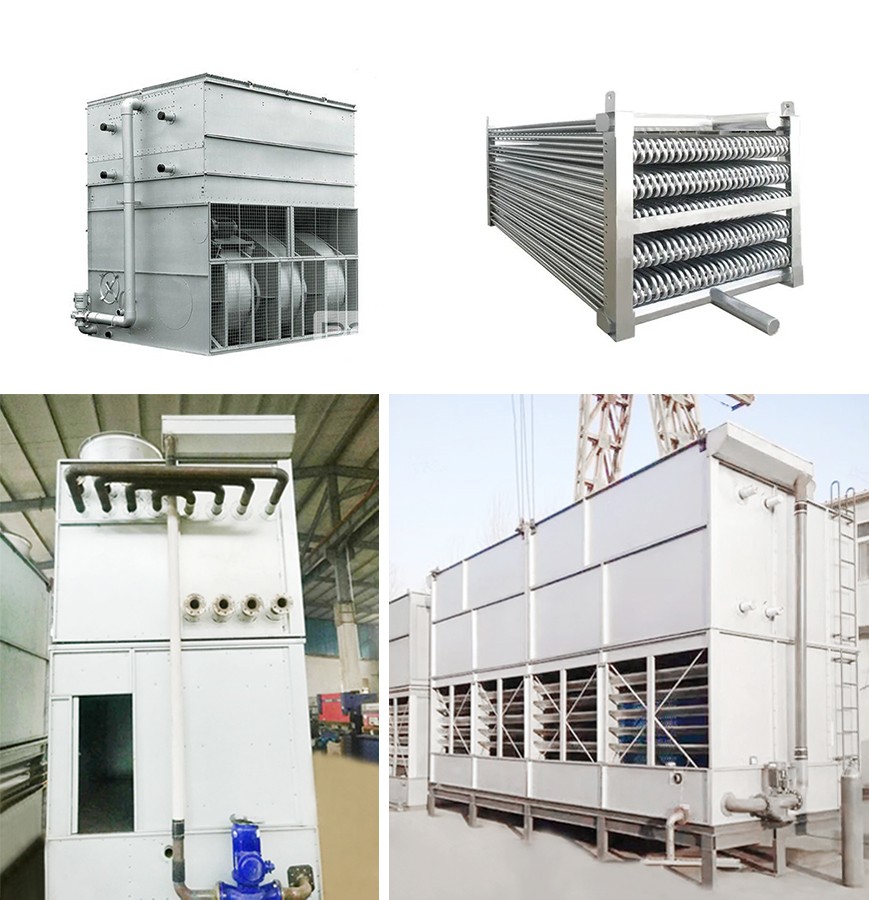
The refrigeration evaporative condenser is composed of components such as an axial flow fan, spray nozzles, an electronic scale removal device, a collection bag, PVC heat exchange plates, a dewatering unit, cooling tube assemblies, a filling water collection tray, a pump, a collector, and the cabinet body.
Operating Principle
Evaporative condensers are the main heat exchange equipment in refrigeration systems, operating on the principle that the overheated high-pressure refrigerant gas discharged from the compressor passes through the condensing pipes in the evaporative condenser. This allows the high-temperature gaseous refrigerant to exchange heat with the spray water and air outside the pipes. Essentially, the gaseous refrigerant enters the pipes from the top and gradually condenses into a liquid as it descends. The force of the fan-driven air ensures the spray water is evenly distributed over the coils, enhancing the heat exchange efficiency. As the spray water temperature rises, it partially evaporates, utilizing the latent heat of vaporization to carry away a large amount of heat. The water droplets in the hot gas are captured by a dehydration unit, mixed with the remaining water that has absorbed heat, and scattered into the heat exchange layer of the PVC spray plates. The air passing through cools this mixture, reducing its temperature before it enters the water tank. It is then recirculated by the circulating pump. Water vapor evaporated into the air is automatically replenished by the water level regulator.
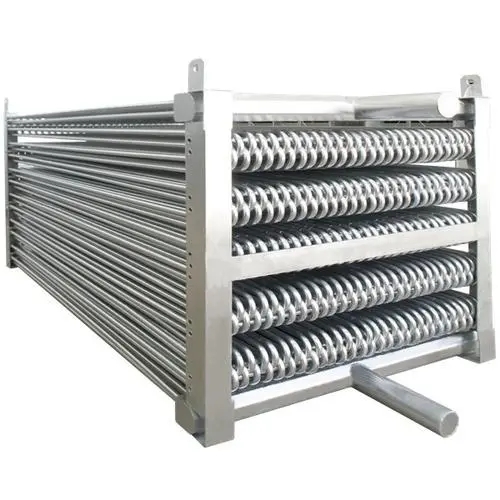
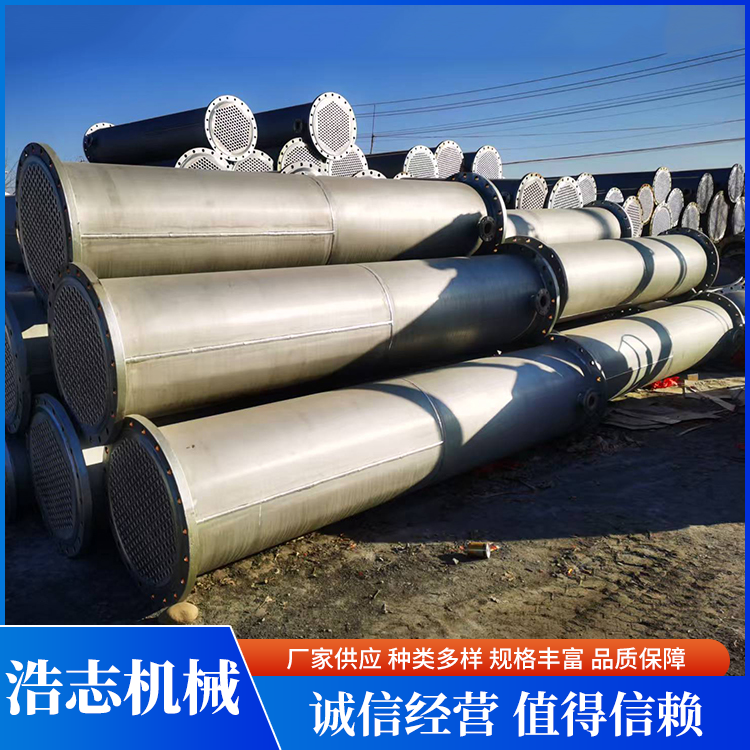
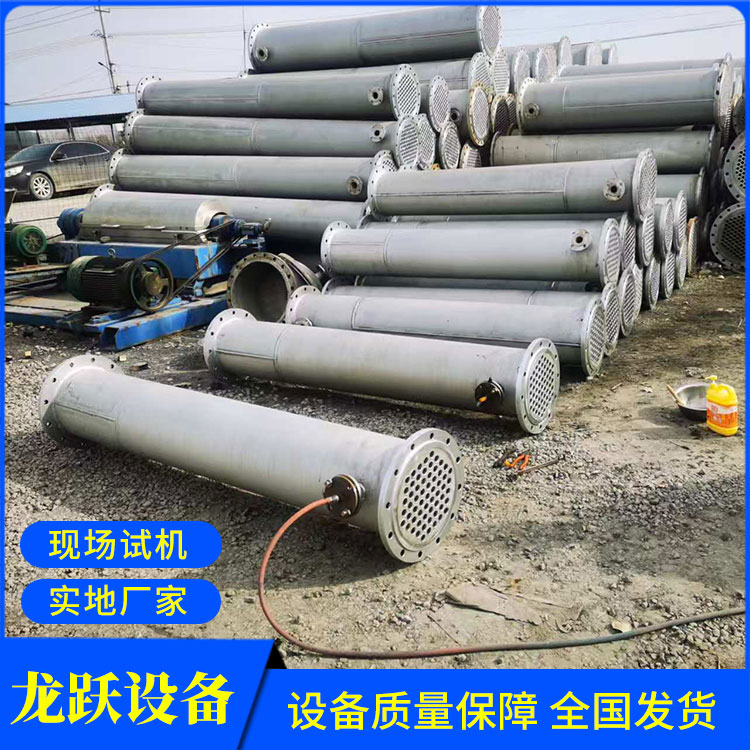
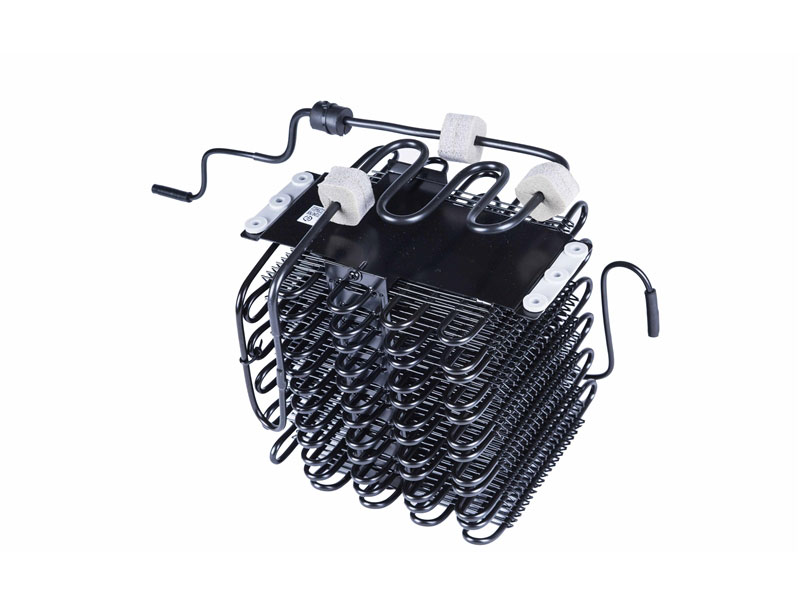
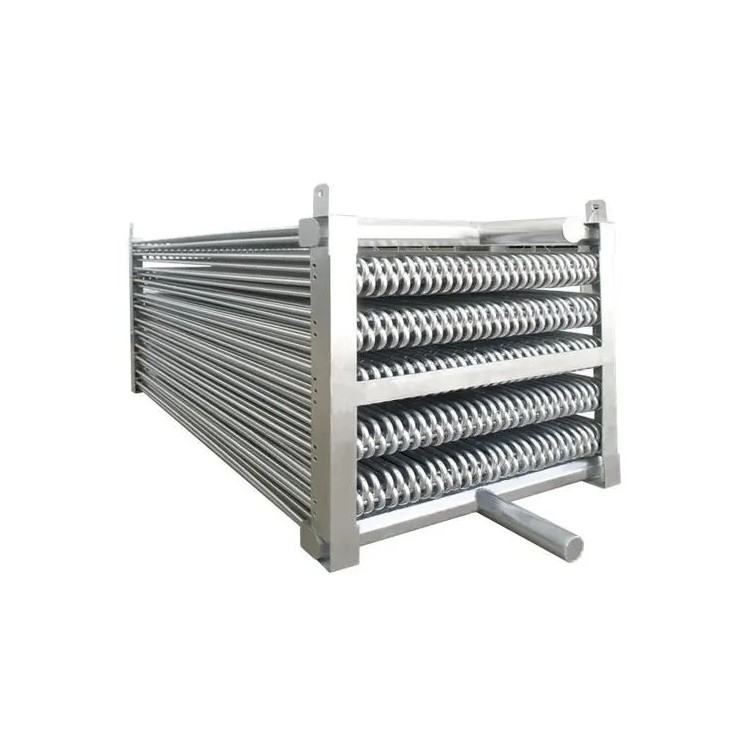
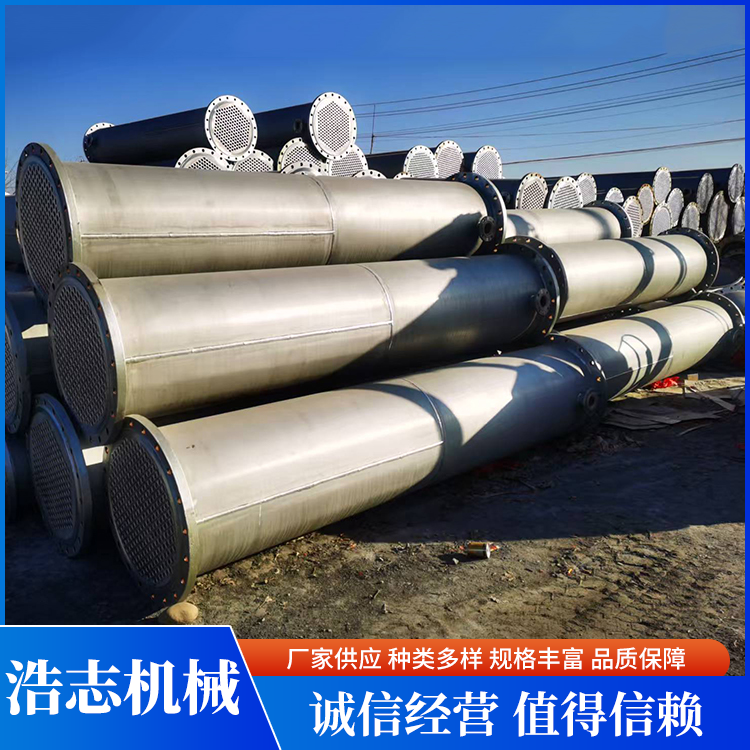
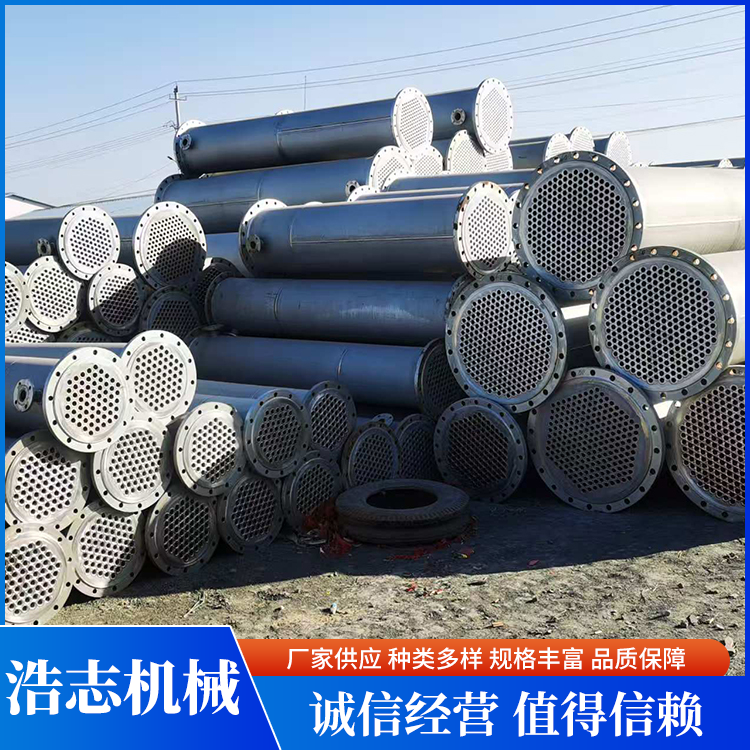
Heat exchanger tubes come in various shapes, with commonly used types including carbon steel hot-dipped galvanized pipes (available in round and elliptical shapes), aluminum alloy pipes, and stainless steel pipes (including 316/316L round pipes and corrugated pipes). The carbon steel hot-dipped galvanized evaporative condensers are the initial products in use, accounting for a large portion of the domestic market, primarily used for high-pressure gas condensation and cooling, with pressure ranges from 0 to 30 MPa. The aluminum alloy evaporative condensers are a new generation of energy-saving products, suitable for refrigerator refrigerant condensation, with pressure ranges from 0 to 5 MPa. Stainless steel pipe evaporative condensers are mainly used in the cooling and condensation processes of corrosive gases in some chemical plants.
The outer shell of refrigeration evaporative condensers is typically made of galvanized steel with powder coating. Later, due to its lack of corrosion resistance, it gradually shifted to aluminum-zinc-coated steel with powder coating. The market now predominantly uses aluminum-magnesium-zinc-coated steel. This material possesses the characteristics of stainless steel, is non-corrosive, aesthetically pleasing, and easy to process.