










Emergency Preparedness Plan for Unexpected Environmental Events Industry Directory
Guiding Opinions
1. Livestock and agricultural byproduct processing: Large-scale livestock and poultry farms (with an annual output of 5,000 pigs or more; located in environmentally sensitive areas); Abattoirs at or above county level (with refrigerated warehouses and chemical refrigerants used); Sugar and sugar product processing (raw sugar production).
Section II: Alcoholic Beverages and Winemaking Industry; Cigarette Production.
Textile and Apparel Industry: Textile manufacturing (including wool scouring, dyeing and finishing, degumming processes, generating silk wastewater and refined wastewater); Apparel manufacturing (with wet printing, dyeing, and washing processes).
Four: Leather, fur, feathers, and their products; footwear industry (using organic solvents, foaming agents, and other chemicals).
Five. Pulp, paper products, and printing industries: manufacturing of pulp, dissolved pulp, and fiber pulp; papermaking (including waste paper papermaking), and paper products manufacturing (with chemical processing); printing plants (excluding those using water-based inks).
Six. Oil Refining and Coke Production: Processing and natural gas processing; extraction of oil shale, coal-to-liquid, bio-oil and other petroleum products; coal chemical industry (including coal liquefaction and gasification); coke production, coal pyrolysis.
Section 7: Chemical Raw Materials, Chemical Products Manufacturing, Chemical Fiber Manufacturing: Basic chemical raw materials manufacturing; pesticide manufacturing; coatings, dyes, pigments, inks, and similar products manufacturing; synthetic materials manufacturing; specialized chemicals manufacturing; pyrotechnic and fireworks products manufacturing; water treatment agents manufacturing; semiconductor materials, printed circuit boards; daily chemical products manufacturing, chemical fertilizers (excluding mere mixing and packaging); chemical fiber manufacturing, biomass cellulose production; applicable enterprises.
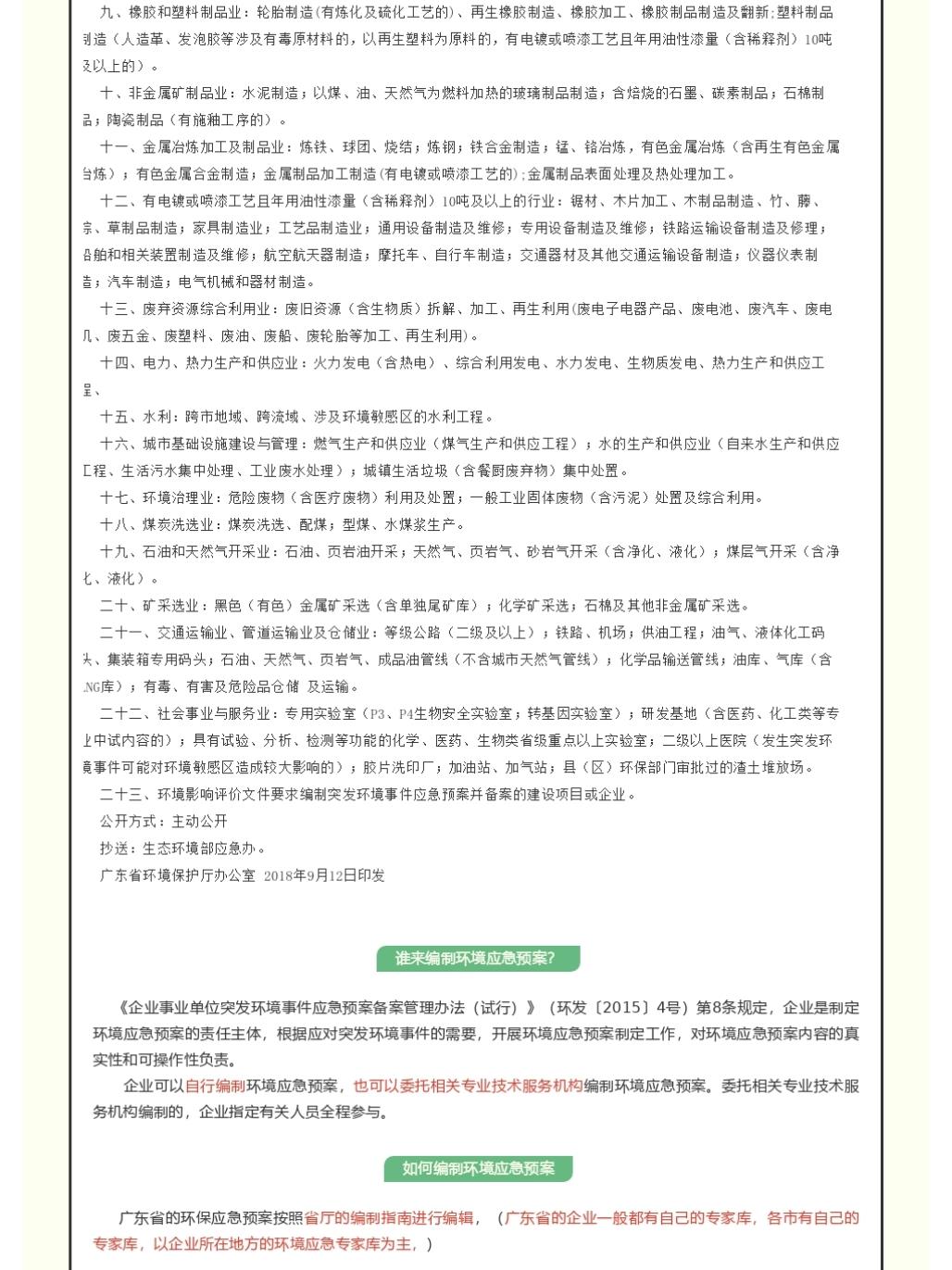
Section 8: Pharmaceutical Manufacturing: Chemical drugs, biological, and biochemical products manufacturing; traditional Chinese medicine preparation manufacturing, and processed Chinese herbal medicine slices (with extraction process).
Rubber and Plastic Products Industry: Tire manufacturing (including refining and vulcanization processes), recycled rubber manufacturing, rubber processing, rubber products manufacturing and renovation; plastic products manufacturing (including artificial leather, foam rubber, etc., involving toxic raw materials, made from recycled plastics, with electroplating or painting processes, and using 10 tons or more of oil-based paints annually, including thinners).
Ten: Non-metallic mineral products industry: cement manufacturing; glass products manufacturing heated with coal, oil, or natural gas; calcined graphite and carbon products; asbestos products; ceramic products (with glazing process).
Eleven, Metal Smelting and Processing Industry: Iron smelting, pelletizing, sintering; steelmaking; ferroalloy manufacturing; manganese and chromium smelting, non-ferrous metal smelting (including recycling non-ferrous metal smelting); non-ferrous metal alloy manufacturing; metal product processing and manufacturing (with electroplating or painting processes); surface treatment and heat treatment of metal products.
Section 12: Industries with electroplating or painting processes and annual consumption of oil-based paints (including thinners) of 10 tons or more: sawn timber processing, wood chip processing, wood product manufacturing, bamboo, rattan, palm, grass product manufacturing; furniture manufacturing; craft manufacturing; general equipment manufacturing and maintenance; special equipment manufacturing and maintenance; railway transportation equipment manufacturing and repair; ship and related equipment manufacturing and maintenance; aerospace vehicle manufacturing; motorcycle and bicycle manufacturing; traffic equipment and other transportation equipment manufacturing; instrument and meter manufacturing; automotive manufacturing; electrical machinery and equipment manufacturing.
Thirteen: Comprehensive Utilization of Waste Resources: Dismantling, processing, and recycling of waste resources (including biomass), such as waste electronic and electrical products, waste batteries, waste vehicles, waste motors, waste hardware, waste plastics, waste oil, waste ships, and waste tires.
14. Electric Power Generation, Thermal Power Production and Supply: Thermal Power Generation (including Cogeneration), Comprehensive Utilization Power Generation, Hydropower Generation, Biomass Power Generation, Thermal Power Production and Supply Engineering
Fifteen: Water Conservancy Projects involving inter-city regions, inter-basin areas, and environmentally sensitive zones.
Chapter 16: Urban Infrastructure Construction and Management: Gas production and supply industry (gas production and supply engineering); Water production and supply industry (potable water production and supply engineering, centralized treatment of domestic wastewater, industrial wastewater treatment); Centralized disposal of urban domestic waste (including kitchen waste).
Chapter 17: Environmental Management Industry: Utilization and disposal of hazardous waste (including medical waste); disposal and comprehensive utilization of general industrial solid waste (including sludge).
Chapter 18: Coal Washing and Screening Industry: Coal washing, blending; shaped coal, water coal slurry production.
Section 19: Oil and Natural Gas Extraction: Petroleum and shale oil extraction; natural gas, shale gas, and sandstone gas extraction (including purification and liquefaction); coalbed methane extraction (including purification and liquefaction).
Twenty: Mining and processing of minerals: Black (non-ferrous) metal mining and processing (including stand-alone tailings reservoirs); chemical minerals mining and processing; asbestos and other non-metallic minerals mining and processing.
Twenty-one: Transportation industry, pipeline transportation, and warehousing: Grade highway (Level 2 and above); railway, airport; fuel supply engineering; oil and gas, liquid chemical terminal, container specialized terminal; pipeline for petroleum, natural gas, shale gas, finished oil (excluding urban natural gas pipeline); chemical product transportation pipeline; oil storage, gas storage (including LNG storage); storage and transportation of toxic, harmful, and hazardous materials.
Twenty-two, Social Projects and Service Industry: Dedicated laboratories (P3, P4 biosafety laboratories; genetically modified organisms laboratories); R&D bases (including pilot projects in pharmaceuticals, chemicals, etc.); Provincial-level and above chemical, pharmaceutical, and biological laboratories with functions of testing, analysis, and detection; Facilities with grades 2 and above (potentially causing significant impact on environmentally sensitive areas in the event of sudden environmental incidents); Film processing plants; Gasoline and gas stations; Waste soil disposal sites approved by the county (district) environmental protection department.
Section 23: Construction projects or enterprises requiring the preparation and filing of an emergency response plan for sudden environmental incidents as part of the environmental impact assessment document.
Public Method: Active Disclosure
CC: Ministry of生态环境 Emergency Office.
Guangdong Provincial Environmental Protection Bureau Office, Issued on September 12, 2018

Emergency Response Plan Registration List for Sudden Environmental Events (Guiding Opinions) (requiring experts): Eleven, Metal smelting and processing industry: Iron smelting, pelletizing, sintering; steelmaking; ferroalloy manufacturing; manganese, chromium smelting, non-ferrous metal smelting (including non-ferrous metal recycling smelting); non-ferrous metal alloy manufacturing; metal product processing and manufacturing (with electroplating or painting processes); surface treatment and heat treatment processing of metal products. Twelve, Industries with electroplating or painting processes and annual consumption of oil-based paints (including thinners) of 10 tons or more: sawn timber processing, woodchip processing, wood product manufacturing, bamboo, rattan, palm, grass product manufacturing; furniture manufacturing; craft manufacturing; general equipment manufacturing and maintenance; special equipment manufacturing and maintenance; railway transportation equipment manufacturing and repair; ship and related equipment manufacturing and maintenance; aerospace vehicle manufacturing; motorcycle and bicycle manufacturing; traffic equipment and other transportation equipment manufacturing; instrument and meter manufacturing; automobile manufacturing; electrical machinery and equipment manufacturing. Thirteen, Comprehensive utilization of waste resources industry: dismantling, processing, and recycling of waste resources (including biomass) such as waste electronic and electrical products, waste batteries, waste vehicles, waste motors, waste hardware, waste plastic, waste oil, waste ships, waste tires, etc. Fourteen, Electricity and heat production and supply industry: thermal power generation (including combined heat and power), comprehensive utilization power generation, hydropower generation, biomass power generation, heat production and supply engineering. Fifteen, Water conservancy: water conservancy projects across city boundaries, across river basins, and involving environmentally sensitive areas.
Emergency Response Plan Registration Industry List (Guiding Opinions) (requires experts): 1. Animal husbandry and processing of agricultural and sideline products: Large-scale livestock and poultry breeding farms (with an annual output of more than 5,000 pigs; involving environmentally sensitive areas); slaughterhouses at or above county level (with cold storage and chemical refrigerants); sugar and sugar product processing (raw sugar production). 2. Alcohol and tobacco products industry: Alcohol beverages and alcoholic beverage manufacturing; cigarette production. 3. Textile and clothing industry: Textile manufacturing (with wool washing, dyeing, degumming sections, producing silk wastewater and refined wastewater); clothing manufacturing (with wet printing, dyeing, and water washing processes). 4. Leather, fur, feather, and related products and footwear industry: Leather, fur, feather (down) products (tanning, fur tanning); footwear industry (using organic solvents, foaming agents, and other chemicals). 5. Papermaking, paper products, and printing industry: Pulp, dissolving pulp, fiber pulp, etc., manufacturing; papermaking (including waste paper papermaking), paper products manufacturing (with chemical processing); printing plants (excluding those using water-based inks).













