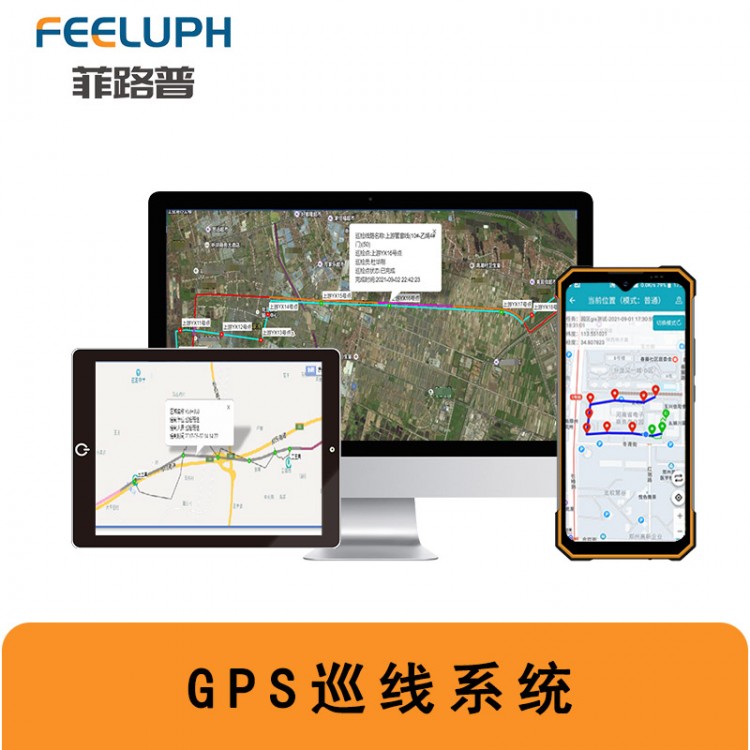

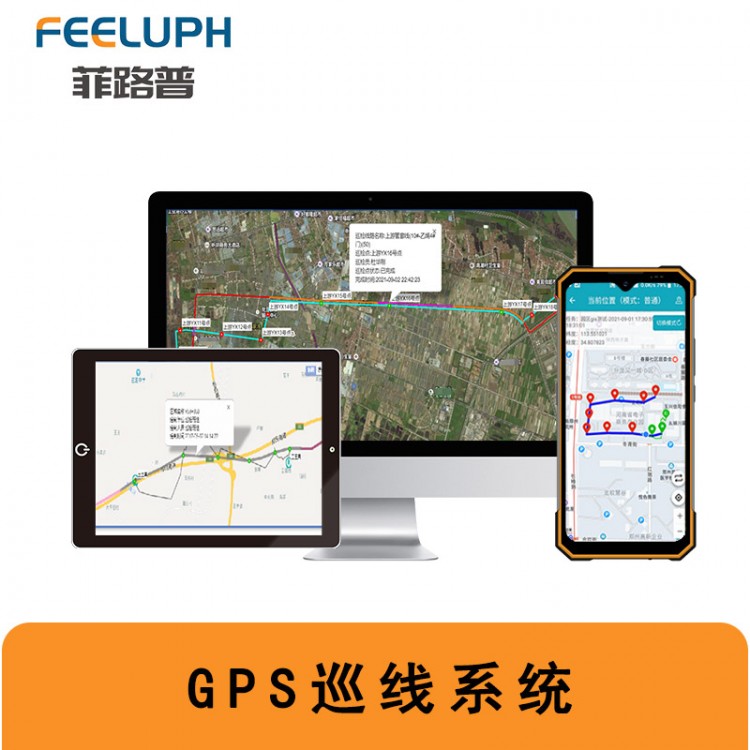
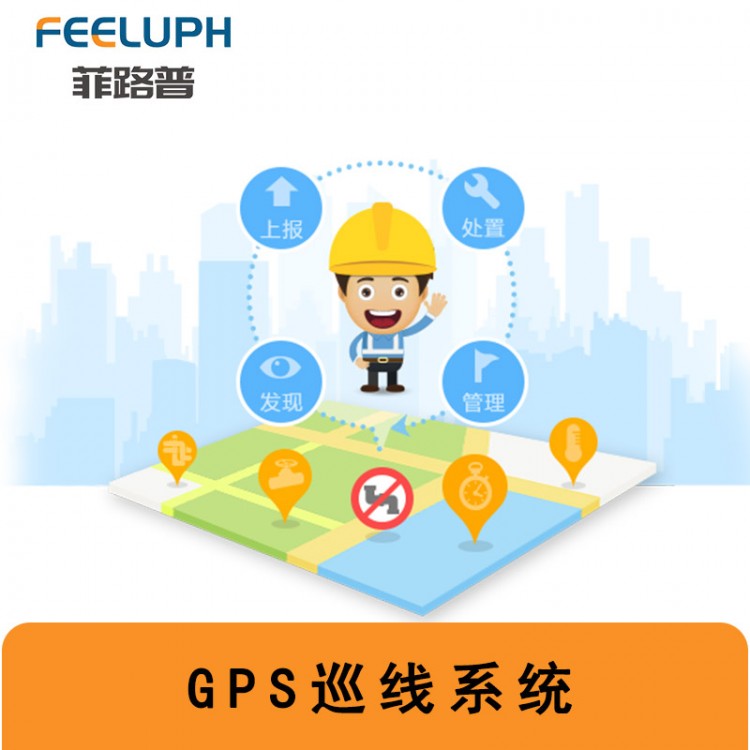













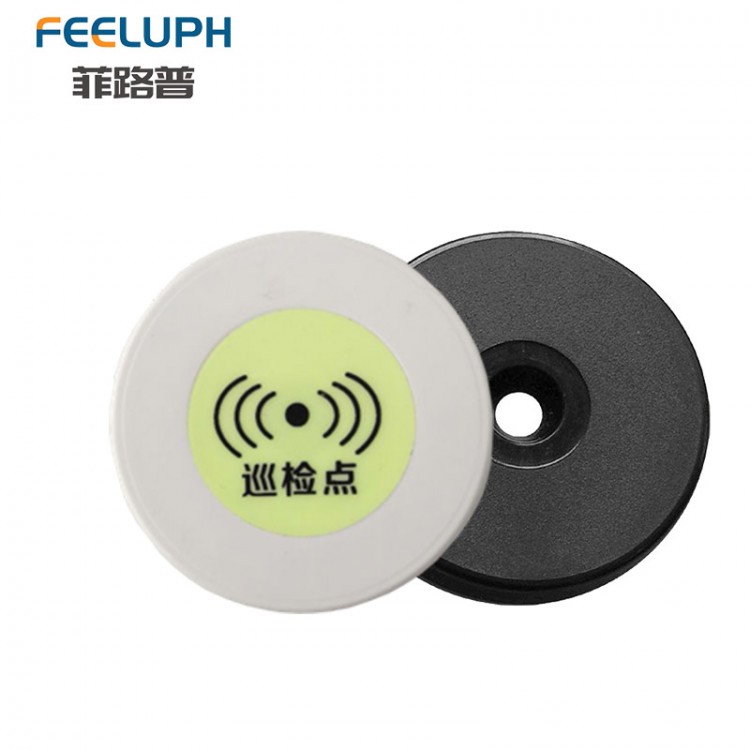
The GPS Pipeline Patrol Management System, utilizing geographic spatial information, tracks patrol personnel in real-time via 4G/5G, GIS, GPS, and RFID technologies, collects dynamic patrol data, and enables remote management through system queries and analysis. This ensures real-time monitoring of pipeline facility conditions, achieving a visual, detailed, and scientific management of pipeline patrols, and guarantees the safe operation of pipeline routes.
Operation Principle of GPS Pipeline Survey System
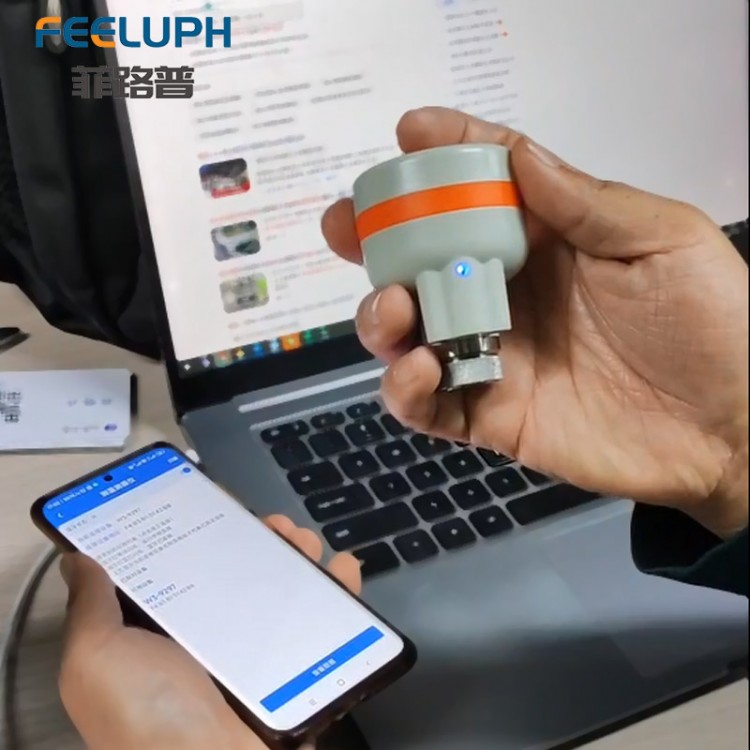
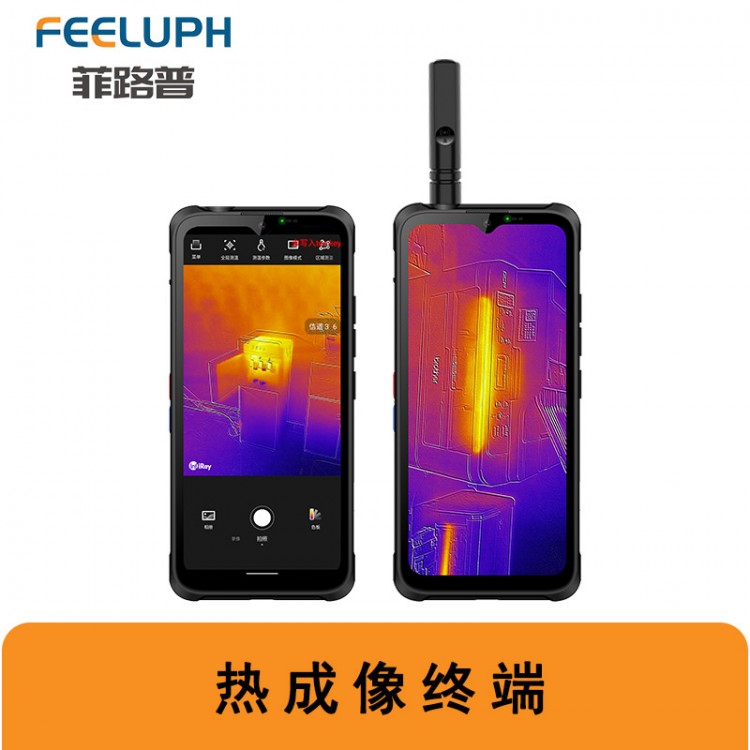
1. GPS Receiver: Utilizes a handheld terminal GPS or one installed on patrol vehicles to receive satellite signals and determine the target location.
2. Data Transmission Device: Transmits data collected by the GPS receiver to the data processing center.
3. Data Processing Center: Processes and analyzes received data to plan and monitor patrol routes.

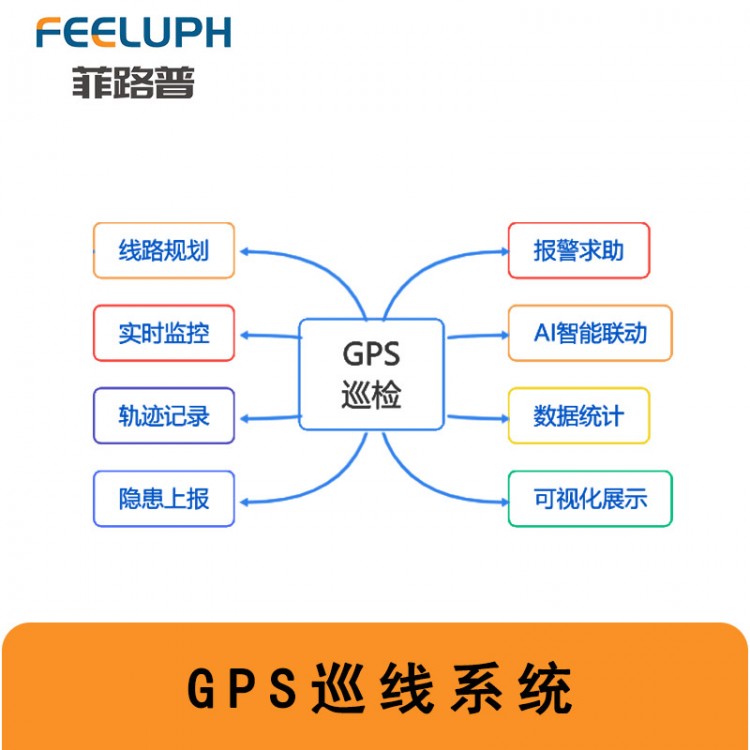
Function of GPS patrol line management system
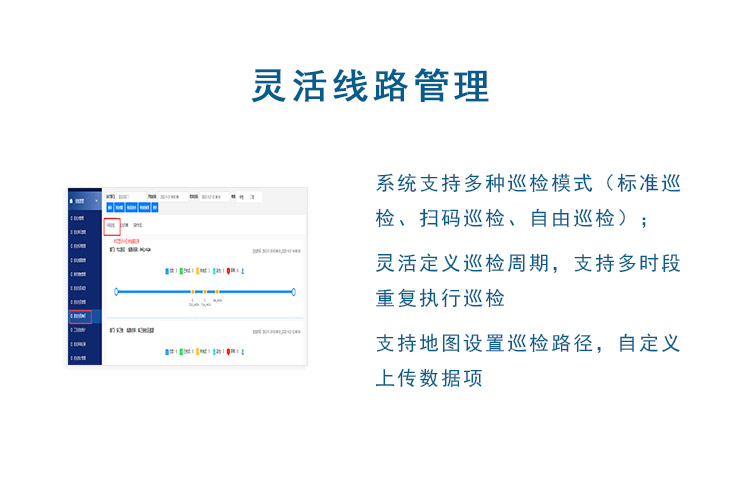
Route Planning: By setting up the inspection plan rules, the system automatically generates regular inspection task schedules according to the rules and sends them to the inspectors' handheld terminals; you can query the issued task plans and track the detailed execution of the plans by all inspectors.
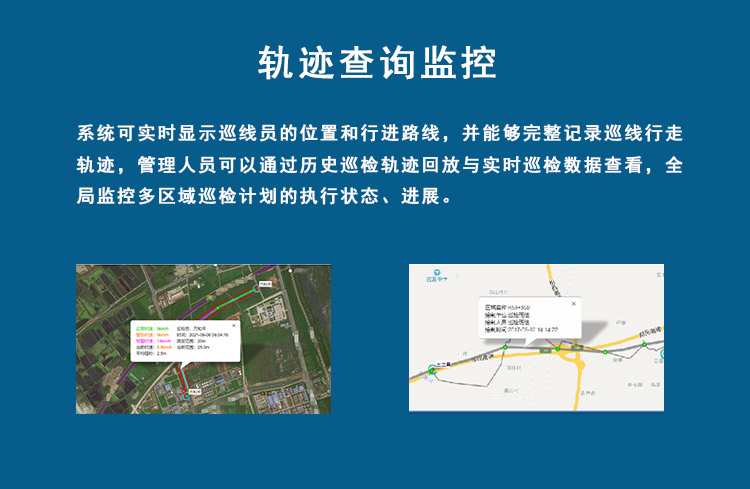
2. Real-time Monitoring: The system can monitor patrolman's location and route in real-time, ensuring they follow the preset patrol route.
3. Track Record: The system can fully record the patrolman's walking path for future reference and analysis.
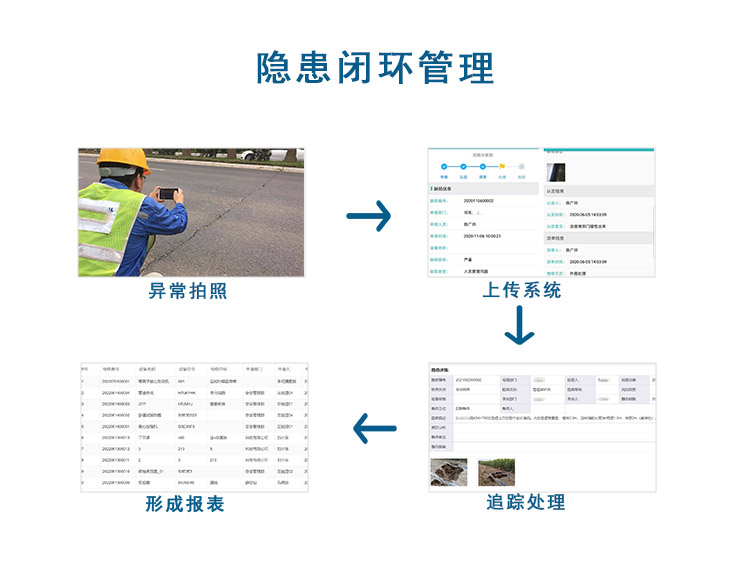
4.隐患上报: The system supports real-time communication, allowing for the taking and uploading of photos of identified hazards. The system can track and remind of the handling process, achieving a closed-loop management of hazards.
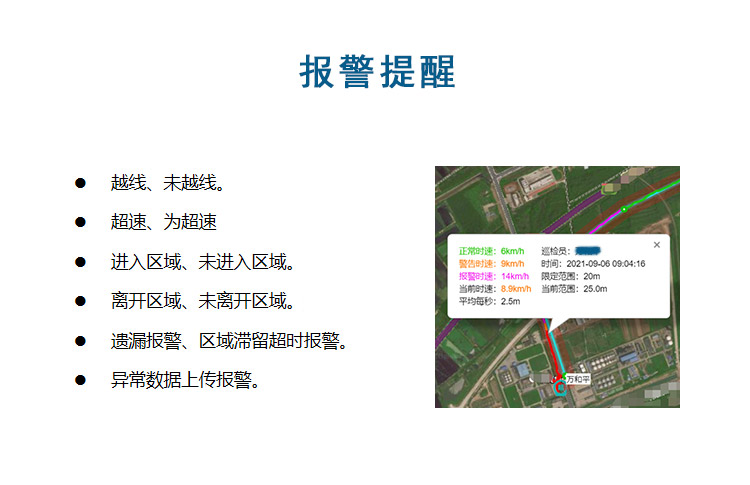
5. Alarm Assistance: In case patrol personnel or vehicles deviate from the planned route or encounter abnormal situations, the system promptly issues an alert to facilitate timely handling.
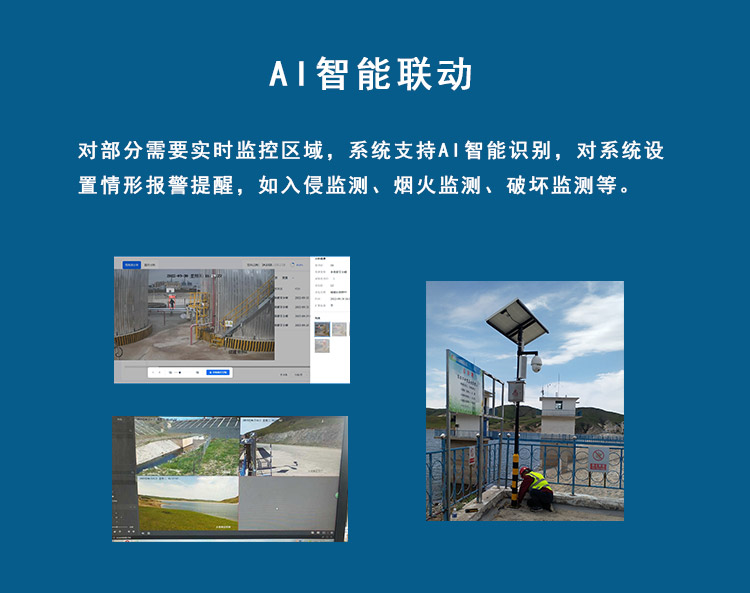
6. AI Intelligent Linkage: For certain areas requiring real-time monitoring, the system supports AI intelligent recognition and will issue alarm reminders for set scenarios.
7. Data Statistics: The system can generate various reports based on inspection data, facilitating managers in data analysis and decision-making.
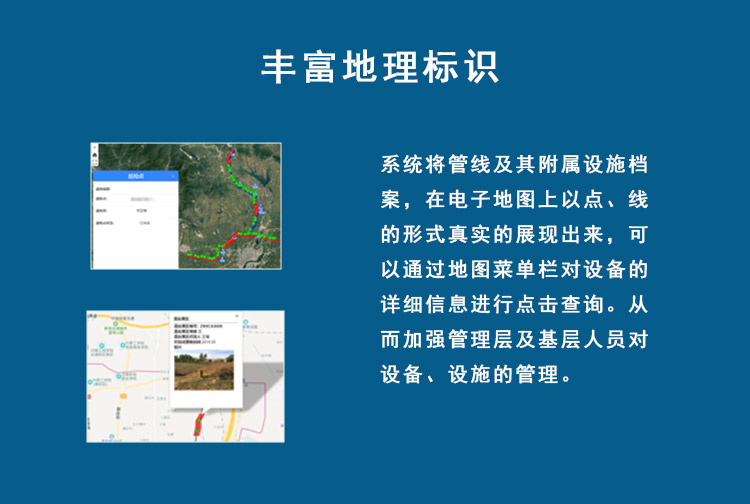
8. Visual Presentation: The system can display inspection data in a graphical format, making it easy for managers to intuitively understand the inspection status.

Advantages of the GPS Pipeline Management System
Efficient Management:
Ensure inspectors conduct timely and effective inspections, stay informed of progress in real-time, and handle emergencies efficiently.
2. Meets safety requirements:
Safety for patrol personnel, ensured through the implementation of location and alarm management to know the safety status of patrol personnel.
Pipeline safety is ensured through regular inspections and checks of the pipeline and its surrounding environment, guaranteeing the normal operation and safety of the pipeline.
3. Meets expectations for the company's rapid growth
The system can record inspection data and generate reports, facilitating managers in data traceability and analysis, making work well-documented and justified.
Systematic early warnings facilitate timely issue resolution, fostering high信息化 and high collaboration support.
Through automated management, labor and time costs can be reduced, enhancing management efficiency.
GPS Pipeline Management System Application
The GPS patrol management system is applicable in pipeline and long-distance patrols, such as gas pipeline inspections, oil pipeline inspections, power line inspections, water supply inspections, forestry inspections, railway inspections, and road and bridge inspections. The use of the GPS patrol system enhances the stability, reliability, and controllability of patrol work.