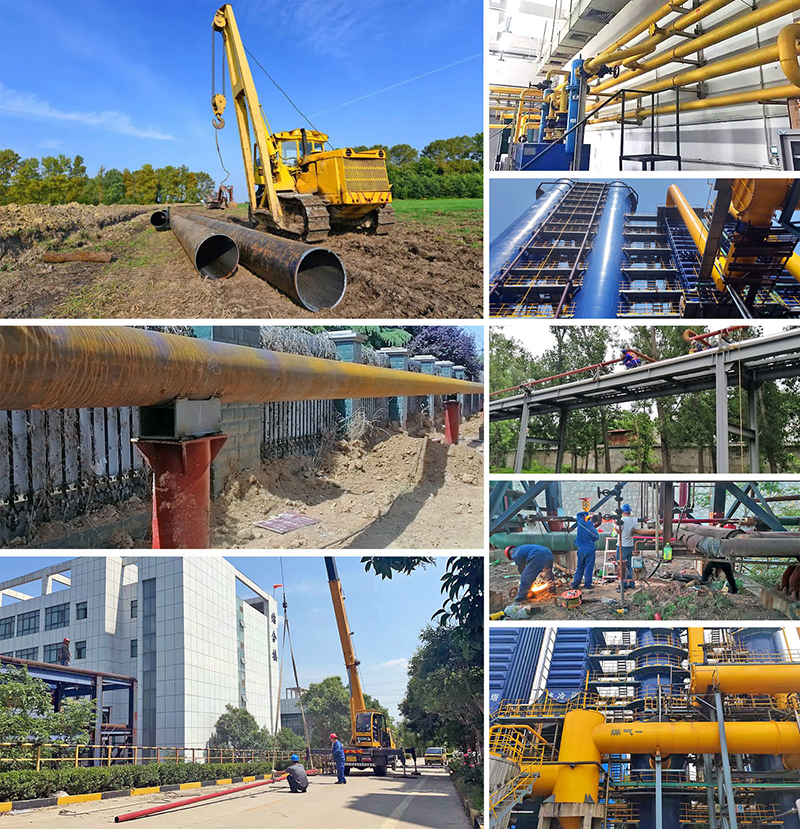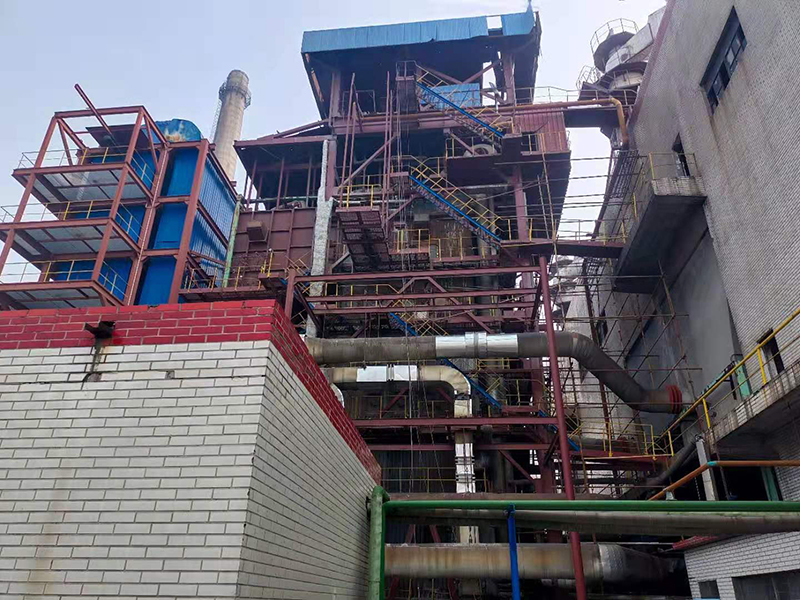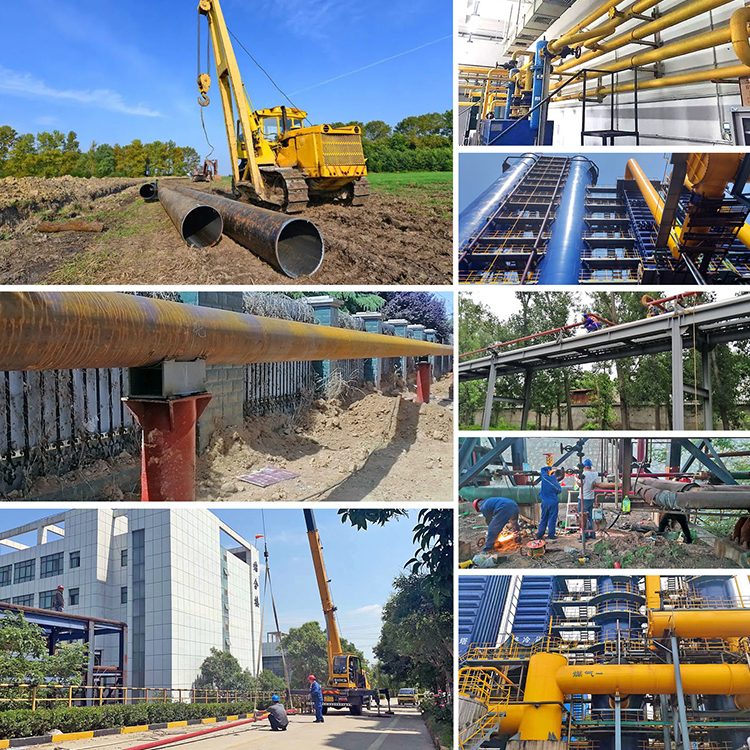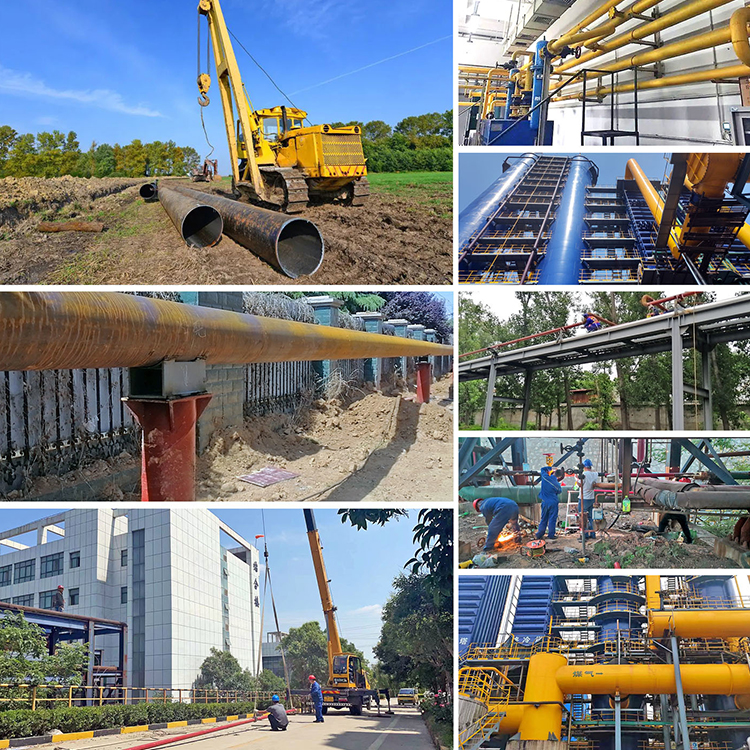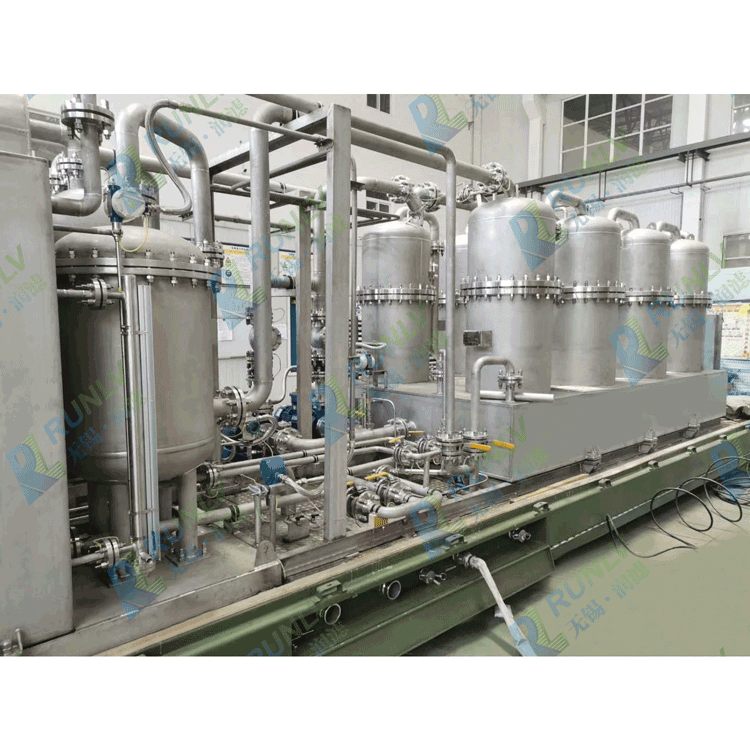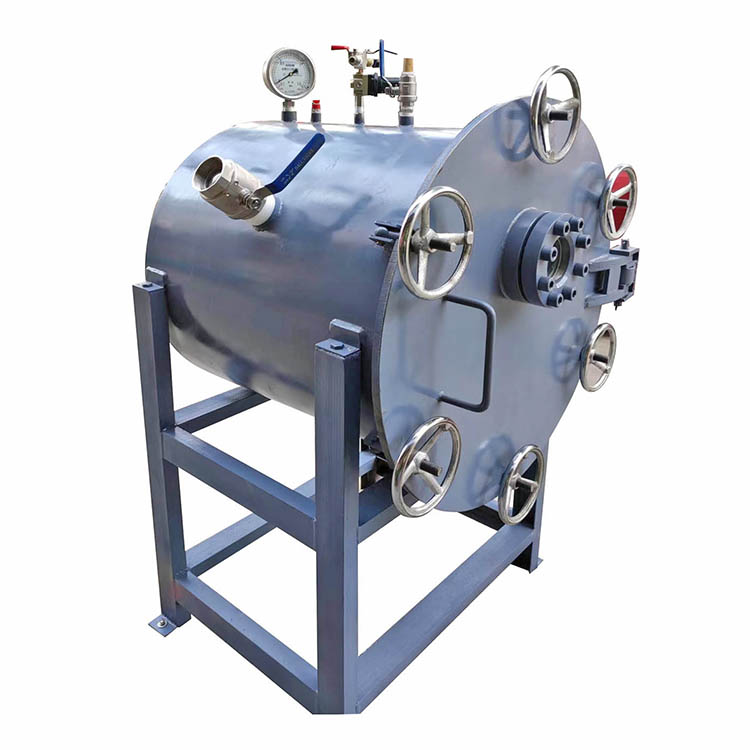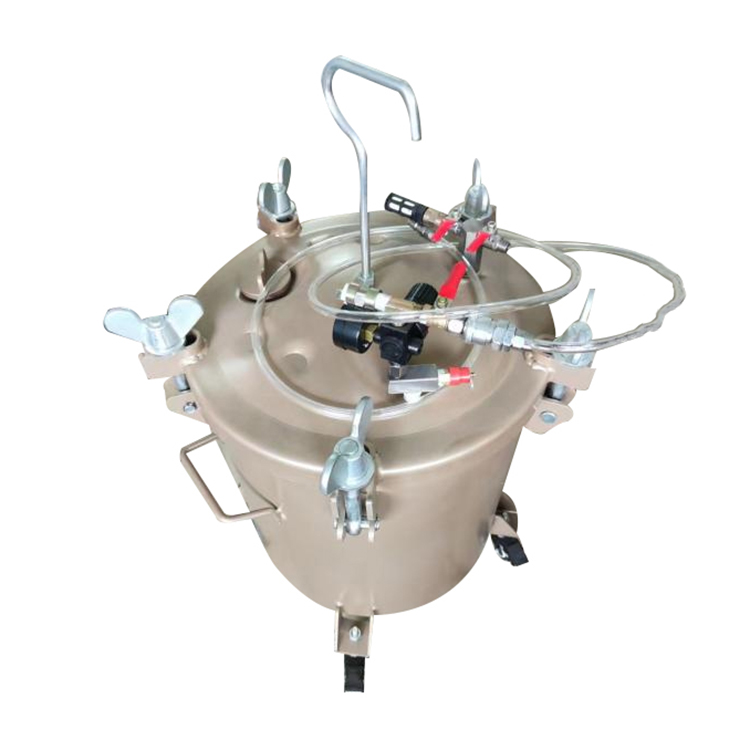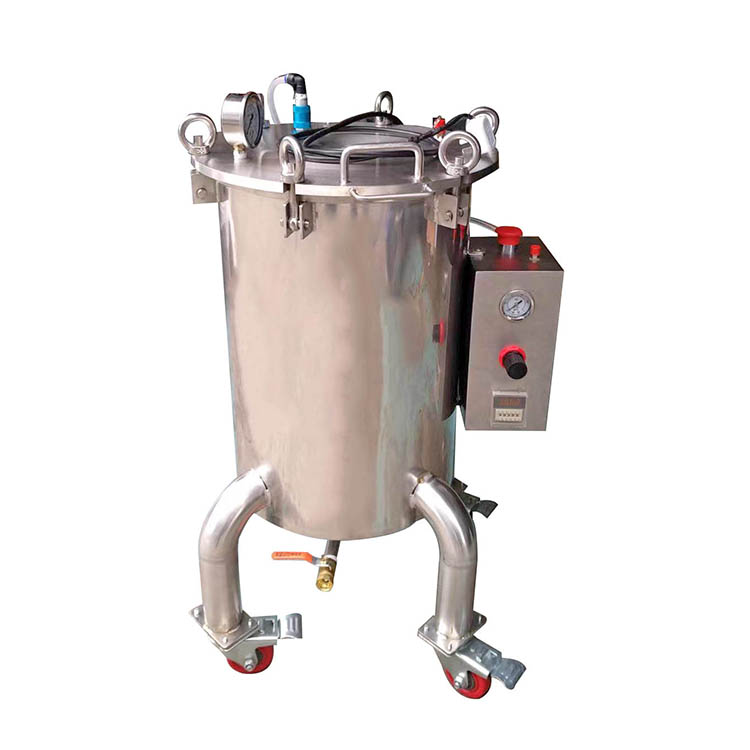

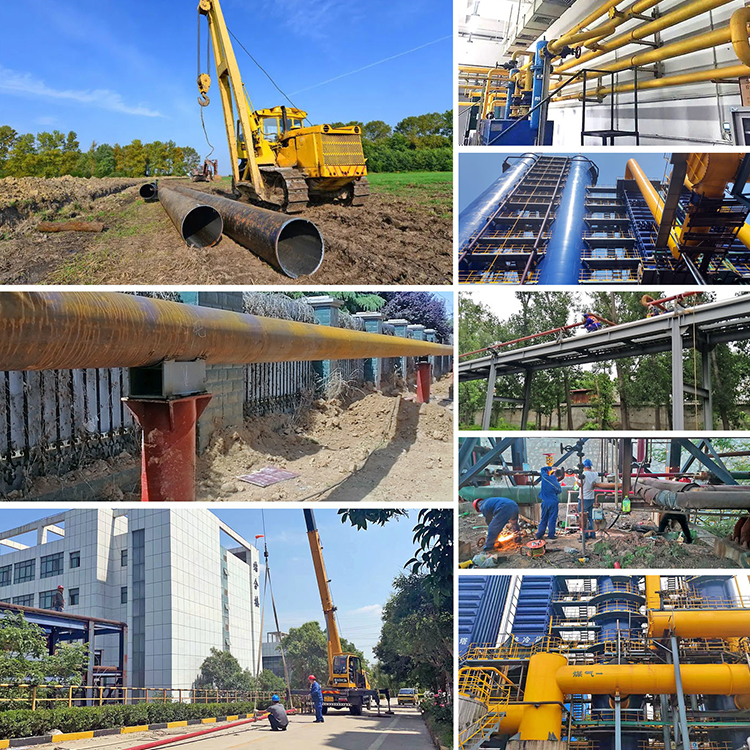

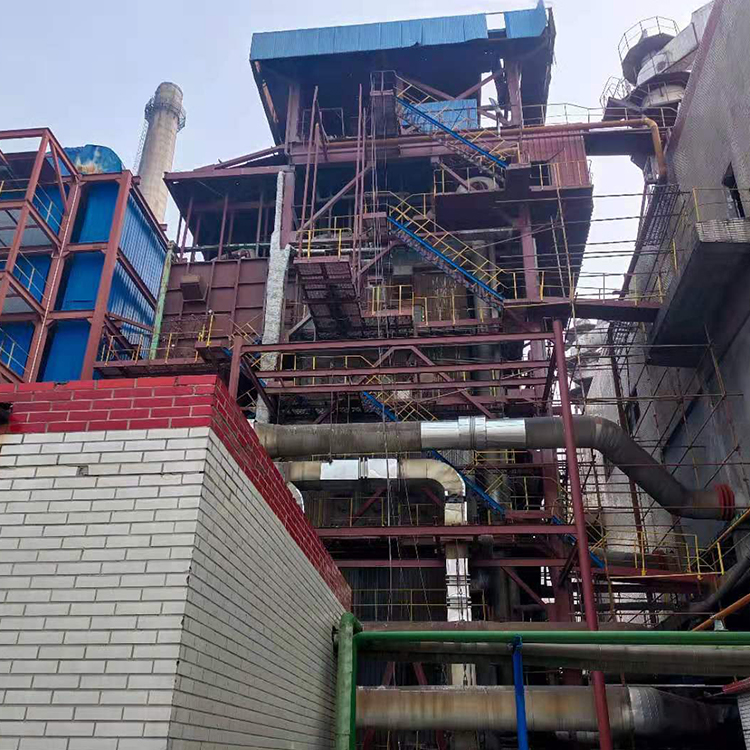
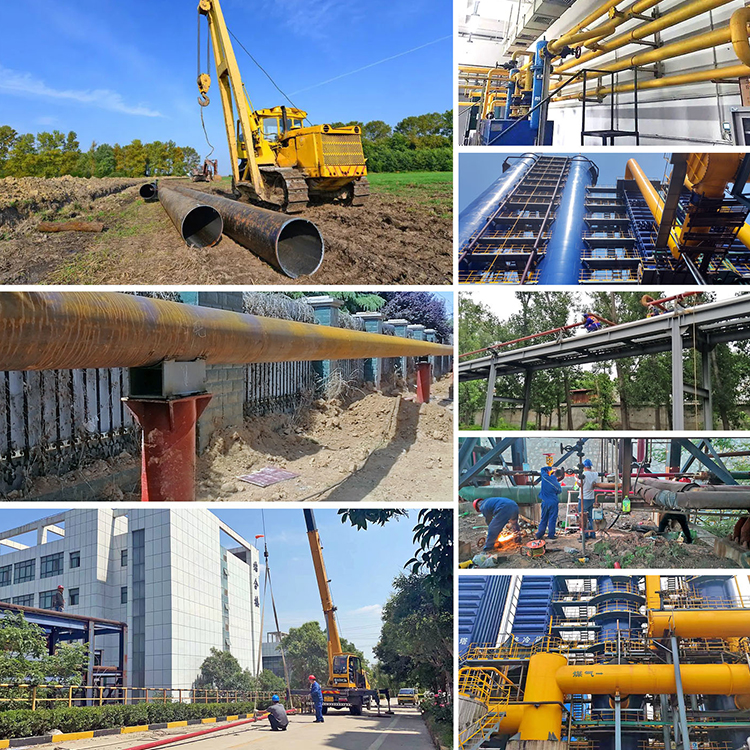


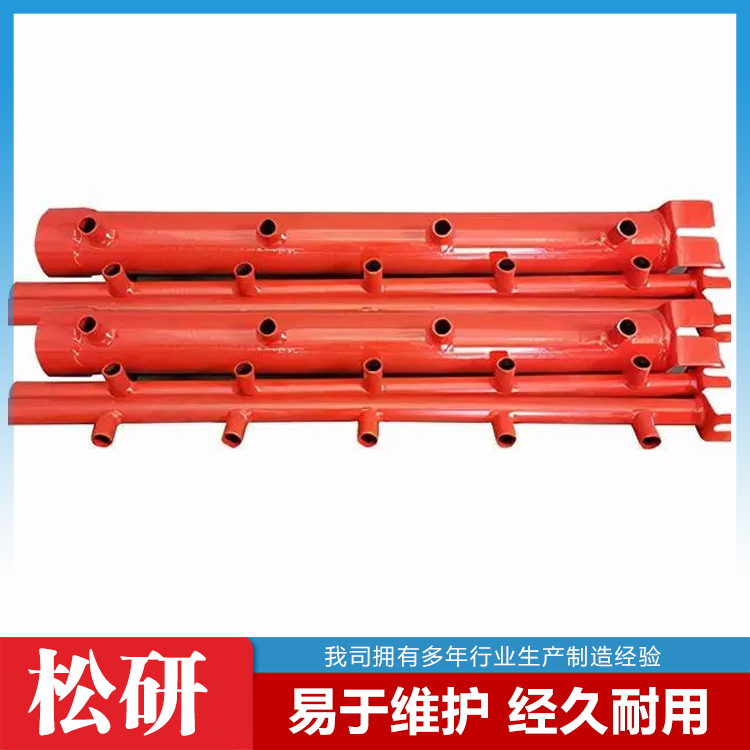






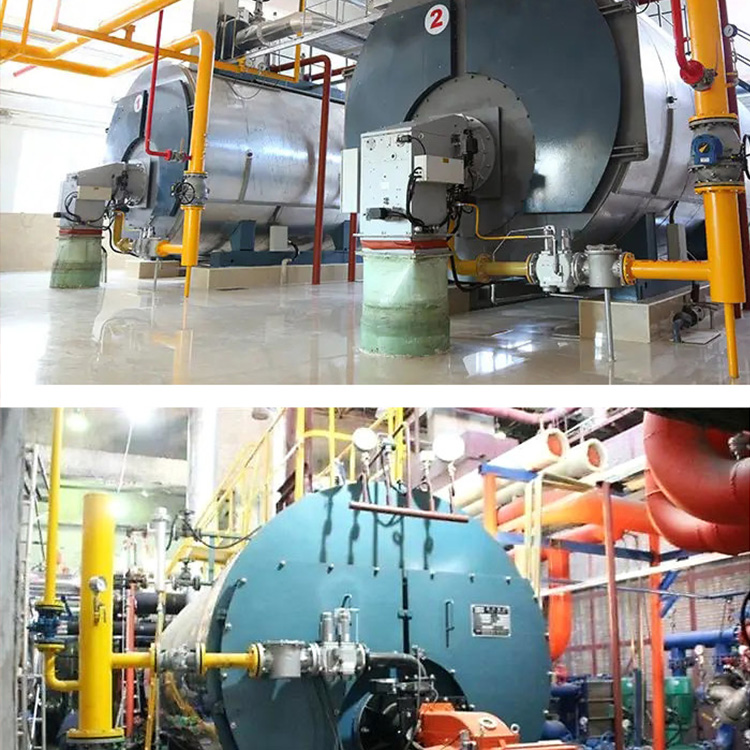
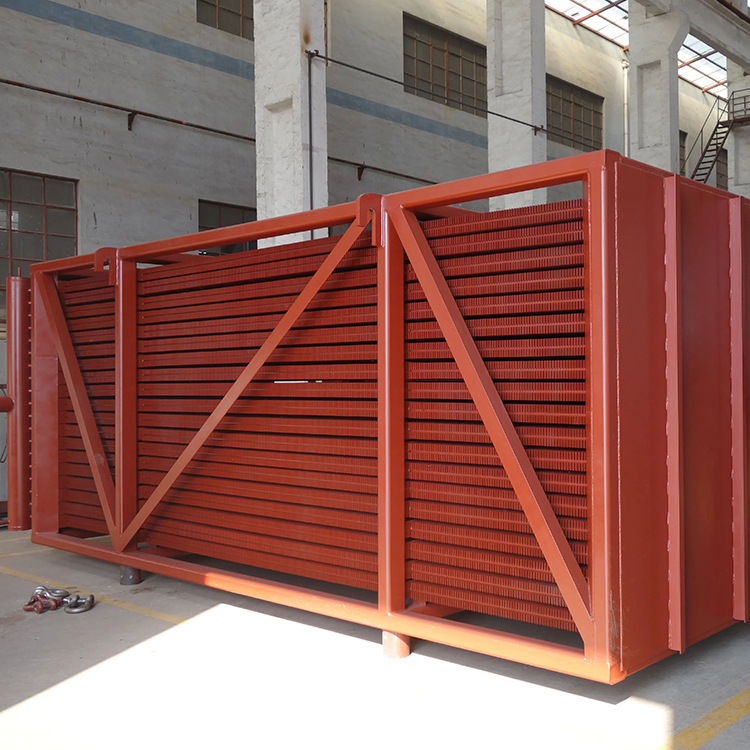

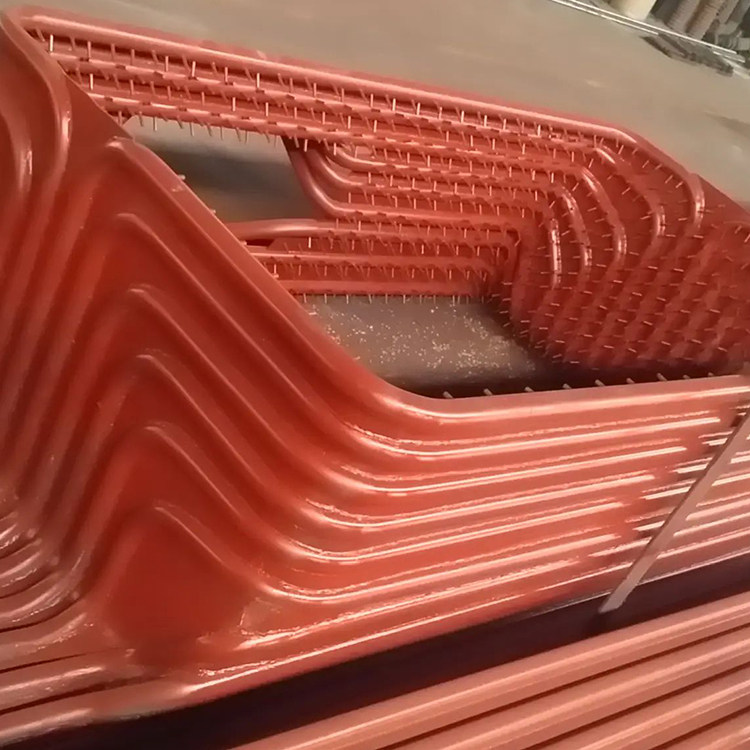
Tubular equipment used for conveying, distributing, mixing, separating, discharging, measuring, controlling, and stopping fluid flow: The pipe end is highly resistant to pressure and corrosion. Pressure pipelines are special equipment used for transmitting fluid media and are commonly used in industrial and municipal sectors. The design and installation of pressure pipelines must adhere to strict standards and regulations to ensure their safety and reliability.
Designing pressure pipelines requires considering factors such as diameter, length, material, wall thickness, corrosion resistance, and insulation. Based on the properties of the fluid and the transportation distance, designers must select appropriate materials and diameters to meet the fluid transportation requirements. Additionally, designers need to determine the wall thickness and corrosion and insulation solutions according to the pipeline's operating environment and the transported medium.
During the installation of pressure pipelines, installers must follow the design drawings and specifications. Throughout the installation process, it's essential to ensure the straightness, gradient, and stability of the pipeline and its mounting brackets. Additionally, installers must install accessories such as pressure gauges, thermometers, and valves on the pipeline to ensure safe operation.
In summary, the design and installation of pressure pipelines must strictly adhere to relevant standards and regulations to ensure the safety, reliability, and cost-effectiveness of the pipes.