












Introduction to Computer Cables
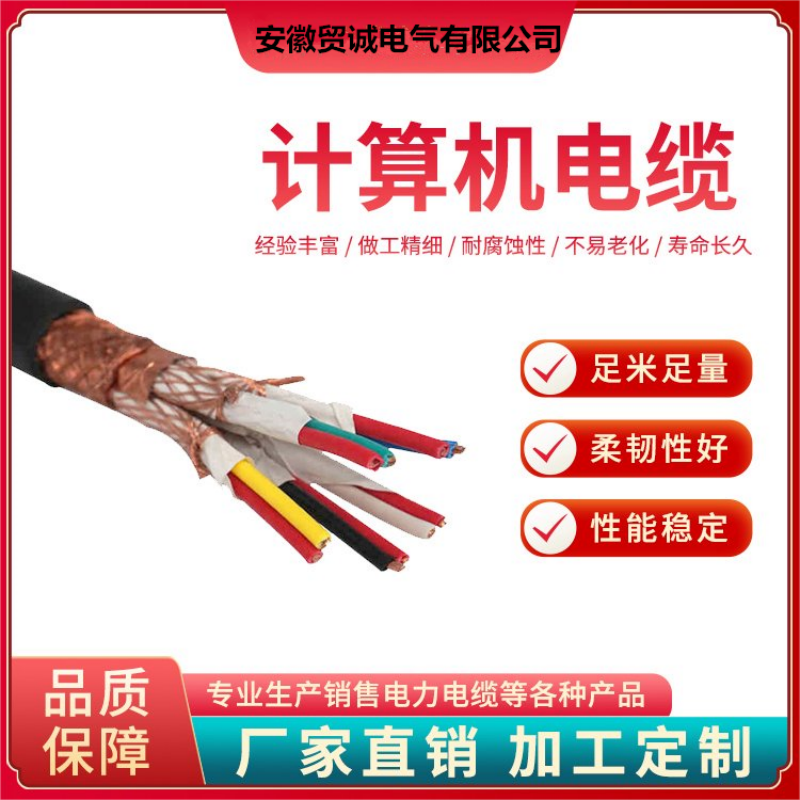
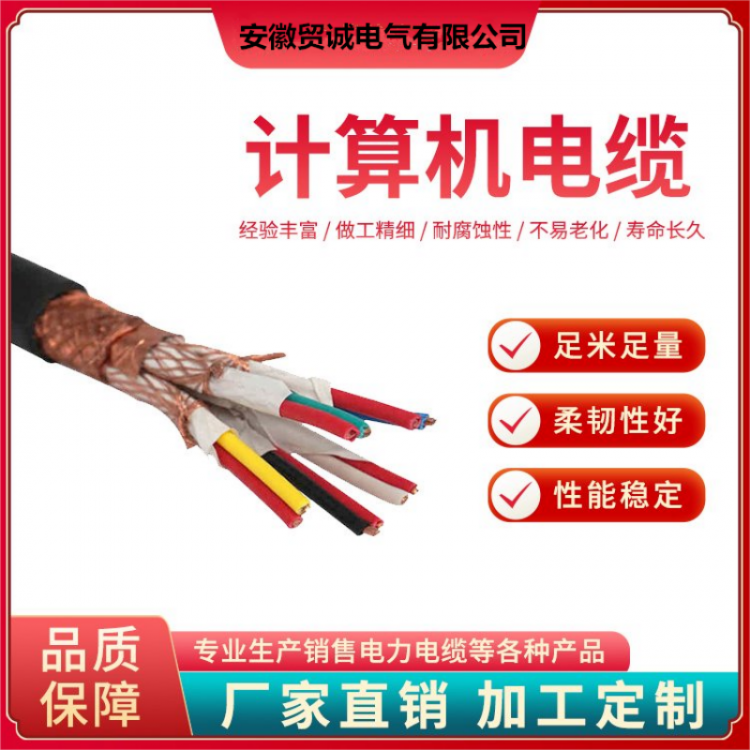
Computer cables are suitable for rated voltagesCables for electronic computers and automated connections requiring high anti-interference capabilities, with voltage ratings of 500V and below. The ground core insulation utilizes K-type Class B low-density polyethylene with antioxidant properties. The insulation of polyethylene offers high resistivity, good voltage resistance, low dielectric constant, and minimal impact from temperature and frequency variations, ensuring not only transmission performance requirements are met but also the cable's service life is guaranteed.
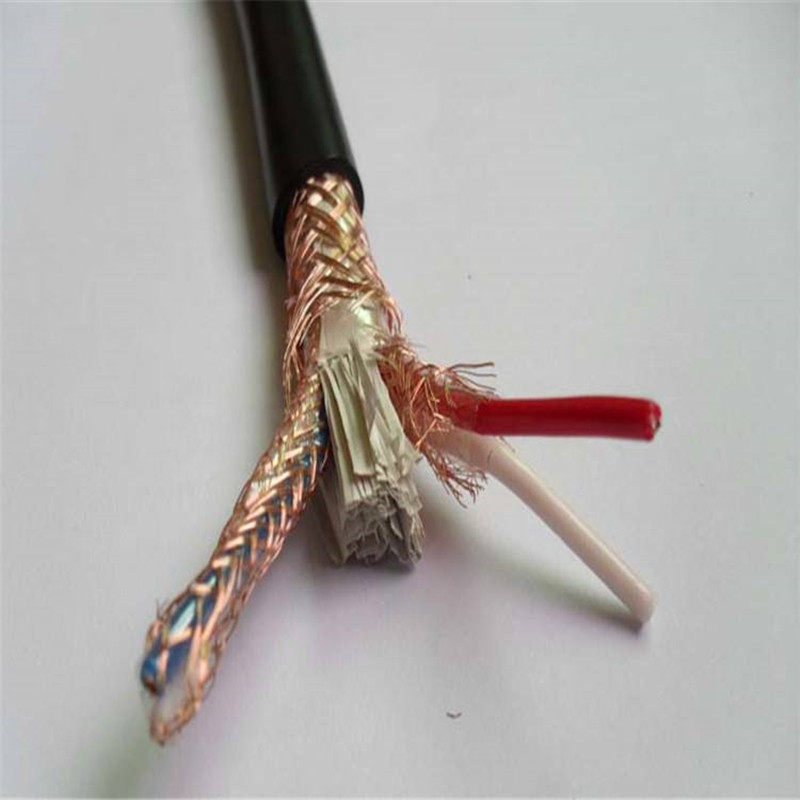
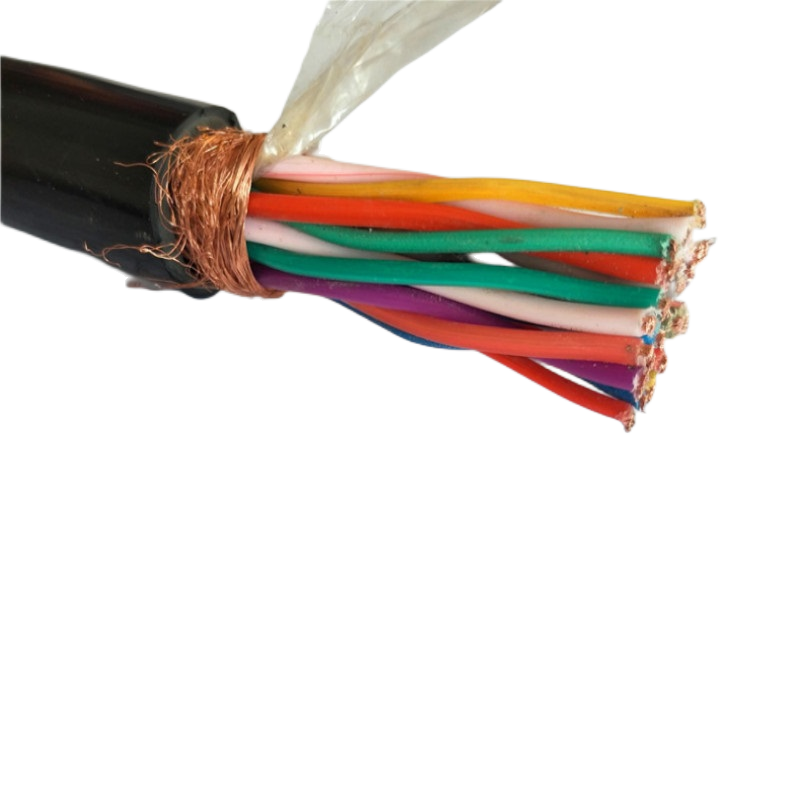
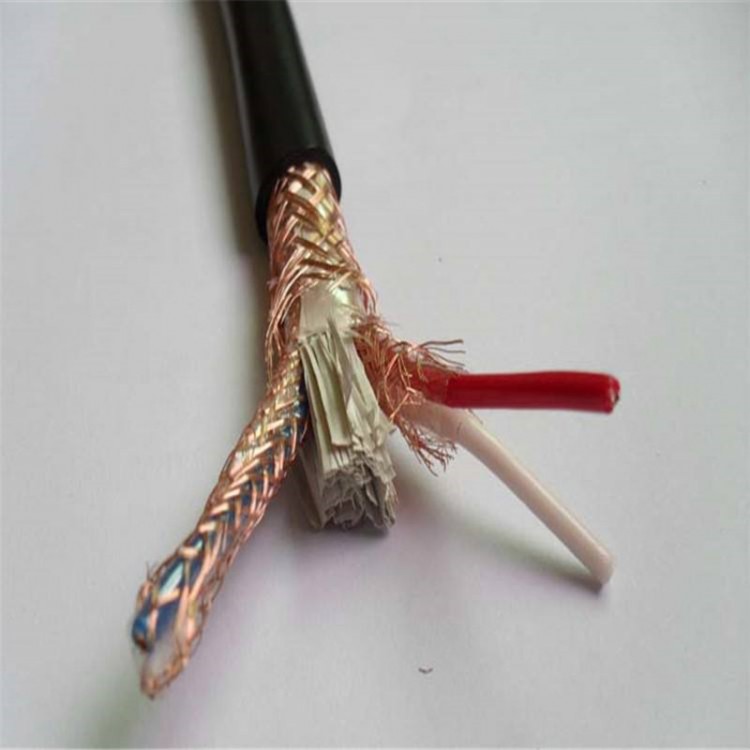
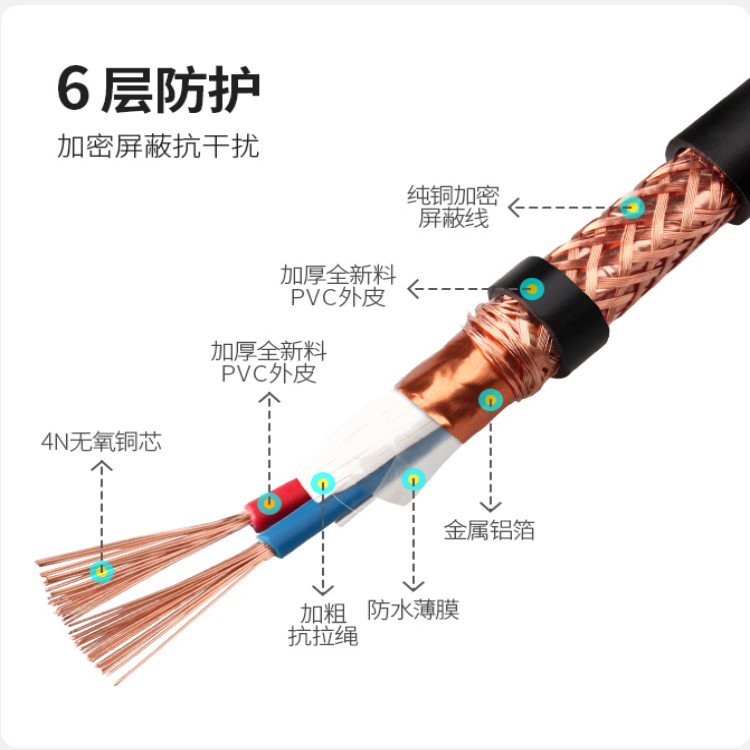
To minimize mutual interference between loops and external interference, the cable employs a shielding structure. The shielding requirements are determined separately for different situations, including methods such as shielded twisted pairs, overall shielding for twisted pair cables, and overall shielding after twisted pair combinations.
Sheilded materials include round copper wire, copper strip, aluminum strip./Three types of plastic composite tapes. They have good insulation properties, and when a potential difference occurs between the shields during cable use, it will not affect the transmission quality of the signal.
Section II: Specifications for Computer Cables
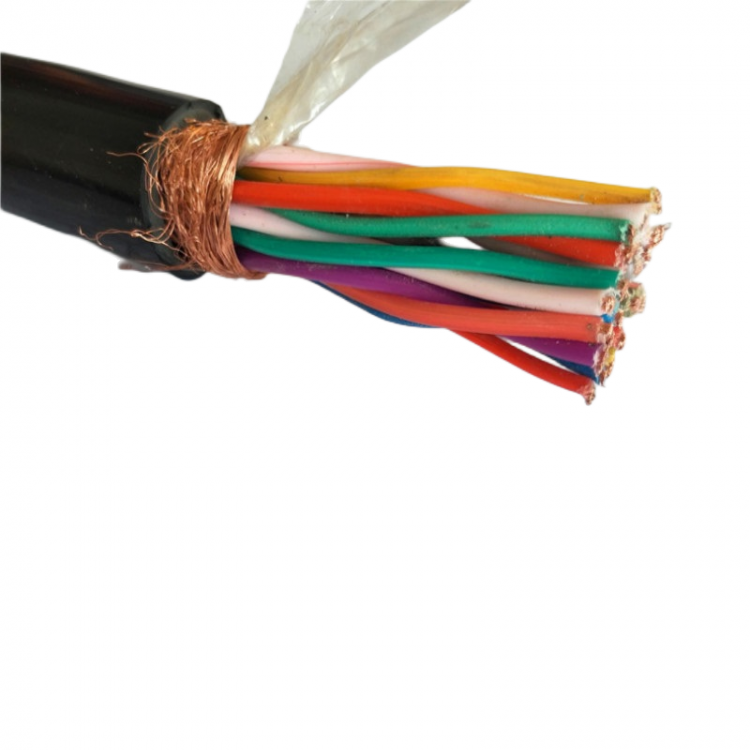
Computer cable specifications refer to the cross-sectional size and the number of cores, with a variety of computer cable specifications available, commonly including:0.5 sq ft, 0.75 sq ft, 1 sq ft, 1.5 sq ft, 2.5 sq ft, etc. Larger sizes are usually custom made by the manufacturer.
Section 3: Technical Specifications of Computer Cables
Rated Voltage(U0/U):300/500V
Long-term operating temperature70℃
Laying temperature not below: Fixed installation -40℃, non-fixed installation -15℃
Minimal bend radius: Unarmored layer should be less than the cable outer diameterThe armored cable should not be less than 12 times the outer diameter of the cable.
Please provide the Chinese content to be translated.At 20°C, after a stable charging test with a DC voltage of 500V for 1 minute, the insulation resistance should not be less than 2500MΩ·Km.
Each pair of twisted shielded conductors and between twisted shielded conductors and the overall shield should not be disconnected.
The cores of the cables and between the shields should withstand50Hz, AC 2000V voltage test for 5 minutes without breakdown
Section 4: Advantages of Computer Cable Applications
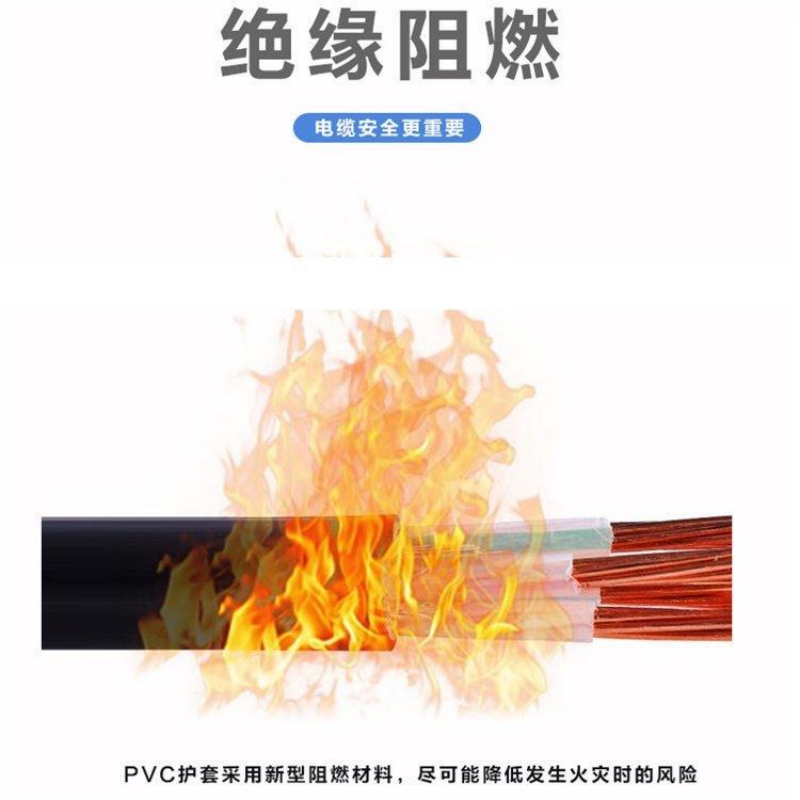
In applications where explosion hazards exist, such as in power, mining, gas engineering, etc., cables are required to have"Blast-proof," "safety," and other characteristics. Computer cables offer superior shielding and enhanced safety performance compared to standard wire cables.