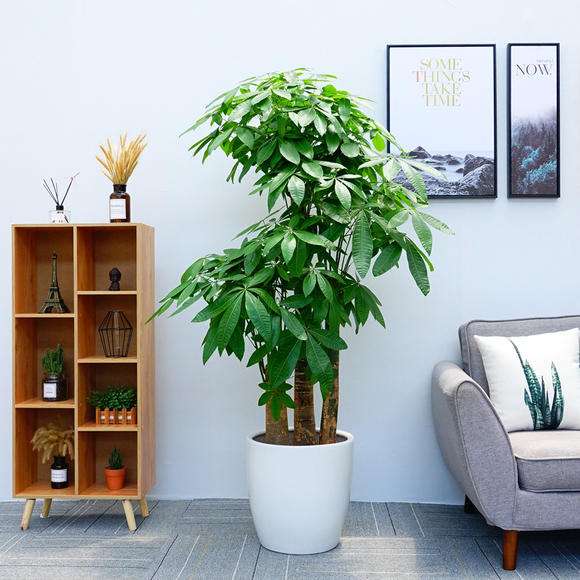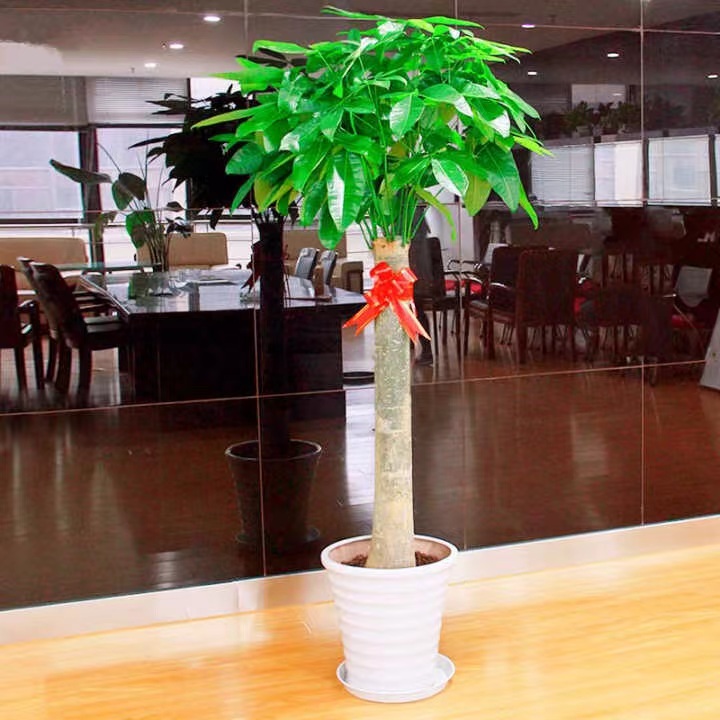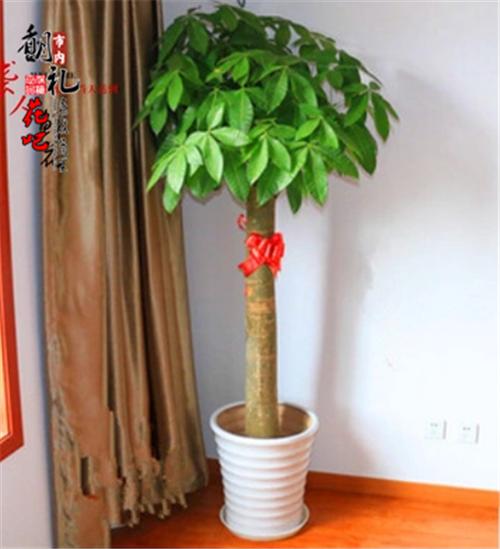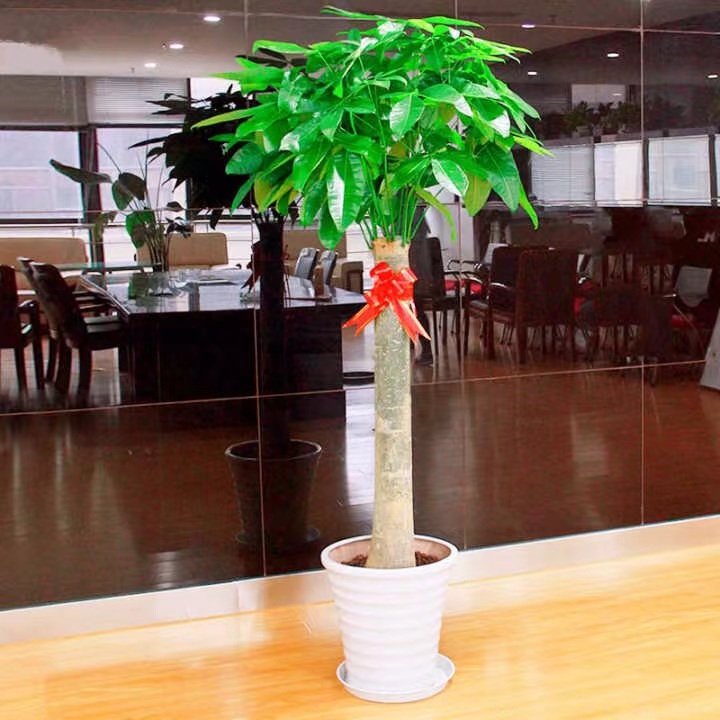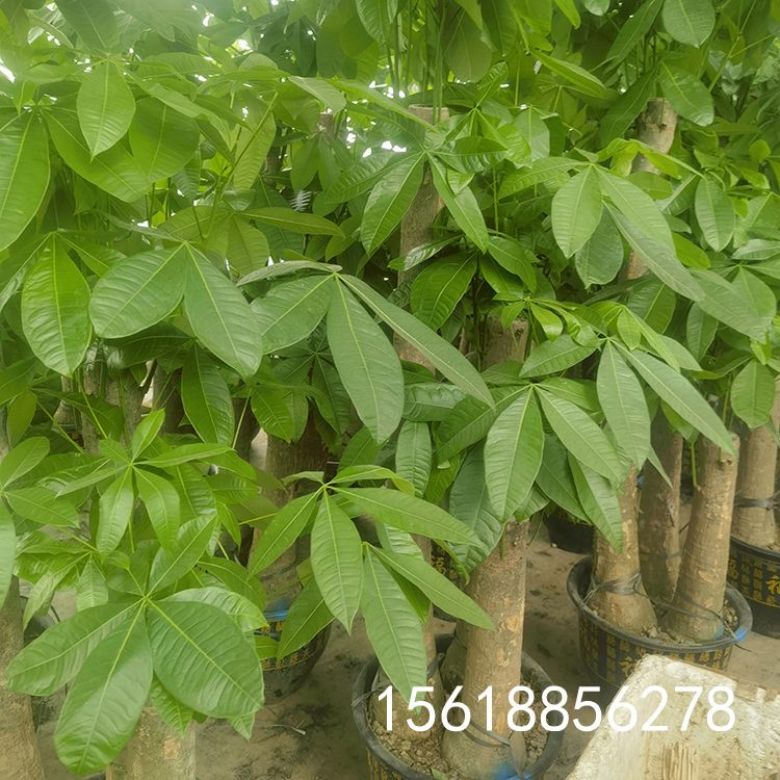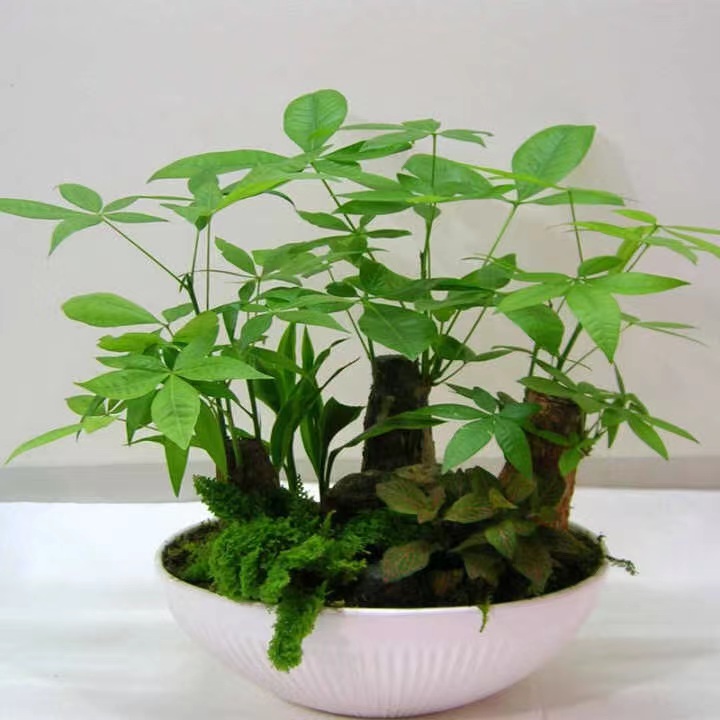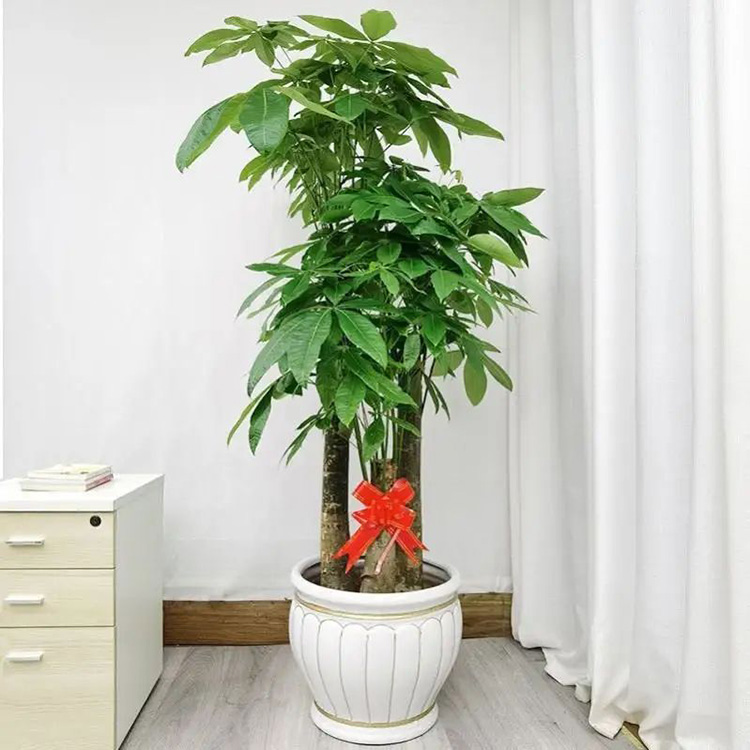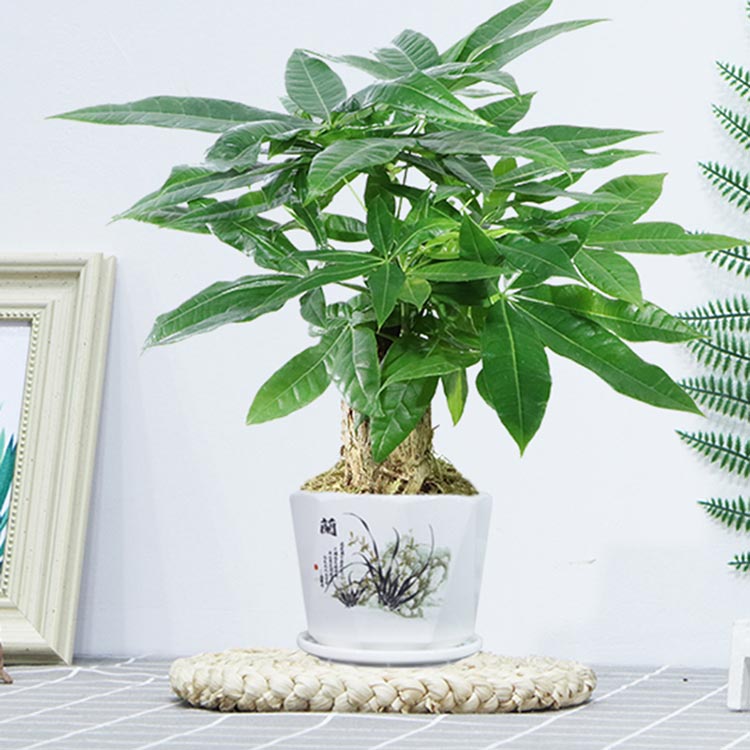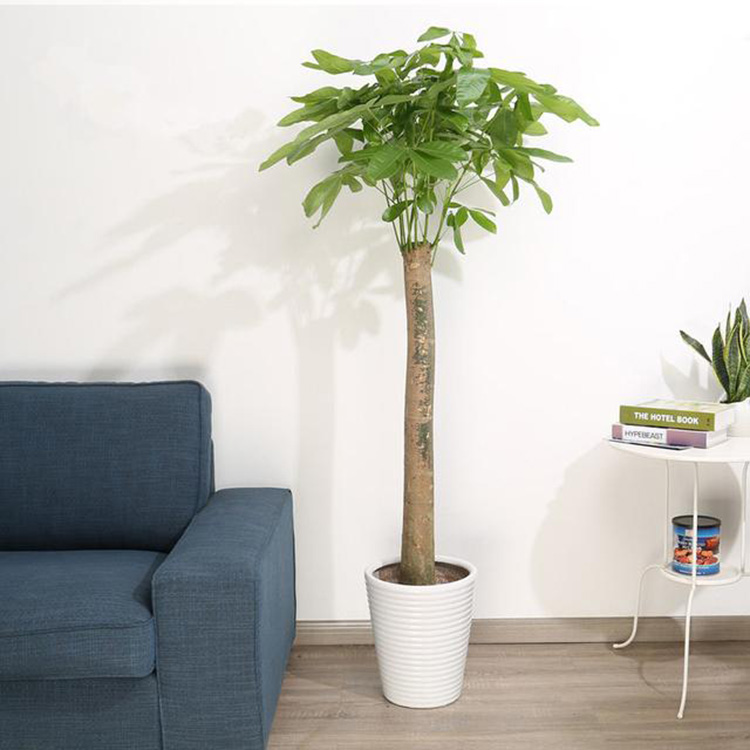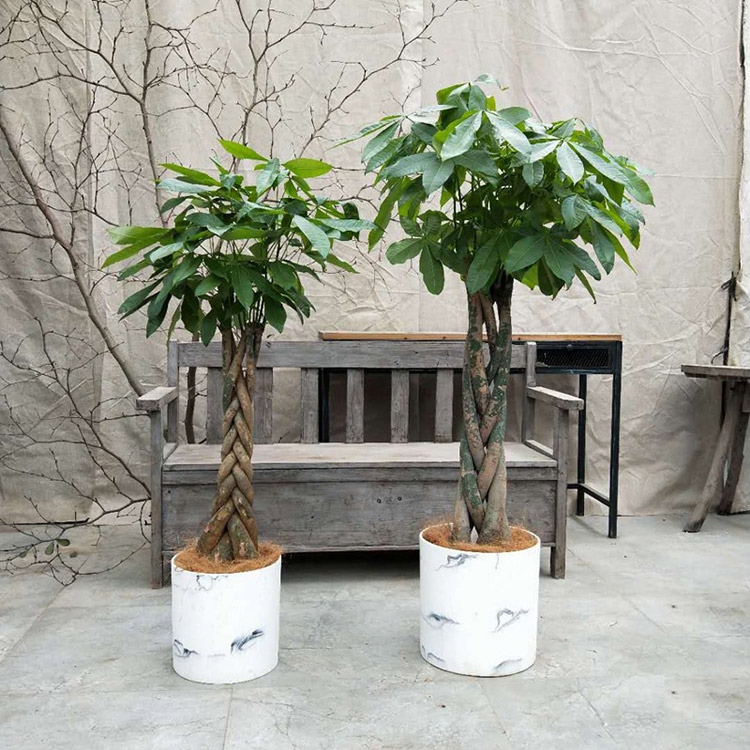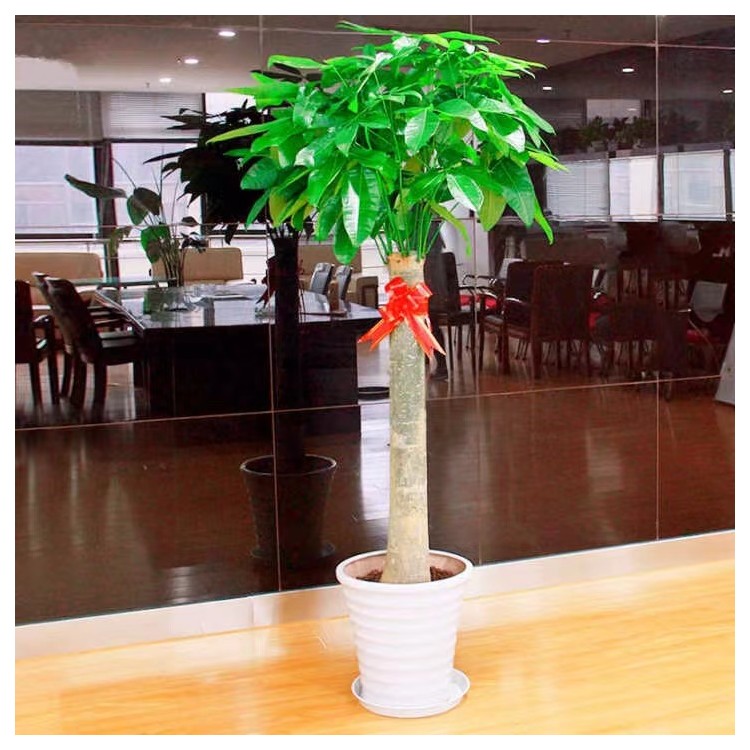




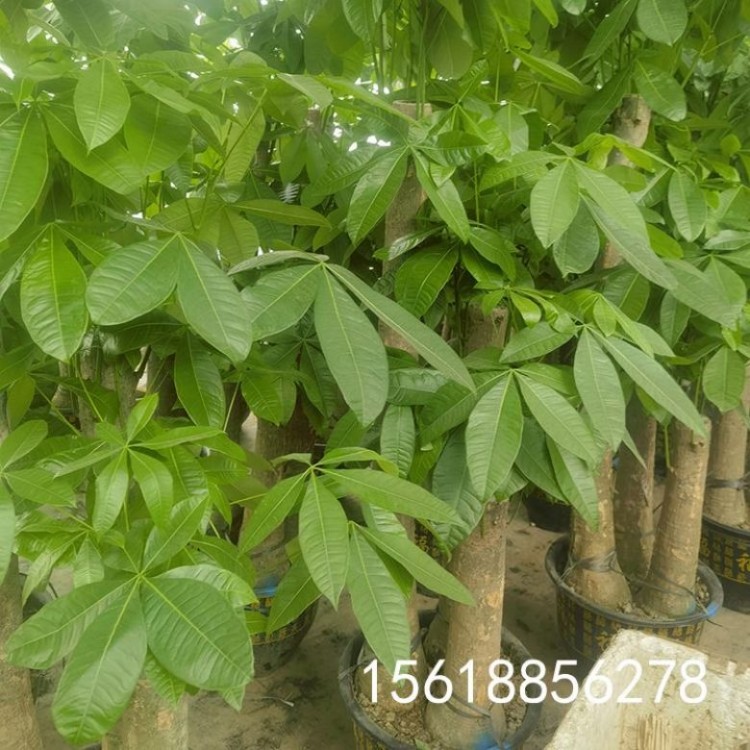
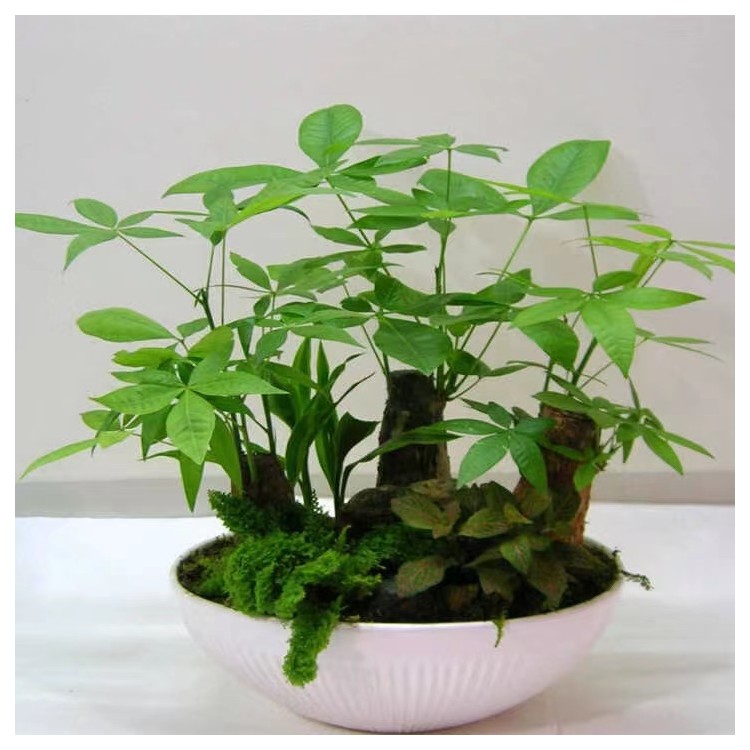









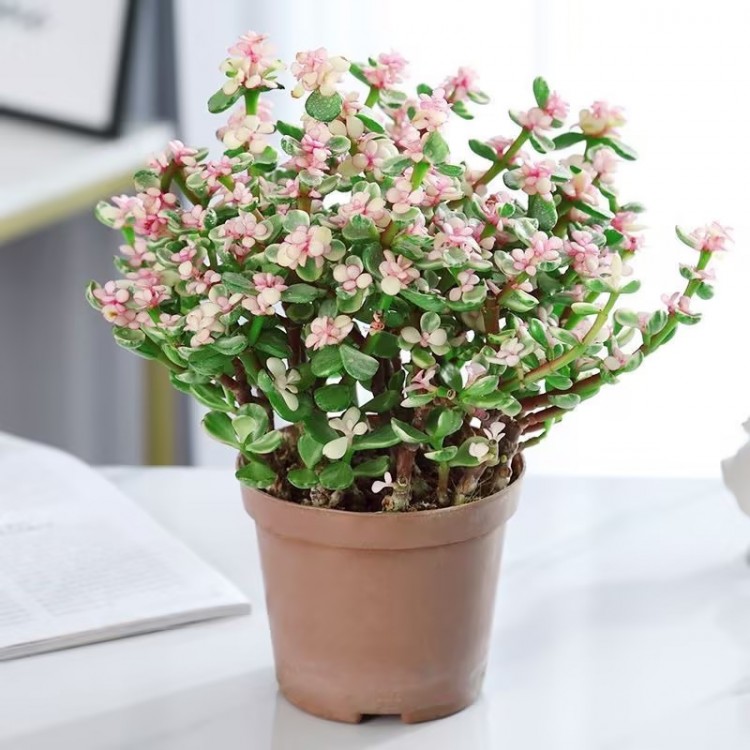

Golden Apple, a deciduous small tree in the Cucurbitaceae family, with ovate-oblong leaves, the top acute, the base rounded; flowers solitary, with robust peduncles covered in yellow star-like pubescence, calyx cup-shaped, filaments entirely white, narrowly lanceolate to linear; capsules nearly pear-shaped, yellow-brown; seeds large, nearly keel-shaped, hairless; flowering period usually from May to November, fruits mature sequentially. The first half of the pinyin of Golden Apple resembles "making a fortune," hence the plant is called "Fortune Tree."
Originating from Central and South America, the Kudzu was introduced to China in 1958 and extensively cultivated in the south and southwest regions. Kudzu thrives in high temperature and humidity climates, is susceptible to cold, and dislikes frost on seedlings; it prefers fertile, loose, well-drained, and moisture-retaining sandy loam; it favors acidic soil, dislikes alkaline or clayey soil, is moderately tolerant to waterlogging, and slightly drought-resistant. The propagation methods of Kudzu include sowing and cutting. Kudzu and the Cucurbita are plants from the same family and genus.
The Kegano tree boasts an aesthetically pleasing shape and strong shade tolerance, making it an ideal indoor potted leafy plant. The name "Fortune Tree" signifies prosperity and wealth, conveying good wishes. Not only is the Kegano tree ornamental, but its fruit is also edible and can be used to produce oil when unripe, reflecting one of its economic values.
The money tree's meaning is prosperity, success in one's career, and longevity. The name of the money tree embodies people's good wishes, symbolizing a thriving business and attracting wealth. It can be given as a gift to friends, and the money tree is a evergreen plant, with its leaves remaining lush green throughout the year, symbolizing vitality and hope.