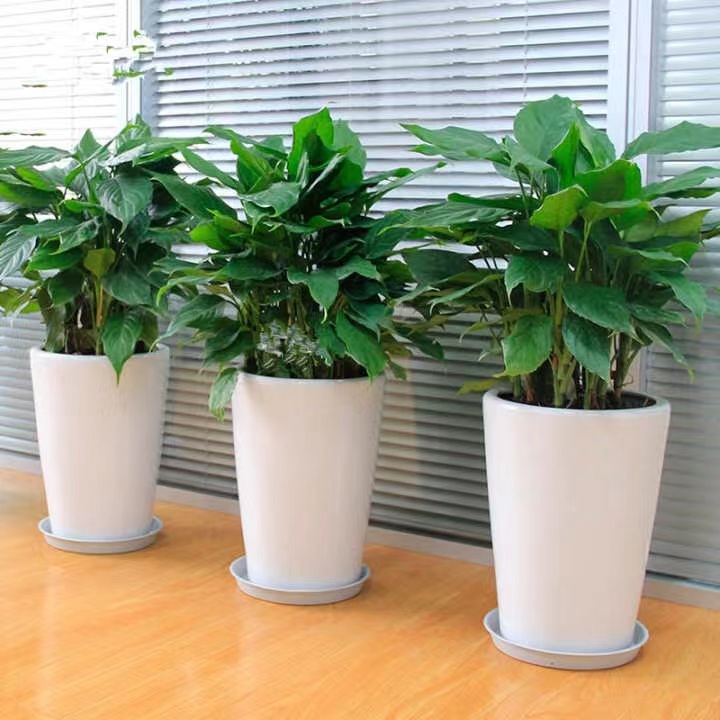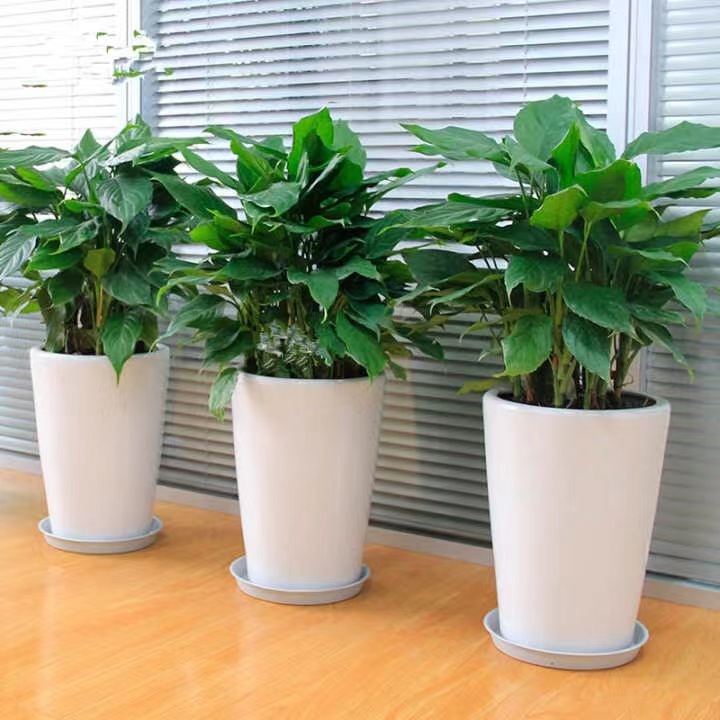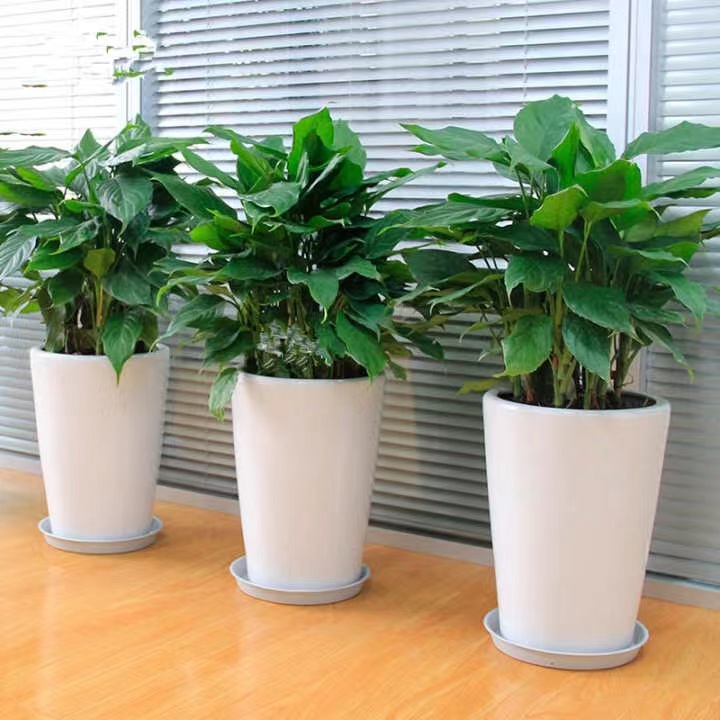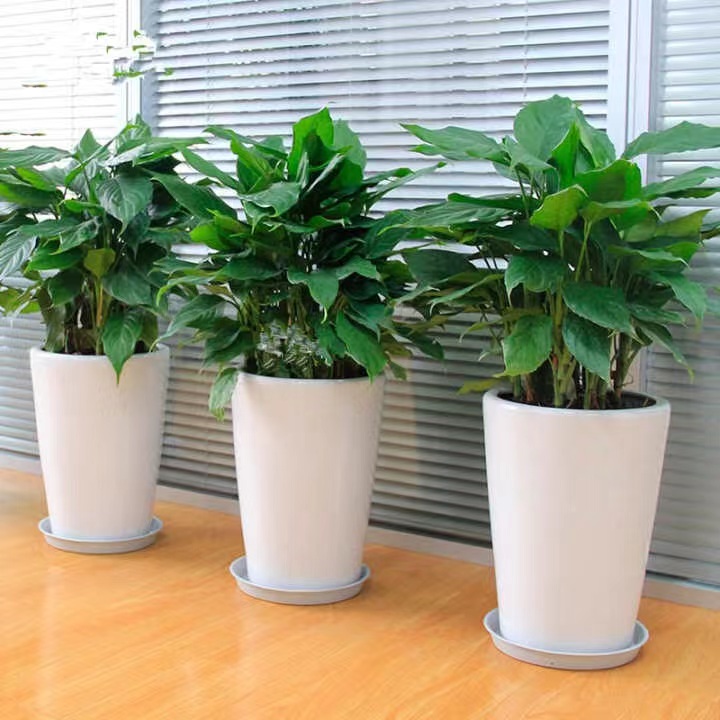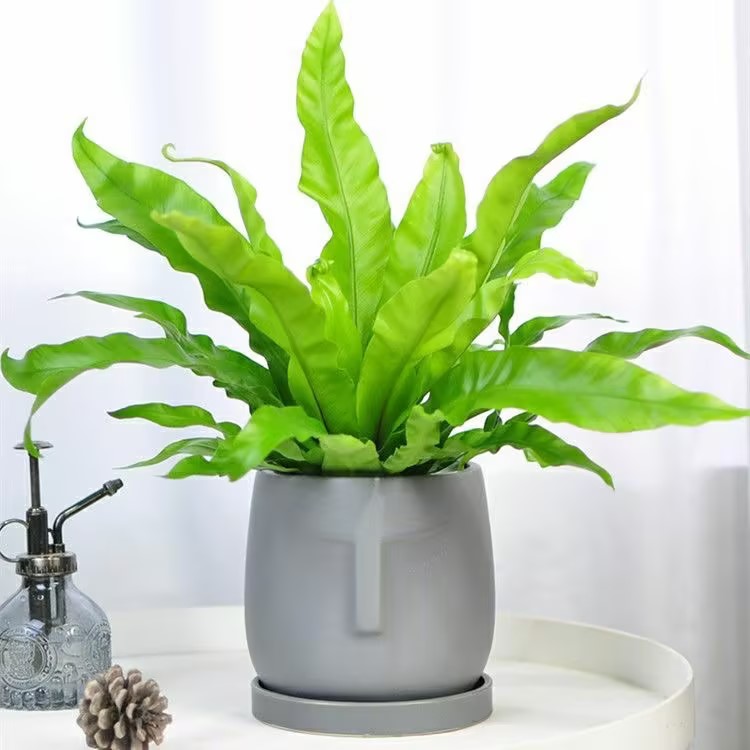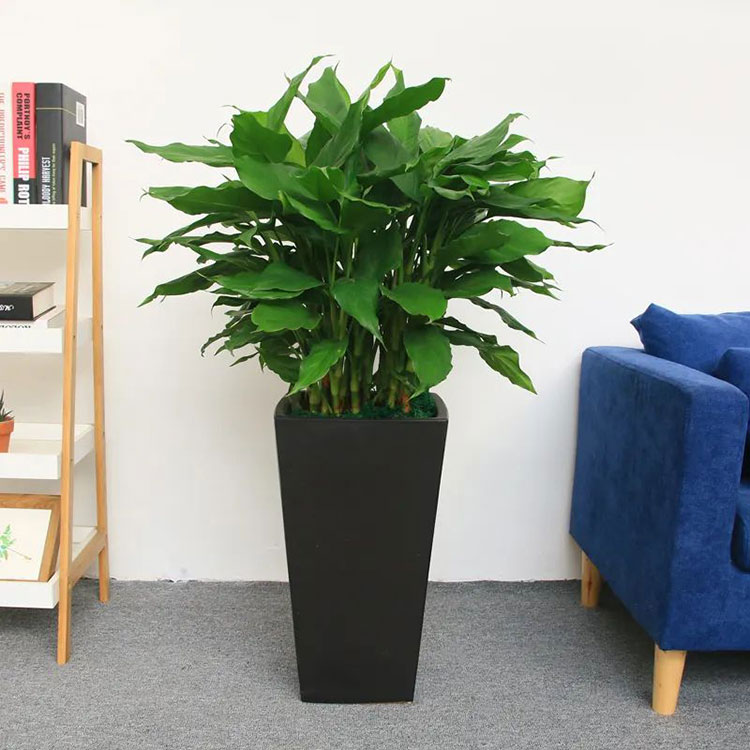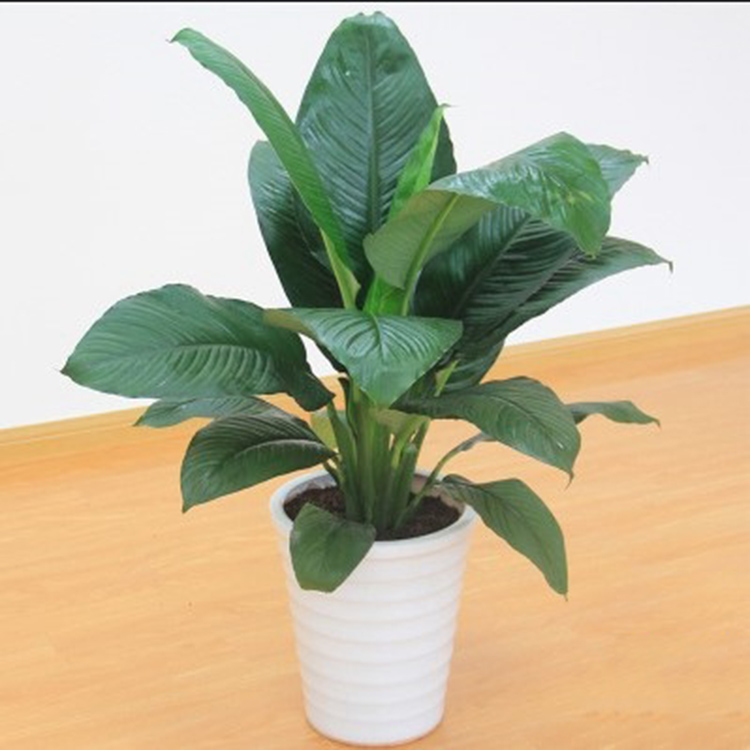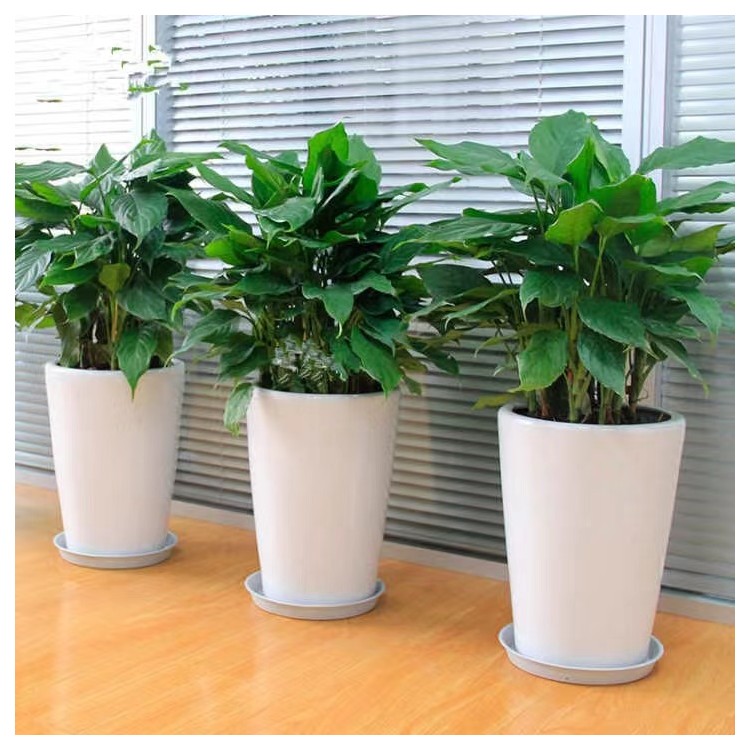

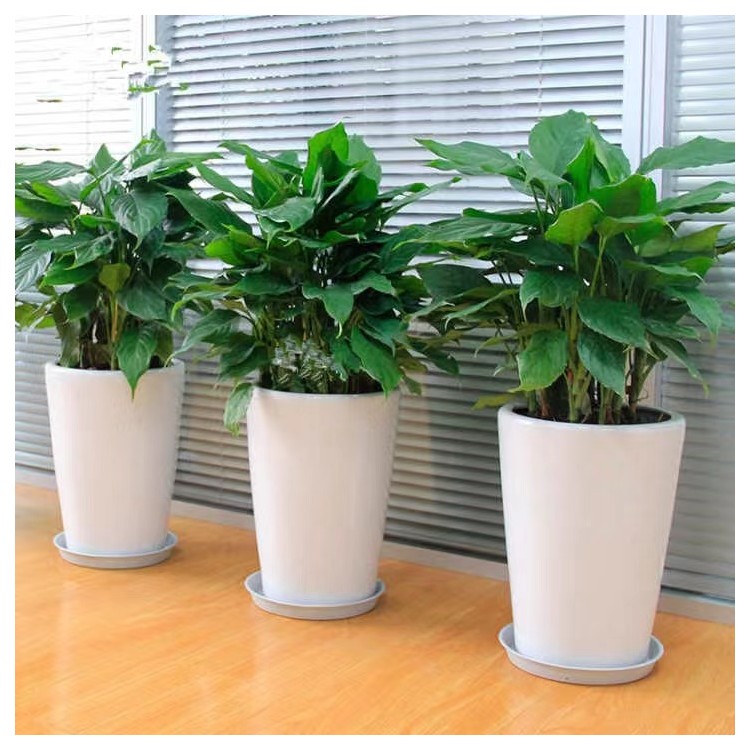
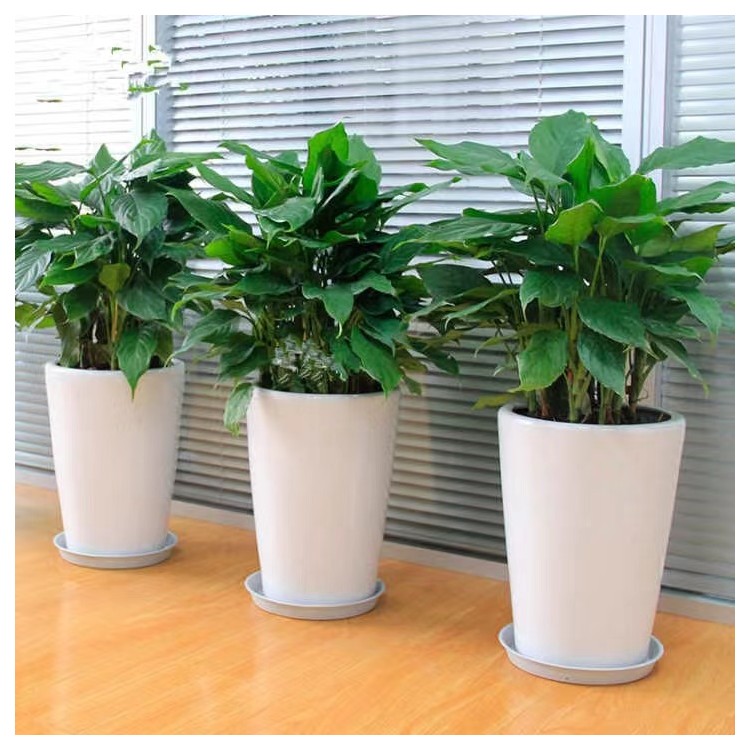
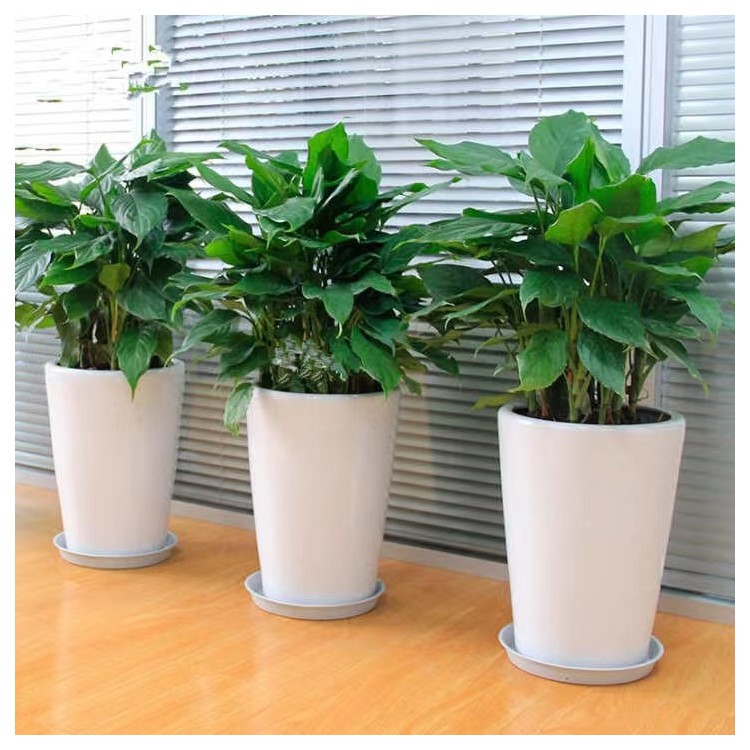


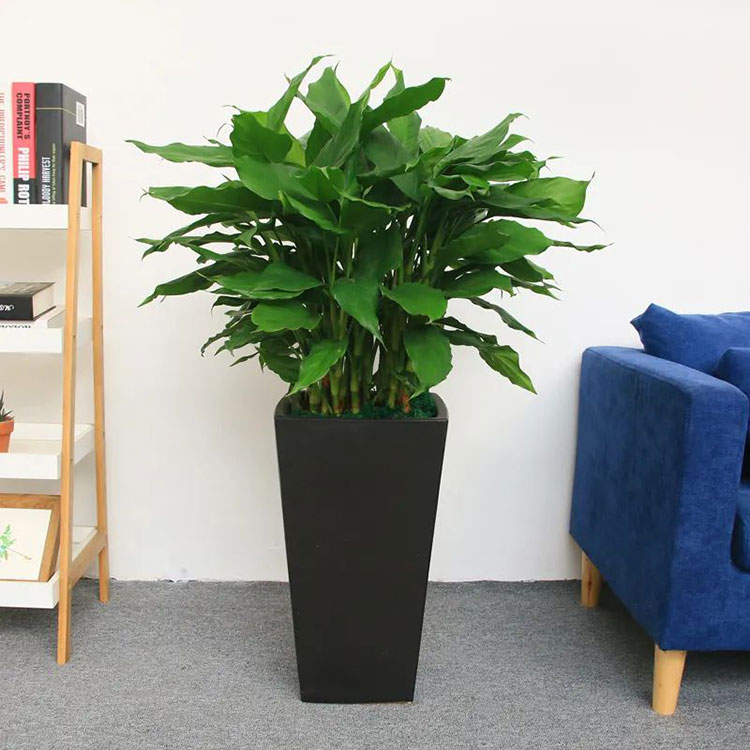
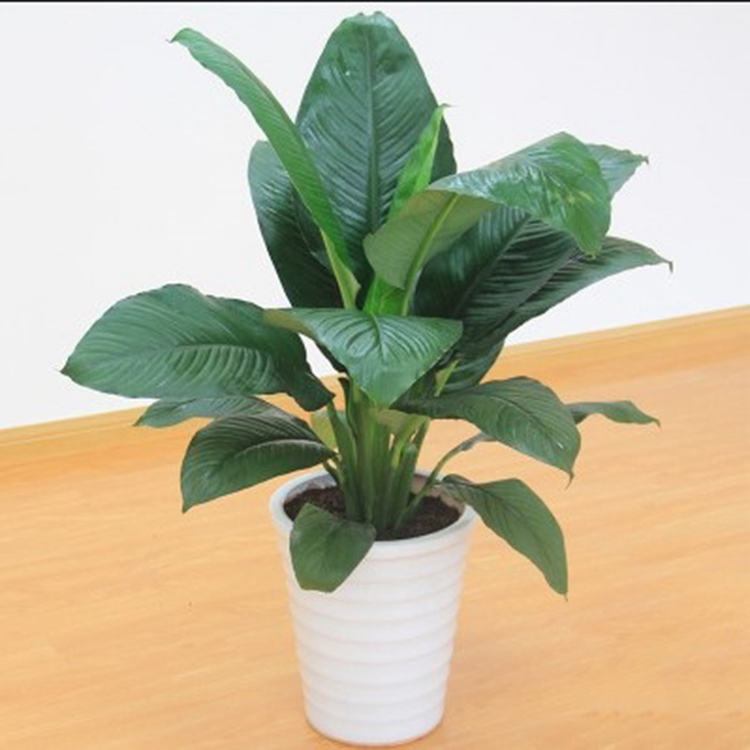





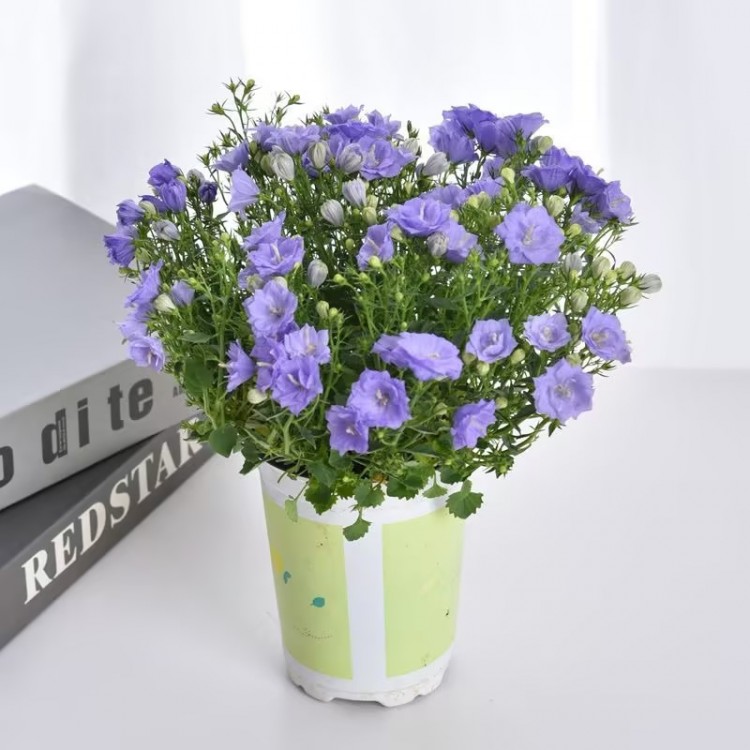

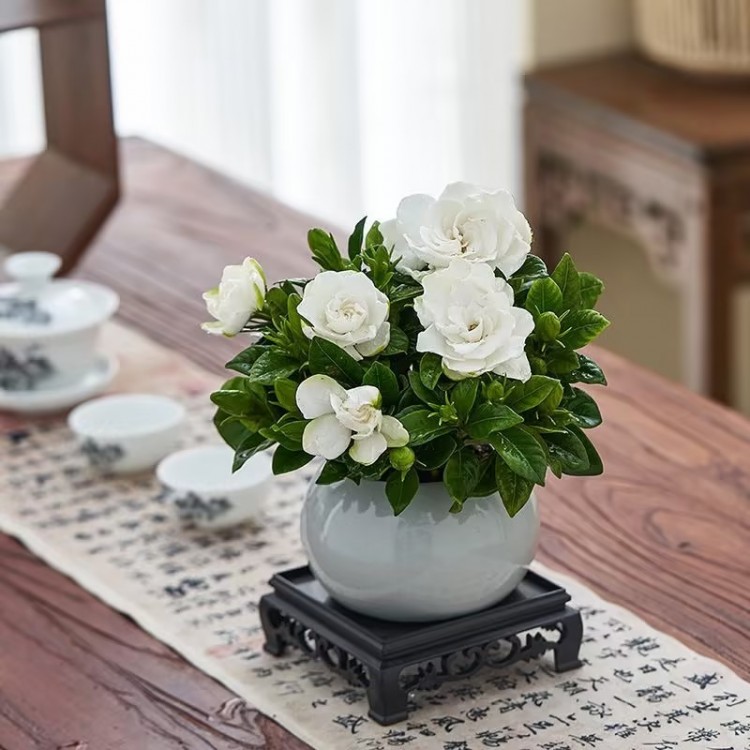
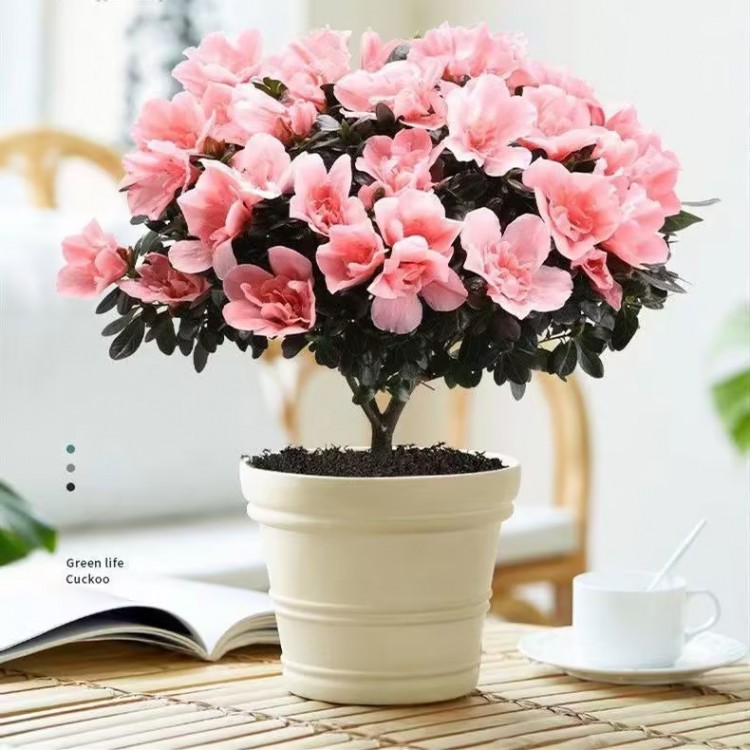
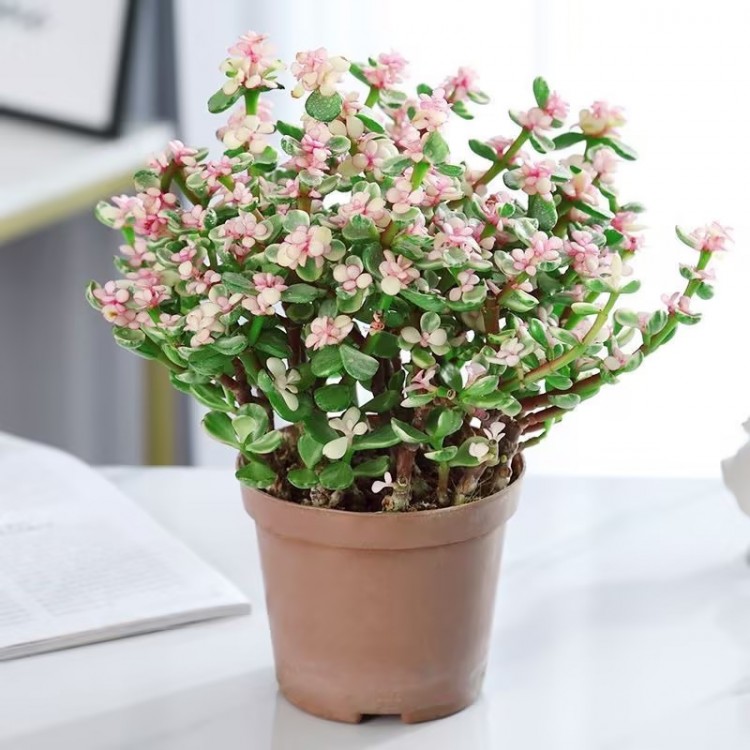

Wax begonia (Rohdea japonica (Thunb.) Roth) is a perennial herb of the Asparagaceae family within the Rohdea genus. The rhizome is short, with numerous fibrous roots; it is basal, thick and papery, oblong, lanceolate, or inversely lanceolate. The scape is lateral, with spike inflorescences that are somewhat fleshy; the bracts are ovate, membranous; the perianth is globose-campanulate, pale yellow; the berries are spherical, red when ripe; flowering period is May to June; fruiting period is September to November. The plant remains evergreen throughout winter, hence its name.
Wan Nian Qing is distributed in Shandong, Jiangsu, Zhejiang, Jiangxi, and other regions in China. It thrives in semi-shaded, warm, moist, and well-ventilated environments, is not drought-tolerant, moderately cold-resistant, and dislikes direct sunlight and waterlogging. It prefers a slightly acidic, loamy, well-drained sandy loam soil rich in humus for optimal growth. Wan Nian Qing is propagated by division.
Evergreen is used in medicine, with properties of clearing heat, detoxifying, strengthening the heart, and diuretic. It thrives in shade and moisture, making it an excellent shade-tolerant ground cover plant under forests. Evergreen has a long cultivation history in China, symbolizing wealth, auspiciousness, peace, and longevity, and is deeply beloved by people. Besides its ornamental value, Evergreen also boasts strong environmental benefits. It can remove harmful substances like nicotine and formaldehyde, absorb indoor toxins and pollutants, release oxygen, and refresh the mind, which is particularly beneficial for the elderly and children with weaker immunity.