














BHG-HGR Transformer Neutral Grounding Resistance Cabinet Principle
Common neutral grounding methods in our power system include: direct neutral grounding, non-neutral grounding, neutral grounding through an arc-suppression coil (resonant grounding), and neutral grounding through a resistor. The operation of power system grounding involves many important issues such as the safe operation of the power grid, power supply reliability, and user electricity safety. In terms of professional technology, it covers many fields such as power systems, overvoltage and insulation coordination, relay protection, communication and automatic control, electromagnetic compatibility, and grounding design, making it a comprehensive system issue.
Neutral point grounding through resistance involves串联 a resistor between the neutral point of the power grid and ground. Appropriately selecting the resistance value of the connected resistor can not only dissipate the energy of the half-wave of the single-phase grounding arc, thereby reducing the likelihood of arc re-ignition, suppress the magnitude of overvoltage in the power grid, but also enhance the sensitivity of relay protection devices to initiate tripping, effectively safeguarding the normal operation of the system.
In the power grid, especially in networks powered by cables, the use of resistive grounding is becoming increasingly widespread.
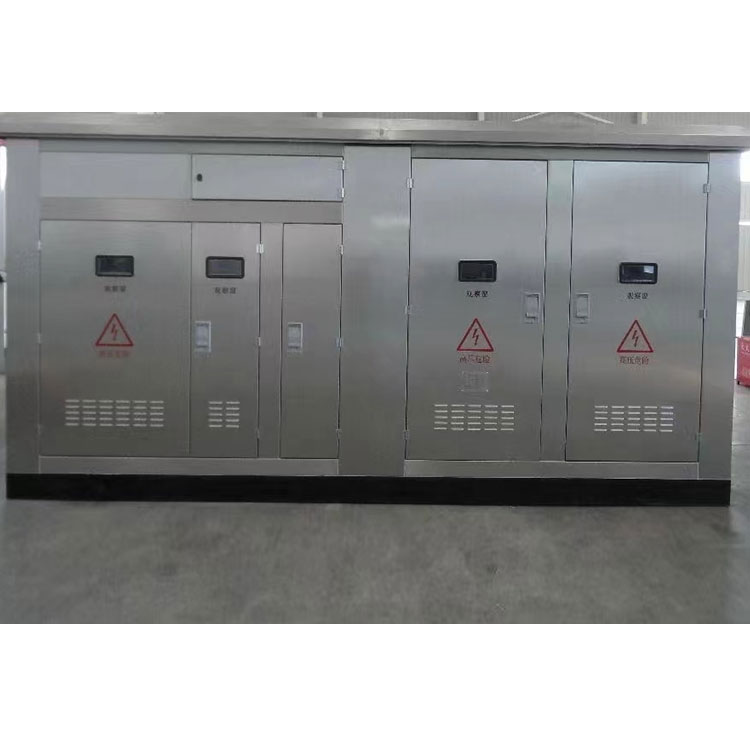
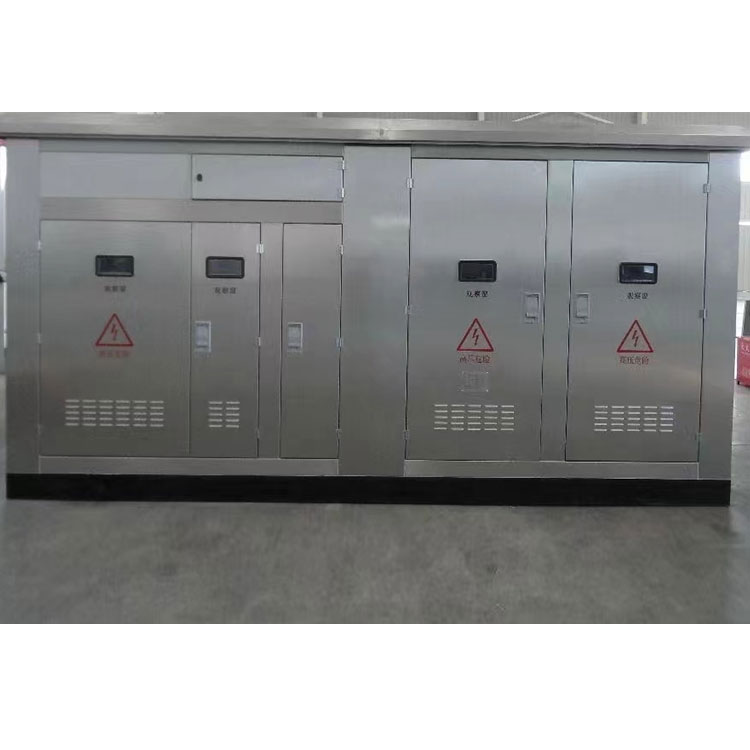
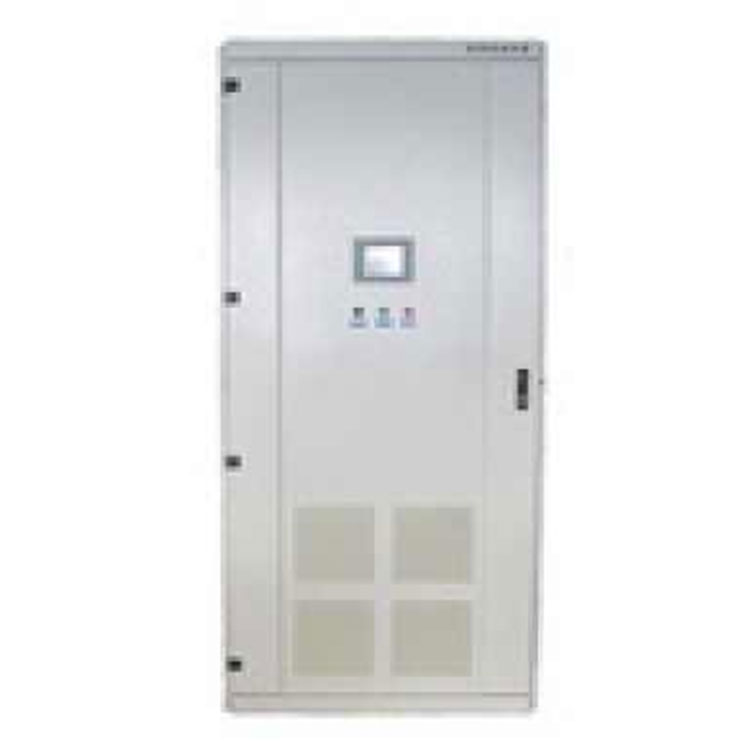
The Neutral Grounding Resistor Cabinet for Transformers is a complete grounding system that includes a grounding transformer. It can be installed in the power supply systems of power plants, substation supply systems, and distribution systems of industrial and mining enterprises, to implement the operation mode of neutral grounding through resistors in these power grids.
Principle: A current-limiting electrical protection device connected between the transformer neutral point and the earth. It does not operate during normal grid operation. When a fault occurs in the grid lines, the transformer neutral point voltage will shift. If a grounding resistor is connected to the transformer neutral point, it can force the distribution network neutral point to ground and limit the fault current, allowing relay protection devices sufficient time to detect and initiate tripping and backup switching, thus preventing damage to the distribution network and electrical equipment.