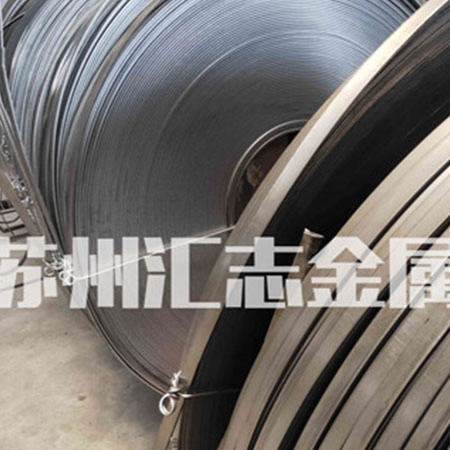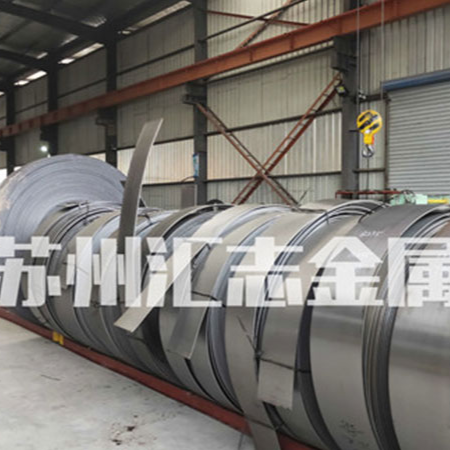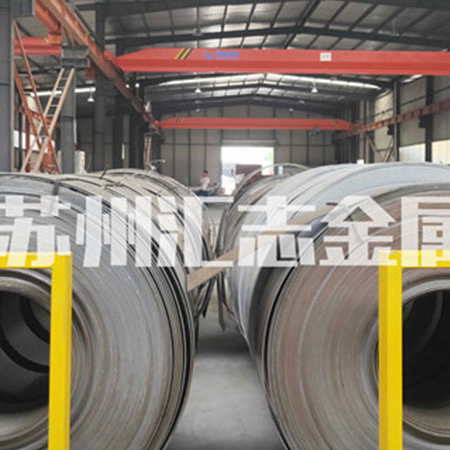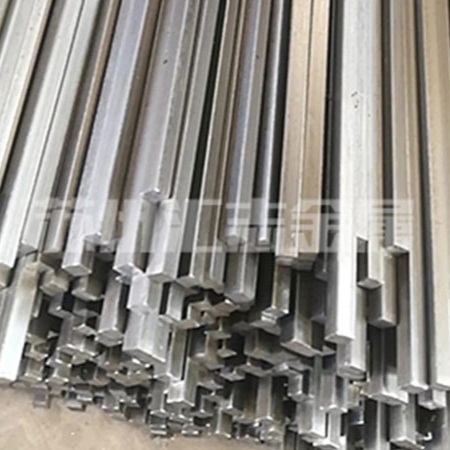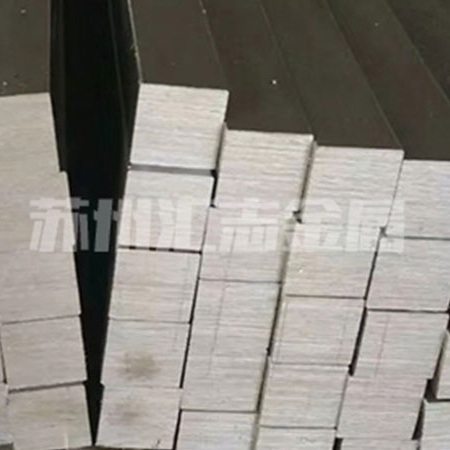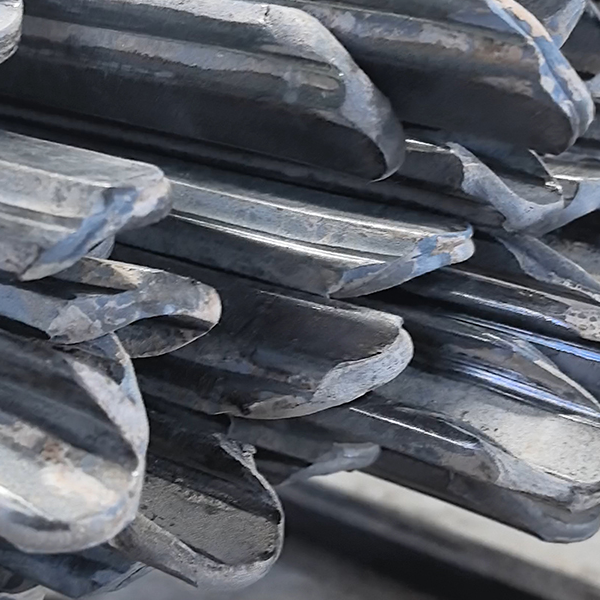
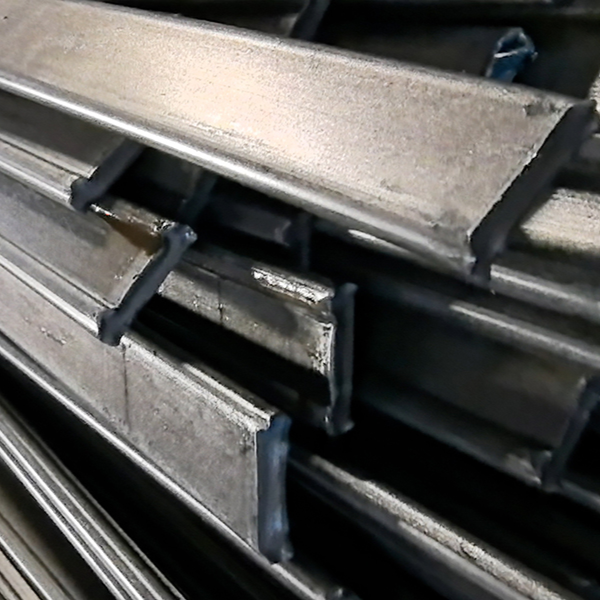
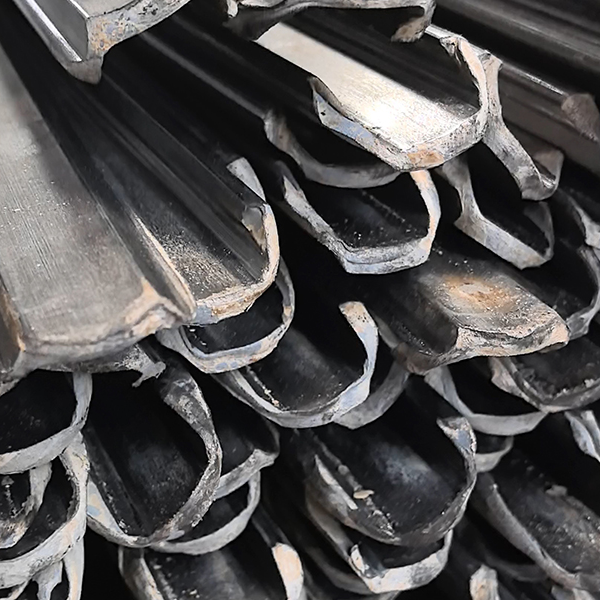
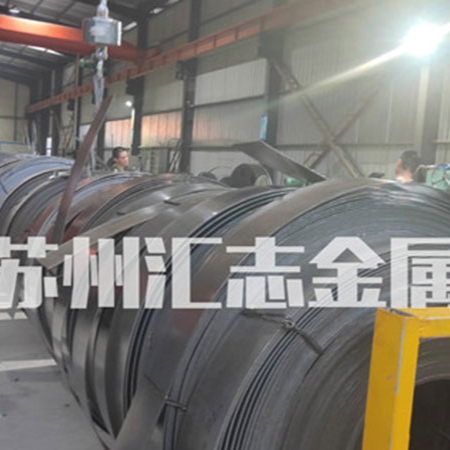
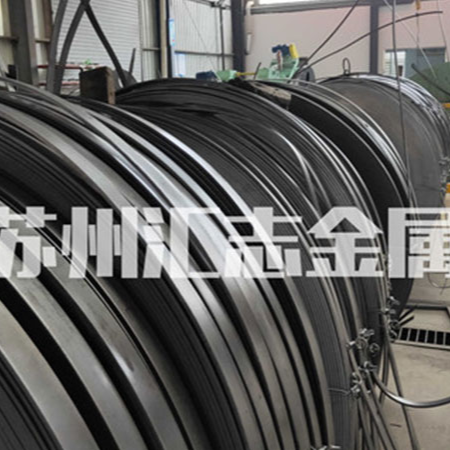





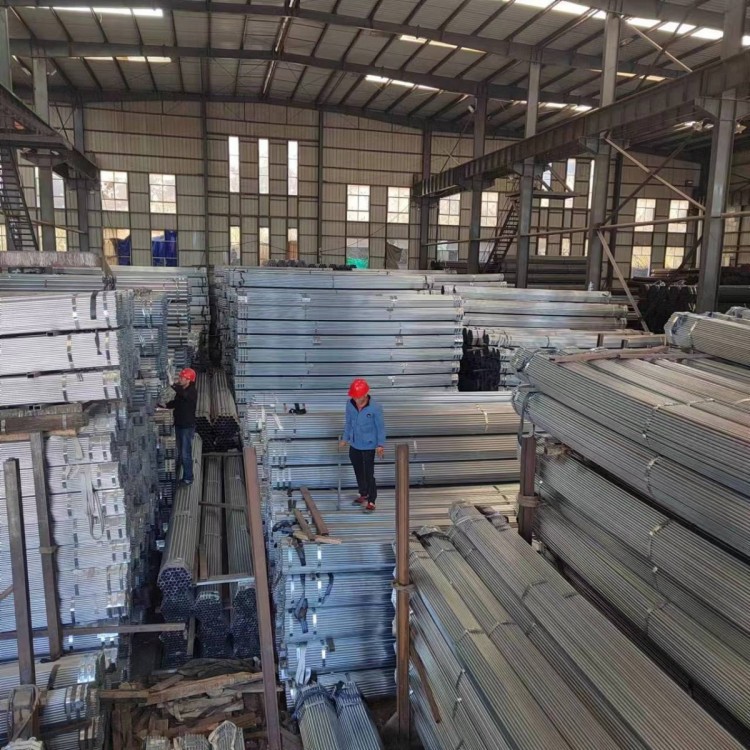


Equal angle steel is a type of steel with equal angles, also known as equal angle iron. Its cross-sectional shape is an equilateral triangle, with all three sides of equal length and each angle measuring 60 degrees. Equal angle steel is typically produced through hot rolling or cold bending processes and is commonly used in construction, machinery manufacturing, and bridge construction fields.
Equal angle steel features include:
High strength: Equal angle steel, due to its reasonable cross-sectional shape, can withstand considerable pressure and tensile force.
2. Good Stability: The equilateral steel angle's cross-sectional shape provides excellent stability, making it less prone to deformation or with minimal deformation.
3. Easy to Process: Equal angle steel is easy to cut, weld, and connect, allowing for processing and assembly as required.
4. Broad Applications: Equal angle steel is commonly used in building structures, support frames, mechanical manufacturing, and bridges, etc., with a wide range of application prospects.
Equal angle steel specifications and sizes can be customized according to requirements. Common specifications include 20mm×20mm, 30mm×30mm, 40mm×40mm, etc.
Angle steel is a steel with an L-shaped cross-section, featuring the following characteristics:
High strength: Angle steel, due to its unique cross-sectional shape, boasts high strength and rigidity, capable of withstanding substantial pressure and tension.
2. Excellent Corrosion Resistance: Angle steel is usually made of carbon steel or stainless steel, featuring good corrosion resistance, allowing for long-term use in humid, corrosive environments.
3. Easy Construction: The cross-sectional shape of the angle steel is simple, making it easy to cut, weld, and connect, facilitating construction and installation.
4. Wide Application: Angle steel is extensively used in construction, machinery manufacturing, electrical equipment, and automotive manufacturing, commonly employed in the construction of frames, supporting structures, and platforms.
5. Lower Cost: The production cost of angle steel is relatively low, making it economically priced and suitable for large-scale applications.
In summary, angle steel boasts high strength, excellent corrosion resistance, ease of construction, wide application, and low cost, making it extensively used in various fields.
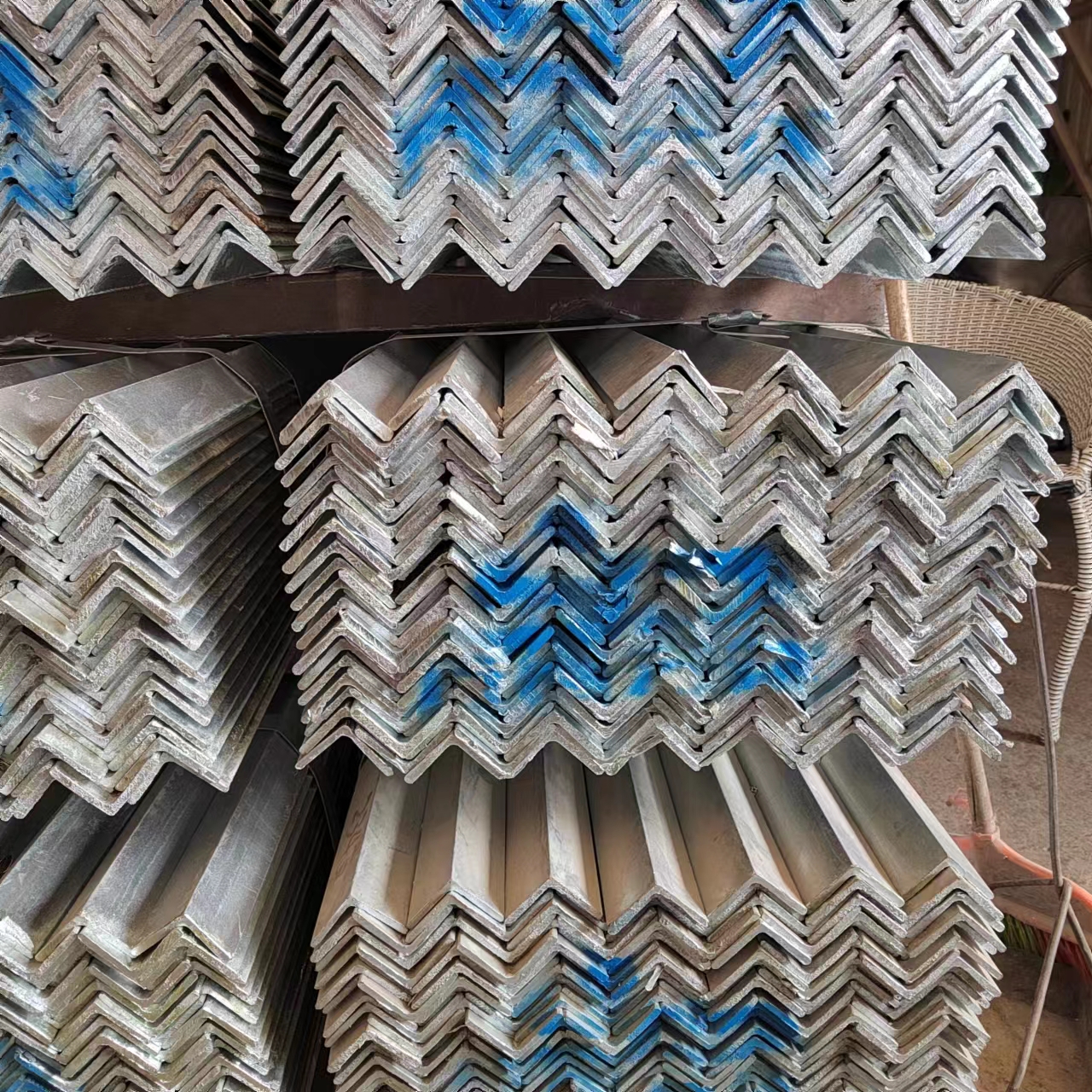
Galvanized angle iron is an angle iron that has undergone hot galvanizing, featuring the following characteristics:
1. Strong Corrosion Resistance: The galvanized layer effectively prevents the angle steel from contacting the external environment, thus avoiding oxidation and corrosion, and extending the service life of the angle steel.
2. Smooth and even surface: After hot-dip galvanizing treatment, the galvanized angle steel forms a uniform and dense zinc layer, resulting in a smooth and shiny surface.
3. High Strength: During the hot-dipped galvanizing process, the formation of the zinc layer enhances the strength of the angle steel, thereby improving its load-bearing capacity.
4. Easy to Process and Install: Galvanized angle iron features excellent malleability and weldability, allowing for cutting, bending, and welding as needed for convenient installation.
5. Aesthetically Pleasing and Durable: The galvanized angle steel boasts a bright appearance with decorative appeal, and the zinc coating offers excellent durability, being resistant to peeling and damage.
In summary, galvanized angle iron boasts characteristics such as corrosion resistance, high strength, smooth surface, easy machinability, and aesthetic durability, and is widely used in construction, mechanical manufacturing, and power equipment fields.
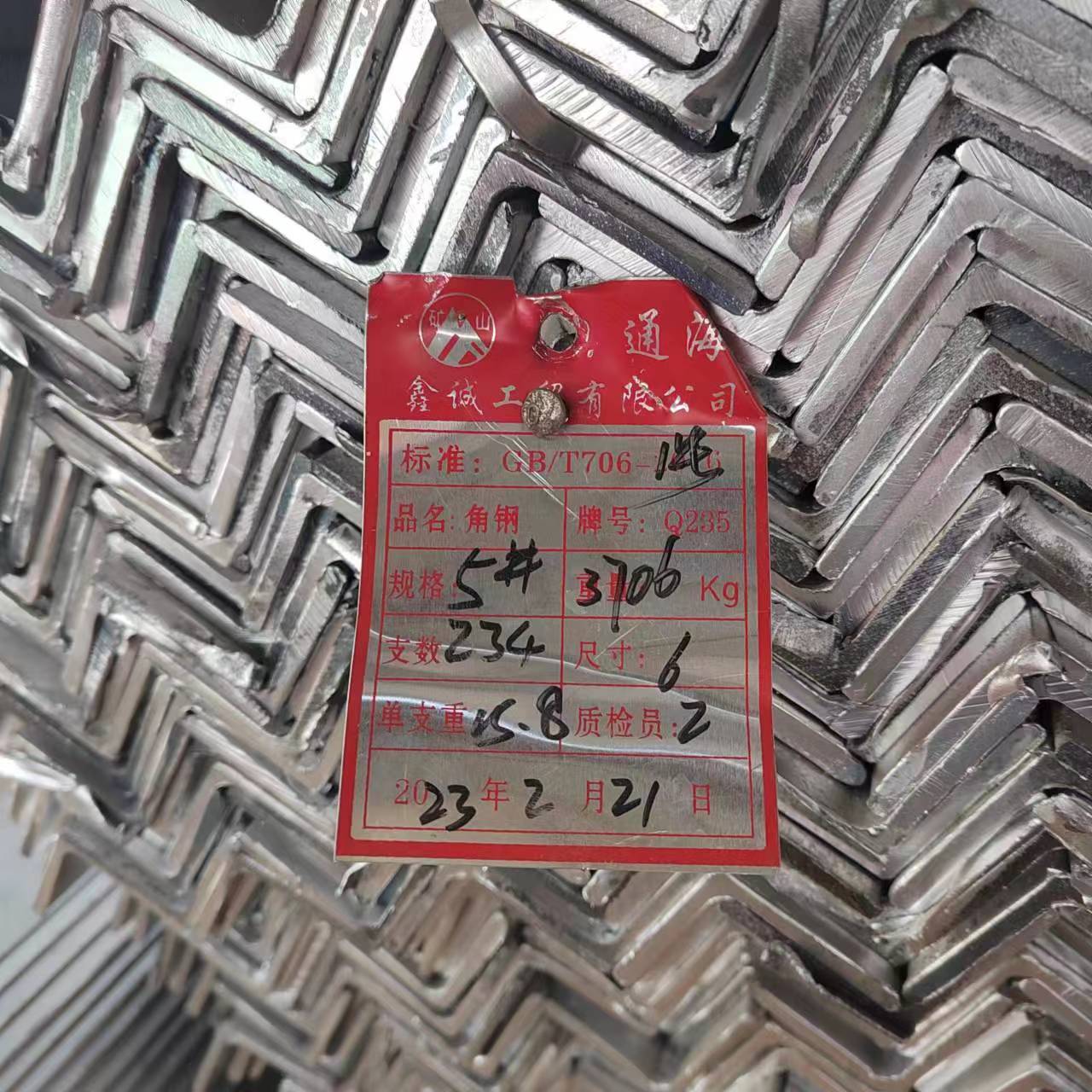
Low-alloy angle steel is a type of angle steel material with a lower content of alloy, featuring:
High strength: Low-alloy angle steel has higher yield and tensile strength compared to ordinary angle steel, meeting the requirements for higher strength structural designs.
2. Good toughness: Low-alloy angle steel features excellent toughness and ductility, allowing for good deformation and crack resistance under impact or load changes.
3. High Corrosion Resistance: Low-alloy angle steel usually contains some alloying elements such as chromium and molybdenum, which enhance its corrosion resistance, allowing it to maintain structural integrity for a longer period in humid and corrosive environments.
4. Excellent Construction Performance: Low-alloy angle steel boasts good weldability and machinability, allowing for easy cutting, welding, and forming processes.
5. Cost-Effective: Low-alloy angle iron has a lower alloy content compared to high-alloy angle iron, resulting in lower production costs. It is suitable for structural designs that require higher strength but do not necessitate a high alloy content.
In general, low-alloy angle steel boasts high strength, excellent toughness, and corrosion resistance, making it suitable for use in structural design and construction projects.
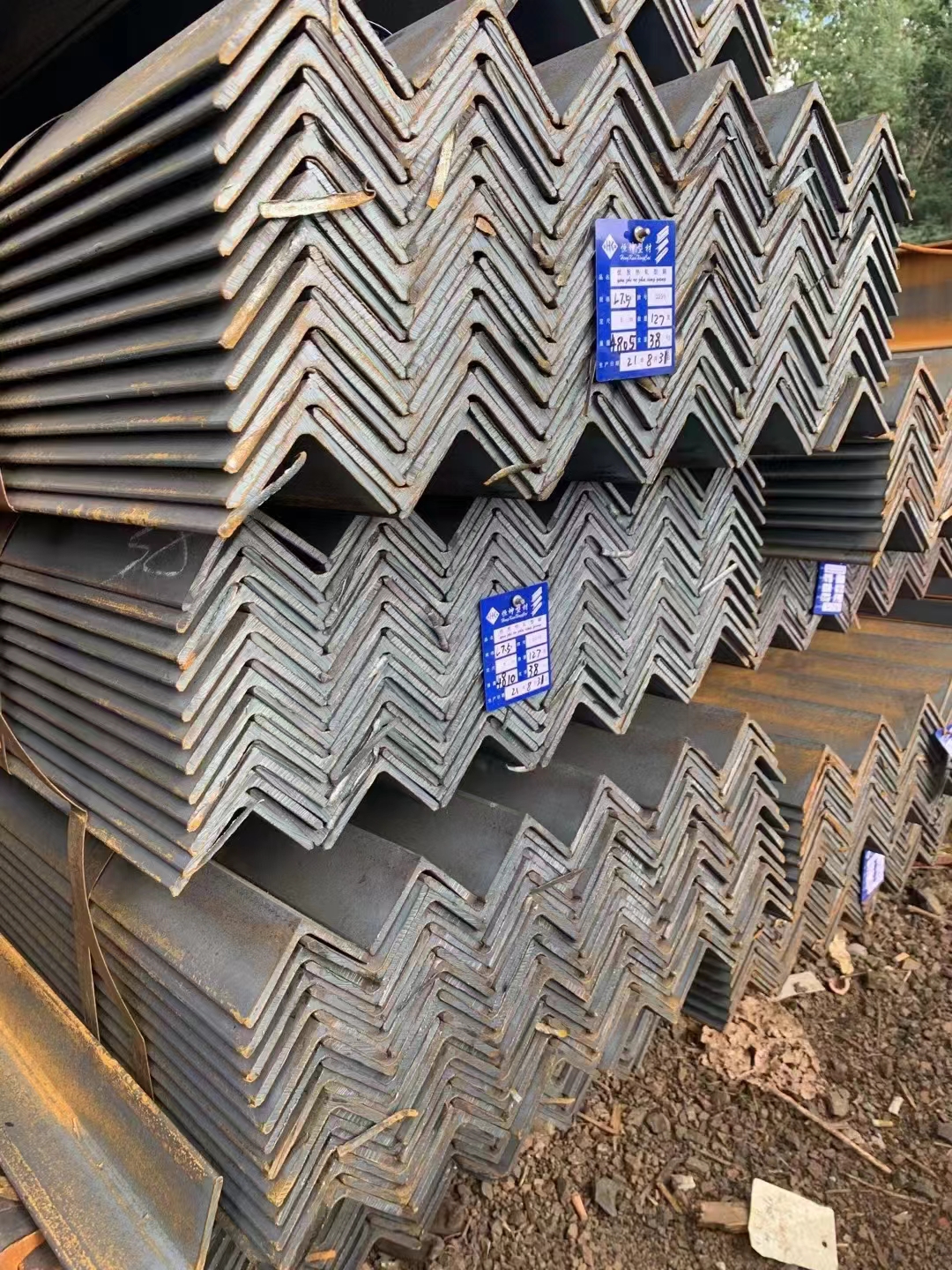
Hot-rolled angle iron is a common metal material featuring the following characteristics:
1. High Strength: Hot-rolled angle steel, after hot rolling processing, boasts high strength and rigidity, capable of withstanding substantial loads and pressures.
2. Excellent Malleability: Hot-rolled angle steel features good malleability, allowing for adjustments in shape and size through cold bending, cutting, welding, and other processing techniques.
3. Excellent Surface Quality: The hot-rolled angle steel is processed by hot rolling, resulting in a smooth and flat surface without any noticeable dents, ridges, or oxidation layers, ensuring an aesthetically pleasing appearance.
4. Easy to Weld: The material composition of hot-rolled angle steel is uniform, with a stable structure and good welding properties, allowing for welding processes such as arc welding and gas welding.
5. Economical and Practical: The production process for hot-rolled angle steel is simple, with relatively low costs, and is widely used in construction, manufacturing, and other fields.
6. Variety of Specifications Available: Hot-rolled angle steel comes in various sizes and thicknesses, allowing for selection of the appropriate dimensions to meet different requirements.
In summary, hot-rolled angle steel features high strength, excellent plasticity, good surface quality, ease of welding, cost-effectiveness, and a variety of available sizes, making it widely used in numerous fields.
Q345B angle steel has a wide range of applications, mainly including the following aspects:
1. Structural Construction: Q345B angle steel is suitable for beams, columns, frames, and other parts in building structures. It boasts strong load-bearing capacity and good stability, commonly used in high-rise buildings, bridges, tower cranes, and other projects.
2. Vehicle Manufacturing: Q345B angle steel is suitable for manufacturing vehicle bodies, undercarriages, frames, and other components for cars, trains, ships, etc. It boasts high strength and good wear resistance, providing excellent structural support and protection.
3. Mechanical Manufacturing: Q345B angle steel is suitable for manufacturing parts of machinery equipment such as machine tools, lifting equipment, mining equipment, etc. It features wear resistance, pressure resistance, and shock resistance, capable of meeting the usage requirements under complex working conditions.
4. Metallurgical Equipment: Q345B angle steel is suitable for manufacturing support frames, guide devices, and transmission components for metallurgical equipment. It boasts high strength, resistance to high temperatures and corrosion, and can withstand harsh working conditions.
5. Other Fields: Q345B angle steel can also be used to manufacture components for power equipment, chemical equipment, environmental protection equipment, and other fields, with broad application prospects.