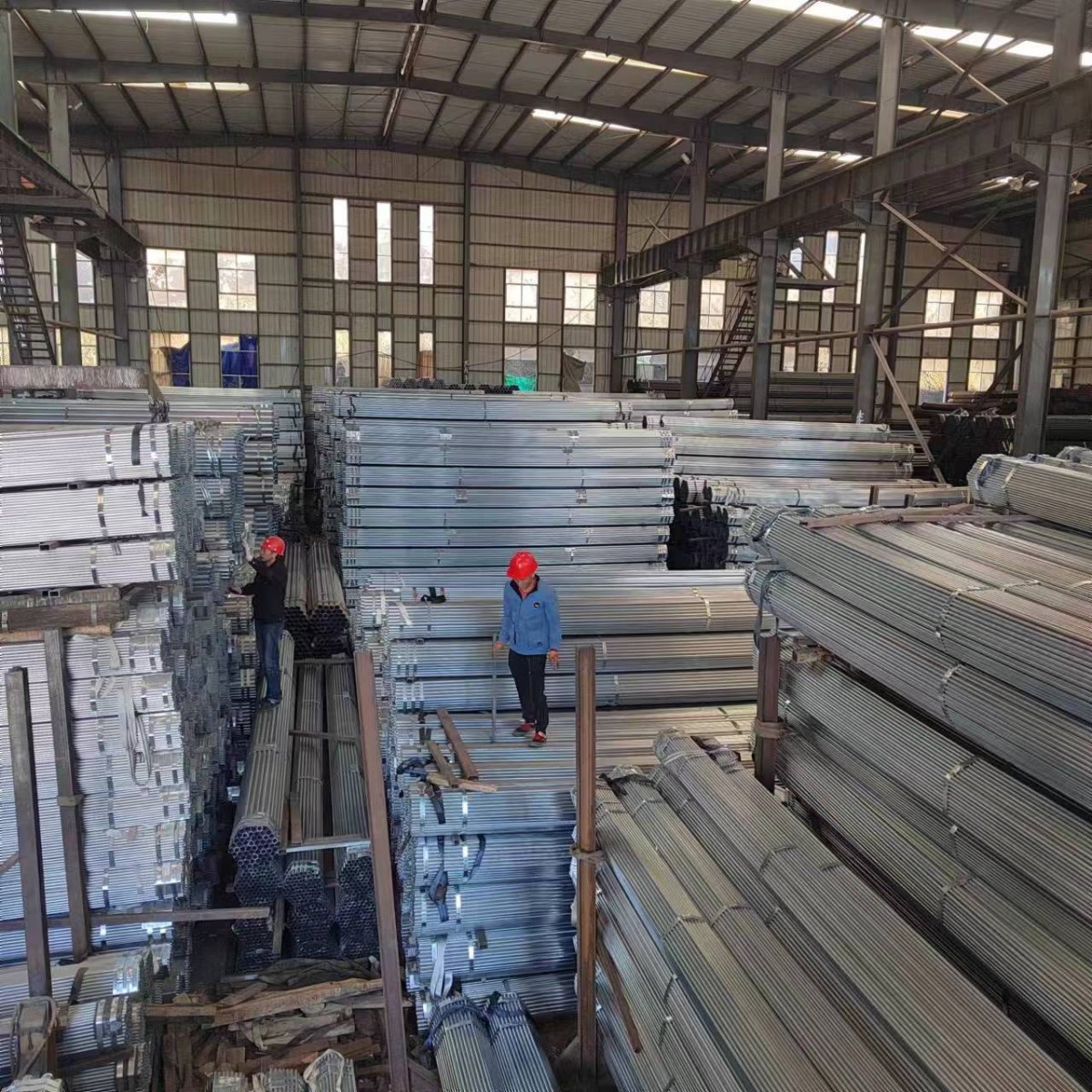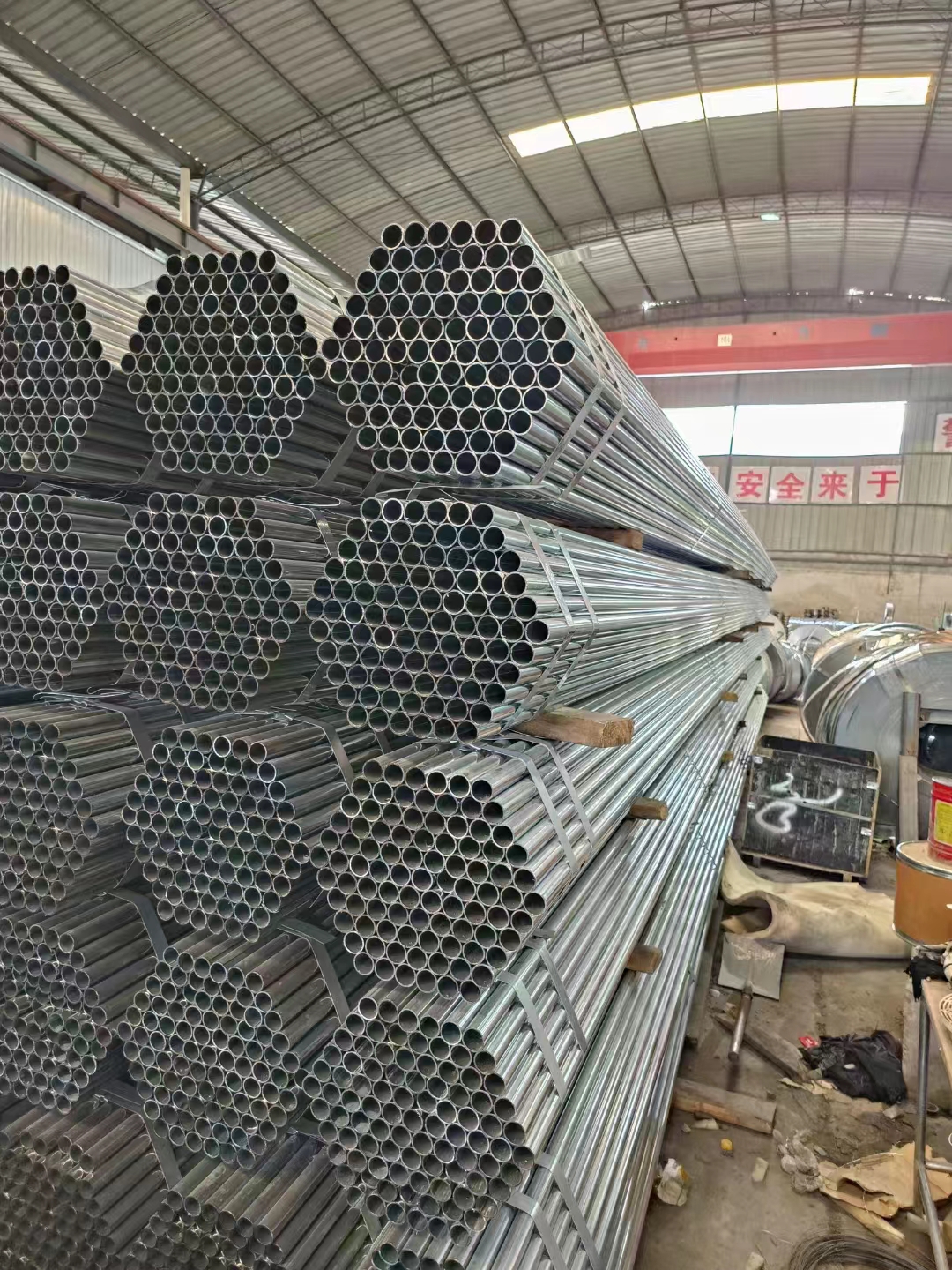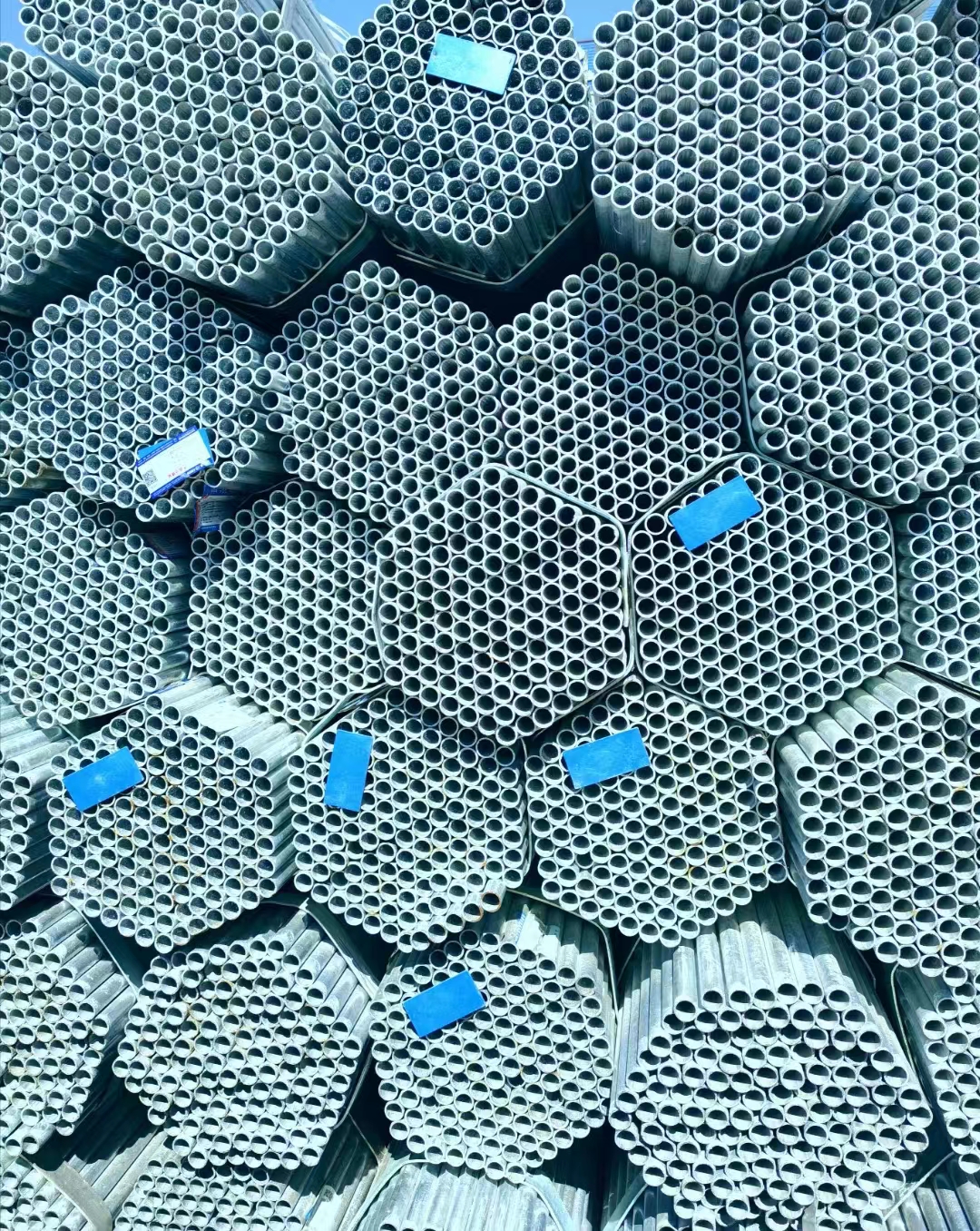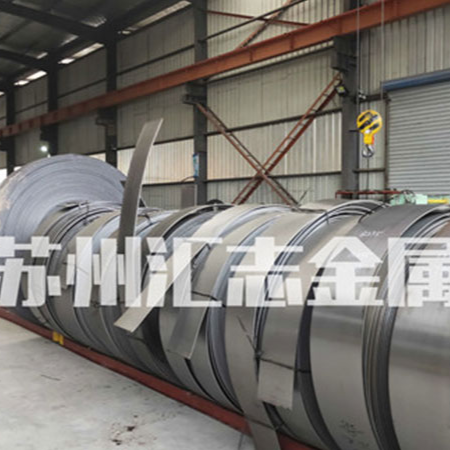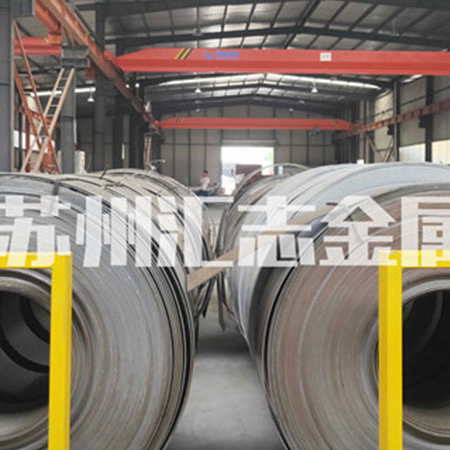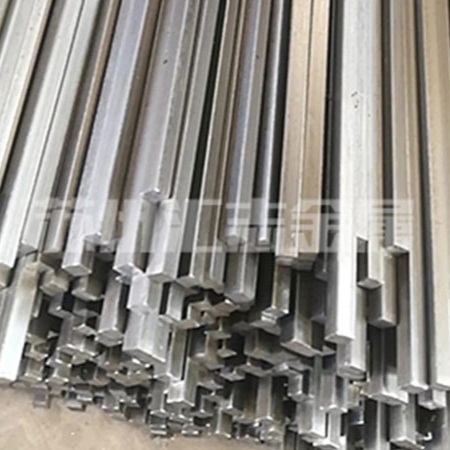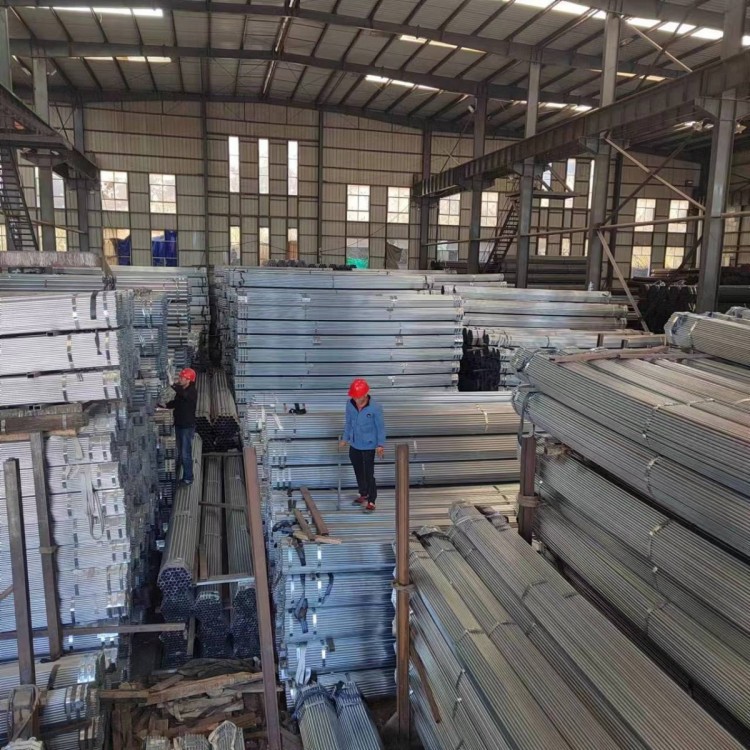

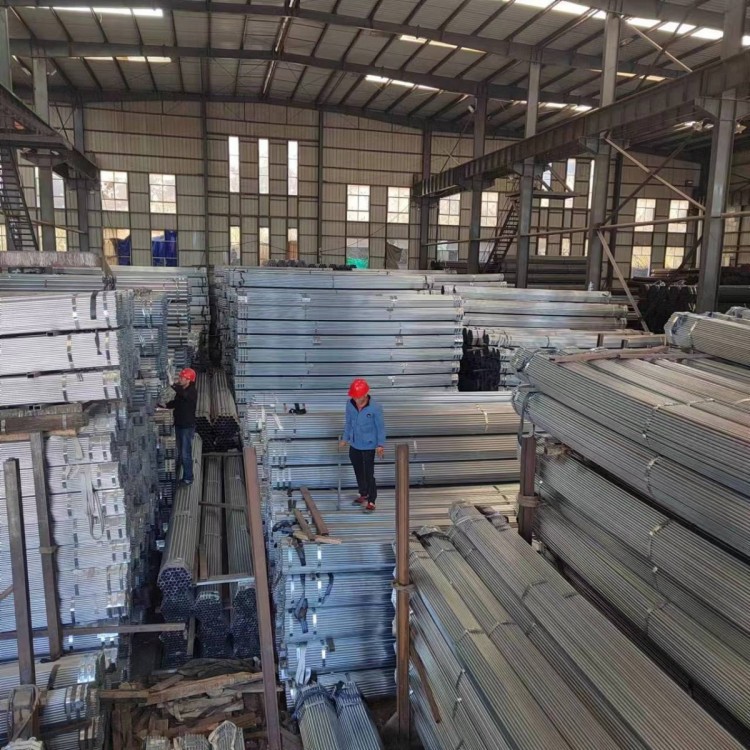
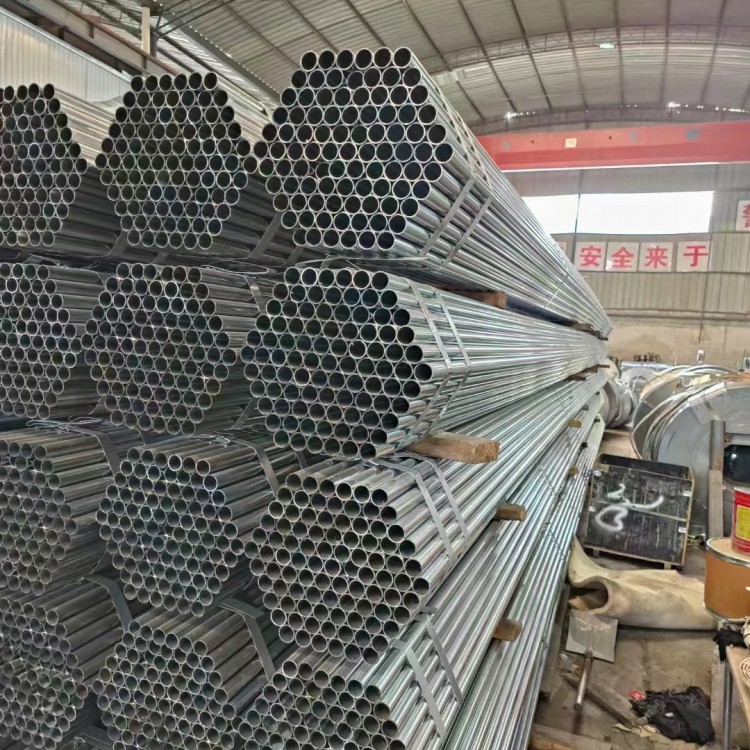
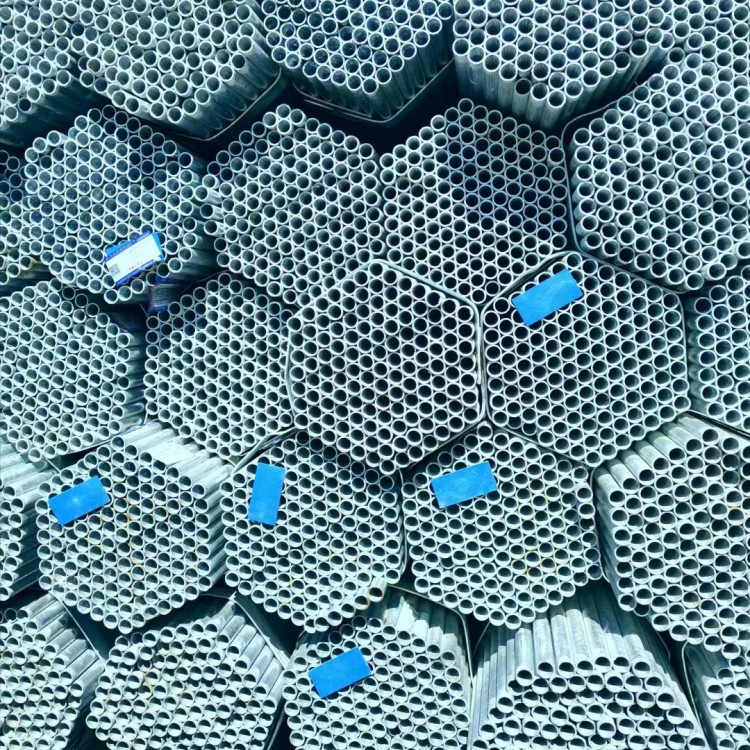


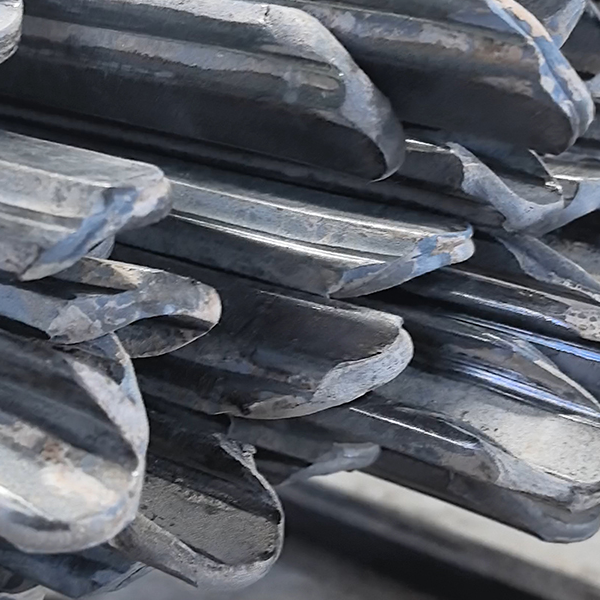
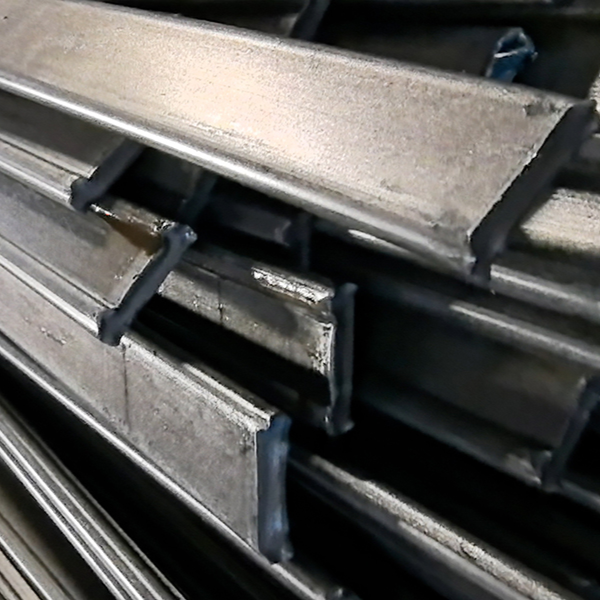
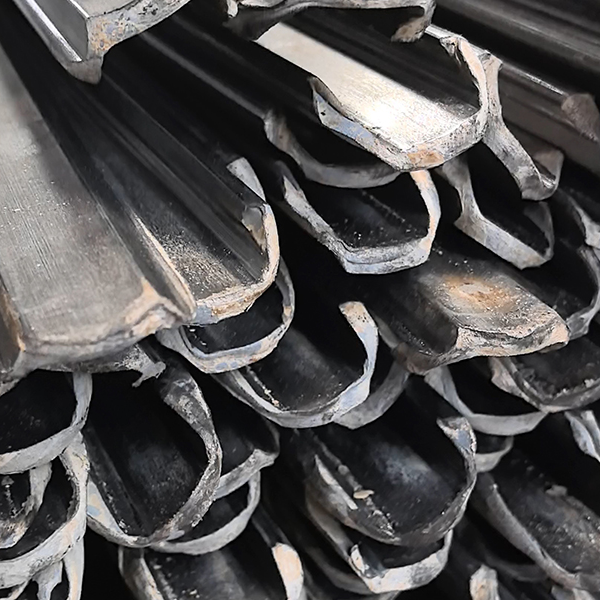
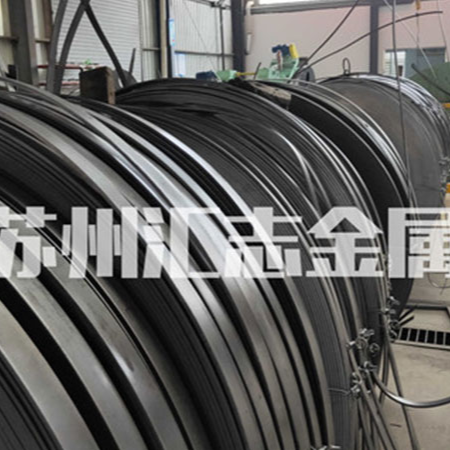







Galvanized angle iron is a product that enhances the corrosion resistance of angle iron by applying a layer of zinc to its surface. This is typically achieved by immersing the angle iron in molten zinc, causing a chemical reaction between the zinc and the angle iron surface to form a zinc-iron alloy layer, thereby protecting the angle iron.
Galvanized angle iron offers the following advantages:
Good corrosion resistance: The galvanized layer effectively prevents oxidation and corrosion of the angle steel surface, extending the service life of the angle steel.
2. Excellent decorative appearance: The galvanized angle steel features a smooth and shiny surface, with a certain degree of decorative value, suitable for indoor and outdoor architectural decoration.
3. Easy Installation: Galvanized angle steel can be used directly without any additional anti-corrosion treatment, ensuring convenient and quick installation.
Galvanized angle steel is widely used in construction, bridges, and machinery manufacturing, with common sizes including 20*20mm, 25*25mm, and 30*30mm.
Q345B angle steel is a commonly used building material with the following characteristics:
1. High Strength: The tensile strength of Q345B angle steel ranges from 470 to 630 MPa, classifying it as high-strength steel capable of bearing substantial loads.
2. Excellent Corrosion Resistance: Q345B angle steel, after hot-dip galvanizing or coating treatment, can effectively resist corrosion from atmosphere, water, and chemicals, extending its service life.
3. Good Malleability: Q345B angle steel is easy to process and shape, allowing for cutting, welding, bending, and other operations as needed, suitable for structures with complex shapes.
4. Easy Construction: The Q345B angle steel is lightweight and easy to install, which can enhance construction efficiency and reduce labor and time costs.
5. Economical and Practical: Q345B angle steel is relatively low in price and serves as an economical and practical building material, widely used in construction, bridges, and machinery manufacturing fields.
Overall, Q345B angle steel boasts high strength, corrosion resistance, good formability, ease of construction, and cost-effectiveness, making it an ideal structural material.
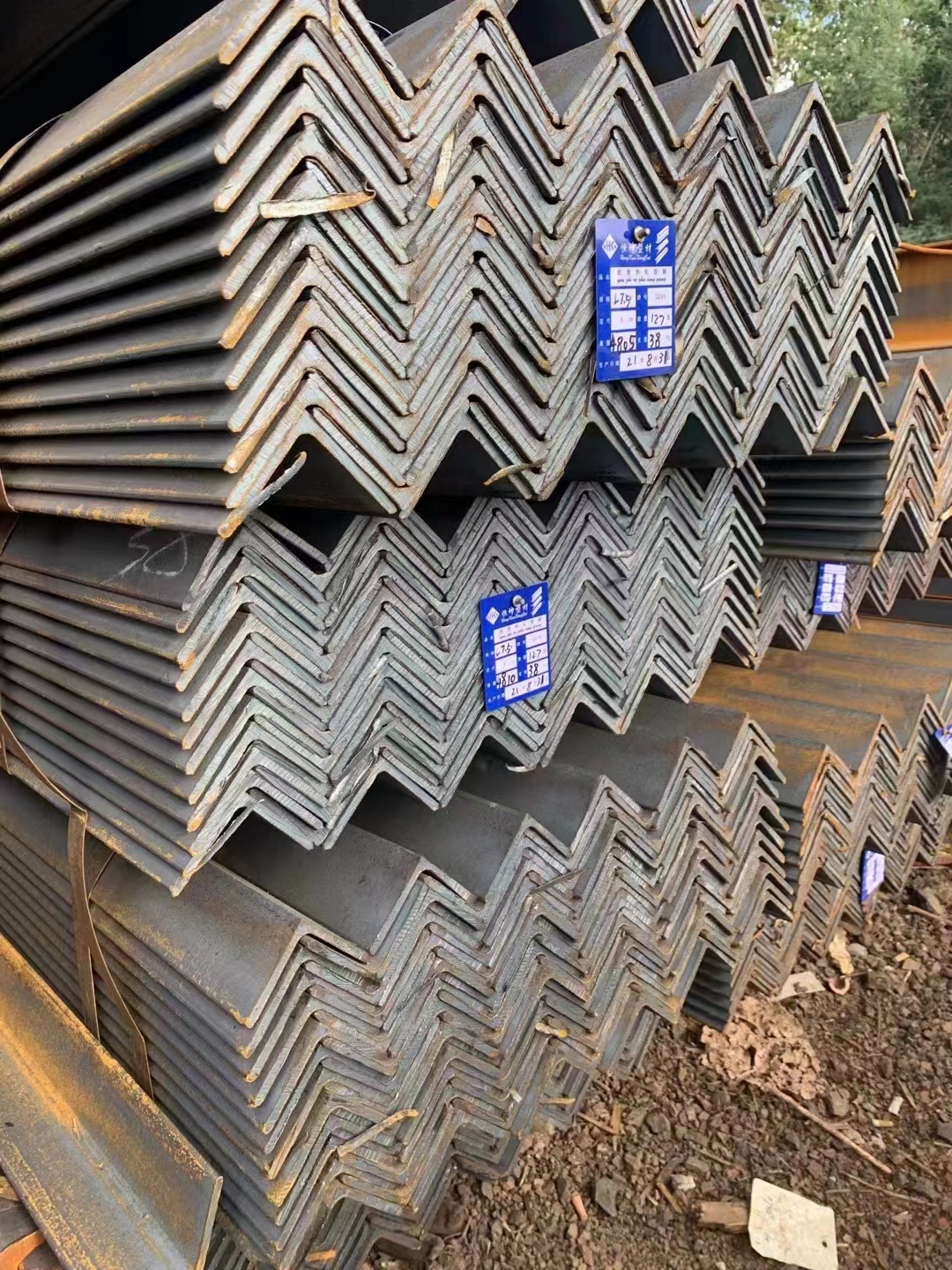
The characteristics of the national standard angle steel are as follows:
Uniform Specifications: The national standard angle steel adopts the unified specifications as stipulated by the standard, including the size, cross-sectional shape, and weight requirements of the angle steel, ensuring the uniformity and interchangeability of the products.
Material: Made of steel according to national standards, the angle steel has high strength and hardness, capable of withstanding significant pressure and weight.
3. High Precision Machining: National standard angle steel undergoes precise processing and heat treatment, featuring high machining accuracy and surface quality, meeting the requirements of engineering and construction.
4. Easy to Use: National standard angle steel is easy to install, can be cut, welded, and connected as needed, suitable for construction, machinery and equipment, and bridge applications.
5. Excellent Corrosion Resistance: The national standard angle steel is treated for rust prevention, featuring good corrosion resistance and suitable for long-term use in harsh environments.
6. Economical and Practical: The national standard angle steel is relatively low in price with high cost-performance, widely used in construction and engineering fields.
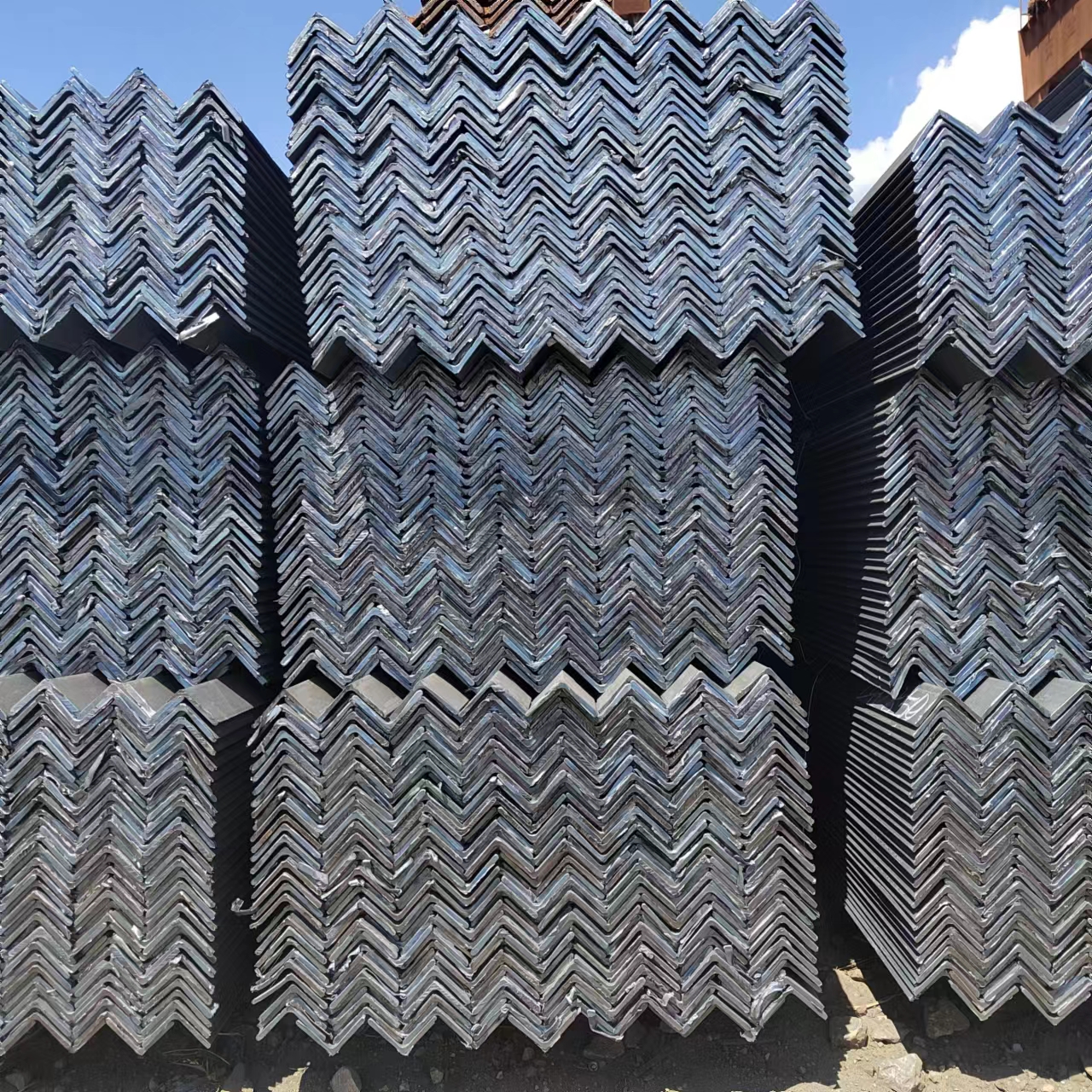
Low-alloy angle steel is a type of angle steel material with a lower alloy content, featuring:
High strength: Low alloy angle steel has higher yield and tensile strength compared to regular angle steel, meeting the needs of structural designs with higher strength requirements.
2. Good toughness: Low-alloy angle steel features excellent toughness and ductility, capable of withstanding deformation and crack resistance during impact or load changes.
3. Strong Corrosion Resistance: Low-alloy angle steel typically contains alloying elements such as chromium and molybdenum, which enhance its corrosion resistance, allowing it to maintain structural integrity for longer periods in damp and corrosive environments.
4. Excellent Construction Performance: Low-alloy angle steel features good weldability and machinability, allowing for easy cutting, welding, and forming processing.
5. Lower Cost: Compared to high-alloy angle steel, low-alloy angle steel has a lower alloy content, resulting in a relatively lower production cost. It is suitable for structural designs that require high strength but do not demand a high alloy content.
In general, low-alloy angle steel boasts high strength, excellent toughness, and corrosion resistance, making it suitable for use in structural design and construction projects.
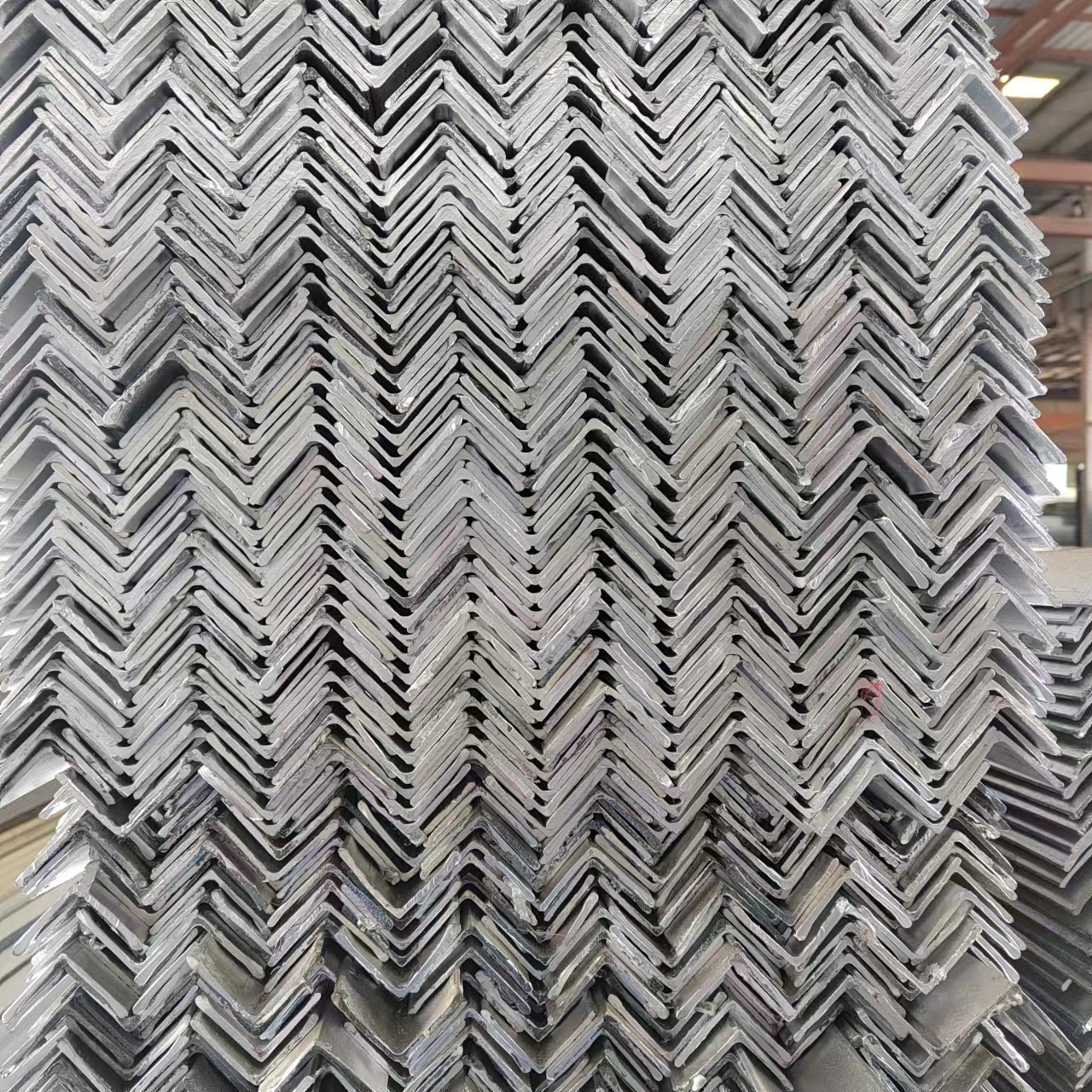
Angle iron is a steel with an L-shaped cross-section, featuring the following characteristics:
High strength: Angle steel has high strength and rigidity due to its special cross-sectional shape, capable of withstanding significant pressure and tension.
2. Excellent Corrosion Resistance: Angle steel is typically made of carbon steel or stainless steel, offering good corrosion resistance and capable of long-term use in humid, corrosive environments.
3. Easy Construction: The section shape of angle steel is simple, making it easy to cut, weld, and connect, facilitating construction and installation.
4. Wide Application: Angle steel is extensively used in construction, machinery manufacturing, electrical equipment, and automotive manufacturing fields, commonly employed for constructing frames, supporting structures, and building platforms.
5. Cost-Effective: The production cost of angle steel is relatively low, making it more economically priced and suitable for large-scale applications.
In summary, angle steel boasts high strength, excellent corrosion resistance, ease of construction, wide application, and low cost, making it extensively used in various fields.
Angle steel is a steel with an L-shaped cross-section, commonly used in construction, machinery manufacturing, shipbuilding, and other fields. The following are some common applications of angle steel:
1. Building Structure: Angle steel is commonly used in building structures to reinforce and support walls, roofs, beams, columns, etc., enhancing the stability and load-bearing capacity of the structure.
2. Mechanical Manufacturing: Angle iron is used for the construction of machinery frames, supporting structures, transmission parts, etc., offering excellent rigidity and load-bearing capacity.
3. Shipbuilding: Angle steel is commonly used in the keel and supporting structures of ship hulls, enhancing the strength and stability of the ship's structure.
Bridge Engineering: Angle steel is commonly used in the supporting structures and beams of bridges, enhancing their load-bearing capacity and stability.
5. Railway Engineering: Angle steel is commonly used in the supporting structures of railway tracks and fixed bases, enhancing the stability and safety of the tracks.
6. Steel Structure Manufacturing: Angle steel is suitable for the production of steel structures, such as steel frames, steel sheds, steel panel houses, etc., offering excellent strength and stability.
In addition to the common uses mentioned above, angle steel can also be used to manufacture shelves, workbenches, guardrails, door and window frames, and other industrial and civil facilities. Due to its high strength, light weight, and ease of processing, angle steel finds extensive applications in various fields.