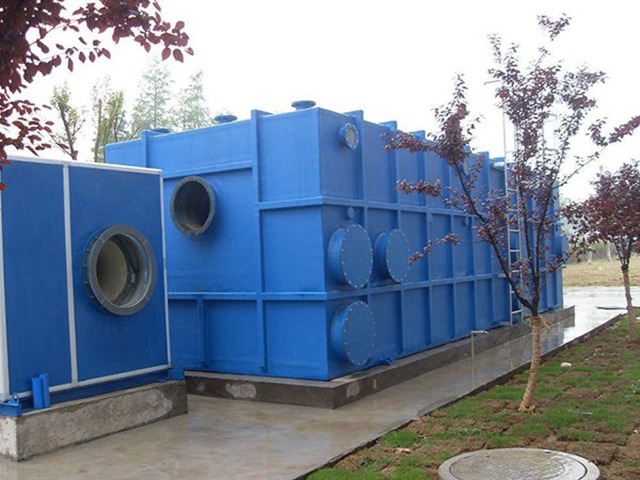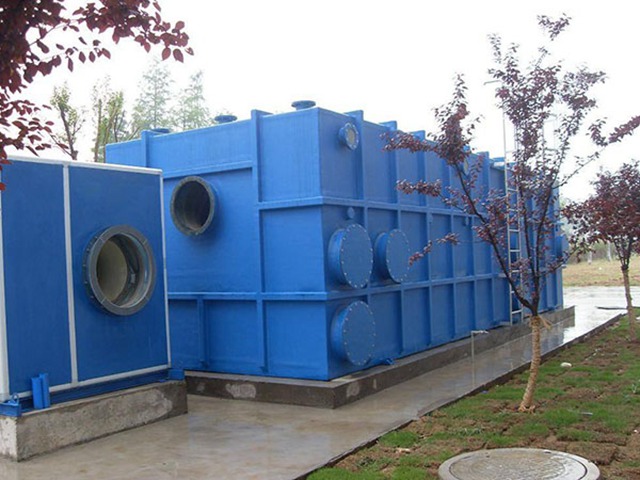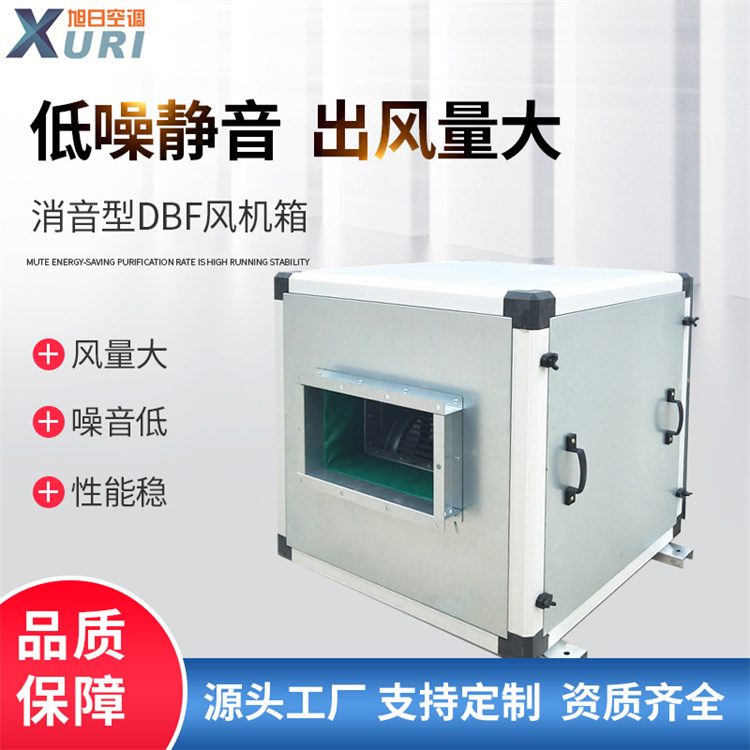
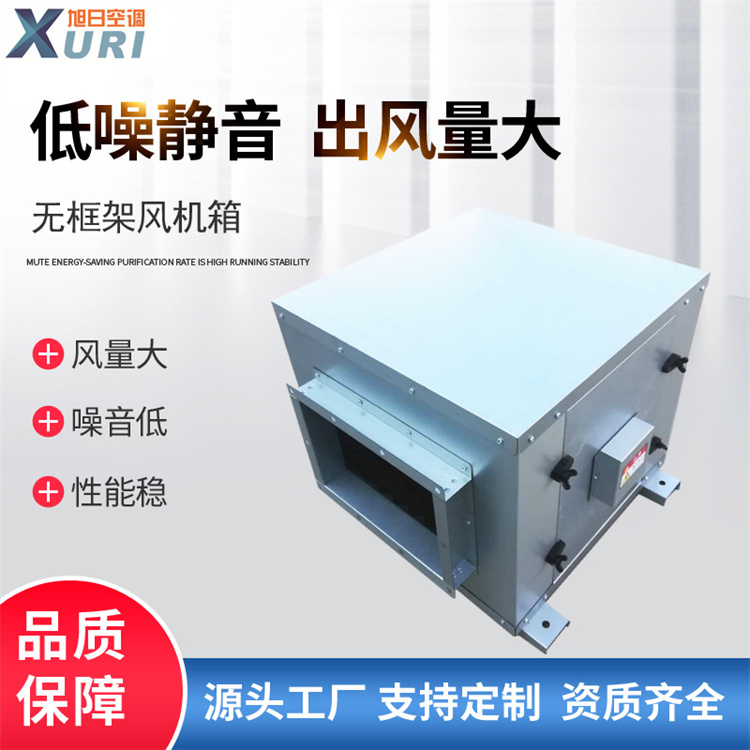









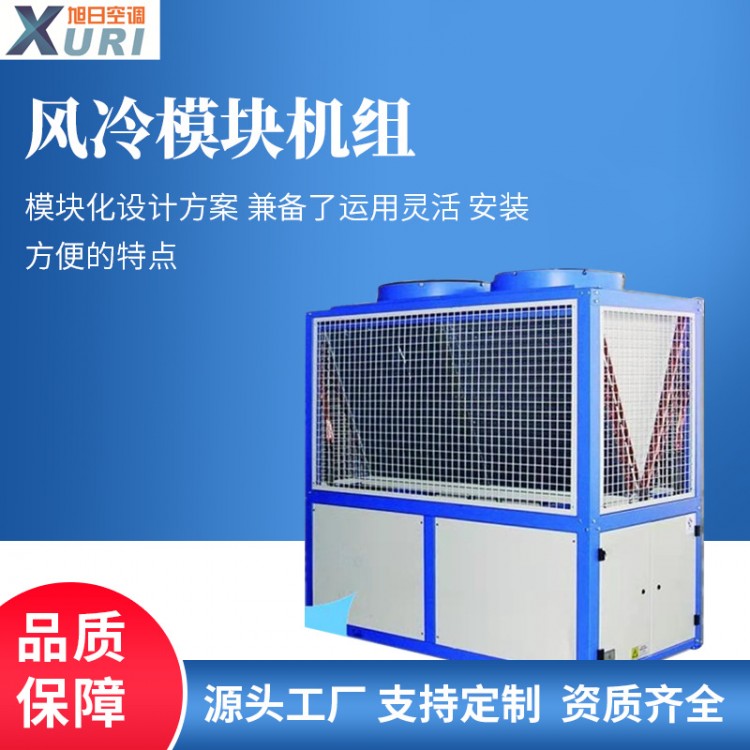
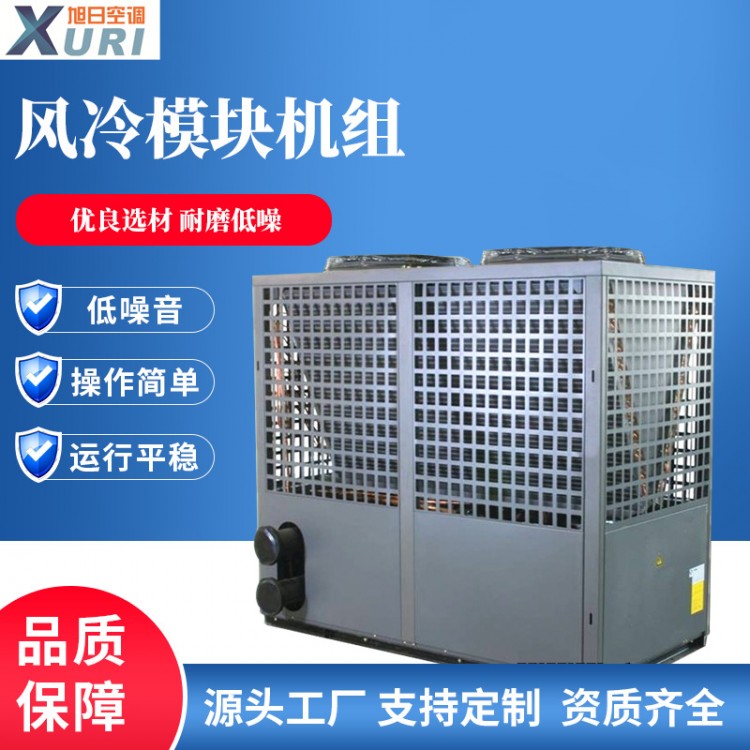
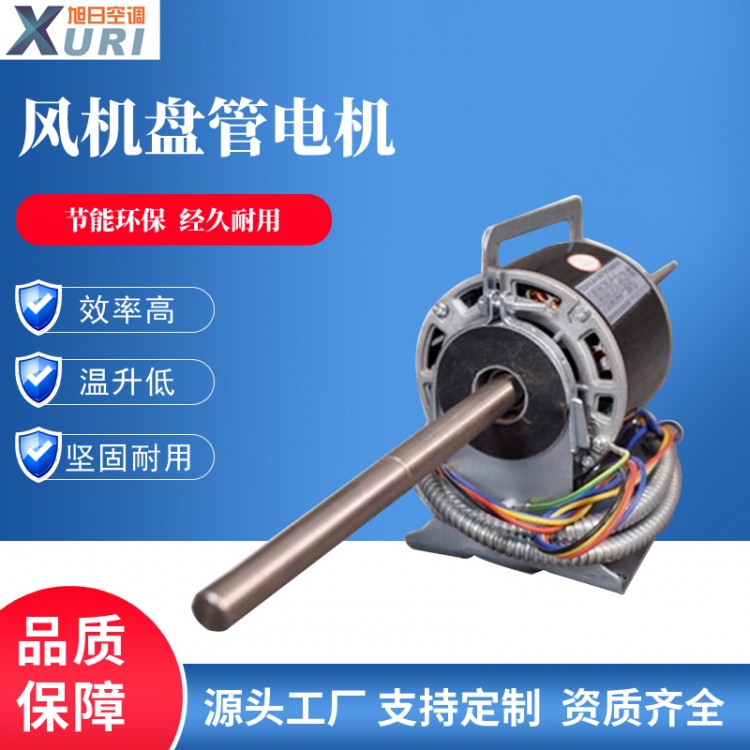
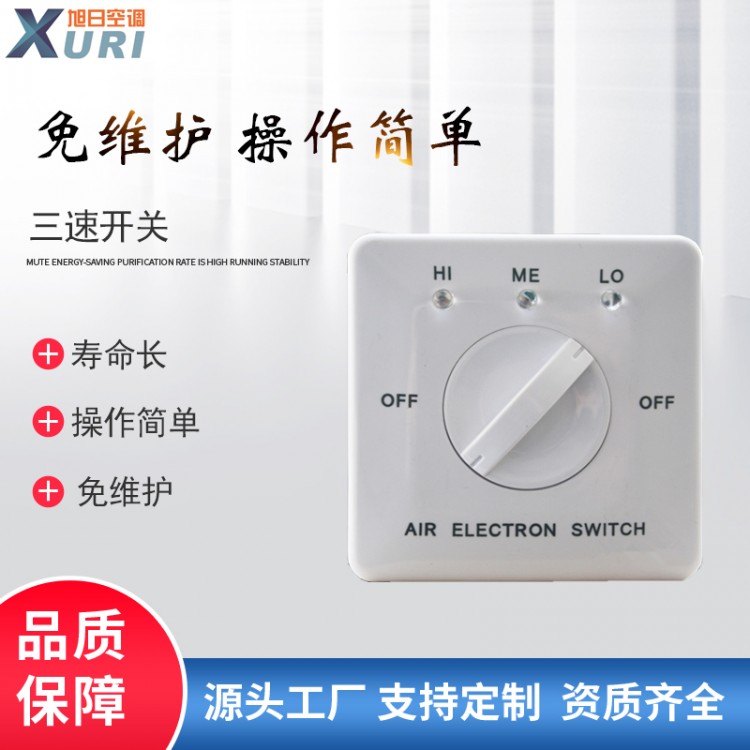
Sunrise Air Conditioning specializes in the production of fan coils
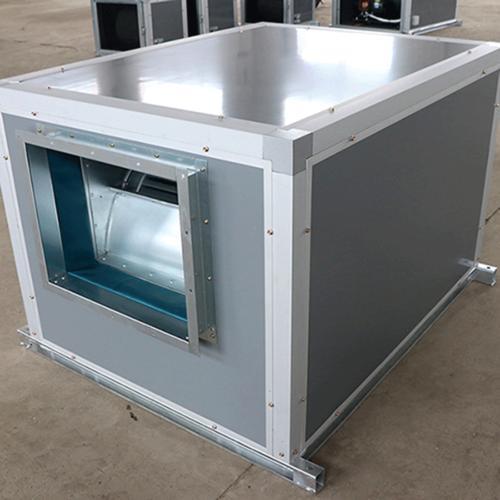
The control parameters for the fan housing selection include air volume, total pressure, efficiency, noise, and motor power. They are available in centrifugal and axial flow types.
2. The ventilation fan, due to the inclusion of the fan housing, is conducive to noise reduction.
When selecting a ventilation fan, consider the air leakage loss of the pipeline system, calculation errors, and the negative deviation of the actual air volume and wind pressure of the fan. Generally, a safety factor of 1.05 to 1.1 for air volume and 1.10 to 1.15 for wind pressure is adopted. However, avoid excessively high values to prevent the fan from operating in a low-efficiency zone for extended periods.
4. Note the matching relationship between the resistance characteristics of the pipeline and the fan characteristics. To ensure stable operation of the fan, it should operate near its rated point. The working point of the fan should be on the right side of the performance curve, at the peak total pressure point (i.e., on the high airflow side, generally at 80% of the total pressure peak).
Sunrise Air Conditioning, caring for the cold and heat — welcome to our site.
1. Wide variety of types and specifications, with a broad range of air volume and pressure options.
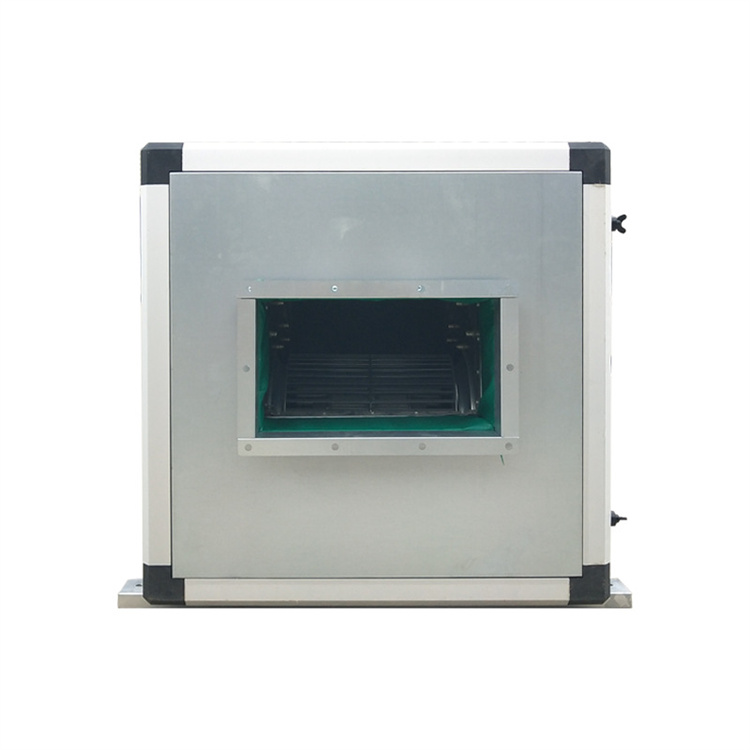
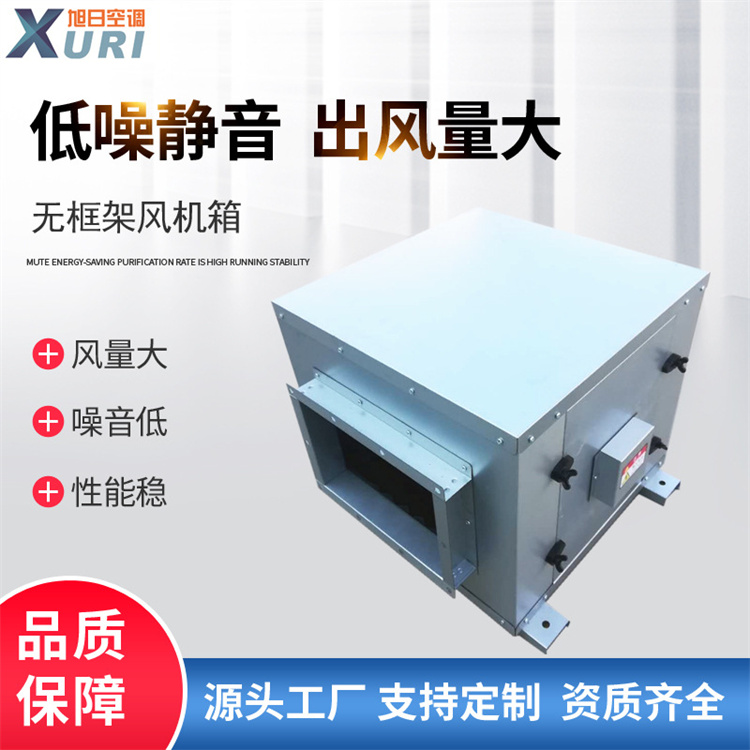
2. Equipped with multi-directional intake and exhaust air outlets, the unit can be installed in suspended ceiling or floor-standing configurations, facilitating installation and engineering design.
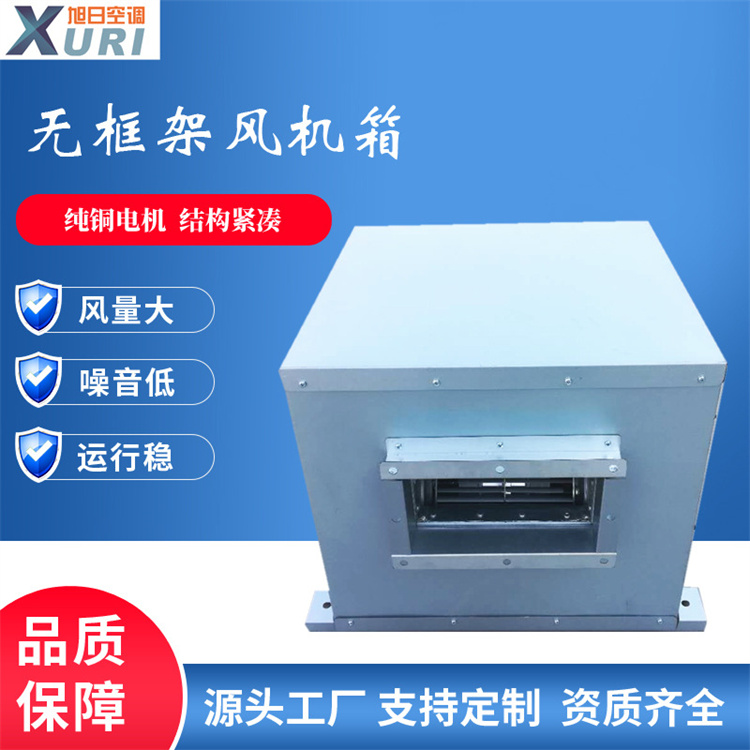
3. The unit features low noise, minimal vibration, high airflow, and compact size.
4. Utilizes a full-metal detachable frame and interior thermal and sound-insulating panels, allowing for on-site disassembly and flexible installation.
5. The fan housing comes in two types: fire-exhaust and ventilation. The fire-exhaust type features high-temperature-resistant structural panels, with the motor and transmission components located outside the housing's outer end. It can continuously exhaust smoke at temperatures above 280℃ for over 100 minutes.

1. Ventilators should be installed as close to the ground or platform as possible for ease of maintenance and inspection; for centrifugal ventilators, valves for starting purposes only are not required when the motor power is 75kW or less. When selecting a centrifugal boiler blower due to the need to exhaust high-temperature flue gas or air, a starting valve should be installed to prevent motor overload during cold start-up operation.
2. The installation pedestal (foundation) for the ventilation fan should have sufficient strength, stability, and durability, with the vibration of the pedestal meeting the following specifications:
The natural vibration frequency of the basic assembly must not exceed one-third of the motor and fan rotational speed.
2) The vibration speed difference between the fan in operation and the fan at rest must be greater than 3 times.
3. Flexible joints should be installed between the ventilation fan's inlet and outlet and the ductwork. Devices such as the inlet duct and outlet duct should have independent supports and be securely fastened to the foundation or other structural components of the building. The housing should not bear the weight of other components.
4. Vibration isolation measures should be taken when installing ventilation fans on building components.