






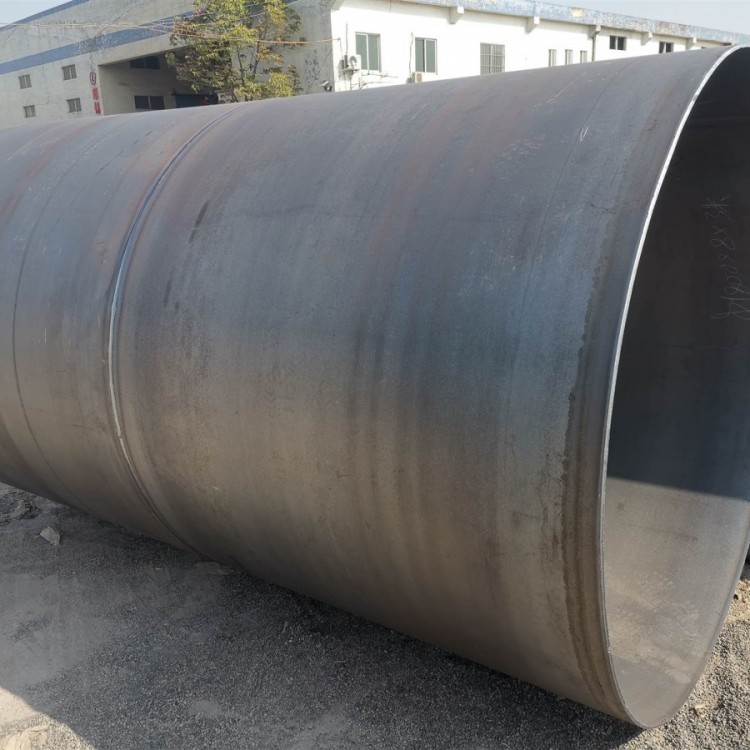
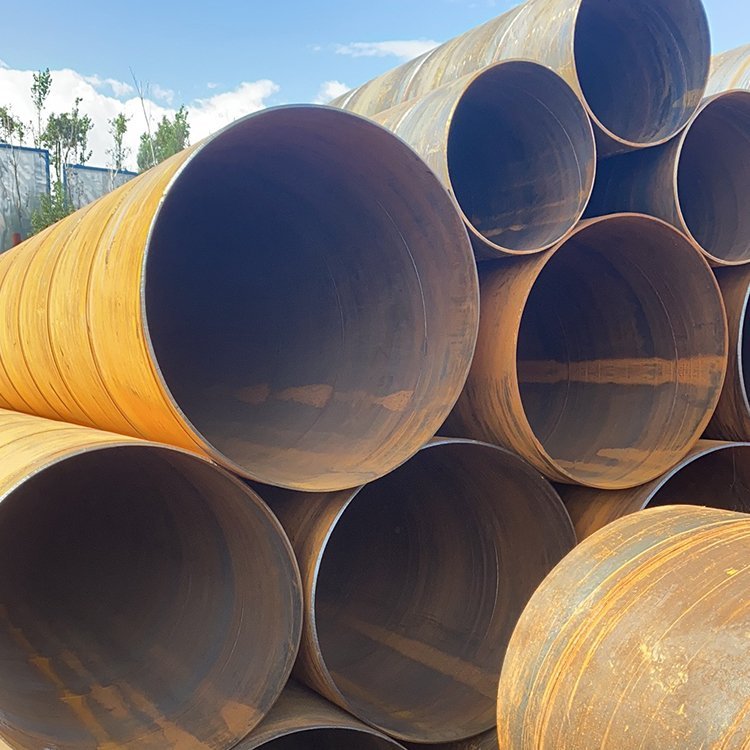
Foshan Shunde Langyao Iron and Steel Co., Ltd. was established on May 11, 2015. The legal representative is Huang Songming, and the company is engaged in the sale of steel; domestic commerce.

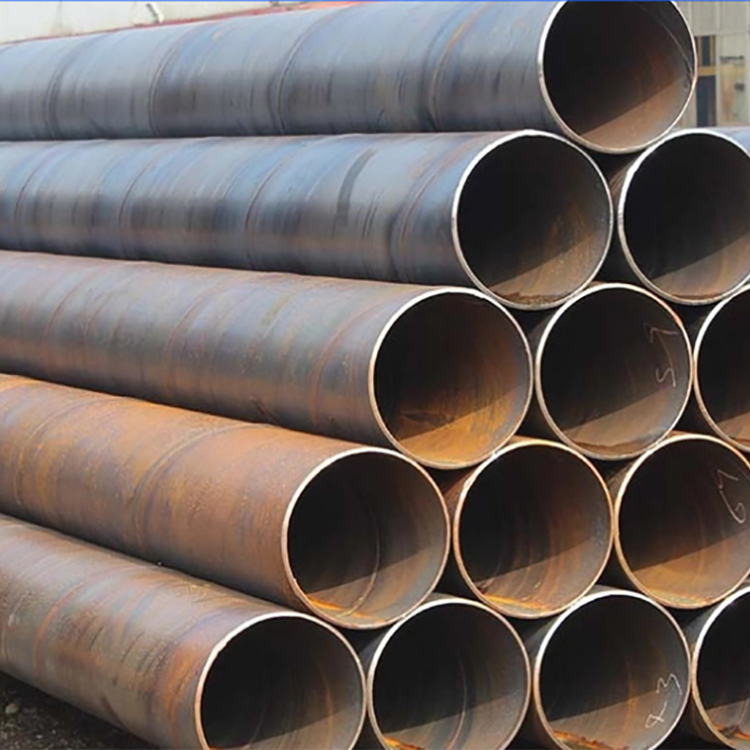
There are many types and specifications of spiral steel pipes; the following is just a partial list of available sizes:
Diameters (DN) range from 20mm (DN20) to 2000mm (DN2000), with common sizes including DN50, DN100, DN150, DN200, DN250, DN300, DN350, DN400, DN450, DN500, DN600, DN700, DN800, DN900, DN1000, DN1200, DN1400, DN1600, DN1800, and DN2000.
The above data is for reference only. If needed, it is recommended to consult the manufacturers of spiral steel pipes.
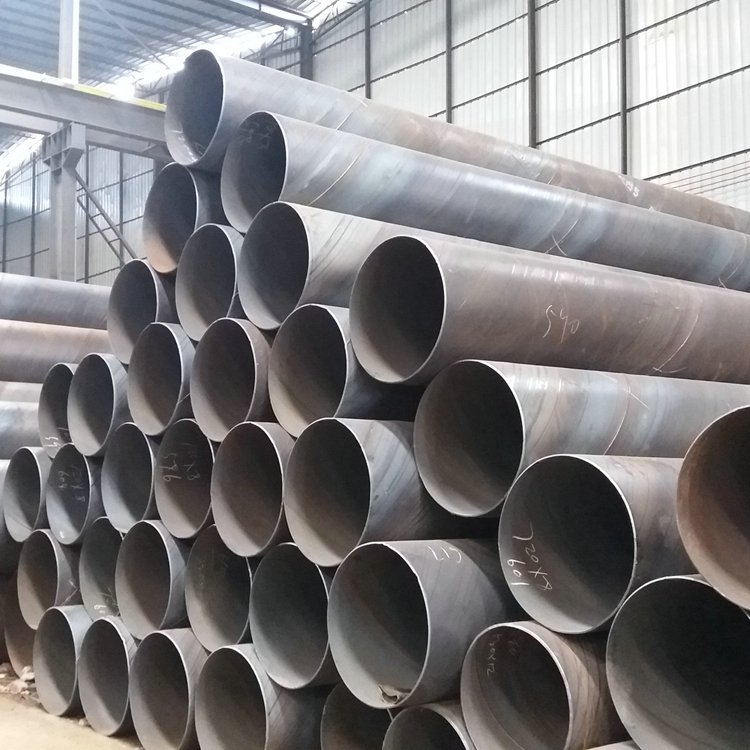
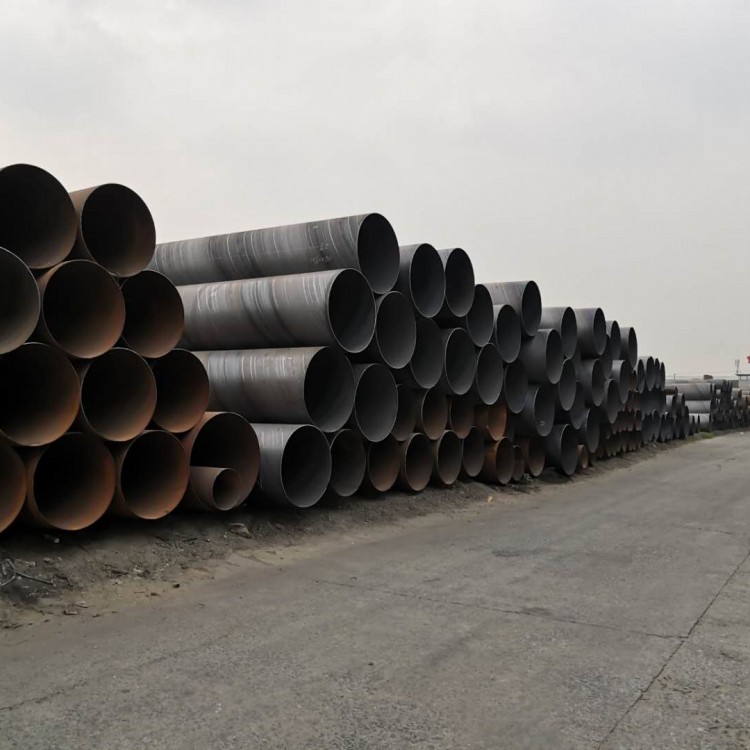
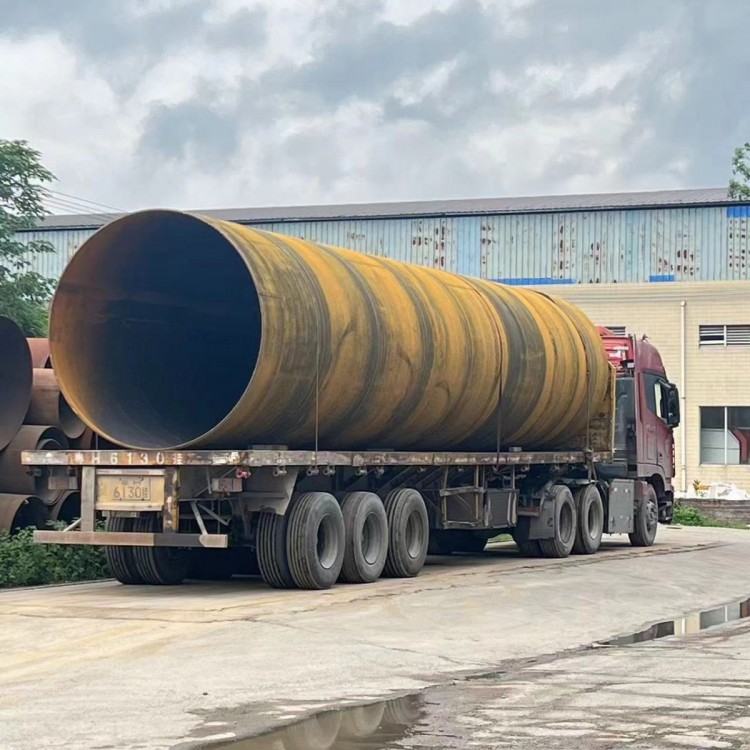
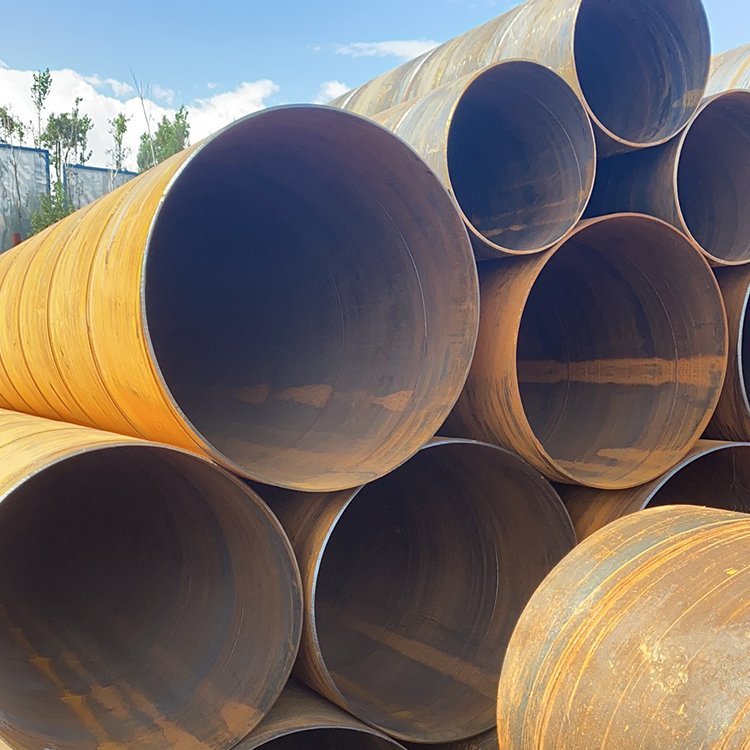
Large-diameter spiral steel pipes are a special type of steel pipe, typically referring to those with a diameter greater than 1 meter. They possess excellent corrosion resistance, strength, rigidity, and water pressure resistance, and are widely used for transporting large volumes of liquids such as natural gas, water, and wastewater treatment.
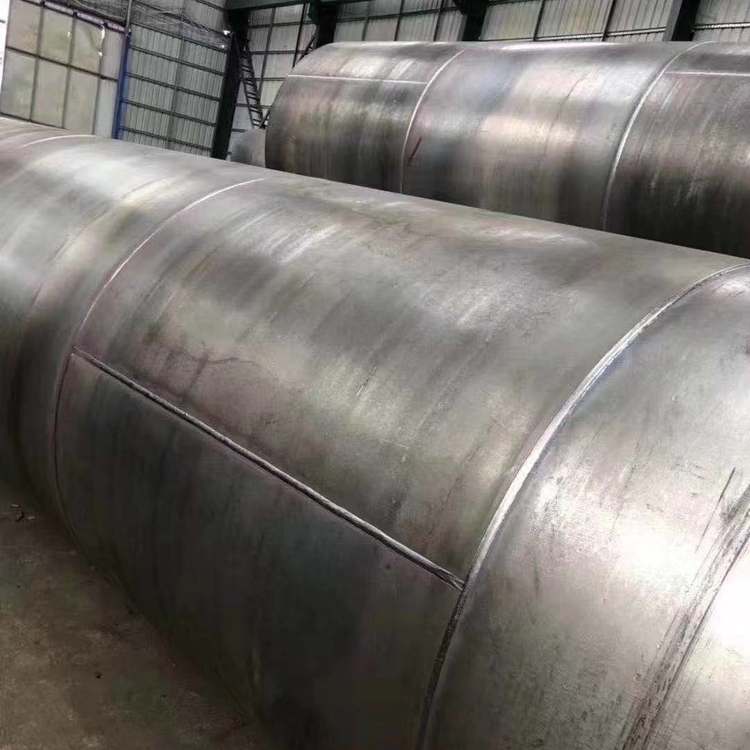
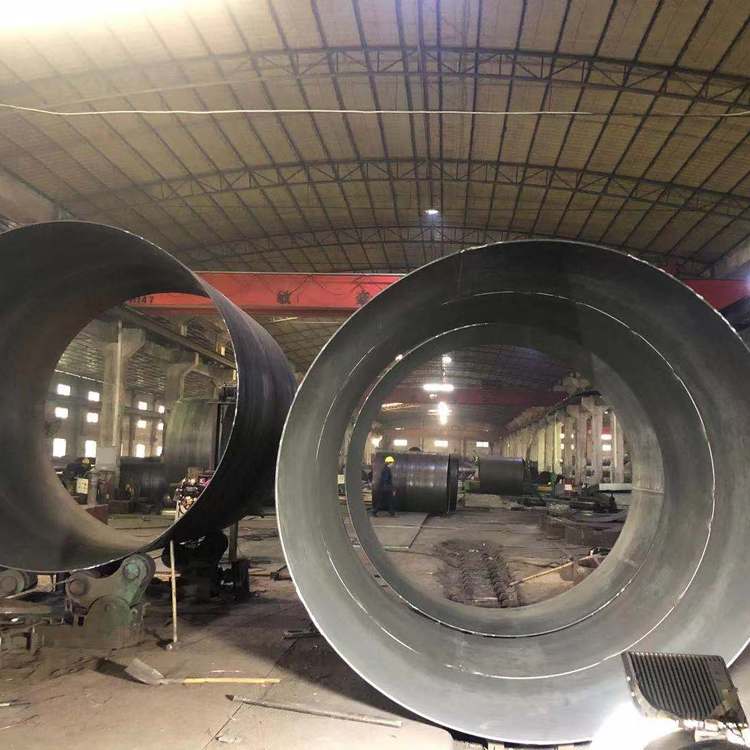
The production methods of large-diameter spiral steel pipes include spiral welded pipes and spiral compressed pipes, with their application varying depending on different pressure requirements. For instance, large-diameter spiral steel pipes with high pressure strength are needed for natural gas transmission, whereas those with corrosion and impact resistance are required for water and wastewater treatment.
When selecting and using large-diameter spiral steel pipes, various factors must be considered, including corrosion resistance, pressure resistance, flow rate, pipe material, as well as installation and maintenance requirements, to ensure long-term stable operation and achieve good transportation and environmental protection effects. Additionally, for use in special environments, more suitable pipe types and specifications should be chosen.
In summary, large diameter spiral steel pipes are a crucial engineering material widely used across various fields. Their manufacturing and application require rational design and selection based on specific usage scenarios and requirements.