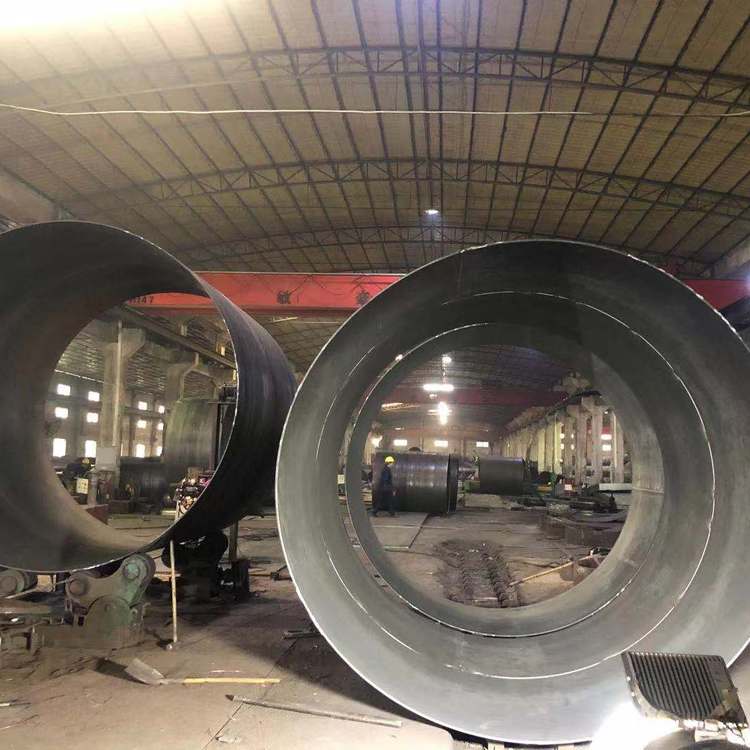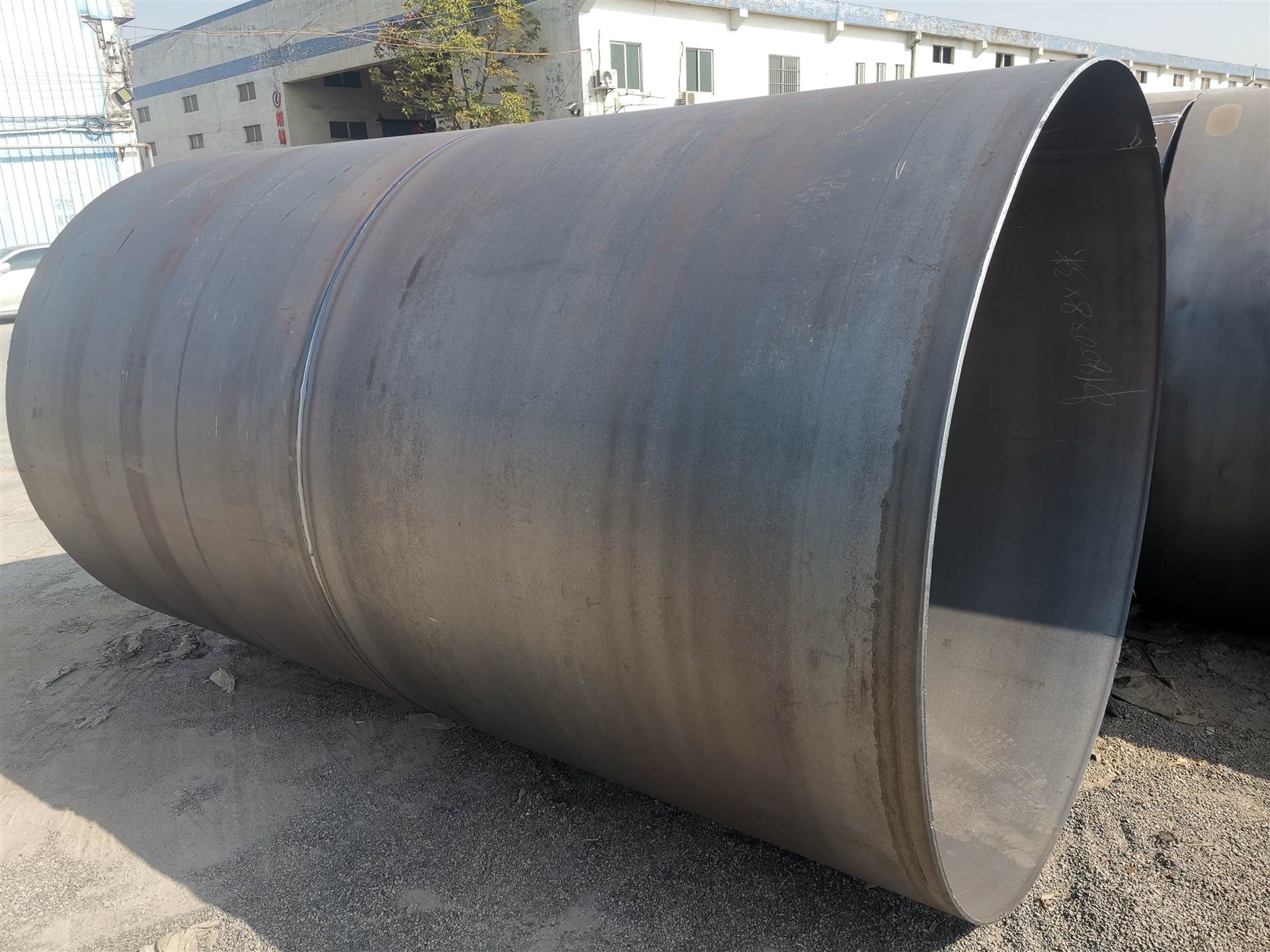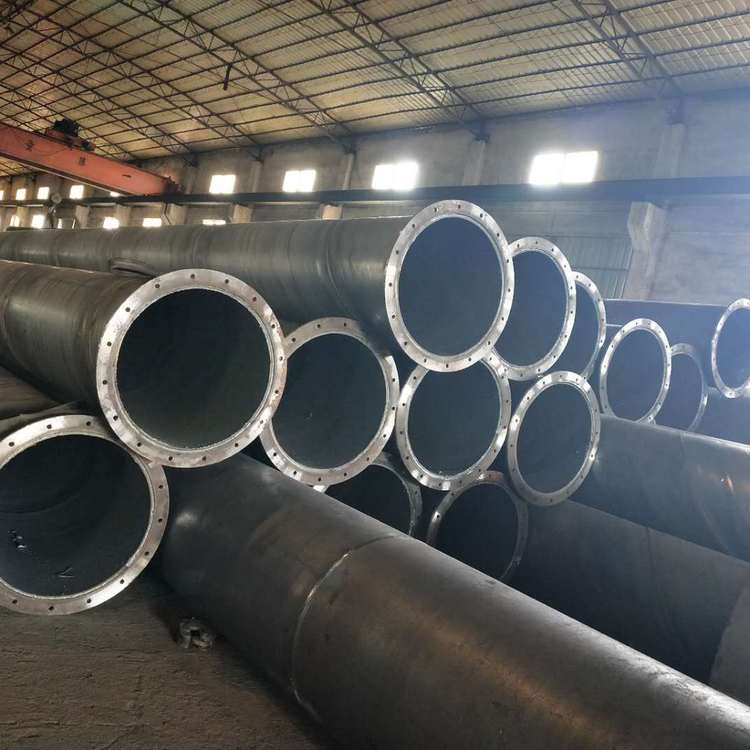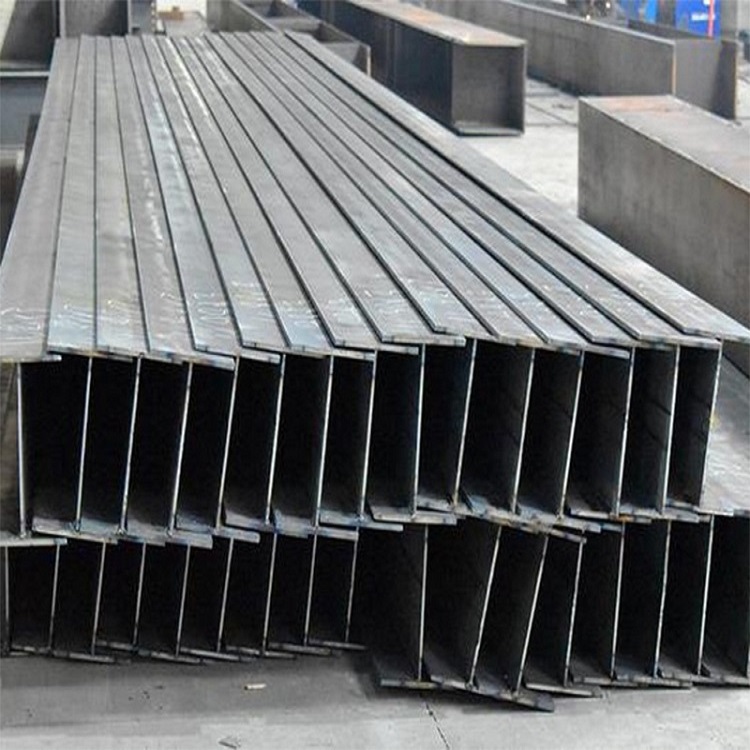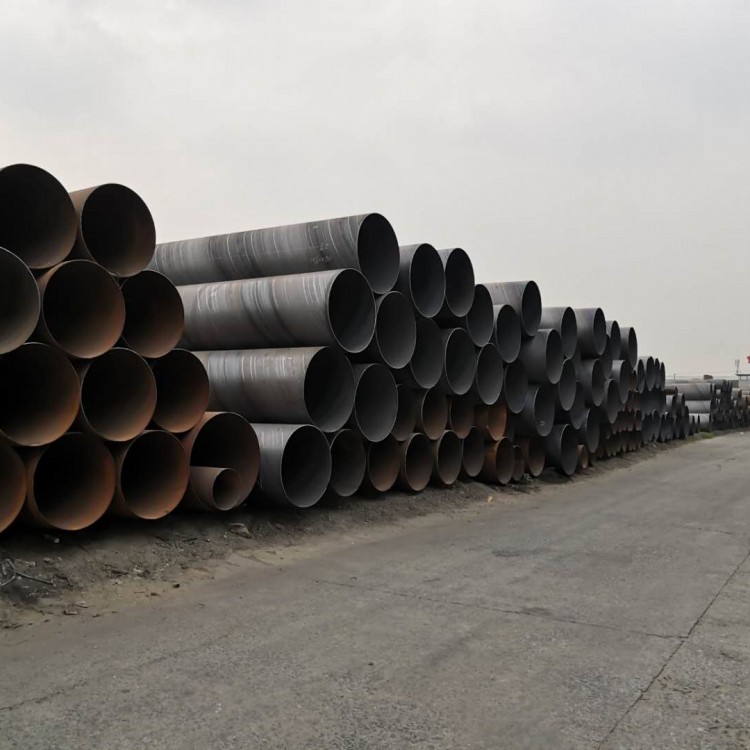


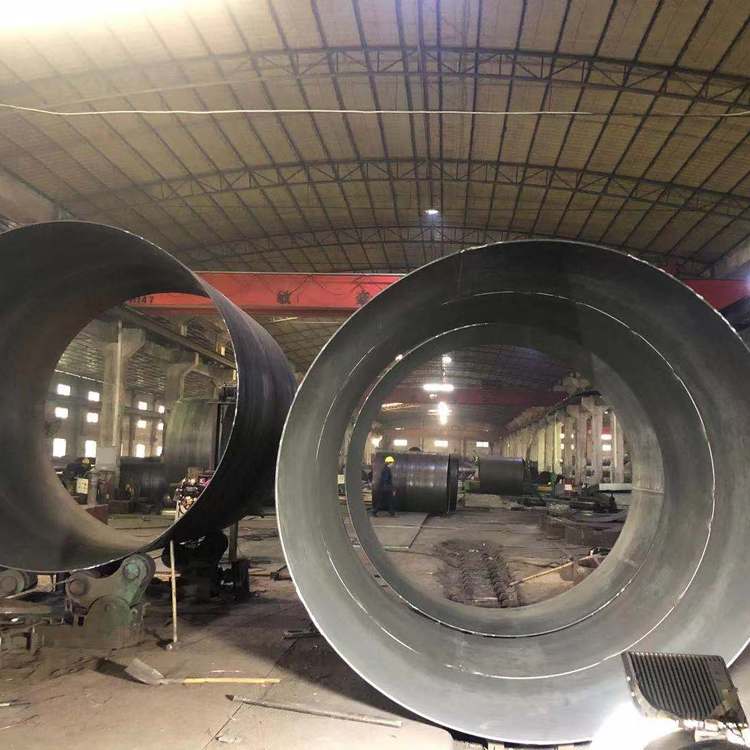












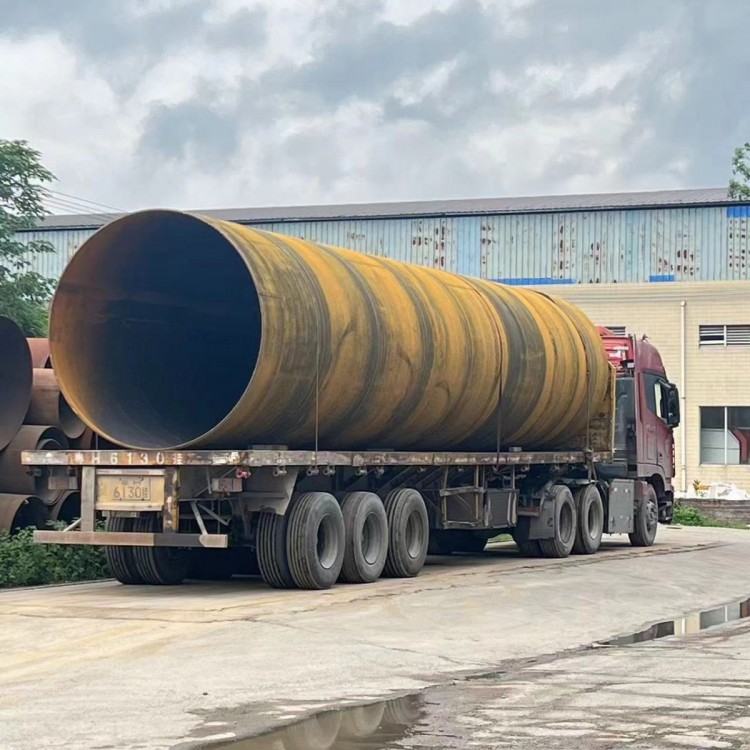
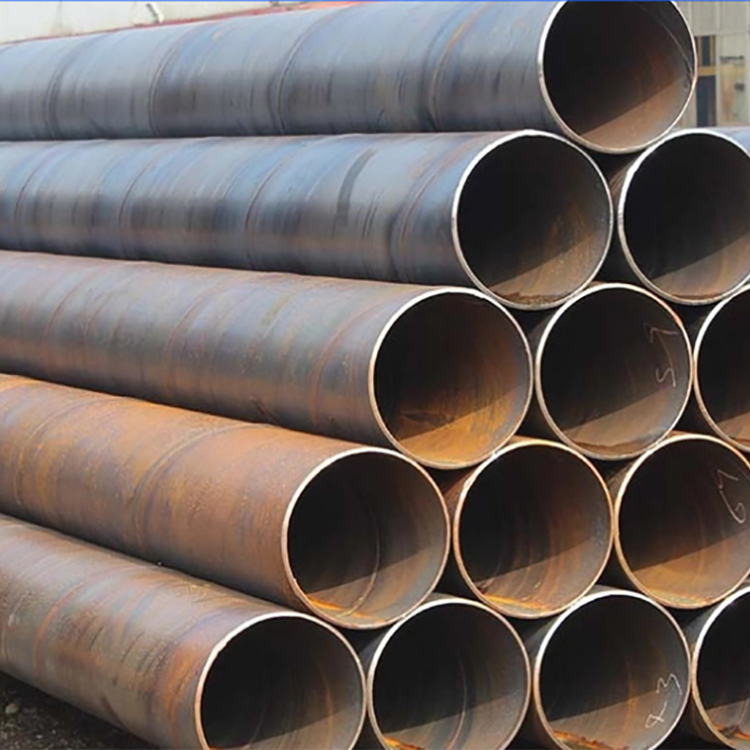
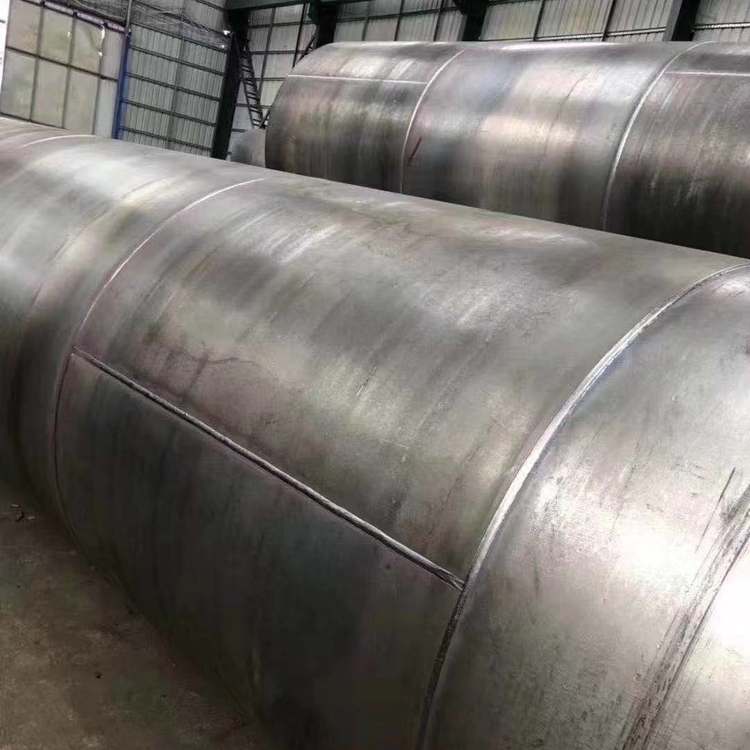
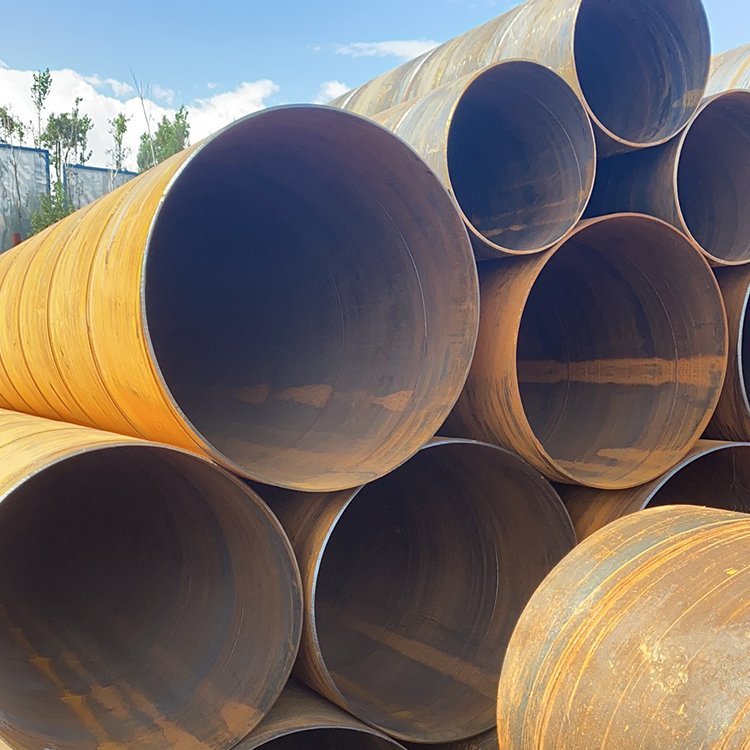
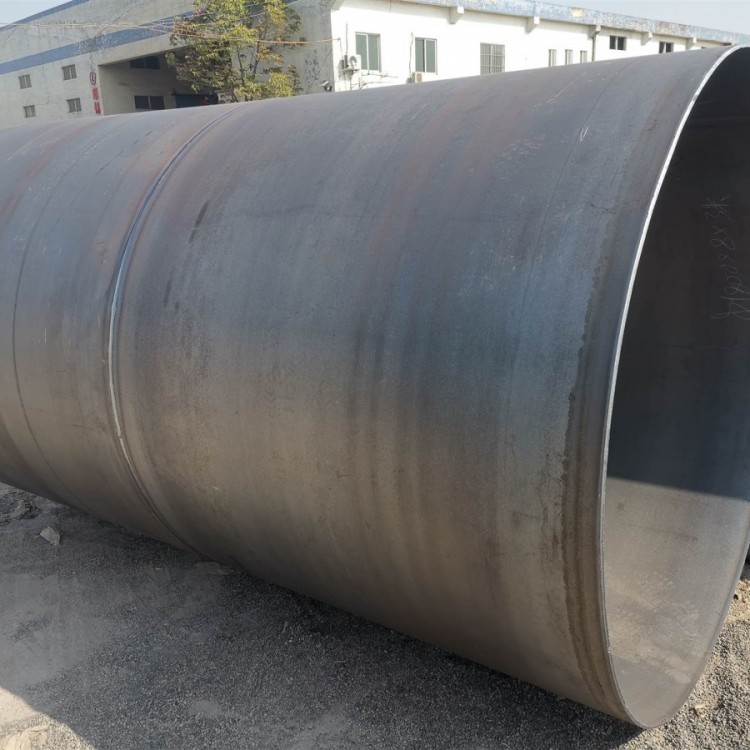
Steel casing is a common construction material that not only serves as a protective measure but also stabilizes the borehole wall and prevents collapse. Langyao Steel offers you high-quality anti-corrosion pile casing with double-sided submerged arc welding, Q235B steel casing, providing one-stop supply for your peace of mind and confidence.
Brand: Lvyao Steel
Alias: Heavy-Wall Steel Pipe
Purpose: Stabilizes the bore wall, prevents collapse
Origin: Foshan, Guangdong
Delivery Service: Available for delivery to factory
Product Surface: Plastic Coating Corrosion Protection Treatment
Steel casing construction process:
Measure and determine the construction hole location.
Clean bore walls to ensure a smooth and clean surface.
Cut the LongYao Steel Q235B steel casings to the required length.
Place the cut steel casing into the hole.
Employing an electric welder for double-sided submerged arc welding to ensure a secure connection.
Inspect焊接 joints for completeness, ensuring there are no hidden or missed welds.
Construction Precautions:
Prior to steel casing installation, the hole walls must be cleaned to ensure a tight fit of the steel casing.
Welding equipment suitable for construction must be used to ensure welding quality.
Prior to double-sided submerged arc welding, ensure the welding circuit is in good condition to prevent quality issues with the weld.
After welding, inspect the weld joints to ensure they are firmly secured.
The application scenarios of steel casing are very extensive, such as:
For foundation pit support and underground construction projects.
Used for pile foundation construction, it enhances the stability and load-bearing capacity of the piles.
Well construction for hydraulic and power projects.
Through the anti-corrosion pile pipes provided by Langyao Steel, with double-sided submerged arc welding and Q235B steel casings, you can achieve stable and reliable construction results. Regardless of the construction field you need, we offer one-stop supply services, saving you the trouble.
Learn more about our steel casing products; please contact our sales team.
Steel casing sections are transported to the construction platform by trucks and lifted and placed next to the桩drilling location using truck-mounted cranes. Submersion is achieved with crawler cranes. For longer steel casings, they cannot be lowered in one go and require a second connection during the lowering process. Before the second connection, the steel casing should be trial-assembled on site to ensure the joint meets the on-site suspended connection requirements.
1. The steel casing sinking utilizes a guide frame for guidance. The design of the positioning guide frame should be simple, sturdy, and practical. During manufacturing, ensure the welding height and quality. Generally, there will be ellipticity in the steel casing production. Leave a gap of 3 to 5 cm between the guide wood and the casing. During sinking, use hard wood wedges to adjust the verticality of the steel casing.
2. Steel casing sinking is carried out using crawler cranes and vibration hammers for vibration sinking, ensuring the steel casing is driven into the rock surface.
3. When installing a vibrator at the top of the steel casing, ensure the position is moderate to avoid misalignment that could cause the steel casing to tilt.
4. During the steel casing sinking process, it is necessary to frequently monitor the verticality of the steel casing centerline and the inclination of the casing mouth plane using measuring instruments or a plumb bob, in order to adjust the verticality of the steel casing in real-time.
5. The steel casing shall sink with an inclination not exceeding 1%, and the centering error on the plane shall not exceed 50mm.
6. When encountering difficulty in the下沉 of steel casing, do not force vibration to prevent deformation of the casing or cracking of the welds. Identify the cause and take appropriate measures before sinking again.
7. After the steel casing is submerged to the predetermined depth, check the entire steel casing for vertical alignment and center position displacement using the central buoyant marker method.
8. Secure the well casing in place on the work platform to prevent it from sliding or tilting in the event of a collapse.
The steel casing is driven using a vibration hammer. Once the steel casing is lowered into position, it is sunk by the combined efforts of the crawler crane and the vibration hammer. When the penetration rate for the last two minutes is less than 3 cm, it is considered to have reached the maximum vibration force, indicating the completion of the steel casing driving. The next steel casing can then be driven.