







1) The thermal resistance is approximately 10-20 times that of ordinary concrete.
2) Equivalent to about 1/5 to 1/8 of regular cement concrete, it can reduce the overall load of the building.
3) No need for joint gaps and vent pipes.
4) The porosity of expanded polystyrene concrete results in a low elastic modulus, thereby providing excellent absorption and dispersion of impact loads.
5) Expanded concrete contains a large number of independent bubbles, evenly distributed, five times more than ordinary concrete, and offers effective sound insulation properties.
6) Compressive Strength: 0.6-25.0 MPA.
7) Waterproofing: Cast-in-place foamed cement has low water absorption due to its relatively independent closed bubbles and good integrity, which provides it with certain waterproofing properties.
8) Durability: Same lifespan as the main project.
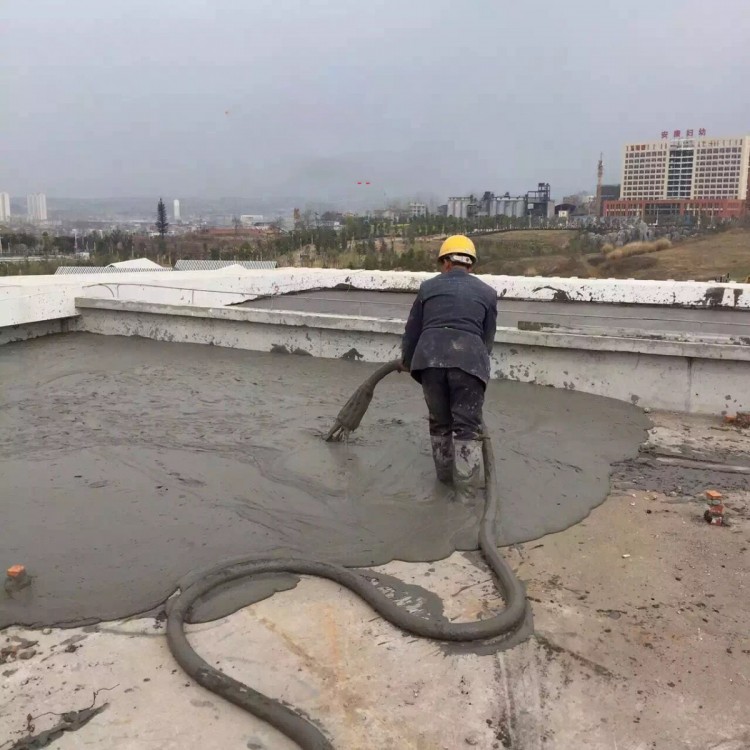
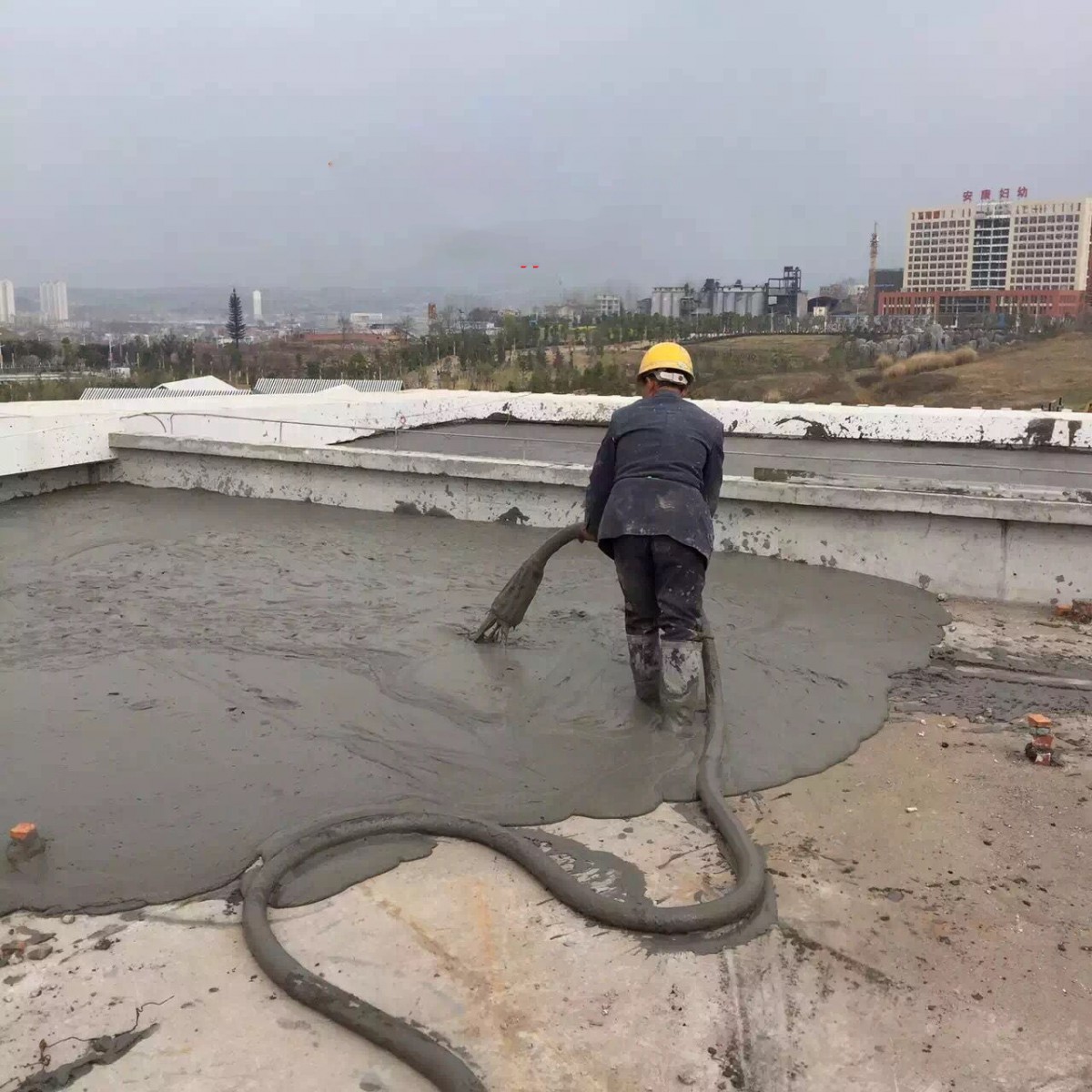
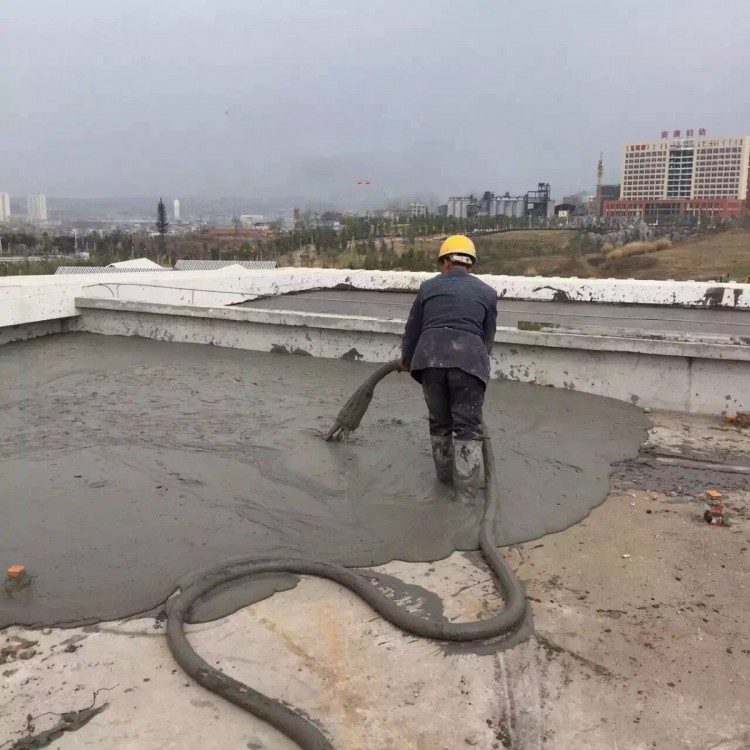
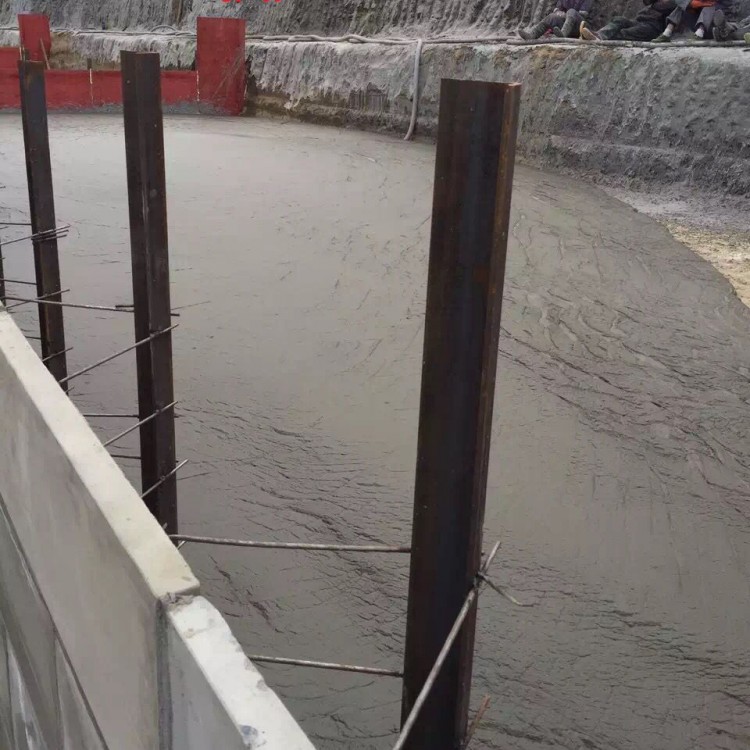
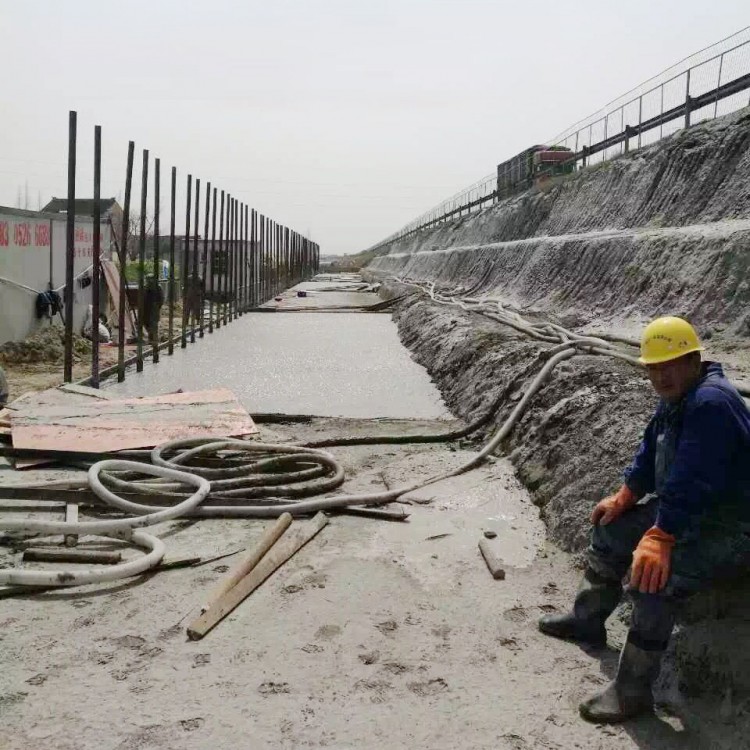
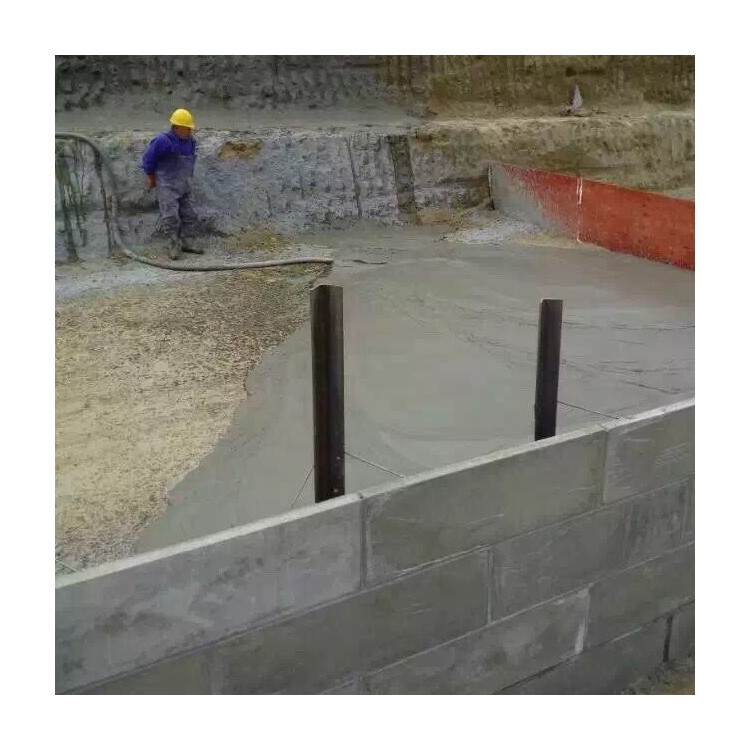
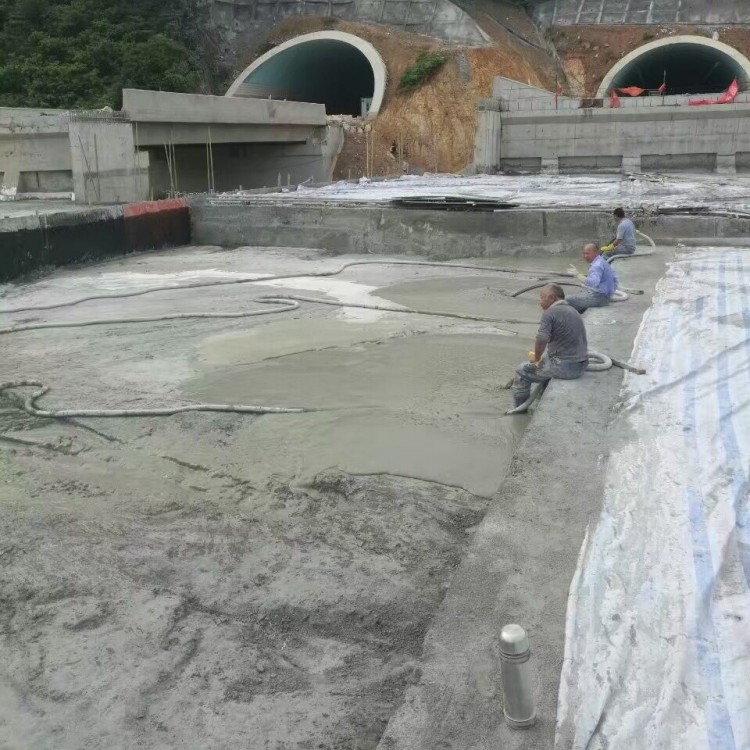
9) Simple construction: Requires only a cement foaming machine for automated operation, capable of long-distance transport up to 200 meters in height, with a daily output of 150-300 cubic meters.
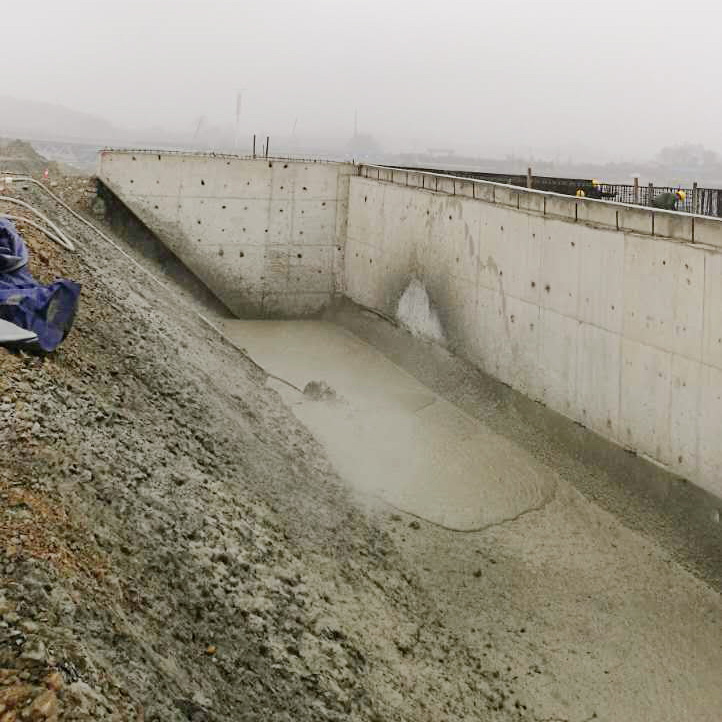
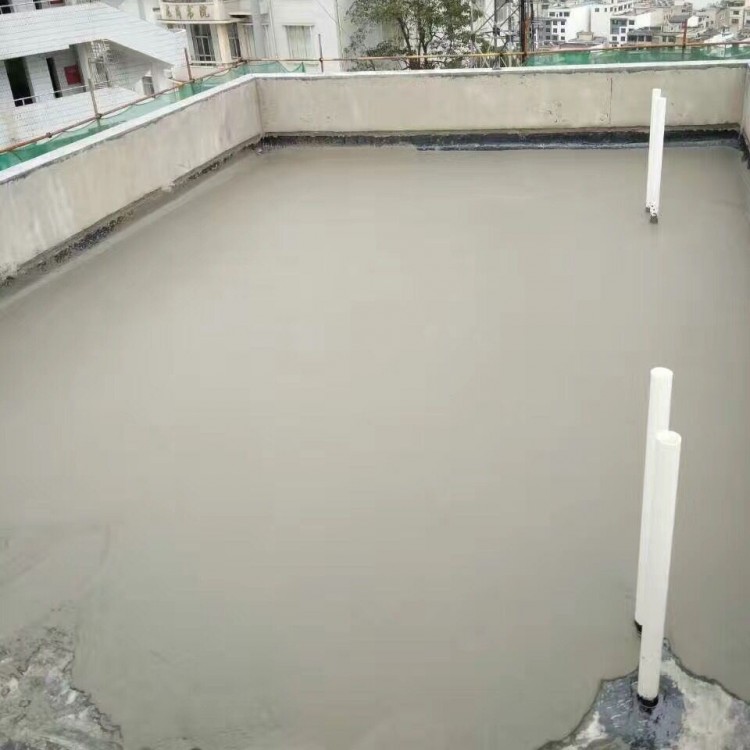
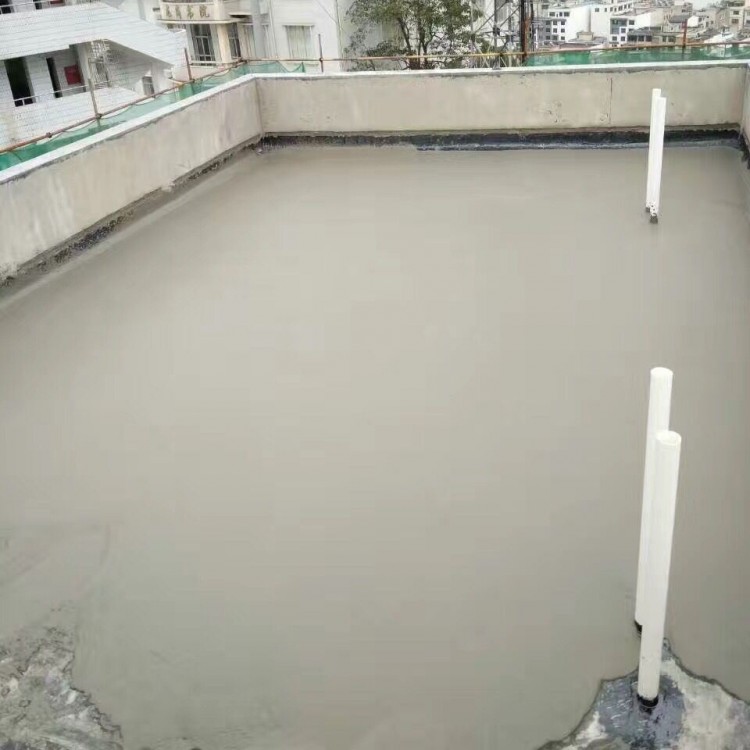
10) Production and processing: Expanded cement can be manufactured into various products in the factory, and also can be used for on-site construction, directly cast into roofs, floors, and walls, and can be processed further with sawing, planing, nailing, and drilling.
11) Environmental Safety: The raw materials for foamed concrete include cement and foaming agents, with the foaming agents being neutral and free from harmful substances like benzene and formaldehyde, thus avoiding environmental pollution and fire hazards.
12) Economic Efficiency: Comprehensive low cost.