






1) The thermal resistance is approximately 10-20 times that of ordinary concrete.
2) Approximately 1/5 to 1/8 of regular cement concrete, capable of reducing the overall load of the building.
3) No need for joint gaps and ventilation pipes.
4) The porosity of expanded foam cement gives it a low modulus of elasticity, thus providing good absorption and dispersion of impact loads.
5) Foam concrete contains a large number of isolated bubbles, evenly distributed, five times more than regular concrete, and offers effective sound insulation properties.
6) Compressive Strength: 0.6-25.0 MPA.
7) Waterproofing: Ready-mixed foamed cement has low water absorption due to its relatively independent sealed bubbles and good overall integrity, which provides it with certain waterproofing properties.
8) Durability: Same as the lifespan of the main project.
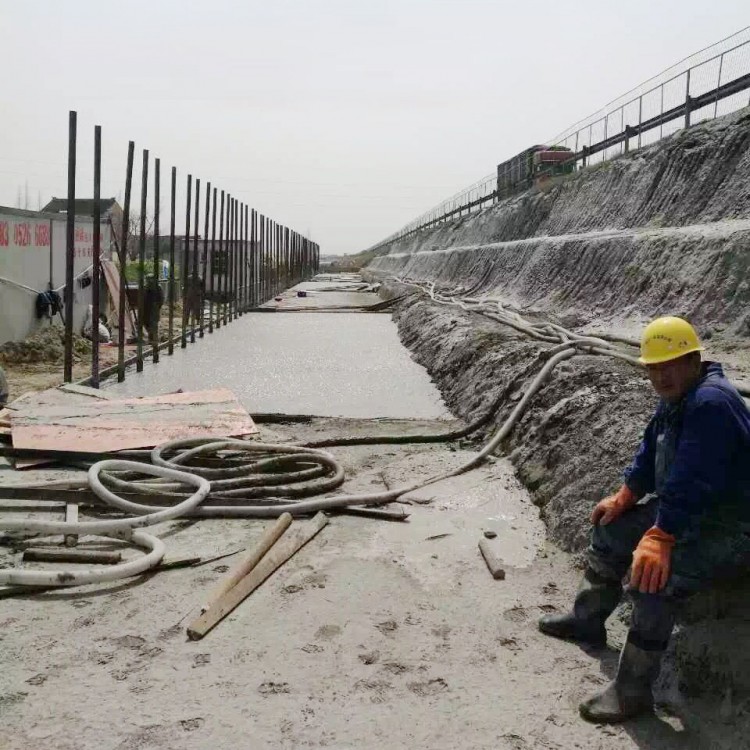
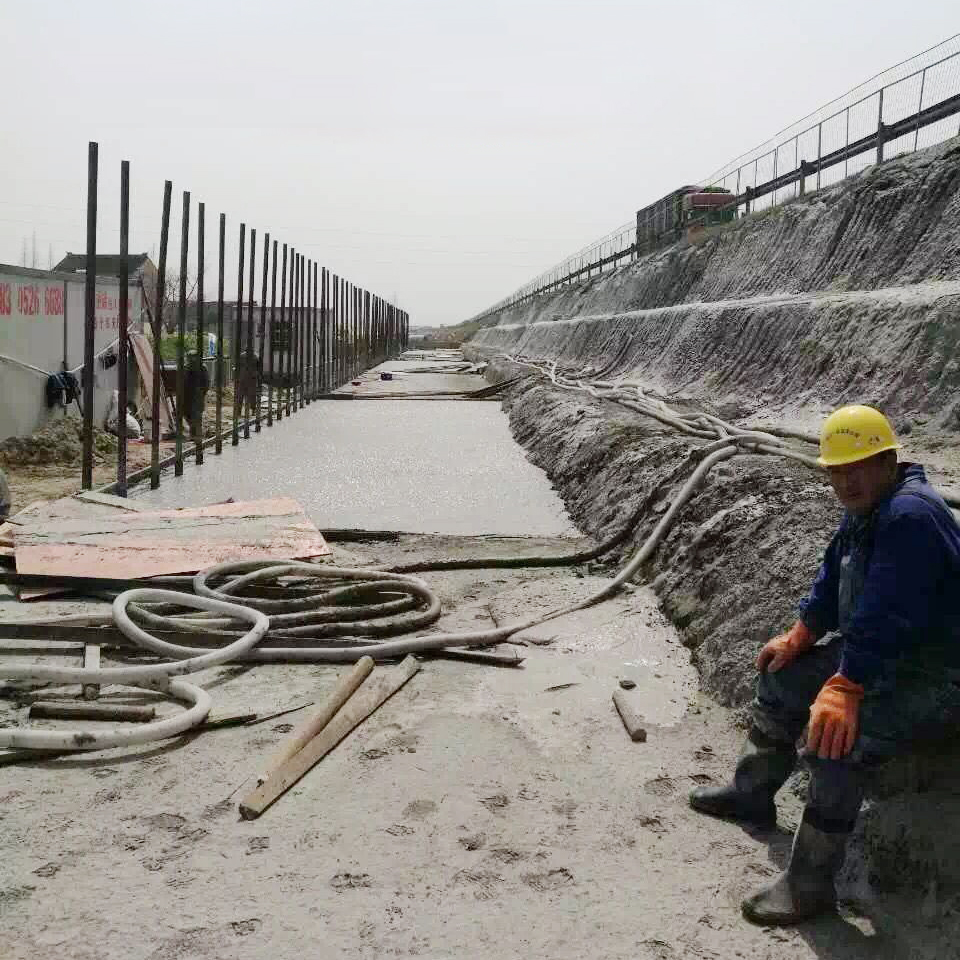
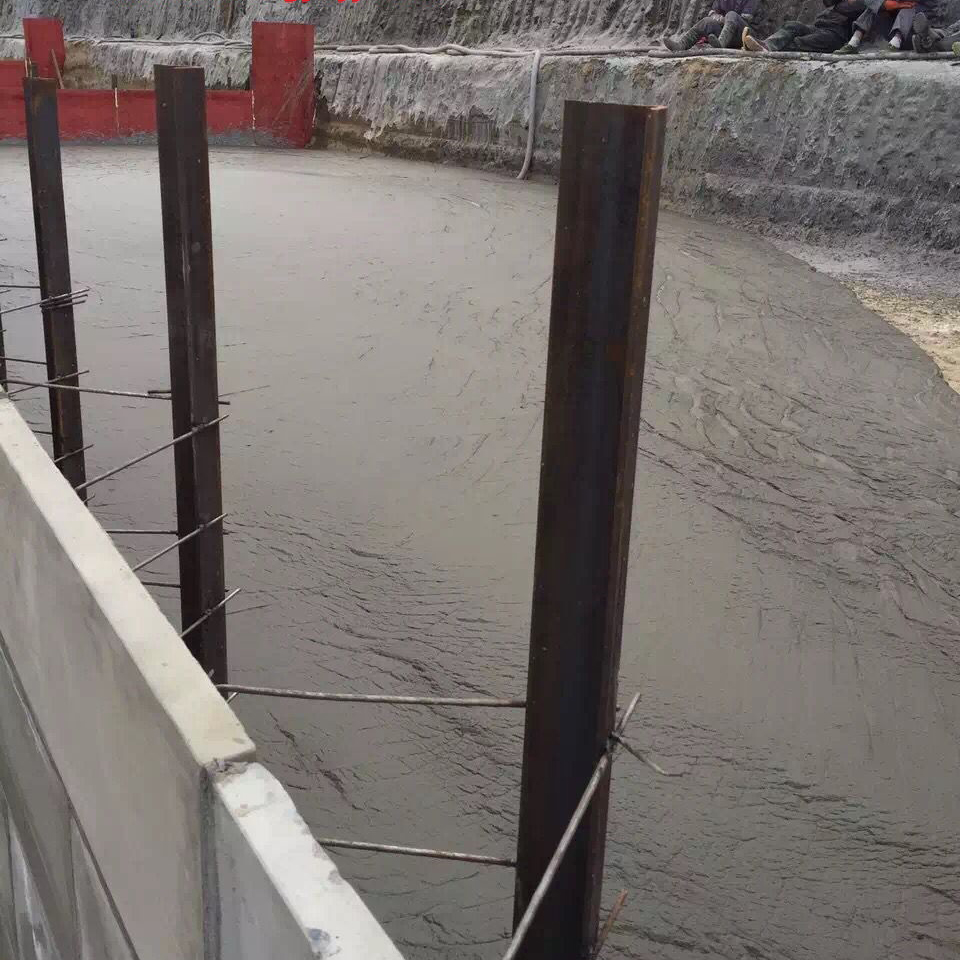
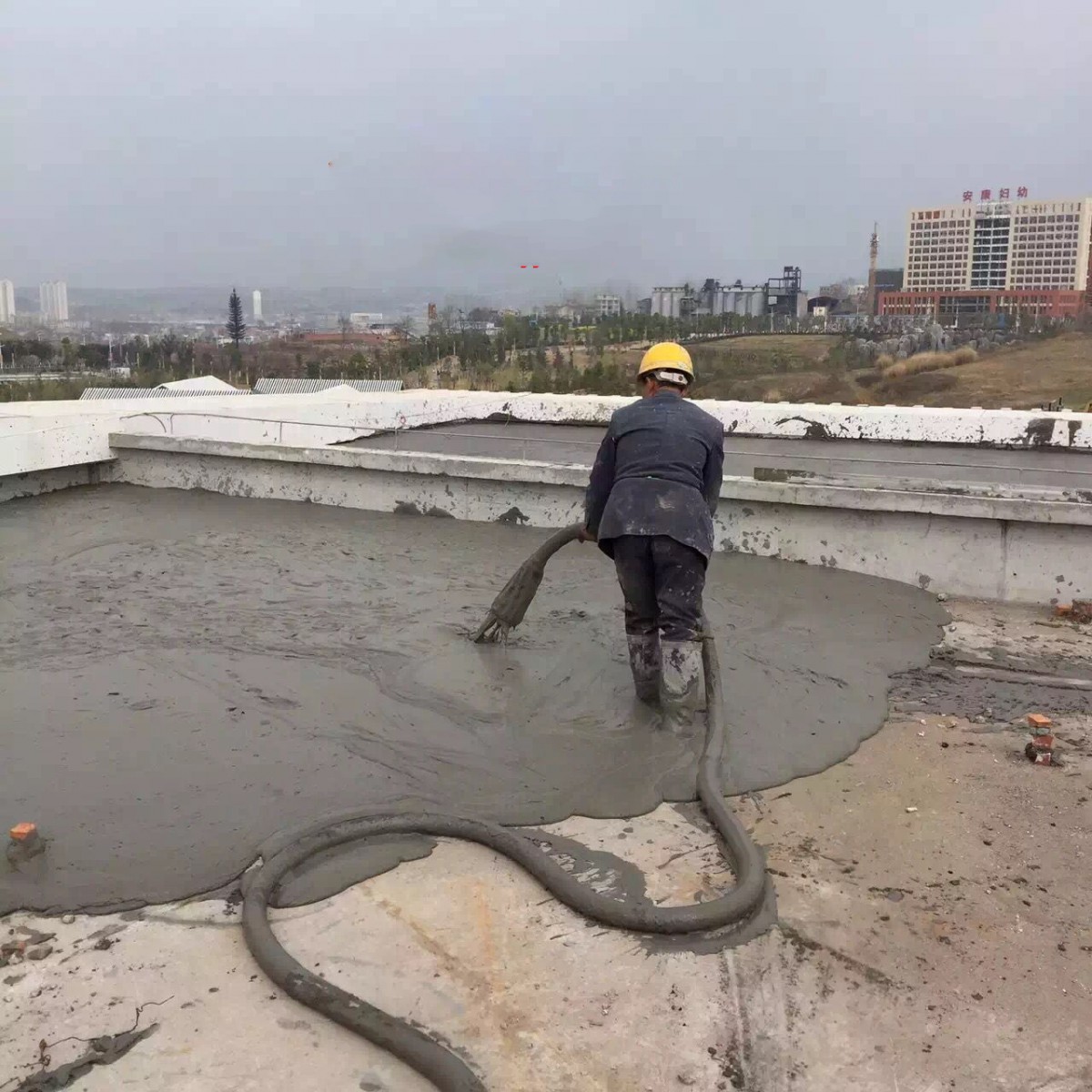
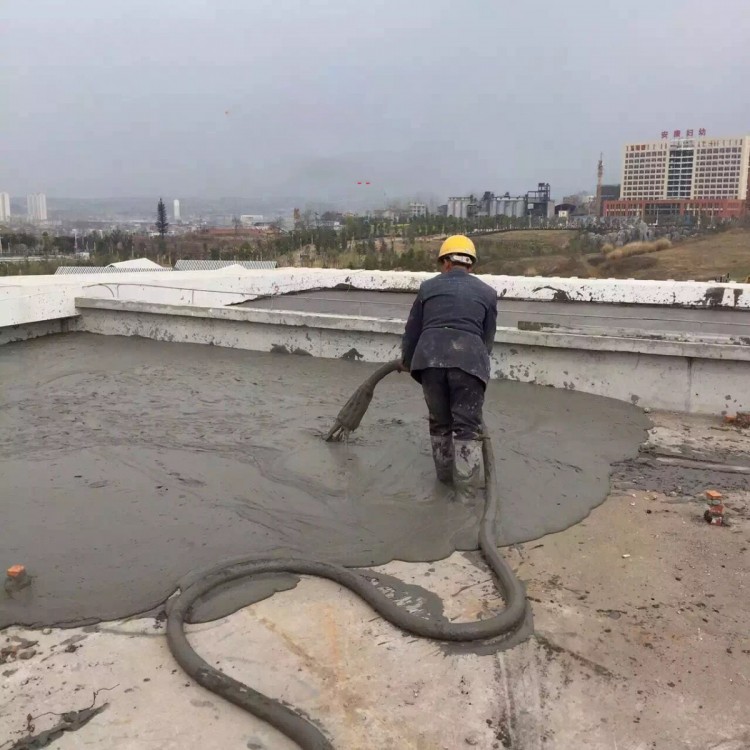
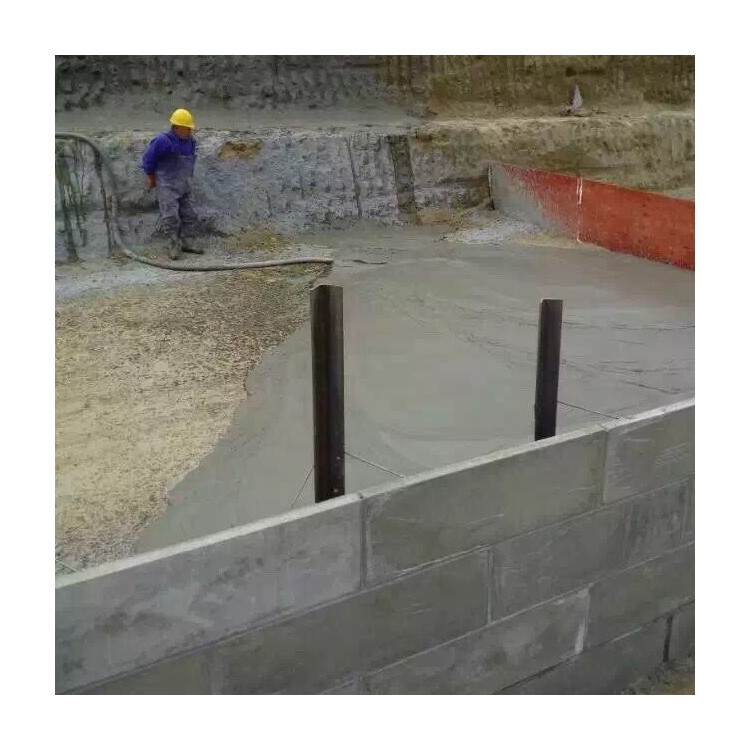
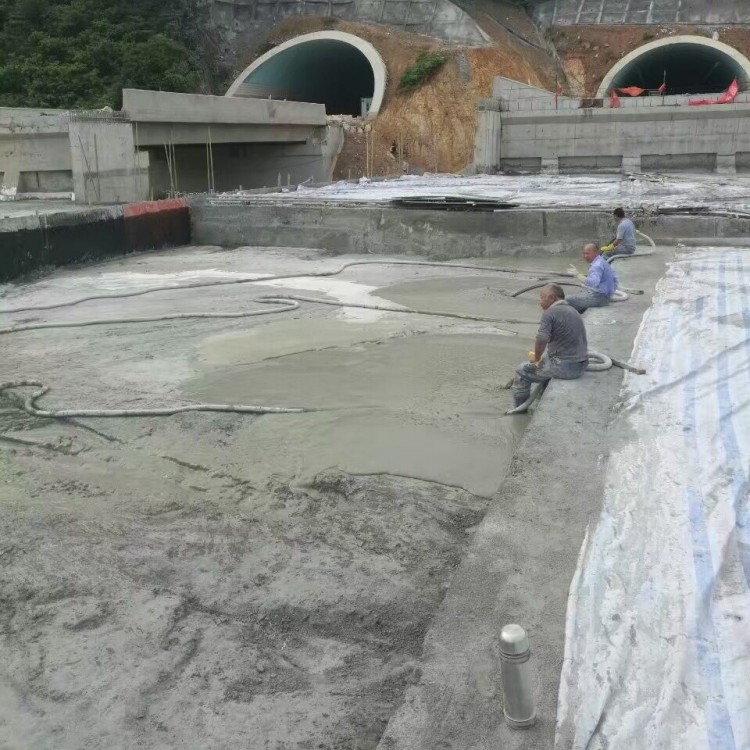
9) Easy Installation: Simply use a cement foaming machine for automated operation, capable of long-distance transportation up to 200 meters in height, with a work volume of 150-300 M3 per workday.
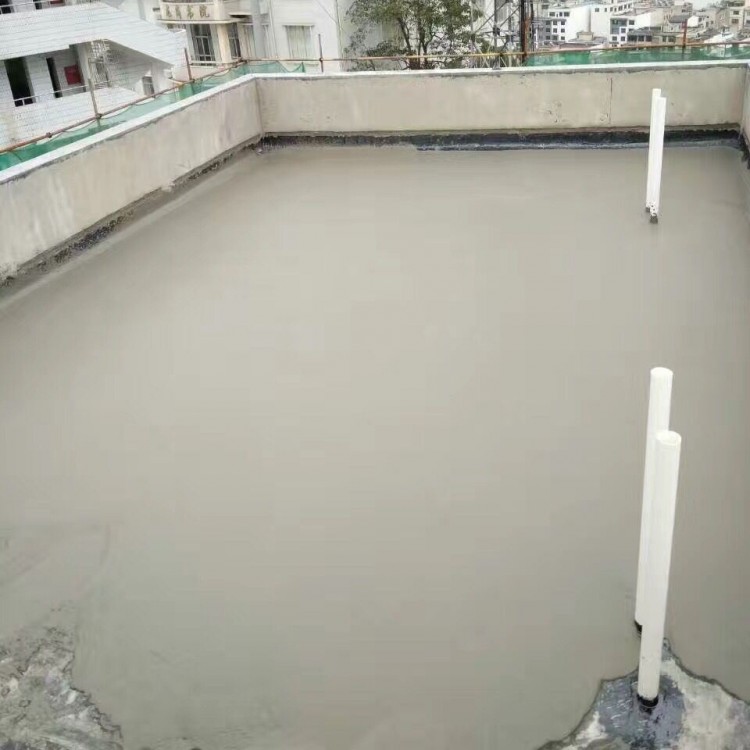
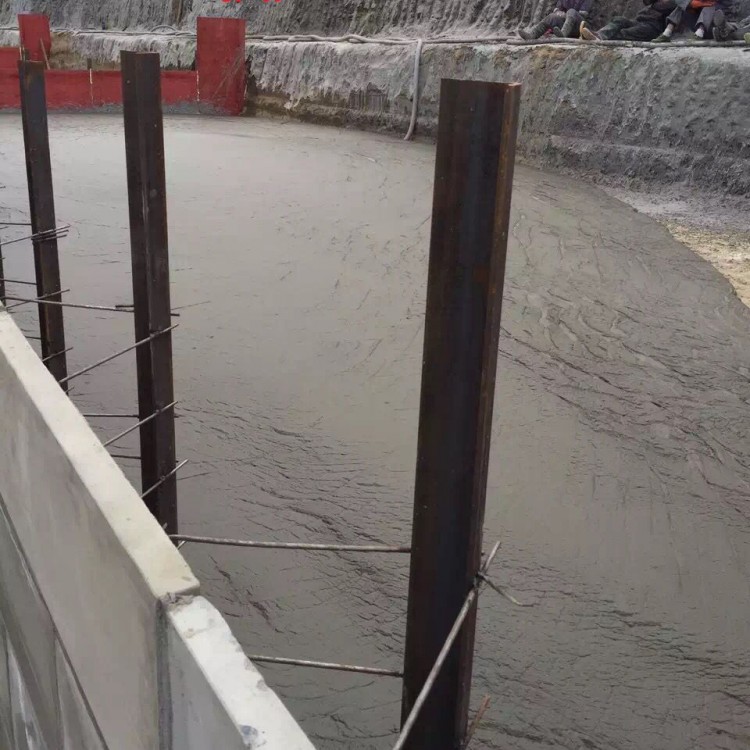
10) Production & Processing: Expanded concrete can be produced into various products in the factory, and also installed on-site, directly cast into roofs, floors, and walls, and can be processed with sawing, planing, nailing, drilling, etc.
11) Environmental Friendliness: The raw materials for foamed cement include cement and foaming agent, with the foaming agent being neutral and free of harmful substances like benzene and formaldehyde, thus avoiding environmental pollution and fire hazards.
12) Cost-effectiveness: Comprehensive low cost.