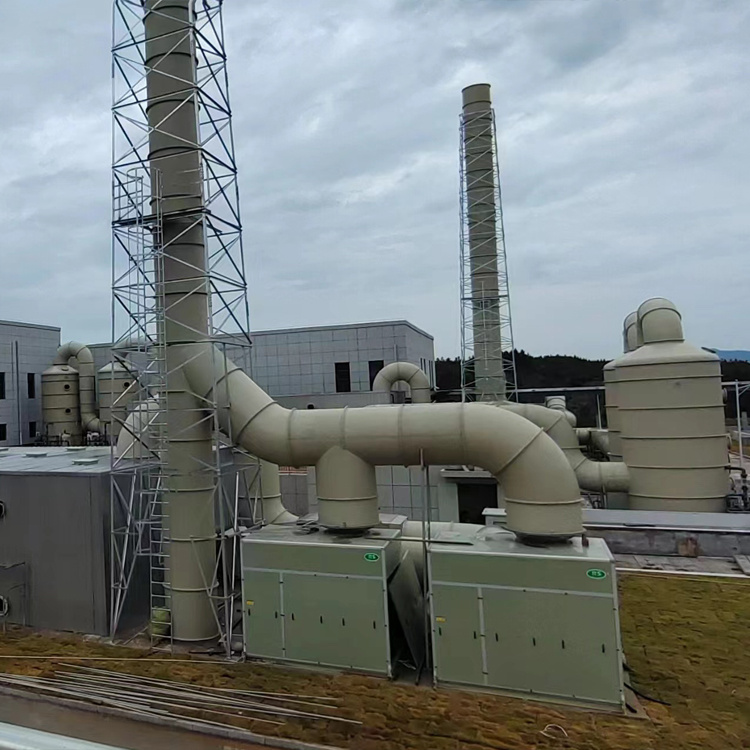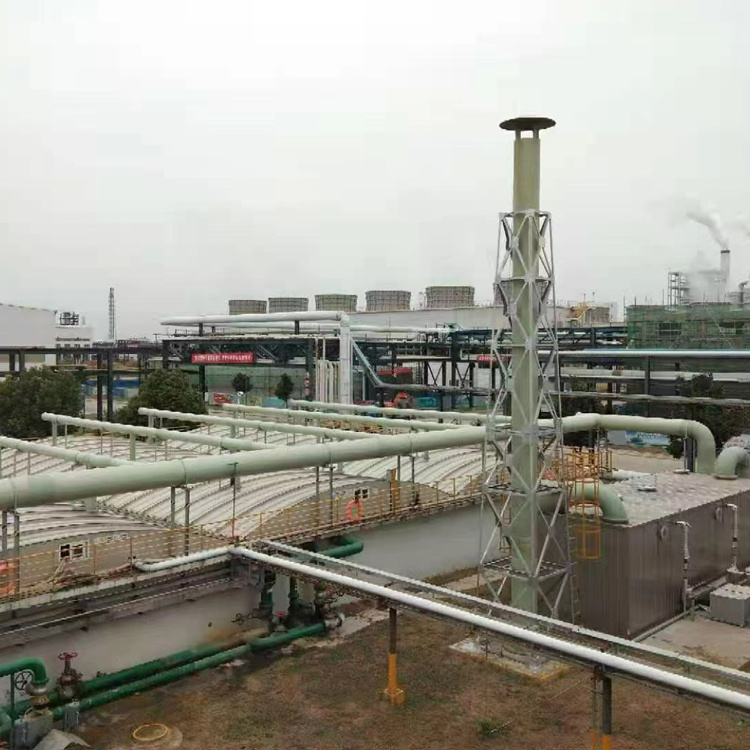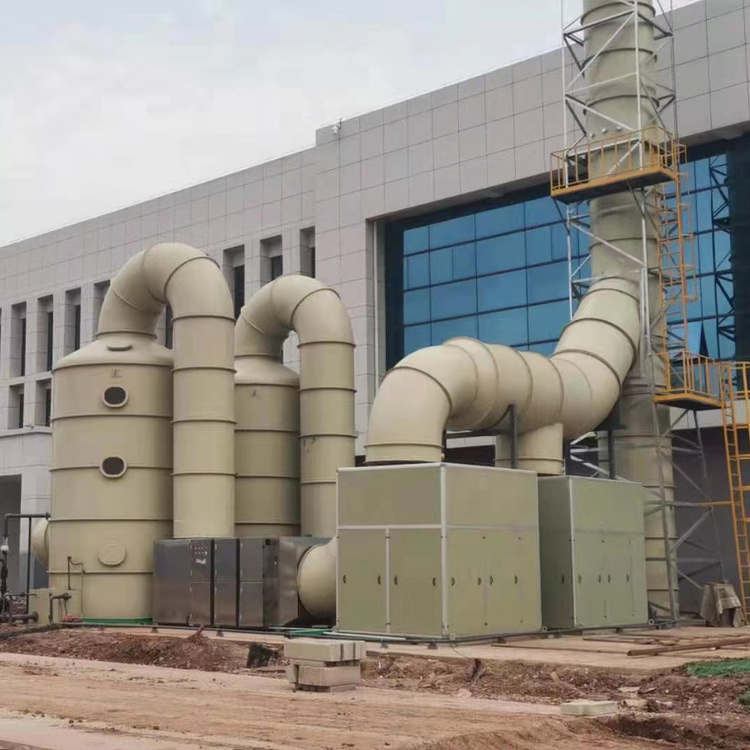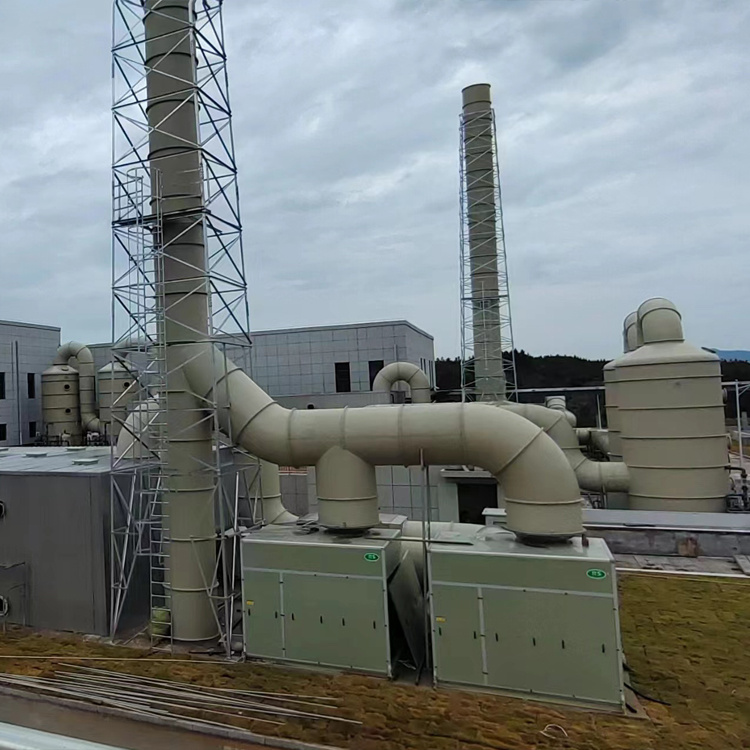

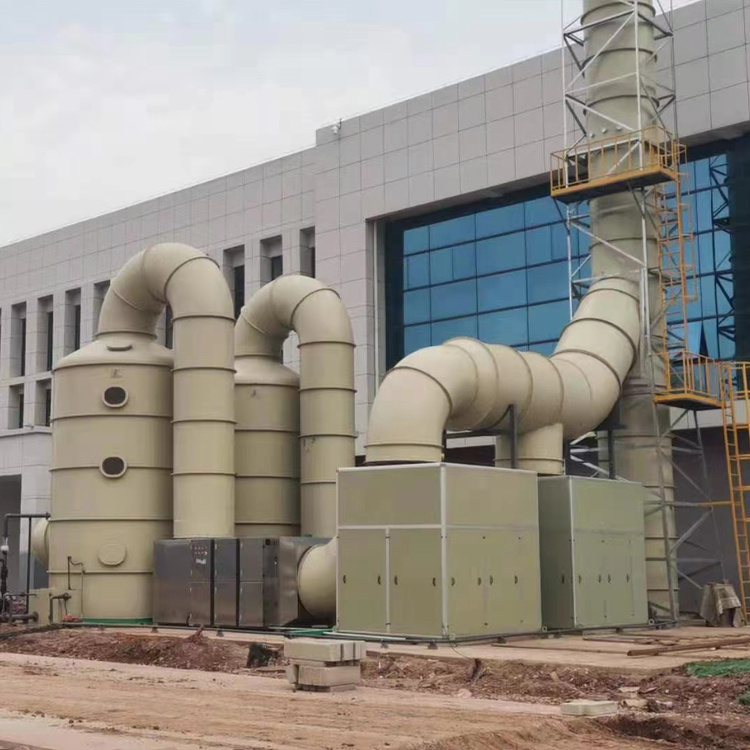


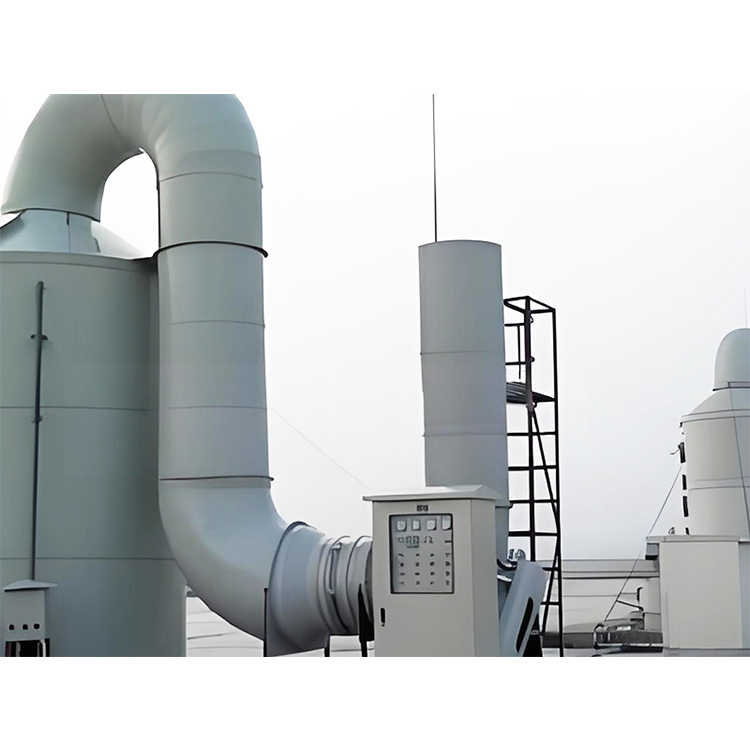
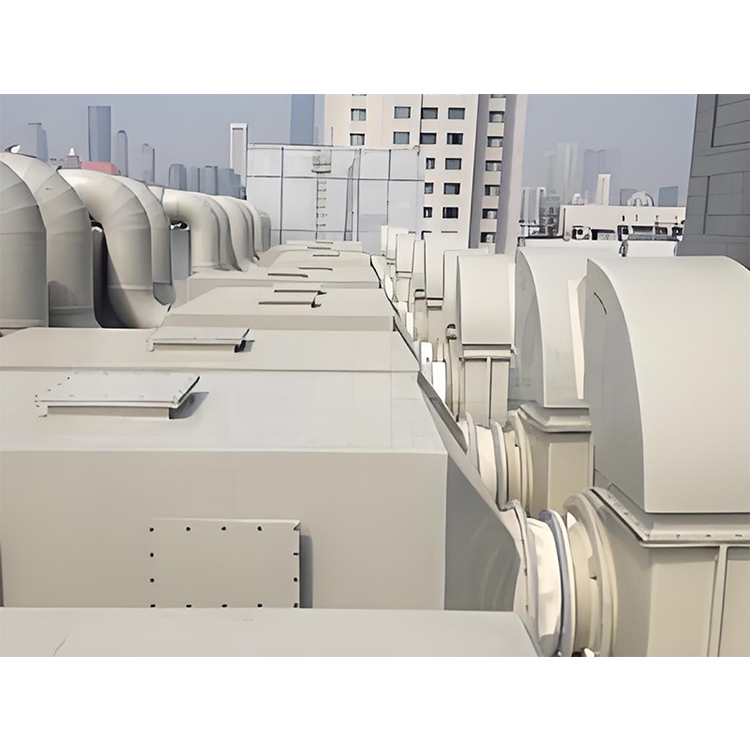
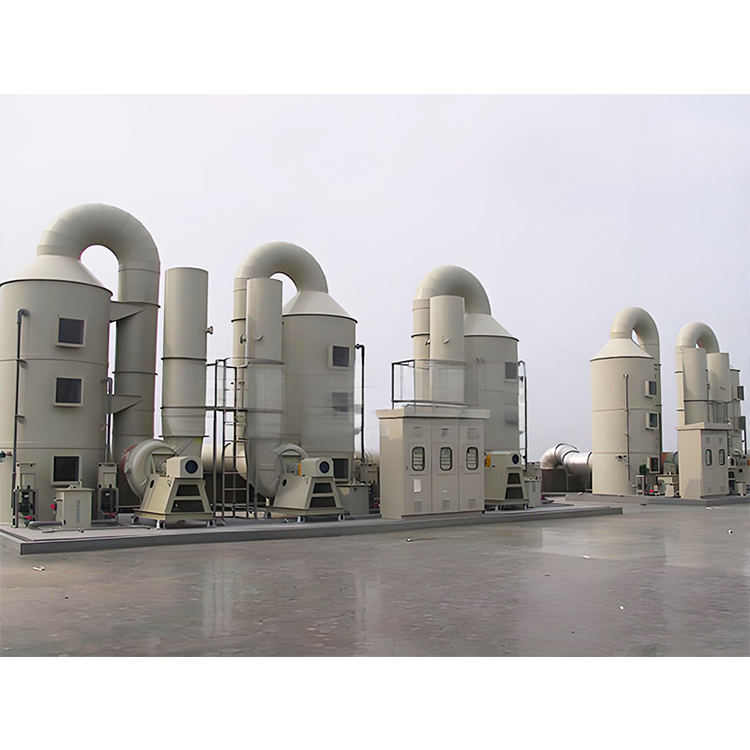
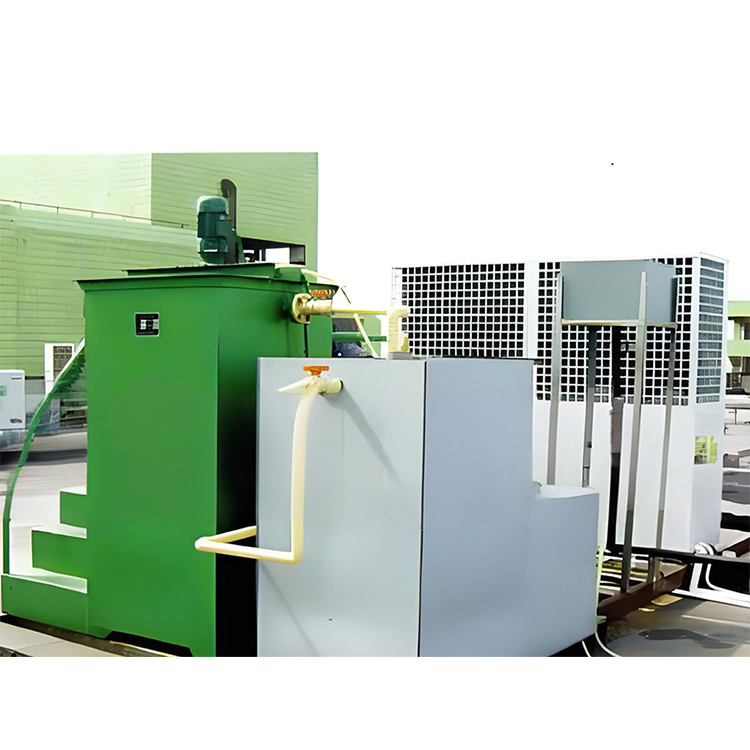





In the process of industrial production, a large amount of odor is often generated. If it is not treated and directly discharged into the atmosphere, it will not only pollute the environment but also pose a threat to human health. Therefore, the application of industrial odor treatment equipment is becoming increasingly widespread.

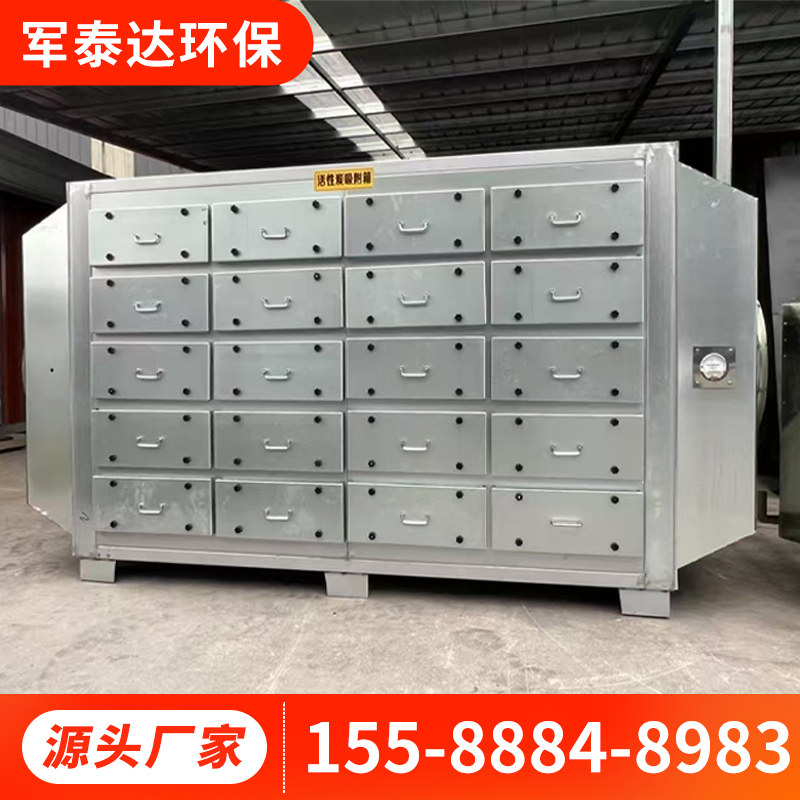
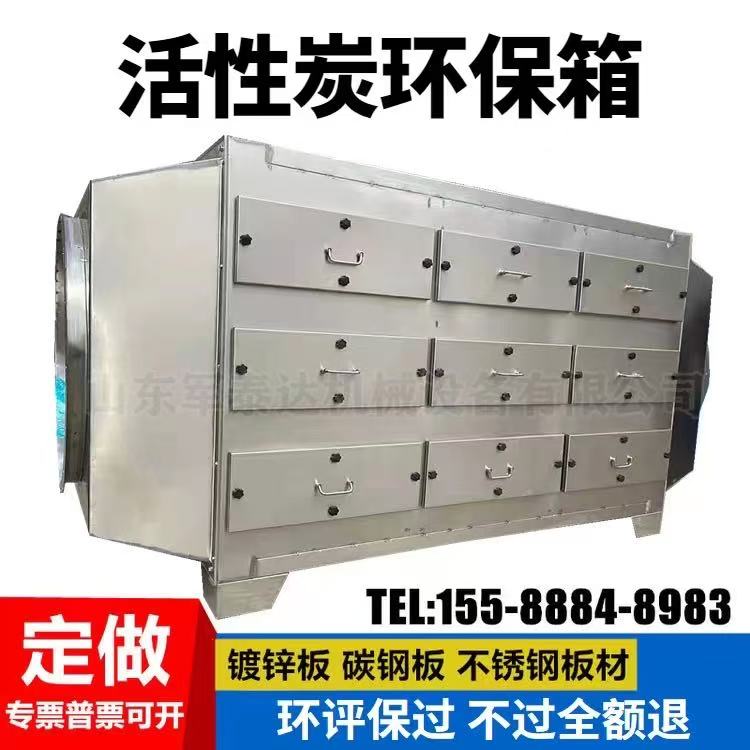
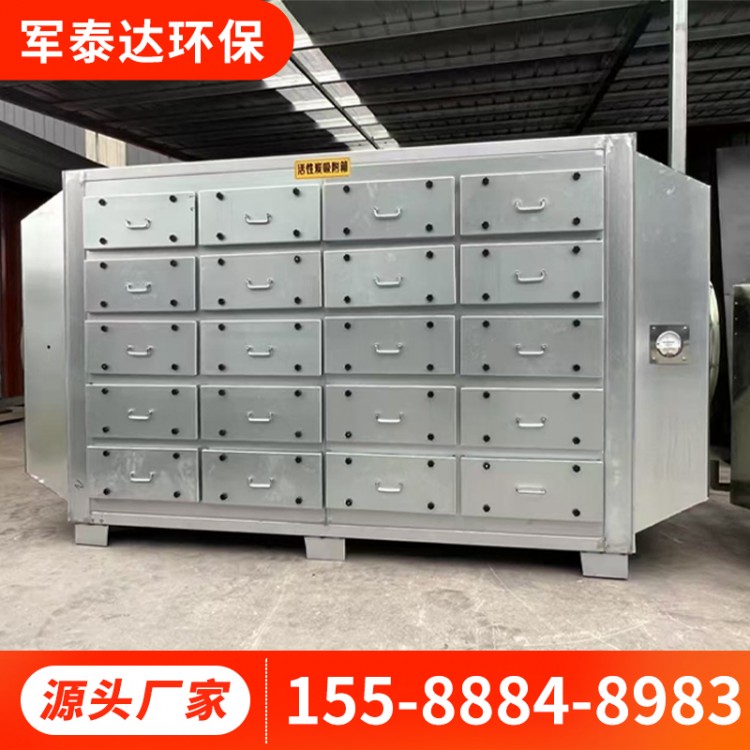
1. Activated carbon adsorption box
Activated carbon adsorption box is a common industrial odor treatment equipment, which uses activated carbon to adsorb organic and odorous substances in the odor, thereby achieving the goal of purifying the air. Activated carbon has a large specific surface area and porosity, so it can effectively adsorb organic and odorous substances in odors. When activated carbon is saturated, it needs to be replaced or regenerated.
2. Biological filter
Biological filter is a process that utilizes microorganisms to degrade and transform organic substances in odors, in order to purify the air. Biofilters usually use biofilm or activated sludge methods to effectively reduce odor concentration and achieve deodorization and purification effects. But it requires cultivation and maintenance of microorganisms, which is costly.
3. Siever
A sieve is a device that filters odors through a sieve to remove particles and impurities, achieving the goal of purifying the air. Sievers are usually made of materials such as stainless steel mesh or polyester mesh, which have the advantages of simple operation and easy maintenance.
4. Catalytic oxidation equipment
Catalytic oxidation equipment uses catalysts to oxidize and decompose organic and odorous substances in odors, thereby achieving the goal of purifying the air. Catalysts are usually metal oxides or precious metals such as copper, iron, chromium, cobalt, palladium, platinum, etc. This method has advantages such as energy saving and environmental protection.

In summary, industrial odor treatment equipment mainly includes activated carbon adsorption boxes, biological filters, sieves, and catalytic oxidation equipment. In practical applications, appropriate odor treatment equipment should be selected based on the composition and emission volume of the odor, and regular maintenance and replacement should be carried out.