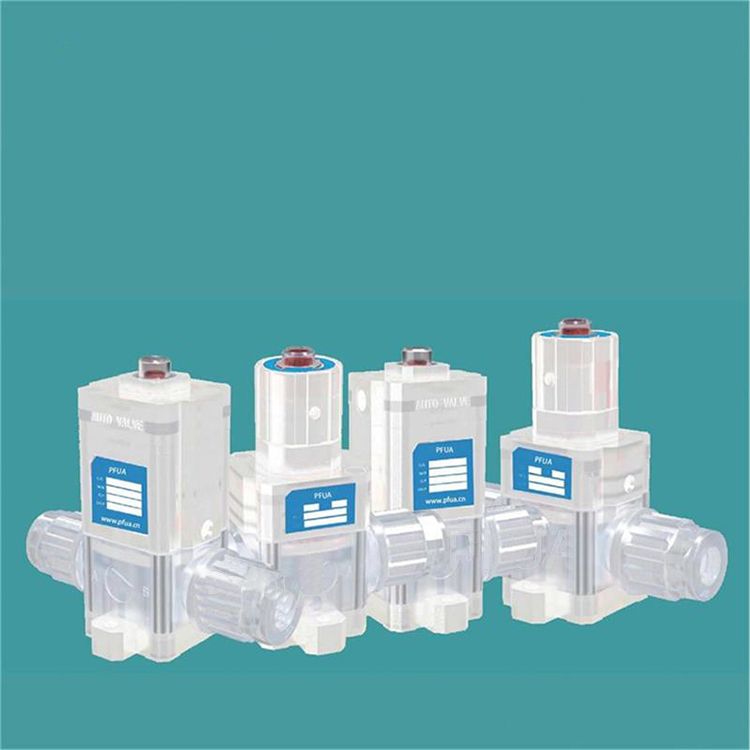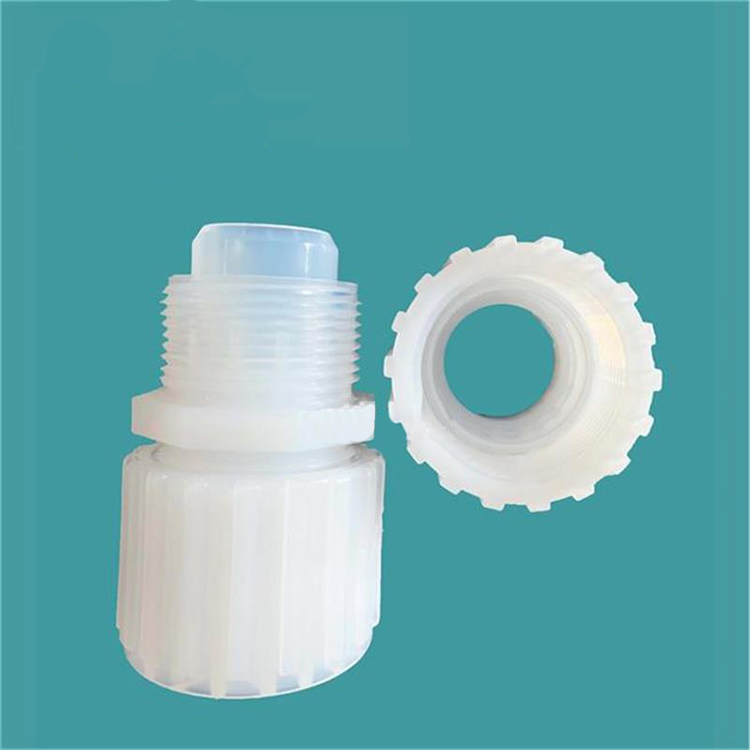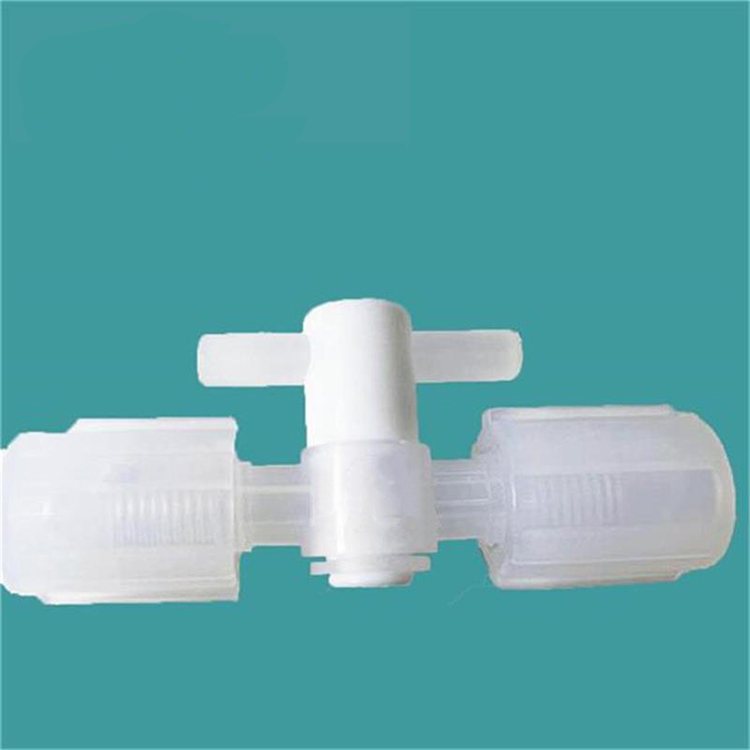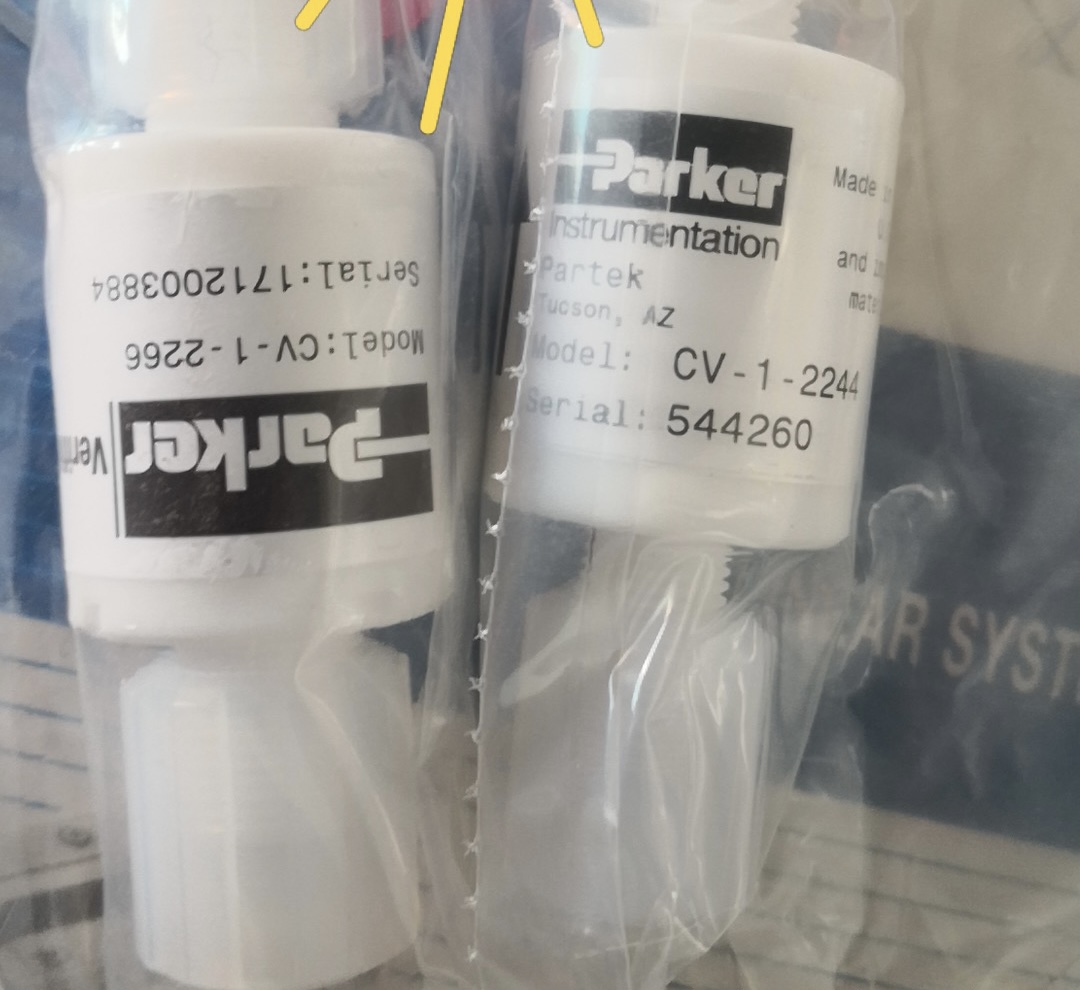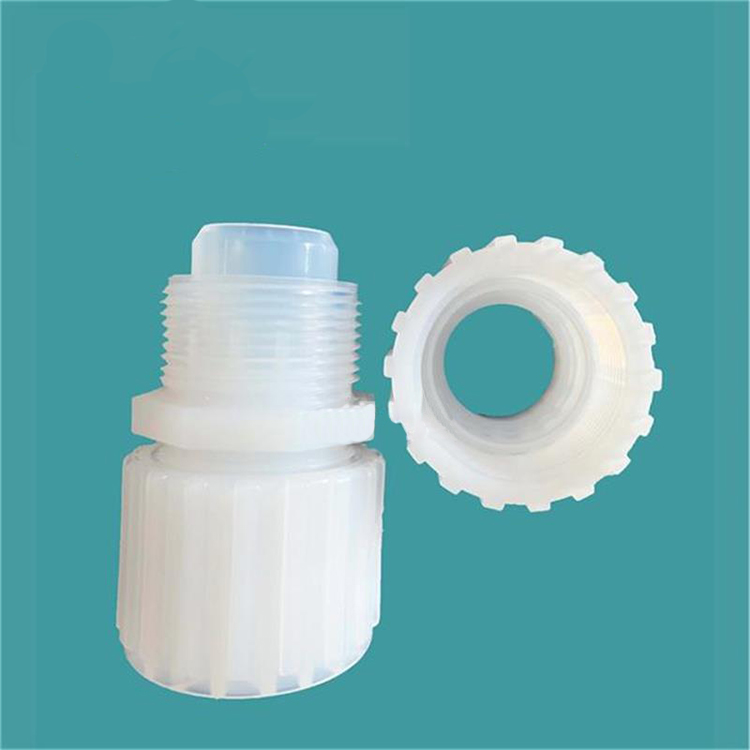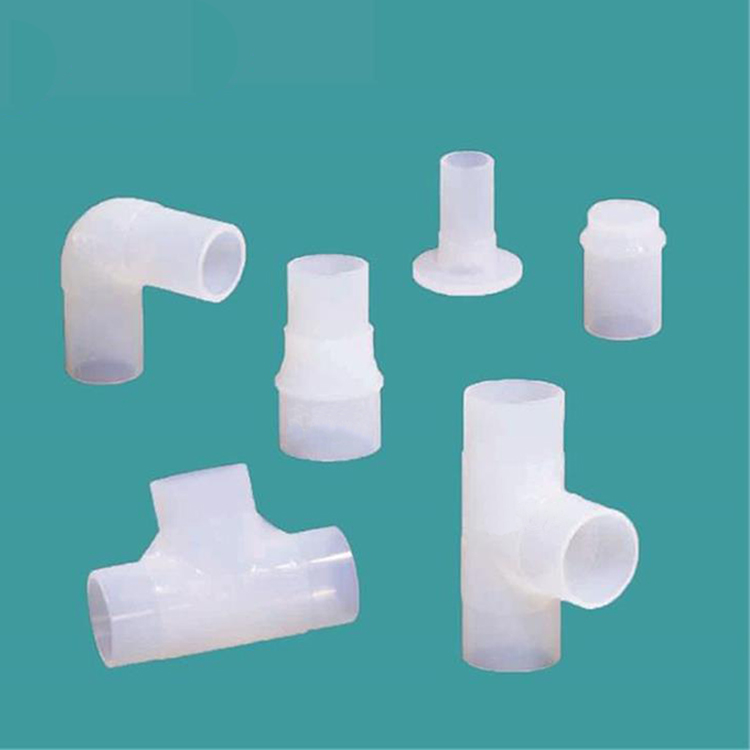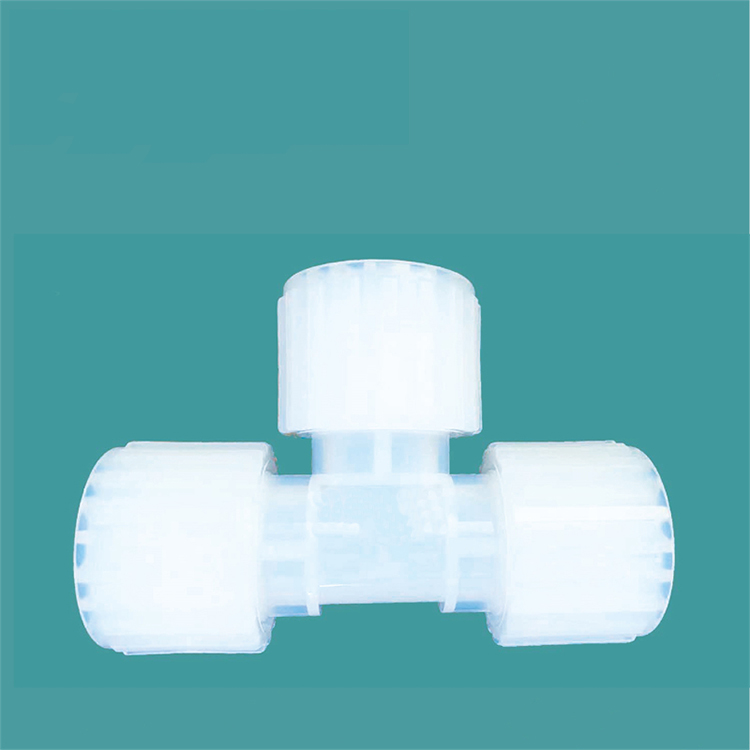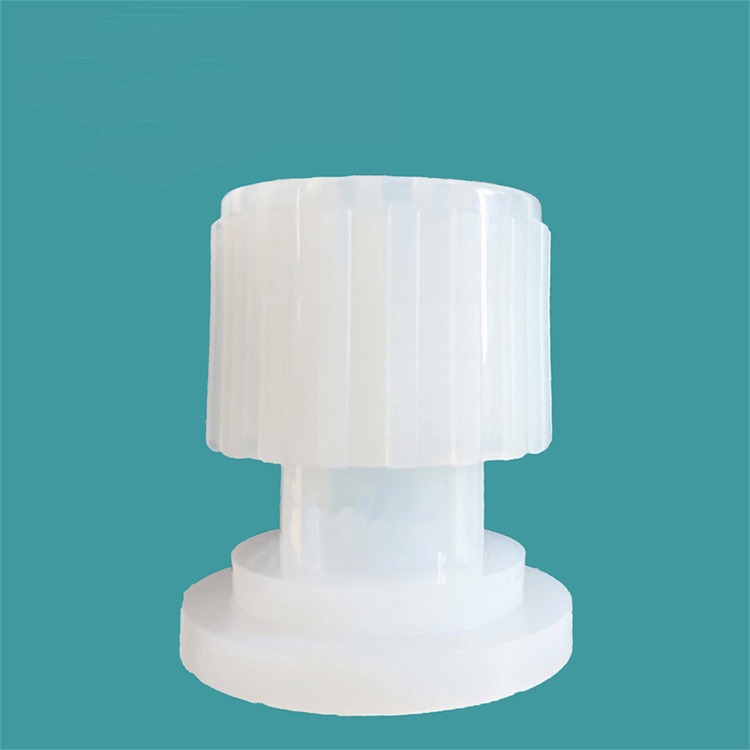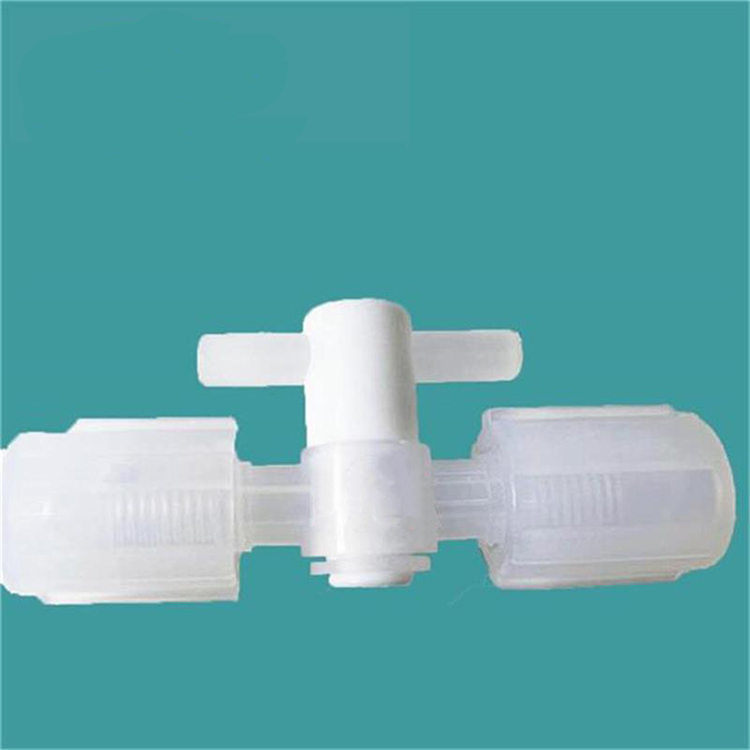

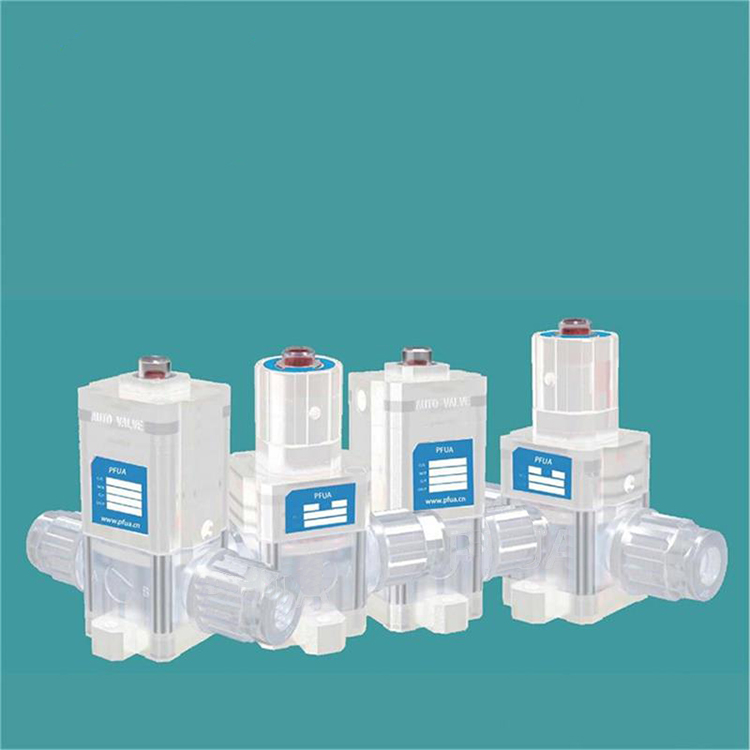

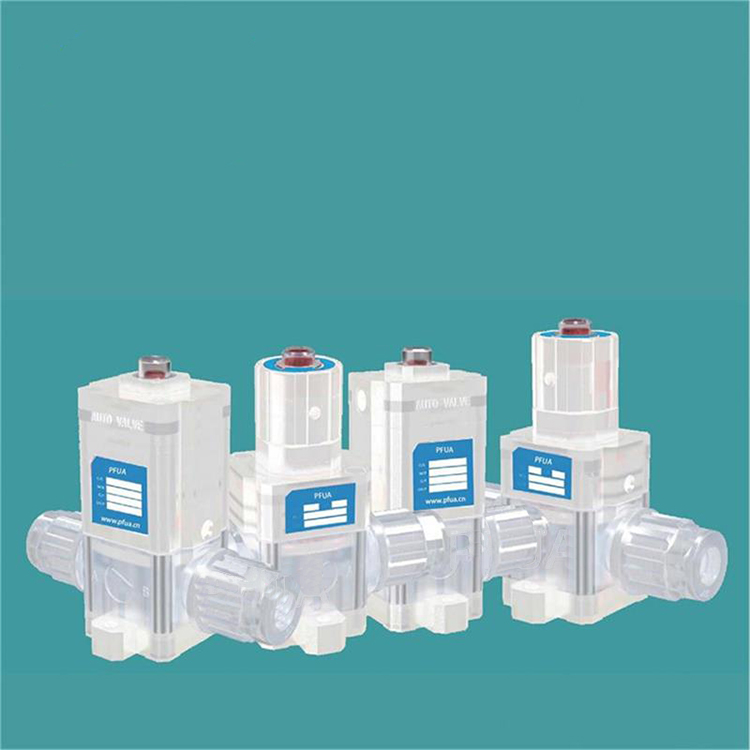


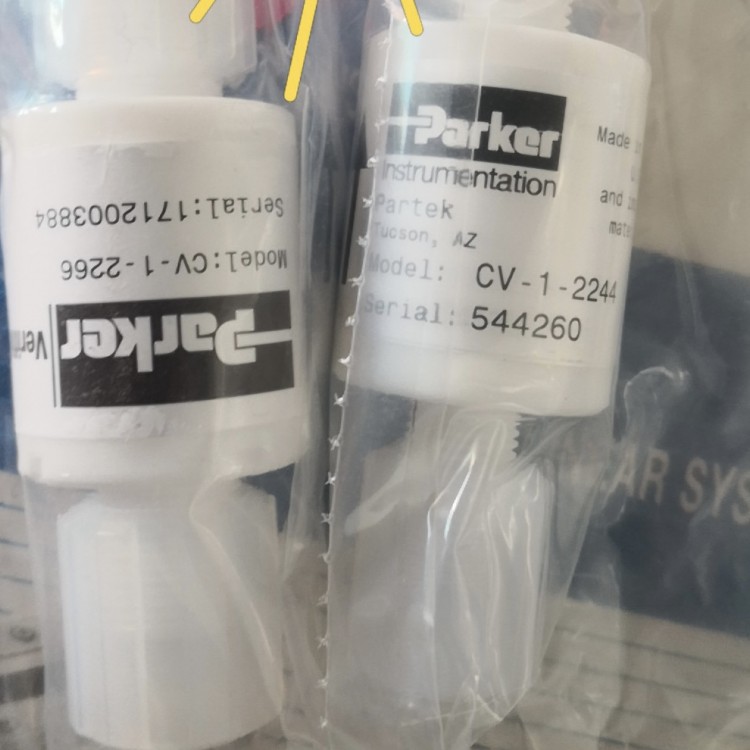
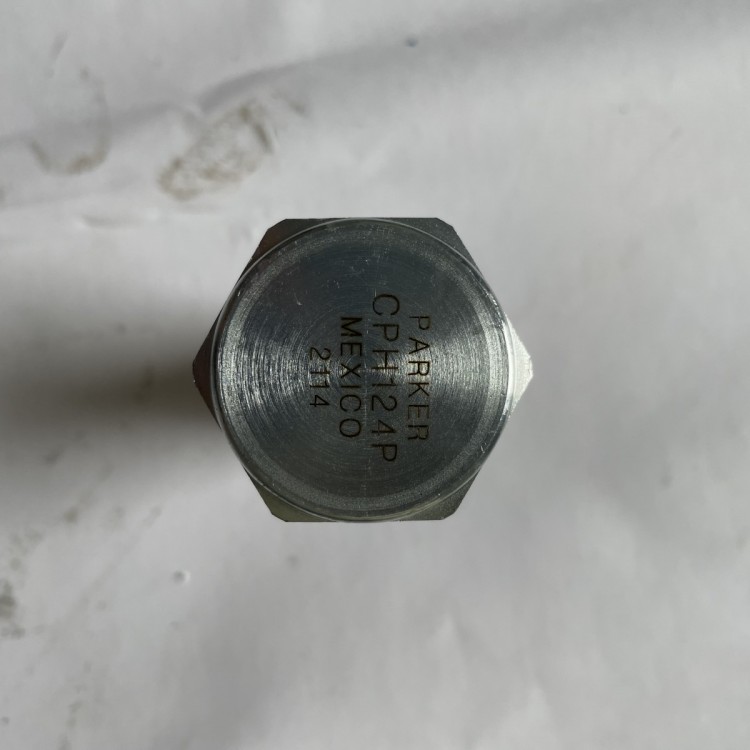
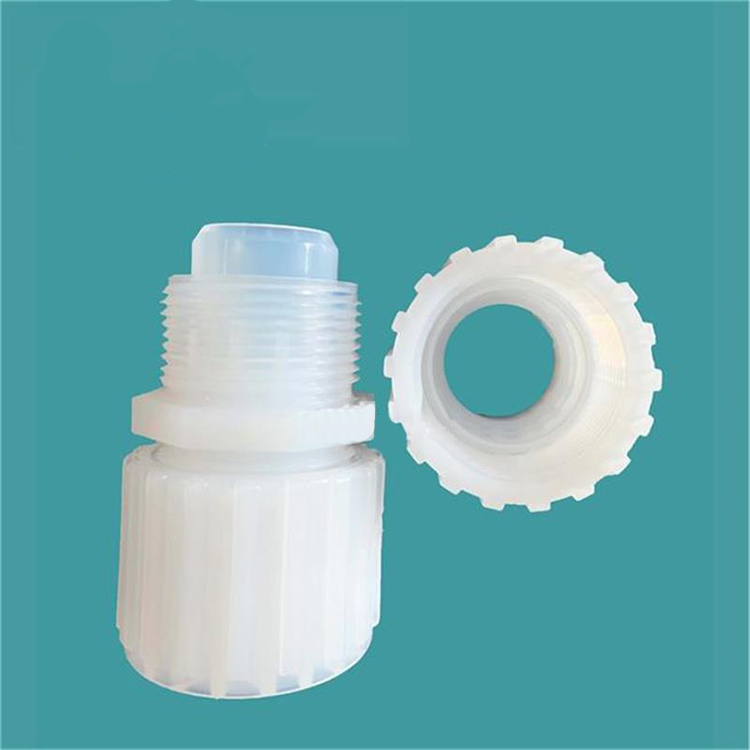







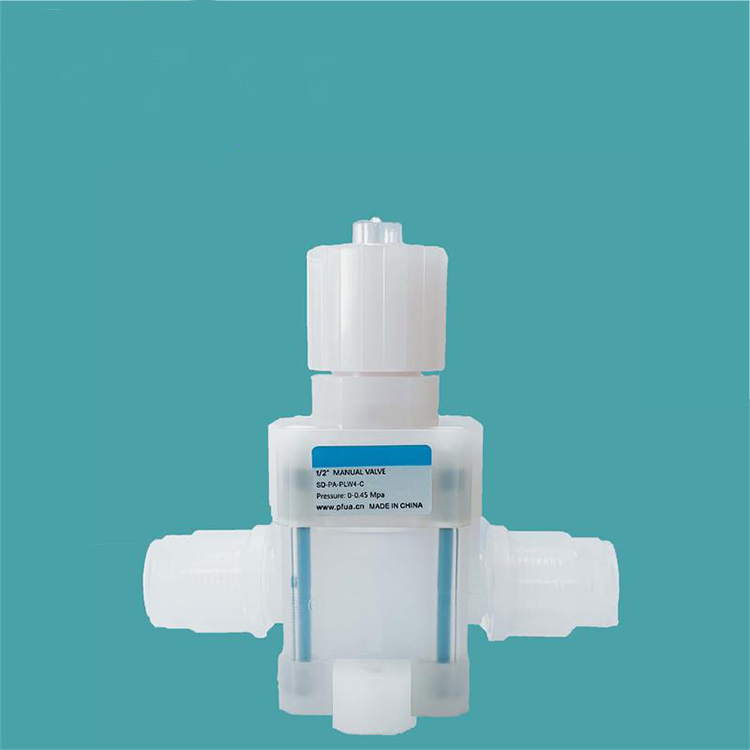
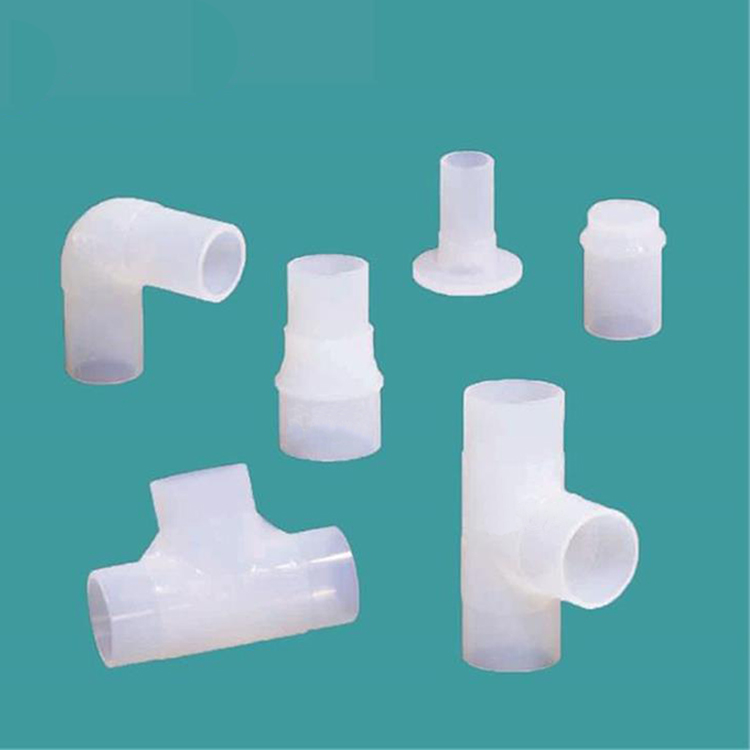
Diaphragm valves are shut-off valves that use a diaphragm as the closure element to seal the flow path, cut off the fluid, and separate the valve body cavity from the valve cover cavity. The diaphragm is commonly made of elastic, corrosion-resistant, and non-porous materials such as rubber and plastic. The valve body is usually made of materials like plastic, glass fiber reinforced plastic, ceramic, or rubber-liner metal. They feature simple structure, good sealing and corrosion resistance, and low fluid resistance. They are used for low-pressure, low-temperature, highly corrosive, and suspended particulate media. Structurally, they are categorized into types such as hip roof, cut-off, and gate valves. By driving method, they are available in manual, pneumatic, and electric versions. The structure of diaphragm valves is quite different from that of general valves and is a type of new valve, a special form of shut-off valve. Its closure element is a diaphragm made of soft material, which separates the valve body cavity from the valve cover cavity and the driving components. They are now widely used in various fields. Common types of diaphragm valves include rubber-lined, PTFE-lined, unlined, and plastic-lined diaphragm valves.
WeChat Official Account

Scan to follow Official Account