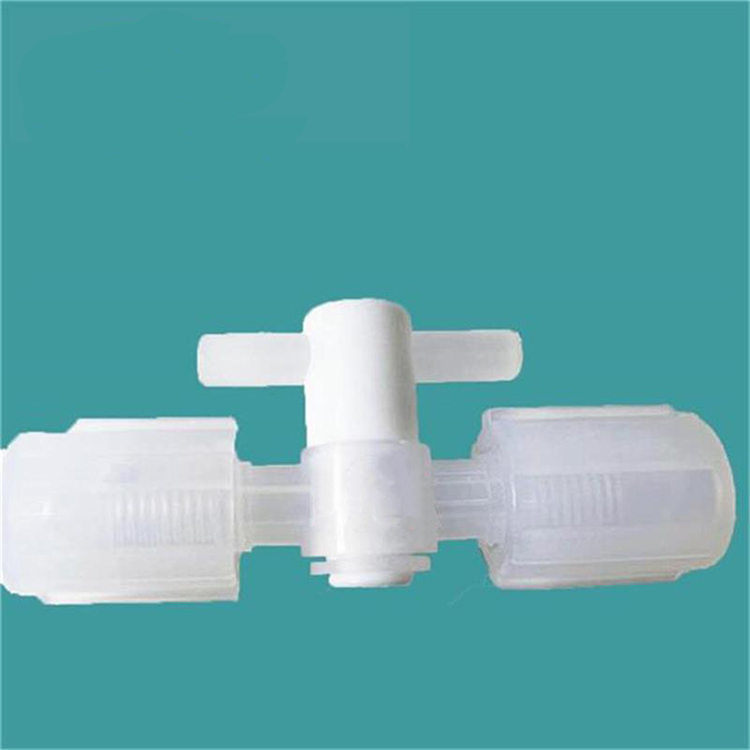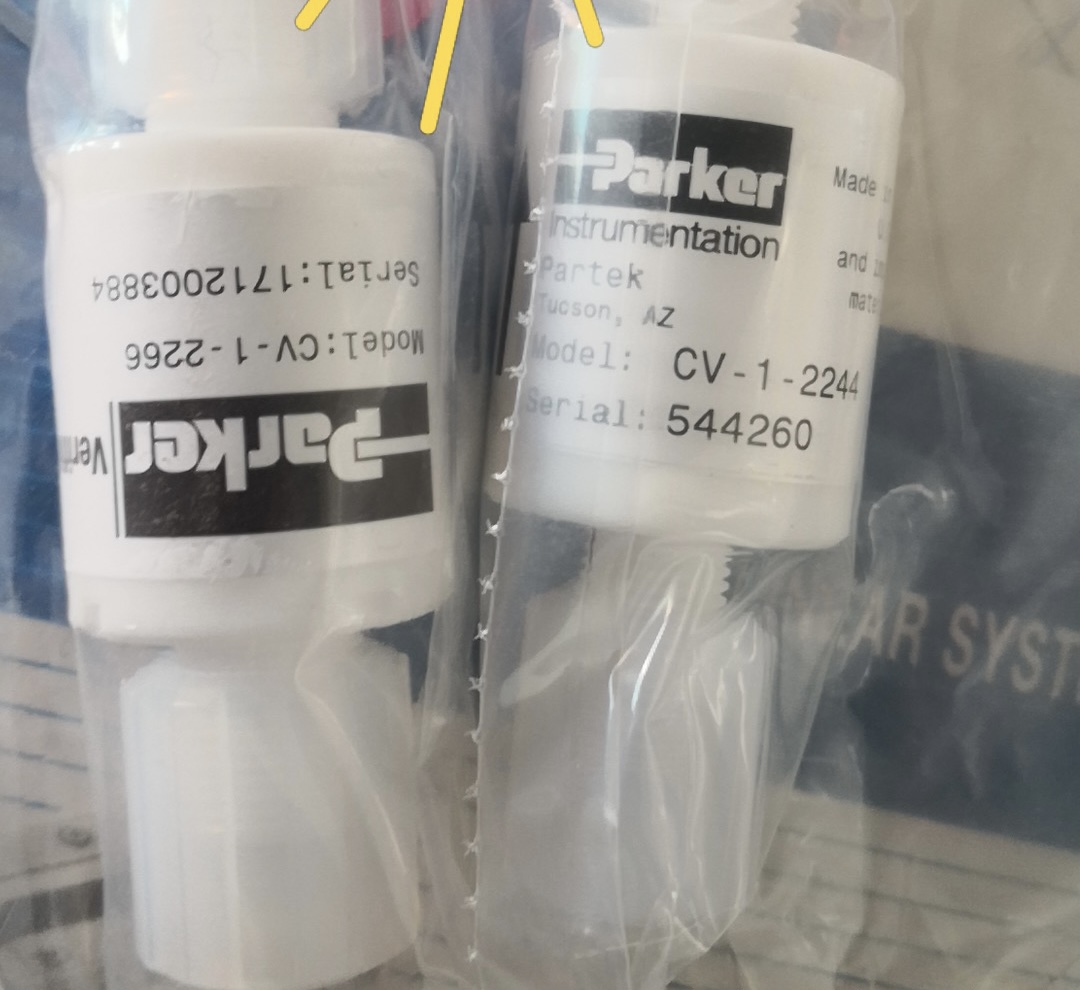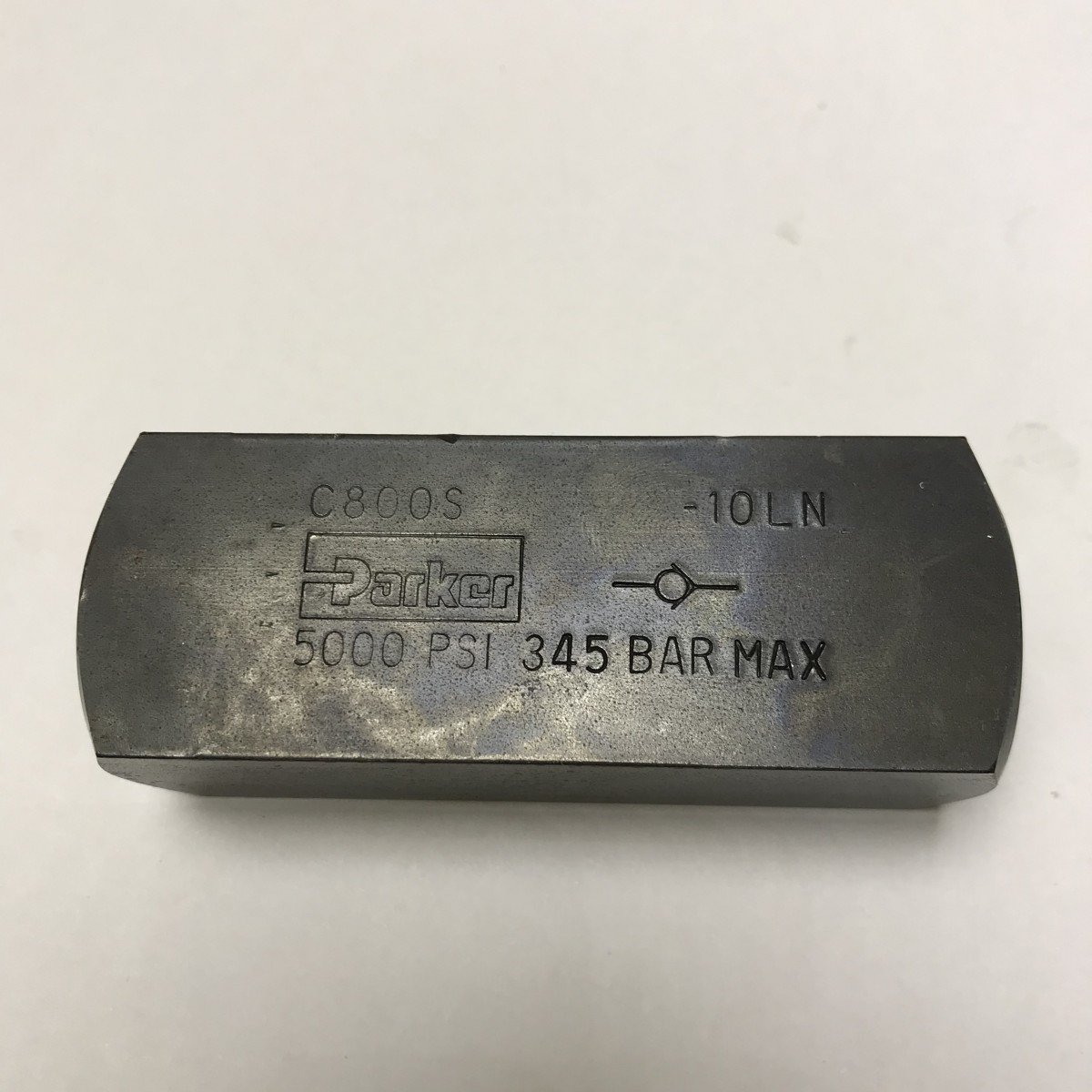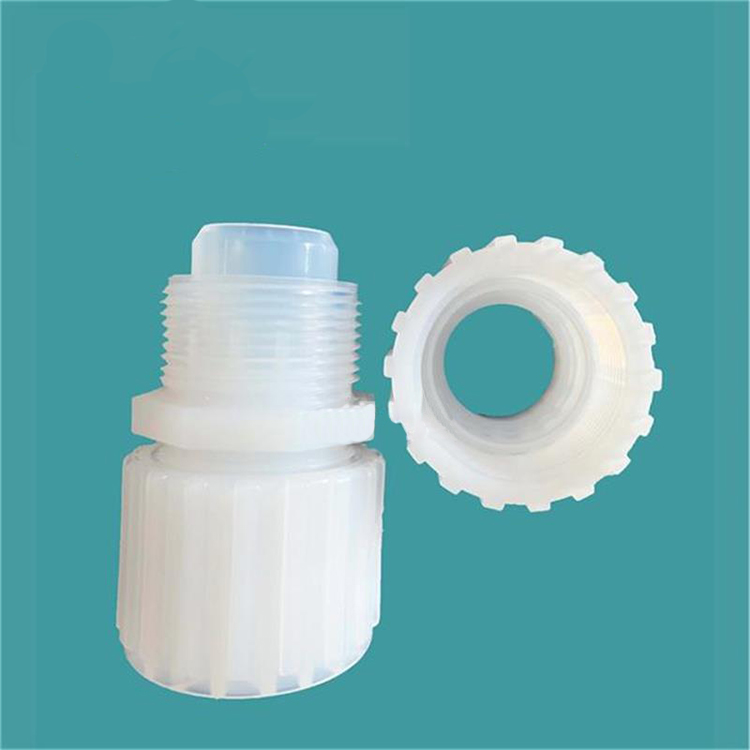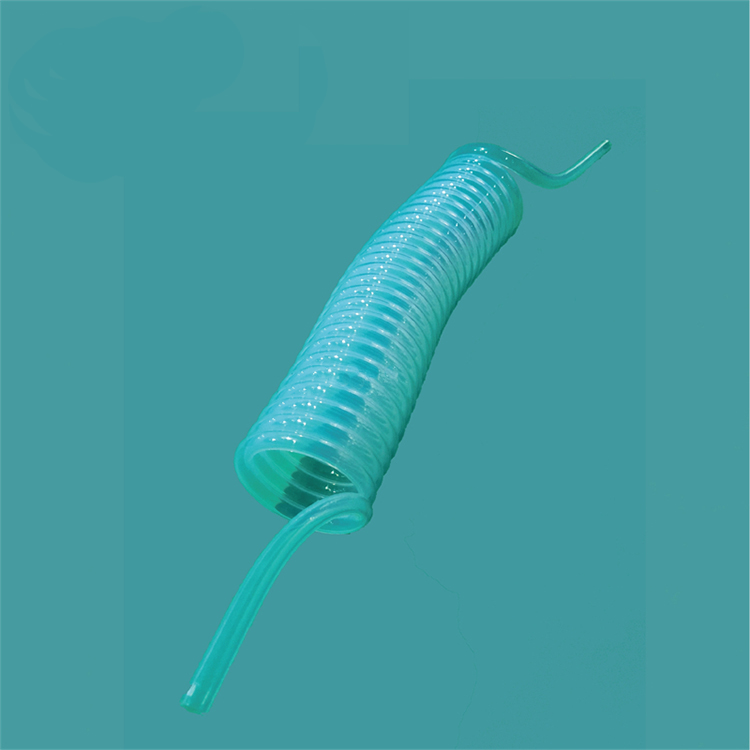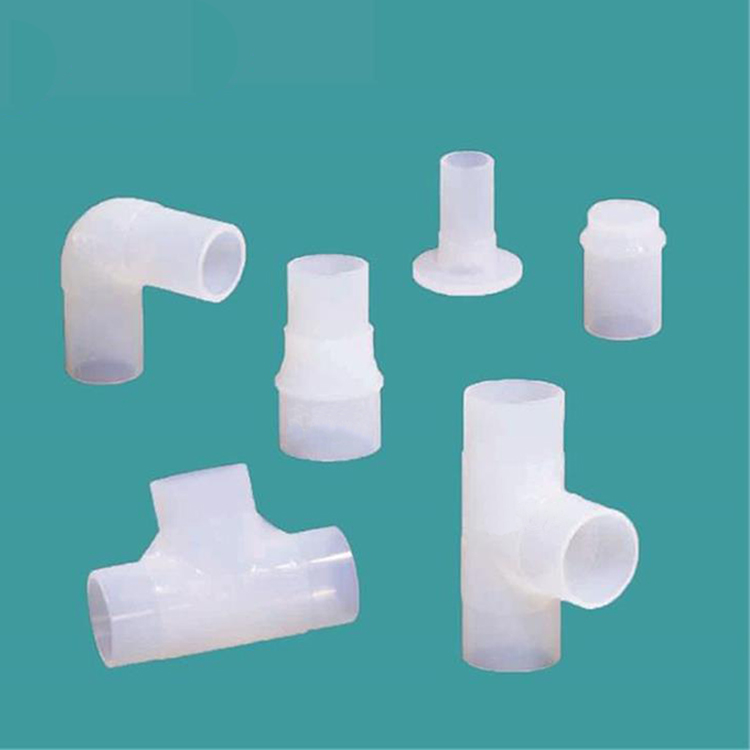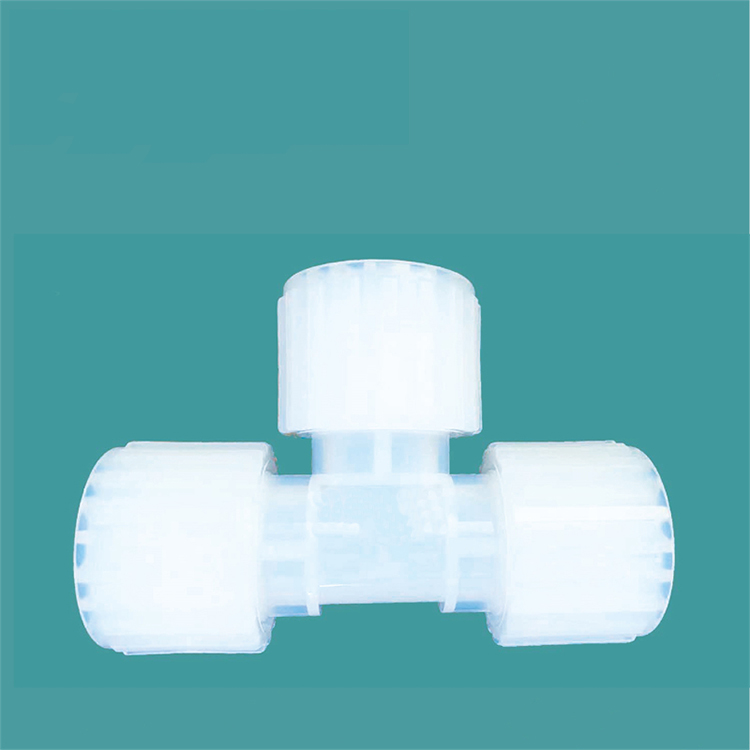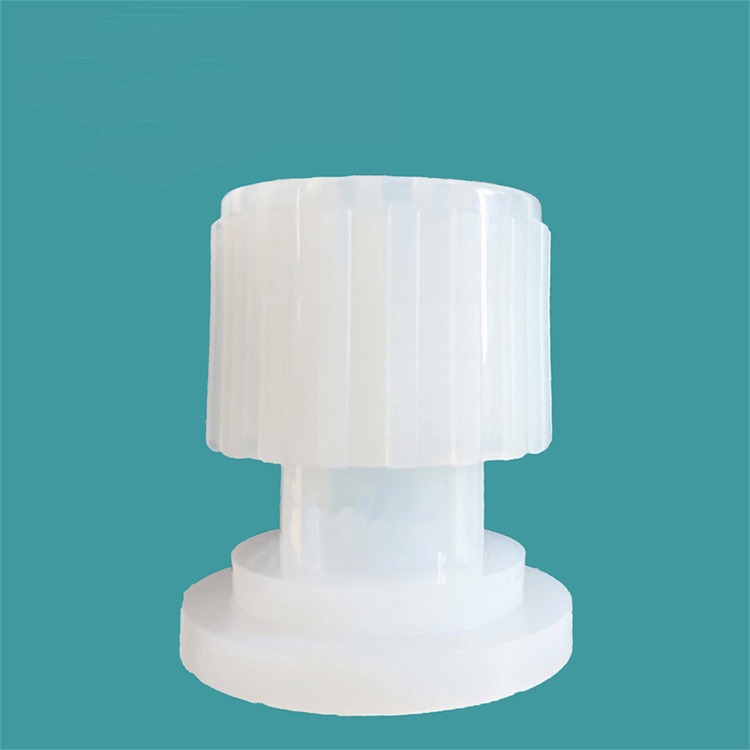

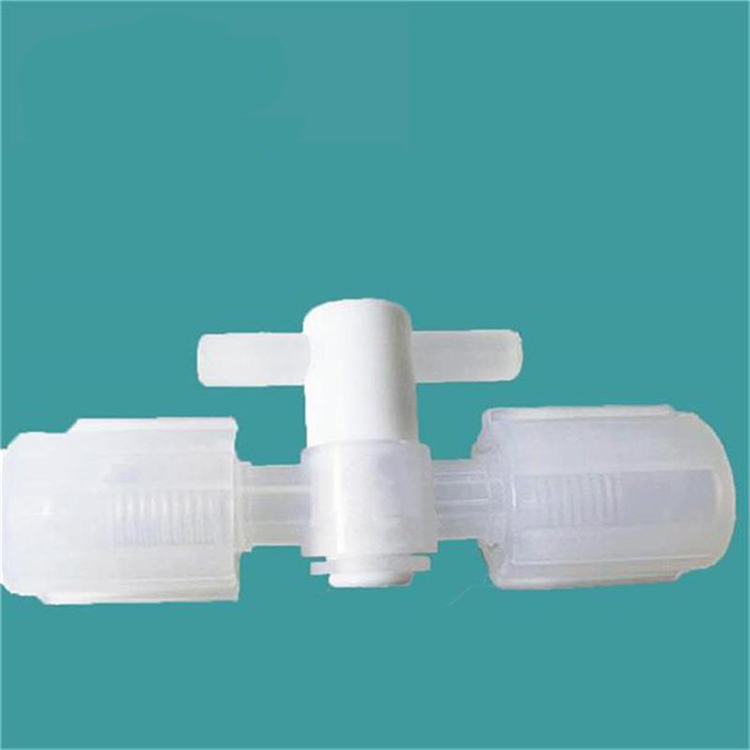

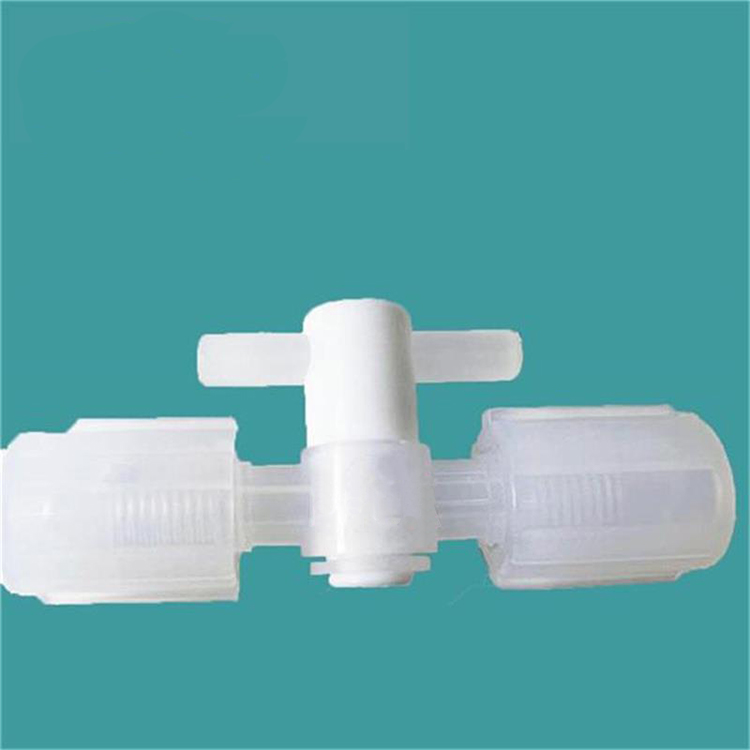


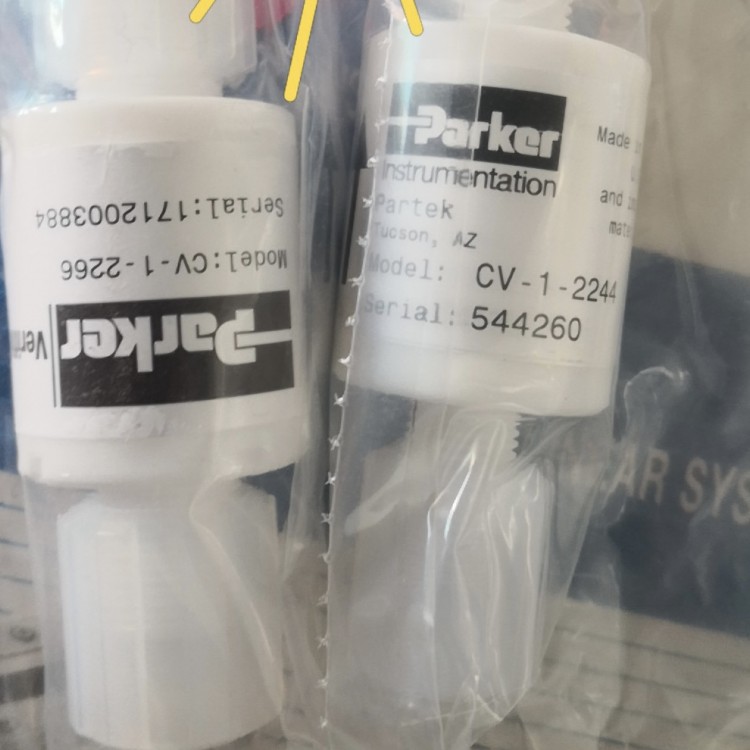
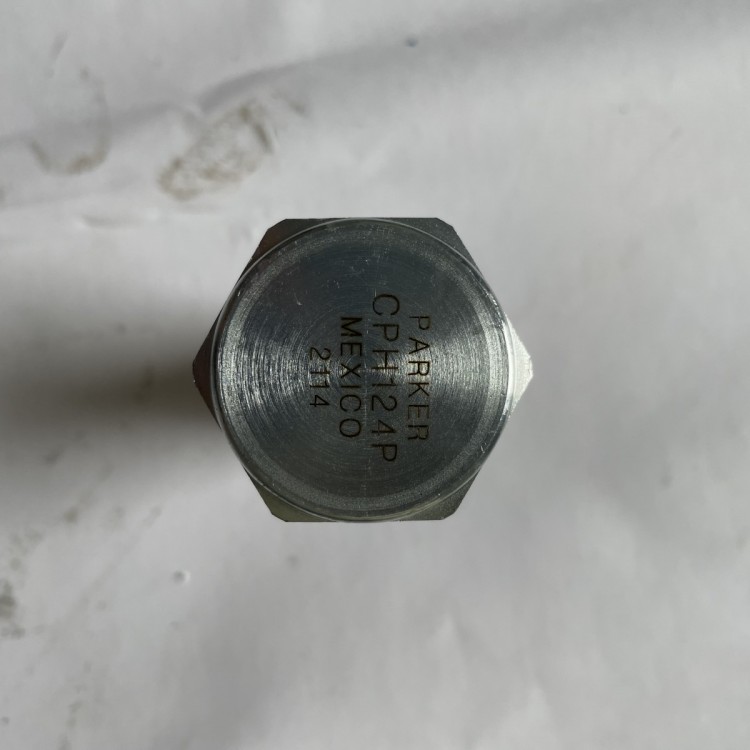
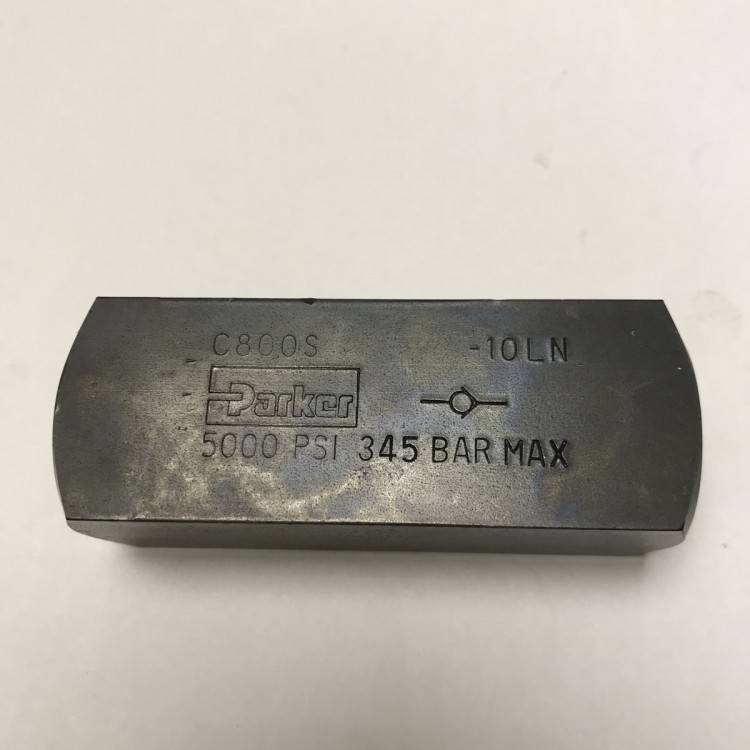
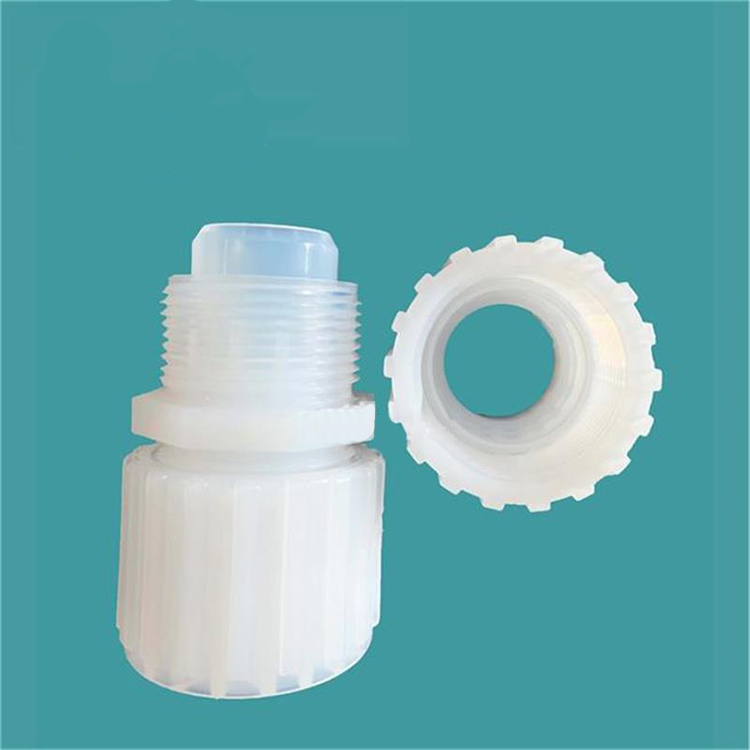







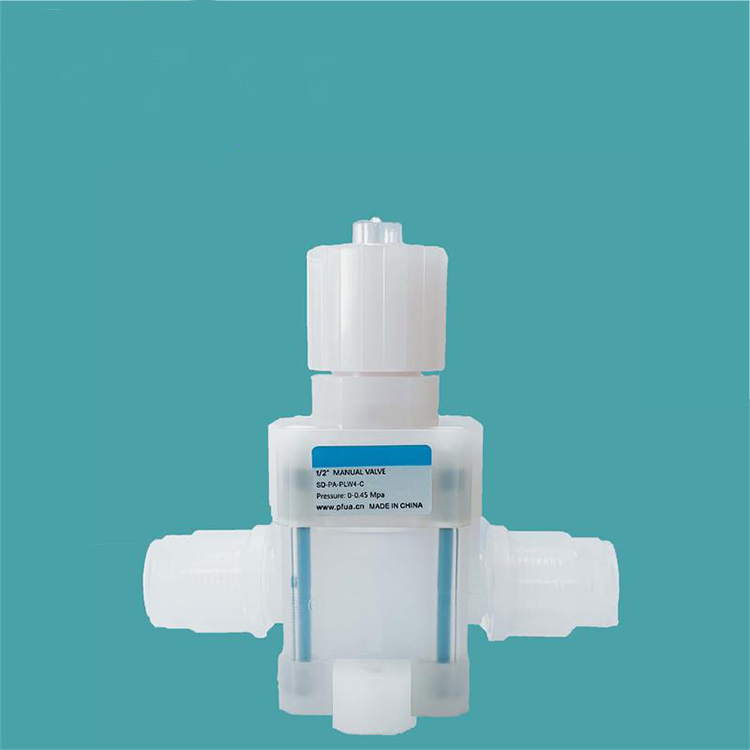
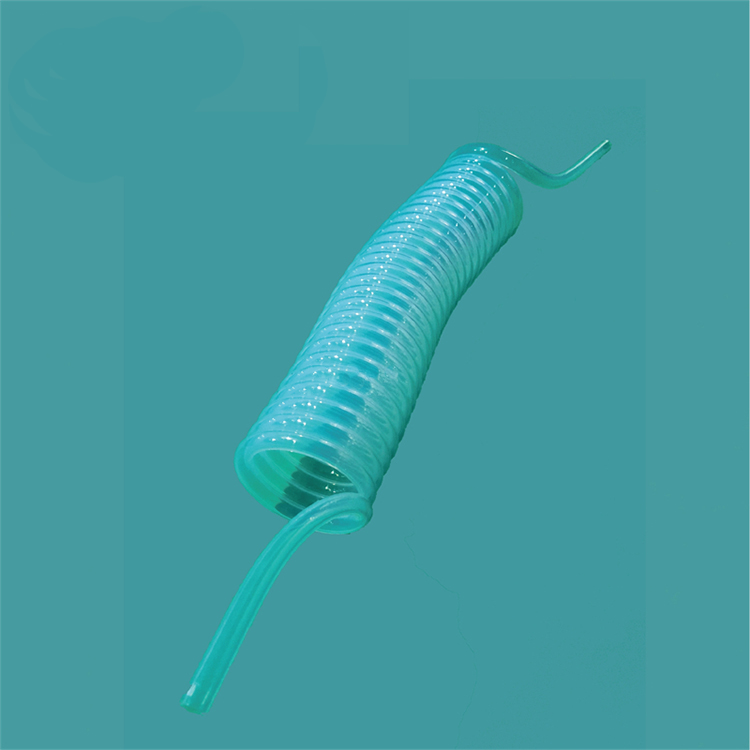
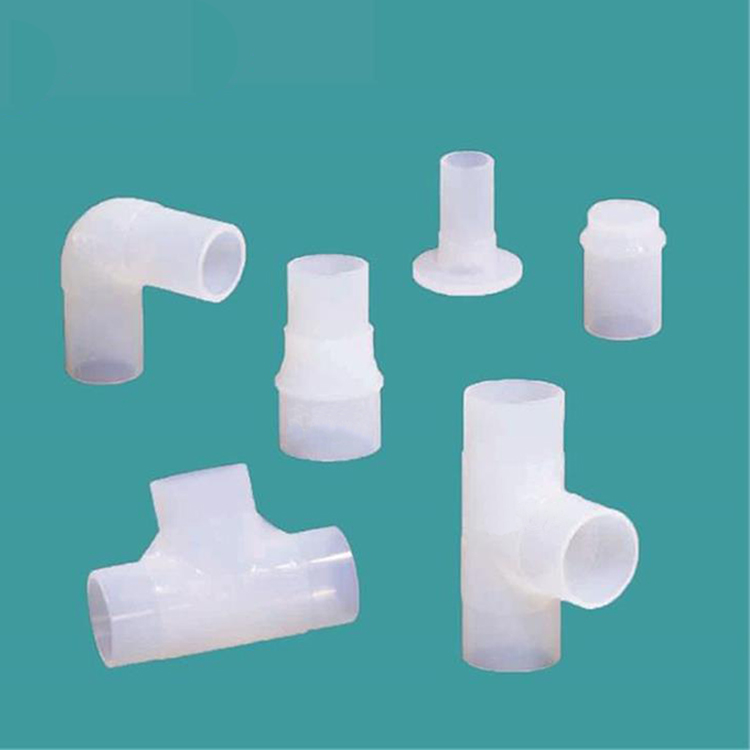
Check valves are a type of quick-acting direct-acting valve. Due to the wiping action between the rotating seals, they can completely prevent contact with the flowing medium when fully open, thus they are often used for media containing suspended particles. Another important feature is their ease of adaptation to multi-channel structures, allowing a single valve to have two, three, or even four different flow paths. This simplifies the design of the pipeline system, reduces the number of valves required, and the need for certain connecting components within the equipment.
Valves equipped with plug bodies featuring through-holes as their shut-off components. The plug body rotates with the valve stem [2] to accomplish the opening and closing action. The small, unfilled plug valves are also known as "cocks." The plug bodies of plug valves are typically conical (though sometimes cylindrical) and form a sealing pair with the conical bore face of the valve body. Plug valves are one of the earliest types of valves used, characterized by their simple structure, quick operation, and low fluid resistance. Standard plug valves achieve sealing through direct contact between the precision-machined metal plug body and the valve body, resulting in poor sealing, high opening and closing force, and susceptibility to wear. They are generally suitable only for low-pressure (not exceeding 1 MPa) and small bore applications (less than 100 mm in diameter).