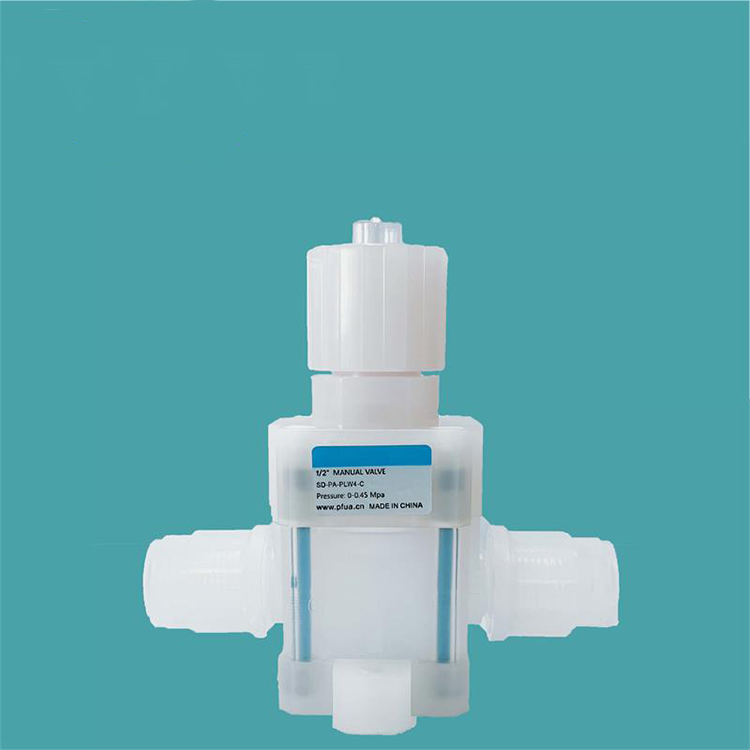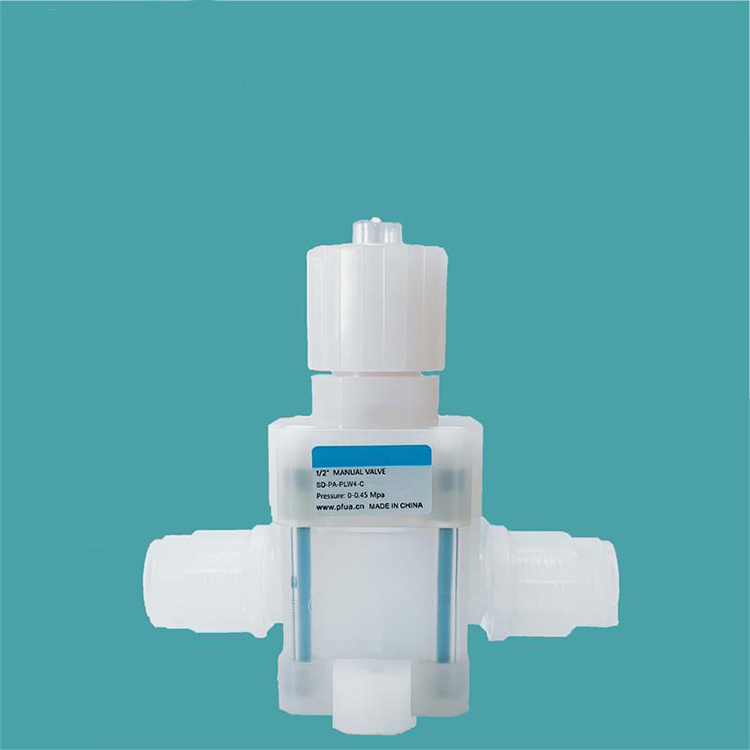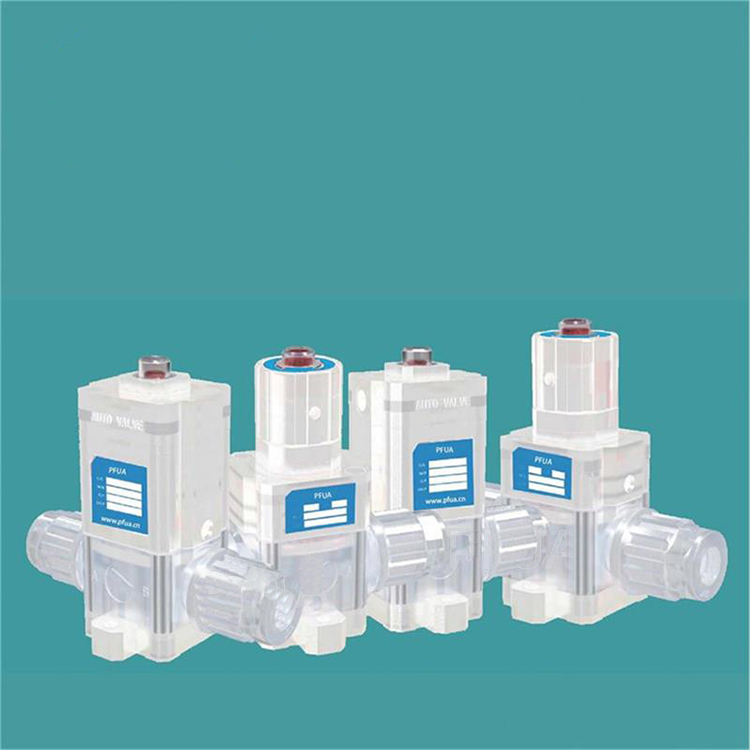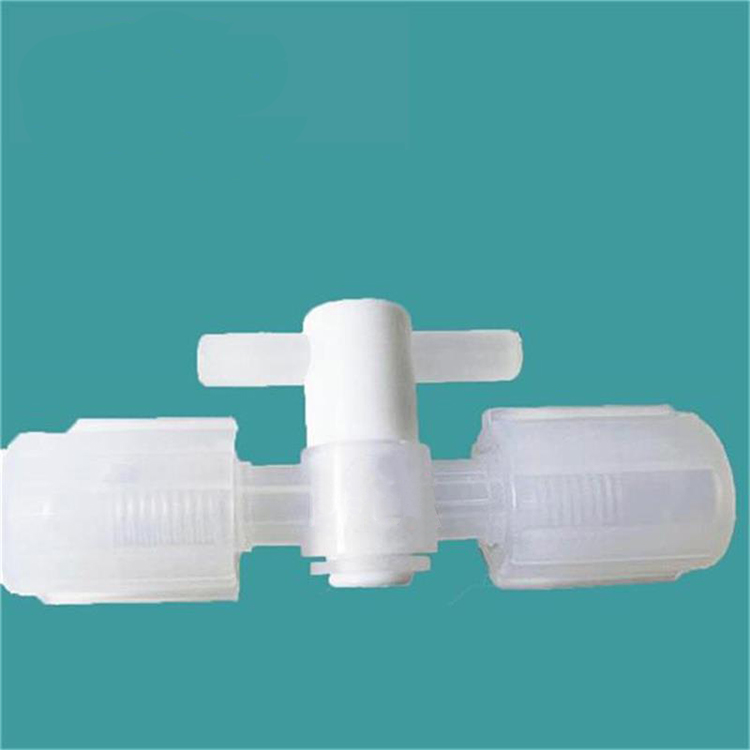

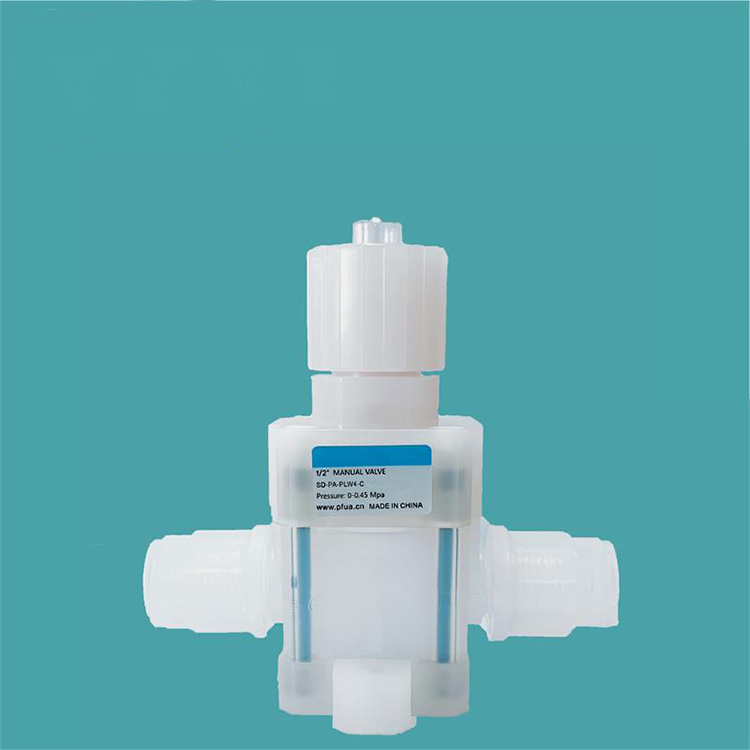

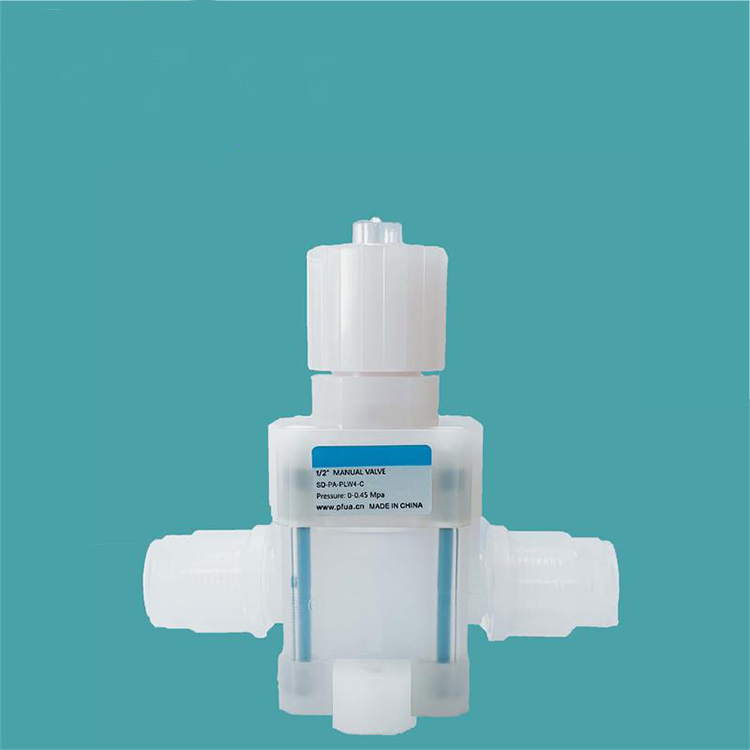
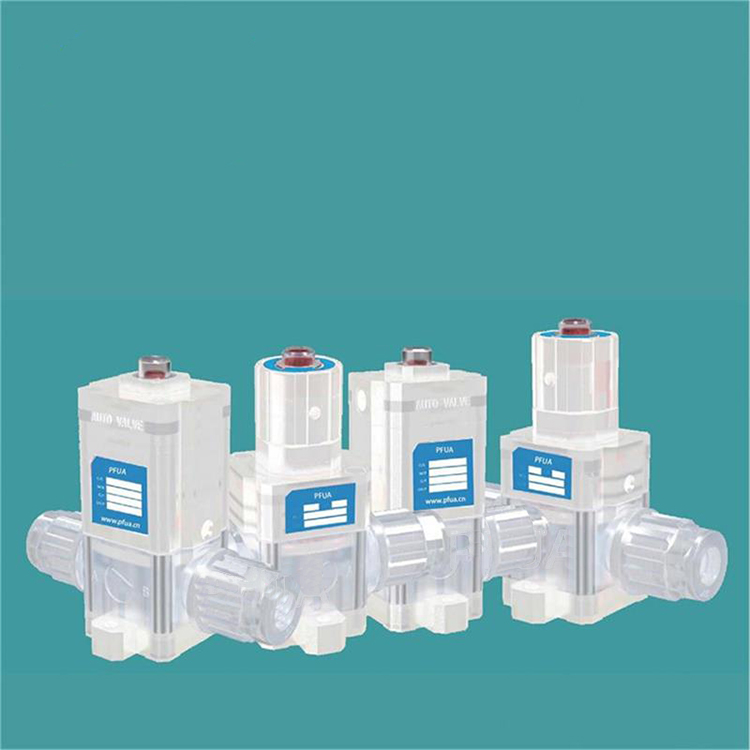
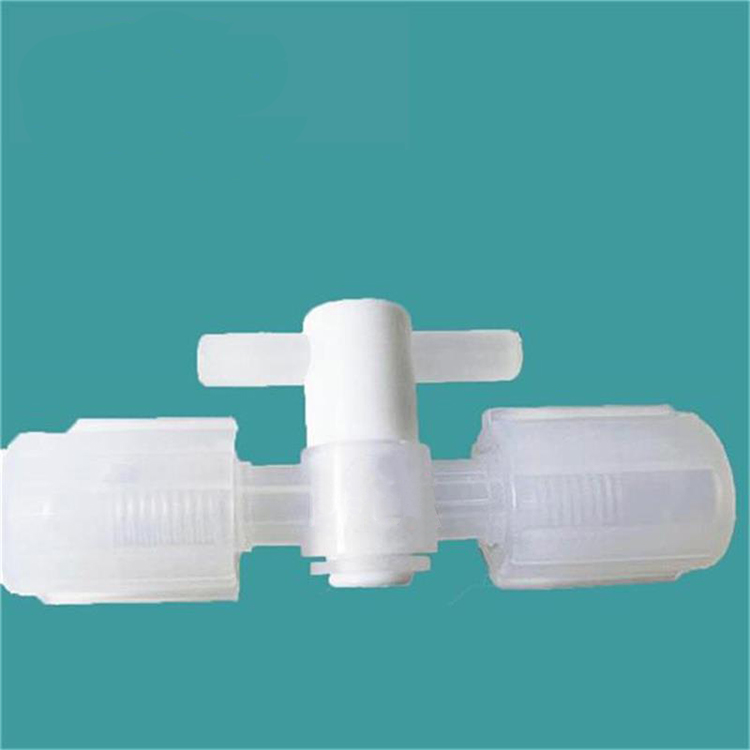


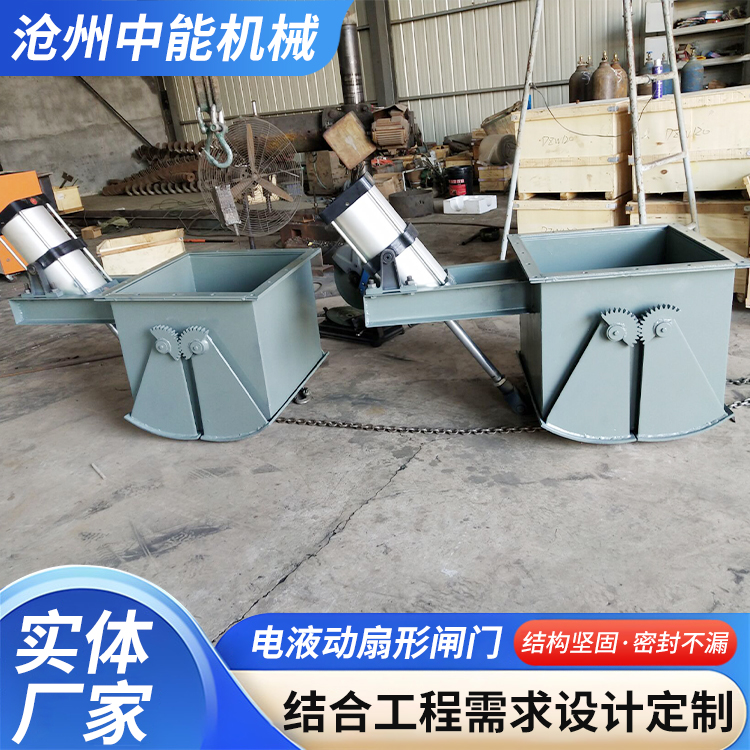

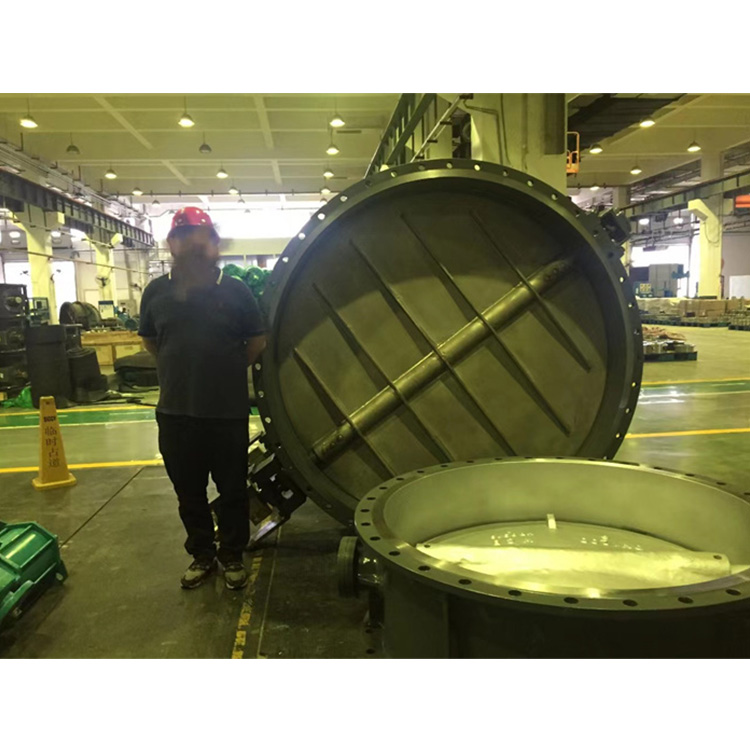







The advantages of diaphragm valves are similar to those of clamp valves. Their closure elements are not wetted by the process medium, allowing for the use of cheaper materials in corrosive process media. The flow path is straight or nearly straight, with minimal pressure drop, making it ideal for switching operations and avoiding turbulence. Diaphragm valves can also be used for throttling, but small particles may cut grass-like patterns on the diaphragm or at the bottom of the valve body near the bottom, leading to corrosion when maintaining a throttling position. Since the diaphragm is located within a pressure-containing valve body, diaphragm valves can handle slightly higher pressures than clamp valves, but the overall pressure and temperature ratings depend on the material's toughness or the diaphragm's reinforcement. The valve body flow channel is related to the diaphragm's toughness. Another advantage of diaphragm valves is that if the diaphragm fails, the valve body can accommodate rougher product flow, which is better than the clamp valve housing.
The application conditions of diaphragm valves are similar to those of clamp valves. The diaphragm's rebound seals it along particles in the fluid, allowing it to operate ideally in sludges, process materials, or fluids containing solids.