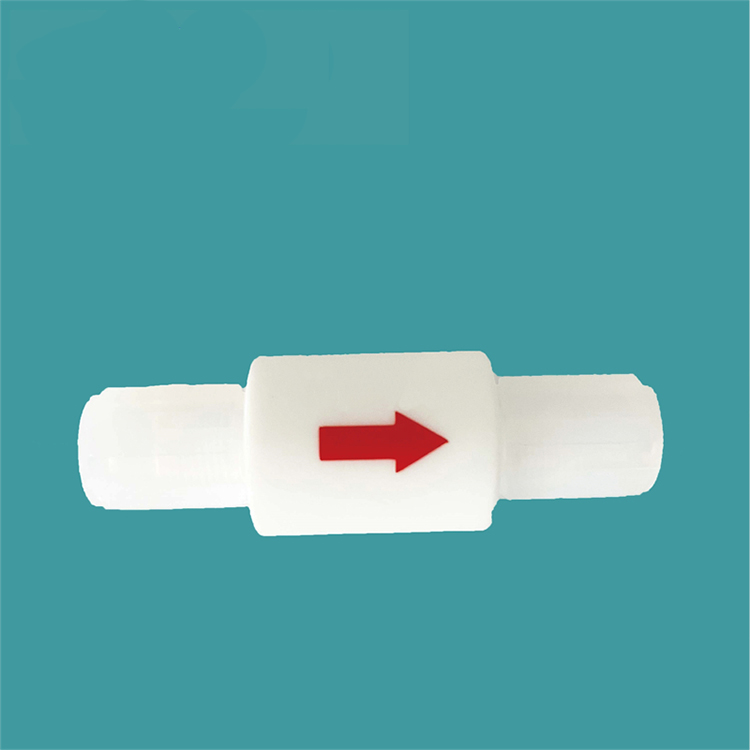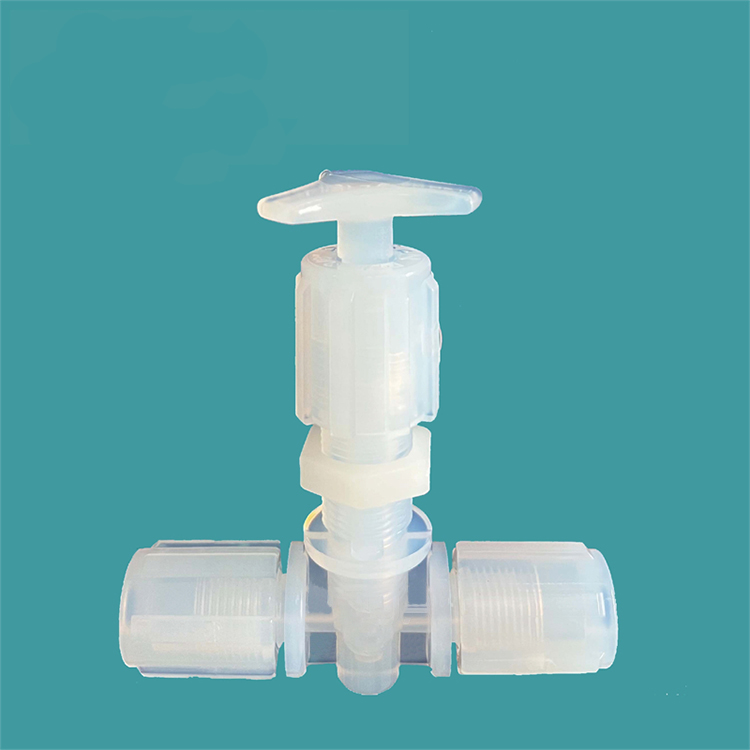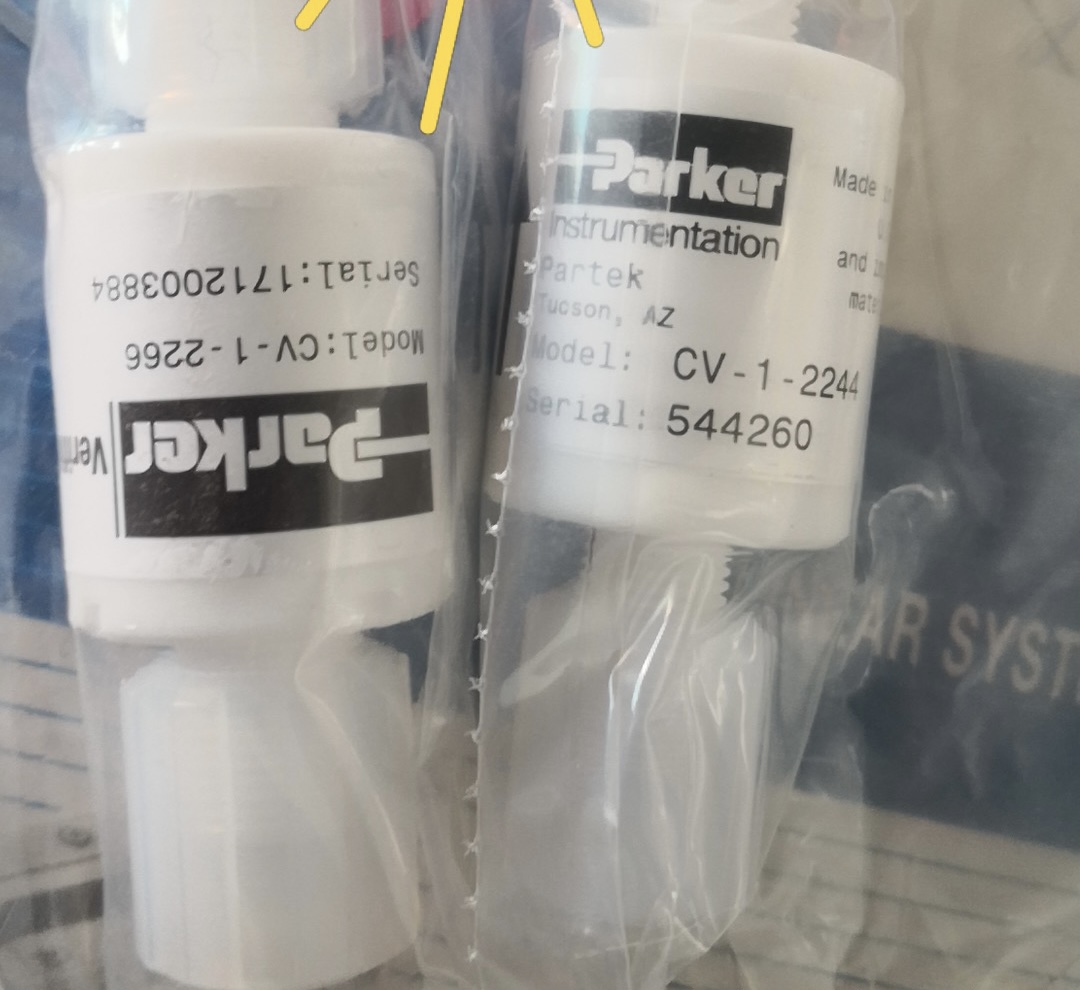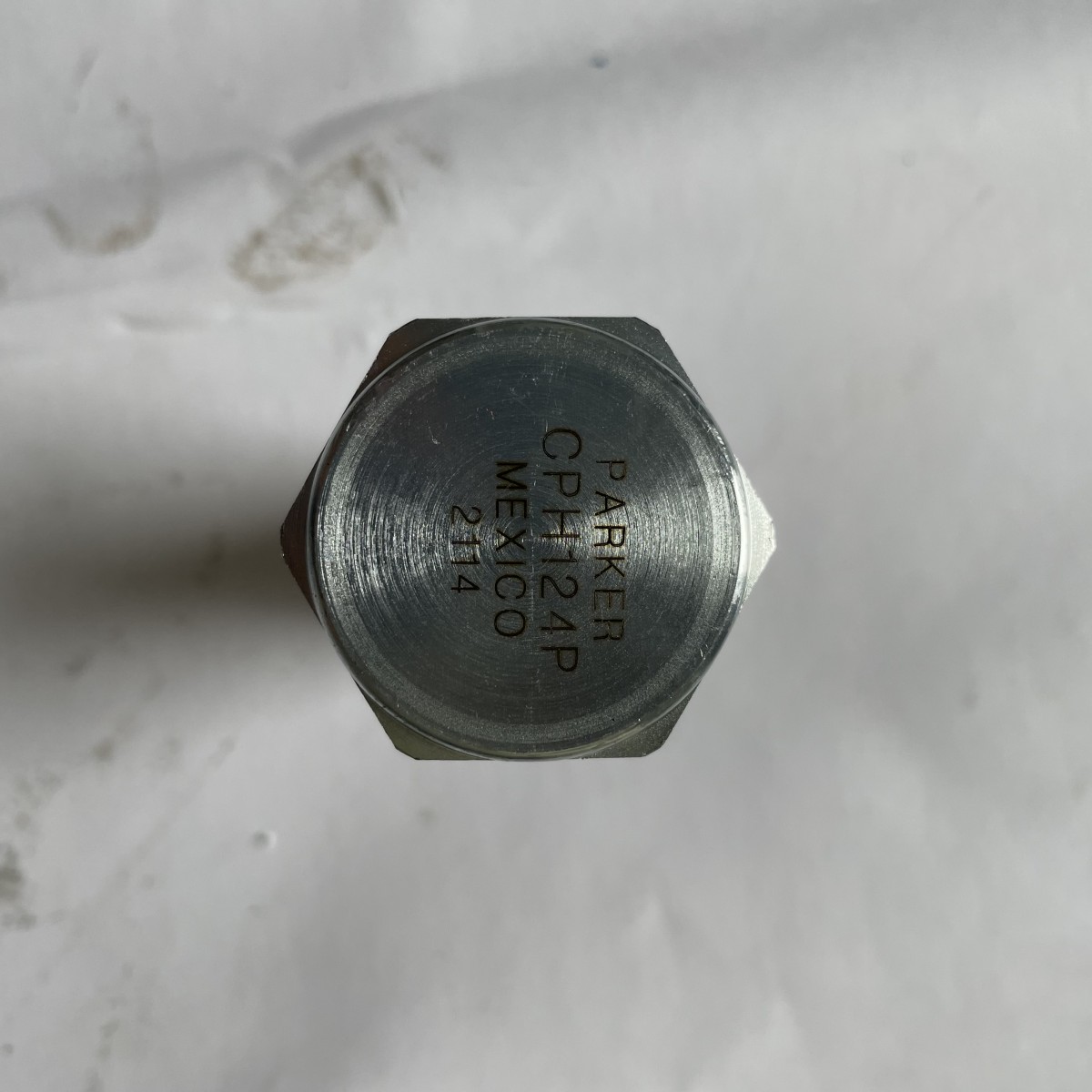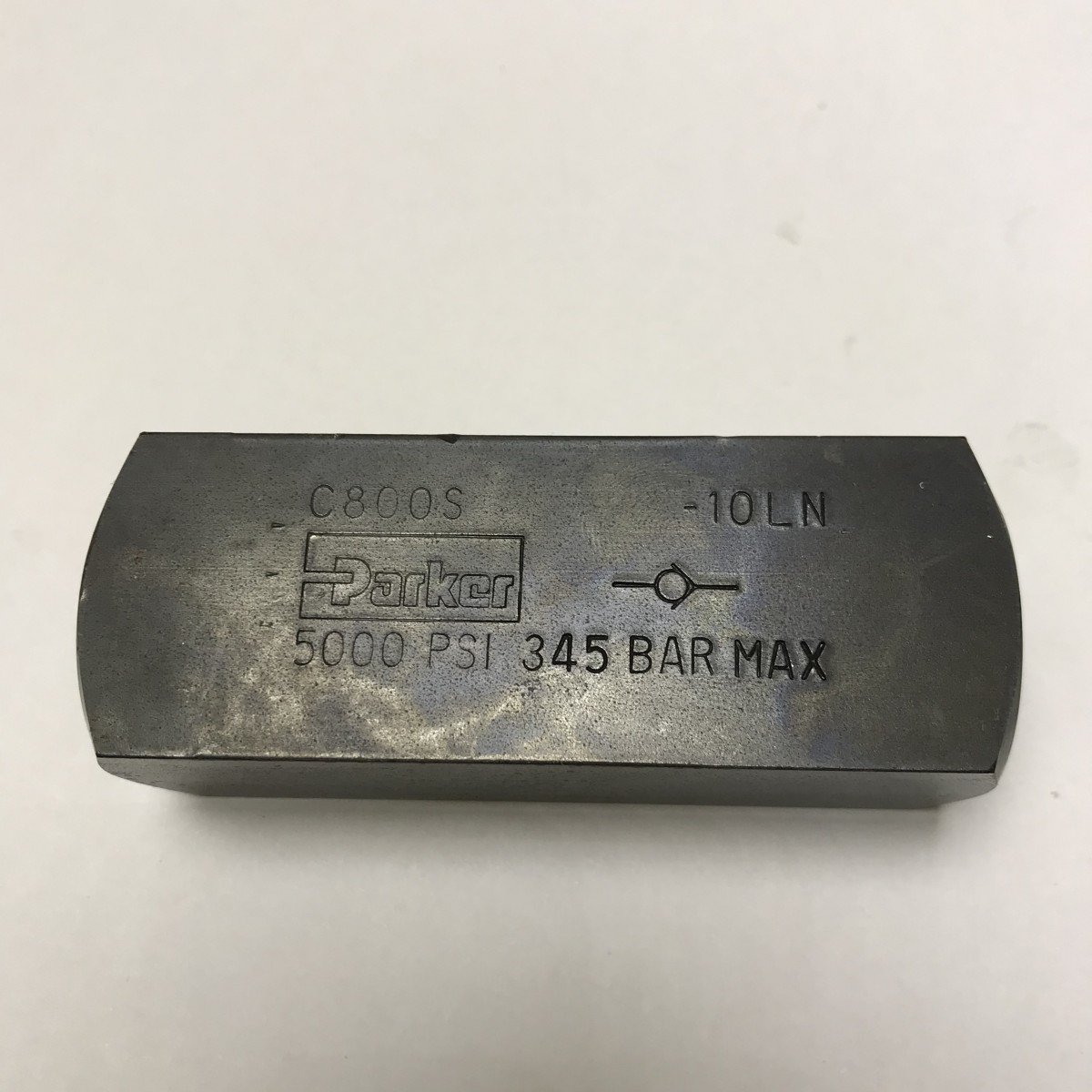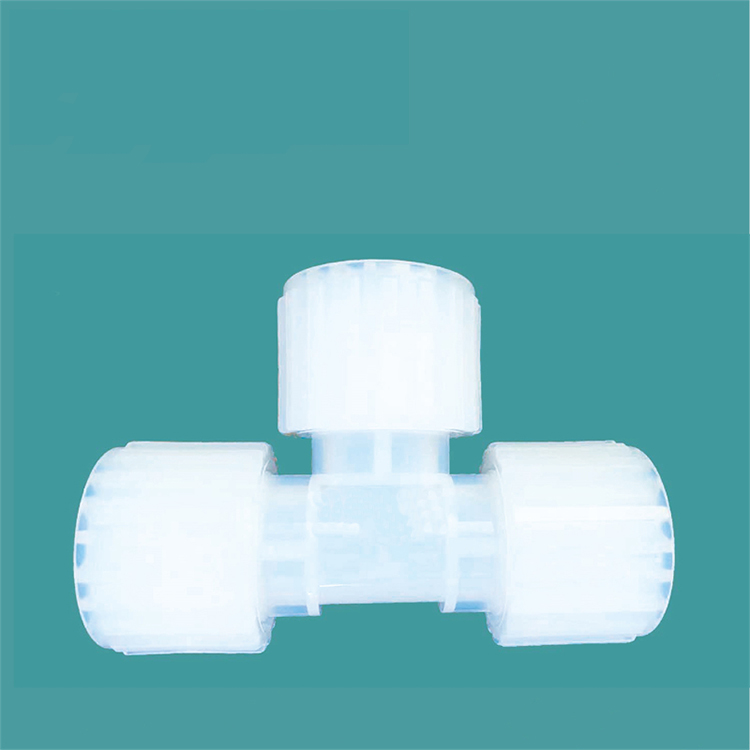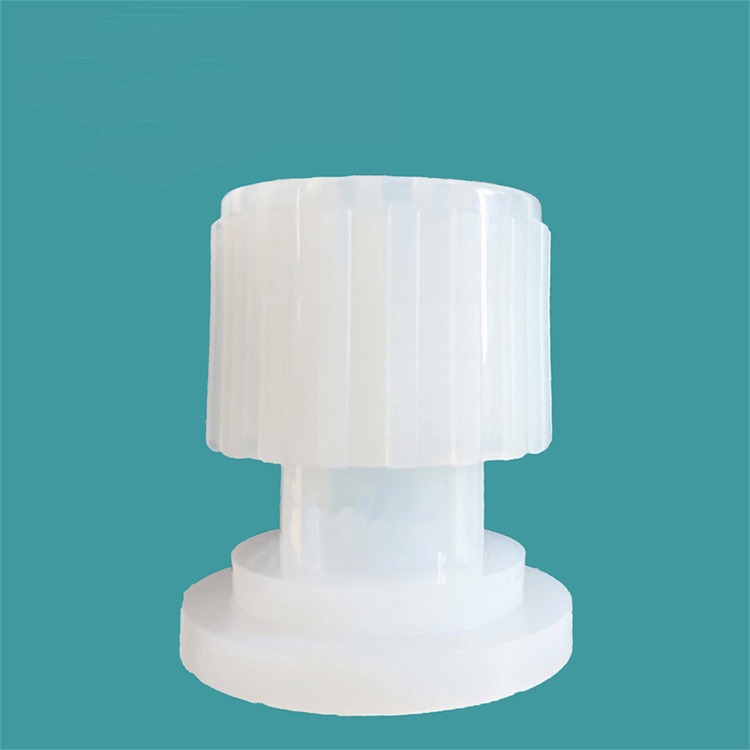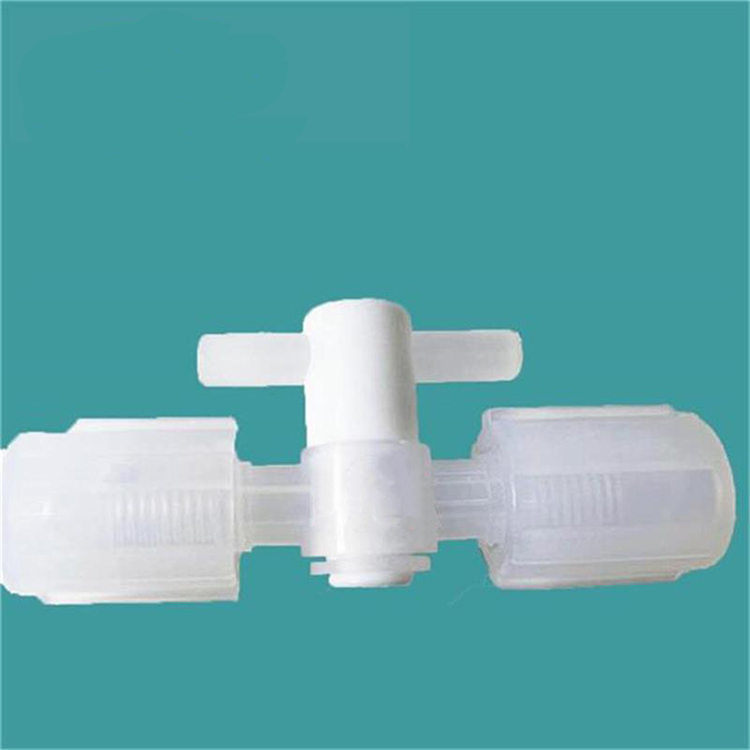

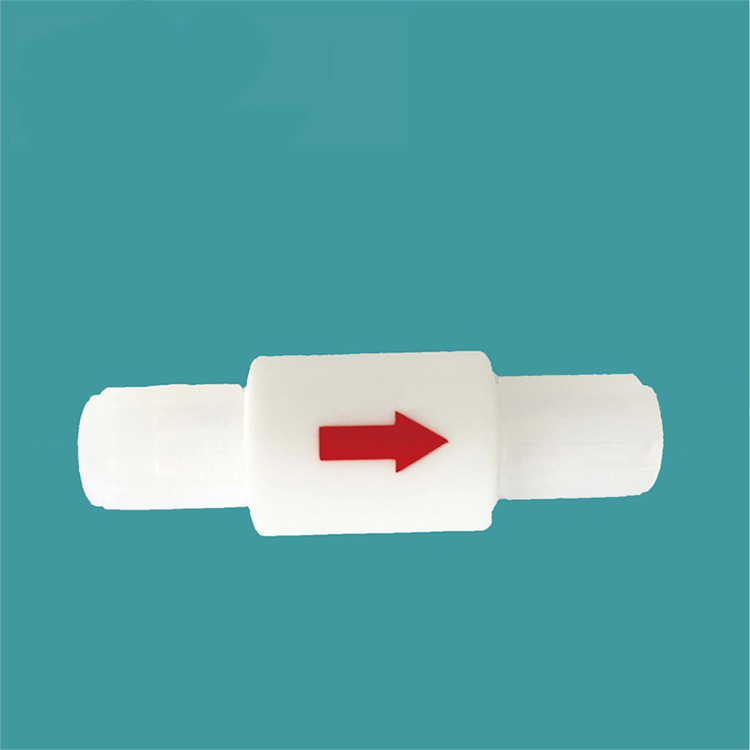

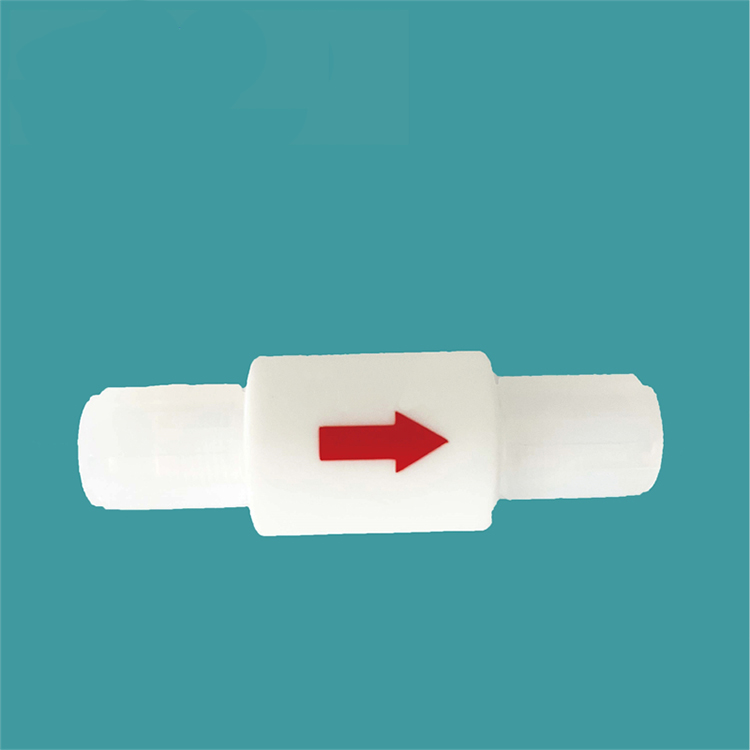
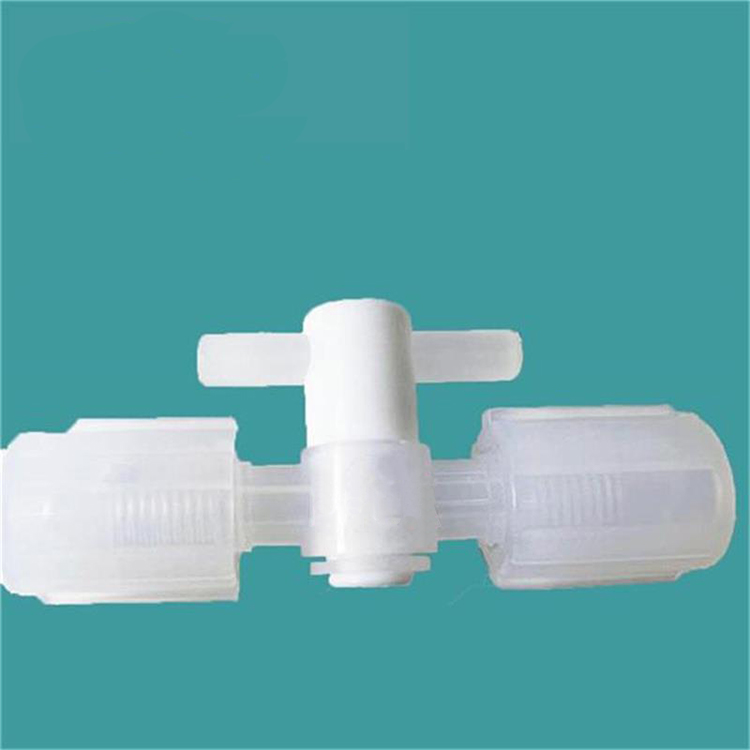
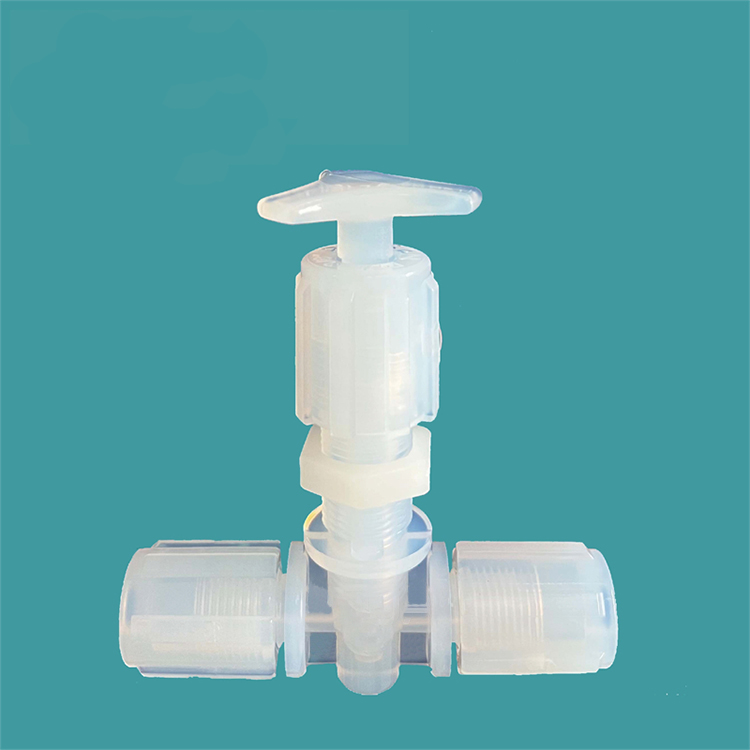


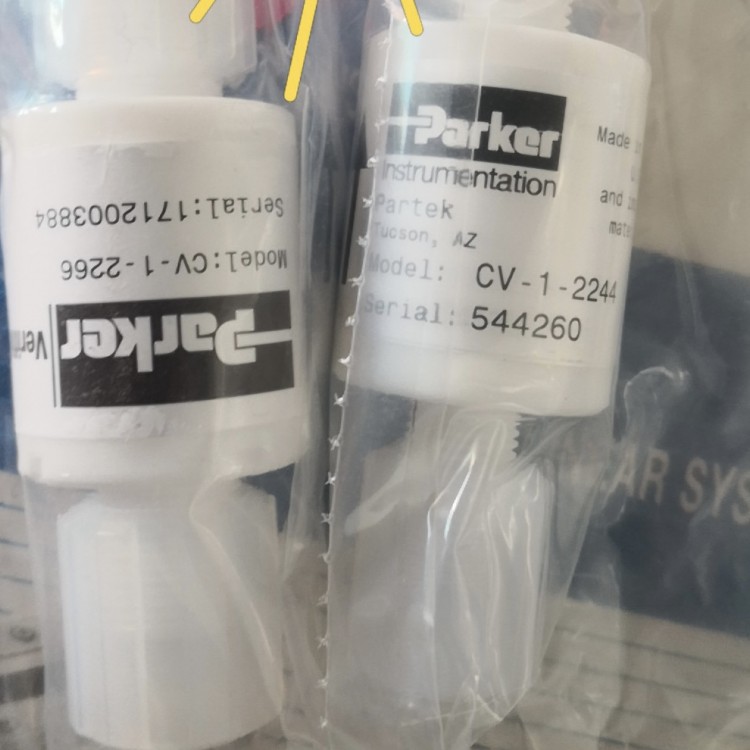
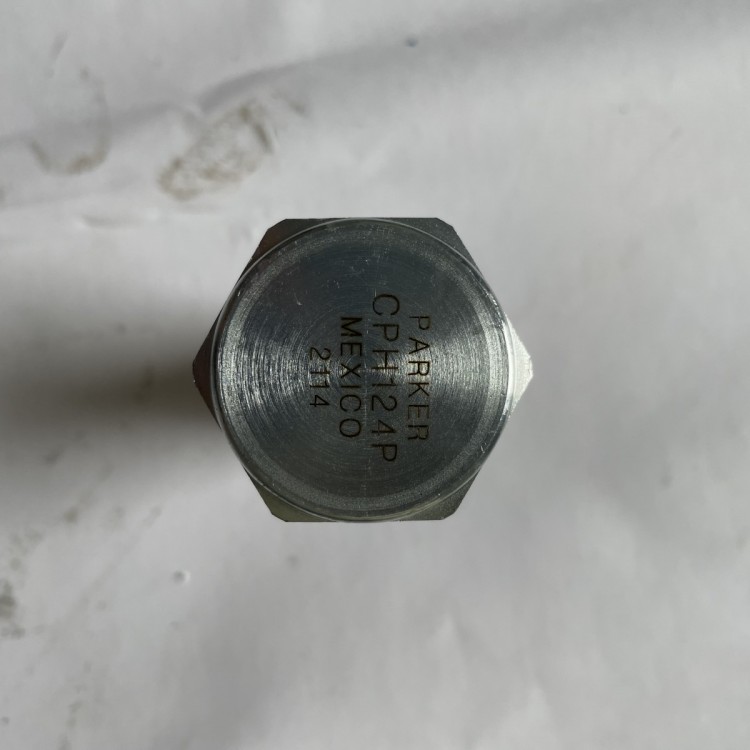
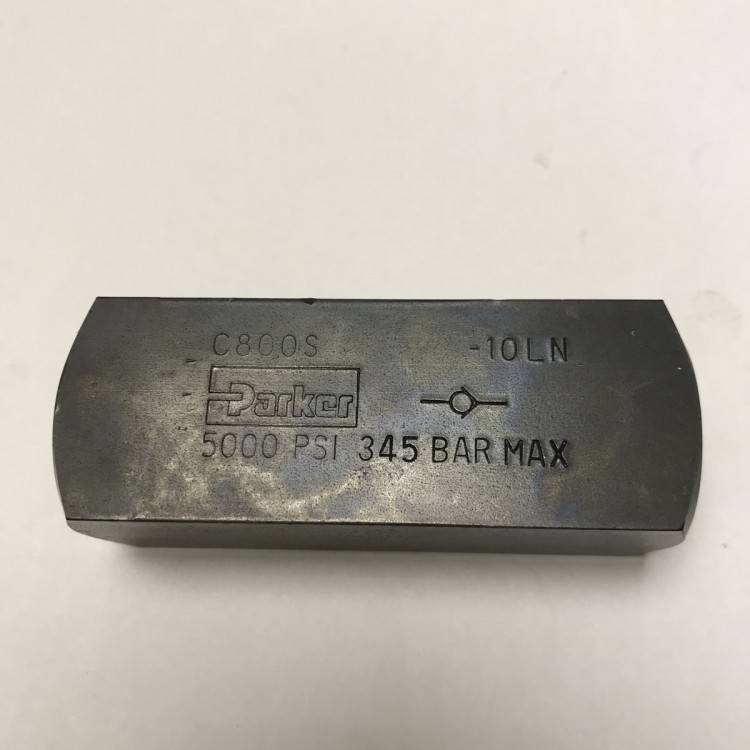
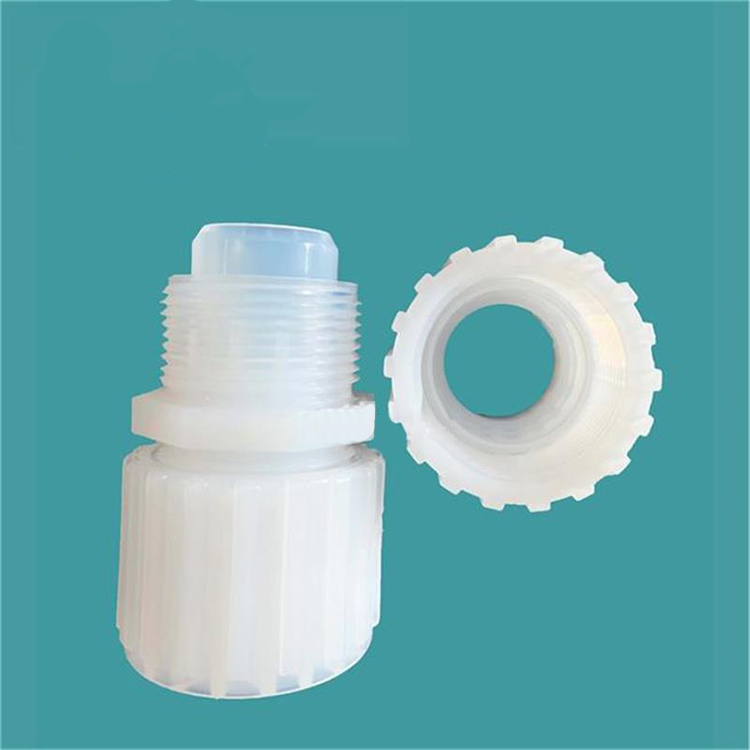







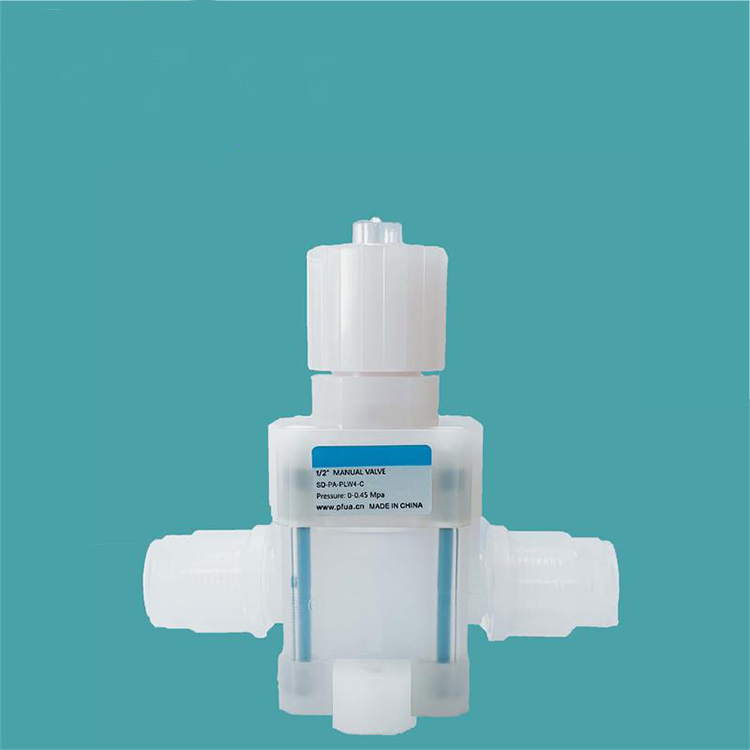
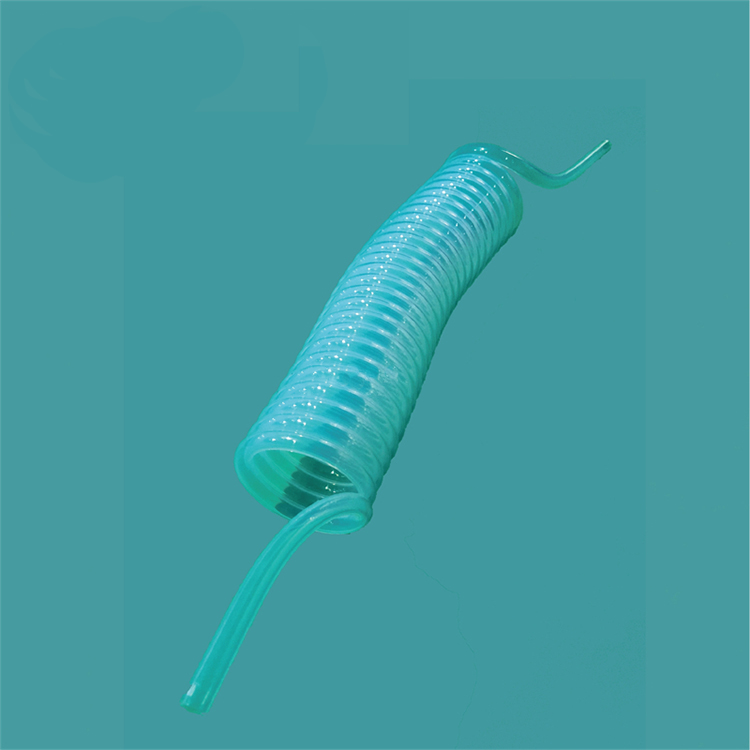
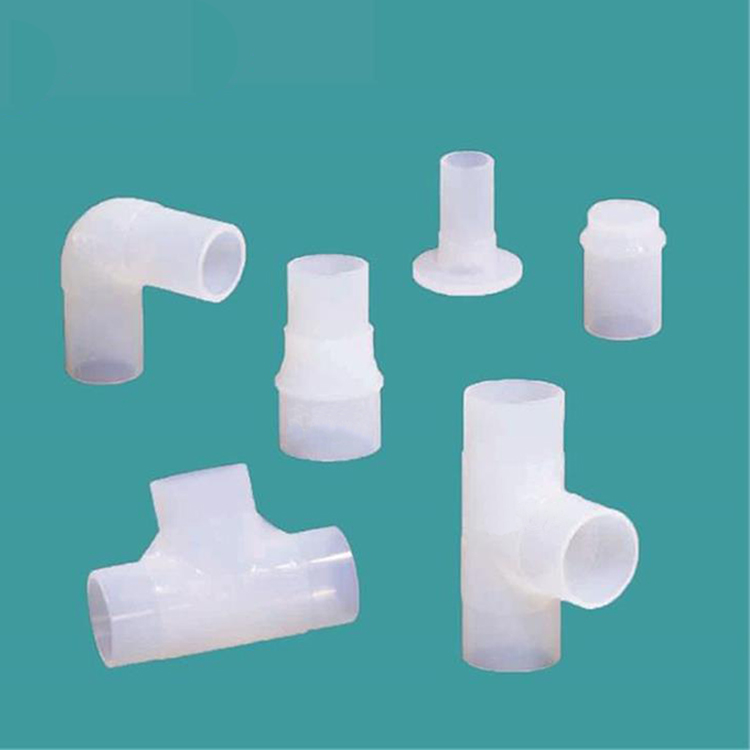
A one-way valve allows fluid to flow only in one direction through the inlet, while the outlet medium cannot return, commonly known as a one-way valve. It is also referred to as a check valve or non-return valve. Used in hydraulic systems to prevent oil from flowing backward, or in pneumatic systems to prevent reverse flow of compressed air. There are two types of one-way valves: straight-through and angle type. The straight-through one-way valve is installed on the pipeline with threaded connections. The angle type one-way valve comes in three forms: threaded, plate, and flange connections. Liquid-controlled one-way valves, also known as lock valves or pressure-holding valves, are similar to one-way valves in preventing oil from flowing backward. However, when reverse flow of oil is needed in the hydraulic circuit, the control oil pressure can be used to open the one-way valve, allowing oil to flow in both directions. Liquid-controlled one-way valves use conical valve cores, ensuring good sealing performance. When a closed oil path is required, this valve can act as a one-way lock for the oil path, maintaining pressure. The liquid-controlled one-way valves have two types of oil leakage control: internal and external. The internal leakage type can be used in oil paths with no back pressure at the reverse flow outlet; otherwise, the external leakage type is necessary to reduce the control oil pressure.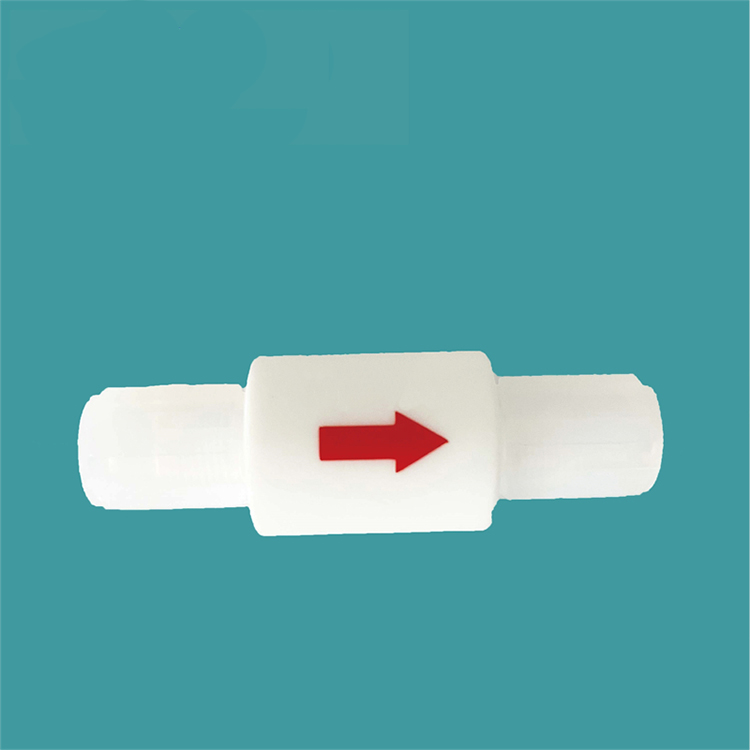
WeChat Official Account

Scan to follow Official Account