










Product Introduction
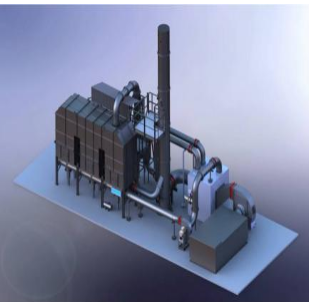
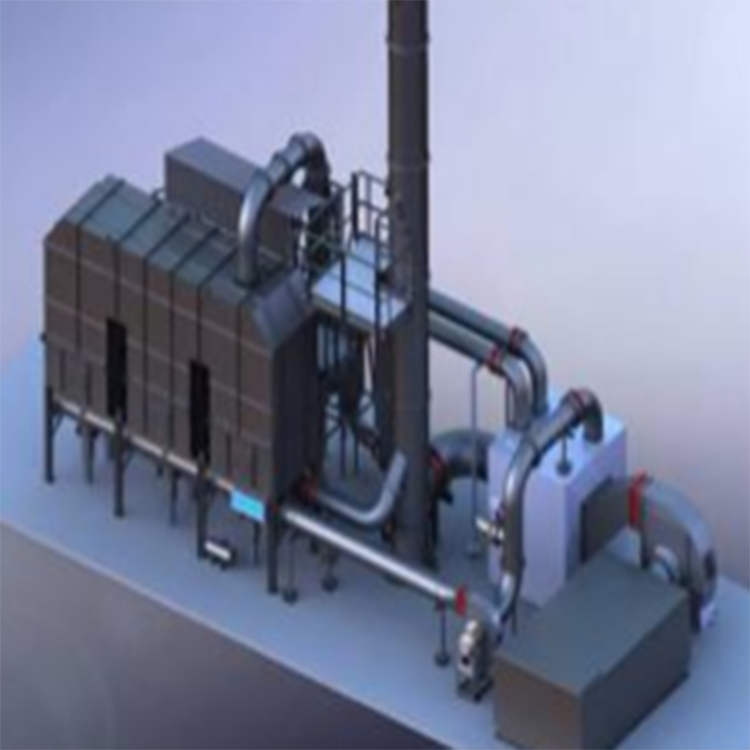
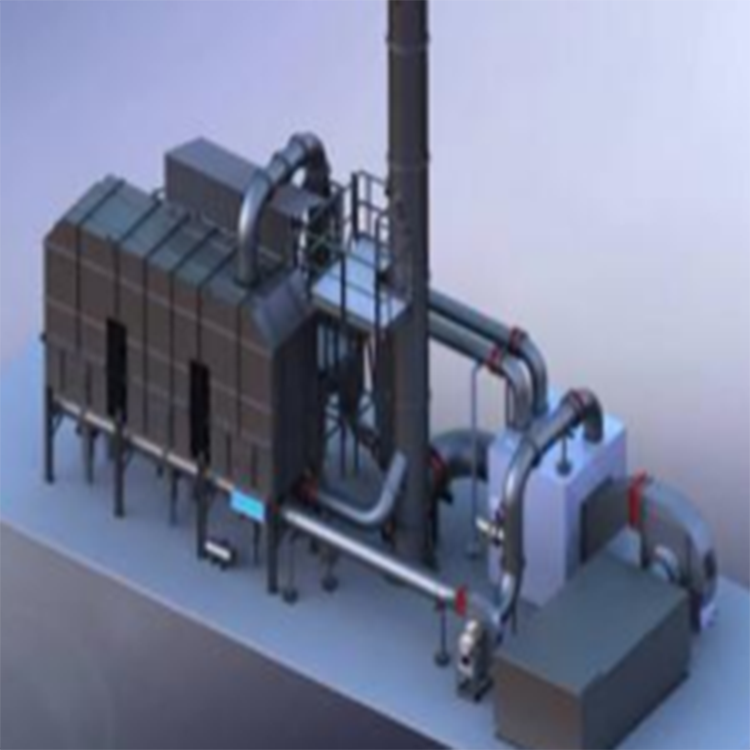
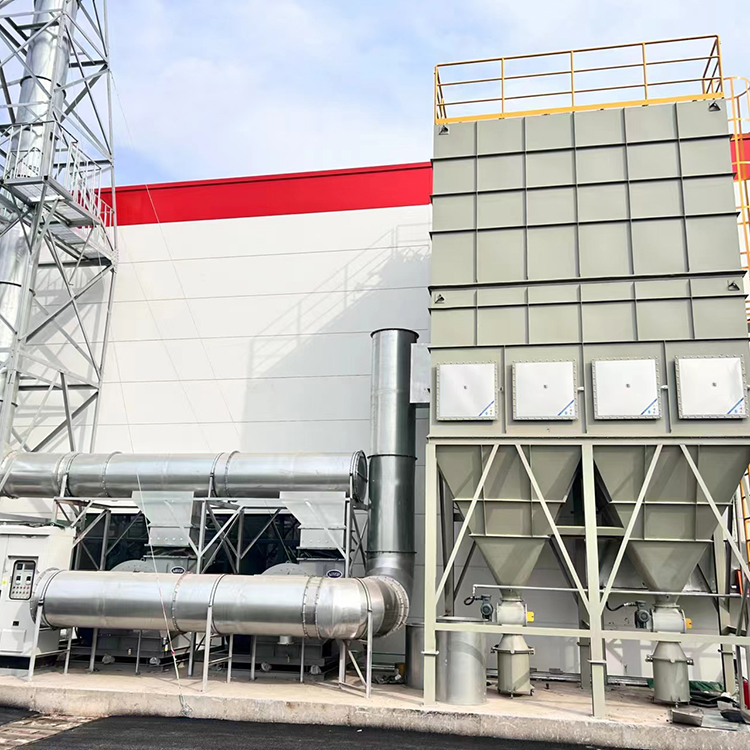
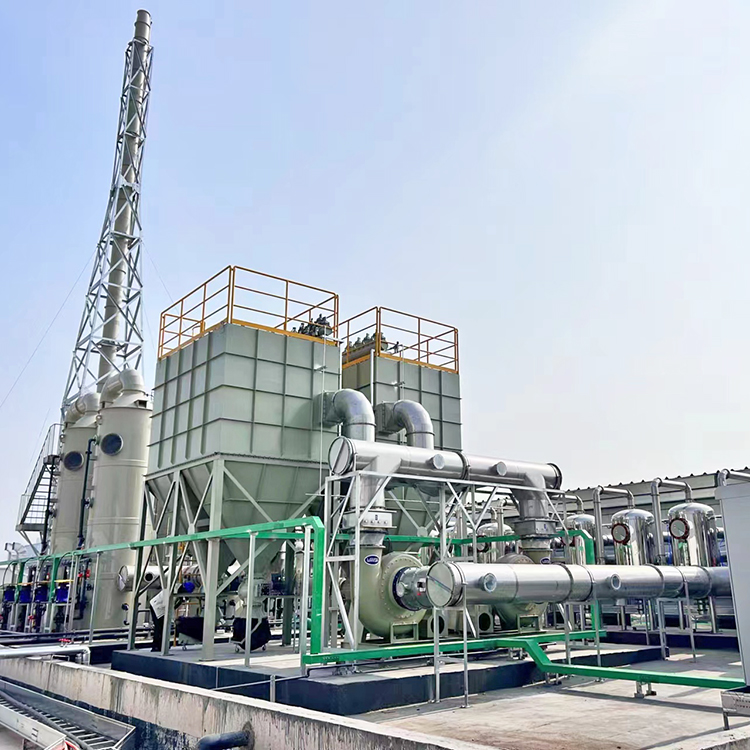
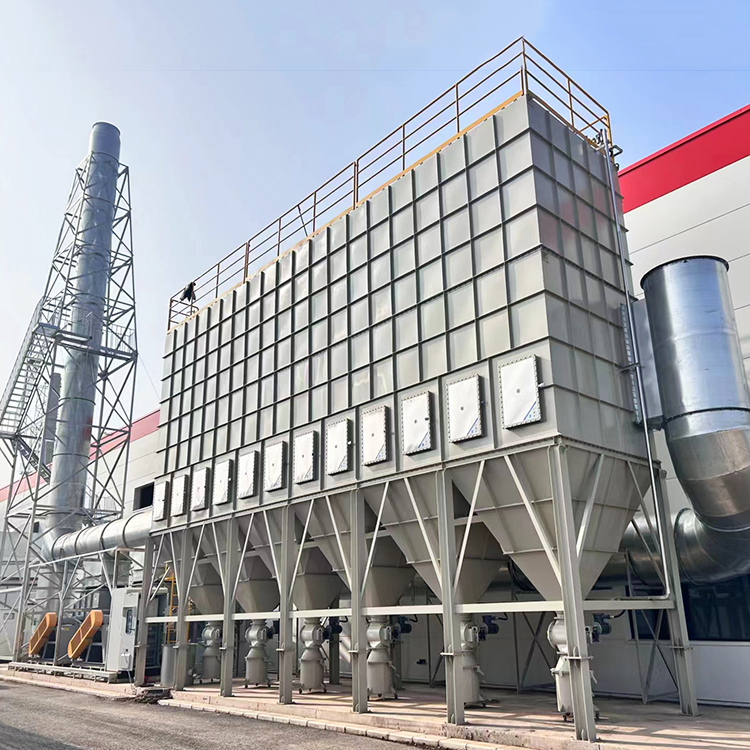
Regenerative thermal oxidation combustion technology is a commonly used method for VOCs destruction. The basic principle involves decomposing VOCs into CO2 and H2O at high temperatures (above 760°C). The regenerative system utilizes high thermal capacity ceramic regenerators, which directly transfer heat from the exhaust gases of combustion, storing it in the regenerators, thus achieving a heat recovery efficiency of over 95% and a VOCs treatment efficiency of 95%. It is suitable for medium concentration (1000~5000 mg/m3) VOCs exhaust treatment with airflows ranging from 8000 to 30,000 m3.
Product Features
Utilizing a heat storage heat exchanger, the heat storage medium directly exchanges heat with the gas, resulting in a large radiant temperature pressure in the furnace chamber and rapid heating. The low-temperature heat exchange is notably effective, thus achieving exceptionally high heat exchange efficiency and maximizing the recovery of sensible heat from combustion products. High thermal efficiency, low exhaust gas temperature, and significant energy-saving effects are achieved, which also translates to reduced fuel consumption and a decrease in greenhouse gas emissions.
The temperature in the heat storage chamber is uniformly stepped up, enhancing heat transfer within the furnace and improving heat exchange efficiency. As a result, a furnace of the same treatment capacity can have a reduced furnace volume, significantly lowering the equipment's cost.
Increased the high-temperature flame combustion area, with the flame boundary extending almost to the furnace chamber's edge, ensuring uniform temperature inside. This not only enhances purification efficiency but also extends the furnace chamber's lifespan.
Unique thermodynamic conditions different from traditional combustion processes, utilizing staged combustion technology to delay the release of heat energy; even temperature rise inside the furnace, low combustion loss, excellent heating effect; no longer exists the local high-temperature and high-oxygen areas seen in traditional combustion processes, inhibiting the formation of thermal nitrogen oxides (NOX), and providing excellent environmental protection benefits.
The temperature inside the combustion chamber increases overall and becomes more evenly distributed; the furnace temperature can reach up to 850-1100°C, with high airflow speed and rapid combustion. The smoke remains in the furnace for a longer time at high temperatures, resulting in complete oxidation and decomposition of organic matter. The environmental protection effect is remarkable.
The waste gas inlet is equipped with inert alumina ceramic spheres, which protect, cushion, and filter the regenerative ceramic, thereby extending its service life. The ceramic spheres selected by our company are characterized by high resistance to high temperature and pressure, low water absorption rate, stable chemical properties, high compressive strength, and resistance to toxicity.
The three-way switching damper utilizes our company's structure, paired with reliable sealing materials, featuring quick switching, low wear, and a long service life.
The system employs PLC automatic combustion control, featuring high automation, stable operation, and high safety and reliability.
According to the exhaust gas conditions, set up the heat recovery system reasonably, connect a heat-conducting oil furnace or a waste heat boiler at the high-temperature combustion chamber, and use the low-temperature flue gas to heat the exhaust gas, fully utilizing the remaining heat in the waste gas treatment process.

Case Studies