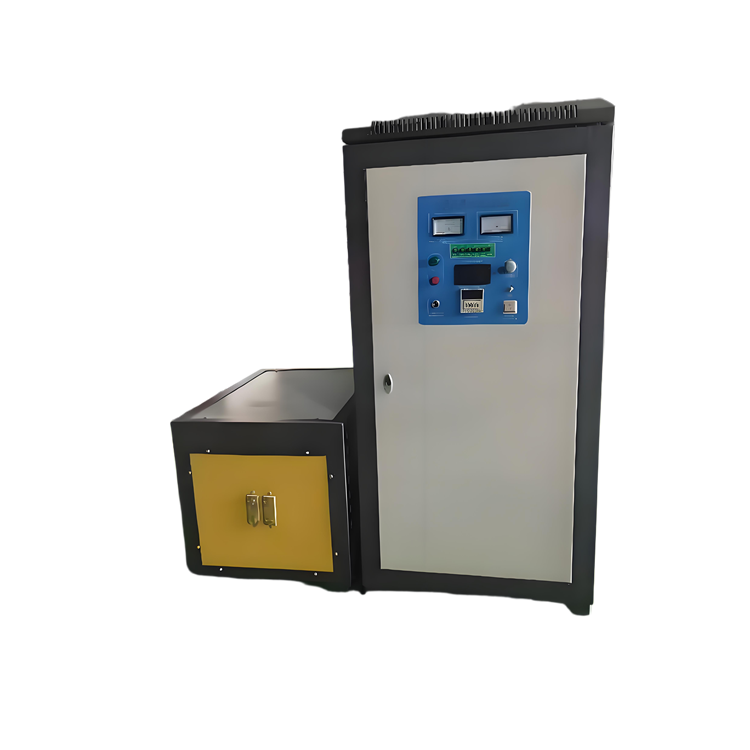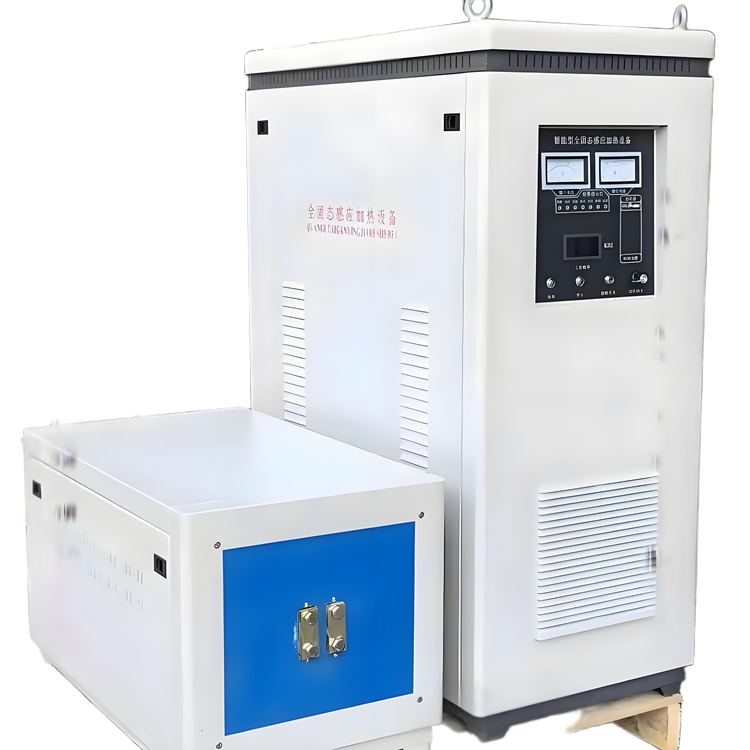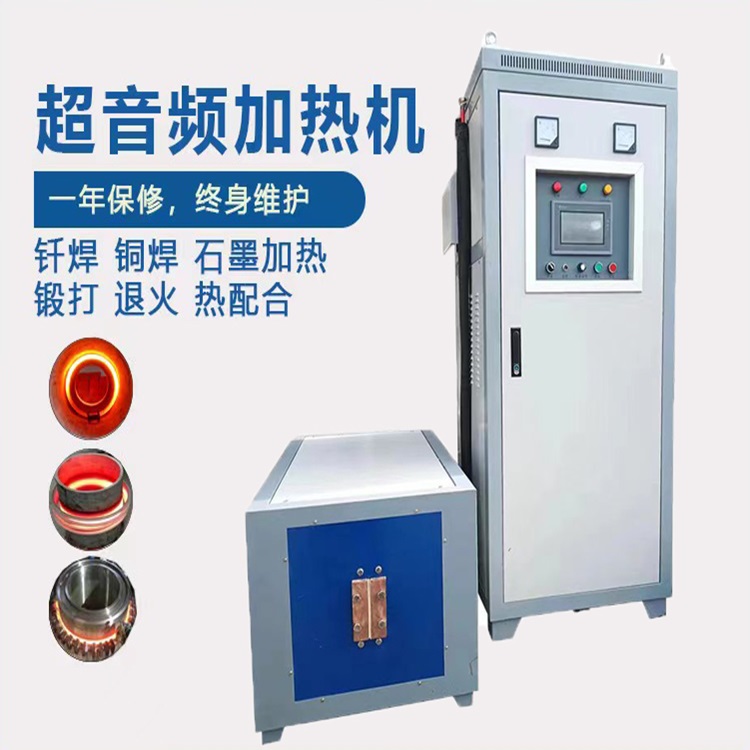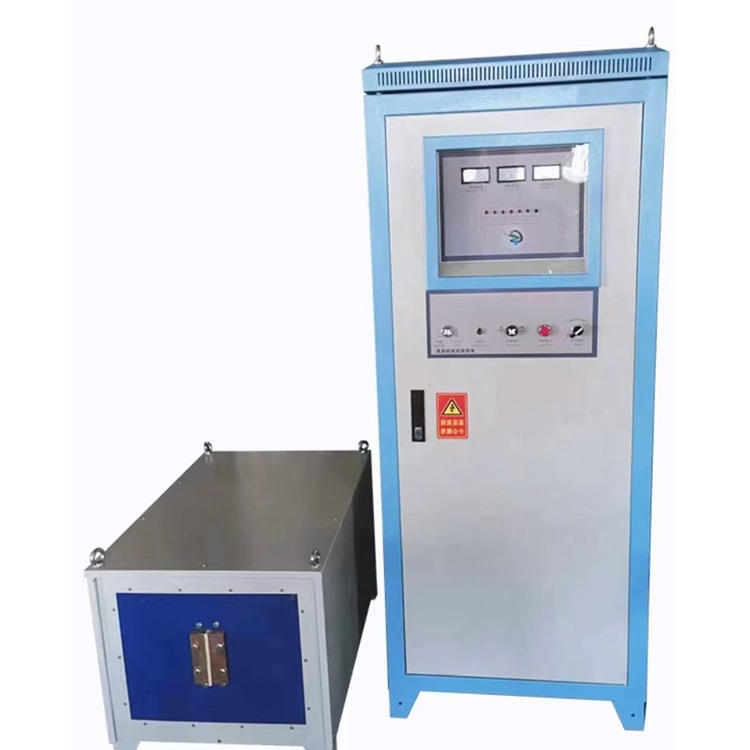







Process for cleaning electric heating thermal oil boiler: Draining out old oil → Preliminary wash → Clean → Wash with water① → Wash with water② → Wash with water③ → Add new oil → Dehydrate → Normal operation
Operation Procedure for Cleaning Electrically Heated Thermal Oil Boilers:
1. Draining old oil: Use the heating system to heat the thermal oil to 70-80°C, then discharge all the thermal oil in the system while it's hot. Depending on conditions, try to drain the residual oil from the system as much as possible. For the oil that can't be drained, add a small amount of cleaning agent to make it thinner through渗透, stripping, and dissolution, then discharge it outside the system.
2. Pretreatment: Add the agent at 2% of the total circulation volume (70-80 kg, half a bag of solid, half a drum of liquid) to the system. Dissolve the solid in hot water before adding it, and add the liquid simultaneously. Introduce it into the system at any part of the heating system (usually through an oil pump via a high-level oil sump, similar to the process of adding oil) and fill the system with clean water. Start the circulation oil pump to circulate the water. Use the heating furnace to raise the water temperature to 80℃±5℃. Switch the valves related to each reaction vessel in the system to ensure that all parts of the system are circulated separately. After 6 to 8 hours (if there are more reaction vessels, increase the pretreatment time and ensure each vessel has a single circulation for half an hour), open all the low-level drain valves of the system to discharge the water. Then, reinject water for rinsing while heating (80℃±5℃) to achieve better rinsing effects. Continue rinsing until the water becomes clear, or slightly yellow with a pH value similar to that of the water.
3. Cleaning: Add 6-8% of the total dose to the system (please reserve 50 kg per bag for effectiveness). Dissolve the solids in hot water and then add the liquid simultaneously. Follow step (2) to introduce it into the system. After filling the system with clean water, turn on the circulation pump to circulate the solution. Use the heating furnace to heat the cleaning agent to 90℃±5℃. Switch the system valves to ensure all parts are cleaned; it is recommended to switch valves every hour. The total cleaning time should not be less than (if there are multiple reactors, increase the pre-washing time). Open any section of the circulating pipeline to check the cleaning status. If there is still oil residue, increase the cleaning time until it is completely removed and proceed to the next step.
4. Wash 1: Fill the system with fresh water, turn on the circulation pump for recirculation, and use the heating furnace to raise the water temperature to 90℃±5℃. Switch the relevant valves in the system to ensure that all parts receive recirculation separately. Wash the system, and after three hours, open all low-level drain valves in the system to discharge the water.
5. Water Wash ②: Refill the system with fresh water, then start the circulating pump to circulate. Use the heating furnace to raise the water temperature to 90℃ ± 5℃.
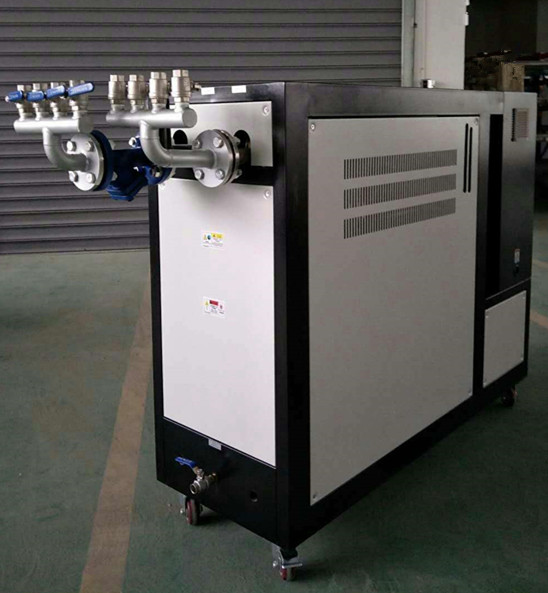
An electrically heated thermal oil boiler is a new type, safe, and energy-saving special industrial furnace operating at low pressure (either at atmospheric pressure or lower) that provides high-temperature thermal energy. It is a direct circulation special industrial furnace powered by electricity as the heat source and thermal oil as the heat carrier, utilizing a circulating oil pump to force liquid-phase circulation. After transferring heat to the heat-using equipment, the oil returns to be reheated, repeating this cycle to continuously transmit heat, thereby raising the temperature of the heated object to meet the heating process requirements.
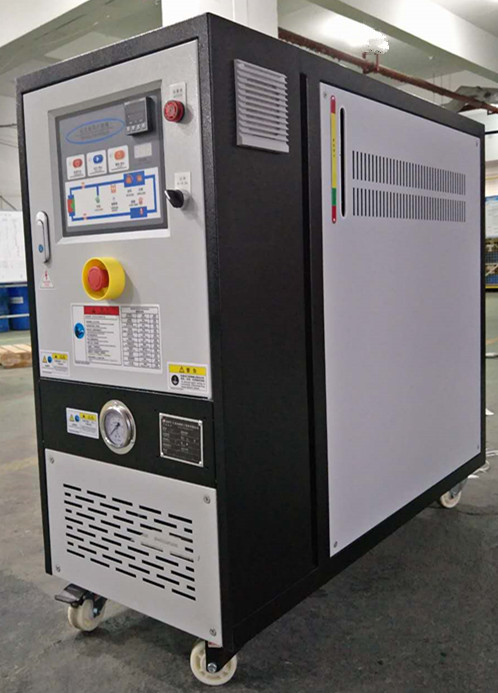
The electrically heated thermal oil furnace should be installed horizontally and stably in a location that is convenient for monitoring, operation, and maintenance. Sufficient space should be left for the easy repair and disassembly of the main heater, and it is recommended to install valves suitable for the operating conditions at the main inlet and outlet pipe connections (usually included with the factory shipment; if not, they can be purchased separately). Before installation, thoroughly clean the main unit, auxiliary equipment, accessories, and all internal pipe cavities, removing all internal water accumulation and foreign objects.
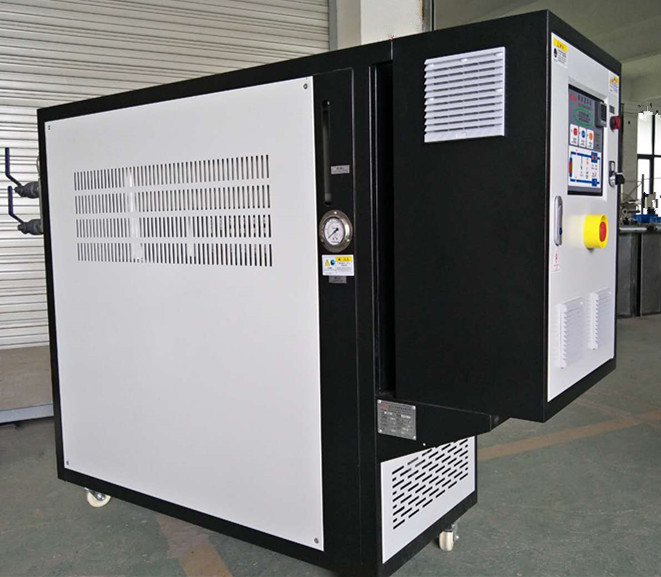
A thermal oil heating unit is a new type of environmentally friendly heat conversion device. Electrical energy is used as the energy source, converting electrical energy into heat through electrical heating elements; organic heat carriers (thermal oil) serve as the heat transfer medium, which is circulated through the system by a high-temperature oil pump. This facilitates a forced circulation for continuous heating, achieving the purpose of obtaining the required heat energy for the equipment; it also meets the process temperature and high-precision temperature control requirements set during the production process.
The electric heating thermal oil furnace system consists of an explosion-proof electric heater, an organic heat carrier furnace, a heat exchanger (optional), a control cabinet, thermal oil pump, expansion tank, etc., forming an integrated unit. The user only needs to connect to the power source and medium. The outlet pipeline and some electrical interfaces are used for heating oil furnaces (also known as heat transfer oil heaters, oil heaters, electric heating and heat transfer oil furnaces). The electric heater is directly inserted into the organic carrier (thermal oil) for direct heating.
Recirculating pump, forcing heat transfer oil to circulate in the liquid phase, transferring heat to one or more heating units. After the heating units unload, the oil returns through the recirculating pump to the heater, absorbing heat and transferring it continuously in this manner, thereby raising the temperature of the heated object to meet the requirements of the heating process. The heat transfer oil heater is equipped with a digital temperature controller for temperature control, featuring over-temperature, low oil level, and over-pressure alarm functions. It is used in various industries such as chemical, petroleum, machinery, dyeing, food, shipbuilding, textiles, film, and more as an energy-saving heating equipment.
Electrically heated and heat transfer oil furnaces are a new type of environmentally friendly thermal energy conversion equipment. The working principle is: using electric energy as the energy source, converting electrical energy into heat energy through electrical heating elements; utilizing organic heat carriers (heat transfer oil) as the heat transfer medium, which is forced to circulate within the system by a high-temperature oil pump, repeatedly heating to achieve continuous acquisition of the required heat.
Energy requirements for heat-intensive equipment; capable of meeting the set process temperature and high-precision temperature control requirements during production. Typically, a thermal oil heating furnace consists of the main unit (heating element, high-temperature oil pump, and filter), high-oil tank, control cabinet, and piping, forming a complete set of equipment and heating system with a forced liquid circulation heating system.