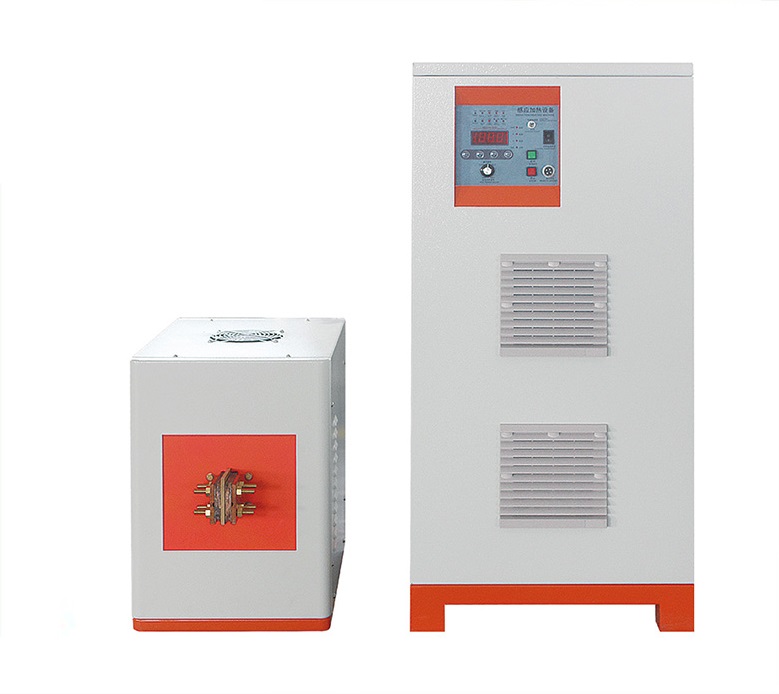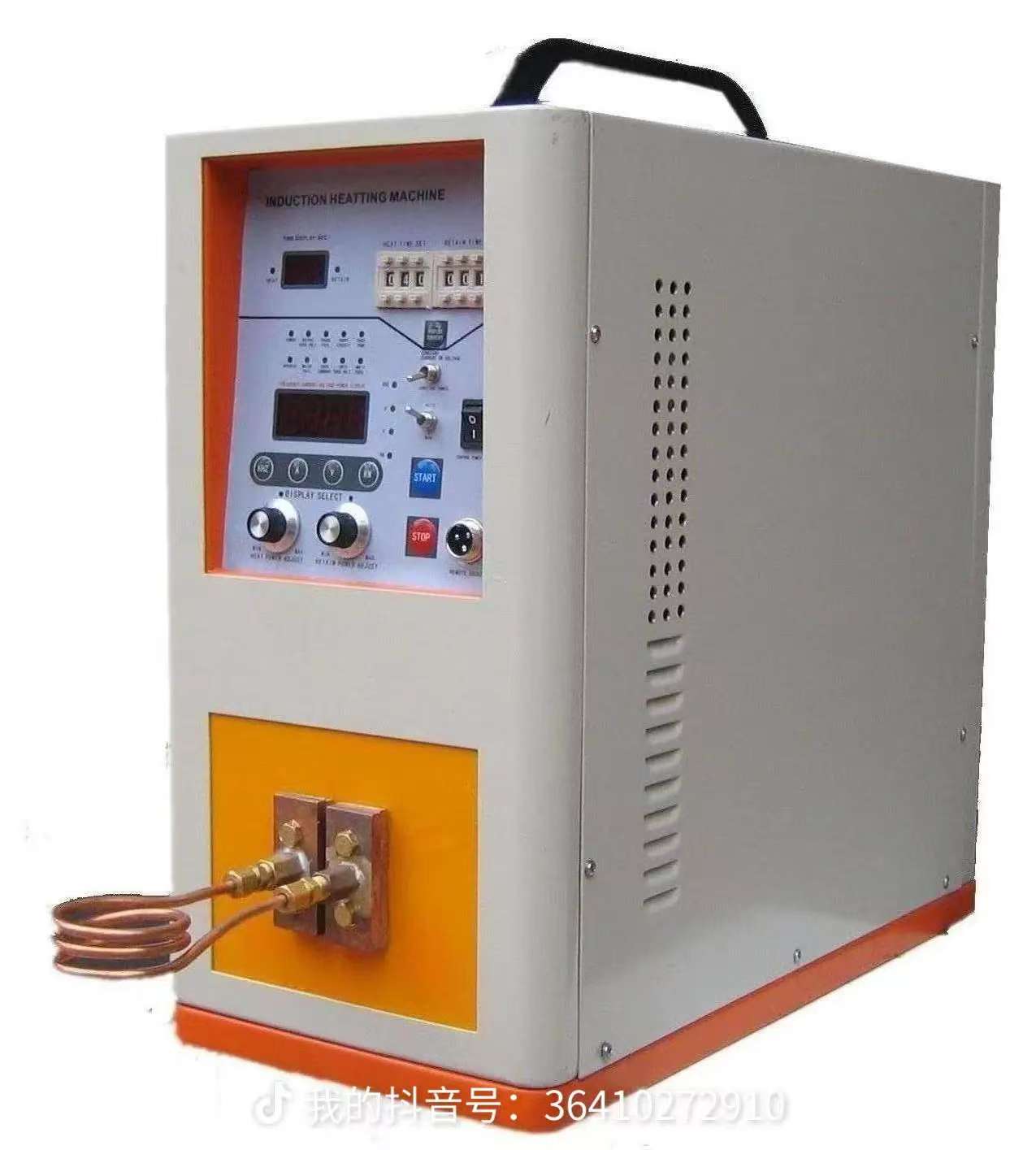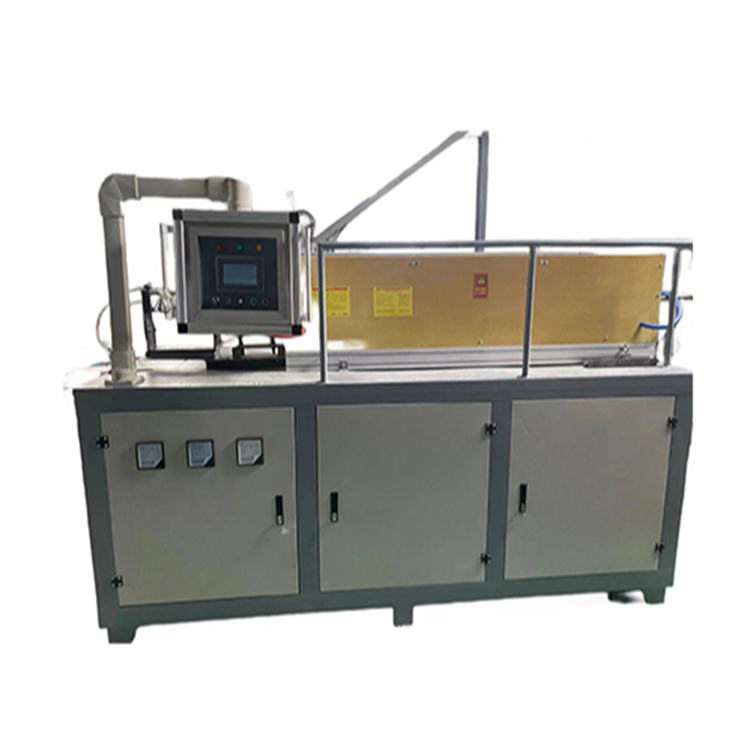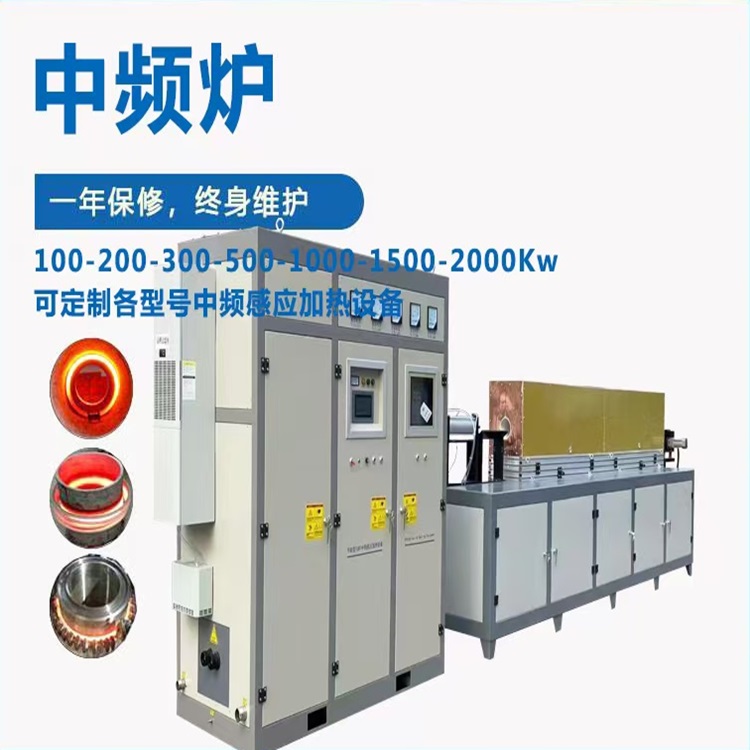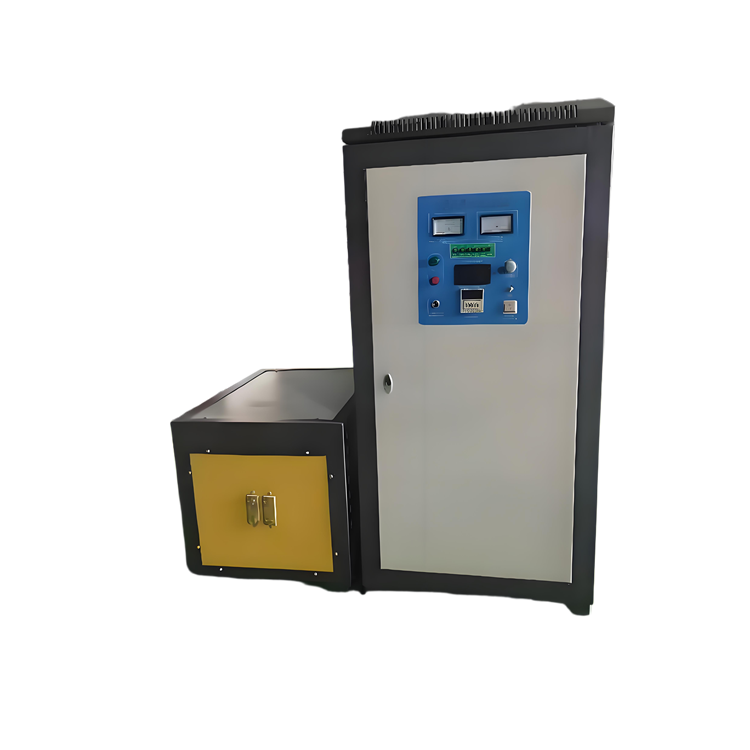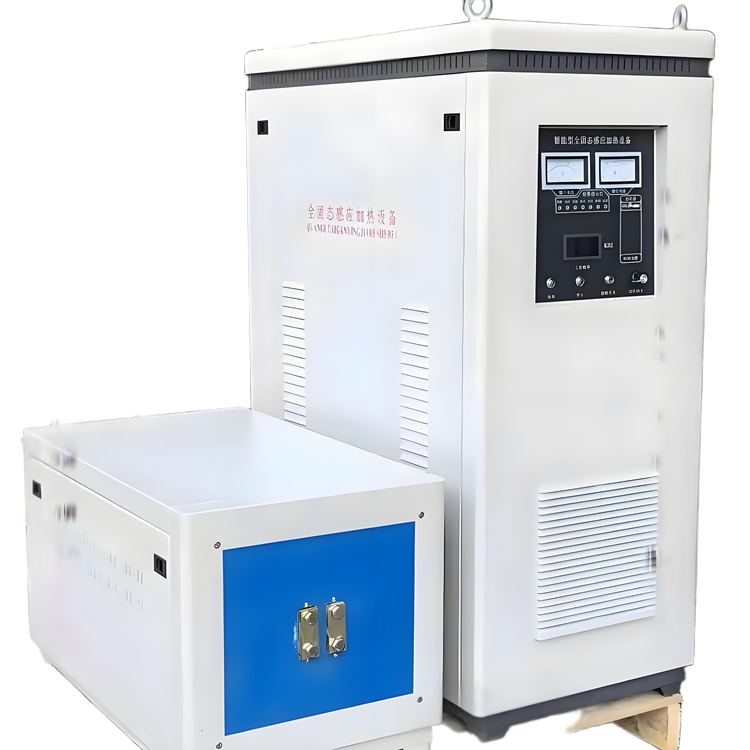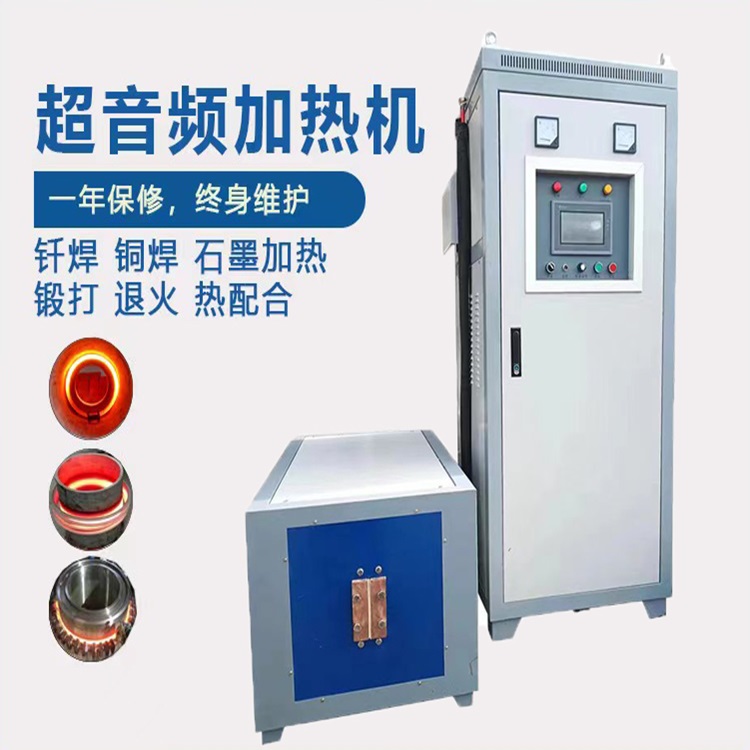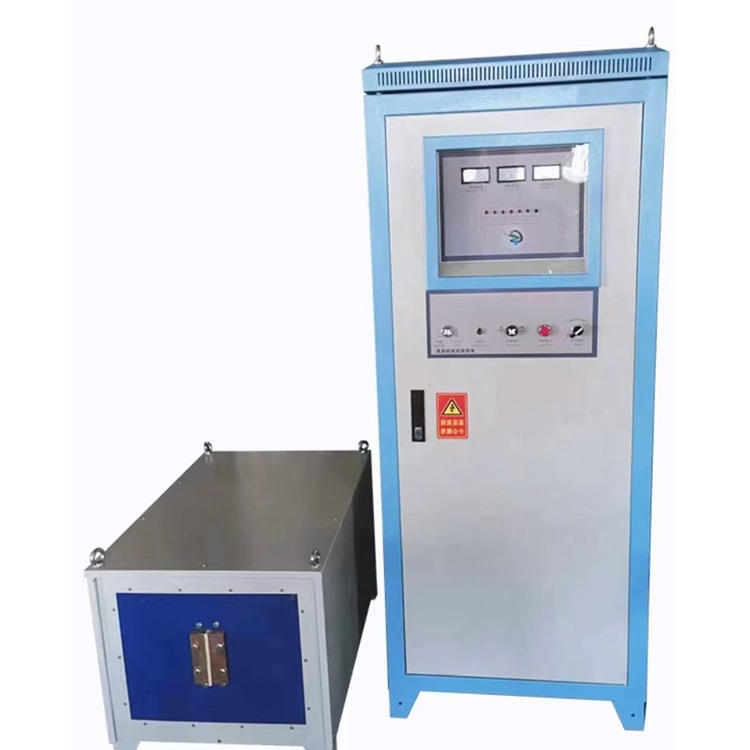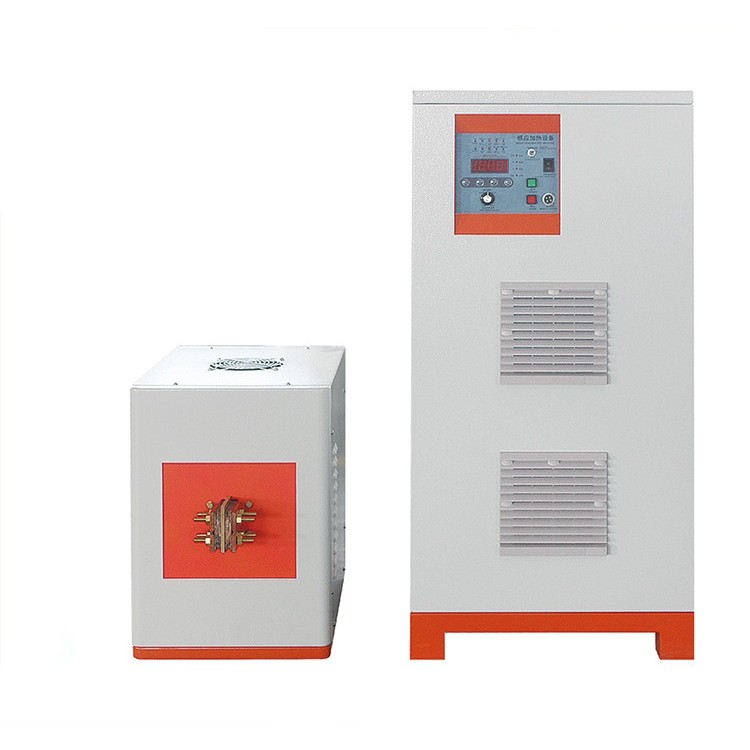
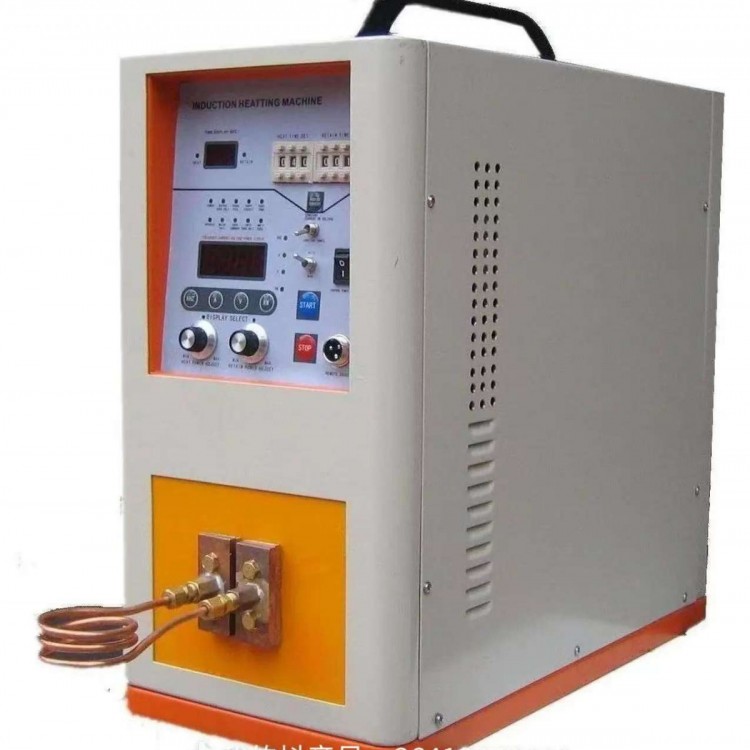
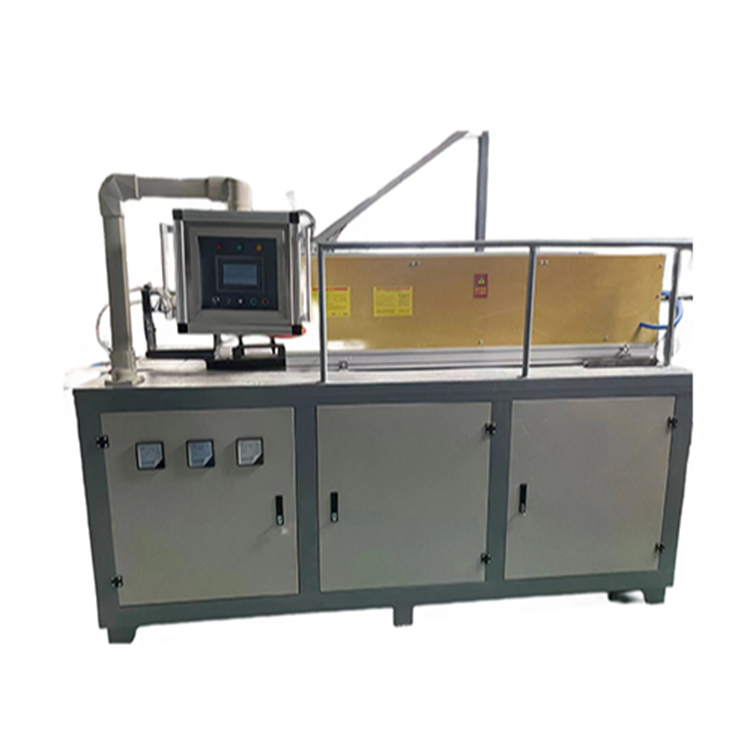
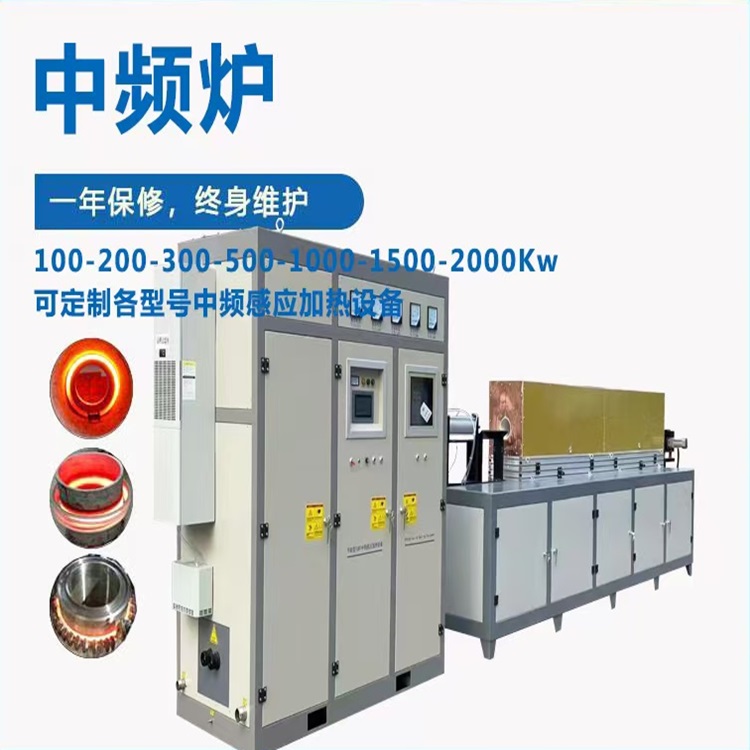
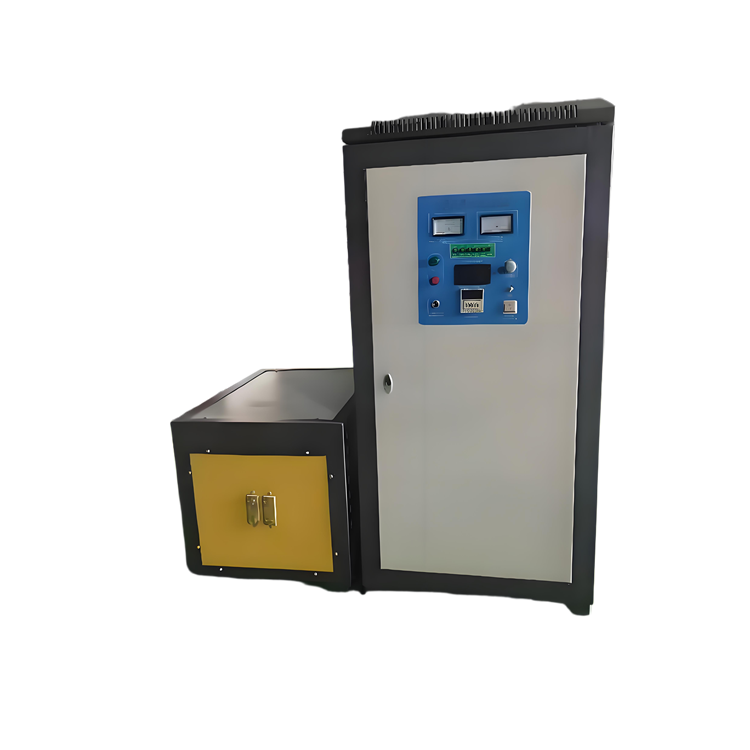







Preparation for installation of electrically heated thermal oil heater:
1. Unboxing Inspection: Verify that the random instruction manuals, certification documents, and accessories match the packing list.
2. Inspect the main unit and its accessories, as well as electrical components. Any damage or looseness should be addressed promptly.
3. Verify if the installation site meets environmental requirements and applicable conditions.
Note: Electrically heated oil furnaces with a power of ≥100kKW are classified as organic heat carrier boilers, and installation requires personnel.

Electrically heated thermal oil boiler with low pressure (≤0.4MPa) stable operation, computerized automatic control, and thermal efficiency up to 90% or more. Widely used in industries such as petrochemicals, textiles, dyeing and printing, plastics, rubber, food processing, wood processing, asphalt heating, paper box production, vegetable dehydration, paint baking, and casting sand mold drying. It can also be used in industries requiring ≤ 350°C baking, vaporization, shaping, melting, and drying, making it a new and ideal heating equipment.

Electric heating thermal oil boilers, as a new type of special industrial boilers that are safe, energy-saving, low-pressure, and capable of providing high-temperature heat energy, are gaining rapid and widespread application. However, due to improper operation or poor design, accidents can still occur during the daily use of electric heating thermal oil boilers. The following is a preliminary discussion on preventive measures for accidents in electric heating thermal oil boilers, based on practical work experience.
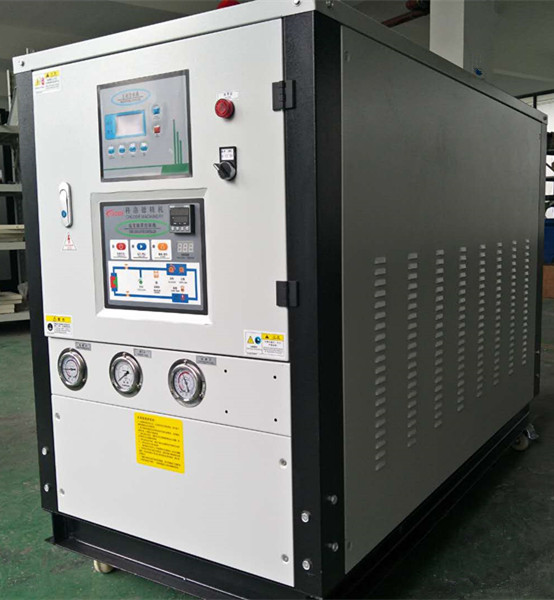
Electric heating thermal oil furnace main unit installation:
1. The layout of the electric heating thermal oil furnace pipeline should be low inlet and high outlet, and efforts should be made to minimize pipeline bends to ensure unobstructed flow. The diameters of various pipelines in the system should be as consistent as possible with the inlet and outlet pipe diameters of the thermal oil in the electric heating thermal oil furnace's main unit.
2. Insulate the pipeline of the electrically heated thermal oil heater to prevent unnecessary heat loss and avoid energy waste. However, it is not advisable to add insulation materials to the flange joints.
3. The electric heating thermal oil furnace connections should use a flat welding steel pipe flange with a nominal pressure (Pg) of not less than 1.0 MPa, and the pipeline connection sealing gasket can be made of metal-wrapped graphite gasket, expanded graphite composite gasket, or high-temperature heat-resistant rubber asbestos board.
4. Install exhaust pipes and valves at elevated points of the circulation system pipelines to facilitate regular排放 of gas products during operation. The positioning of the exhaust valve should be easy to operate. Ensure that there are no leaks in the metal walls, welds, pipeline accessories, and connection areas for the electrically heated thermal oil furnace. If water or steam is used for pressure testing, thoroughly remove the water inside the system after the pressure test.