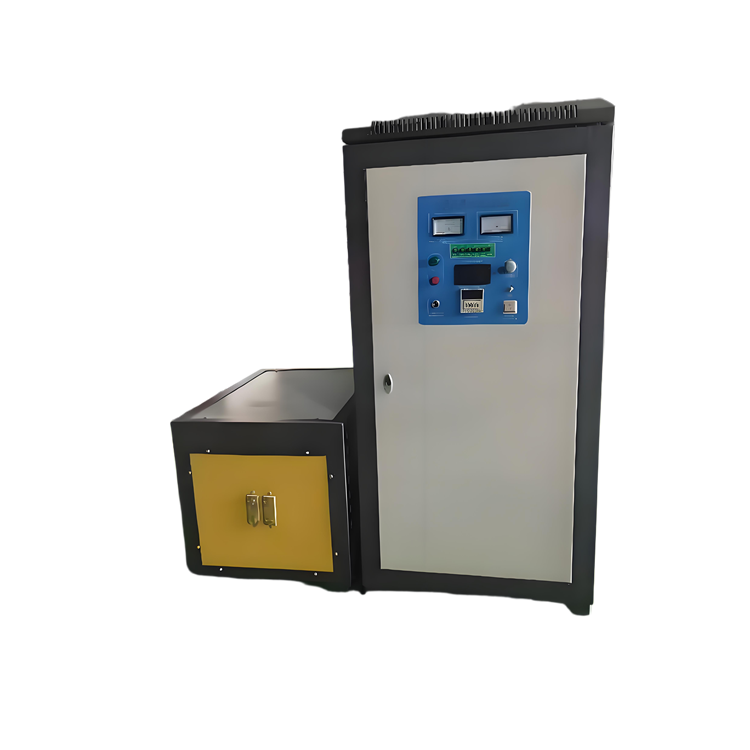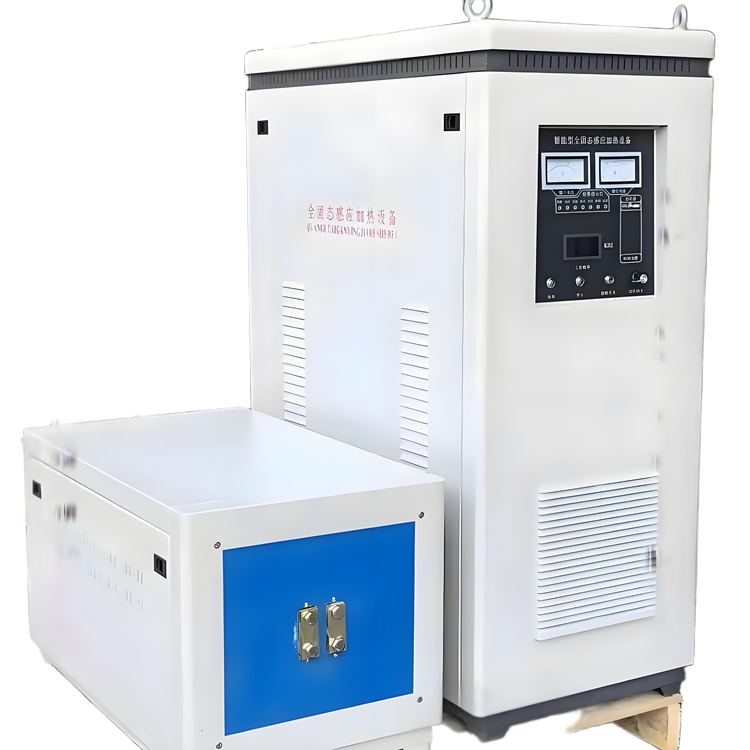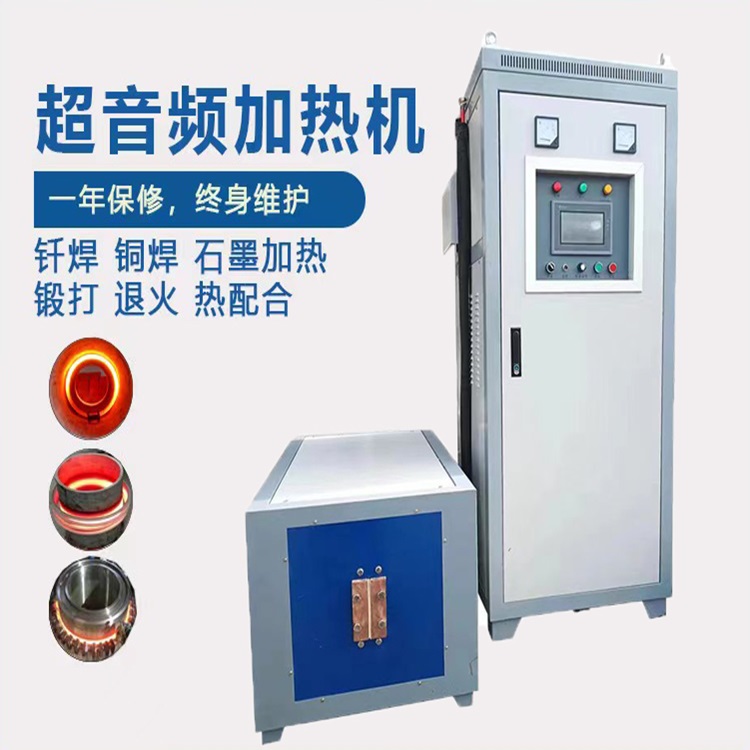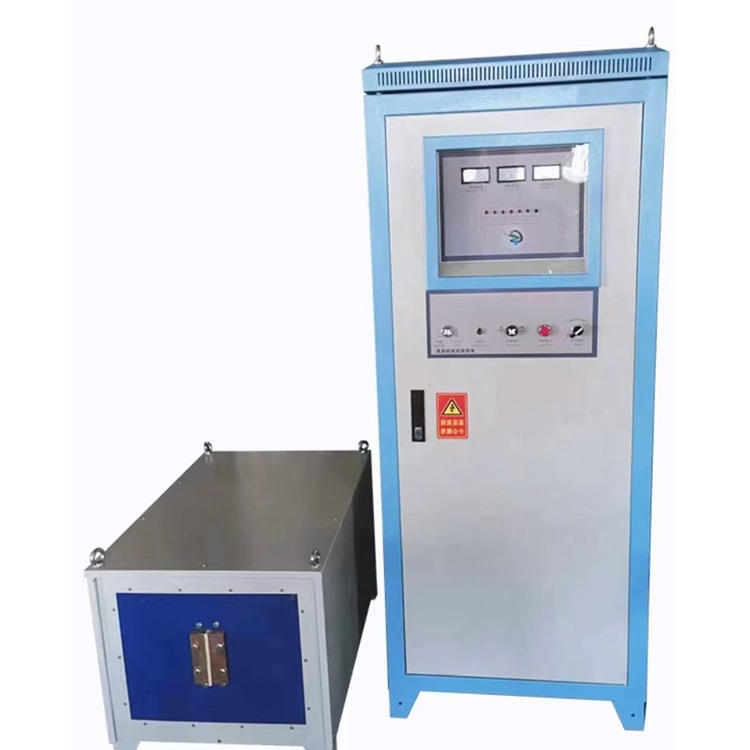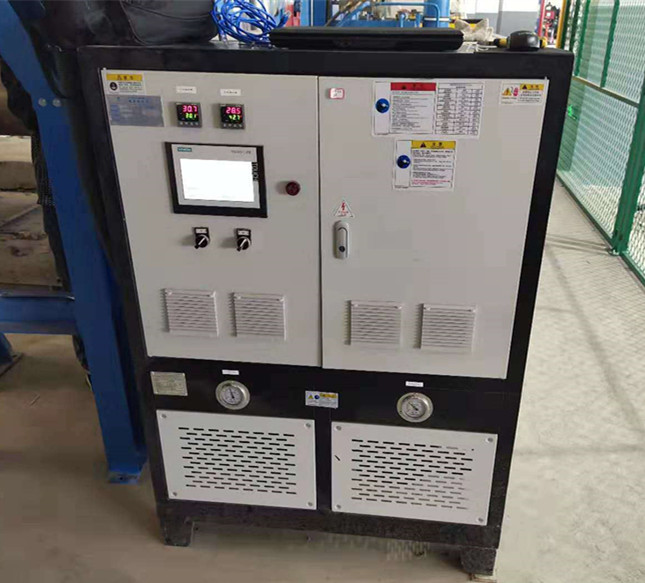
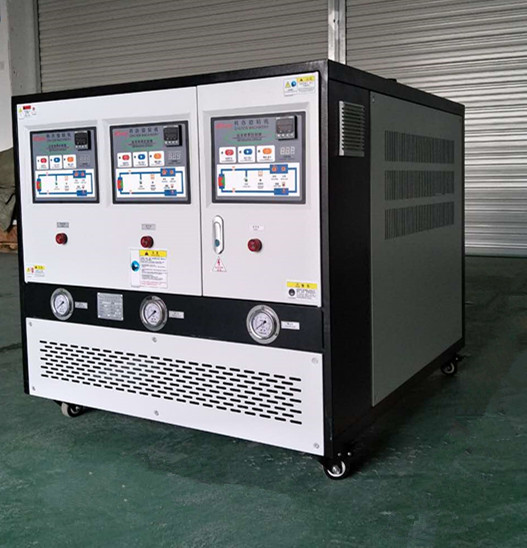


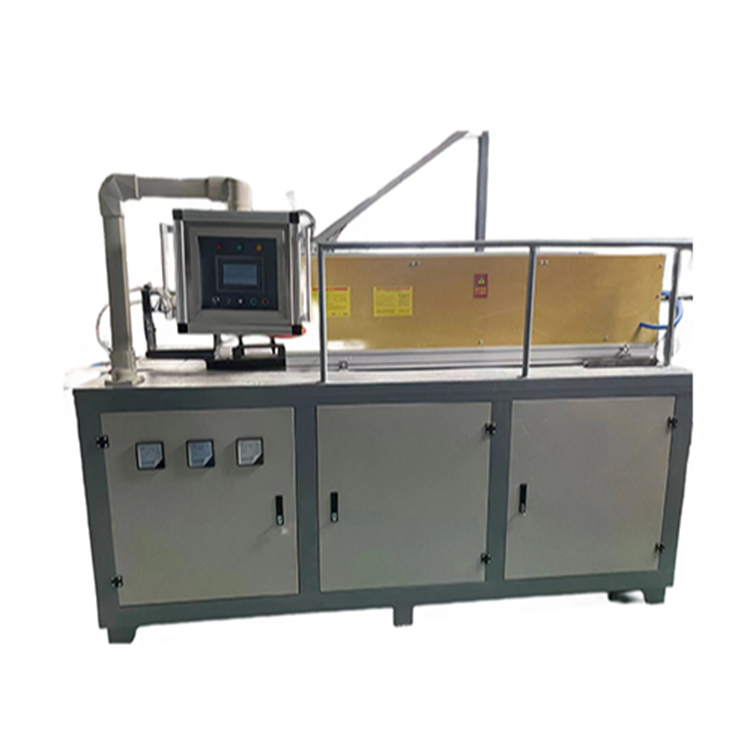
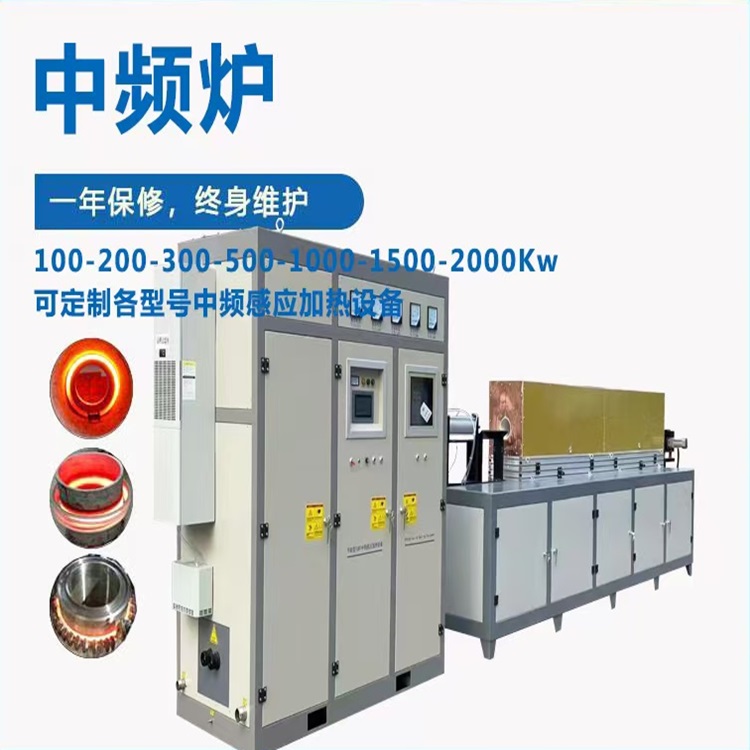
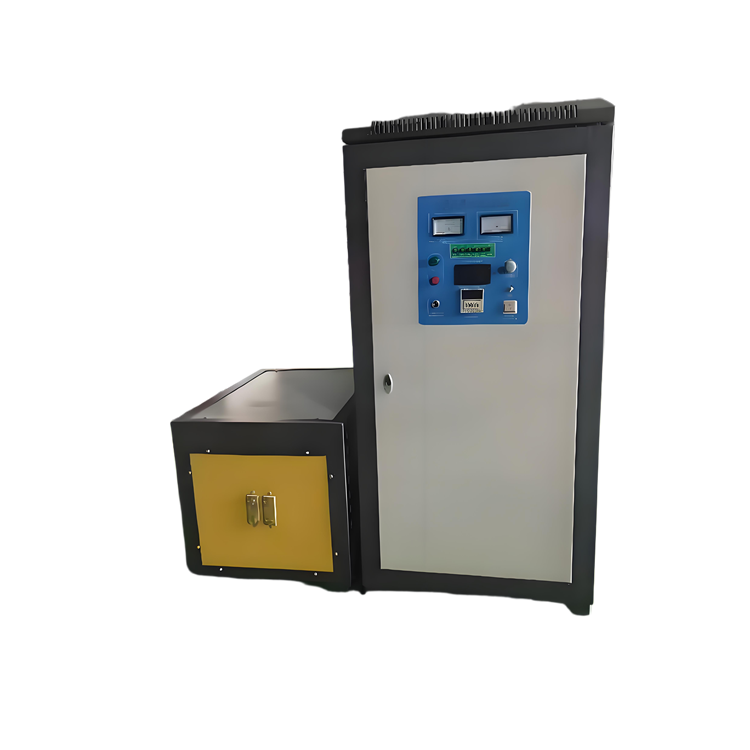







Electrically heated thermal oil boilers, as a new type of special industrial boiler that is safe, energy-saving, low-pressure, and capable of providing high-temperature heat energy, are gaining rapid and widespread application. However, due to improper operation or poor design, accidents can still occur during the daily use of electrically heated thermal oil boilers. The following is a preliminary discussion on preventive measures for accidents in electrically heated thermal oil boilers, based on practical work experience.
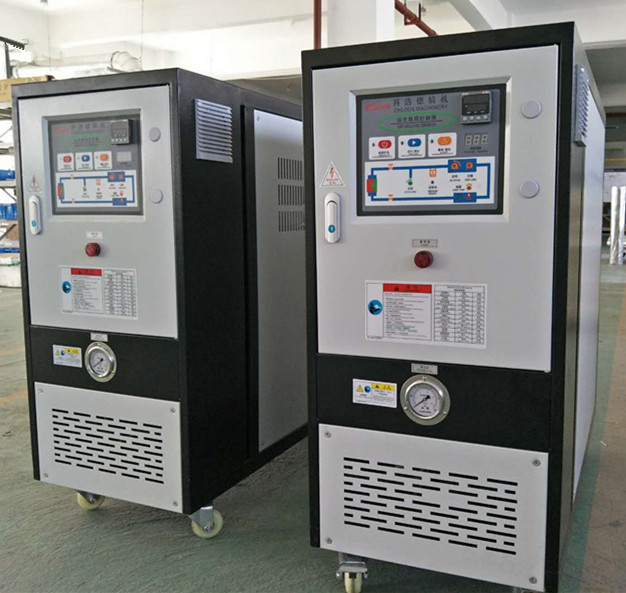
The electrically heated thermal oil boiler, as a new type of industrial boiler that is safe, energy-saving, low-pressure, and capable of providing high-temperature heat energy, is gaining rapid and widespread application.
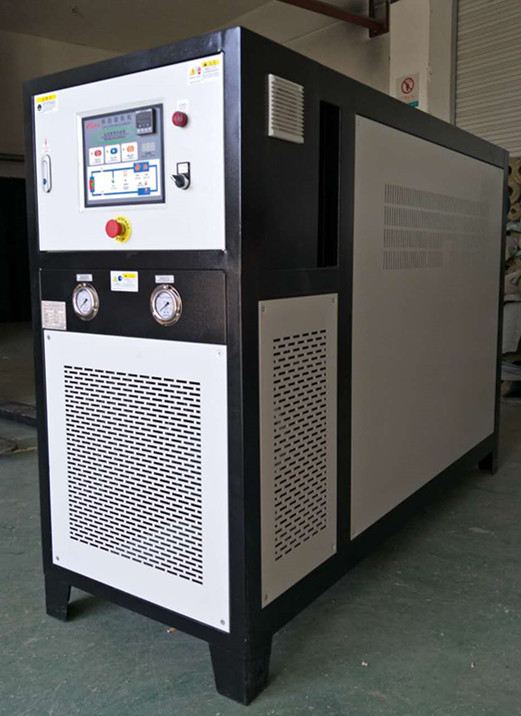
Due to the thermal oil medium used in electrically heated thermal oil boilers, which is prone to leakage and combustion, insufficient understanding of its medium properties and operational safety can easily lead to leaks and fires during operation. However, identifying common accident hazards and implementing targeted preventive measures can significantly reduce the risk of fire accidents in electrically heated thermal oil boilers.
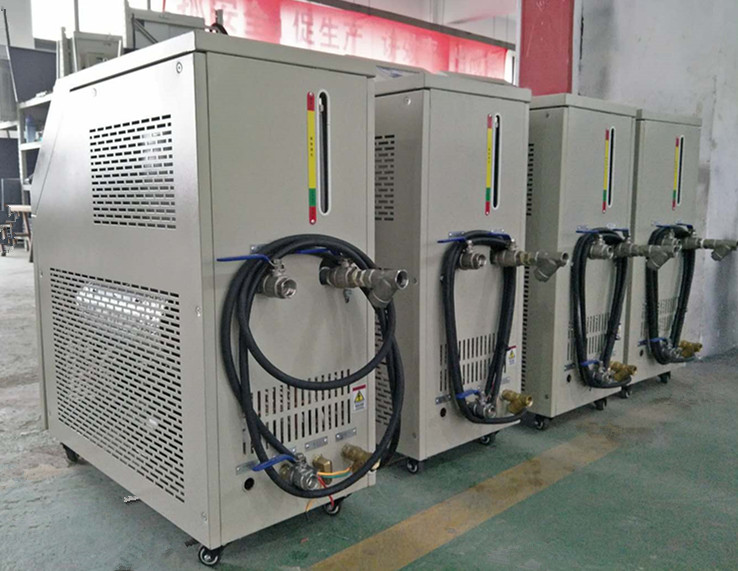
The process flow for cleaning electrically heated thermal oil boilers: Drain out old oil → Preliminary wash → Clean → Wash with water ① → Wash with water ② → Wash with water ③ → Add new oil → Dehydrate → Normal operation
Operation Procedure for Cleaning Electrically Heated Thermal Oil Boilers:
1. Draining out old oil: Utilize the heating system to heat the heat-conducting oil to 70-80°C, then discharge all the heat-conducting oil in the system. Depending on the conditions, try to drain as much residual oil as possible from the system. For the oil that cannot be drained, add a small amount of cleaner to facilitate penetration, stripping, and dissolution, thinning the oil and then discharge it out of the system.
2. Pre-washing: Add 2% of the cleaning agent (70-80 kg, one and a half bags of solid, one and a half drums of liquid) to the system. Dissolve the solid in hot water before adding it, and add the liquid simultaneously. Introduce it into the system at any part of the heating system (usually through an oil pump through a high-level oil tank, similar to the method of refueling), fill the system with fresh water, start the circulating oil pump to circulate, use the heating furnace to raise the water temperature to 80℃±5℃, switch the valves of each reactor in the system to ensure that all parts receive circulation. After 6 to 8 hours (if there are more reactors, increase the pre-washing time and ensure each reactor has a single circulation for half an hour), open all the low-level drain valves in the system to discharge the water. Then refill with water for rinsing, while heating (80℃±5℃) for better rinsing effect, continue rinsing until the water becomes clear or slightly yellow with a pH similar to water.
3. Cleaning: Add 6-8% of the cleaning agent by total circulation volume to the system (retain 50 kg per bag for effectiveness). Dissolve the solid in hot water and add the liquid simultaneously. Follow step (2) to introduce it into the system. After filling the system with clean water, turn on the circulation pump to circulate. Use the heating furnace to heat the cleaning agent to 90℃±5℃. Switch the system valves to ensure all parts are cleaned; it is advisable to switch valves every hour. The total cleaning time should not be less than (increase pre-washing time if there are multiple reactors). Open any part of the circulation pipeline to inspect the cleaning status. If there is still oil residue, increase the cleaning time until all residues are removed and proceed to the next step.
4. Water Washing ①: Fill the system with fresh water, start the circulating pump to circulate, and use the heating furnace to raise the water temperature to 90℃±5℃. Switch the relevant valves in the system to ensure all parts are circulated separately. Rinse the system, then after three hours, open all low-level drain valves to discharge the water from the system.
5. Wash ②: Refill the system with fresh water, then start the circulation pump to circulate the water. Use the heating furnace to raise the water temperature to 90℃±5℃.