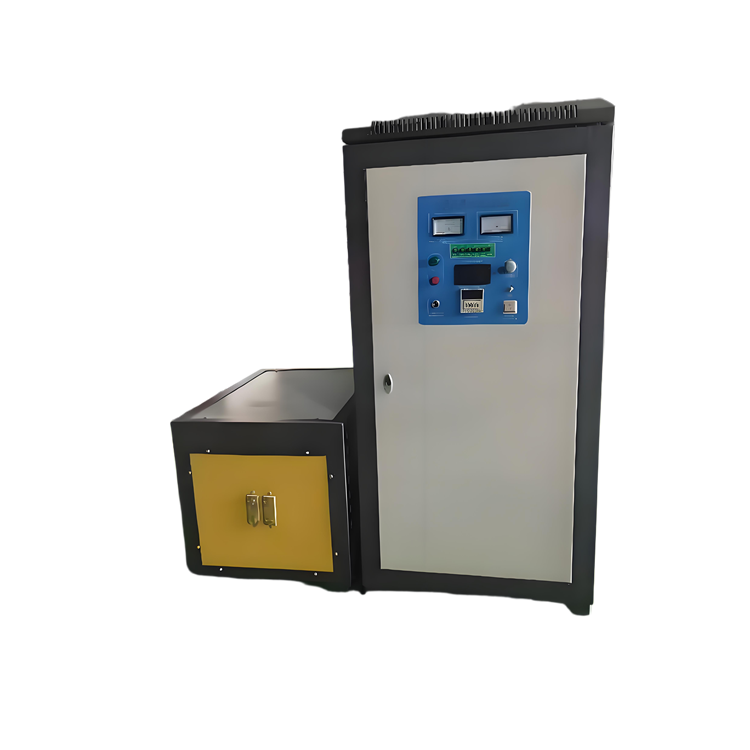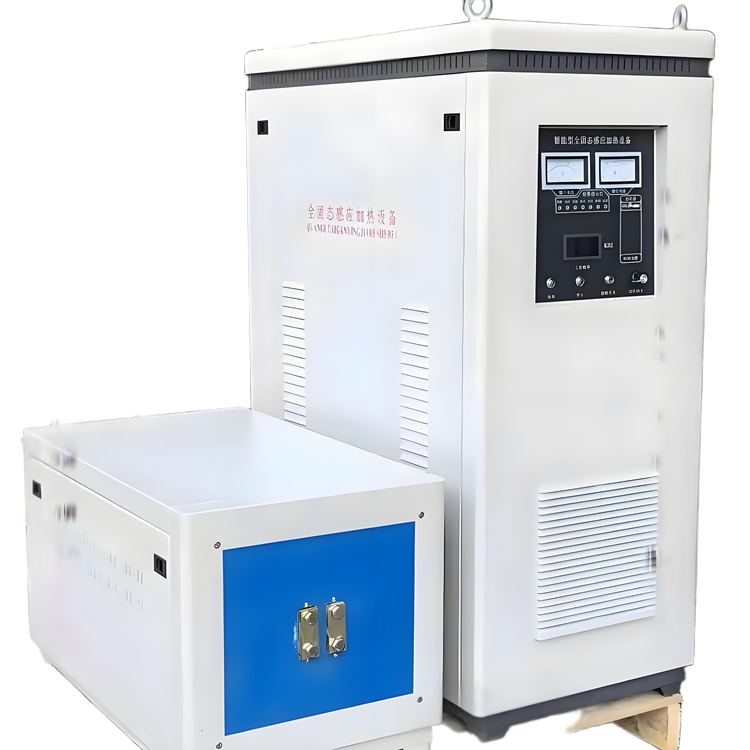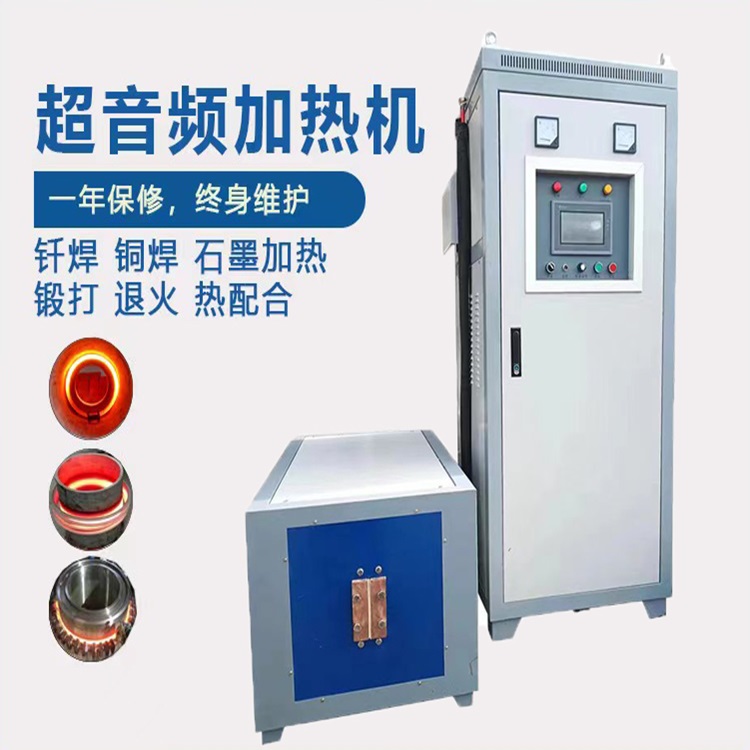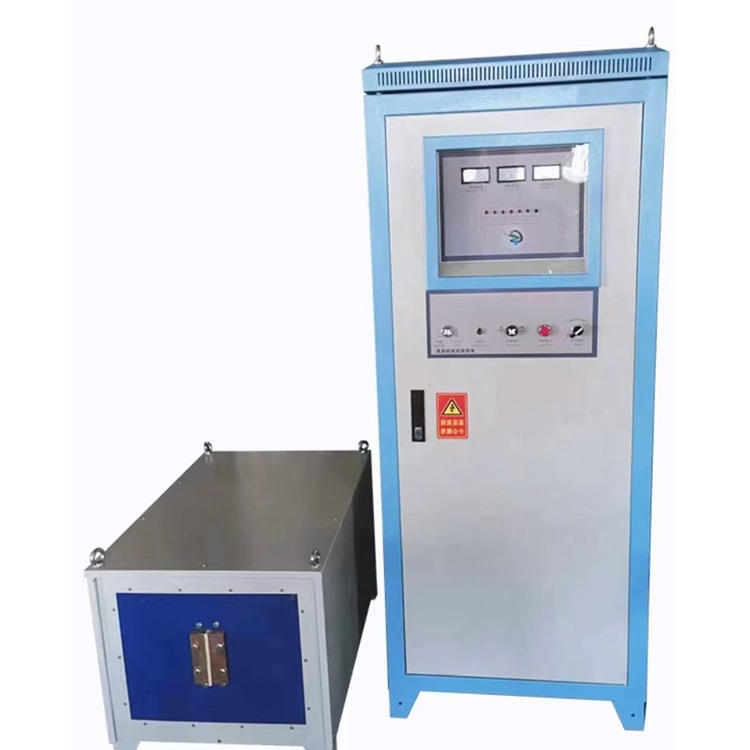
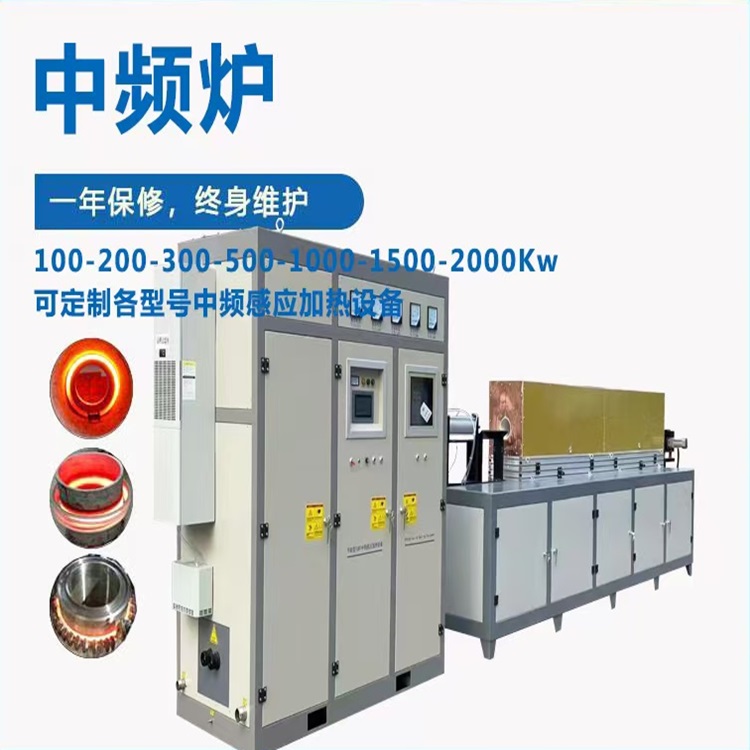
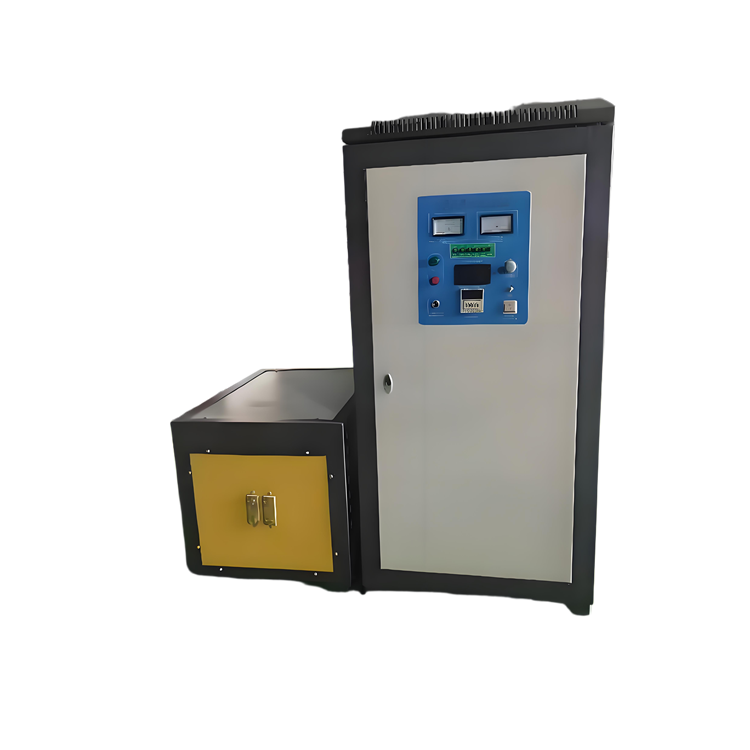







Due to the characteristics of the heat-conducting oil medium used in electrically heated thermal oil boilers, which is prone to leakage and combustion, insufficient understanding of its medium properties and operational safety can easily lead to accidents such as leaks and fires during operation. However, by identifying common accident risks and taking targeted preventive measures, the risk of fire incidents in electrically heated thermal oil boilers can be significantly reduced.

An electrically heated thermal oil furnace is a special industrial furnace that uses electricity as its heat source and thermal oil as the heat carrier. It employs a circulating oil pump to force the liquid phase to circulate continuously, transferring heat energy to the heating equipment and then returning to be reheated. This cycle repeats, achieving continuous heat transfer and raising the temperature of the heated object to meet the heating process requirements.

Electric heating thermal oil furnace main unit installation:
1. The electric heating thermal oil furnace pipeline layout should adopt a low-in, high-out method, and minimize pipeline bends to ensure smooth pipeline flow. The diameters of various pipelines in the system should be as consistent as possible with the thermal oil inlet and outlet diameters of the electric heating thermal oil furnace's main unit.
2. Heat-conducting oil furnace pipelines should be insulated to prevent unnecessary heat loss and energy waste. However, it is not advisable to add insulating material to the flange connections.
3. The electrically heated thermal oil heater should be connected using a flat-welded steel pipe flange with a nominal pressure (Pg) of not less than 1.0 MPa. The pipeline connection sealing gasket can be made of metal-wound graphite gasket, expanded graphite composite gasket, or high-temperature heat-resistant rubber asbestos board.
4. Install exhaust pipes and valves at elevated points of the circulation system network to facilitate regular discharge of gas products during operation. The positioning of the exhaust valve should be convenient for operation. Ensure there are no leaks in the metal walls, welds, pipeline accessories, and connection points for the electric heating thermal oil furnace. If pressure testing with water or steam, thoroughly remove any system water after the pressure test.
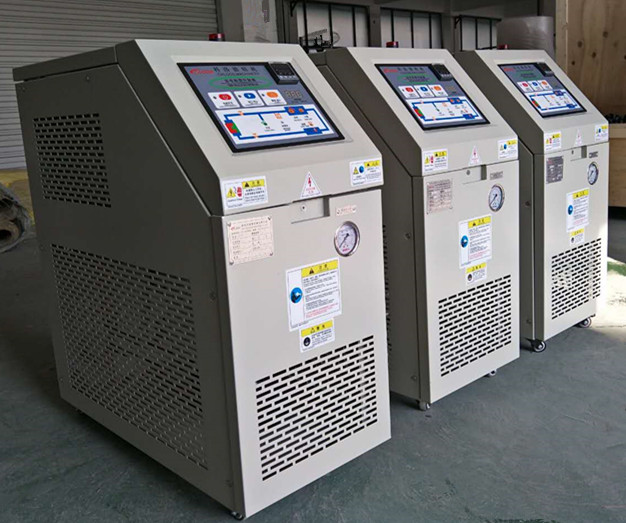
Selection and oiling of thermal oil for electrically heated thermal oil heaters:
When selecting a thermal oil manufacturer, it's practical to choose from reputable brands like Great Wall,昆仑, and Mobil for synthetic thermal oils. The boiling point of the thermal oil should exceed the system's high operating temperature. Due to the prohibition of mixing different brand thermal oils, it's advisable to consider convenience in procurement or purchase extra as backup. After the entire heating system is installed and inspected, proceed with system oiling. Add the thermal oil through the expansion slot filling port, opening all valves in the system (except the oil drain valve) during the process. Then, slowly inject the thermal oil into the system via the expansion slot. Stop oiling when the liquid level shows about 1/2 of the expansion slot height. After oiling, cover the filling cap, connect the overflow pipe, and carefully check the operation of all valves in the pipeline, ensuring no oil leakage or seepage within the system.