








The heat transfer oil of the oil temperature machine, when compared to another high-temperature heat transfer medium like molten salt, has certain advantages in terms of price and service life of the heat transfer medium at operating temperatures above 400°C. However, it is significantly inferior in other aspects, especially in the complexity of system operation. The furnace tube arrangement is designed to neither trap air nor hold water, and it is equipped with a top manifold pipe, which, when compared to similar equipment, achieves a 5% energy-saving distribution. It operates with low resistance, high flow rate, stable pressure, and is safe and durable.
To prevent such a terrible incident from occurring, how can we avoid the overflow of thermal oil in furnace? Below, let's understand it together based on common usage situations:
Oil temperature machine installation and operation instructions:
1. The rate of dehydration and temperature increase while driving is too fast, causing steam and low-boiling point volatiles to冲击胀大槽, leading to oil overflow. Solutions to avoid this: Strictly follow the temperature increase curve requirements for heating, and adjust the heating rate based on the fluctuating pressure and exhaust steam conditions.
2. Multiple heat equipment replacements in use. When the high-temperature thermal oil rapidly flows into the low-temperature system and comes into contact with the cold oil, the cold oil absorbs heat and the low-boiling point components are vaporized; Solution: When the low-temperature heating equipment is put into operation, the valves are gradually opened and increased, allowing the heat exchange between the hot and cold oils to gradually balance.
3. Defects in the hot oil pump or oil leakage in the system. Solution: Loosen and continuously heat, loosen and open the oil collection valve to allow the heat-conducting oil to flow through the furnace tubes and into the low-level oil storage tank.
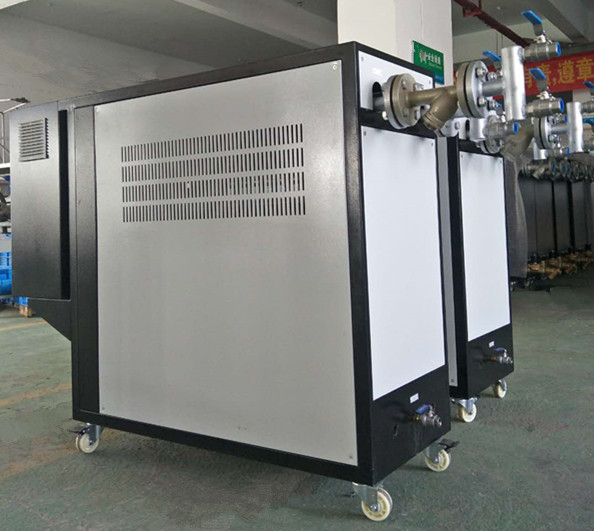
5 Maintenance Methods for Oil Temperature Machines:
1. New oil temperature machines require different maintenance measures based on the heat-conducting medium used. If the medium is water, ensure the water source is clean to prevent scaling and avoid pipeline blockages. If the medium is oil, replace it regularly according to the operating temperature; for temperatures above 200°C, it's advisable to change it every one to two months. For temperatures below 200°C, a replacement every quarter should suffice, which helps prevent issues with insufficient temperature increase.
2. New oil temperature machine: Please check if the cooling water is circulating before use to prevent damage to the machine due to insufficient cooling water. We must maintain a clean working environment for the oil temperature machine, avoiding dust, which can greatly extend the lifespan of the electrical components.
3. In terms of piping, we need to determine if there's a blockage based on the relationship between the pump and pressure. If the pressure is too low, we can remove the heating tube and clean it with tools, especially the filter cover of the system, which should be washed once a month.
4. On electrical components, we can replace them as needed based on their lifespan, and conduct regular tests to ensure safety.
5. Regularly inspect the oil temperature, pump, and oil pump for oil leakage. If necessary, the pump shaft seal can also be replaced periodically.
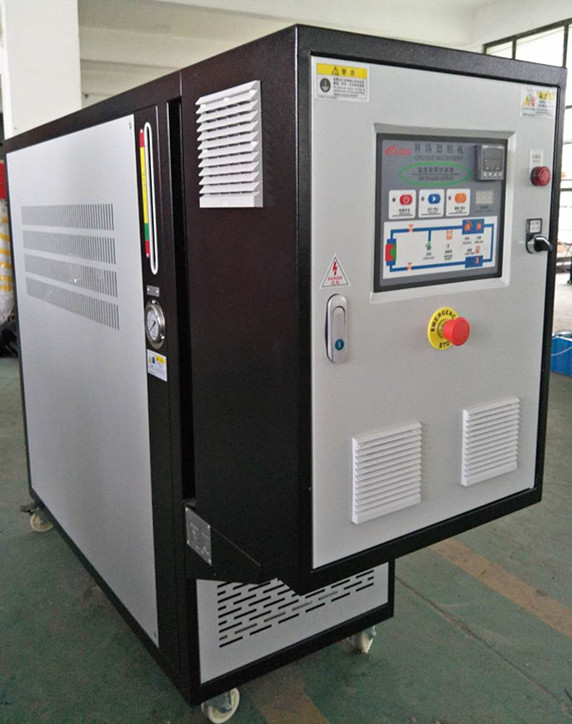
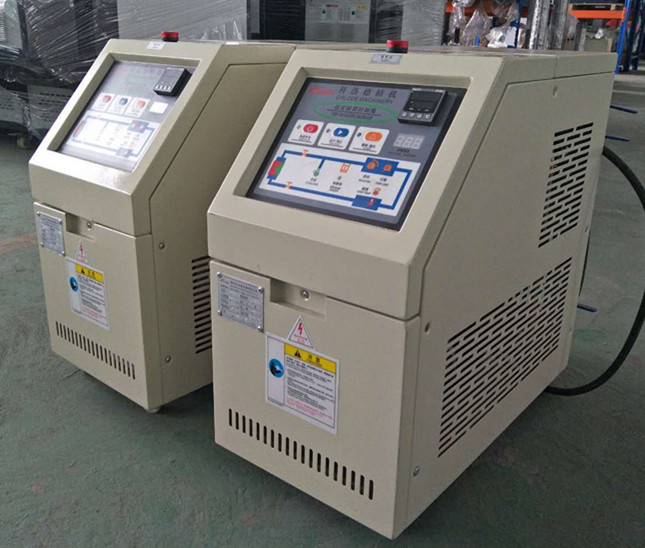
The oil temperature machine, commonly referred to as an electrically heated oil furnace or a heat-conducting oil heater, operates at high temperatures (typically within 300℃), which can lead to frequent malfunctions and even safety hazards during use. Customers are often very concerned when using such products. In reality, the design of these electrically heated heat-conducting oil heaters has become very sophisticated. However, improper use or poor quality heat-conducting oil can still pose safety risks.