








Steps for using a mold temperature controller:
1. Conduct checks and settings before the machine is tested. Verify that the oil, electricity, gas, and piping of the mold temperature machine are functioning properly. Turn on the control panel, access the operation interface, and set the temperature. However, be mindful that the set temperature should be lower than the oil outlet temperature.
2. Operational inspection: Start the oil pump, check if the rotation of the oil pump and fan is correct, and confirm that the fan and oil pump can operate normally before proceeding to the next step.
3. Fill up. Add thermal oil to the expansion tank, circulate the thermal oil to distribute it throughout the oil carrier components, and then perform mechanical operations.
4. Ensure there are no gas leaks and leaks in the pipeline. Additionally, verify that the model thermometer operates with normal pressure and temperature during the process, as well as the safety of the surrounding environment.
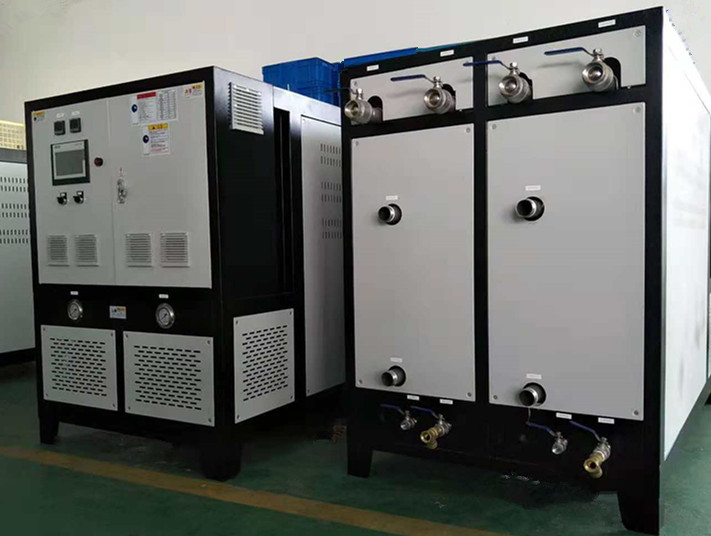
The mold temperature controller is a balancing device used to adjust the mold temperature, capable of both heating and cooling. It employs a high thermal conductivity medium to quickly transfer excess heat from the mold. Once the thermal balance temperature is set, it can automatically maintain the temperature within an extremely small margin of error, ensuring a steady state.
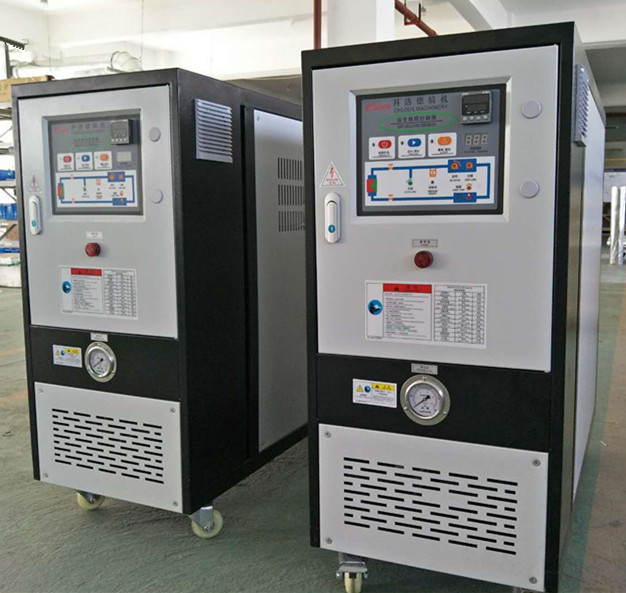
Temperature Controller Configuration and Usage:
The configuration of the mold temperature controller should be determined based on the material being processed, the weight of the mold, the required preheating time, and the production rate in kg/h. When using thermal oil, operators must adhere to the following safety regulations: do not place the mold temperature controller near a heat source (furnace); use tapered, leak-proof, and temperature-resistant hoses or pipes; regularly inspect for leaks and functionality in the temperature control circuit (mold temperature controller, connectors, and mold); regularly replace the thermal oil; opt for artificial synthetic oil, which has good thermal stability and a low tendency to coking. The choice of the appropriate thermal fluid is crucial when using the mold temperature controller. Water as a thermal fluid is economical, clean, and easy to use, but if the temperature control circuit (such as a hose connector) leaks, the water can be directly discharged into the drain. However, water as a thermal fluid has its drawbacks: it has a low boiling point; it may corrode and scale based on its composition, leading to pressure loss and reduced heat exchange efficiency between the mold and the fluid. When using water as a thermal fluid, consider the following precautions: pre-treat the temperature control circuit with a corrosion inhibitor; use a filter before the water inlet; regularly clean the mold temperature controller and mold with rust removal agents. Thermal oil does not have the drawbacks of water. Oils have a higher boiling point and can be used at temperatures above 300℃ and even higher, but their heat transfer coefficient is only one-third that of water, so the mold temperature controller should be configured according to the technical requirements of the product in various industries.

Friends in the production industry know that a mold temperature controller is mainly used as a temperature control equipment during the production process. Besides temperature control,
In the plastic industry, enhancing the molding efficiency of plastic products, the temperature control provided by mold temperature machines during the production process aids in rapid molding of plastic products, thereby increasing the efficiency of plastic molding.