



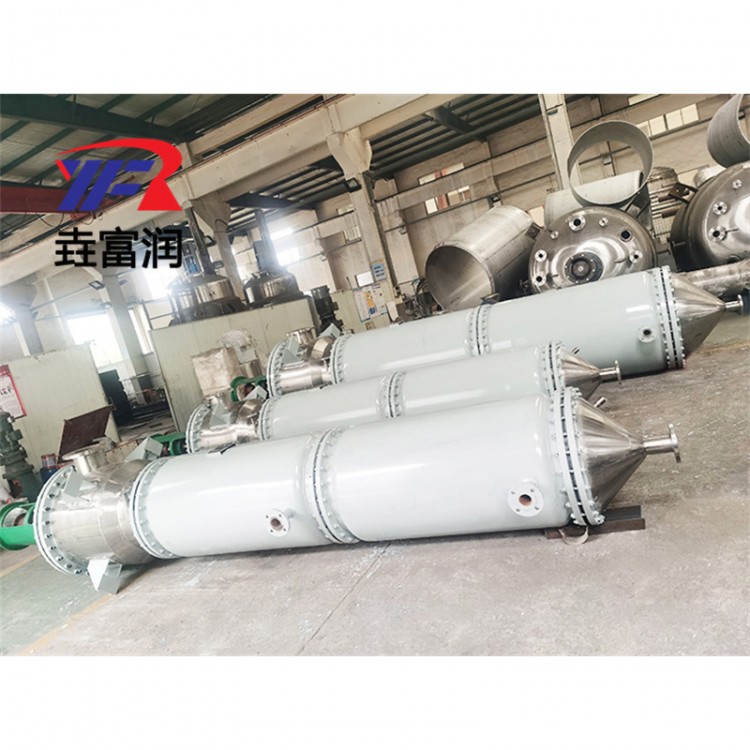
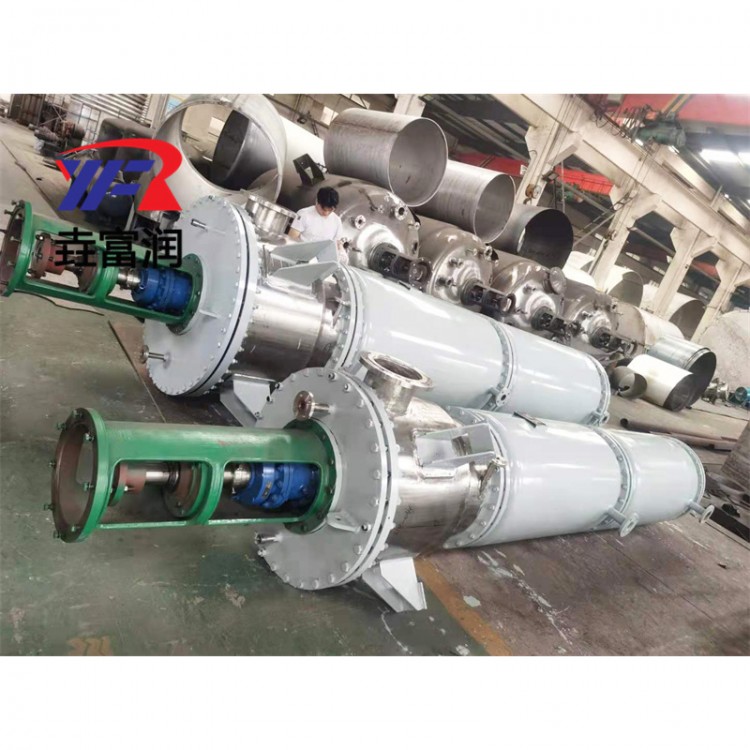
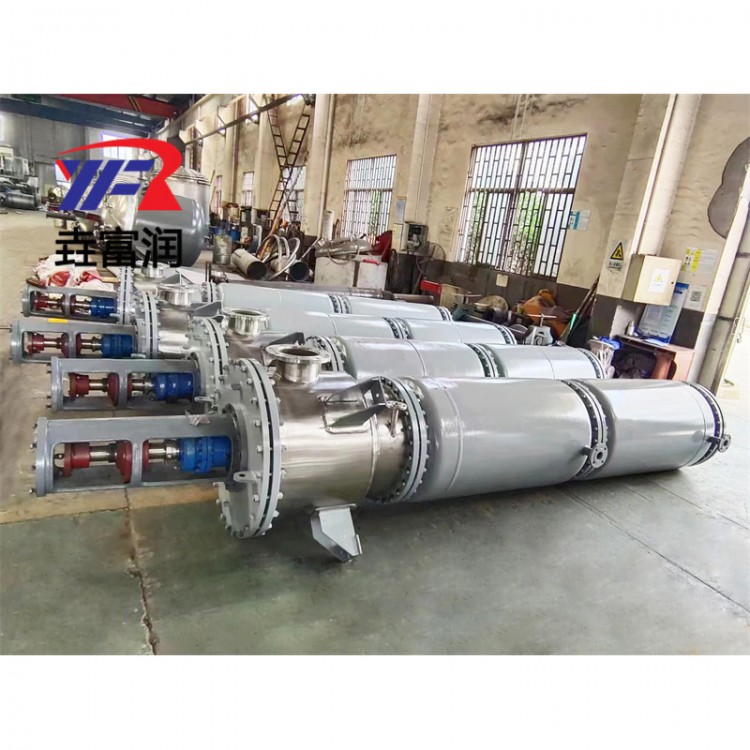
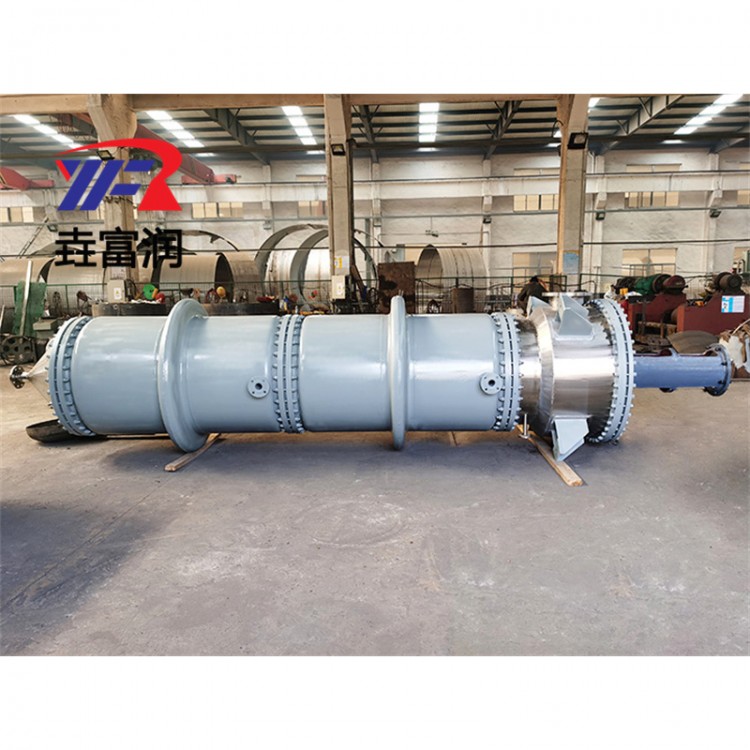





One,Working Principle
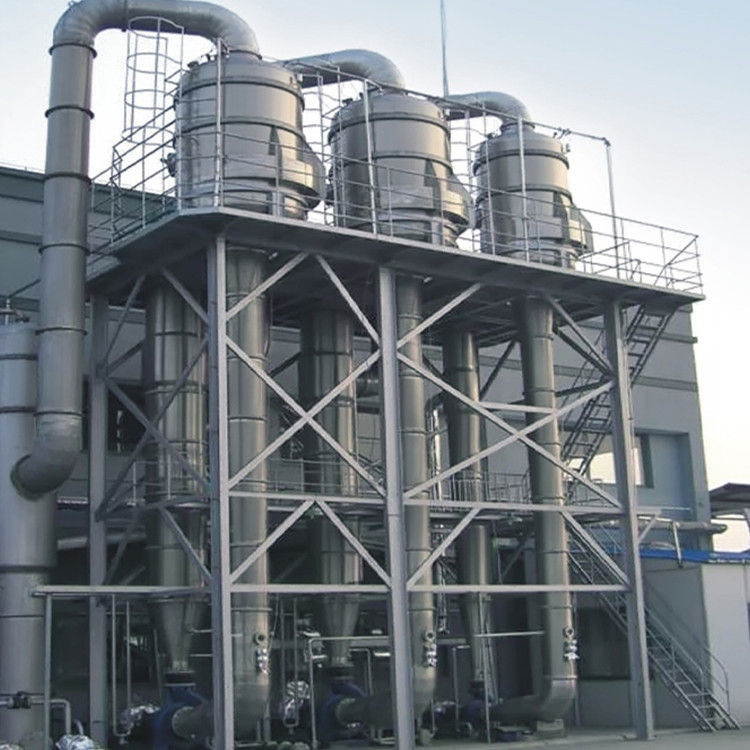
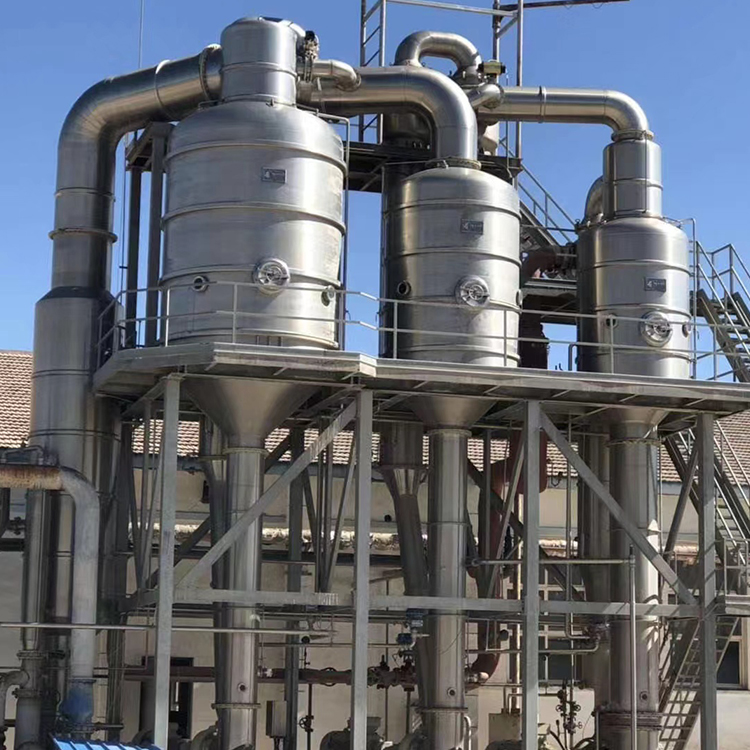
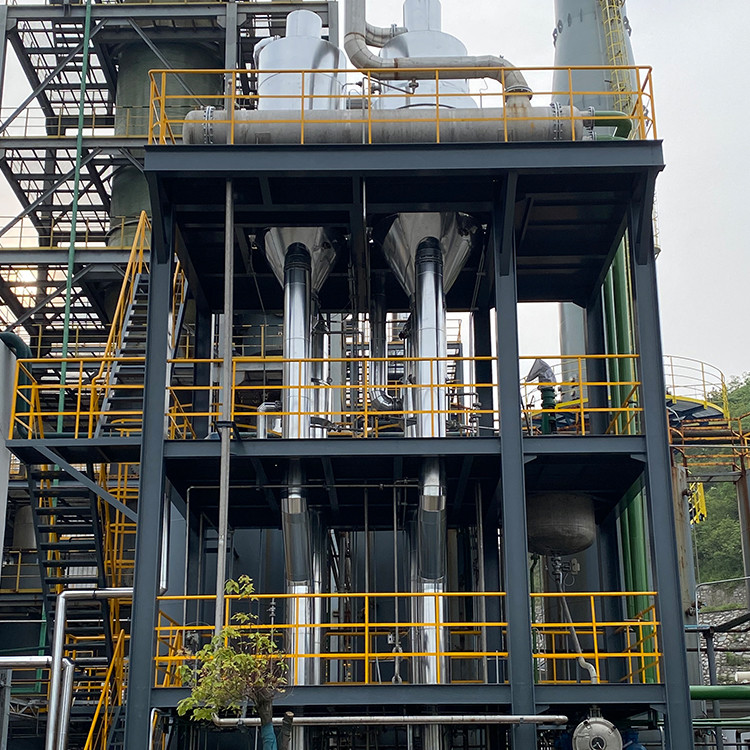
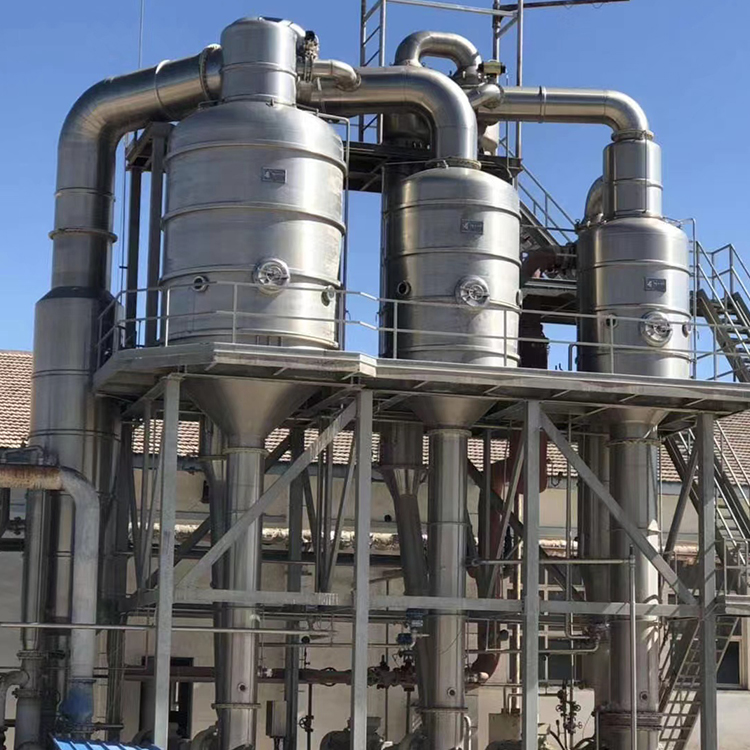
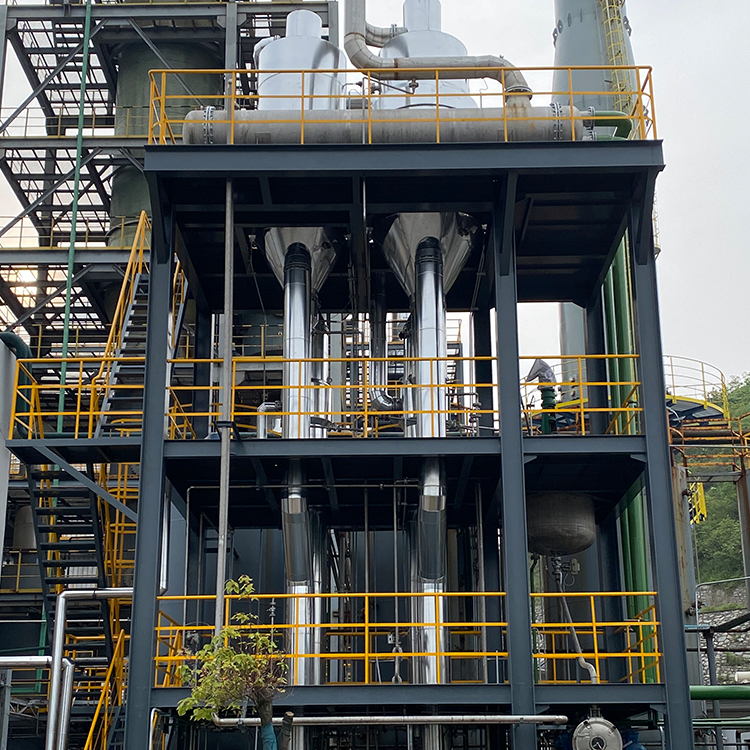
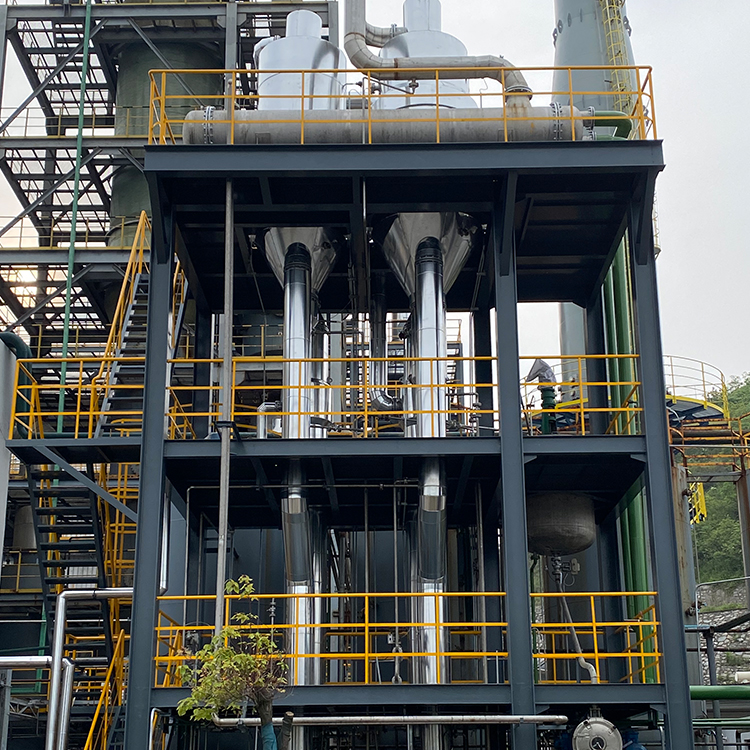
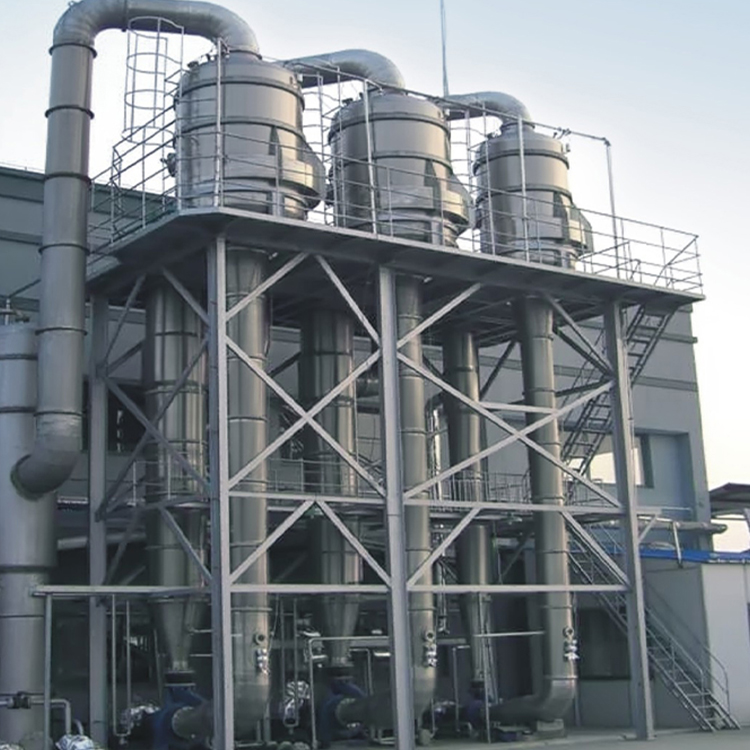
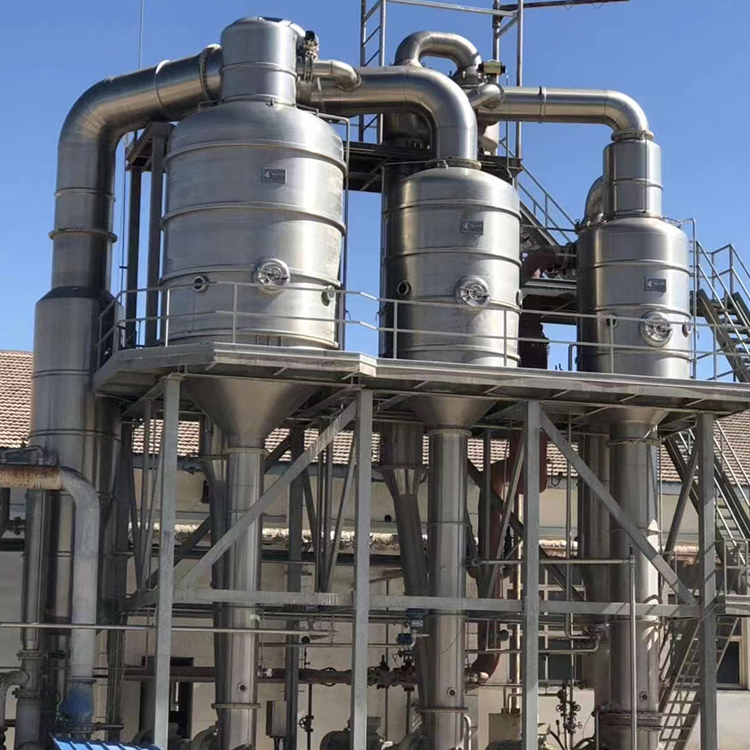
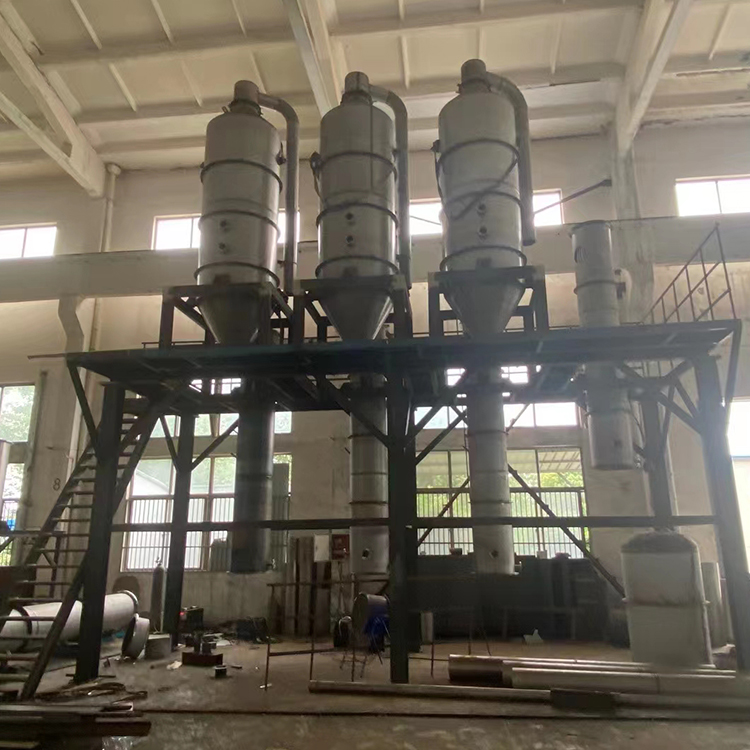
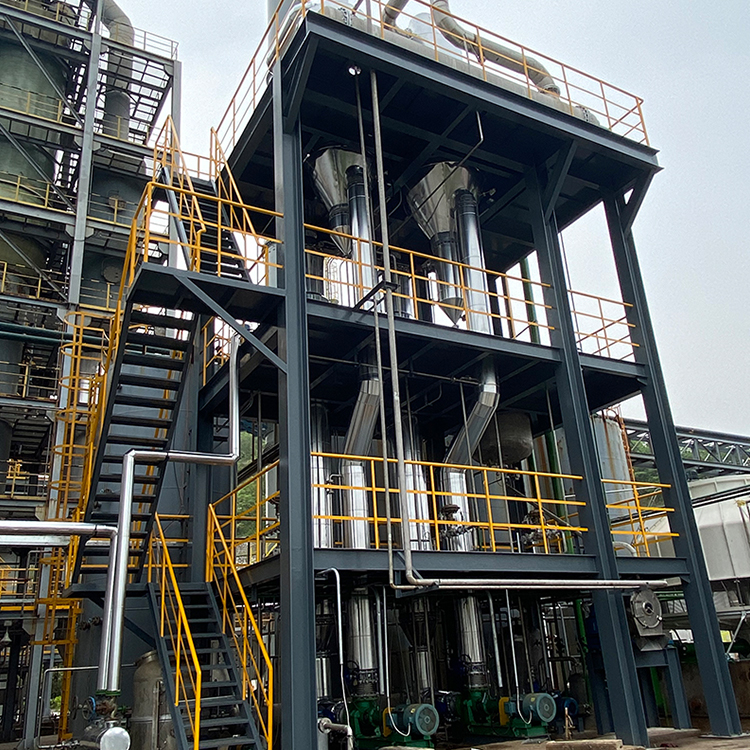
A multi-effect evaporator utilizes the secondary steam generated from the evaporation of the previous effect as a heat source for the next effect, achieving energy-saving objectives. Multi-effect systems can recover a portion of the secondary steam, with the number of effects increasing the amount of recovered secondary steam.
II. Structural Features
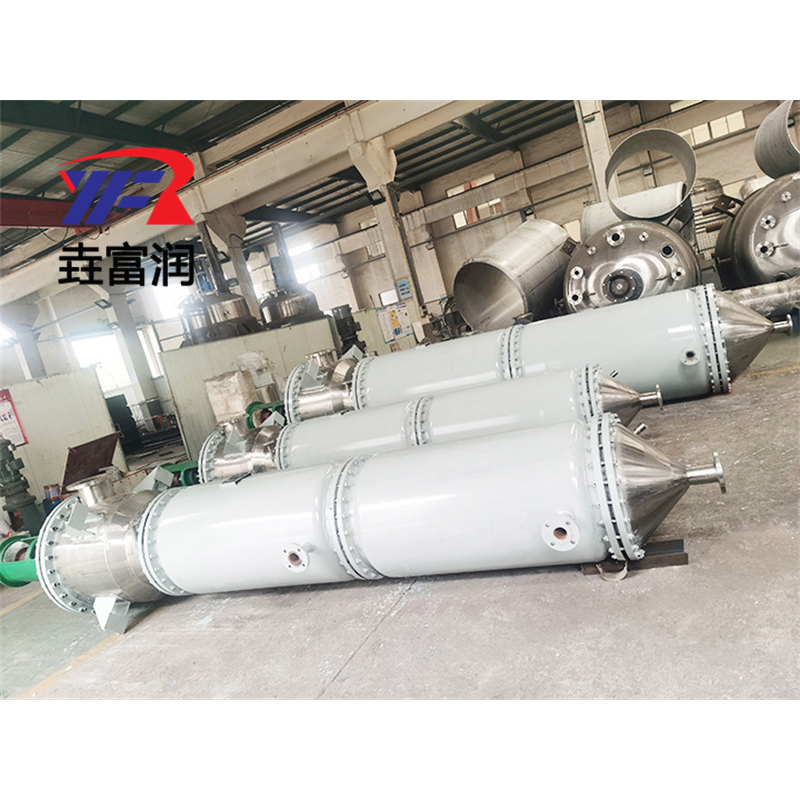
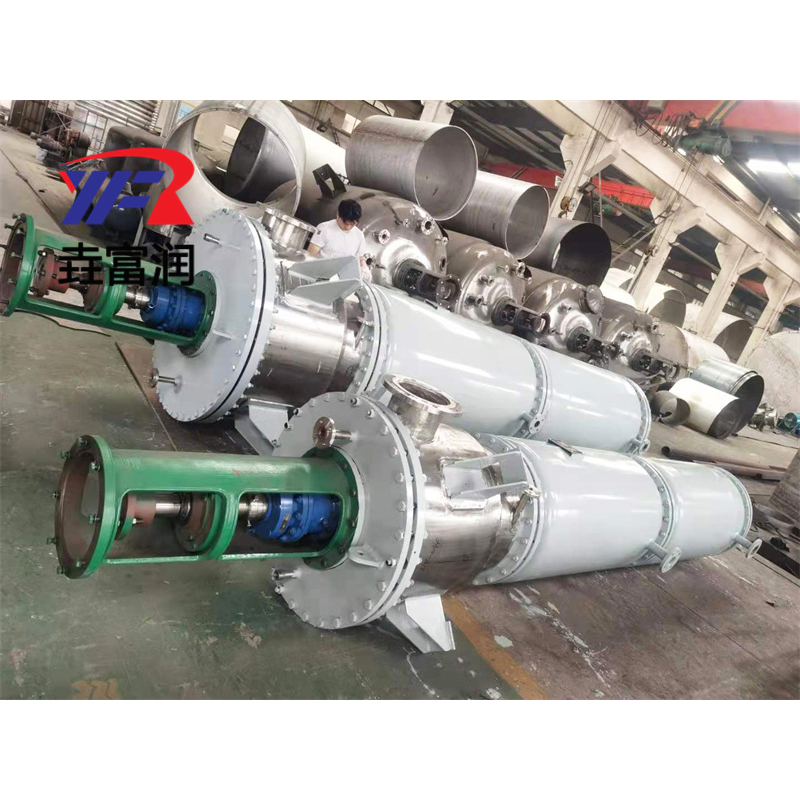
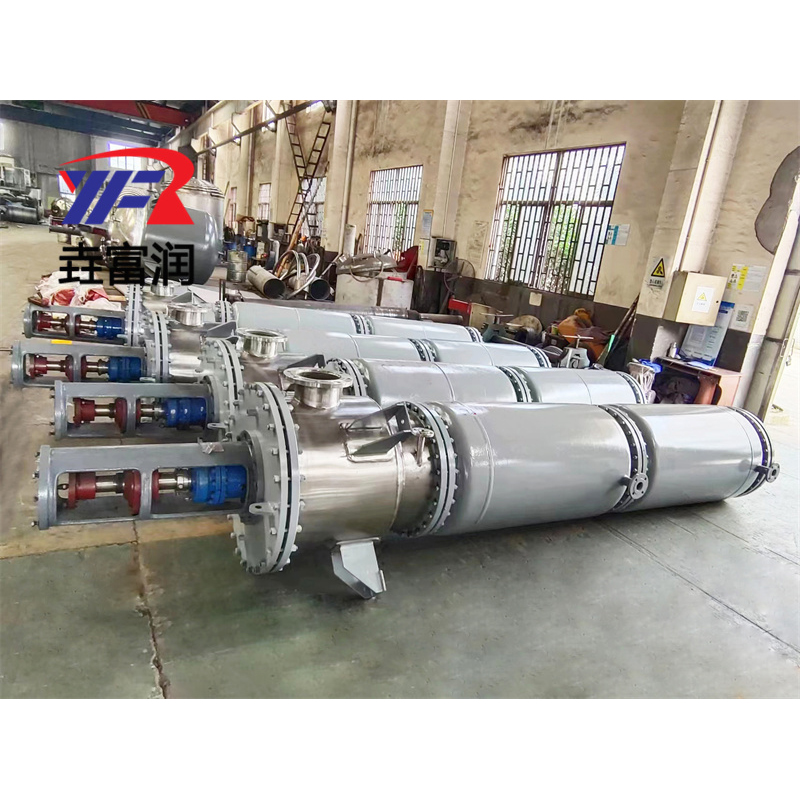
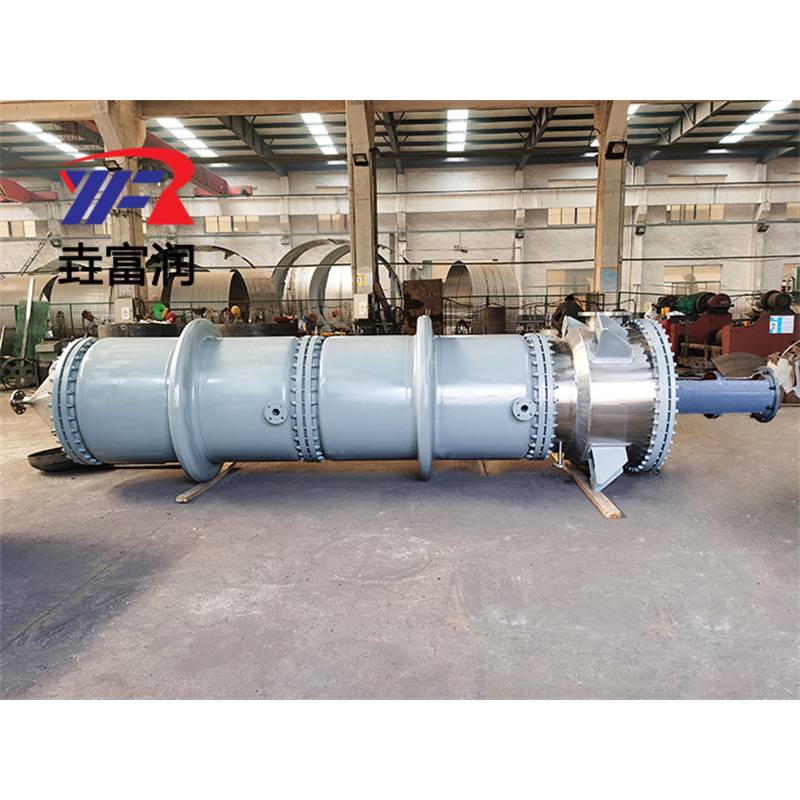
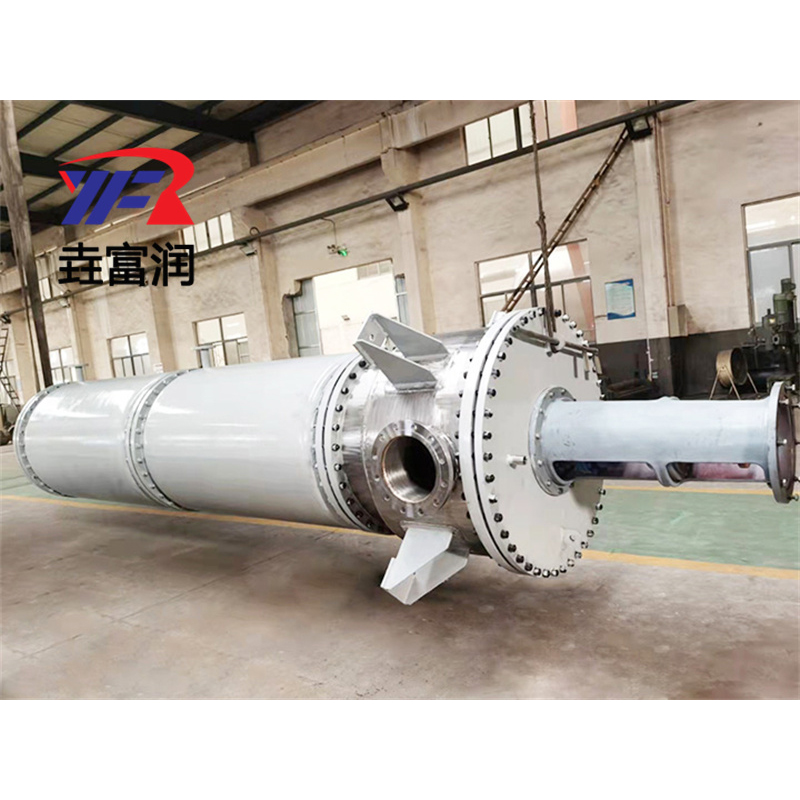
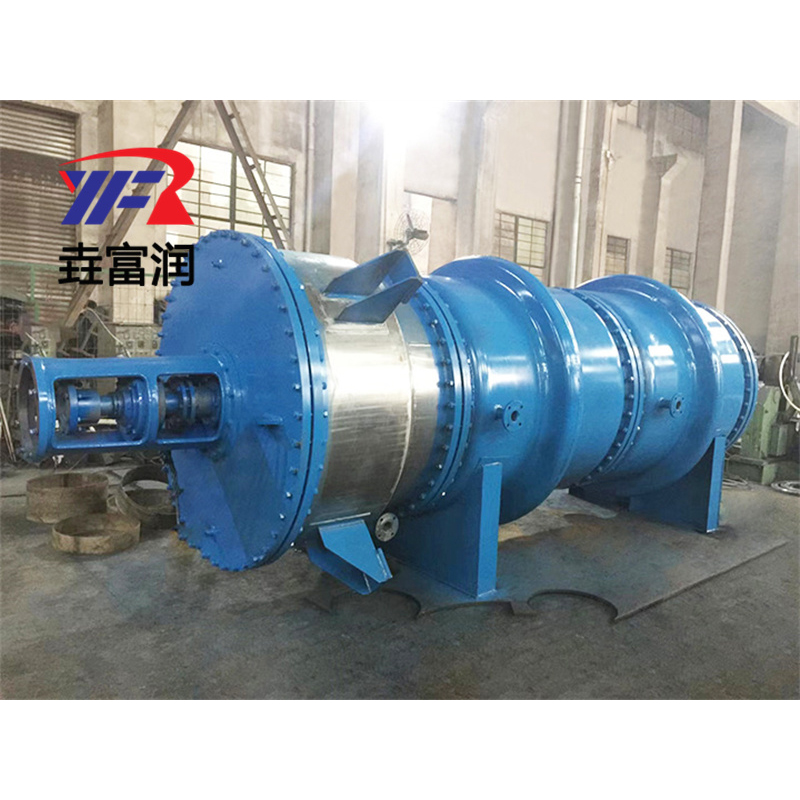
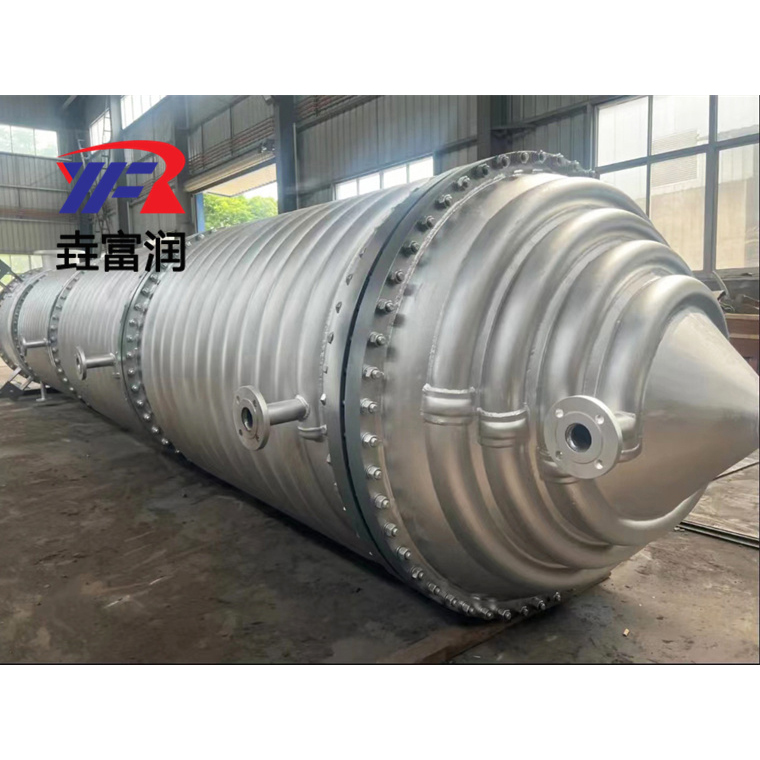
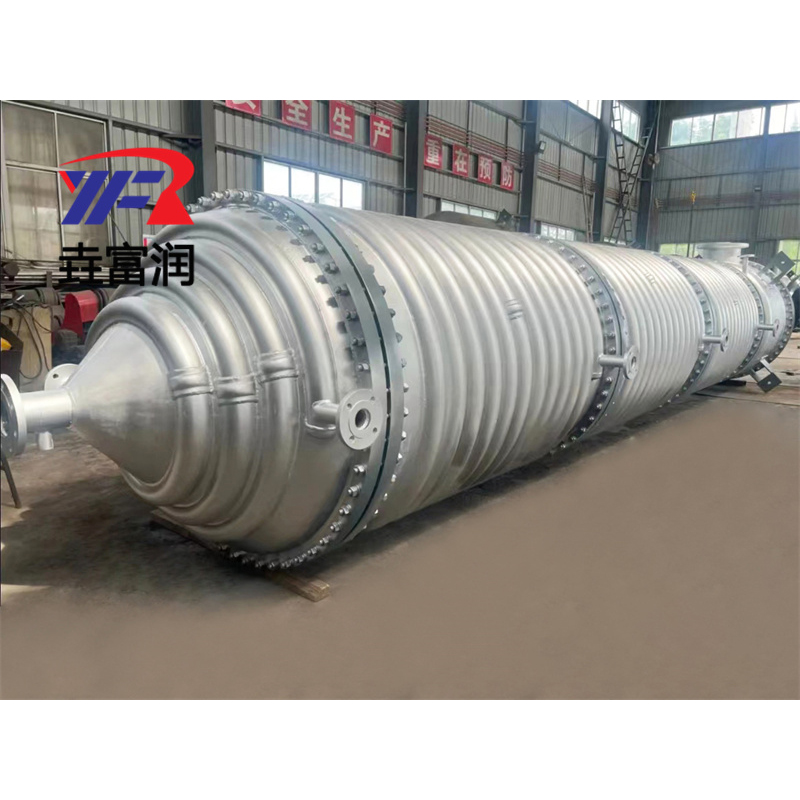
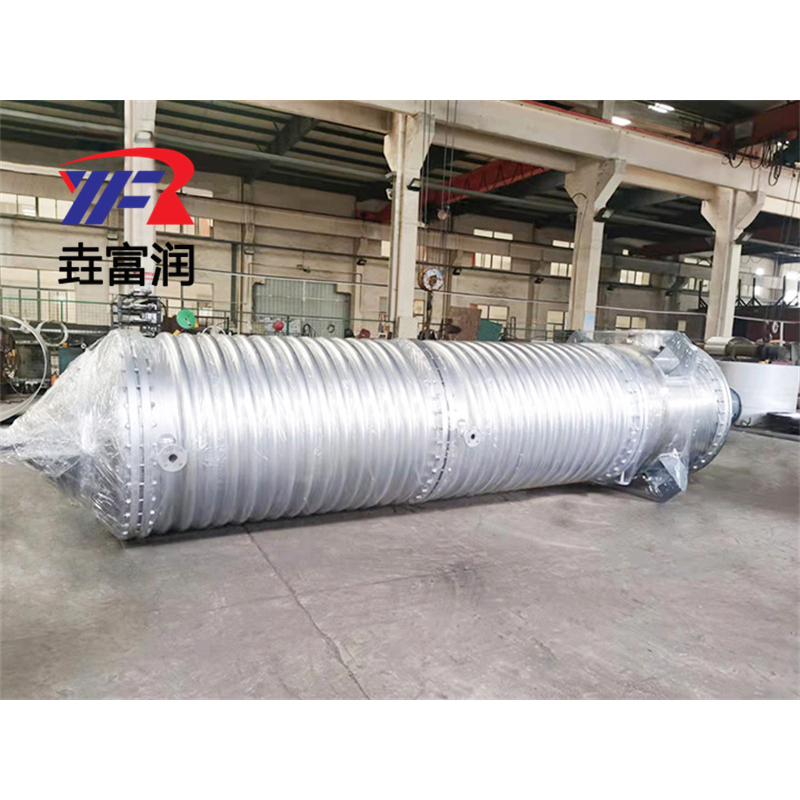
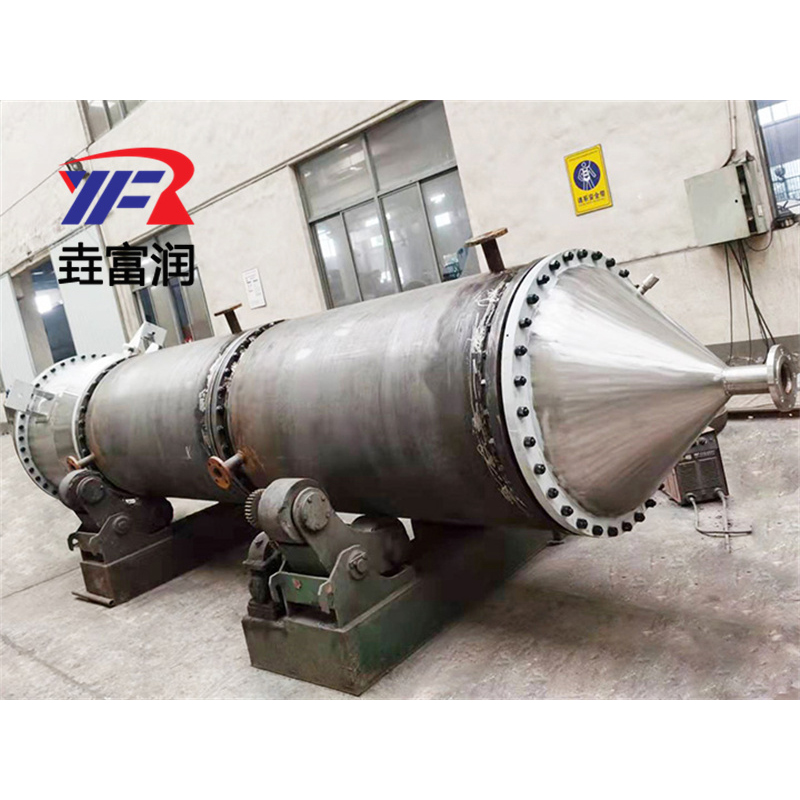
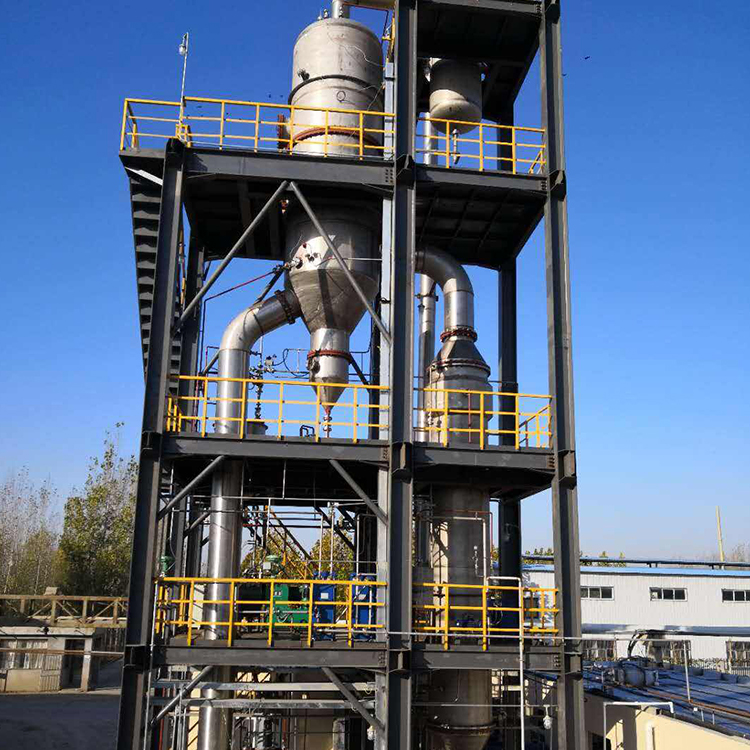
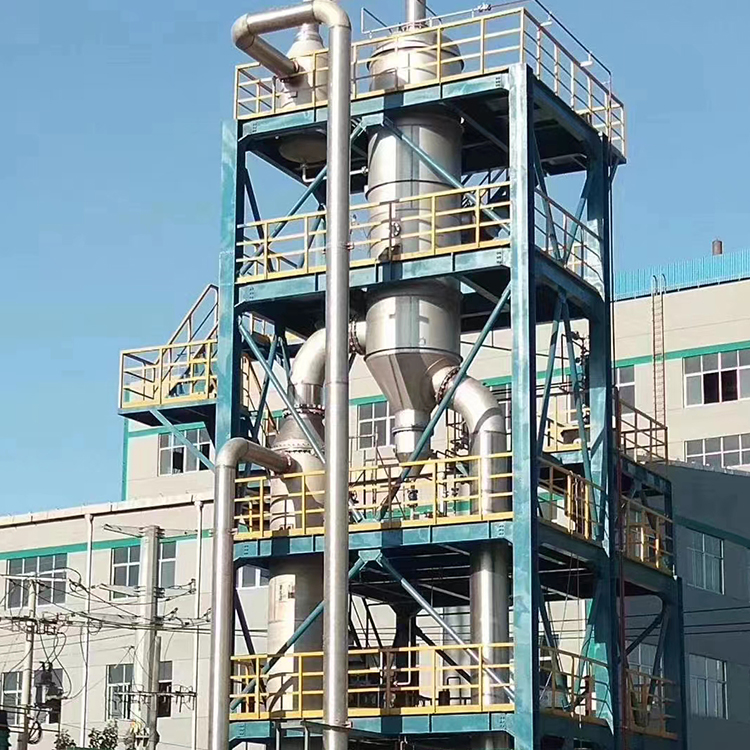
The multi-effect evaporator can take the form of forced circulation, natural circulation, falling film, rising film, and plate evaporator, among others. For different materials, select the appropriate evaporation equipment for matching design based on the material's characteristics (such as solubility, viscosity, foaming properties, and solution hardness), ensuring the entire evaporation system operates with low running costs and a small initial investment.
Among various evaporators, membrane evaporators have high heat transfer coefficients and low operating costs, but their application range is narrow; natural circulation evaporators require a larger heat transfer temperature difference but have lower operating costs than forced circulation evaporators; forced circulation evaporators have a wider application range but higher operating costs and a larger initial investment.
The multi-effect evaporation process can include countercurrent, cocurrent, parallel, and crossflow configurations.
Section 3: Product Advantages
1. Wide applicability of equipment, low investment cost, and easy maintenance.
2. By employing energy-saving methods such as jet nozzles, pressure reduction evaporation, and multi-stage steam reflux, we maximize the reduction of evaporation energy consumption.
3. High level of automation allows for continuous operation. Real-time monitoring of system conditions ensures smooth and stable system performance.