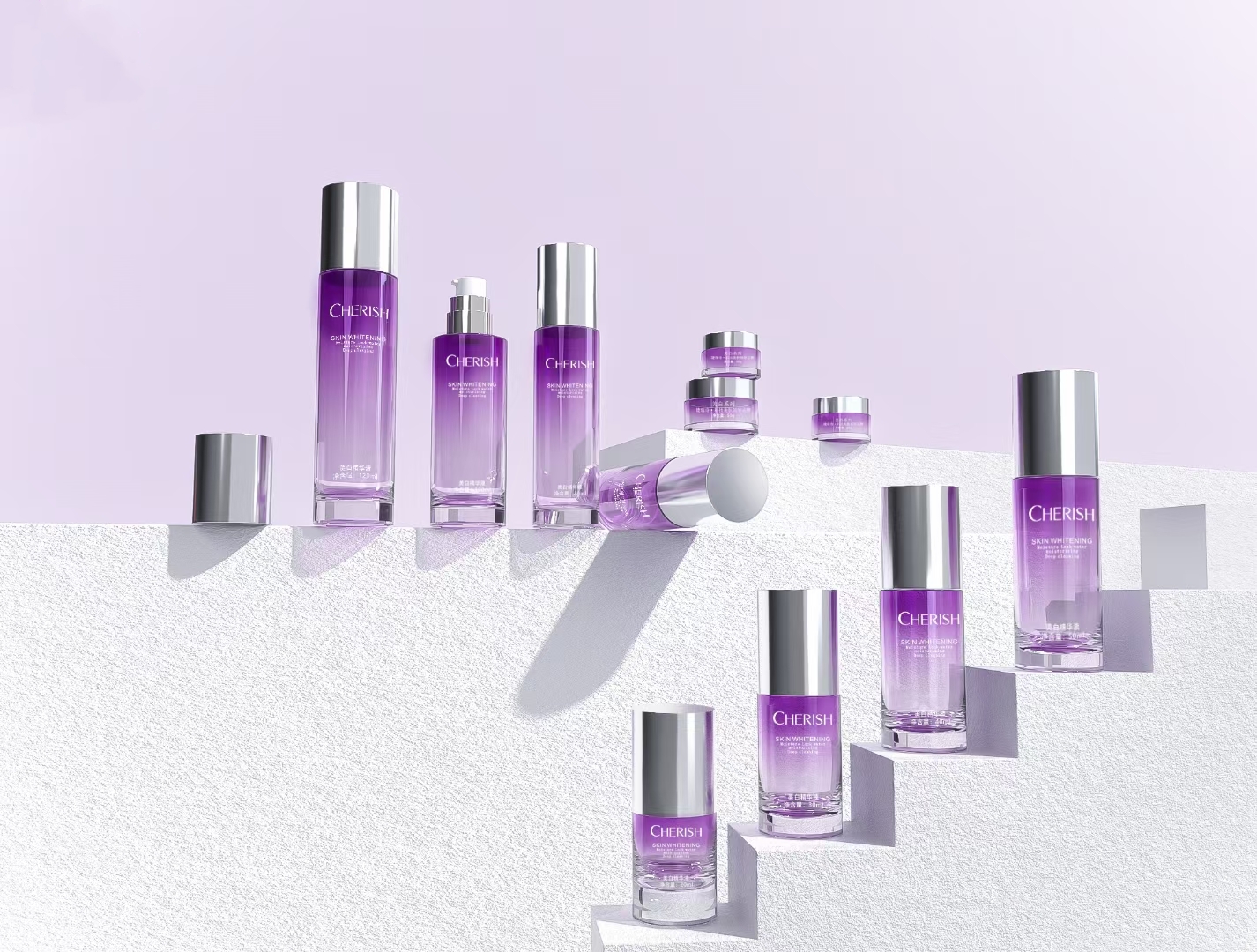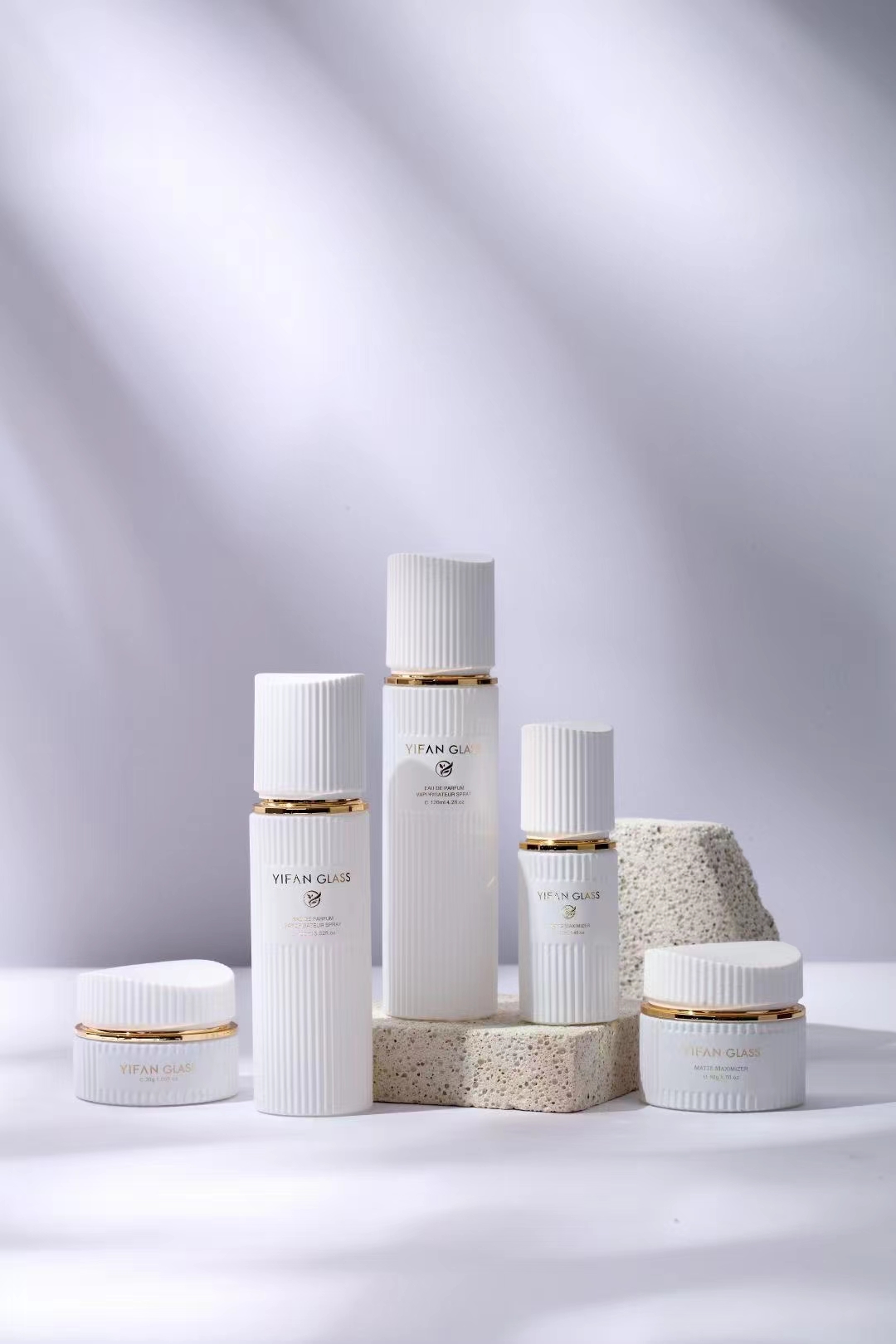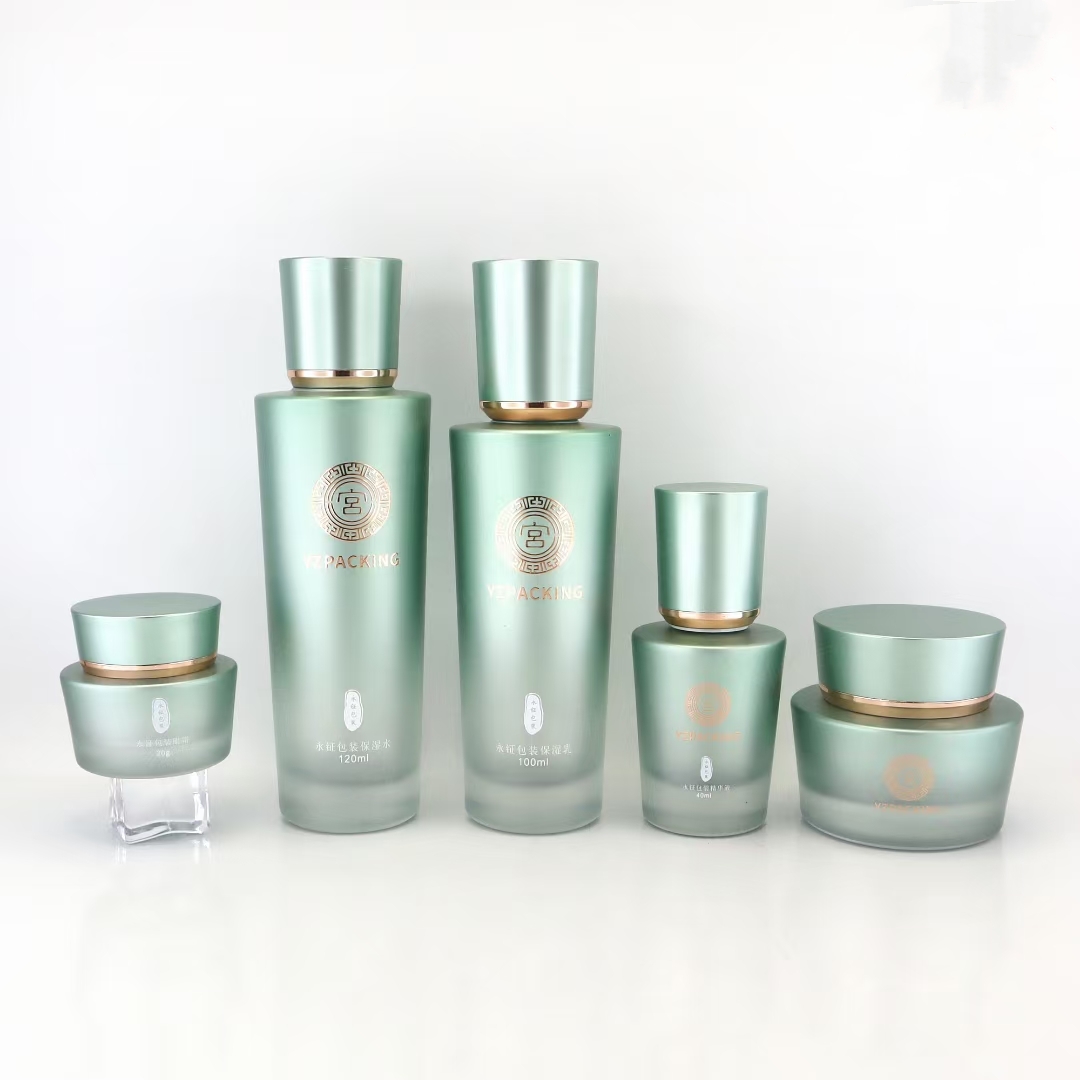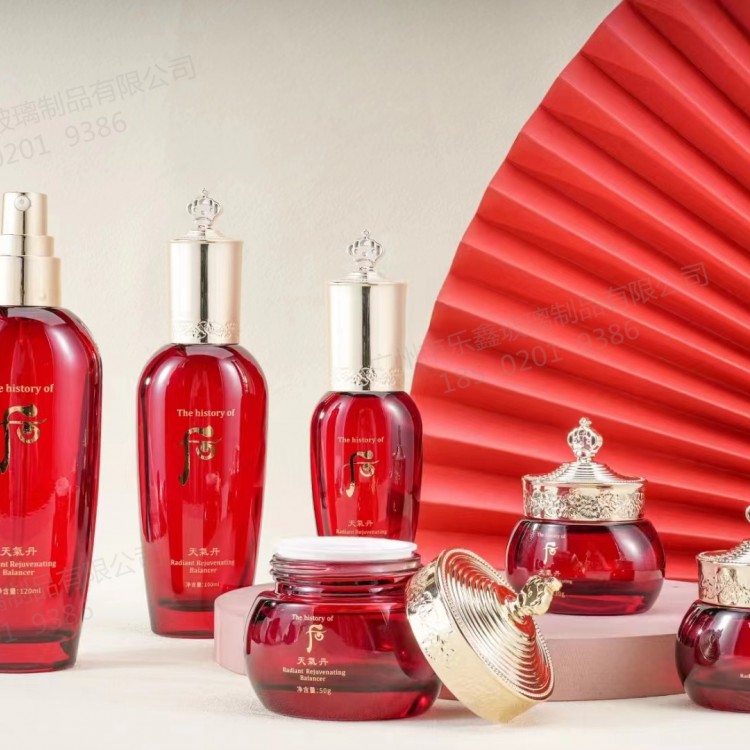

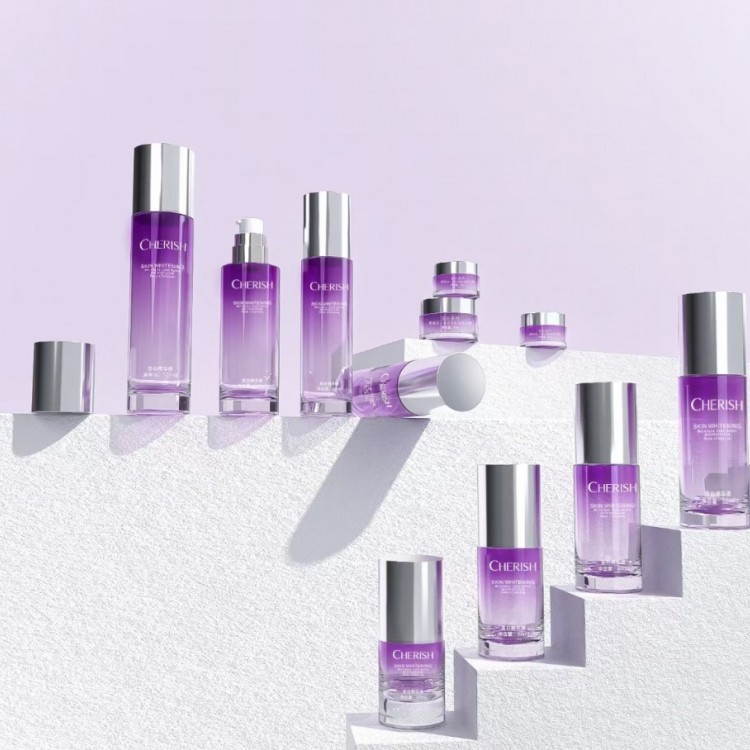


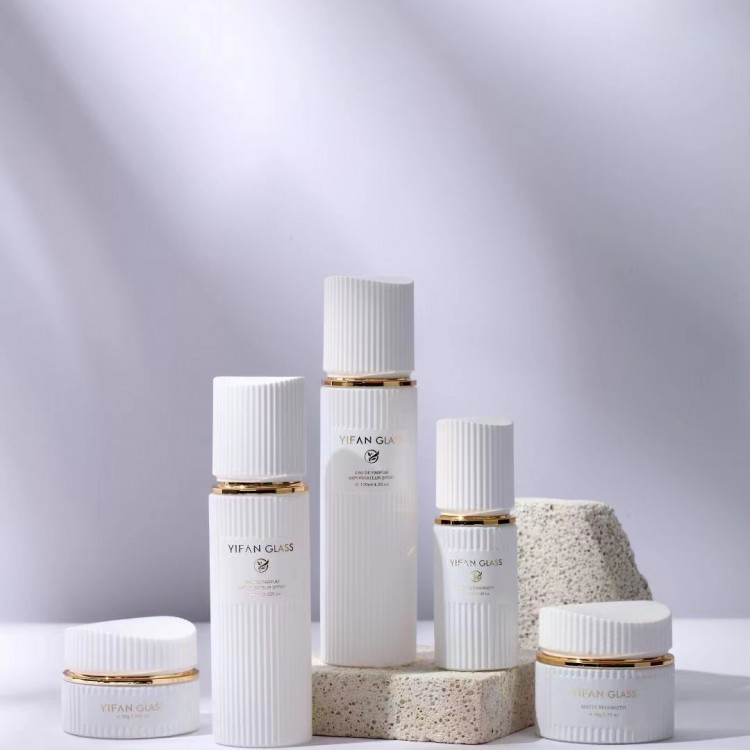
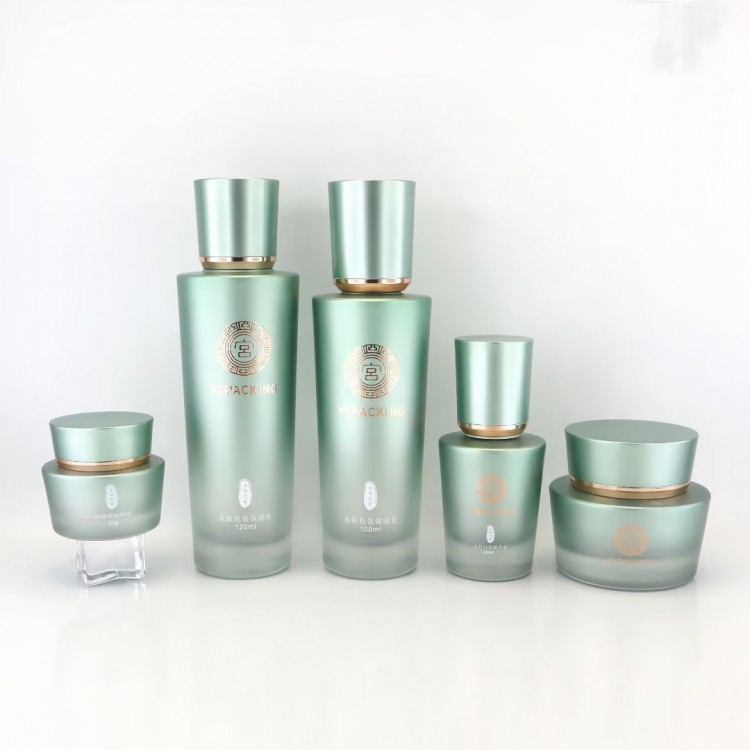












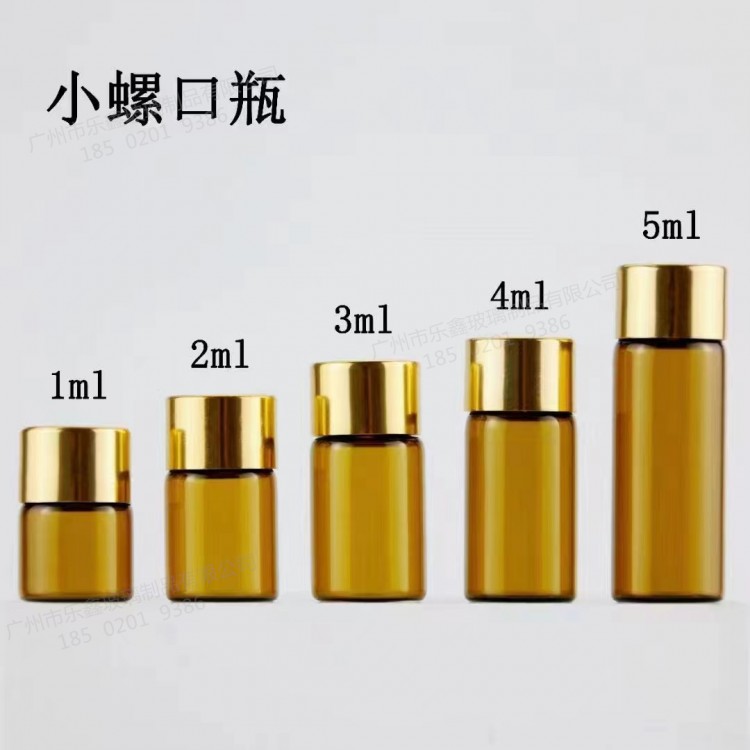
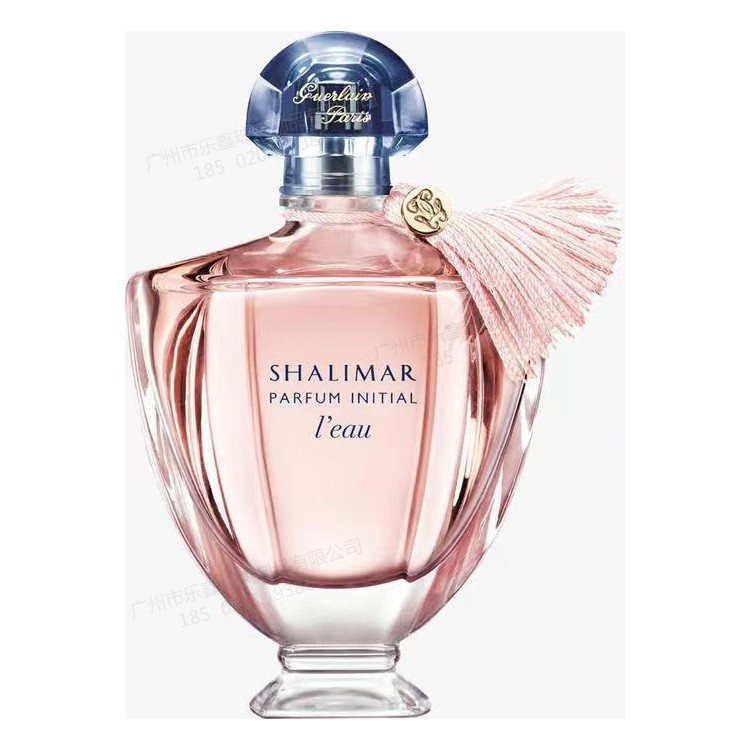
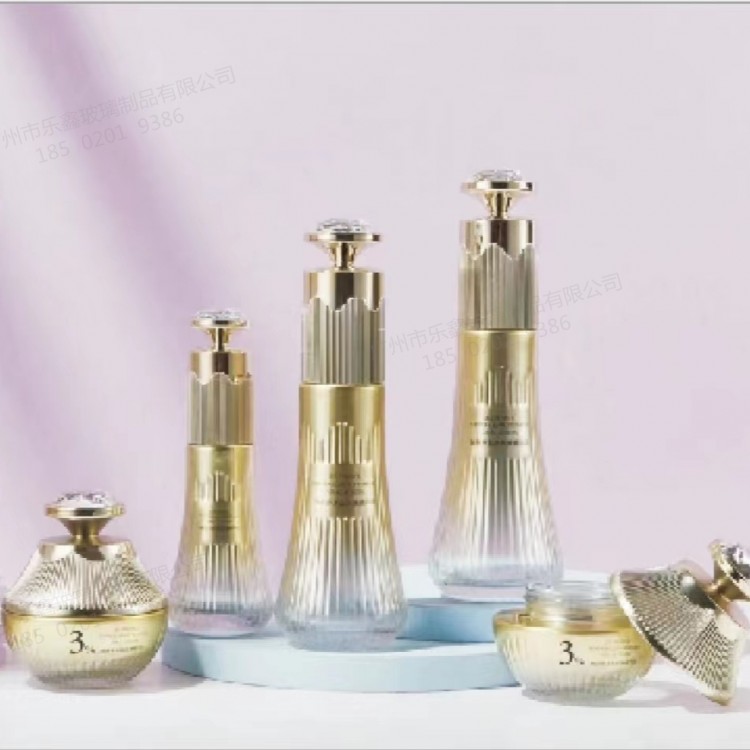
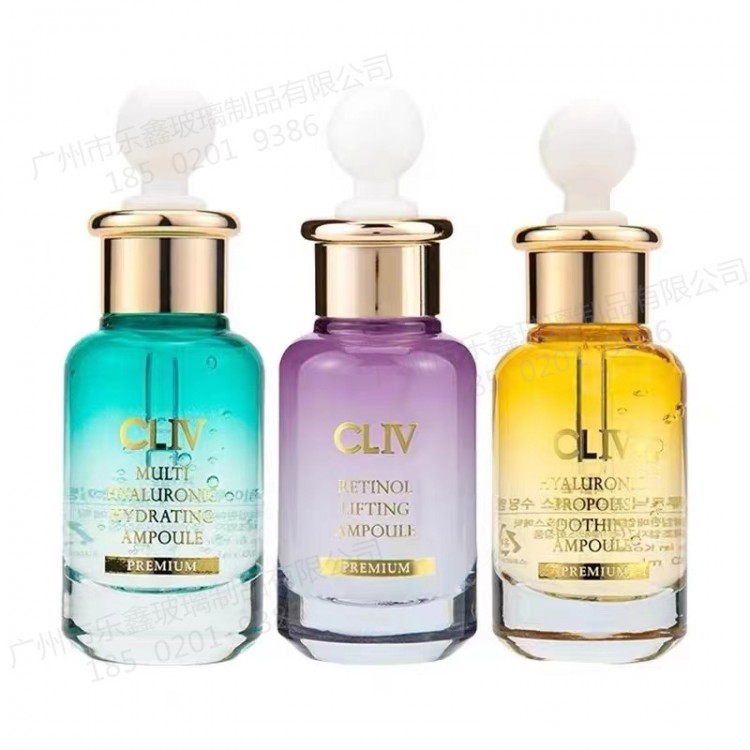
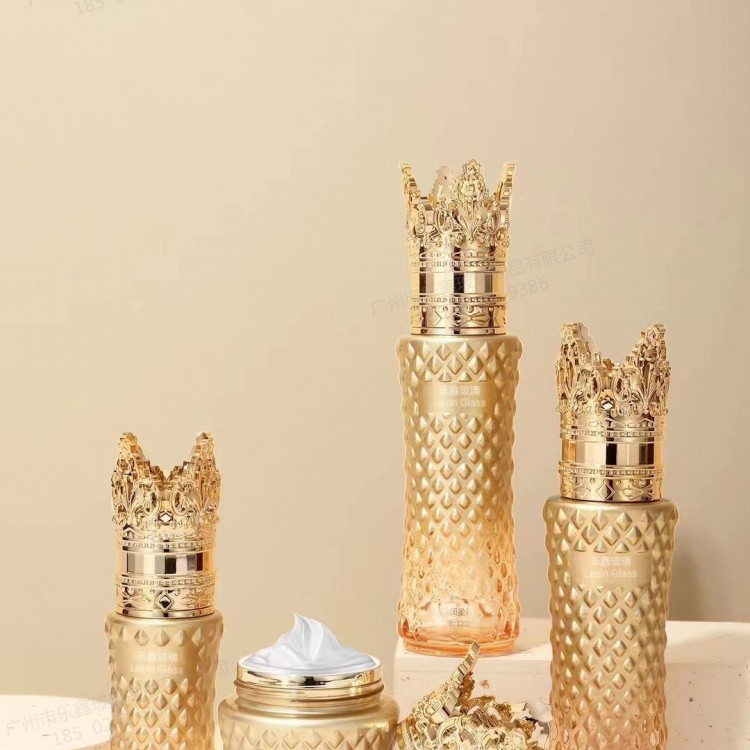
Cosmetic packaging typically includes bottles, glass bottles, essential oil bottles, etc. Some packaging bottles are painted or branded with brand information. To not disrupt the design of these bottles, the paint marking should be clearly visible, often placed at the bottom. Information such as production date, batch number, and shelf life can also be spray-painted. The machine operates stably, with fast painting speed, accurate and aesthetically pleasing prints. Suitable for both large and small bottles, multiple bottle sizes can be accommodated.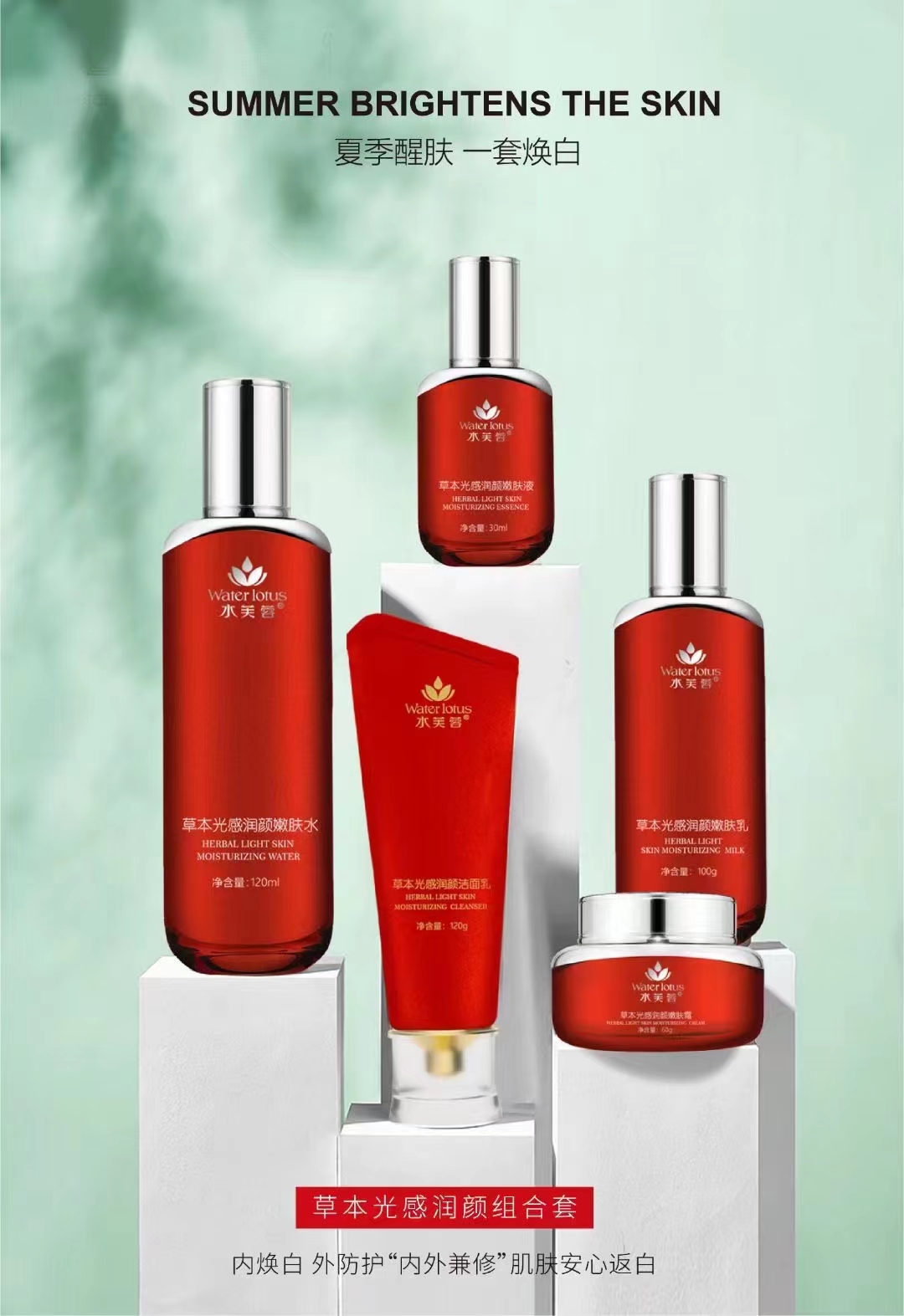
Place cosmetic bottles on the conveyor belt, and each bottle will be automatically printed by the nozzle without any human intervention. It can also print traceable information such as barcodes and QR codes to meet the labeling needs of various industries. A layer of organic coating (colors, additives, etc., added to the glass coating) adheres to the surface of the glass bottle, achieving the requirement for rich colors on glass packaging bottles, and can produce high-gloss, matte, pearl, transparent, and gradient effects.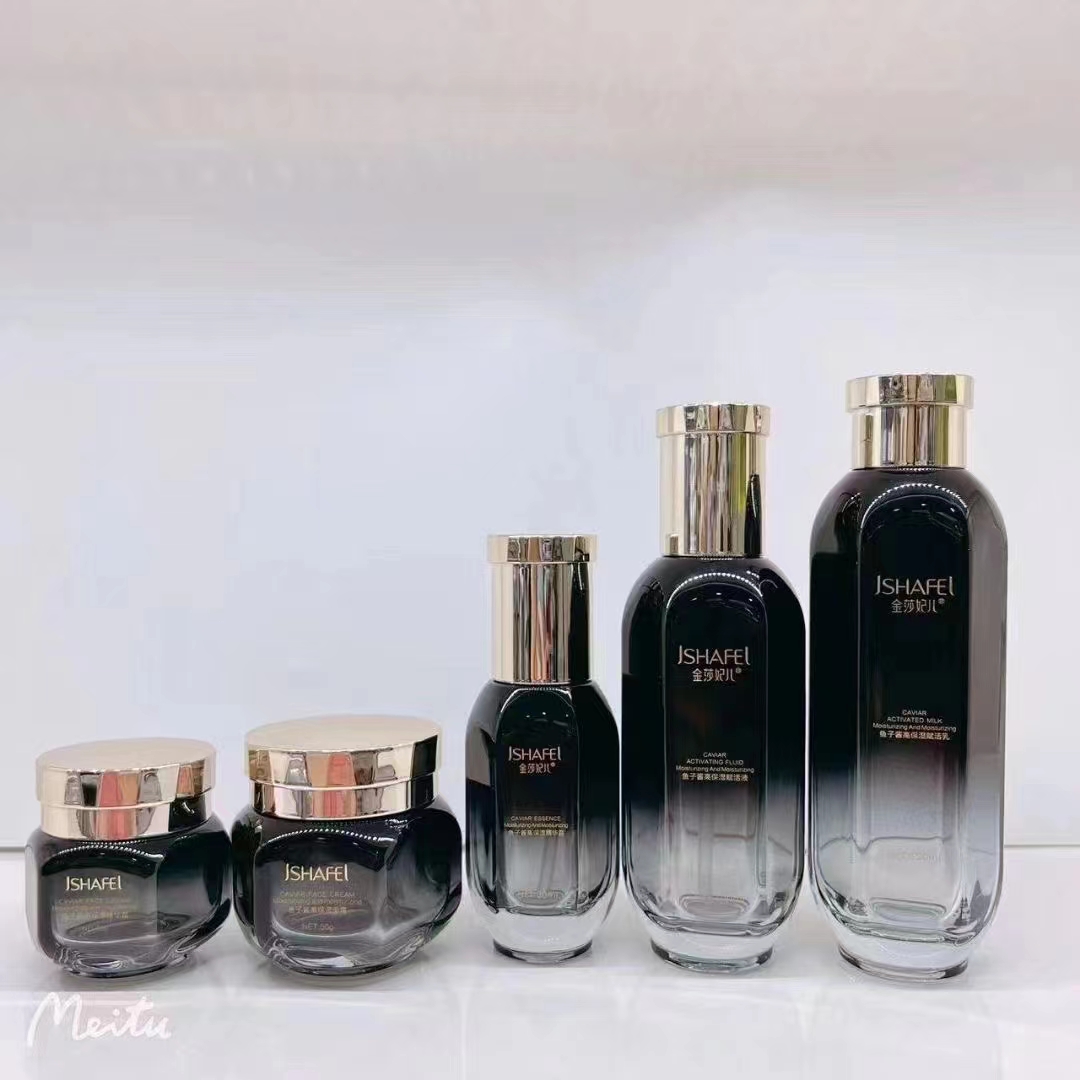
Cosmetic glass bottles are sprayed with a topcoat, where the solvent of the undercoat evaporates and breaks through the topcoat, releasing upon evaporation. The topcoat leaves small pores due to its inability to level and seal. Solvent evaporation is rapid: surface dry time is generally over 10 minutes, usually within 15 minutes. Overcoating too thickly in one go: the surface dries too quickly, causing gas to accumulate in the interior and break through the topcoat upon release. Reduce thickness, increase number of coats.