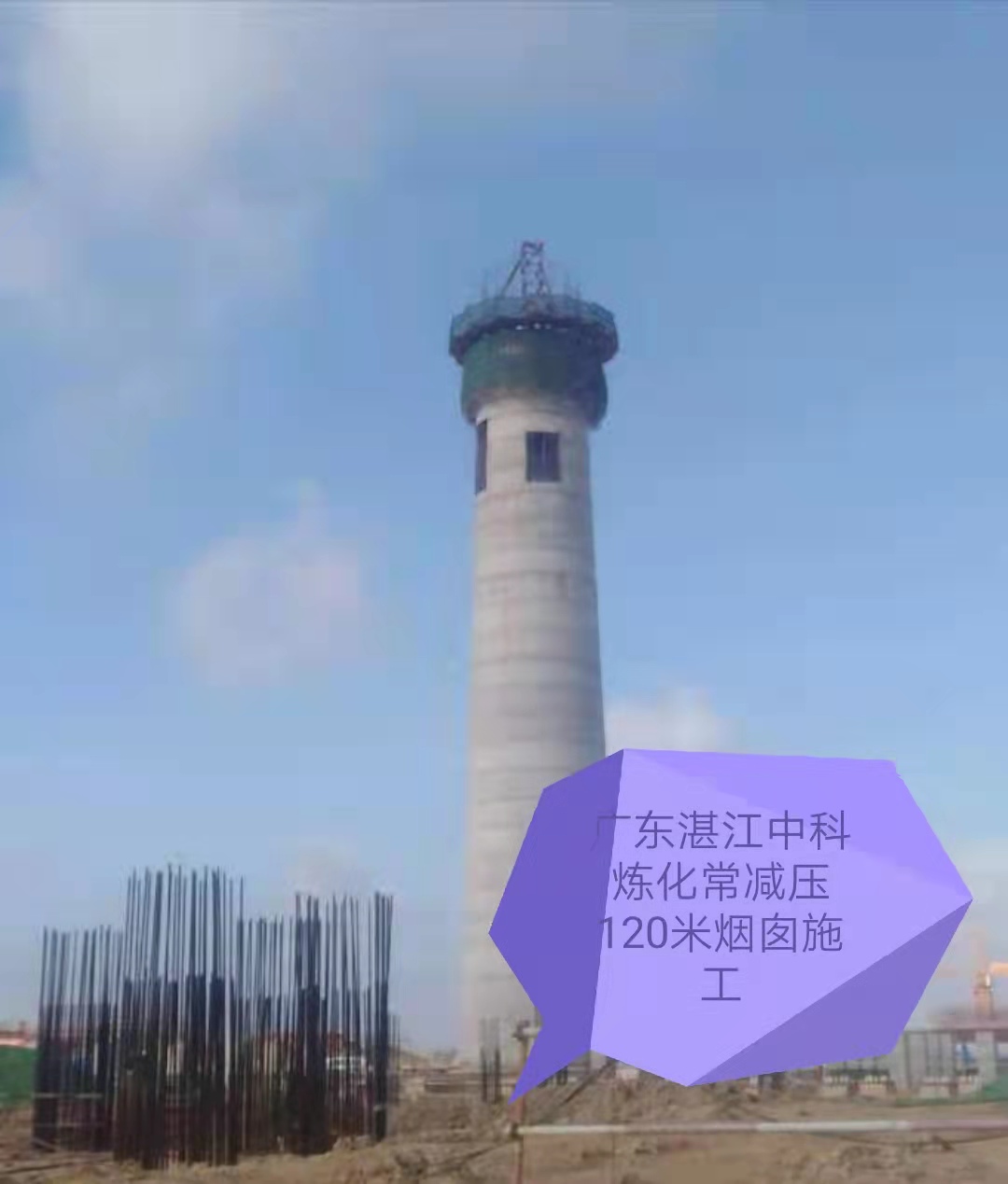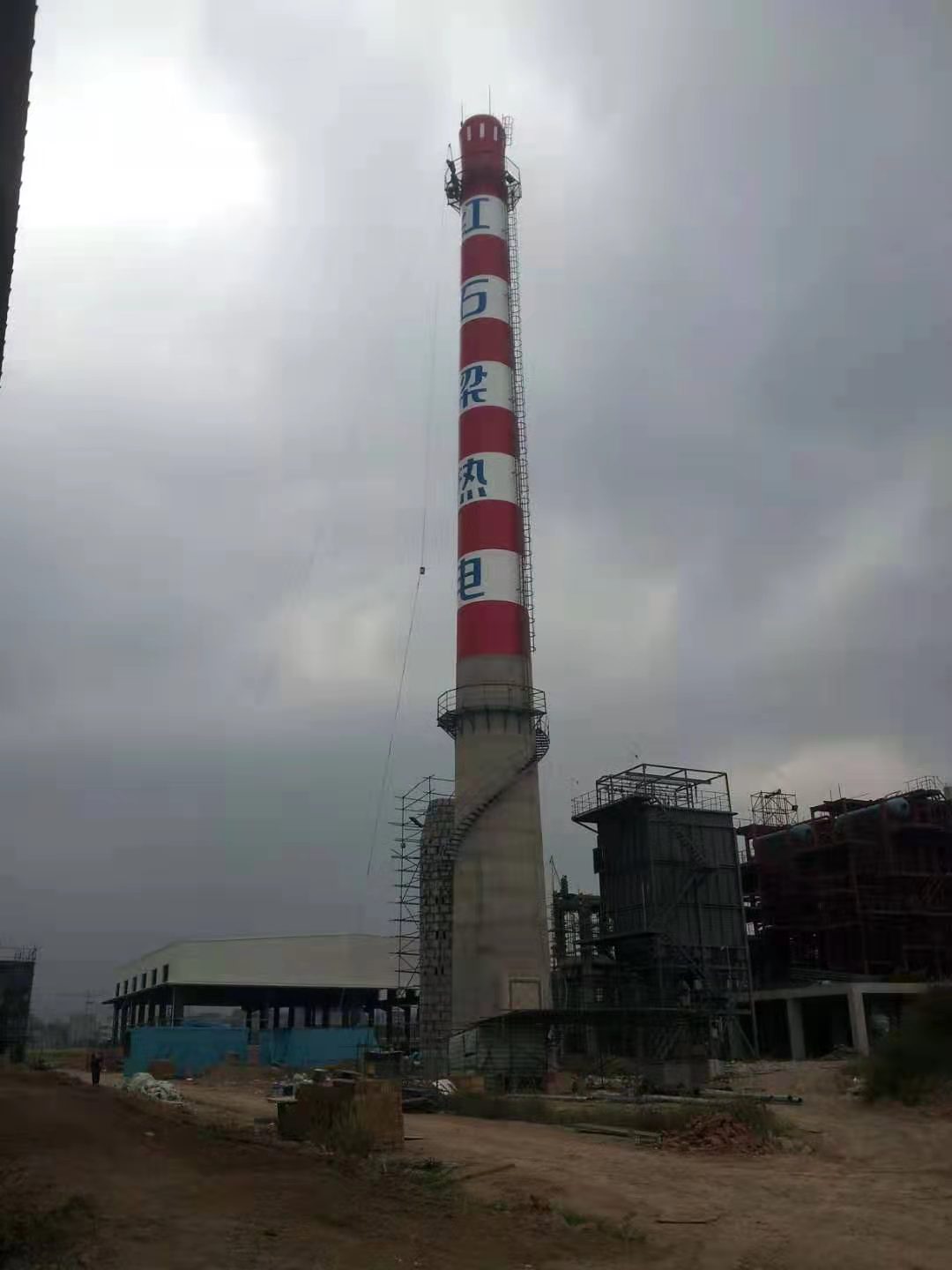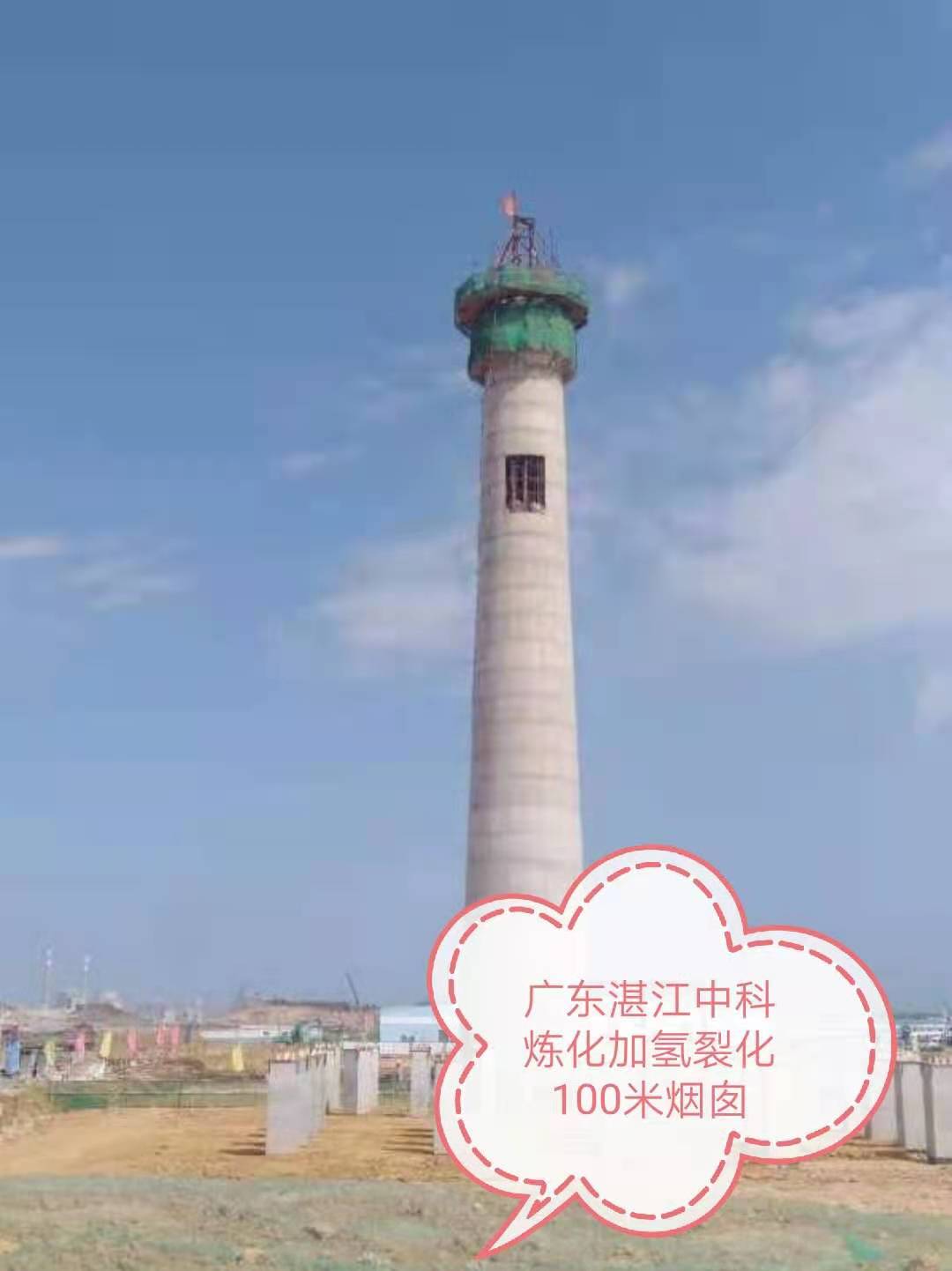










Product Details
I. Project Overview:
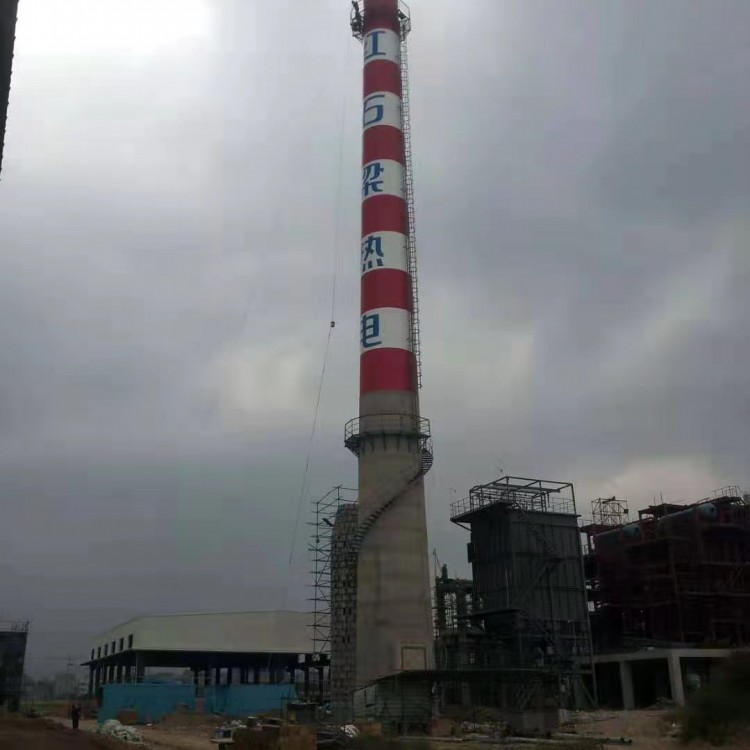
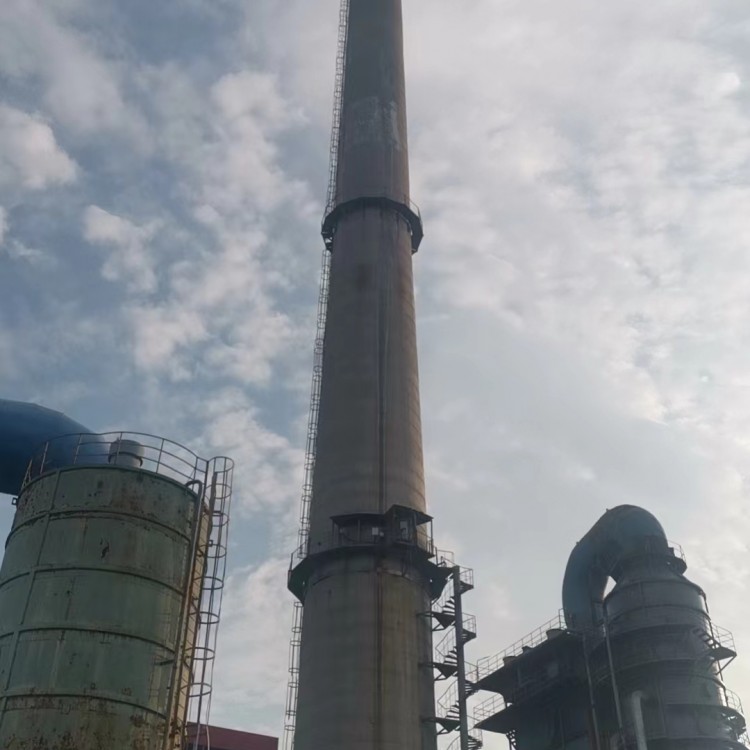
This project involves reinforced concrete chimney construction (the foundation is selected from the national standard atlas 05G212, and the cylinder wall is also selected from the national standard atlas 05G212). The chimney foundation concrete is C30; the foundation bedding layer, chimney height in M, cylinder body concrete is C35. Detailed construction content is as follows: design drawings and general construction instructions.
II. Compilation Basis
1. National Standard 05G212 Reinforced Concrete Chimney Catalog
2. Engineering Survey Specifications GB50026-93
3. Code for Acceptance of Construction Quality of Foundation and Substructure of Buildings - GB50202-2002
4. Concrete Structure Construction Quality Acceptance Standard GB50204-2002
5. Unified Standard for Acceptance of Construction Quality in Civil Engineering - GB50300-2002
6. Safety, Fire Prevention, and Labor Protection Technical Regulations SH3505
7. Concrete Quality Control Standard GB50164-92
8. Concrete Admixture Application Technical Specification GB50119-2003
9. Masonry Construction Quality Acceptance Standard GB 50203-2002
10. Chimney Construction and Acceptance Standard GB50078-2008
11. Steel Structure Construction Quality Acceptance Code GB50205-2002
12. Relevant laws, regulations, standards, codes, and specifications.
Section 3: Construction Plan
Basic Construction:
Construction Sequence: Stakeout → Excavation → Foundation Trench Acceptance → Pour C15 Concrete Slab → Build Brick Outer Molding → Foundation Reinforcement Fabrication and Installation → Pour C30 Concrete for Foundation → Build Second Floor Foundation with Brick Inner Molding → Reinforcement Fabrication and Installation → Install Outer Molding → Pour C35 Concrete for Foundation → Dismantle Outer Molding → Install Lightning Protection Ground Rod → Backfill Excavated Soil.
Chimney New Construction Details.png
B. Main Construction:
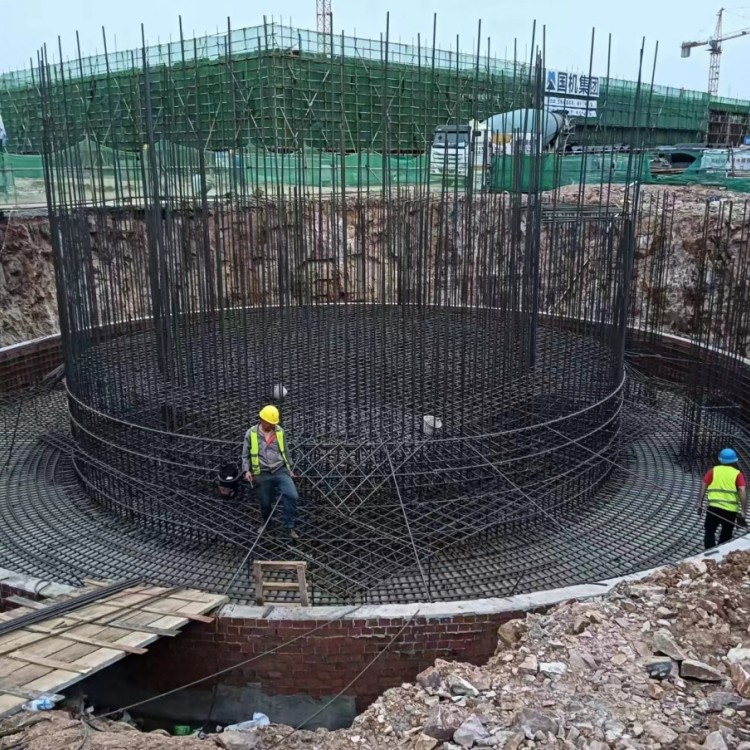
1. The construction sequence is as follows: rebar binding → outer formwork installation → inner formwork installation → pouring C30 concrete (height of concrete pour per form is 1.70 meters).
2. Inner mold: Made from 1650×200mm construction plywood, two sets are produced, with two layers of molds for flipping construction, each layer containing N pieces. Each mold side is reinforced with two 35×50mm wooden planks as vertical ribs. A steel reinforcement protective layer is welded inside the chimney body at the radius size of the cylinder wall. Then, the molds are installed piece by piece, leaving a gap of 3-4mm between the lower edges of each mold to ensure the upper and lower shrinkage ratio of the inner mold. Reinforcement for the inner mold is achieved with two Φ25 curved steel bars, secured with tension bolts or wire.
3. Chimney Formwork Manufacturing: The sliding formwork for the chimney is divided into outer and inner templates. The outer template for the cylinder body is made of 2.0mm thick steel sheet. First, the outer template is produced based on the shrinkage ratio of the chimney cylinder. Each outer template is machined to be 1.72m high and 1.00m wide, with N holes punched along its edge. These are then connected with M5×15 bolts into four sections. The total length is determined by the circumference of the cylinder. During construction, the outer templates are tightened according to the shrinkage ratio of the chimney cylinder to meet the requirements of the cylinder body.
4. Chimney Casing Template Installation: After assembling the four outer templates and oiling them, place them on the outer side of the bound casing reinforcement. Secure the bottom of the templates to the outer side of the already welded steel reinforcement protective layer. In future casing construction, the bottom of each outer template can be directly fixed to the top of the already poured concrete casing, overlapping the concrete casing wall by 30-50mm. The top of the templates is焊接 to a circumferential horizontal reinforcement on the upper part of the casing using φ12 steel bar ends (length equal to the thickness of the chimney casing, with one end painted for corrosion resistance). This is to control the protective layer of the inner and outer templates and the thickness of the casing concrete. Then, reinforce the outer templates according to the actual outer diameter of the casing (using a monkey wrench to tighten 16 φ8 steel wire ropes). When the outer templates overlap by more than 0.80m, remove one template promptly to prevent excessive overlap. See the image below for the monkey wrench:
5. Material Handling Method: A gantry lifting frame is set up above the #-shaped scaffolding inside the chimney for material loading. It rises gradually as the chimney increases in height. Two 2-ton pulleys are installed on the gantry frame. A 2-ton winch is placed approximately 25 meters from the ground, using a Ф12 wire rope for material hoisting. The winch is controlled with an AC contactor push-button switch. A push-button switch for controlling the up and down movement is installed on both the chimney operation platform and the ground level. A limit switch is mounted above the gantry frame to prevent the failure of the push-button switches or operation errors, which could lead to uncontrolled movement and danger.
6. Each concrete pour is 1.70 meters high. Before pouring, check the rebar tying and embedment positions to ensure accuracy before proceeding. Pour and vibrate in layers, approximately every 500mm in height, with three pours per mold to prevent misalignment of the formwork and center deviation.
7. After each concrete pour, proceed with the reinforcement tying for the next pour, within five to six hours. Then, elevate the outer formwork. The outer formwork is elevated using 16 hand winches fixed above the chimney reinforcement grid. By turning the winch handles, the outer formwork can be raised as a whole. Once raised to the correct position, align the center of the formwork, and then securely fasten the bottom of the outer formwork to the already poured chimney body (repeating about 50mm from the bottom concrete). Weld a protective layer using rebar heads according to the radius size at the top opening of the formwork. Fix the formwork to the reinforcement grid of the cylinder body. After re-inspecting the dimensions of the inner and outer formwork for accuracy, check the steel bars, embedded parts, etc., and then pour concrete. Repeat this process until the chimney is completed.
8. The chimney of this project has two flue openings, with the flues circular at a center point of 3.00 meters below. Reinforcement bars are pre-buried at the edges of the beams (as per the drawings, additional reinforcing bars are added), followed by the construction of temporary scaffolding on both sides of the chimney for the second phase of work.
9. Method for Construction Workers to Ascend and Descend: As the chimney increases in height with each mold, the pre-fabricated, painted and anticorrosive climbing ladders are progressively installed upwards. Workers can then ascend and descend using the ladders. (Temporary ladders for heights under 10 meters are installed and removed in the same manner as standard ones, waiting until the 10-meter steel rotating ladder is completed before dismantling.)
IV. Safety Measures:
1. Construction personnel must undergo three levels of safety education, special trade workers must hold valid certificates to work, smoking is strictly prohibited in the factory area, and unauthorized use of all machinery and equipment within the factory is not allowed.
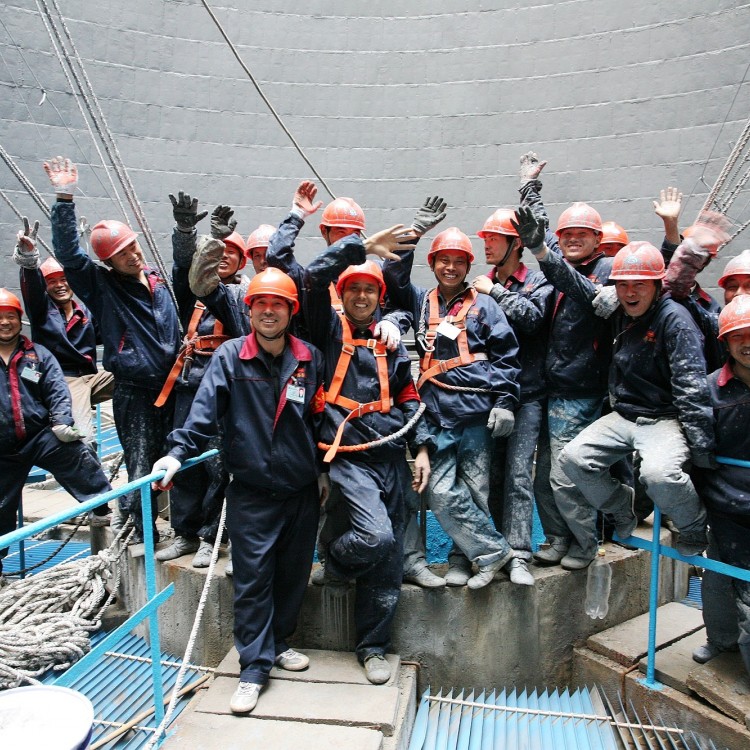
2. Workers entering the construction site must wear a hard hat, work clothes, and rubber shoes. A safety belt must be fastened when working at heights above two meters.
3. Construction personnel must understand and be familiar with the main operational procedures for chimney construction and must not give illegal instructions or perform illegal operations.
4. Employees with heart conditions, high blood pressure, or other health issues are strictly prohibited from working at heights. Those under the influence of alcohol or feeling unwell are also forbidden from engaging in high-altitude work (employees must undergo a physical examination prior to the start of this project; only those who meet the requirements are allowed to participate in the construction work).
5. All machinery and equipment must have individual switches and equipped with leakage protection switches (circuit breakers). Machinery and equipment must be grounded to prevent electric shock accidents.
6. A dangerous zone of 25 meters around the chimney must be fenced off and prominently posted with warning signs. A dedicated guardian must be on-site to supervise, and unauthorized personnel are strictly prohibited from entering the construction area.
7. When working at heights, all tools must not be thrown up or down to prevent injury from falling.
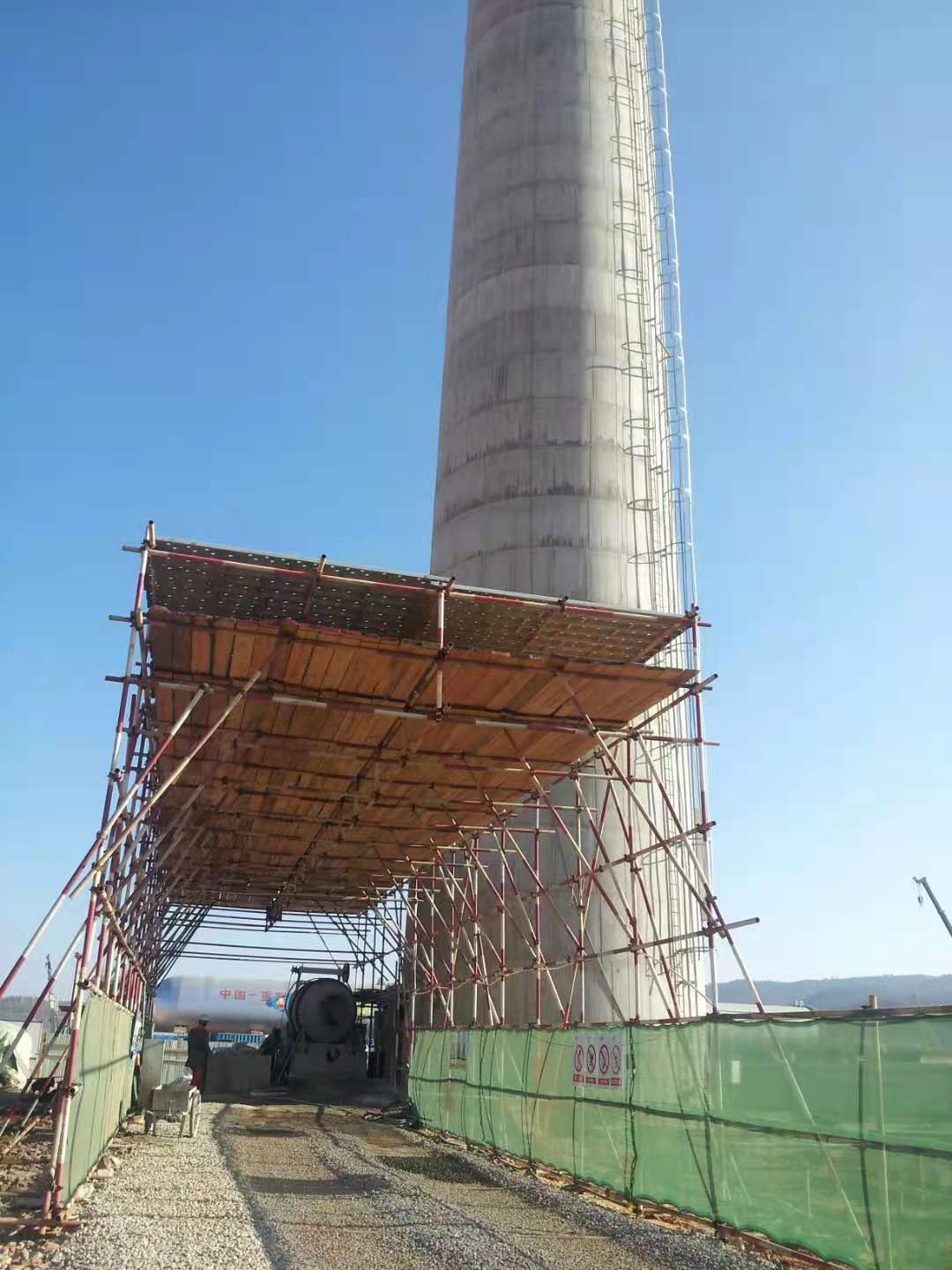
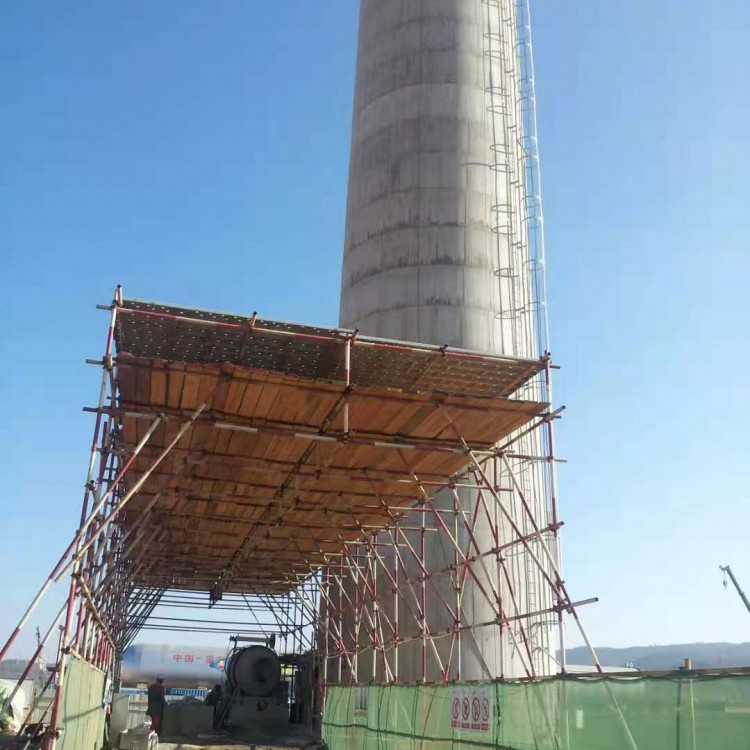
8. Safety Shelter: Construct a safety passage at the personnel entrance and exit of the chimney flue. A temporary protective shed made of wooden boards should be set up 4.5 meters inside the chimney. A safety shelter must be installed above the winch and mixer.
9. Daily thorough and strict inspections must be conducted on all machinery, steel cables, pulleys, and safety belts. Any issues should be addressed promptly, and immediate replacement is required to prevent accidents.
10. The # type scaffolding requires additional diagonal bracing and column reinforcement at the cantilevered joints every 10 meters in height to reduce the load-bearing capacity of the 100-meter-high scaffolding and ensure construction safety. The scaffolding boards are made of 50mm thick pine boards, and when laying them, the boards must be securely tied to prevent any loose or projecting boards.
11. Workers must wear safety belts when performing exterior wall repairs or installing platforms on ladders or suspended ladders, in order to prevent accidental injuries.
12. No forced construction is allowed during severe weather conditions such as strong winds, thunderstorms, heavy fog, etc. It is currently thunderstorm season; high-altitude construction must constantly monitor weather conditions and take timely measures to ensure the personal safety of construction personnel.
V. Staff Organization and Arrangement:
Winches, mixers, welders, electricians, bricklayers, carpenters, reinforcement workers, and laborers in total: 12 people.
Six: Quality Assurance Measures:
1. Construction must strictly adhere to the drawings. The construction unit is not permitted to alter the plans for construction without the consent of the factory or the design department.
2. Materials used for chimneys must have a factory certificate of conformity and a warranty document, and substandard materials such as不合格的水泥、砂、石及耐火砖等 must not be used.
3. Construction is strictly conducted according to the concrete mix ratio. Cement is measured by 50 kg per bag, sand and stone materials are weighed and marked on the material truck for measurement. Chimneys are provided with two concrete cubes per 10 meters in height for testing.
4. When casting concrete per mold, pour and vibrate in layers, with each vibration occurring approximately every 500mm in height to prevent displacement of the formwork and misalignment. Ensure thorough and careful vibration to avoid the occurrence of honeycomb and rough surfaces.
5. After the exterior model is installed, it is crucial to check according to the radius of the chimney height to prevent errors. Ensure that the radius and wall thickness deviations are within the construction specification requirements.
6. The chimney center is suspended with a 40 kg heavy weight. To prevent wind influence, the chimney smoke entry can be sealed. During construction, the deviation of the chimney center is controlled within a small range.
7. Construction personnel must maintain detailed construction records, keep a daily construction diary, promptly address any issues, and require relevant parties to make timely corrections.
8. Key Quality Control Points: Chimney verticality, radius, wall thickness, reinforcement spacing, protective layer thickness, inner lining joint thickness, fullness, down lead welding, settlement records.
Section 7: Quality Acceptance Standards for Construction Work
1. Allowable deviation in basic location and dimensions
Name
Allowable deviation: 1
Basic center point displacement from design coordinates: 15mm
Elevation of 20mm on the top surface of the 2-ring wall or ring beam
Wall thickness of 3 rings: 20mm
Shell wall thickness - 10 to 20 mm
5-ring wall or shell internal radius, 1% of the internal radius, and not exceeding 40mm
The inner surface of the 6-ringed wall or shell is locally uneven (in the radial direction), with a deviation of 1% of the inner radius, not exceeding 40mm.
Outer radius of the base and ring plate: 1% of the outer radius, not exceeding 40 mm
8 Base or Ring Plate Thickness: 20mm
2. Allowable deviations in the dimensions of the reinforced concrete chimney筒wall
Order Name Allowable Deviation 1
Tubular wall height - 0.15% of the full wall height
2-inch wall thickness of 20mm
3 cylinders wall at any cross-section is 1% of the cylinder wall radius, and ≤ 25
Partial unevenness on the outer surface of the cylinder (along the radial direction), 1% of the cylinder wall radius, and ≤25.
Centerline of 5 flue openings: 15 mm
6 Flue outlet elevation: 20 mm
7 flue outlet dimensions (height, width) +30mm, -20mm
Chimney centerline verticality ≤ 65mm
Emergency Response Plan
10.1 Emergency Event Management: The focus of emergency management should be on accidents (events) that are prone to occur, but other accidents (events) that are less likely to happen but could cause severe consequences should also be considered. The main objects of emergency management implementation include: earthwork collapses; major machinery accidents and injuries; operation accidents of construction equipment and personal injuries;
Lightning strikes, electric shocks; high-altitude falls
10.2. Responsibilities
Team Leader: Responsible for the command, coordination, and organization of emergency incidents, implementing relevant policies and guidelines for emergency incident management, and ensuring the effective operation of required materials and human resources among all parties.
Deputy Team Leader: Responsible for on-site command and dispatching of emergency response work, directly responsible for the overall implementation of emergency incident plans and the fulfillment of disaster relief tasks, organizing the formulation of emergency plans, promptly conveying relevant superior information, ensuring the normal operation of the system.
Members: Develop preventive measures within their designated responsibilities, ensure high-level coordination during emergencies, follow command and dispatch instructions, execute emergency management plans, inspect the implementation of preventive measures within the unit, promptly report the execution of daily management tasks to the superior leaders, and assist commanders in coordinating the work of subordinate departments and units.
10.3 Emergency Event Handling Procedure:
1) Emergency Incident Report
When an emergency occurs, the person discovering the emergency should immediately report to the senior-ranking official at the site of the emergency. The senior-ranking official at the site is responsible for reporting to the main emergency control center of the project department.
Upon receiving an emergency report, the Project Department's Main Emergency Control Center should immediately report to the relevant leaders and be responsible for liaising with the rescue department.
2) On-site Handling of Emergency Incidents
Upon occurrence of an emergency, immediate emergency measures should be taken to prevent the escalation of the situation, and corresponding protective measures should be implemented at the site where the emergency occurred.
Following an emergency, personnel should be evacuated immediately along the routes determined by the emergency management measures, with a designated person (the first-line management supervisor) responsible for verifying individuals on-site by unit and reporting to the emergency coordinator promptly, who then reports to the emergency control room; direct reporting is allowed in urgent situations. For accidents resulting in injuries or casualties, rapid organization of first aid for the injured is also required.
After personnel evacuation from the emergency accident site and control of the emergency matters, the Emergency Command Center will organize post-disaster emergency response measures in accordance with the emergency management procedures.