









Section 3:Technical Requirements
1、Surface Cleaning for Construction→ Rust removal → Apply primer → Apply topcoat (two coats).
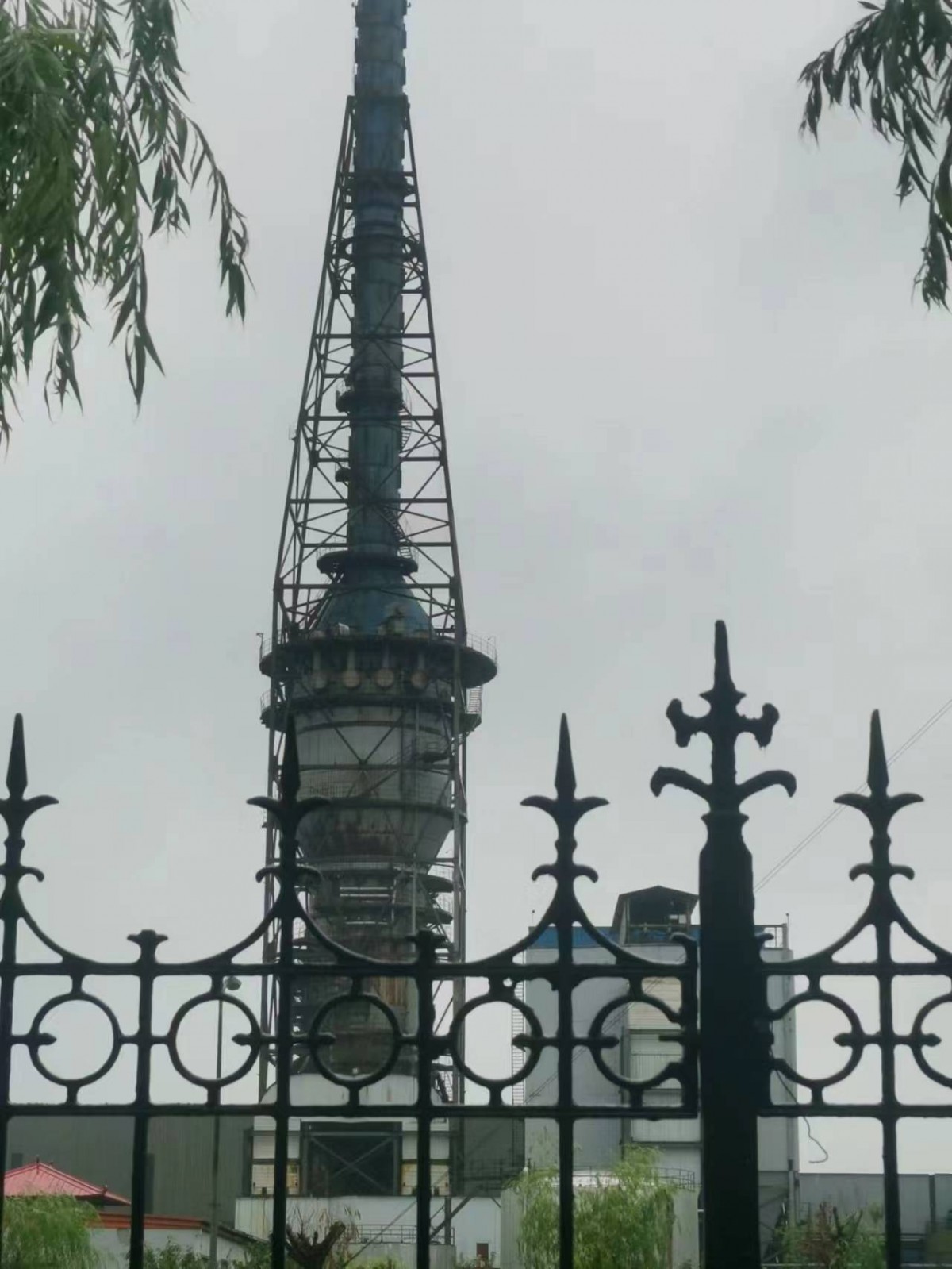
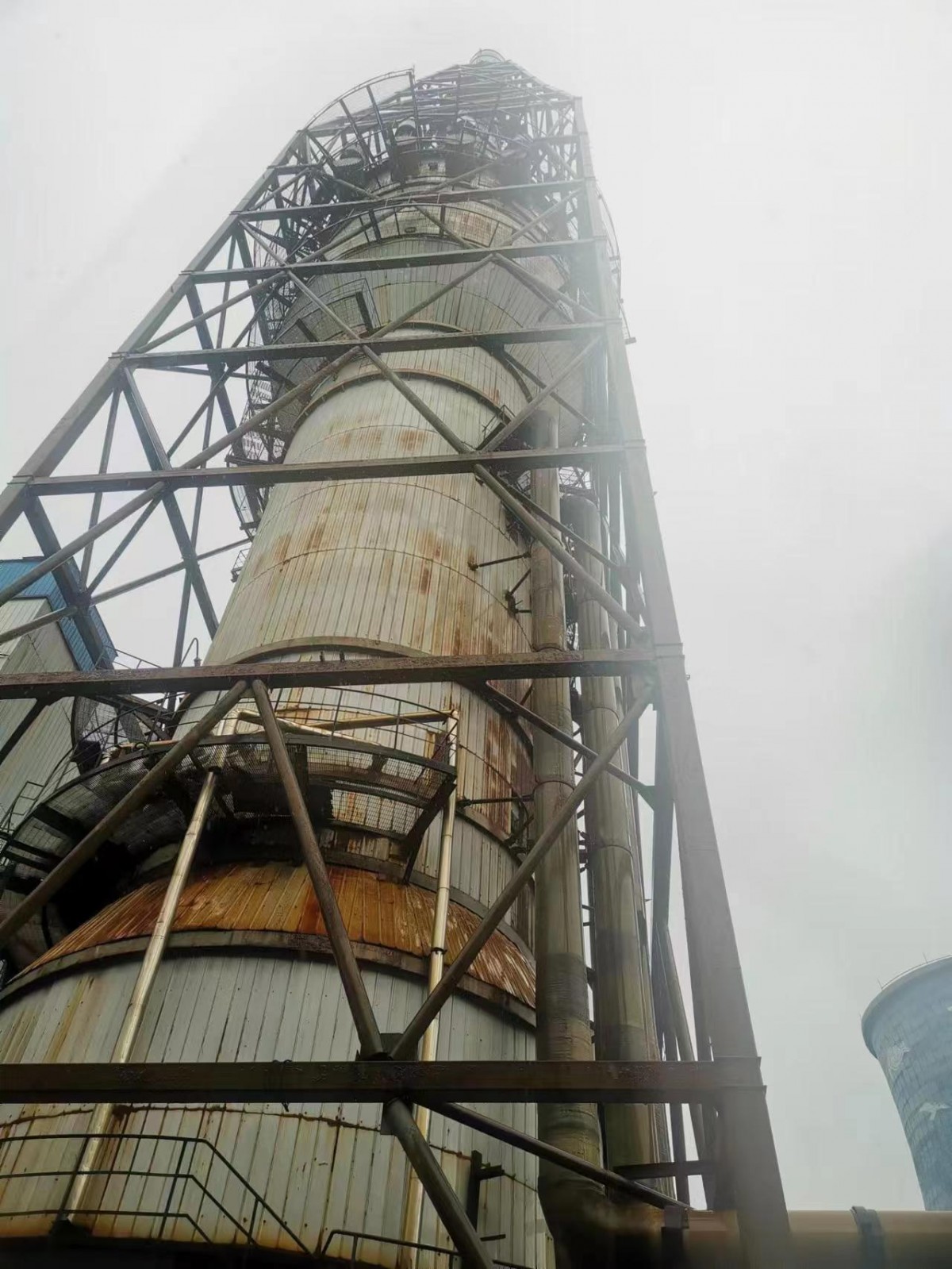
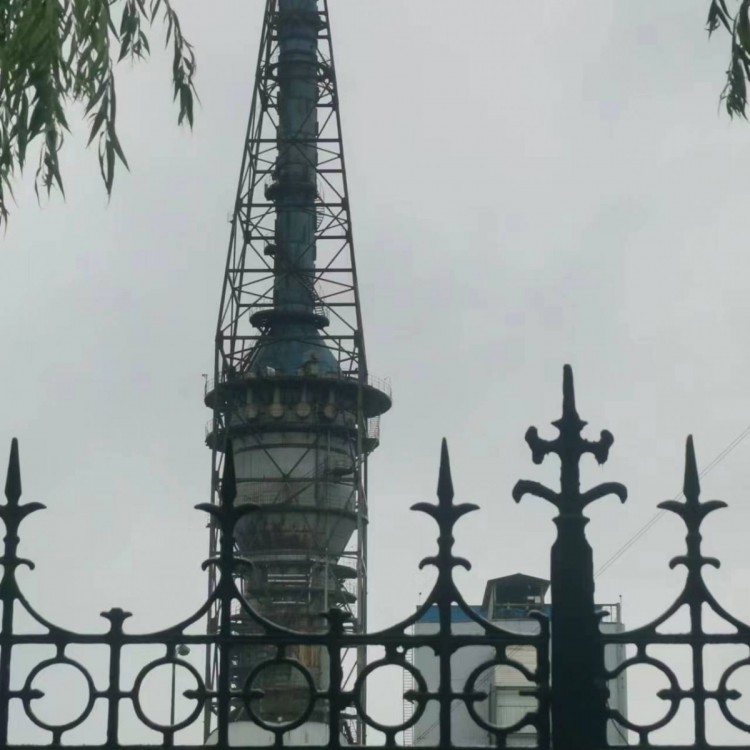
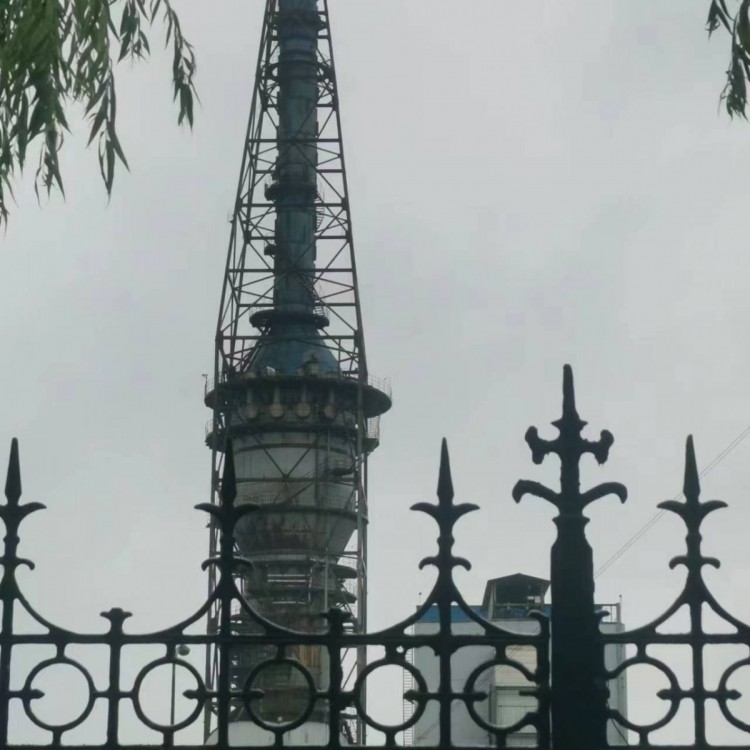
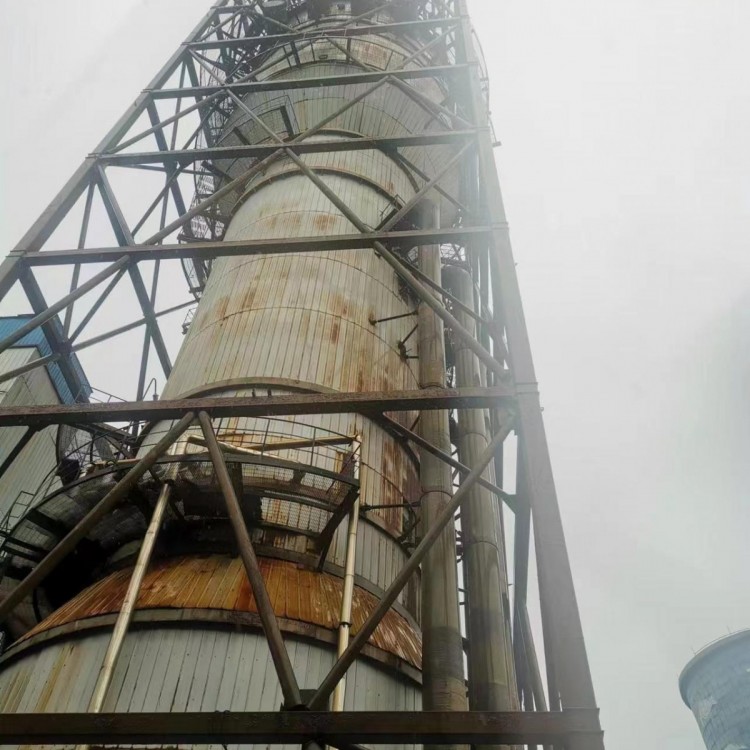
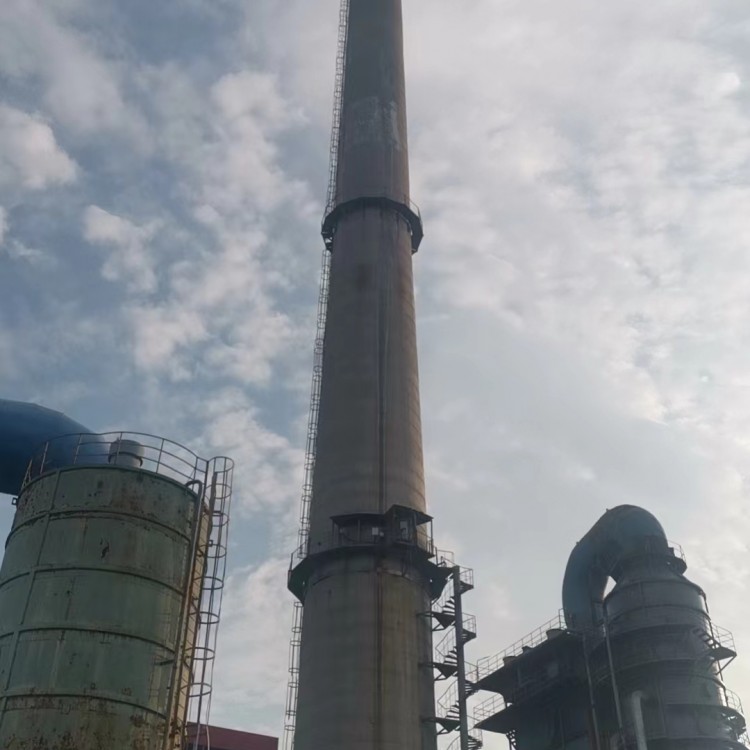
1.1 Surface dust treatment: Before rust removal, the surface dust on the bracket, main body, stairs and platforms, supports, ring beams, thermal insulation iron sheet, and chimneys must be treated; the surface should show metal luster, free of rust and floating dust. Dust cleaning should start from the top and proper dust control measures for personnel and equipment should be taken.
1.2 All steel structures, platforms, railings, and all other parts must be cleaned thoroughly until the original primer is exposed, with weld slag completely removed. Severely rusted areas must be cleaned to reveal the metal substrate surface, which should be free of visible oil, grease, and dirt, as well as loosely adhered oxides, rust, coatings, and foreign impurities, revealing the original paint's solid layer. Severely rusted areas must be cleaned to expose a shiny metal substrate.
After rust removal, if there is any residual oil, solvent cleaning should be used.
2. Apply rust-proof paint
2.1 When applying rust-proof paint, the surface of the components must be dry, free of water droplets and moisture.
2.2 Paint RequirementsOne coat of primer, two coats of topcoat; primer usedIron redSurfaces: Steel frame and ladder railing in medium gray, ladder handrails in bright red, chimney in deep blue, insulation iron sheet in milk white.
2.3 The surface rust treatment for the undercoat painting is completed. After mutual acceptance and approval, the undercoat painting should be carried out immediately. To prevent re-rusting, apply anti-corrosion undercoat. Ensure the undercoat is applied evenly and consistently, with neat joints, no through-coating, missed spots, or drips. After each coat, maintain a gap of no less than 24 hours to prevent application over wet paint. Wait for each coat to dry before applying the next, keeping each layer thin. Paint should be applied from top to bottom in layers, with the direction of the top and bottom coats perpendicular to each other, creating a crosshatched, even, and smooth finish. Painting and rust removal should not be done simultaneously to avoid dust particles getting into the wet paint, affecting quality. The finish should be smooth and even, free of bubbles, pinholes, cracks, peeling, missed spots, and severe drips. The color of the topcoat should match the color chart.
2.4The painted surface is even, no metal parts should be exposed after rust-proof paint application, no primer is showing after one coat of paint is applied, and no previous coat of paint is visible after the final coat.
2.5 Thickness requirements: Base coat not less than 60µm, one coat of topcoat not less than 100µm, and two coats of topcoat not less than 60µm. The total thickness of base coat (1 layer) + topcoat (2 layers) must be ≥220μm. The allowable deviation for each coat's dry film thickness is ±5μm.。
3. Quality Issues to Be Aware Of
3.1 The coating operation should be conducted at temperatures between 5~38°C. When the ambient temperature is below 5°C, it is advisable to use the corresponding low-temperature coating material.
3.2 Do not perform coating work when the air humidity is greater than 85% or condensation appears on the surface of the components.