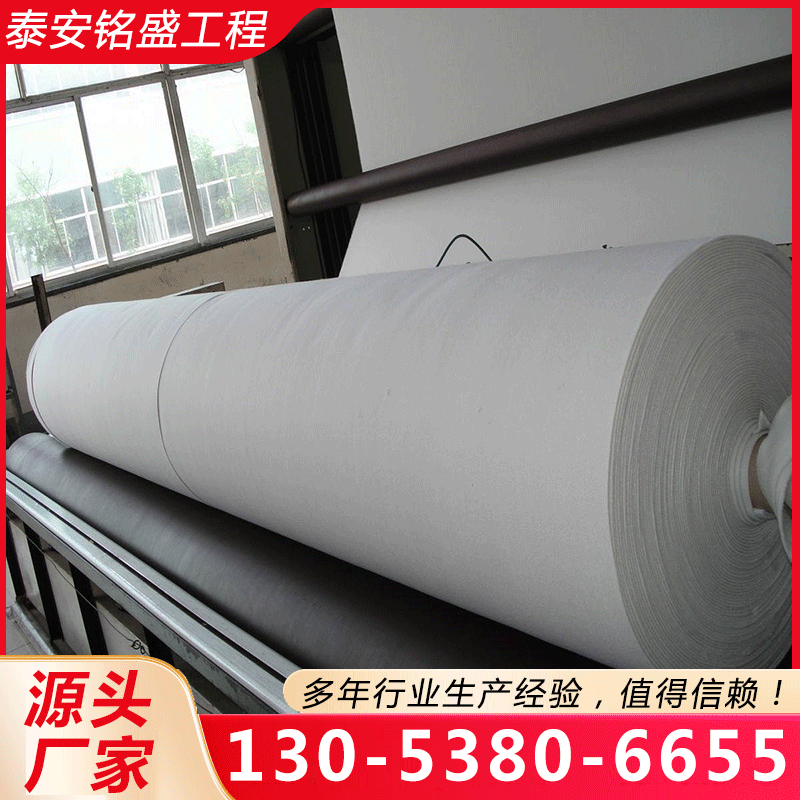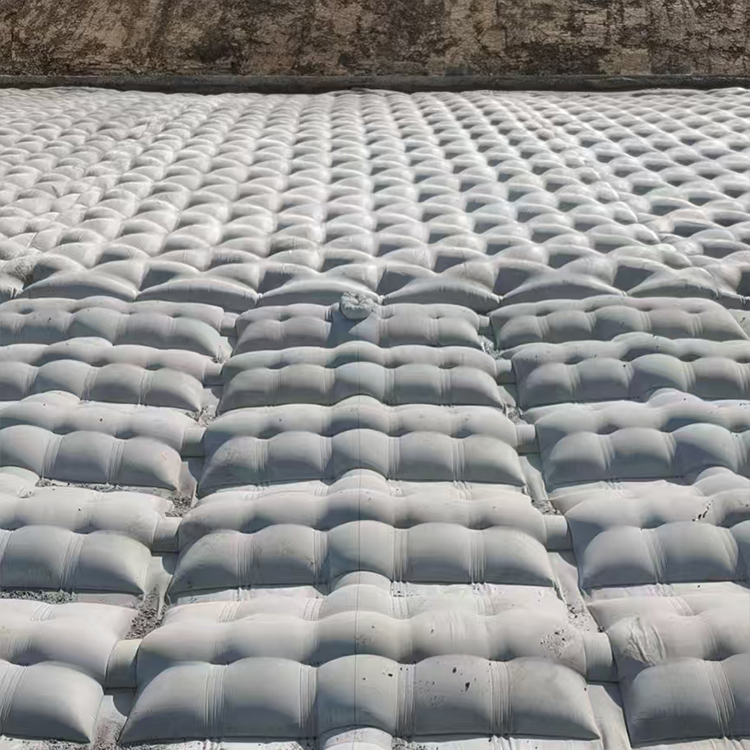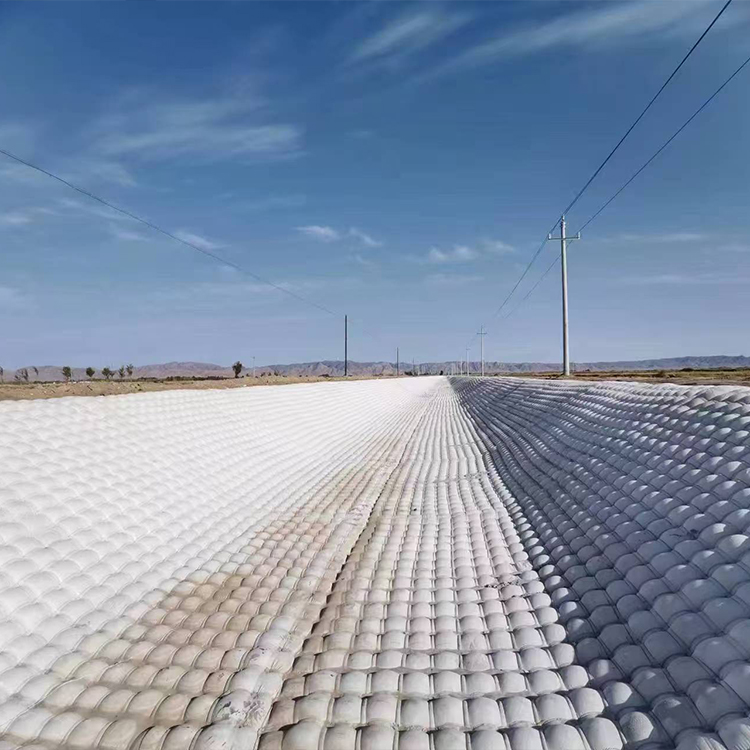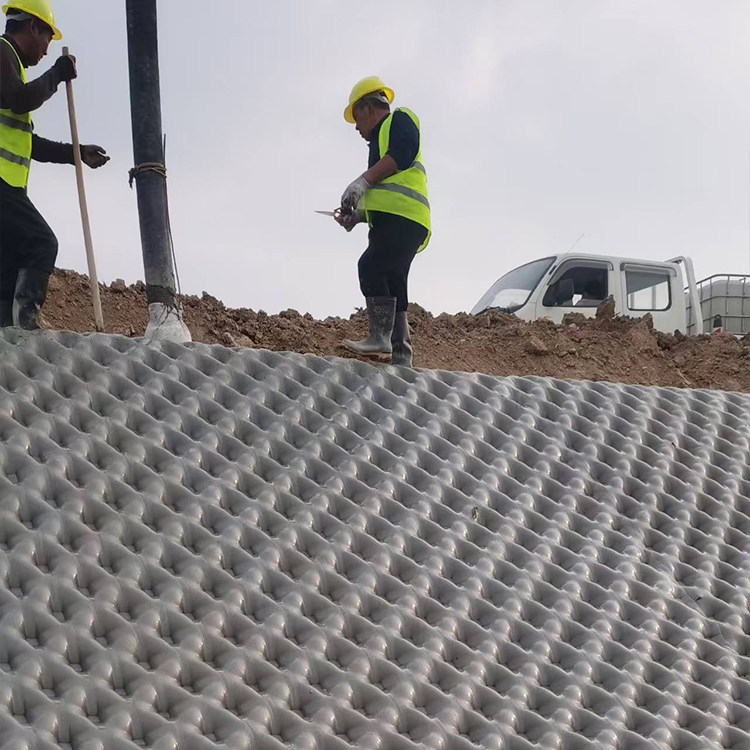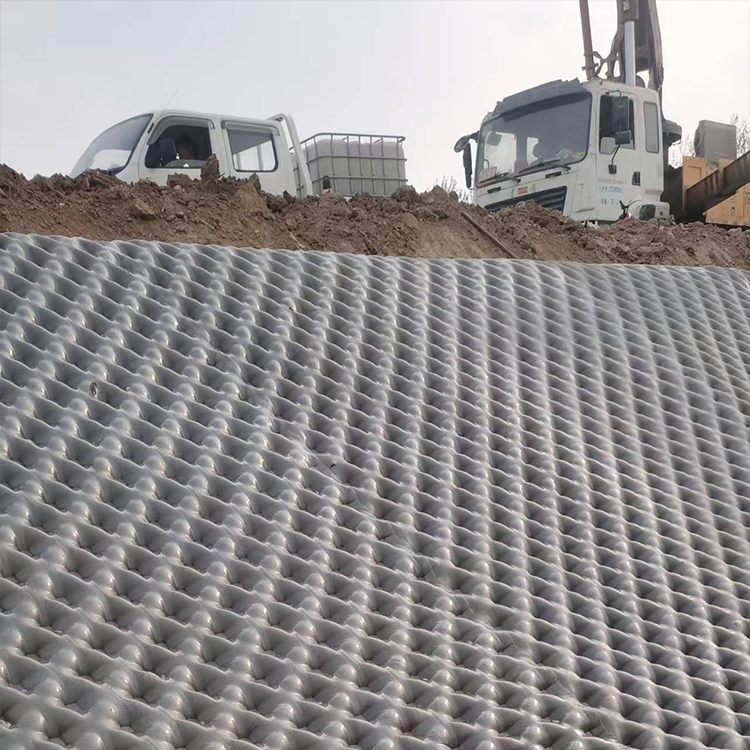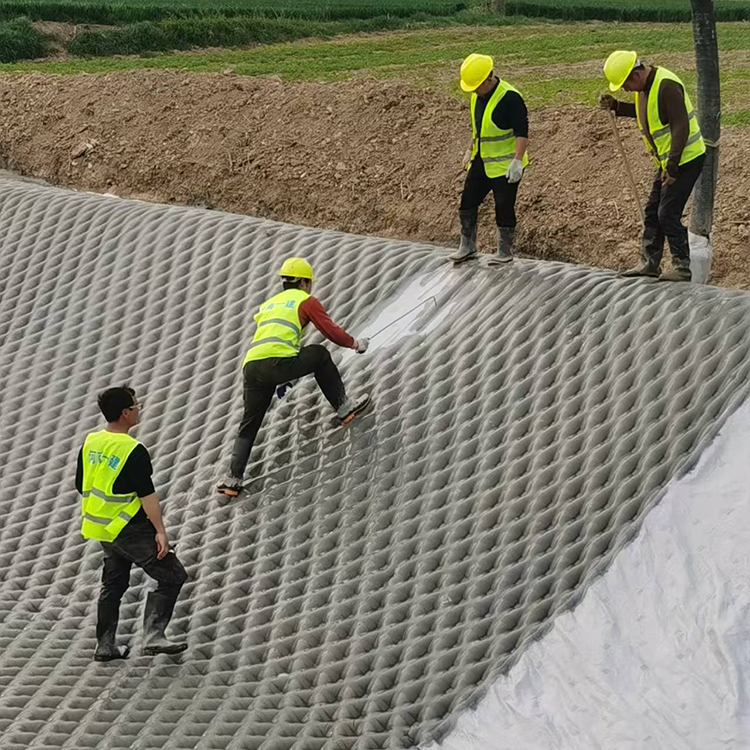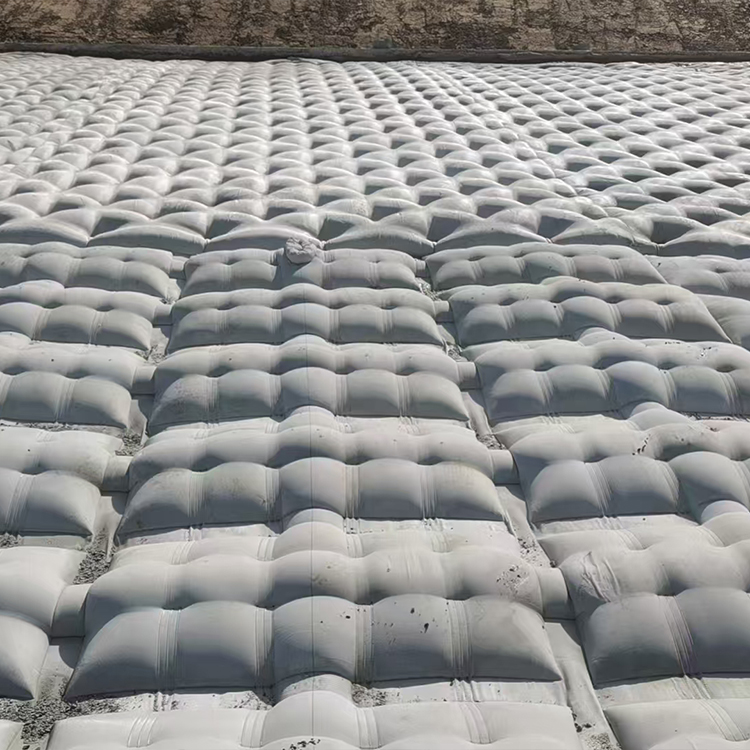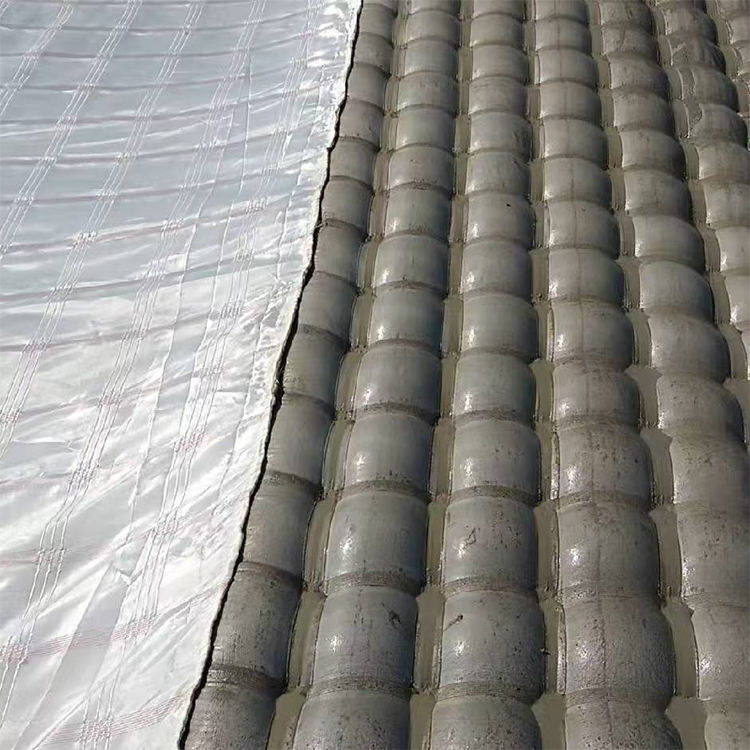
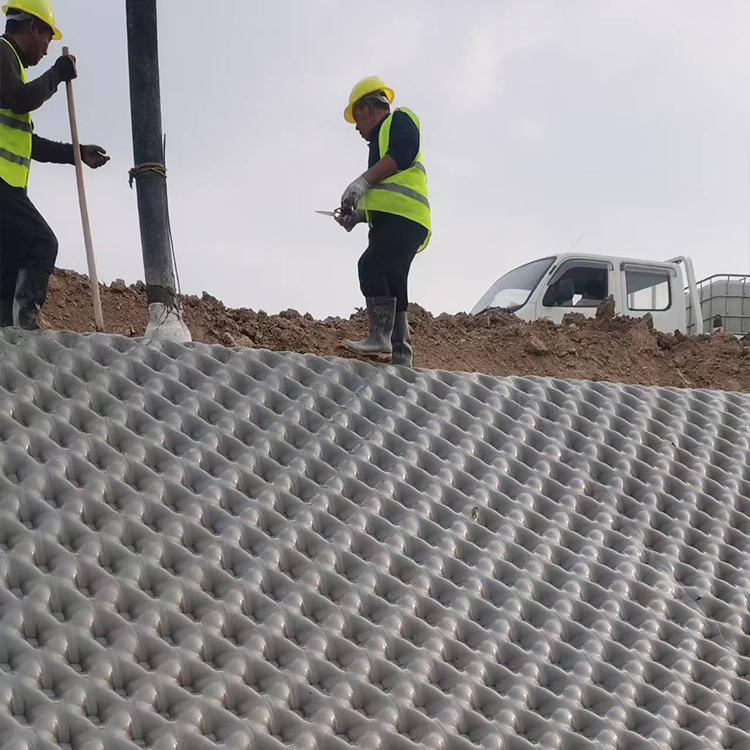







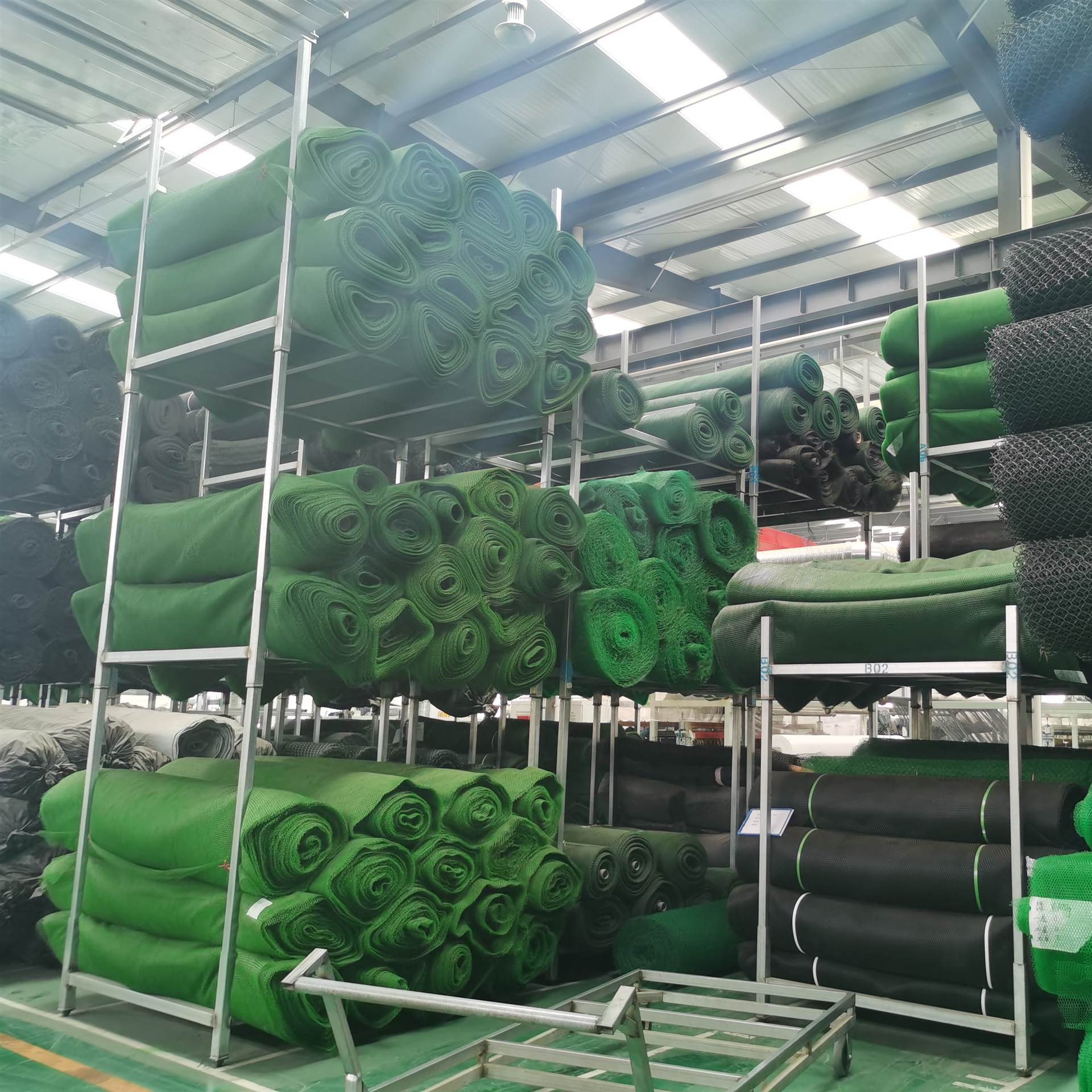
Three-dimensional Vegetation Mesh from Luoyang Manufacturer, Quotation for Slope Protection, Three-dimensional Vegetation Mesh, Vegetation Mesh for Slope Protection, Price
This type of structure is commonly referred to as a revetment. Revetments come in two forms: direct and indirect protection. Direct protection involves reinforcing the riverbank slope to resist the erosive force of water currents. Common construction methods include using dumped rocks, dry-stacked stones, mortared stones, stone baskets, and bamboo bundles. Indirect protection is suitable for wider riverbeds or longer sections requiring protection, where structures like spur dikes, straight dikes, and weir structures can be constructed to divert water away from the riverbank. Depending on the function of the revetment, it can be broadly categorized into two types: (A) A slope protection work that solely resists erosion and scouring, and does not bear lateral soil pressure.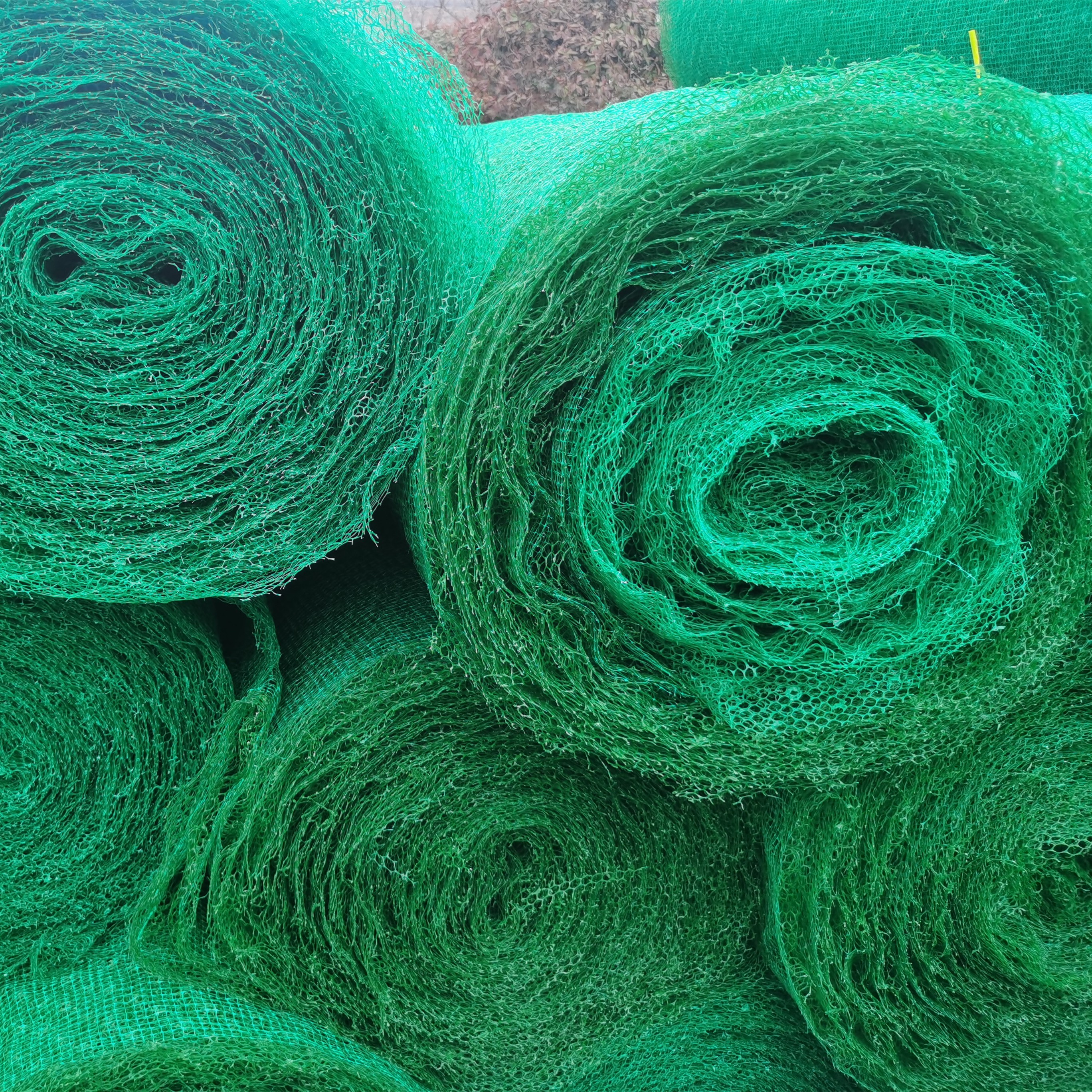 Retaining walls such as concrete slope protection, frame-planting slope protection, and vegetation slope protection all fall into this category and are only suitable for gentle and stable slopes without the risk of sliding. (B) Retaining walls that provide anti-slide resistance can be roughly divided into: (a) rigid gravity retaining walls (e.g., masonry retaining walls, gravity retaining walls, abutment retaining walls, cantilever retaining walls, and counterfort retaining walls), (b) flexible gravity retaining walls (e.g., snake cage retaining walls, frame retaining walls, reinforced retaining walls), (c) anchored retaining walls (e.g.,
 Anchor-type retaining walls (anchor slab retaining walls, anchor pile retaining walls). 1. According to the general construction site plan, level the ground, clear the roads, conduct on-site surveys, review elevation and positional relationships with surrounding buildings, and统筹安排施工生活用水、施工用电、临时设施用房等. 2. Before construction, the construction management personnel prepare safety signs, safety prohibition signs, the seven signs and one map, various management items at the construction site, and fire-fighting equipment. 3. Implement technical documentation, immediately organize relevant personnel to familiarize themselves with the construction drawings upon receiving them, focusing on key construction stages while reviewing the drawings to resolve issues as much as possible during the construction drawing review meeting, minimizing design changes during future construction.
 To facilitate processing orders and construction organization. 4. Organize processing orders: Timely submit construction locations and requirements to relevant departments based on the progress of this project and the variety of materials, and propose processing orders, assign专人 to secure supply sources and delivery dates. Main materials should be approved by Party A before purchasing and using. 5. Before commencement, construction personnel should prepare construction quality assessment forms, construction diaries, and other written materials, as well as standard management account records. 6. Implement construction machinery to enhance modern construction levels.