

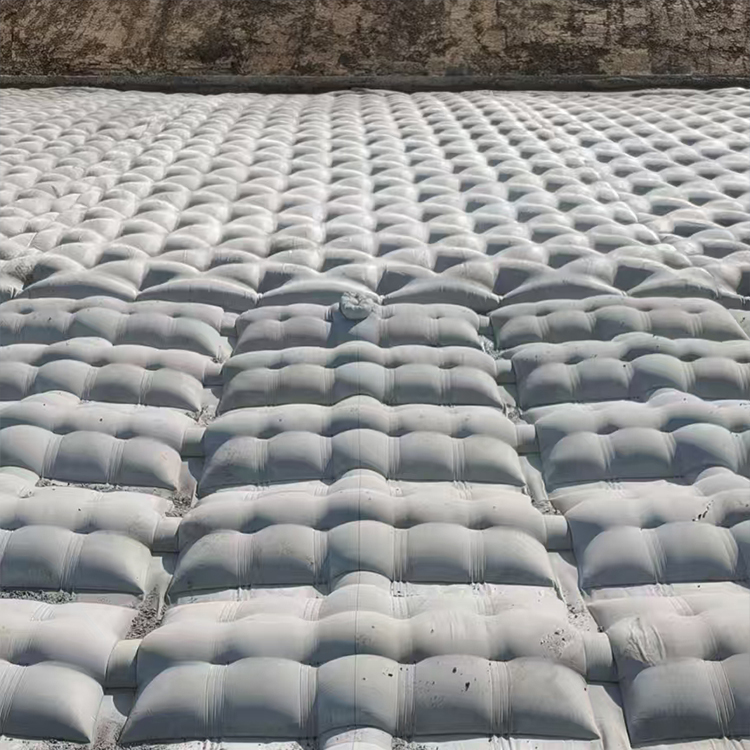
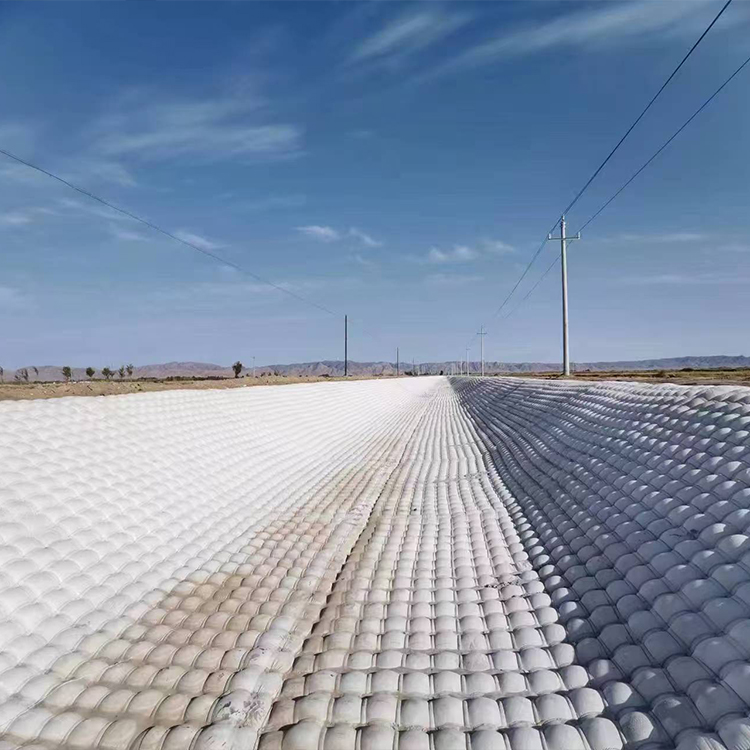
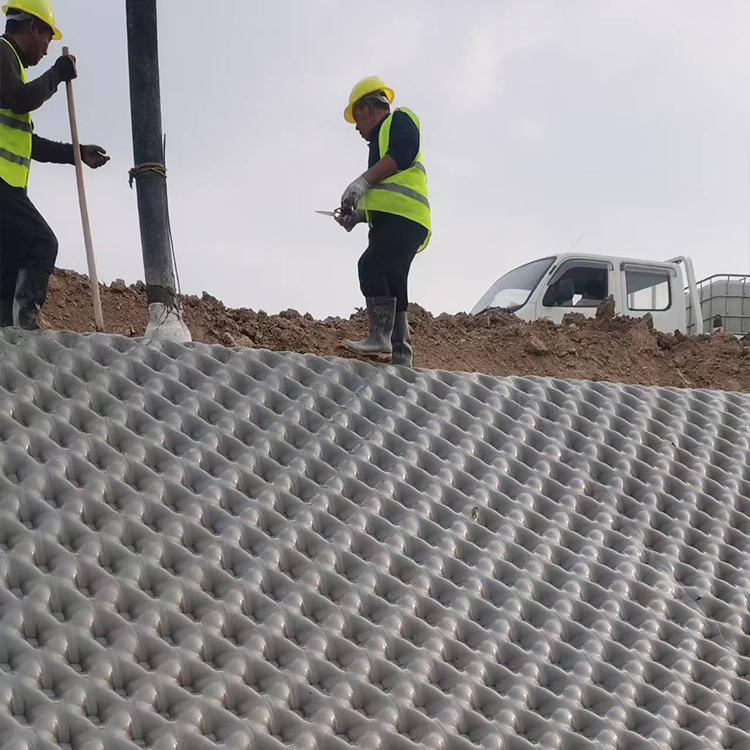







Shangrao Riverbank Protection Eco-Bags Manufacturer, Pricing for Vegetation Bags, Eco-Bags Manufacturer, River Eco-Bags, Environmental Eco-Bags, Riverbank Protection Eco-Bags
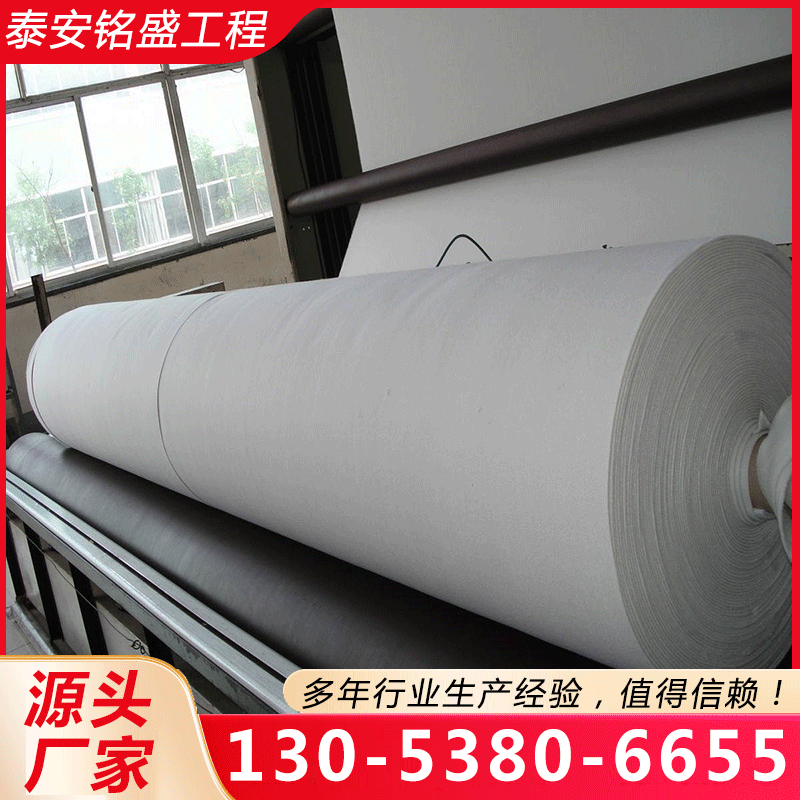
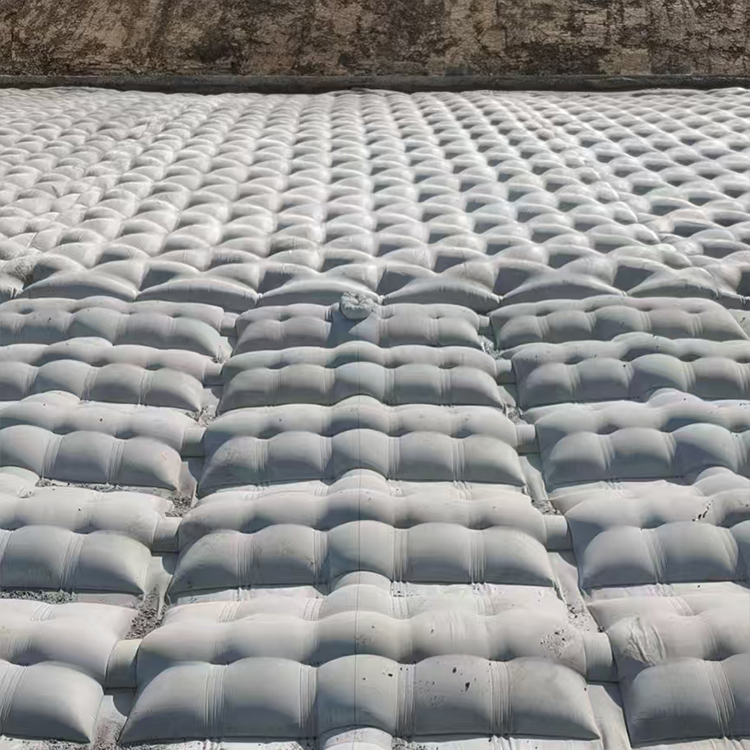
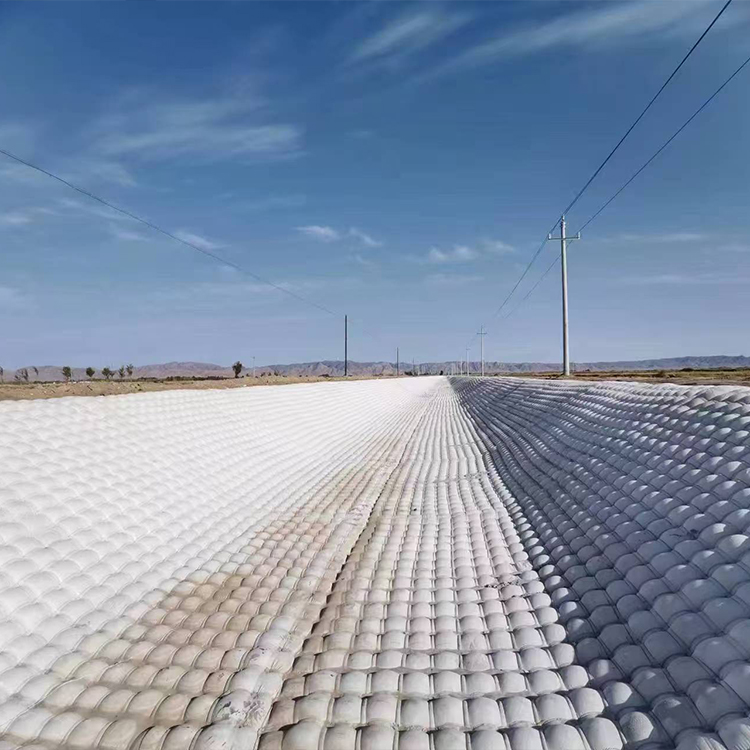
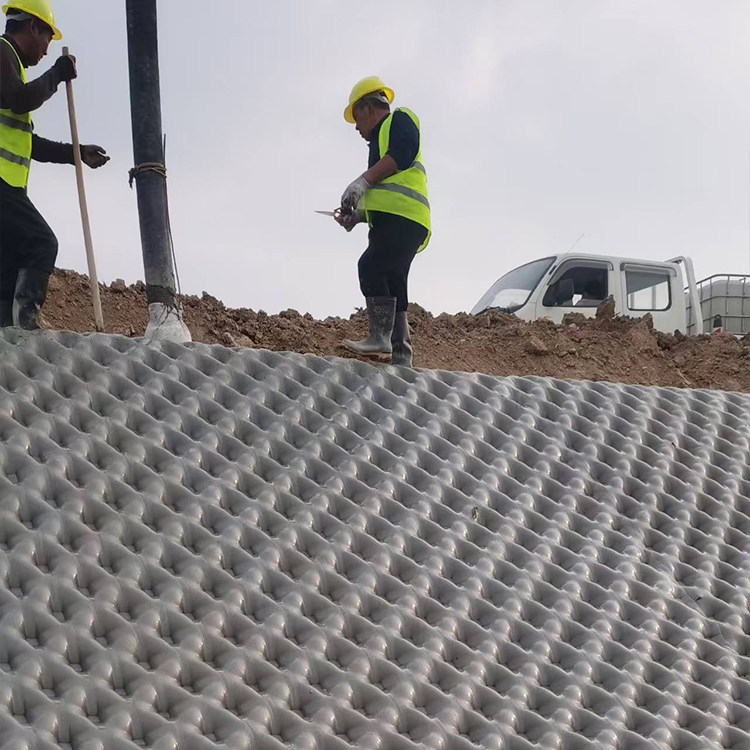
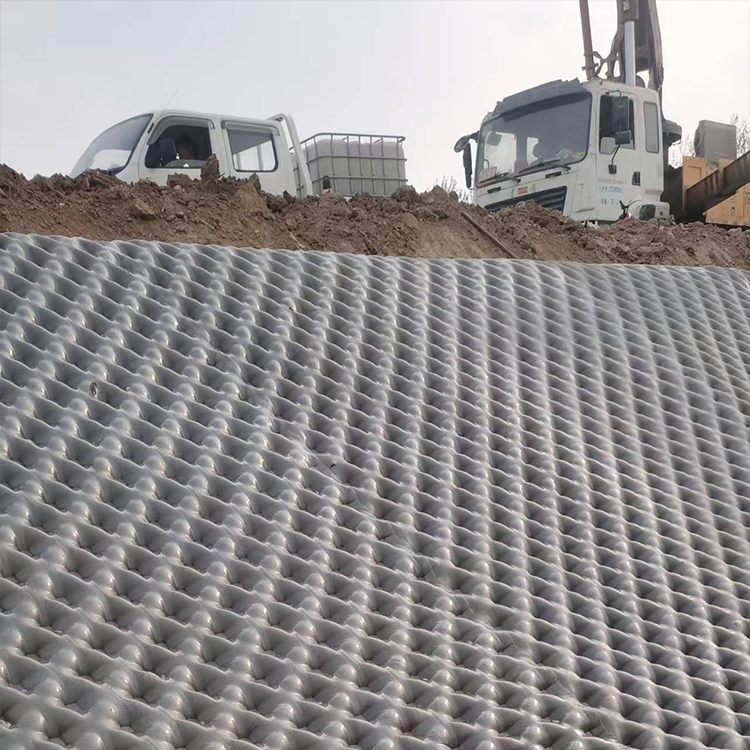
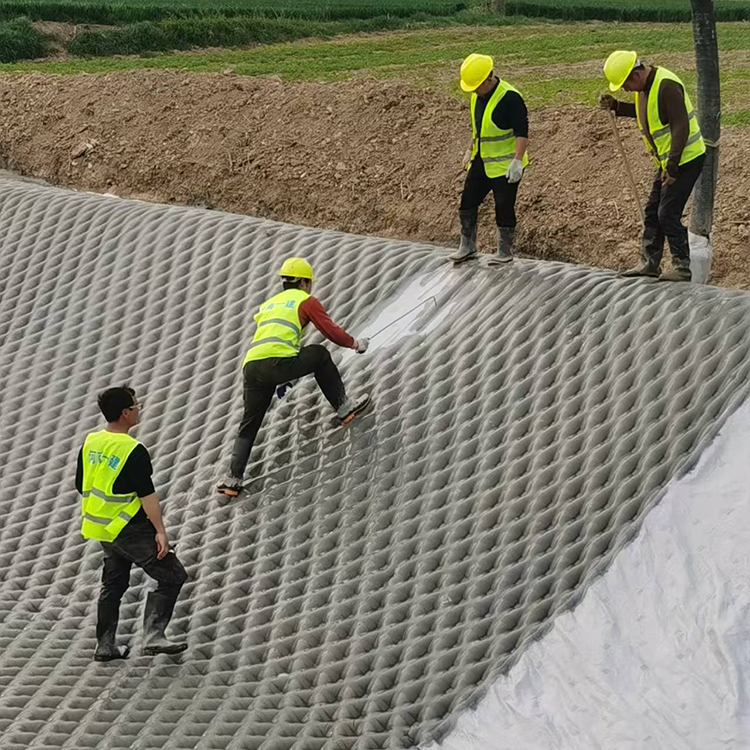
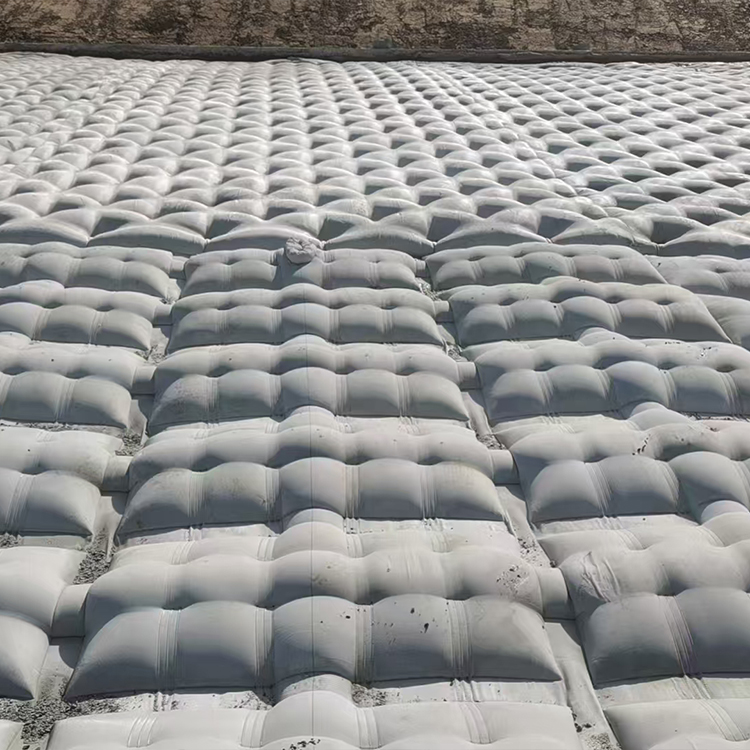
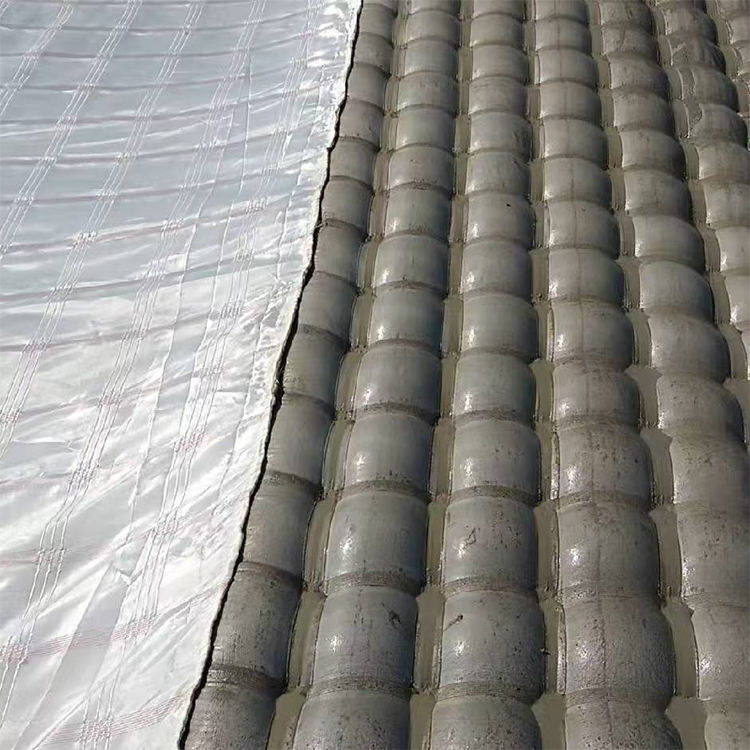
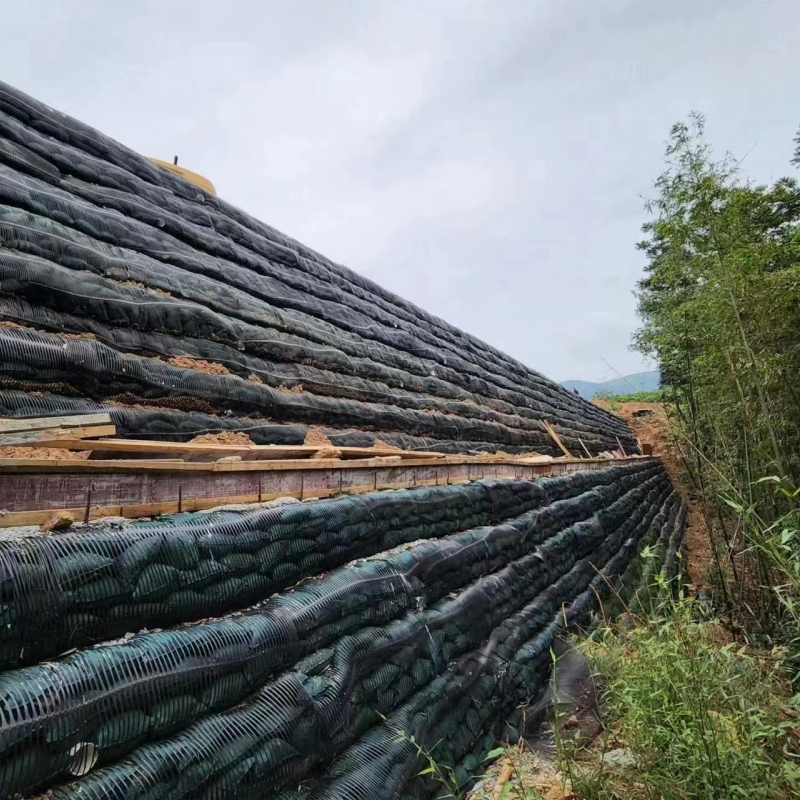
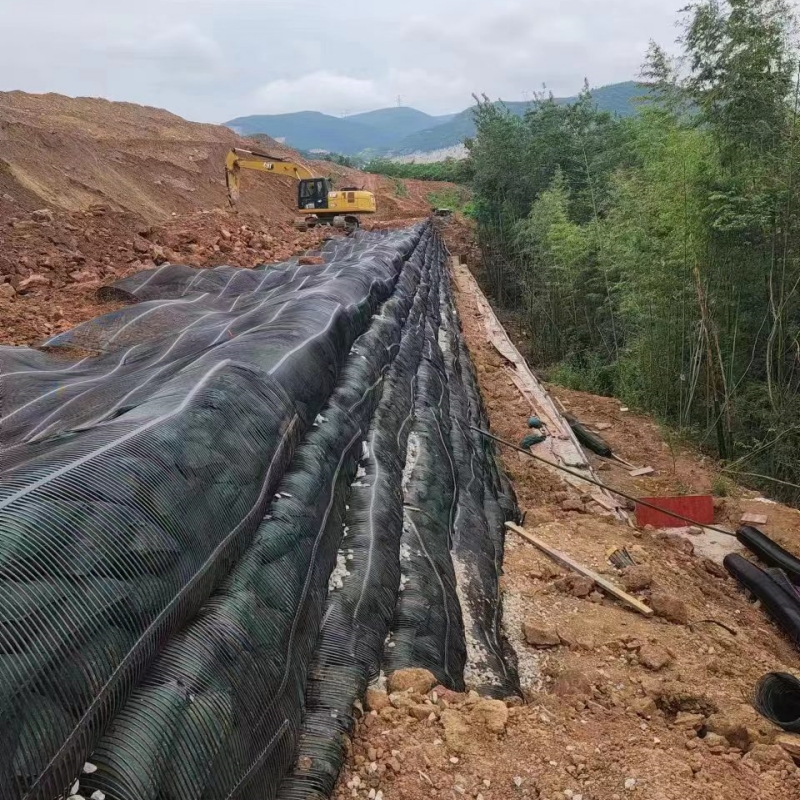
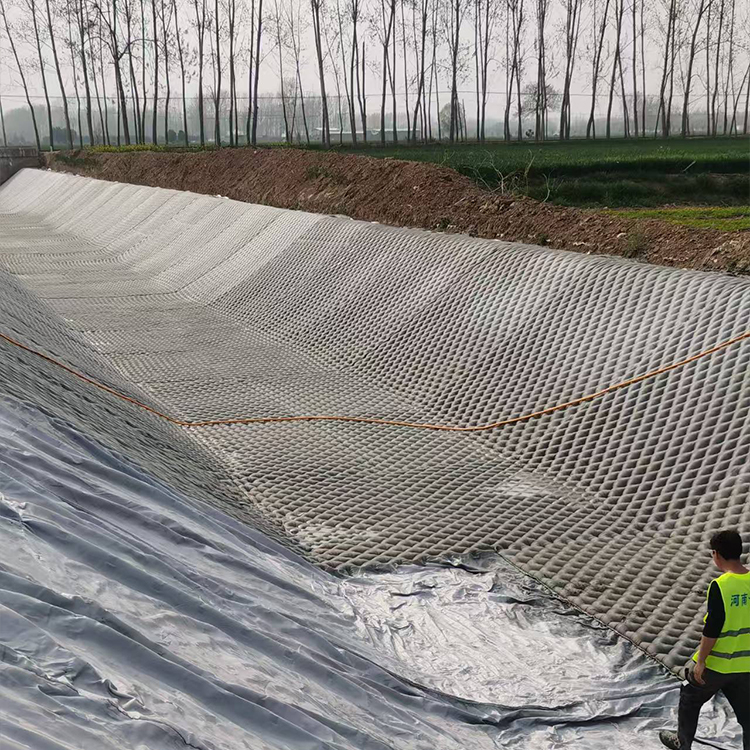
Eco-bags are a high-strength ecological synthetic material that is resistant to ultraviolet rays, frost, and thawing, as well as to acidity and alkalinity. They represent a new type of special material, featuring high strength against UV rays, resistance to acidity and alkalinity, corrosion, and frost/thawing, which can remain non-degradable for over 70 years, truly achieving zero pollution. They are primarily used for constructing flexible ecological slopes. Eco-bags are moisture-resistant, do not absorb water, and the moisture will not damage the bags or cause deformation. They are also insoluble in polluted liquids, making them a great tool for ecological protection and highly practical. These bags are made of polypropylene (PP) or polyester fibers.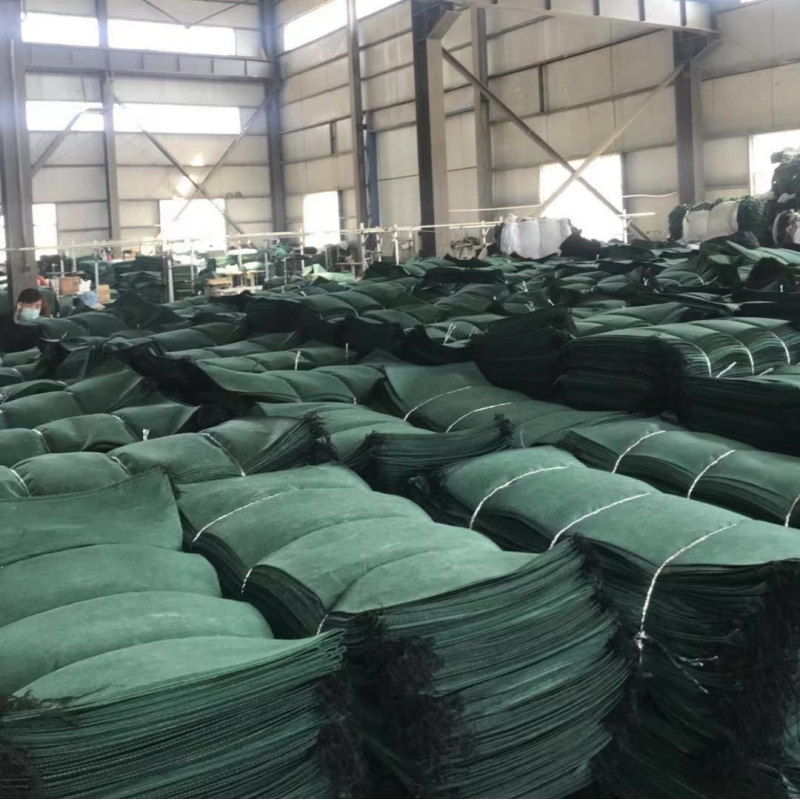 Double-sided stitched non-woven bags made from raw materials (pet). These bags undergo strict selection for indicators such as thickness, unit weight, mechanical properties, appearance, fiber type, stress mode, direction, geometric dimensions, and water permeability, as well as equivalent aperture to meet plant growth requirements. They feature UV resistance, anti-aging, non-toxicity, non-flammability, and non-propagation of tears, achieving true zero pollution. Mainly used for constructing flexible ecological slopes. The use of eco-bags in slope protection and greening is an important construction method for restoring barren mountains and mines, greening highway slopes, riverbank stabilization, and river management. Eco-bags possess excellent physical and chemical properties, and this specially formulated material can resist UV degradation.
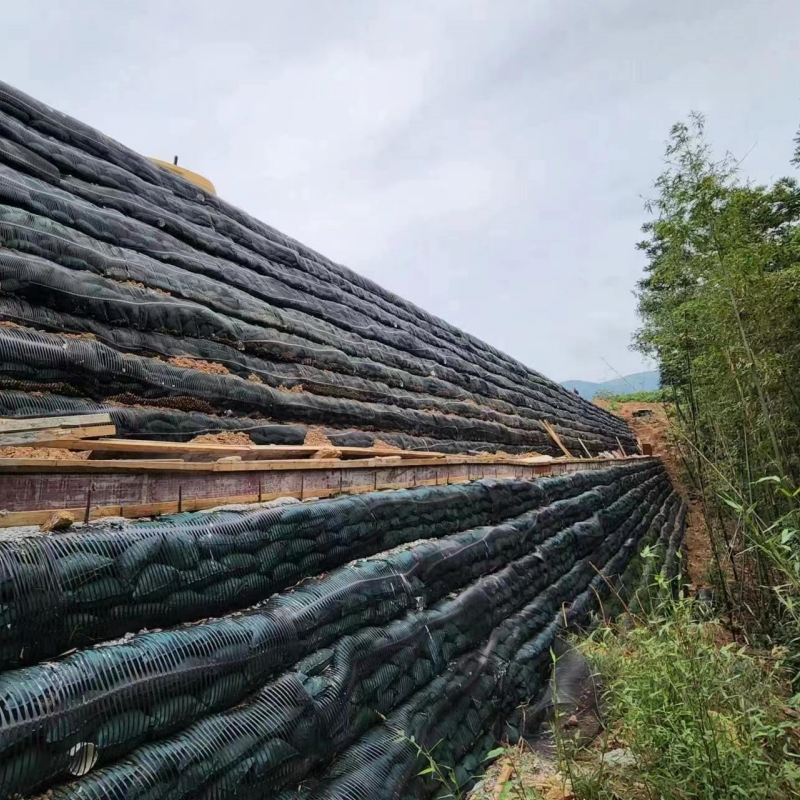 Unaffected by chemical substances in the soil, it does not undergo quality change or rot, is non-degradable, and can resist pest infestation; it is resistant to aging, non-toxic, and can withstand erosion from acids, alkalis, salts, and microbial decomposition. It allows water passage but not soil, is plant-friendly, and conducive to vegetation greening. As a type of slope construction material, it possesses the following environmental versatility advantages. Considering the requirements of various disciplines such as mechanics, hydrology, biology, and botany, strict selection has been made on the thickness, unit mass, physical and mechanical properties, shape, fiber type, mode of loading, direction, geometric dimensions, water permeability, and equivalent pore size to meet plant growth, featuring resistance to UV, aging, toxicity, non-flammability, and crack non-proliferation.
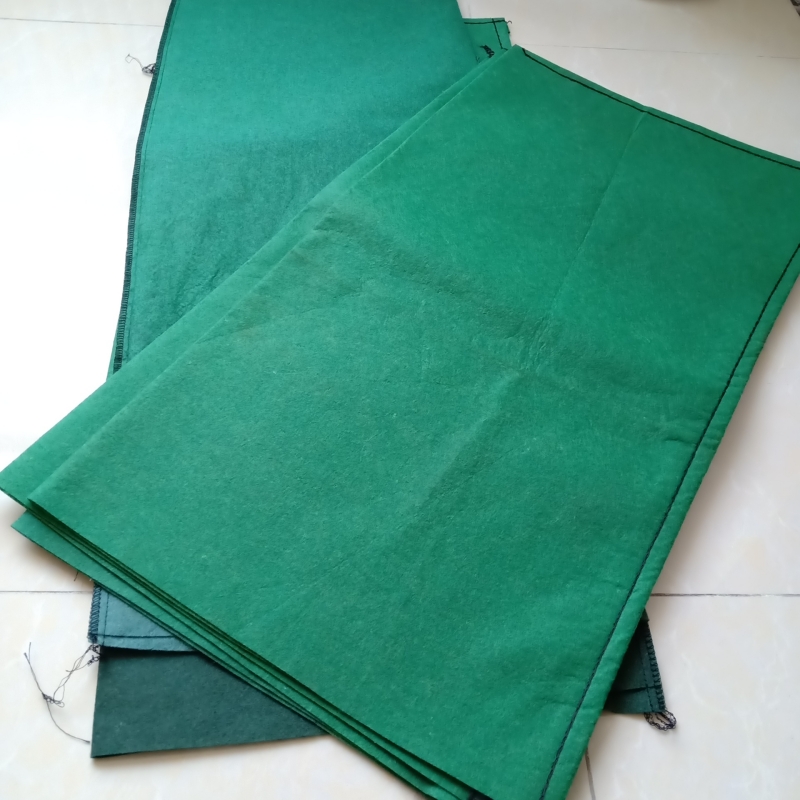 Achieved true zero pollution. The ecological bags possess targeted water-permeable, soil-impermeable filtering functions, preventing the loss of filling material (a mixture of soil and nutrients) while allowing normal water exchange in the soil. This ensures effective retention and timely replenishment of water needed for plant growth, making them highly friendly to plants, enabling them to grow freely through the bags. The root systems penetrate into the engineered foundation soil, like countless anchor rods, reinforcing the stability between the bags and the main structure. Over time, this reinforcement becomes stronger, further achieving the purpose of constructing stable slopes and significantly reducing maintenance costs.