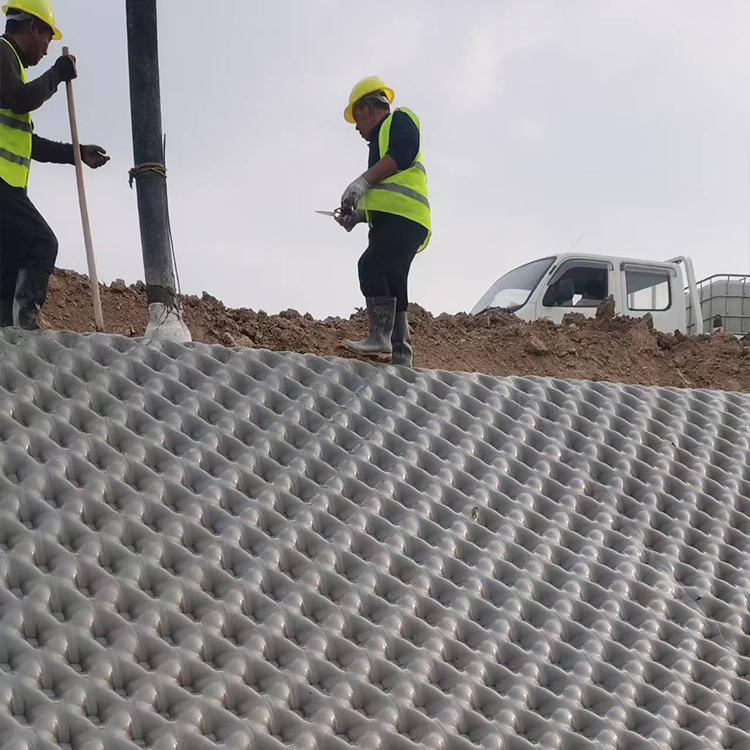







Hefei Slope Protection 3D Vegetation Mesh Manufacturer Price 3D Vegetation Mesh Slope Protection 3D Vegetation Mesh Specifications
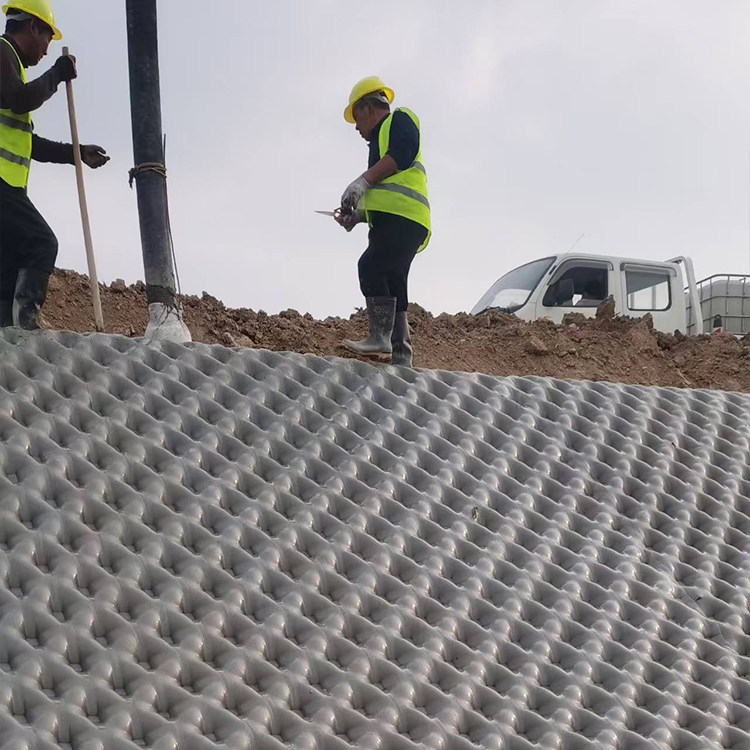
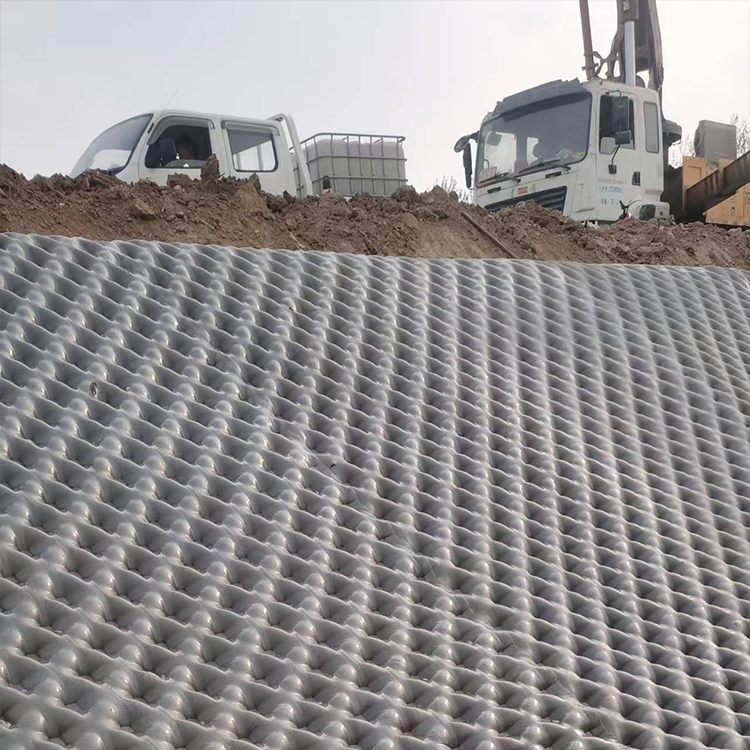
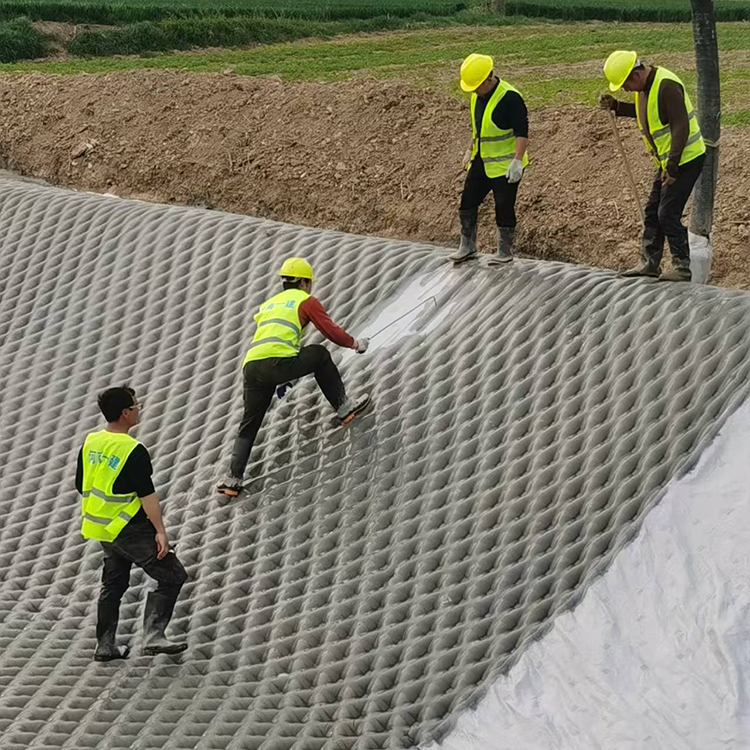
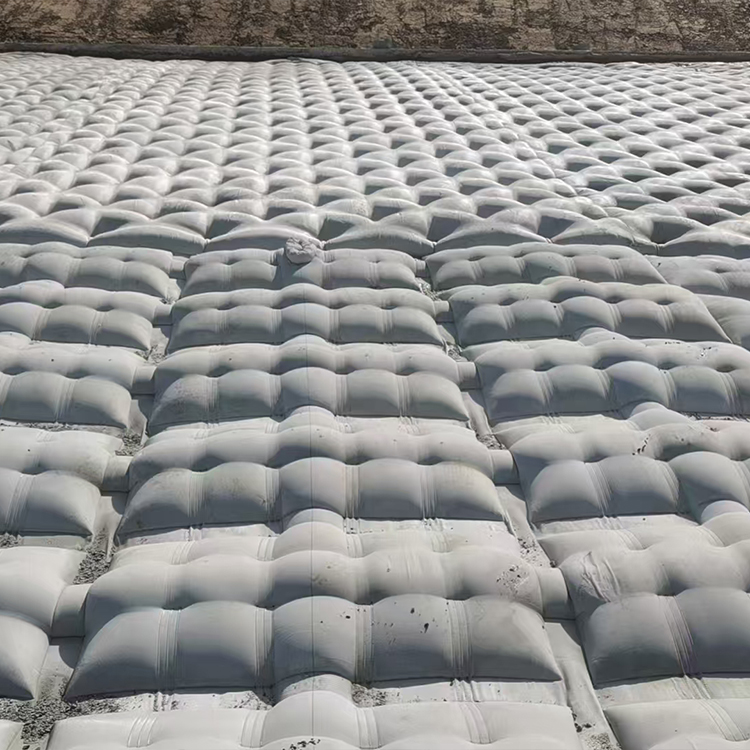
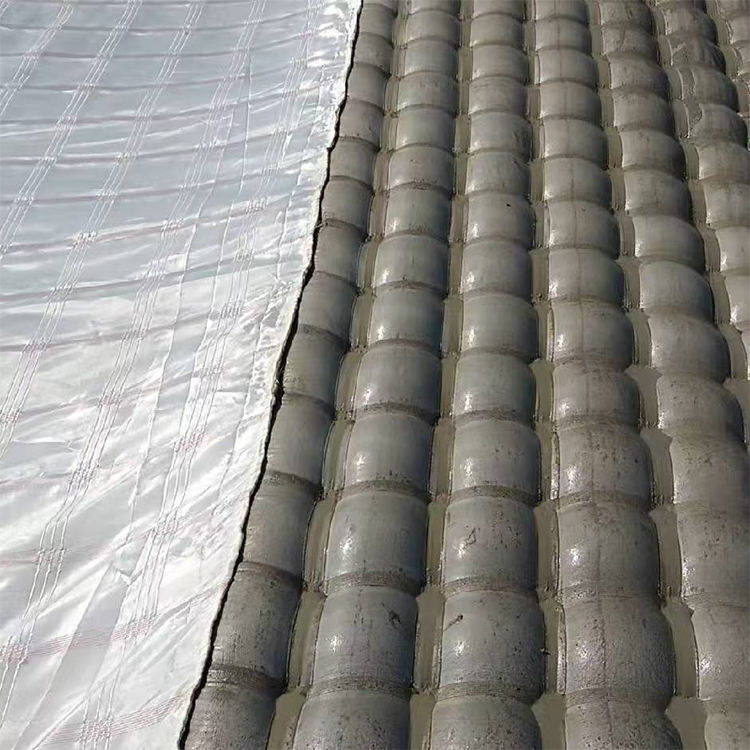
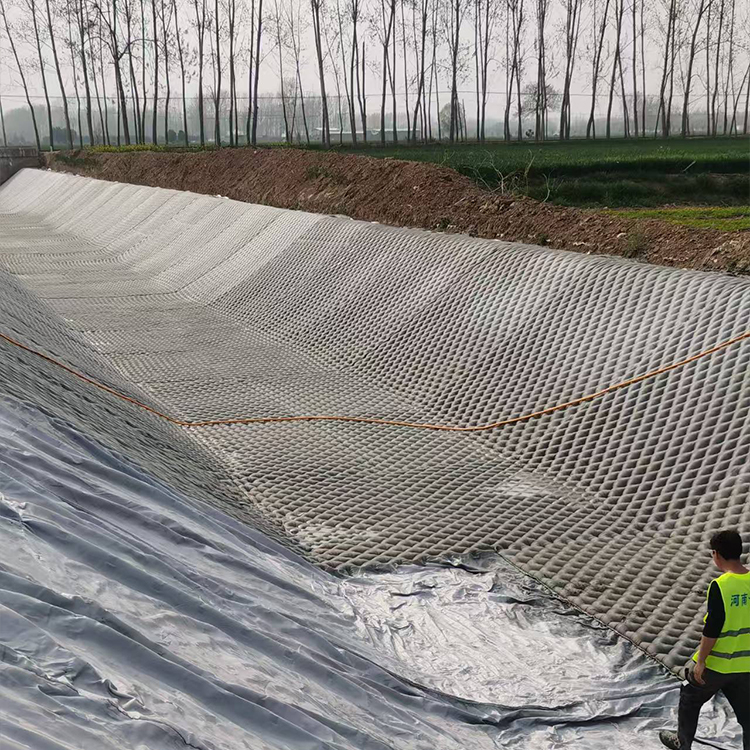
The anti-erosion effect of vegetation is achieved through its three main components: first, the growth layer of plants (including sepals, leaf sheaths, leaf blades, and stems), which prevents the direct erosion of the slope surface soil by rainwater through its dense coverage, reducing the scouring energy of heavy rain runoff and the speed of surface runoff. When the vegetation coverage rate of the slope reaches over 30%, it can withstand the erosion of light rain; when the coverage rate exceeds 80%, it can withstand the erosion of heavy rain. As the plants grow lushly, The runoff velocity resistance is up to 6m/s, more than twice that of general turf. The presence of geotextile helps reduce soil moisture evaporation on slopes and increase infiltration. Additionally, due to the black poly material of the geotextile, it has heat absorption and insulation properties, which can promote seed germination and facilitate plant growth. After the three-dimensional vegetation net is laid, cover the net evenly with soil until no voids are present, ensuring a soil thickness of no less than 12mm on the three-dimensional vegetation net. Then, mix fertilizer, growth regulators, and binder in a certain proportion and apply them evenly to the surface. The fertilizer is a compound fertilizer with a ratio of N:P:K=15:15:15 or N:P:K=10:8:7, along with organic matter containing N, with a dosage of approximately 30-50g/㎡.
 Thus, reducing soil erosion; secondly, the humus layer (including the interface between the leaf layer and the root stem), providing a protective layer for the surface soil of the slope; the three-dimensional vegetation net slope protection technology integrates the advantages of geotextile nets and vegetation slope protection, playing a composite slope protection role. Thirdly, the root system layer, which reinforces and anchors the surface soil of the slope, providing mechanical stability. Generally speaking, during the early stage of plant growth, due to the loose intertwining of the root systems formed by individual plants,
 Root systems lack depth, easily detaching from the soil layer and failing to provide protection. The application of three-dimensional mesh, however, enhances the effectiveness of these three aspects to achieve more comprehensive shallow protection. Firstly, within a certain thickness range, it boosts the protective and mechanical stability properties. Secondly, due to the presence of the three-dimensional mesh, the extensive root systems of plants are interconnected with the mesh's reinforcing strands, forming a plate-like structure (equivalent to reinforced soil at the slope surface). This increases the tensile and shear strength of the protective layer, limiting the expansion of "gradual destruction" phenomena caused by erosion (erosion can directly damage individual plants, with the damaged area increasing over time). Ultimately, it restricts the occurrence of shallow surface sliding and upheaval on the slope.